EN
EN

A reliable LED Display Video Processor is the core of every professional LED screen system. Whether you manage an indoor conference display, rental stage wall, broadcast studio, or outdoor advertising screen, the right processor improves image quality, signal stability, and screen synchronization for a seamless visual experience.
Quick Navigation
Selection Logic
Choosing the correct LED Display Video Processor depends on screen resolution, input compatibility, refresh rate, scaling performance, and installation environment. Professional processing ensures stable playback and superior image clarity.
What Is an LED Display Video Processor?
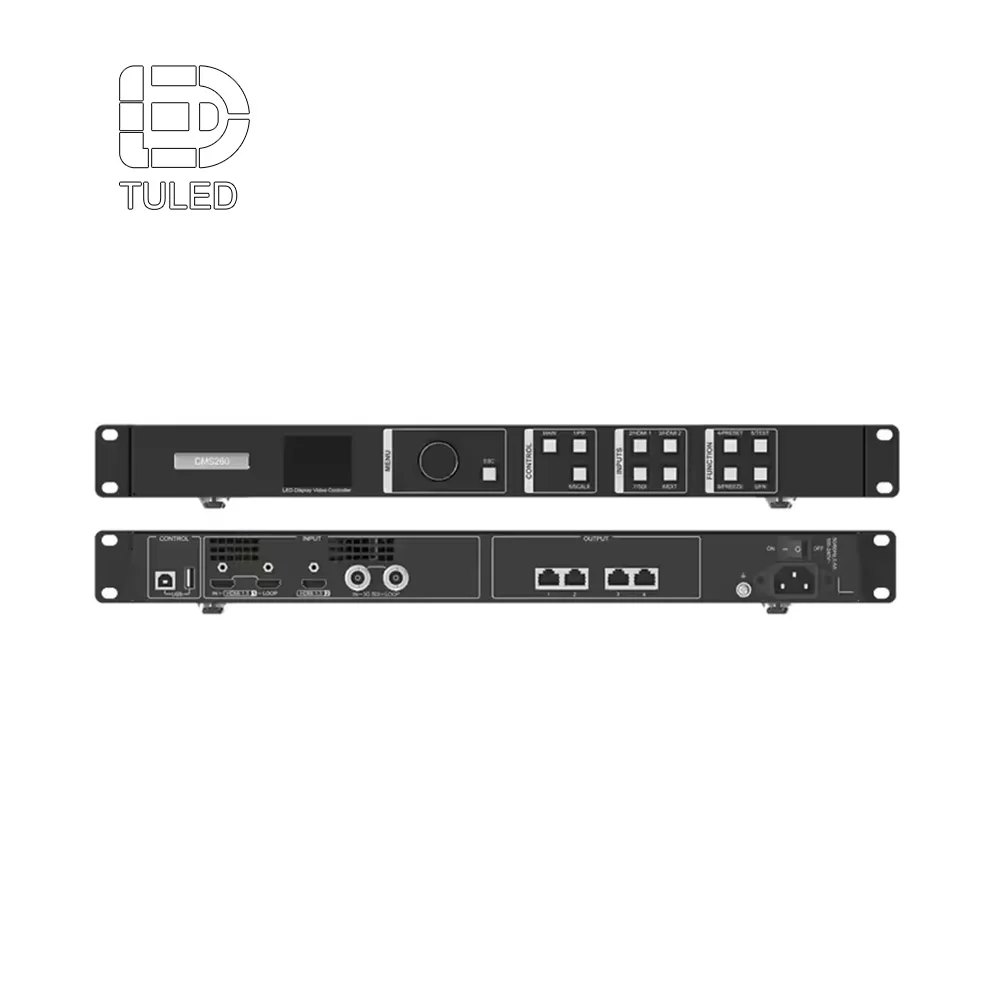
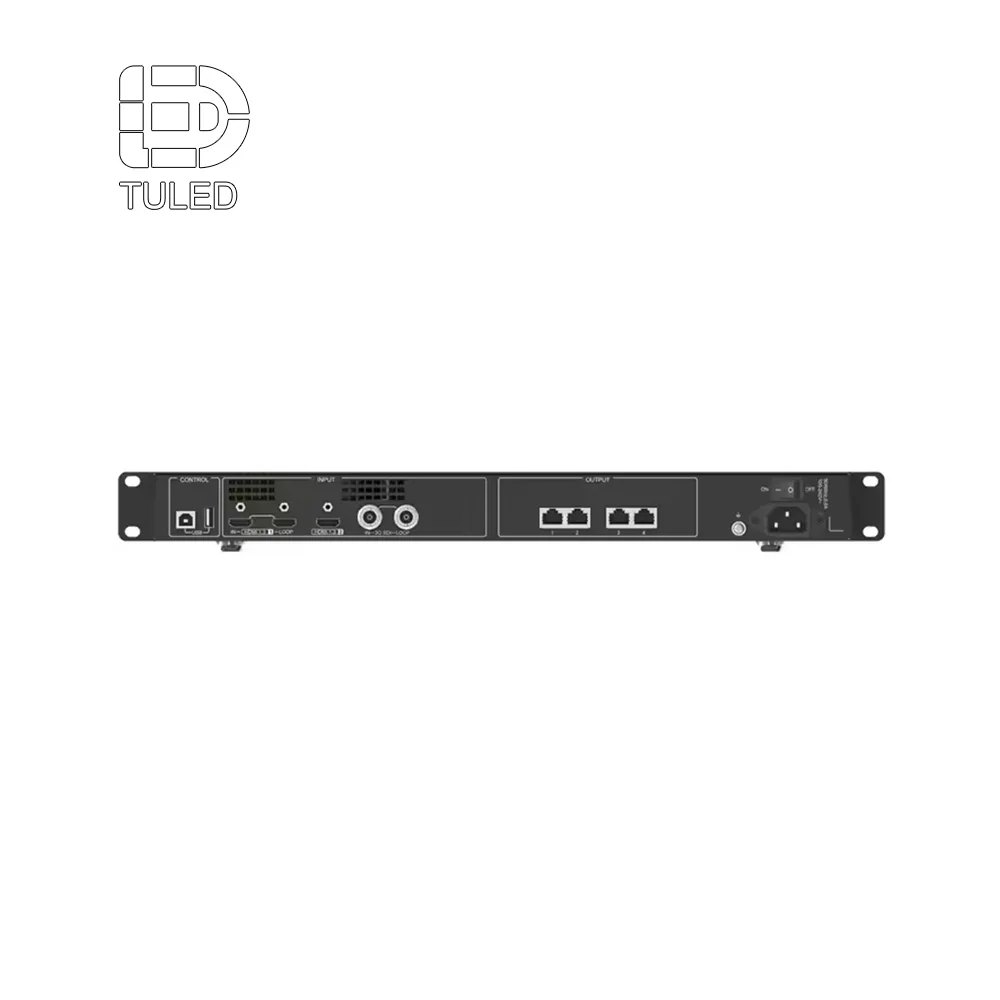
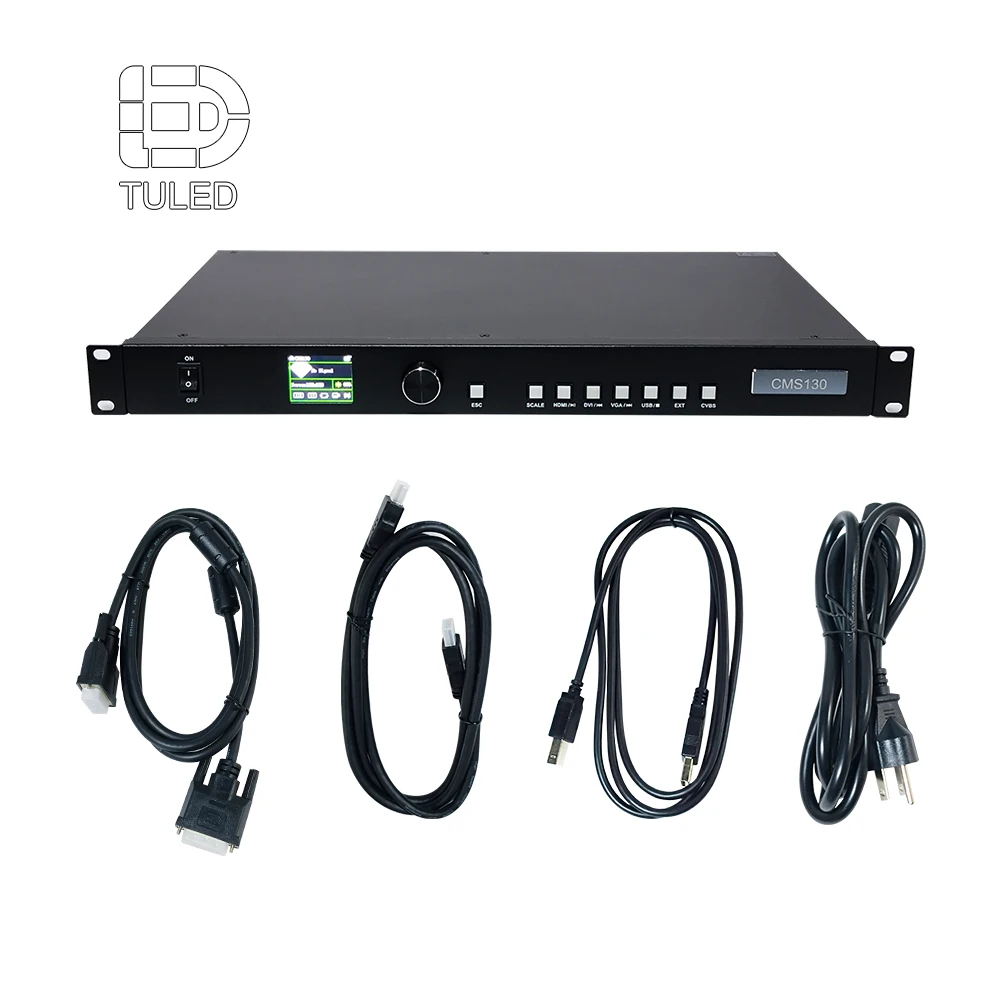
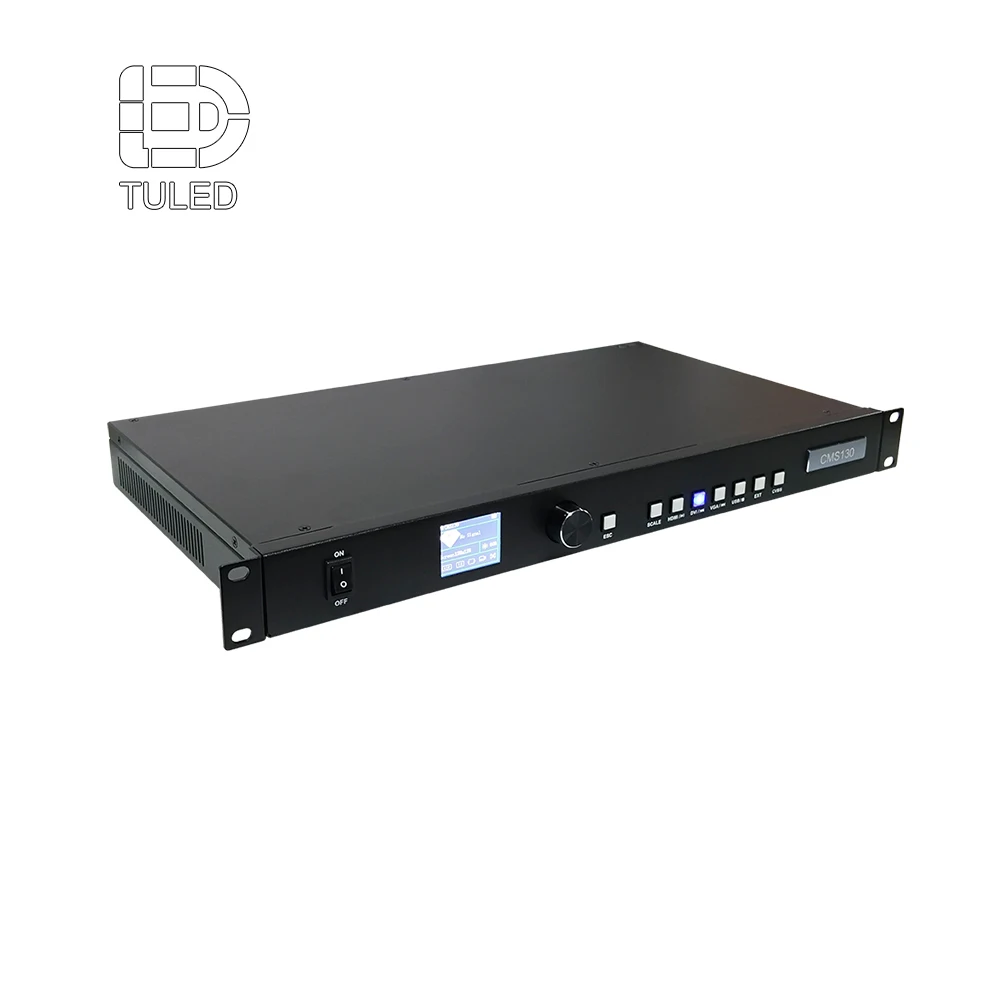
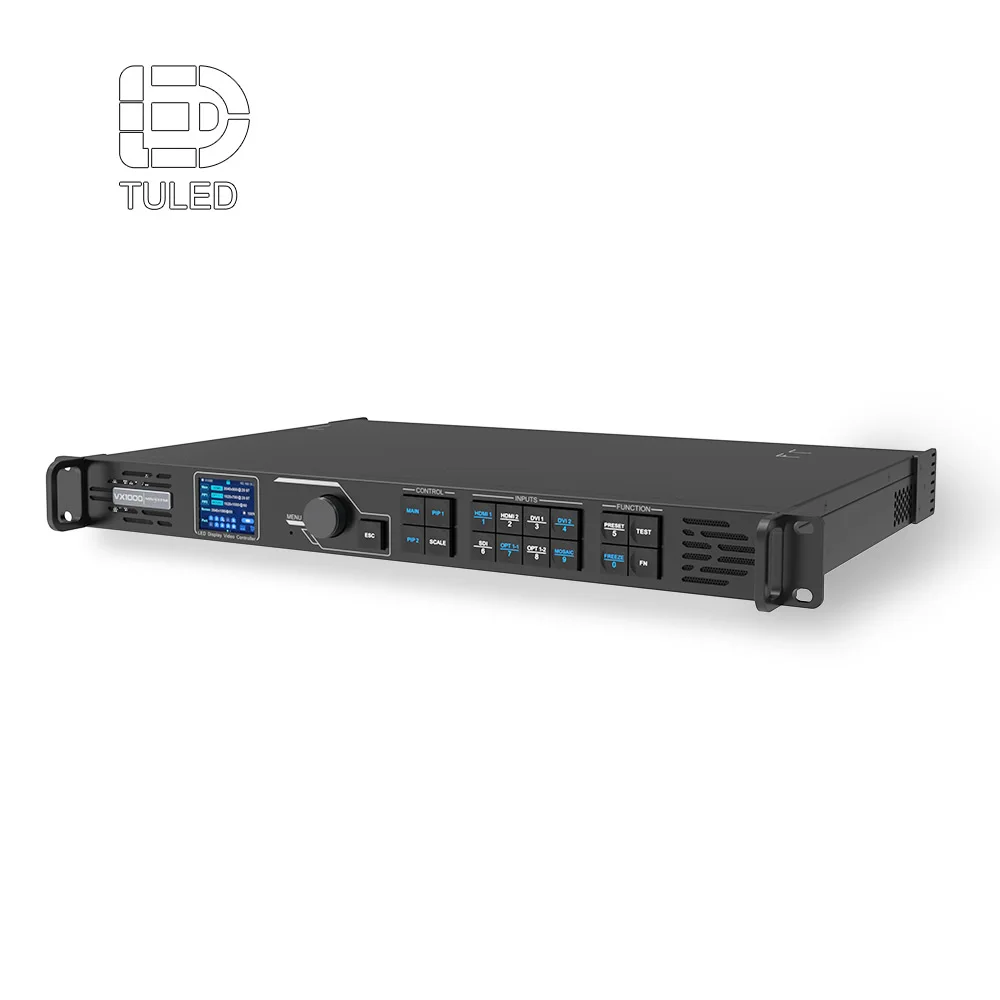
An LED Display Video Processor is a professional control device that receives video signals from different input sources and converts them into optimized outputs for LED display screens. It improves image scaling, color calibration, synchronization, and signal transmission.
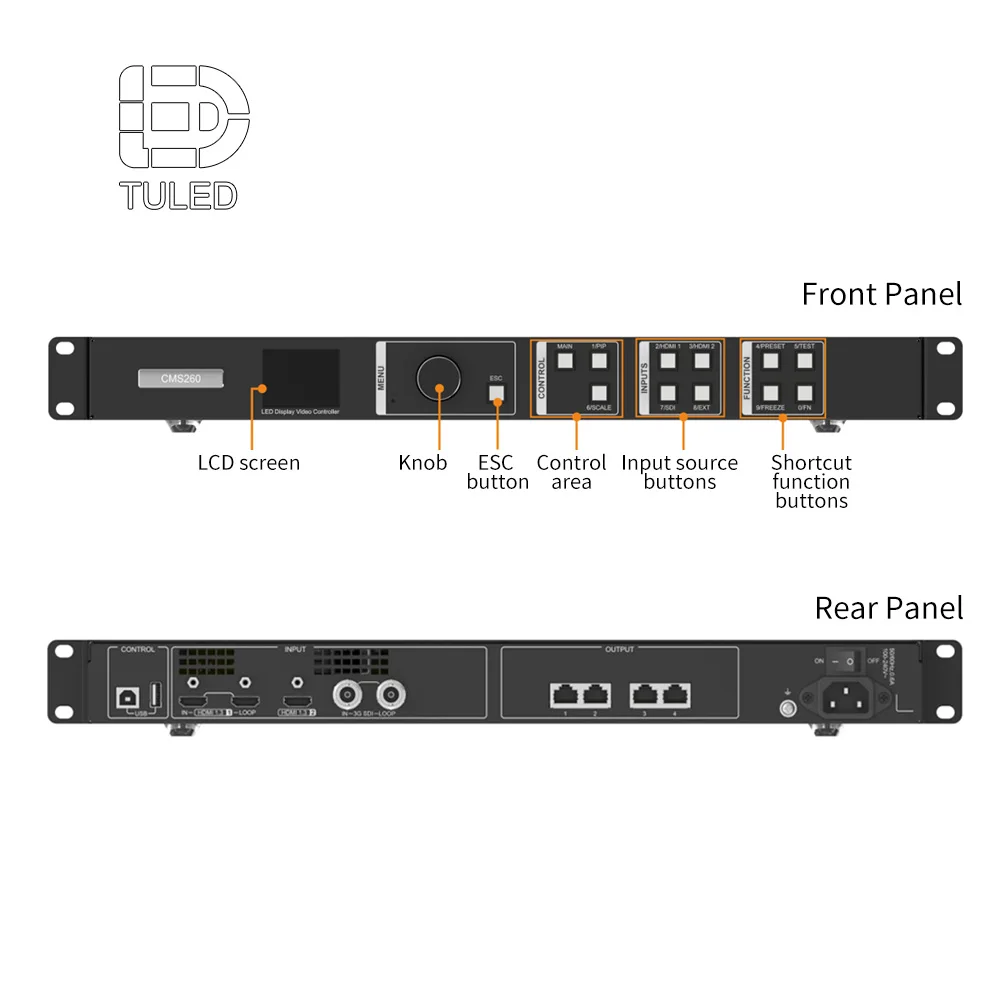
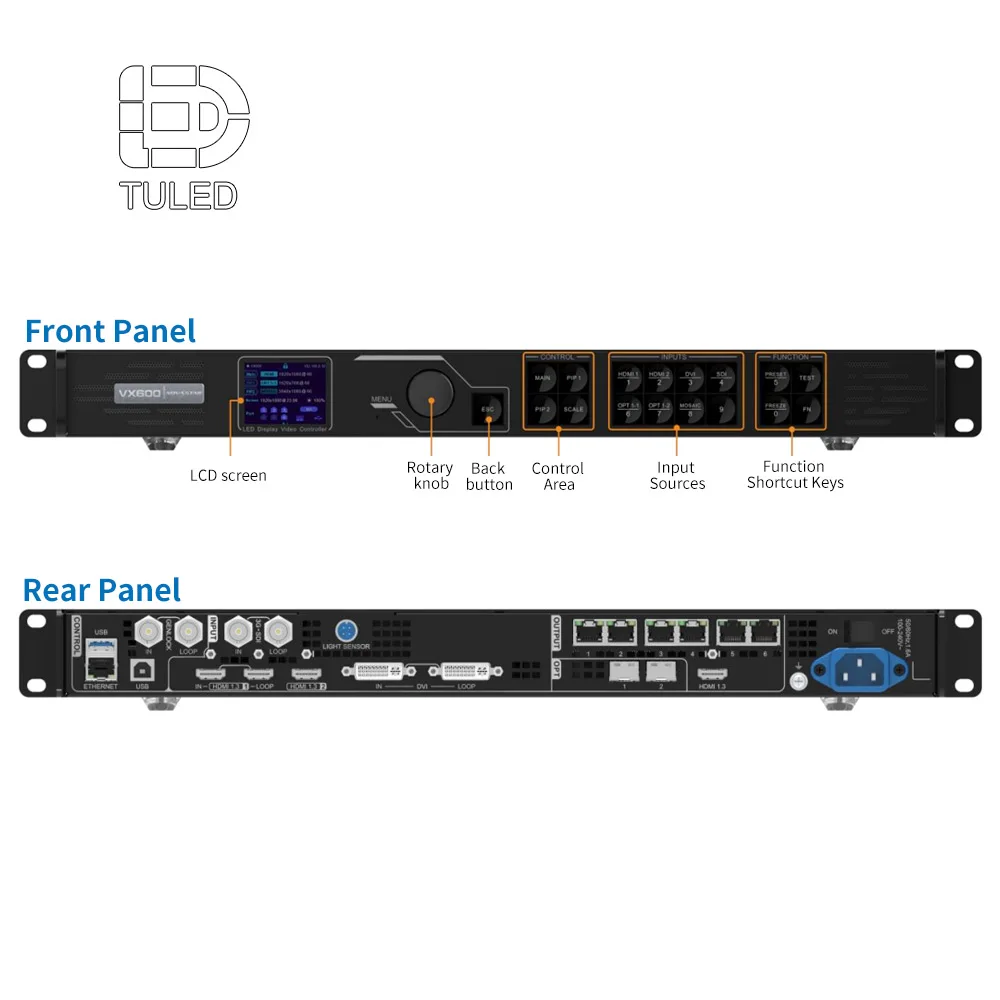
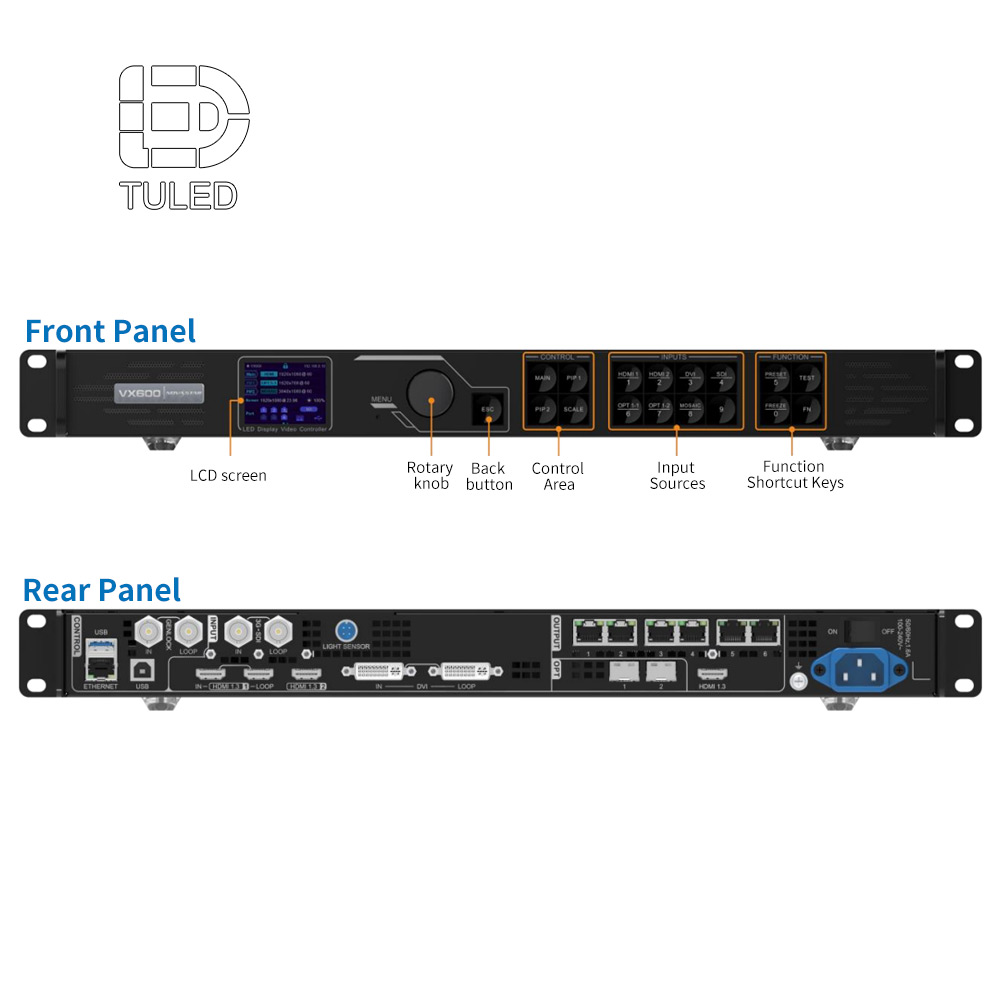
Modern processors support HDMI, DVI, VGA, SDI, and DisplayPort inputs, making them suitable for conference systems, live events, retail advertising, broadcasting, and fixed LED installations.
Compared with direct signal connection, a dedicated processor delivers smoother visuals, lower latency, and better image stability. This is especially important for fine-pitch LED displays and large-format video walls.

LED Video Processor
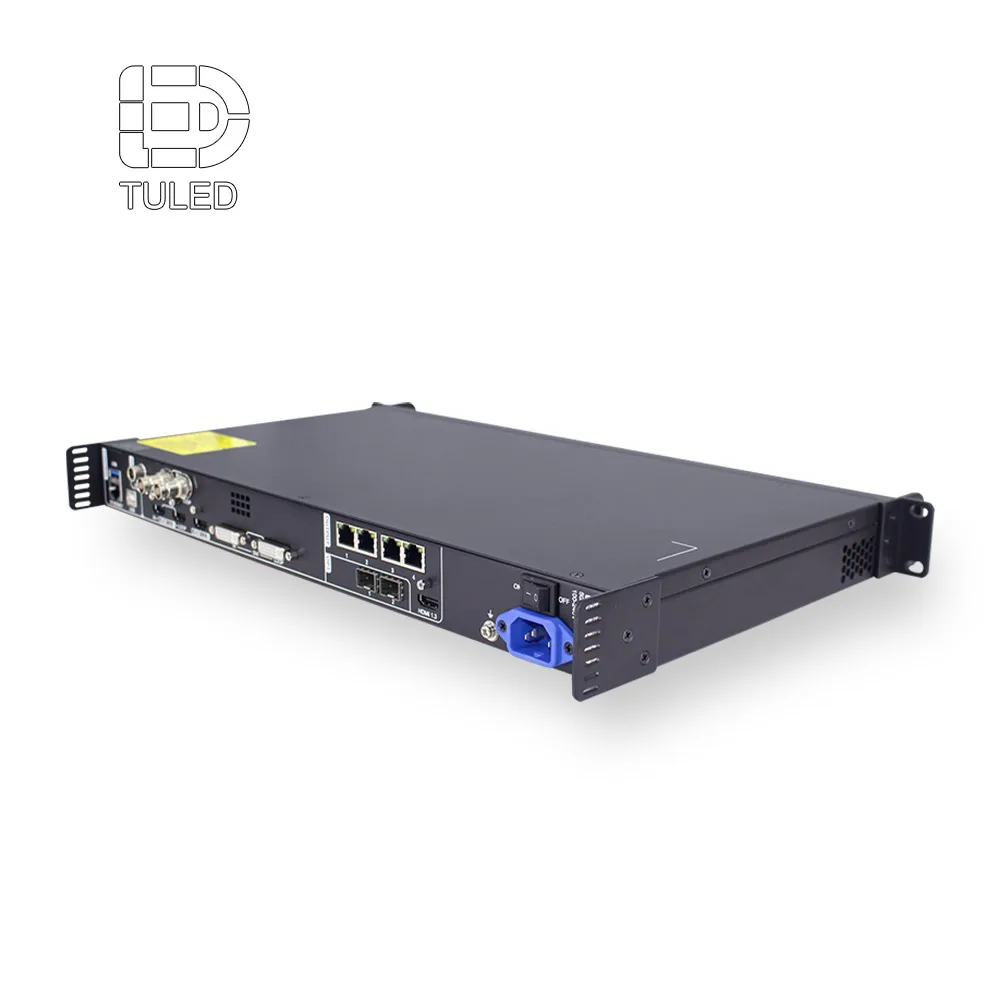
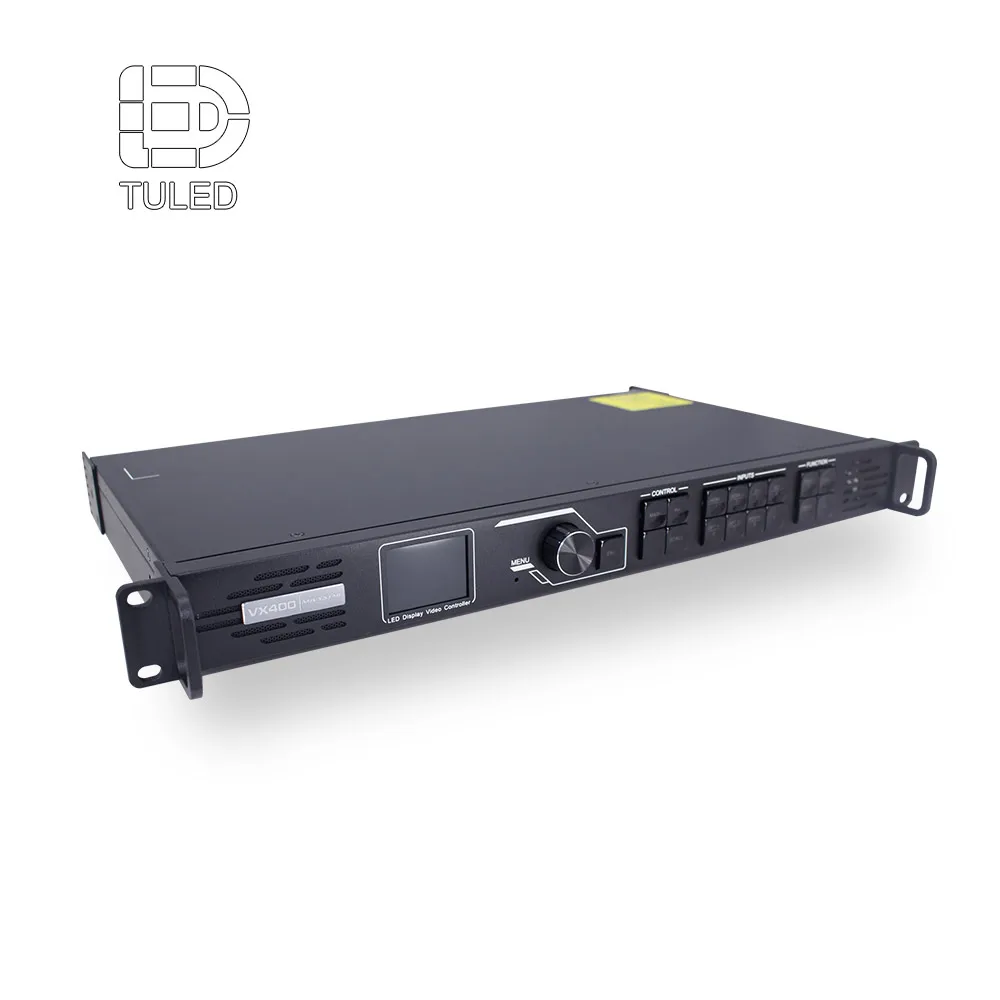
Supports 4K signal input, ultra-low latency processing, multi-window display, and high refresh LED synchronization for professional applications.
For rental LED displays, processors also provide quick scene switching and flexible signal routing. This allows event operators to manage multiple content sources efficiently.
Many users combine a LED Display Video Processor with receiving cards and sending cards to create a complete LED display control system.
Key Features of Professional LED Video Processors
Advanced video processors are designed to optimize visual performance for modern LED displays. High-quality processing hardware improves color consistency and reduces signal distortion.
Many commercial systems now support 4K and HDR processing for improved brightness and image detail in demanding environments.
Important Features to Consider
- 4K UHD input and output support
- Multi-window and picture-in-picture display
- Low latency signal processing
- Flexible scaling for different screen sizes
- HDMI, DVI, SDI, and DP compatibility
- High refresh rate synchronization
Some processors also include remote control software, enabling centralized management for large LED display networks and digital signage systems.
Broadcast environments often require frame synchronization and backup signal redundancy to maintain uninterrupted operation.
Common Applications for LED Display Video Processors
LED video processors are widely used in indoor and outdoor display systems. Retail stores use them for advertising screens, while conference halls rely on stable image scaling and seamless presentation switching.
Rental staging companies prefer processors with multi-input switching and quick setup functions. Sports venues and broadcasting studios often require synchronized playback across massive LED walls with high refresh rates and minimal delay.
How to Choose the Right LED Display Video Processor
Selecting the correct processor depends on your LED screen specifications and application environment. The wrong configuration may lead to unstable signals or reduced image quality.
You should evaluate total screen resolution, required input types, control distance, and whether multi-screen synchronization is needed.
Recommended Selection Conditions
- Match processor resolution with LED screen size
- Confirm supported signal interfaces
- Choose low latency for live events
- Use 4K processing for fine-pitch displays
- Consider backup signal redundancy
- Check compatibility with receiving cards
For large commercial projects, professional technical support and firmware updates are also important factors when choosing a supplier.
LED Video Processor Buying Checklist
Before purchasing a processor, confirm the following technical requirements to avoid compatibility problems during installation.
Essential Checklist
- LED screen total resolution
- Required signal input formats
- Need for 4K or HDR support
- Refresh rate requirements
- Multi-window display capability
- Control software compatibility
- Sending card compatibility
- Backup signal redundancy support
- Installation environment conditions
- Future expansion requirements
Professional LED control systems require stable communication between processors, controllers, and receiving cards for reliable long-term operation.
Visit Our LED Display Platform to explore additional LED control accessories and complete display solutions for commercial projects.
Frequently Asked Questions
What does an LED Display Video Processor do?
It converts and optimizes video signals for LED screens, improving image scaling, synchronization, color quality, and signal stability.
Do I need a processor for small LED screens?
Small screens may operate without one, but a processor significantly improves image quality and compatibility with different input devices.
Can a video processor support 4K LED displays?
Yes. Many professional processors support 4K UHD input and output for high-resolution LED display systems.
Which interfaces are commonly supported?
Common interfaces include HDMI, DVI, VGA, SDI, and DisplayPort depending on the processor model.
How do I choose the right processor?
Focus on screen resolution, signal compatibility, refresh rate requirements, latency, and system scalability.
Upgrade Your LED Display Control System
We provide professional LED Display Video Processor solutions for rental events, fixed installations, advertising displays, conference systems, and broadcast environments.
Contact our team for product recommendations, technical consultation, and customized LED display control solutions.