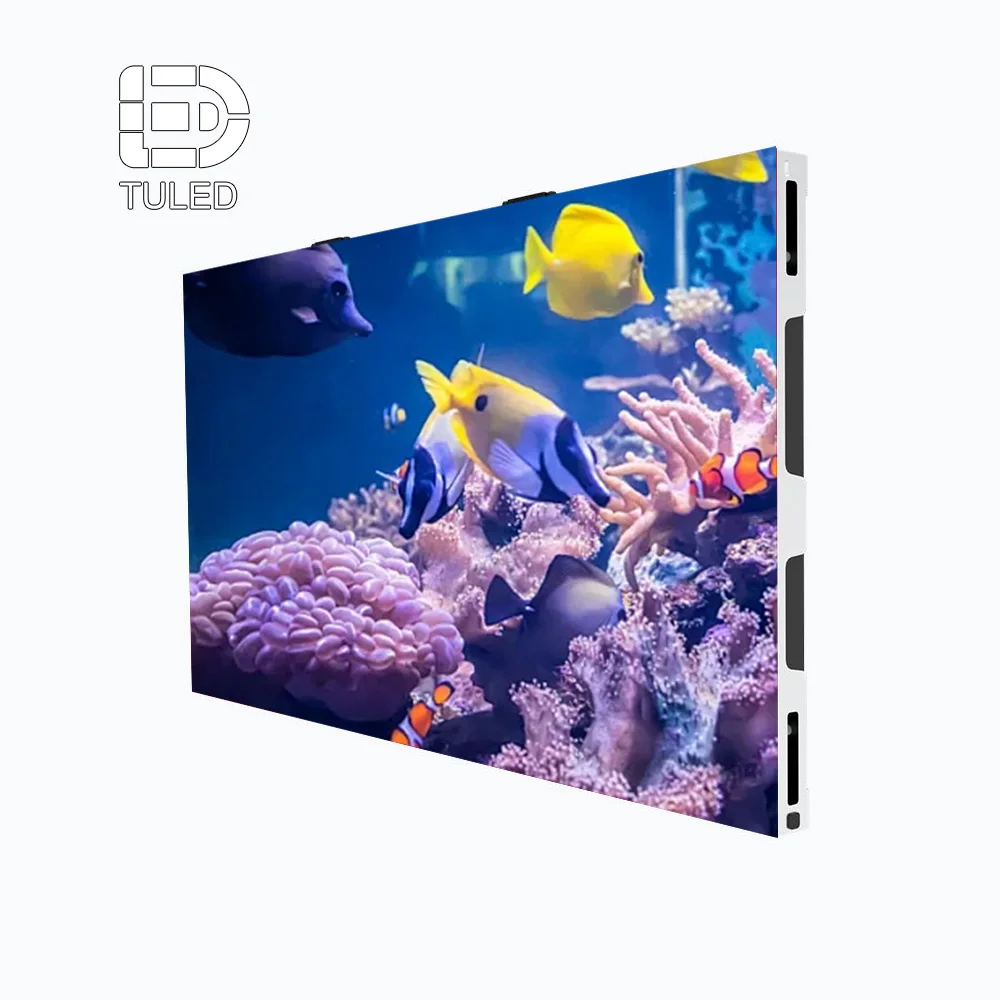
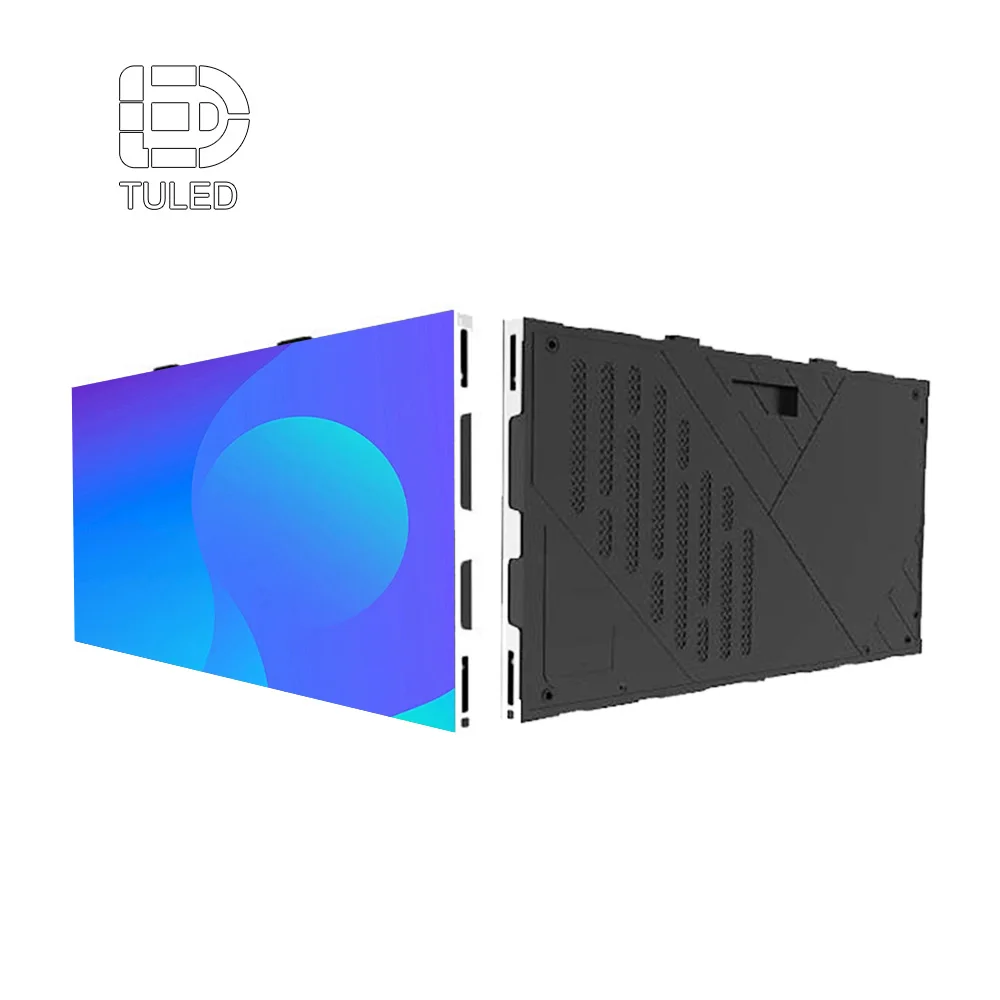
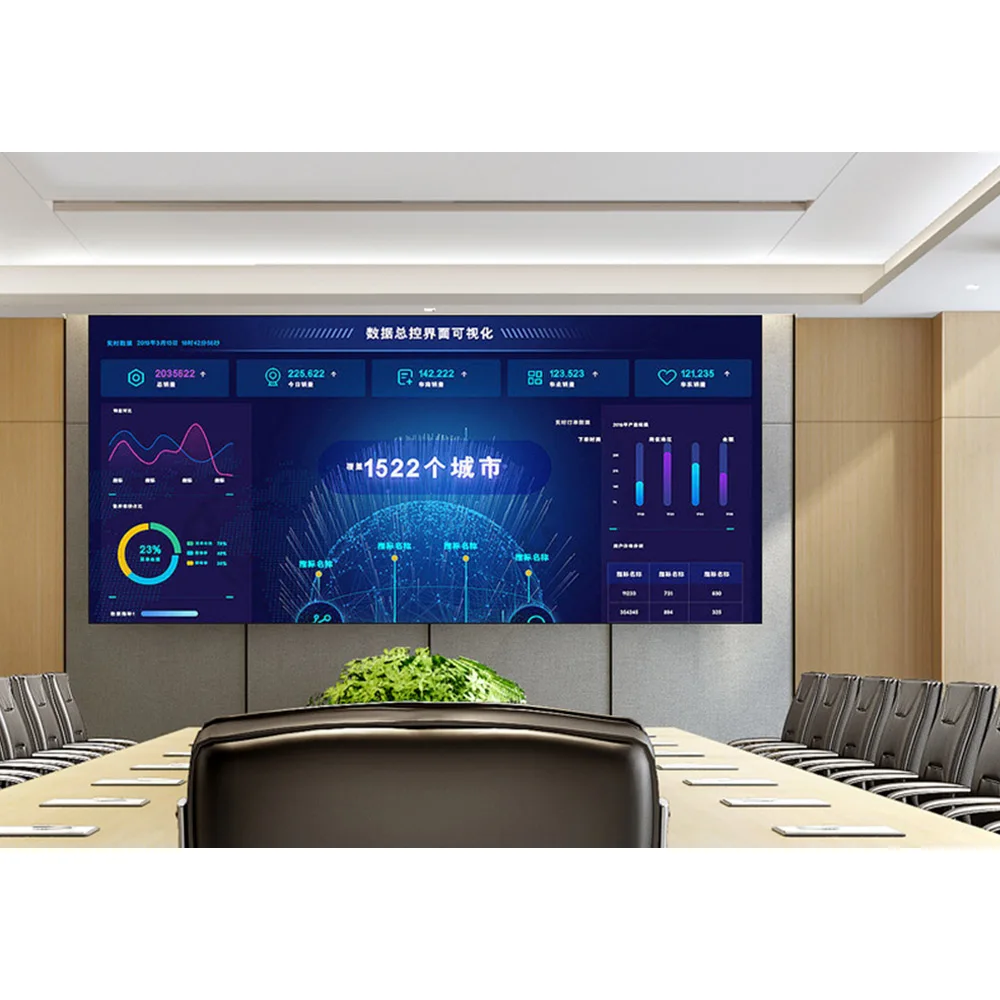
EN
EN

Modern businesses require high-quality visual communication systems that deliver seamless performance and long-term reliability. Indoor LED Display solutions are now widely used in conference rooms, shopping malls, retail stores, control centers, churches, hotels, exhibitions, and corporate environments where image quality and visual impact matter most.
Quick Navigation
Selection Logic
Choosing the right indoor LED display depends on viewing distance, pixel pitch, screen size, installation environment, maintenance requirements, and image quality expectations. Fine-pitch LED displays provide premium visual performance for modern commercial spaces.
What Is An Indoor LED Display?
An indoor LED display is a digital screen system built with LED modules and precision cabinets designed specifically for indoor environments. Compared with outdoor LED displays, indoor models focus more on high resolution, close viewing comfort, accurate color reproduction, and fine pixel pitch technology.
Indoor LED display systems are commonly installed in conference rooms, shopping malls, retail stores, exhibitions, churches, command centers, and commercial digital signage applications where viewers are positioned relatively close to the screen surface.
Unlike traditional LCD video walls, modern LED displays provide seamless visuals without visible black bezels. This creates a more immersive viewing experience and allows businesses to build large-format customized video walls.
Professional Indoor LED Display systems also support flexible screen expansion, curved installations, and creative digital signage designs for modern architectural spaces.
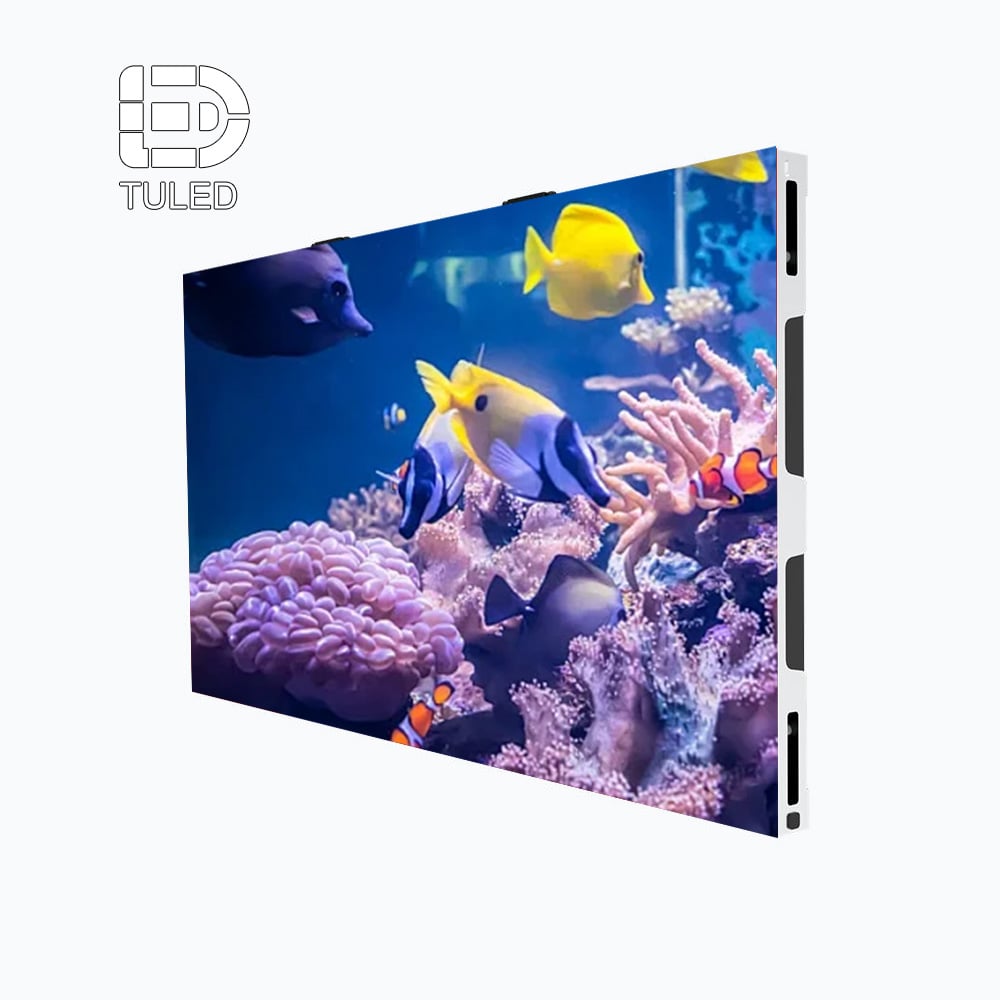
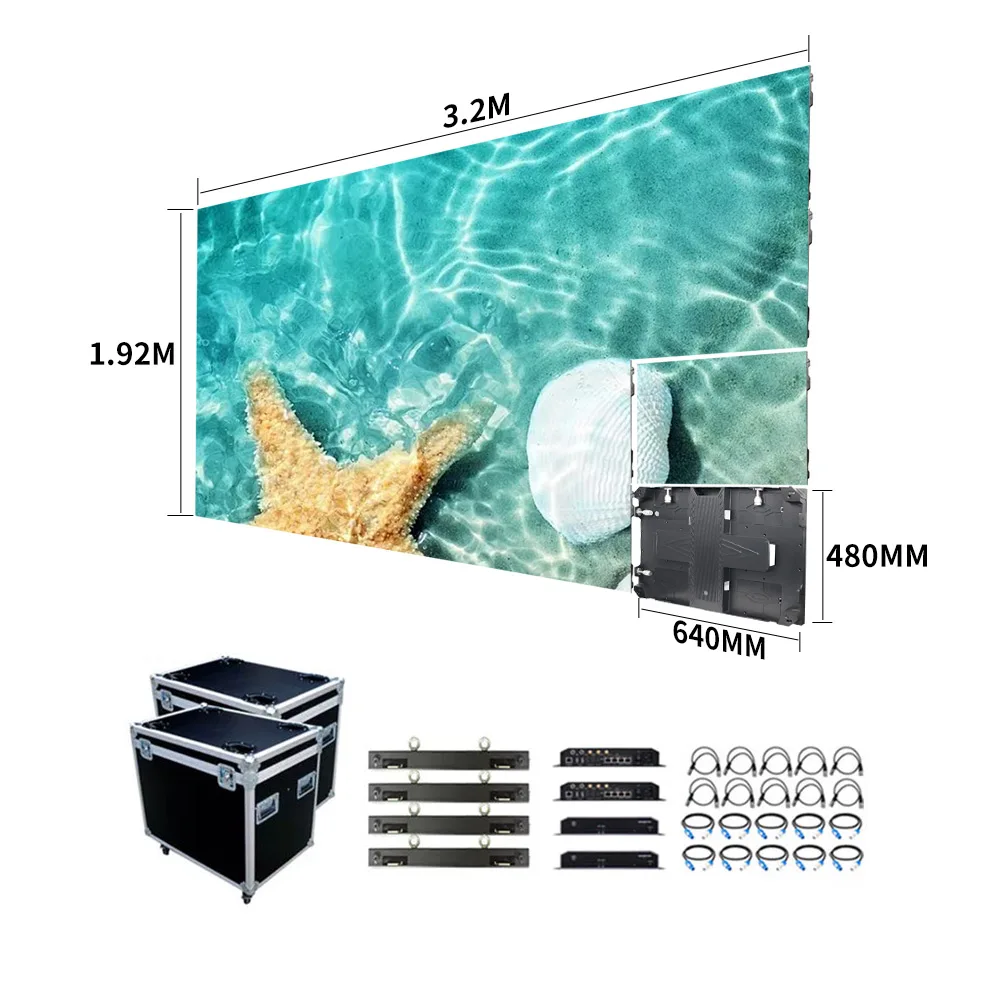
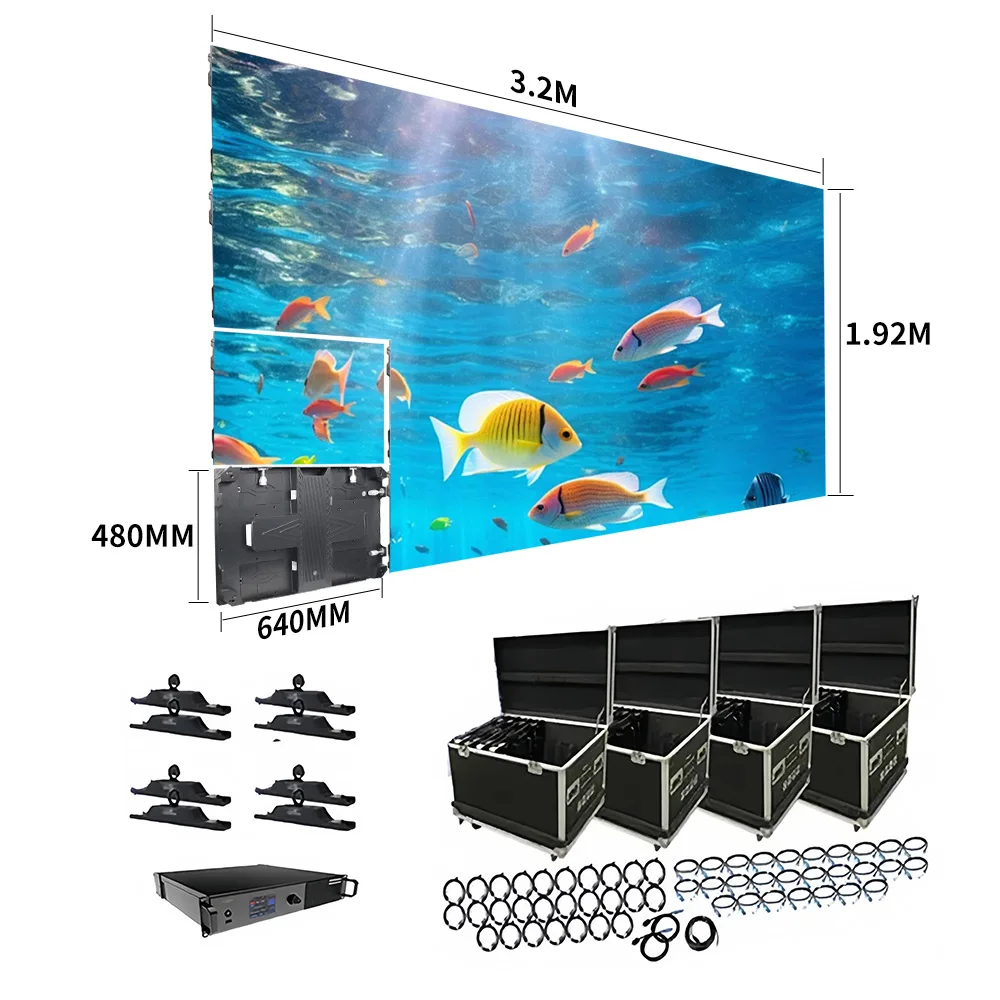
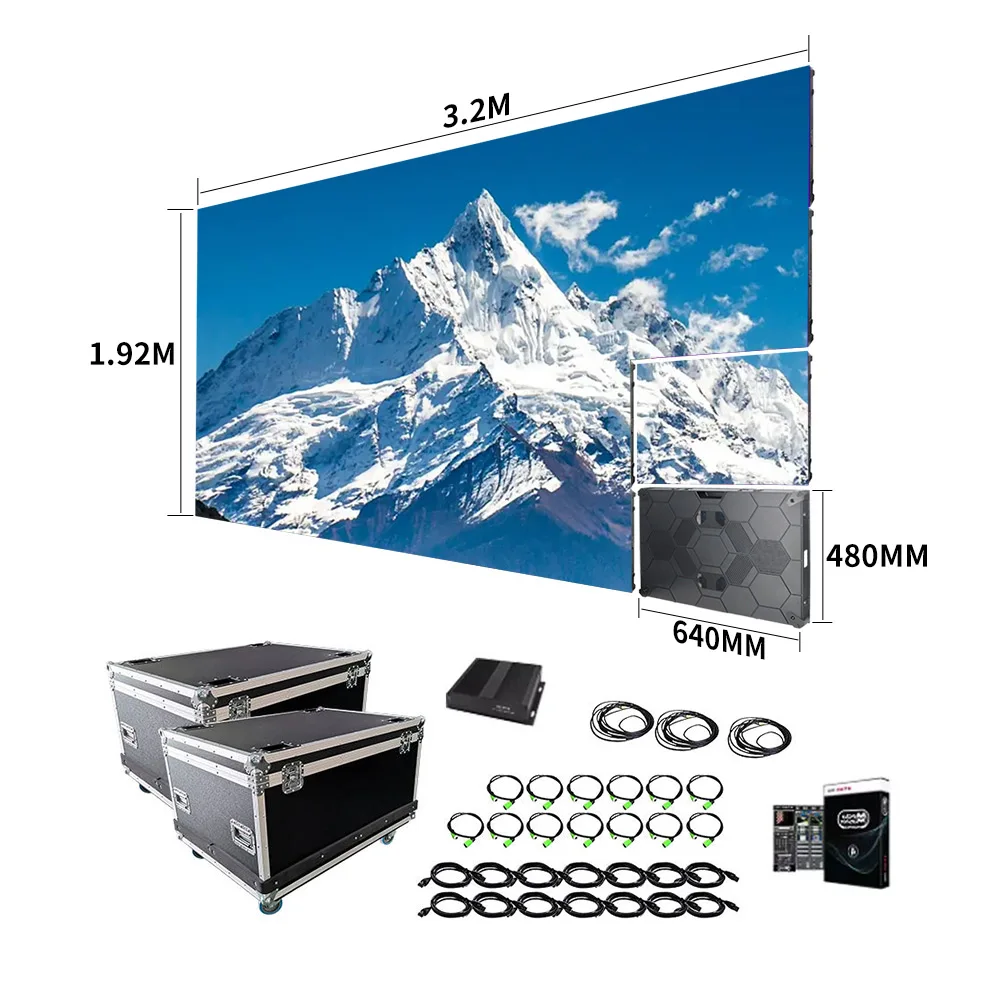
Fine Pitch Indoor LED Video Wall
High-resolution indoor LED display solution with seamless visuals, ultra-fine pixel pitch, and professional image performance for conference rooms and commercial spaces.
As fine-pitch LED technology continues to improve, more businesses are replacing older projection systems and LCD video walls with professional indoor LED display solutions.
This trend is especially strong in corporate environments where high-definition presentations and modern visual communication systems have become essential.
Why Indoor LED Display Technology Is Growing Rapidly
One of the main reasons indoor LED display technology is growing rapidly is the seamless viewing experience it provides. Unlike LCD video walls, LED displays have no visible panel borders, creating a cleaner and more immersive visual effect.
Businesses today also require flexible display systems that can adapt to different commercial environments and architectural designs.
Major Advantages Of Indoor LED Display Systems
- Seamless visual presentation
- Better brightness consistency
- Flexible screen customization
- Wide viewing angles
- High refresh rate performance
- Long-term operational reliability
Advanced calibration technology also improves color uniformity and grayscale performance, which is especially important for broadcast studios, control rooms, and luxury retail spaces.
As LED display manufacturing costs continue to decrease, indoor LED display systems are becoming more accessible for medium-sized commercial projects and corporate installations.
Main Applications Of Indoor LED Display Systems
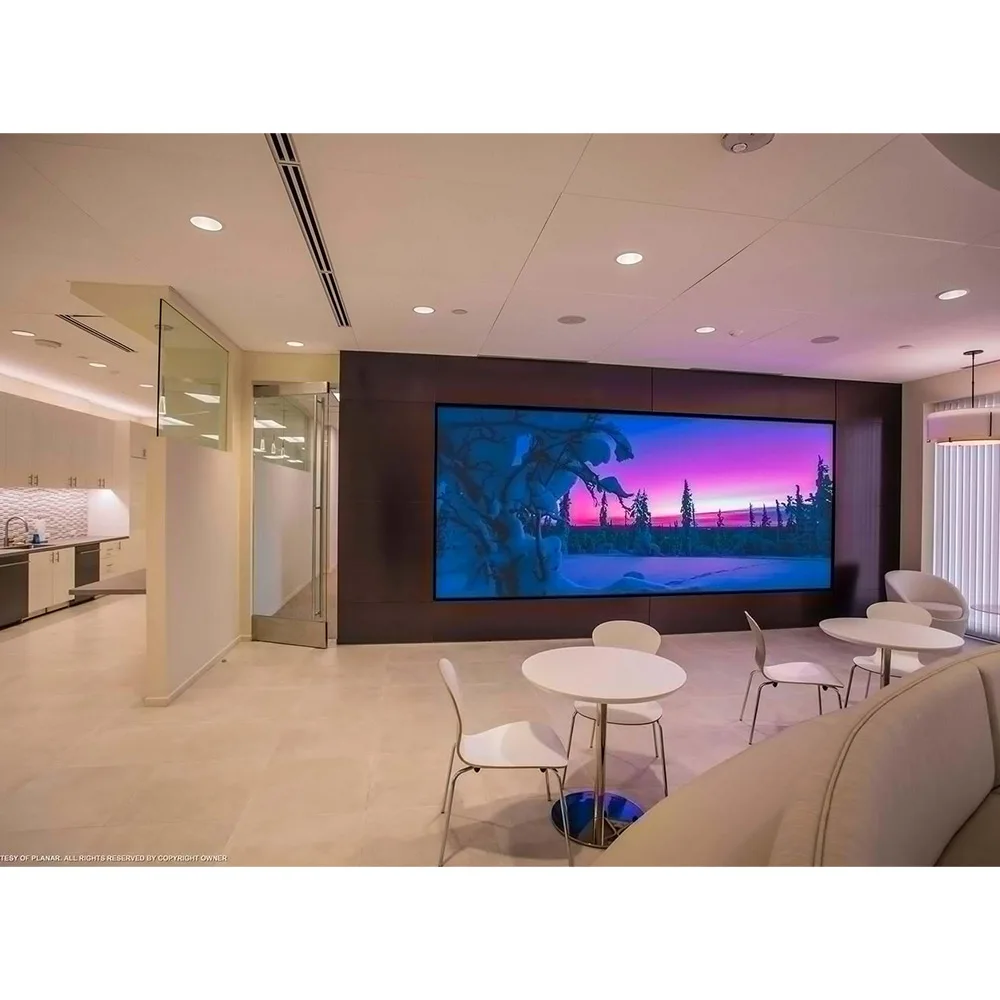
Indoor LED display systems are widely used across many industries due to their flexible design and professional visual performance. Corporate conference rooms increasingly use fine-pitch LED displays instead of projectors for clearer presentations and modern aesthetics.
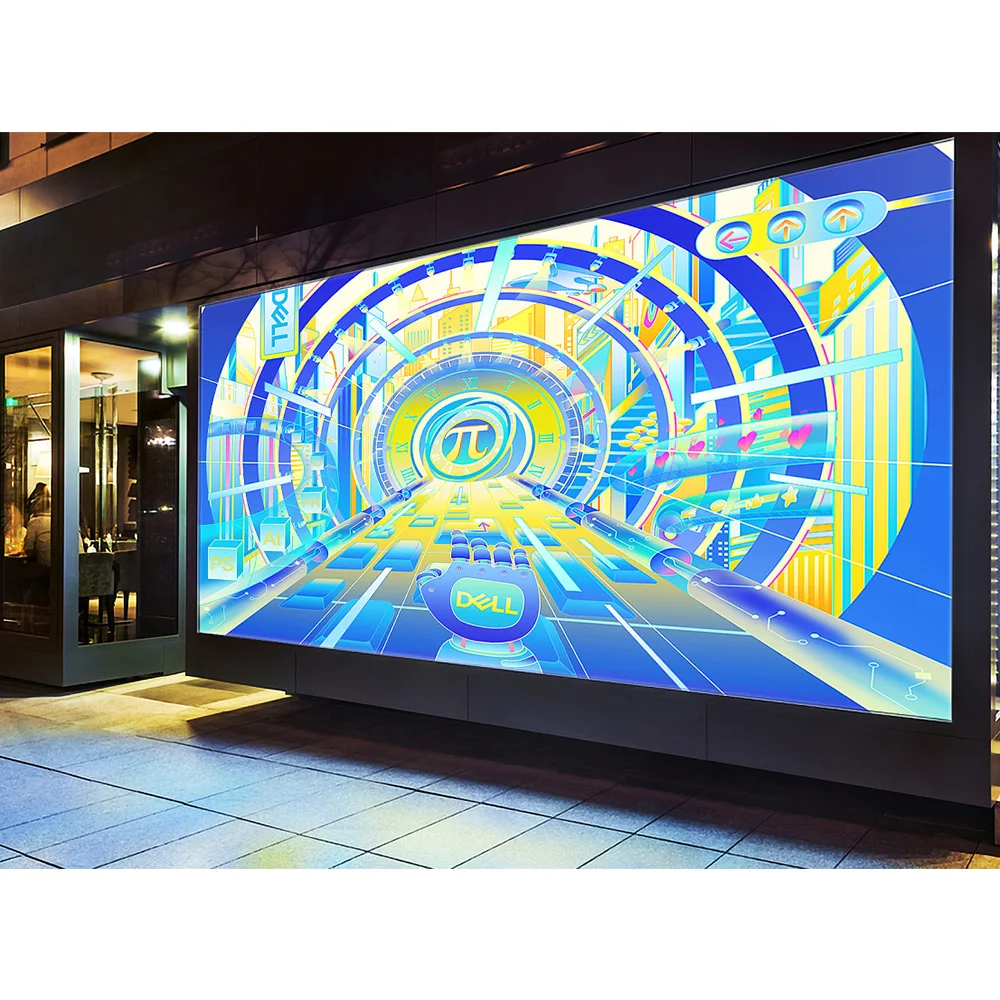
Retail stores and shopping malls use LED video walls for promotional advertising, interactive product displays, and immersive brand storytelling experiences.
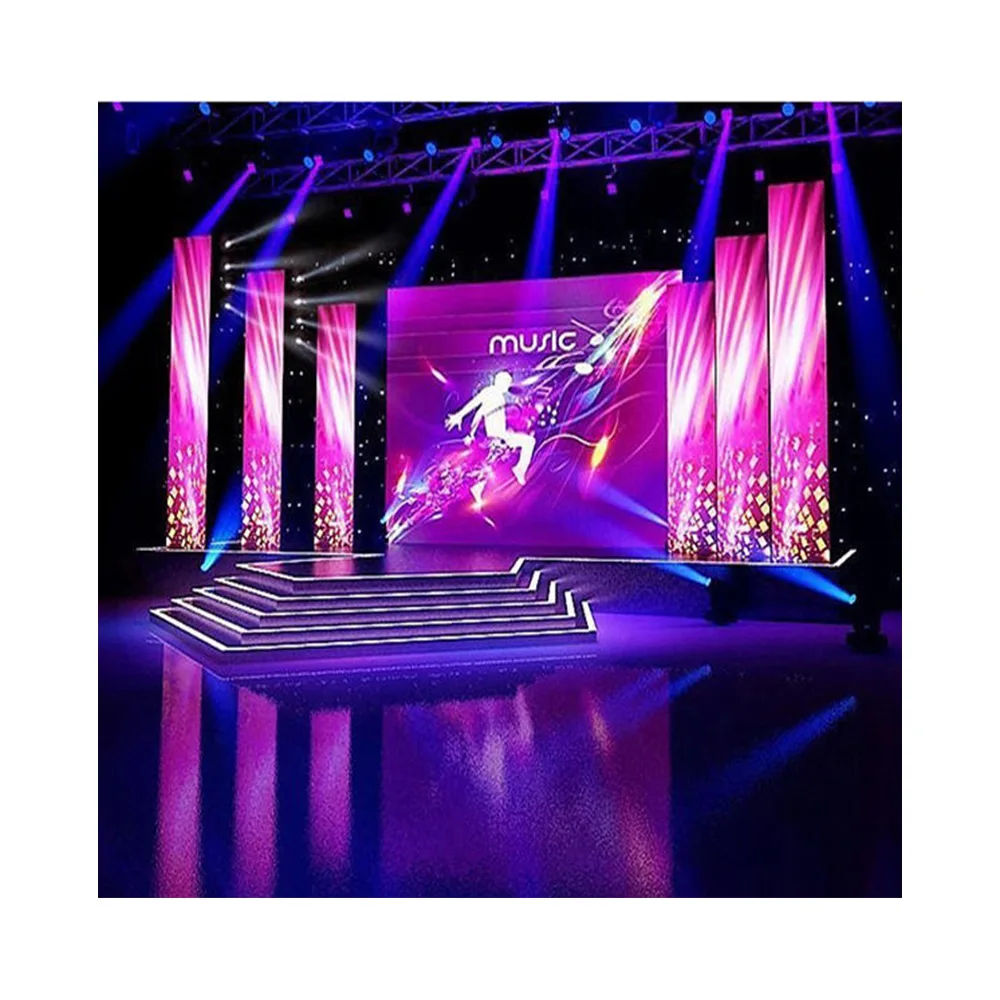
Indoor LED displays are also commonly installed in control rooms, traffic monitoring centers, churches, educational facilities, exhibition halls, and live event stages where reliable long-term operation is critical.
Common Pixel Pitch Options For Indoor LED Display
Pixel pitch directly affects image clarity and recommended viewing distance. Smaller pixel pitch provides sharper images for close viewing environments.
Different indoor applications require different pixel pitch configurations depending on screen size and audience distance.
Popular Indoor LED Pixel Pitch Options
- P1.25 for broadcast studios and premium meeting rooms
- P1.53 for conference rooms and exhibitions
- P1.86 for shopping malls and churches
- P2.5 for commercial advertising displays
- Fine-pitch LED for close viewing comfort
- Larger pitch options for cost-effective projects
Choosing the correct pixel pitch helps balance image quality, installation budget, and viewing distance requirements for commercial projects.
Indoor LED Display Buying Checklist
Before purchasing an indoor LED display system, businesses should carefully evaluate technical requirements, installation conditions, and long-term maintenance needs.
Important Purchasing Factors
- Recommended viewing distance
- Required pixel pitch resolution
- Screen size and installation structure
- Front maintenance or rear maintenance design
- Refresh rate performance
- Brightness consistency
- Control system compatibility
- Energy consumption requirements
- Supplier technical support capability
- Long-term spare parts availability
Professional LED display factories usually provide CAD drawings, installation guidance, remote support, and customized project solutions for overseas buyers.
Visit our LED display website to explore additional commercial LED display solutions, video processors, receiving cards, and complete indoor LED display systems.
Frequently Asked Questions
What is the difference between indoor and outdoor LED display?
Indoor LED displays focus on fine pixel pitch, high resolution, and close viewing comfort, while outdoor LED displays prioritize waterproof protection and high brightness for sunlight visibility.
Which pixel pitch is best for conference rooms?
P1.25, P1.53, and P1.86 are commonly used for conference rooms depending on viewing distance and budget requirements.
Are indoor LED displays better than LCD video walls?
Indoor LED displays provide seamless visuals, wider viewing angles, flexible sizing, and better visual immersion compared with traditional LCD video walls.
Do indoor LED displays support front maintenance?
Yes. Many modern indoor LED display cabinets support full front maintenance for easier servicing in limited installation spaces.
How do I choose a reliable LED display supplier?
Choose a professional LED display factory with stable production quality, product testing standards, technical support capability, and long-term spare parts service.
Upgrade Your Commercial Display Experience
We provide professional indoor LED display solutions for conference rooms, retail stores, churches, control rooms, exhibitions, and commercial digital signage projects worldwide.
Contact our team today for customized LED display recommendations, technical consultation, and competitive factory pricing.