EN
EN

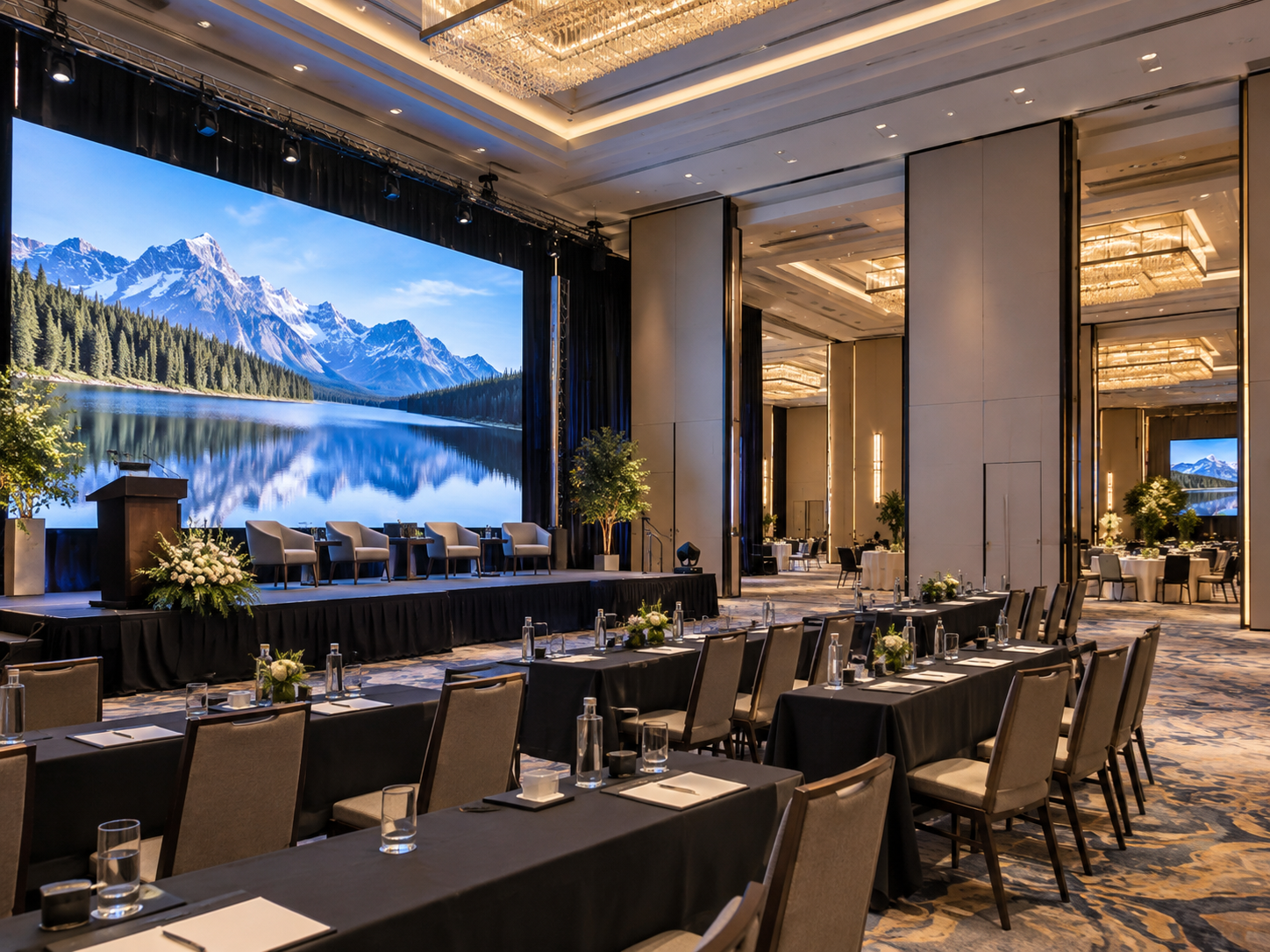
A hotel ballroom rarely stays in one configuration for an entire day. A morning conference may use the full room, lunch may be followed by two breakout sessions behind a movable partition, and an evening event may reopen the same space as one ballroom again.
The display itself may remain in the same building, but the operating situation around it changes each time. That is why hotel teams should evaluate LED video wall suppliers around the way the ballroom actually works: how room states change, who owns the next source, what the operator needs to recall, and how quickly the venue must be ready for the next booking.
For this type of project, the useful question is not simply, “What LED wall should we install?” It is, “How do we stop every room change from becoming a fresh AV setup?”
The practical goal is simple: when a ballroom changes from one familiar state to another, the AV team should already know which room is active, who provides the source and what the finished setup should look like.
The Real Project Starts With a Day in the Ballroom
A ballroom drawing shows walls, doors and partitions. It does not show the pressure of a real event day.
Imagine the morning general session overruns by fifteen minutes. At the same time, banquet staff are waiting to divide the room, two afternoon speakers have arrived with separate presentations, and an outside production team is asking when it can connect equipment for the evening function. The screen is only one part of that change.
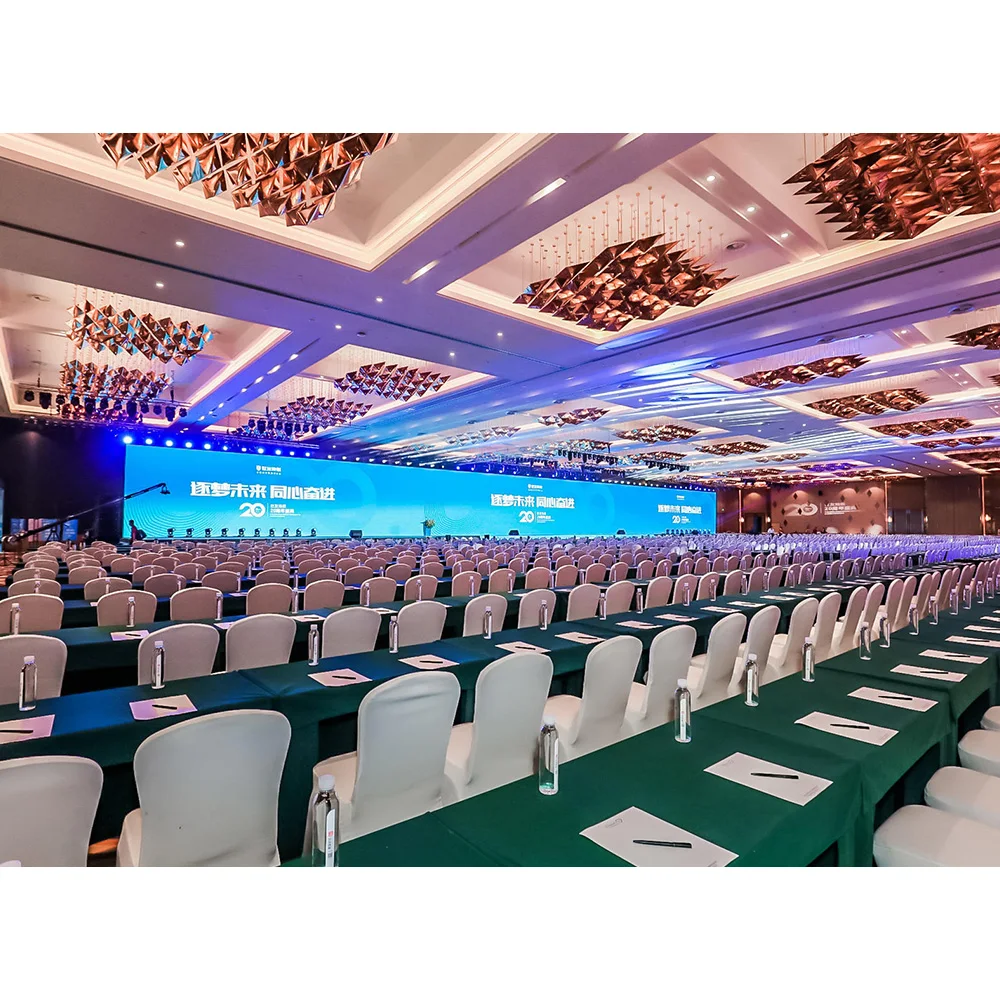
This is why the project context should include more than display dimensions. The hotel and AV team need to describe the room configurations they actually sell, the events that commonly occupy those configurations, who normally operates them and the amount of time available between bookings.
A ballroom with one permanent in-house technician has a different handover problem from a hotel that regularly hosts external production companies. Likewise, an overnight room reset gives the team more freedom than a short conference changeover.
Those differences should influence the operating plan before anyone starts discussing how many presets would be convenient.
Treat Combined and Divided Rooms as Different Operating Situations
Suppose the ballroom is sold as Room A+B when open and as Room A and Room B when divided. It is tempting to think of the divided condition as the same system with a partition in the middle.
Operationally, it may be very different.
When the ballroom is combined
The team may be managing one agenda, one presentation environment and one event owner. The display setup can be judged as a single-room result.
When the ballroom is divided
The two sides may have different speakers, different content sources and different people requesting changes. One room may also remain live while the other is being prepared.
That distinction sounds obvious, but it is where many avoidable problems begin. If the operating state has never been clearly defined, technicians end up deciding on the day which source belongs where, what can safely be changed and which previous settings must be undone.
A stronger project documents the intended outcome for each common room state without pretending that a particular processor or controller automatically provides it.
Instead of writing “one-touch split-room preset” into an early brief, describe the actual requirement: when the partition closes, Room A should operate with its intended event source while Room B can be prepared independently for another session.
The AV integrator can then determine how the selected control architecture should achieve that result. This prevents an operational requirement from being mistaken for a feature that has already been confirmed.
Preset Layouts Should Remove Repeated Decisions, Not Create More of Them
Presets are useful because hotel events repeat. They become less useful when every slight variation receives its own name and the operator has to remember which of twenty nearly identical choices belongs to today's booking.
A better approach is to standardize the states that happen often enough to deserve a shared operating reference.
For one hotel, that might be a full-ballroom conference state, a two-room breakout state and an external-production handover state. Another venue may need a different set. The point is not the number. The point is that each state should describe a situation the staff actually recognize.
The preset name should make sense to the next operator
Labels such as “Preset 03,” “Client Setup” or “PM Mode” are easy to understand while the person who created them is standing at the console. Six months later, or during a shift change, they are much less useful.
Names tied to the actual ballroom condition are easier to hand over: “Combined Ballroom – Main Session” or “Room A / Room B – Separate Events,” for example.
Source ownership matters as much as the screen layout
A room can look physically identical on two different days while the responsibility behind it changes completely.
Hotel AV may own the presentation source for a weekday conference. The same ballroom may be handed to an external production company for a gala the following evening. The room state and the source owner should therefore be recorded separately.
A recalled preset still needs a human check
The operator should not treat the control action itself as proof that the room is ready. The useful verification is much simpler: is the intended content visible in the intended room, and does the person responsible for the next event accept the setup?
A good preset reduces memory work. It does not remove responsibility for checking the final result.
What Actually Makes Ballroom Changeovers Slow
The screen is often blamed when a changeover takes too long, but the delay may have started before anyone touched the display.
The banquet team closes the partition, yet nobody has confirmed which presentation belongs to Room B. An external crew arrives with a source that was not part of the original handover. The afternoon technician calls a room by a different name from the morning technician. Someone changes an active path without realizing another event is still using it.
These are coordination problems. The practical way to shorten the changeover is to remove as many decisions as possible from the turnaround window.
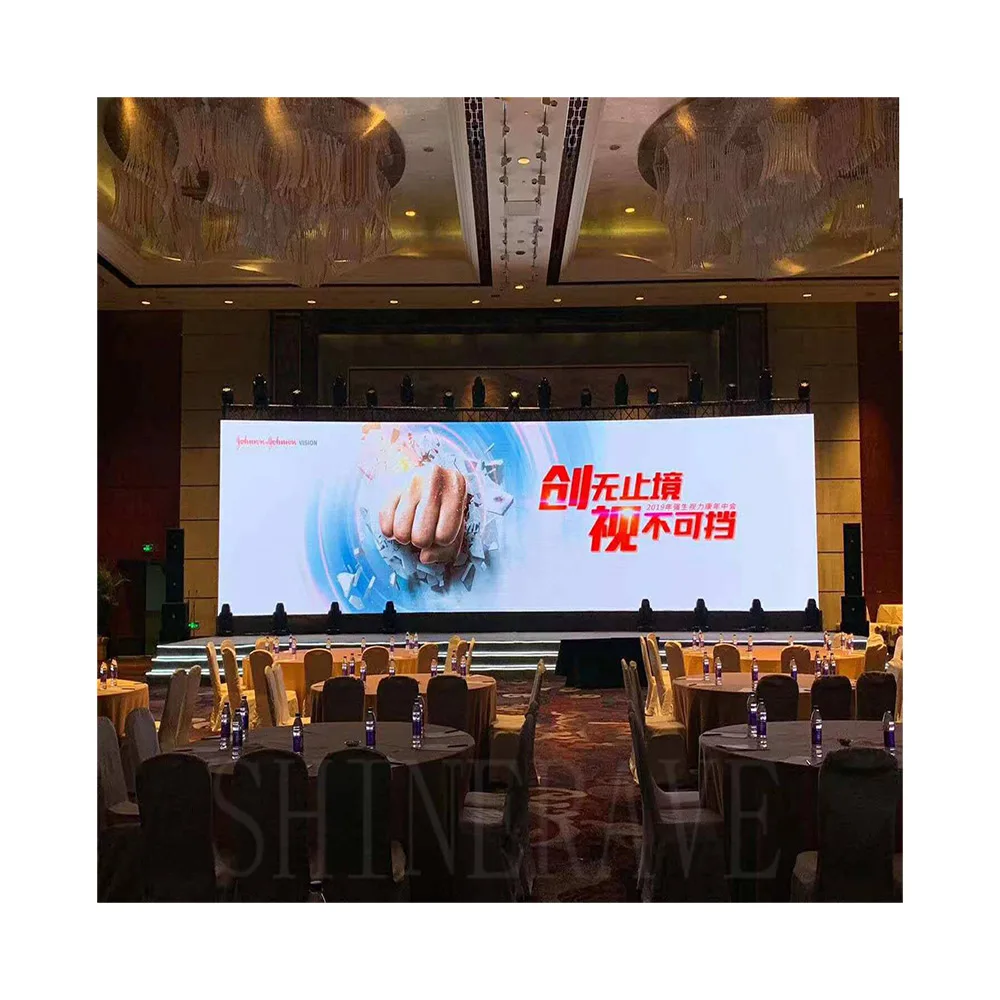
Protect the room that is still live
The most demanding situation is often not a complete ballroom reset. It is a partial one.
Room A may still have an audience while staff are turning Room B for the next session. In that case, “changeover speed” also means avoiding unnecessary changes to the active event. The incoming crew needs to know what it can prepare without disturbing the source, display state or operator workflow on the other side of the partition.
Bring unusual event requirements forward
If an outside production team needs to connect unfamiliar equipment, that conversation should happen before doors open and preferably before the room reset begins. The changeover window is the wrong time to discover that the incoming team's assumptions about source ownership do not match the hotel's plan.
Hotels that regularly use temporary production equipment can also review LED Display for Events when the requirement is genuinely event-driven. This is a separate operating decision from specifying a fixed ballroom installation.
Serviceability is an operational issue, not just an installation issue
A hotel display may be physically serviceable and still be difficult to reach in practice because the ballroom is booked continuously.
During project planning, the hotel should identify realistic access windows and who is responsible when technical attention is required. That conversation is more useful than discovering later that the only practical service period conflicts with the venue calendar.
What to Send Before Asking for a Ballroom LED Wall Proposal
An inquiry becomes much more useful when it describes the venue rather than simply asking for “a large LED screen.”
The supplier does not need a fifty-page manual. A ballroom drawing, a list of normal room states and a short explanation of how events are operated can provide the information that actually changes the proposal.
“The ballroom operates as A+B for general sessions and as A / B for parallel meetings. Hotel AV normally controls both rooms, but outside production companies frequently take over for evening events. Typical turnaround is short, so the divided and combined states need to be straightforward to restore.”
That tells a supplier far more than “We need a flexible hotel LED wall.”
Where Factory Support Fits Into the Project
Factory support becomes more useful once the ballroom workflow is clear.
The first discussion is usually category fit. A permanent wall serving normal ballroom bookings is not the same operating requirement as equipment that will be moved, rebuilt or repeatedly deployed for temporary productions.
When the venue genuinely needs the second model, the LED Wall Rental category can be considered separately rather than being treated as a generic alternative to a fixed installation.
Ballroom drawings can then support layout coordination between the hotel, AV integrator and display supplier. The drawings do not need to decide the control architecture. Their job is to make the physical room states, display positions and service constraints visible to everyone working on the project.
Control coordination should follow the same principle used for presets: describe the result first. If the hotel needs two divided rooms to operate independently and later return to one combined presentation environment, that requirement should be clear before the project team determines how the selected system will achieve it.
Service planning also belongs here. Hotels should identify access restrictions and realistic maintenance periods while the ballroom plan is still being coordinated, not after the installation is already competing with a full event calendar.
Keep the responsibility boundary clear
The display factory supports the LED display portion of the project. The hotel defines how the ballroom is sold and operated, while the AV or system integration team coordinates the control environment and source-routing design required for those operating states.
A Simple Changeover Map Is Usually Enough
Hotel teams do not need another long technical checklist. For the room states that occur repeatedly, a short handover note can preserve the information most likely to be forgotten during a busy event day.
The benefit of this approach is not paperwork. It is predictability. The next technician does not have to reconstruct the logic of the last event, and the hotel does not have to depend on one person remembering how a particular ballroom state was built months earlier.
Frequently Asked Questions
How should an LED wall plan change when a ballroom is divided?
Define the divided state separately: which display serves each room, who owns each source and what should be visible before the rooms are handed over. The exact switching method should then be confirmed against the actual control-system design.
What should be included in preset layouts for common event states?
Focus on the room condition, display assignment, expected source owner and final verification result. Presets are most useful for situations the hotel repeats regularly, not every possible room combination.
What usually slows down hotel ballroom event changeovers?
Delays often come from unclear room states, late source decisions, inconsistent labels and weak handovers. Moving those decisions earlier leaves the actual turnaround window for changing and checking the room rather than resolving responsibility.
What should hotel teams send to LED video wall suppliers?
Send the ballroom plan, normal partition states, required screen size, recurring event types, source list, operator workflow, typical changeover window, quantity, power standard, installation country and target timeline.
Plan the Ballroom Workflow Before Finalizing the LED Wall
For a divisible hotel ballroom project, send the room plan together with the normal partition states and a short explanation of how the venue changes between events. Include screen size, event types, source list, operator workflow, changeover window, quantity, power standard, installation country and project timeline.
That gives the project team a clearer basis for discussing the appropriate display direction, layout coordination, control requirements and service planning without reducing the project to a generic screen quotation.