EN
EN

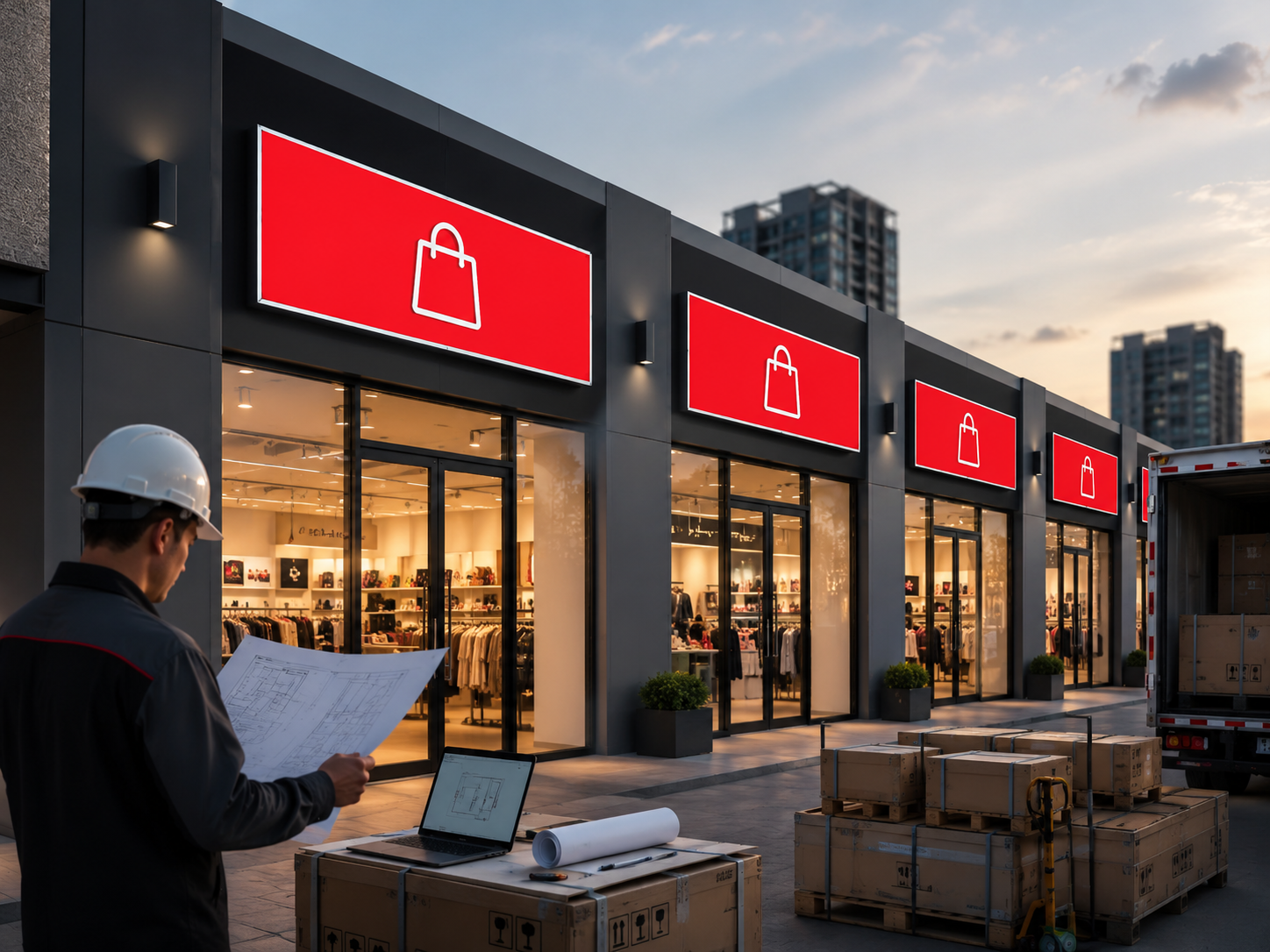
Franchise store signage needs more than one bright display. It needs repeatable cabinet dimensions, stable logo color, phased delivery, clear carton labels, and installation files that keep every location aligned.
For franchise store rollout, the useful starting point is not only screen size or price. Instead, the core question is whether LED sign board suppliers can support consistent cabinet files, logo color control, delivery planning, and content update workflow.
Therefore, this guide focuses on repeatable project decisions. It covers standard cabinet planning, brand color approval, multi-city delivery, packaging labels, installation files, spare parts, and after-sales preparation for franchise store signage networks.
Franchise Store LED Sign Challenges
First, franchise signage must protect the same brand image across different storefronts. One location may have a wide façade, while another may have a narrow entrance or strict mall decoration rules. As a result, one display size rarely solves every site cleanly.
Meanwhile, logo color can shift when it moves from design files to LED light. A red, blue, or warm white tone may look correct on a laptop but appear different on a high-brightness screen. Therefore, the approval process should include real module testing, not only artwork review.
In addition, store openings often move in different waves. Some locations may be ready for installation this month, while others still wait for lease approval, decoration work, or local power preparation. For that reason, delivery batches and store codes should be planned before production ends.
However, franchise signage also has one strong advantage. Once the pilot unit is tested, the same specification can guide later stores. This turns one approved sign into a repeatable system for cabinet size, logo color, control setup, and maintenance planning.
Common rollout risks to control early
- Different cabinet proportions across city stores.
- Logo color variation between the pilot unit and later batches.
- Unclear content ratio for logo loops and campaign videos.
- Mixed packaging labels during multi-city shipment.
- Missing mounting drawings for local installation teams.
Standard Cabinet and Logo Color Control
Standard cabinet planning gives the project a stable base. A cabinet is the structure that holds LED modules, power supplies, receiving cards, wiring, and service parts. In simple terms, it decides how the sign fits, mounts, and gets maintained.
Therefore, a franchise program should define approved cabinet ranges early. A compact format can fit smaller stores, a regular format can support standard entrances, and a larger format can serve flagship locations. This method keeps the network consistent without forcing one size into every storefront.
Cabinet size, depth, and service access
First, the visible sign area should be measured before the display is selected. The clean space above the entrance, beside a window, or inside a counter area should be photographed with marked dimensions. Then, cabinet width, height, and depth can match the real site.
Also, service access should be confirmed before drawings are approved. Front service can help when the sign sits against a wall or inside a shallow façade. Rear service can work when enough space exists behind the structure.
Pixel pitch and message readability
Next, pixel pitch should follow viewing distance and content type. A smaller pitch gives sharper images at close range. Meanwhile, a larger pitch can still work when the sign is viewed from across a street.
For wider display planning, LED Display Board can support projects that include store promotion boards, interior screens, or additional visual display areas beyond the main sign.
Logo color approval and brightness control
Meanwhile, logo color should be tested on the actual LED module type. Brand color codes are useful, but LED displays create color through emitted light. Therefore, screen-side testing helps protect the approved visual result.
For a stronger color workflow, the International Color Consortium is a useful reference for open color management concepts. Still, LED sign approval should happen on the real module type because brightness, viewing angle, and environment affect final appearance.
In addition, day and night brightness should not use the same logic. Outdoor signs need enough output under sunlight. However, the same setting may look too strong at night, so a brightness schedule should be included in the standard file.
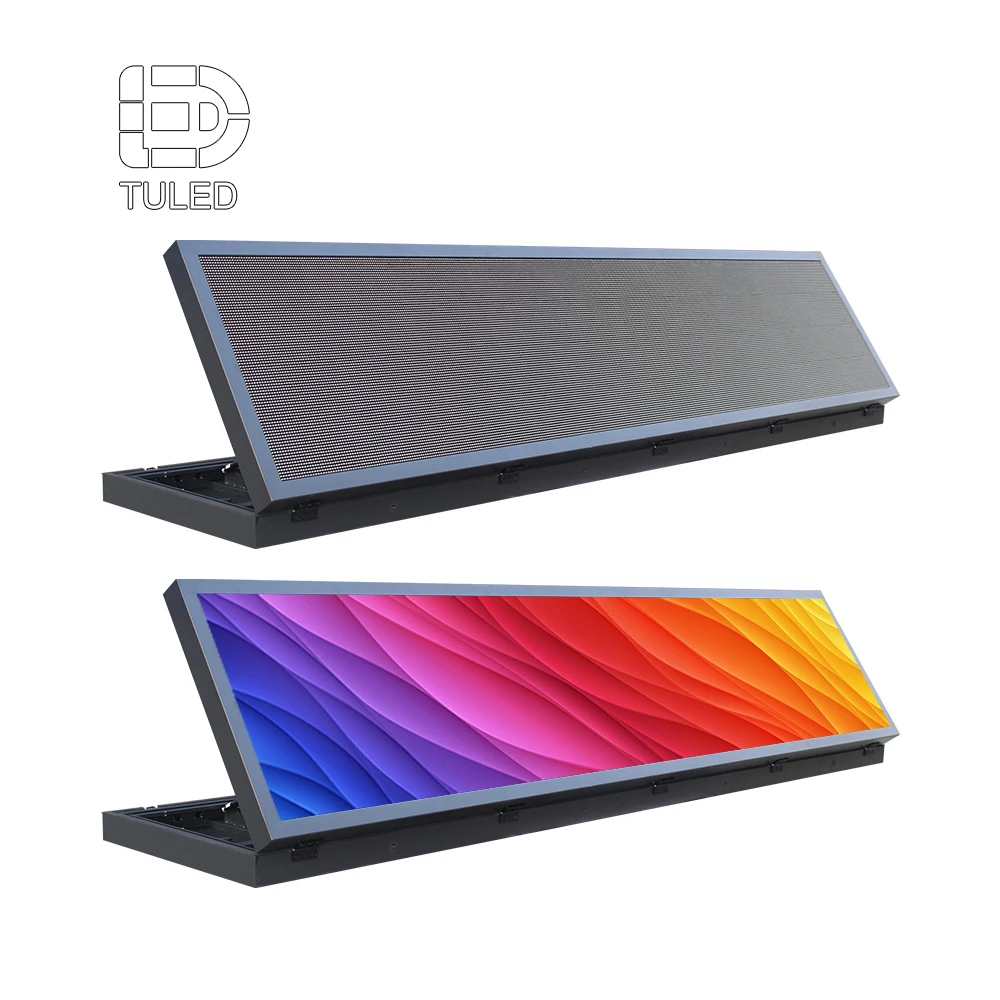
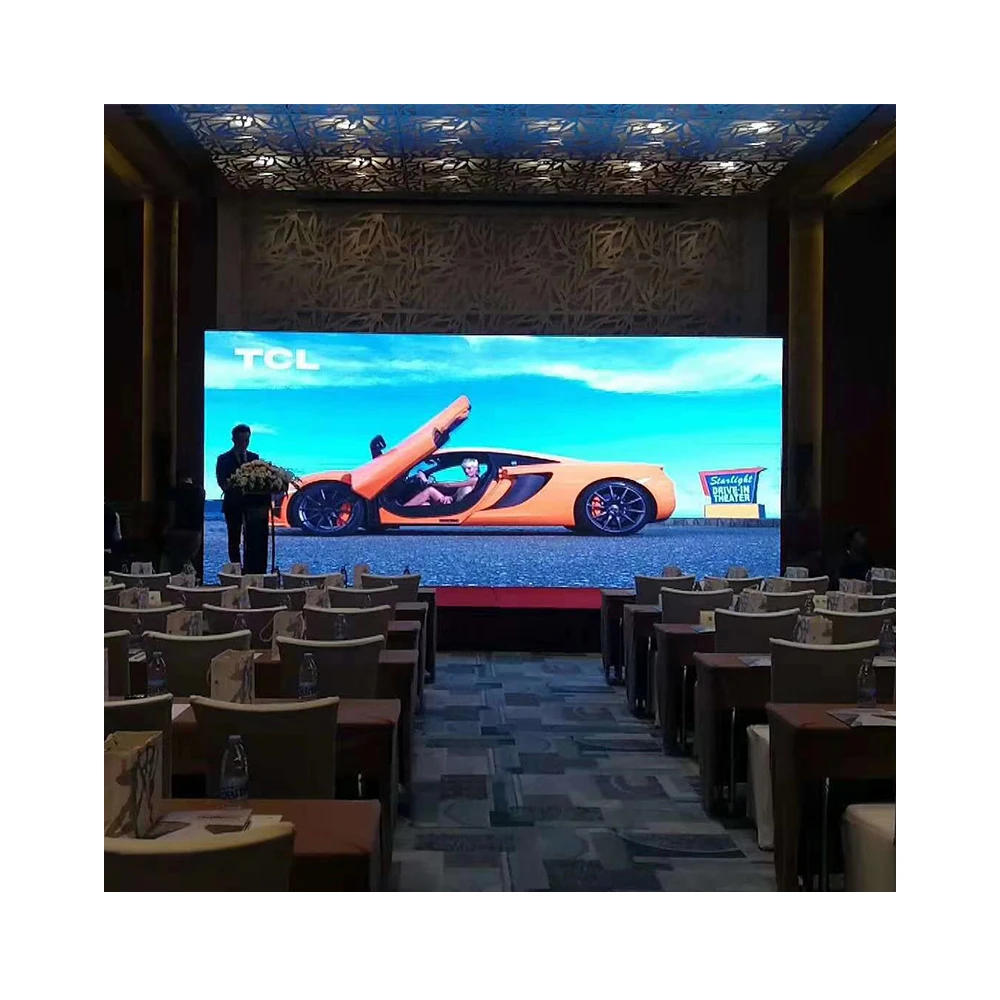
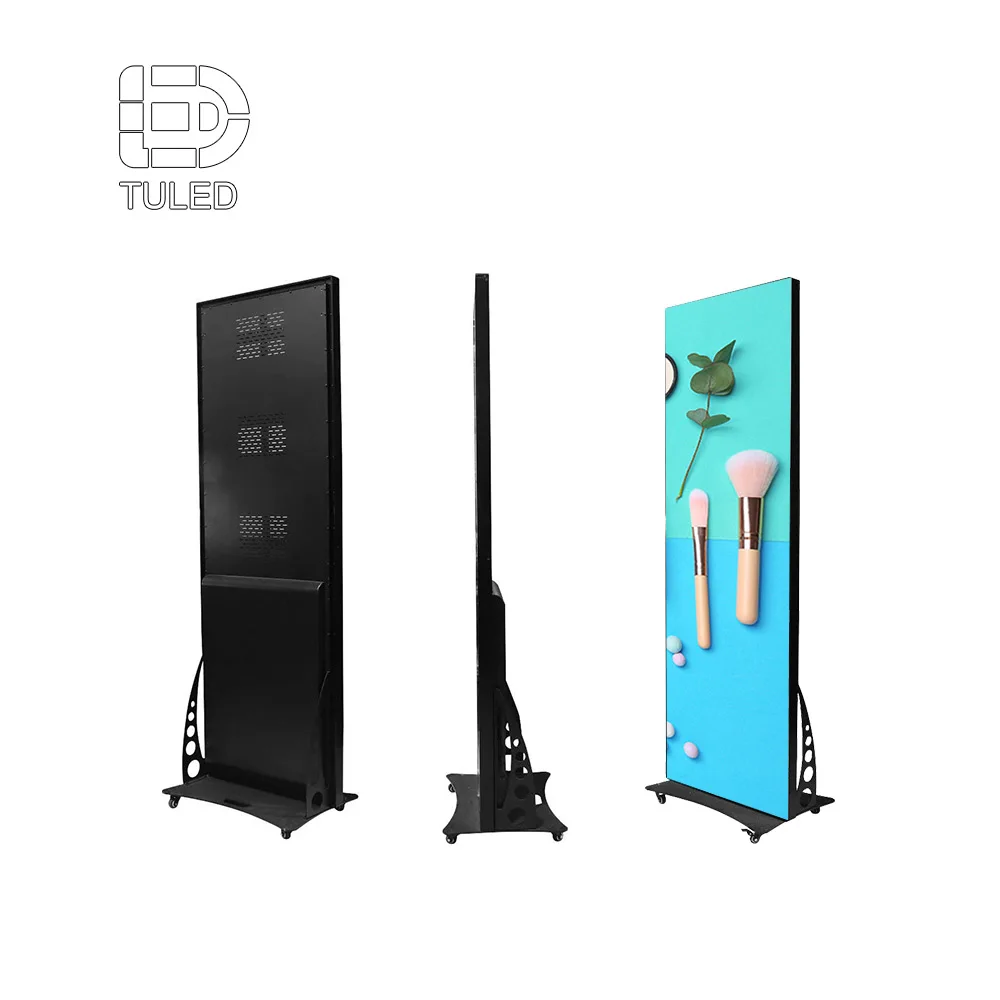
A long cabinet format can support logo signage, campaign messages, and repeatable content ratios across multiple store locations. It is a good fit for entrances, reception counters, shopping mall units, and indoor promotion zones where close-view clarity matters.
View Digital Sign BoardMulti-City Delivery Planning
Multi-city delivery should be planned before production finishes. A single sign can ship with direct attention. However, several city batches need order grouping, package labels, destination codes, spare parts, and clear packing lists.
First, the rollout should be divided into delivery waves. The pilot wave can test cabinet design, logo color, software setup, packaging, and installation files. After that, the next wave can use corrected details before larger production begins.
Store codes and carton labels
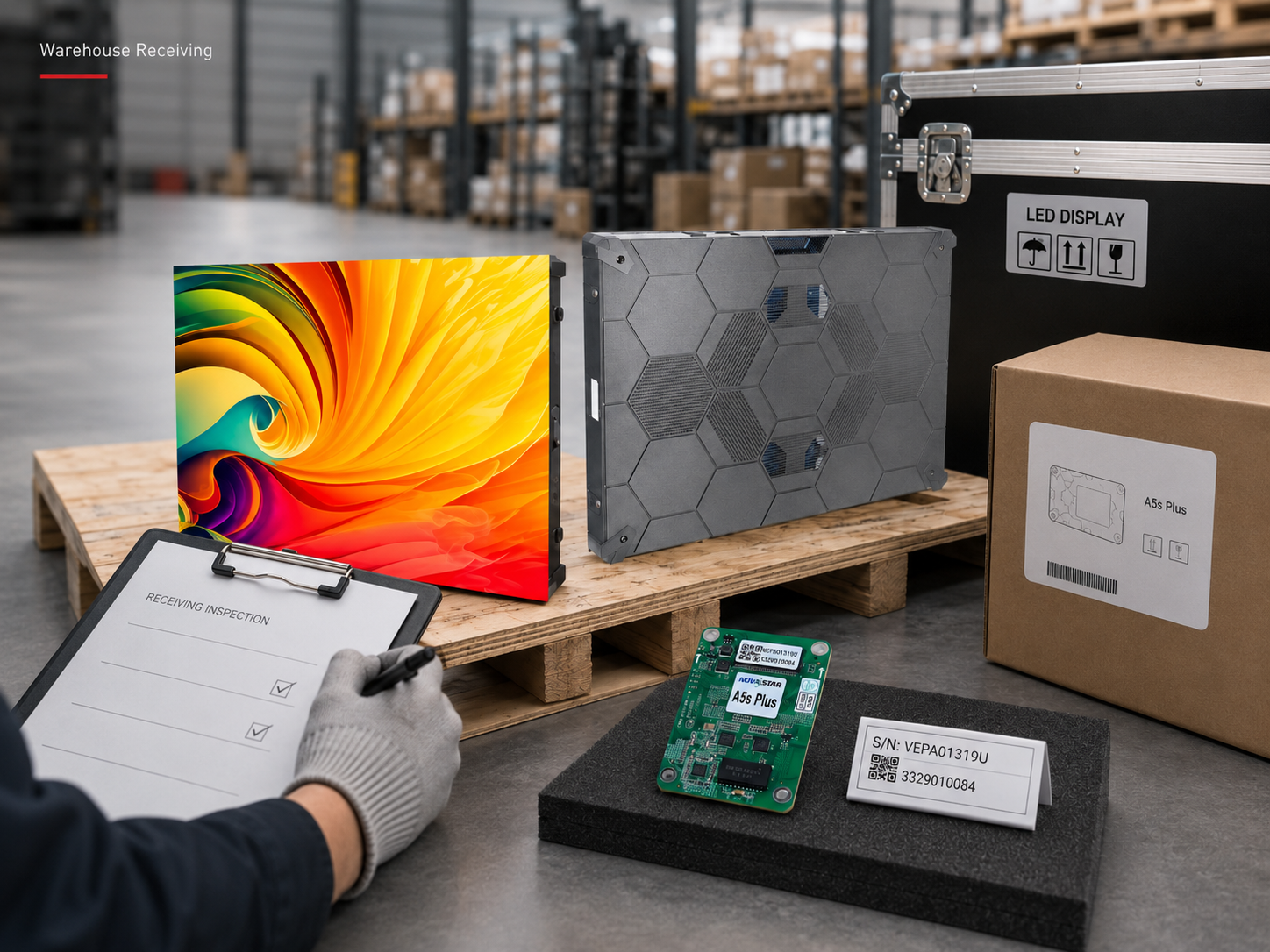
Each location should receive a store code. The same code should appear on the quotation, production sheet, carton label, packing list, installation drawing, and content setup file. Consequently, receiving teams can identify the correct package faster.
Also, cabinet sequence labels reduce installation mistakes. If one sign uses several cabinets, each cabinet should show its position, such as left, center, right, or row and column. This simple step makes local assembly easier.
Spare parts and batch consistency
Spare parts should be planned with the first order. Common spare items include LED modules, power supplies, receiving cards, flat cables, signal cables, and masks. Meanwhile, spare modules should match the production batch as closely as possible.
In addition, a regional spare kit can reduce downtime for nearby locations. One central storage point may support several cities, while high-traffic stores may keep basic parts on site. This decision should follow the number of locations and the service model.
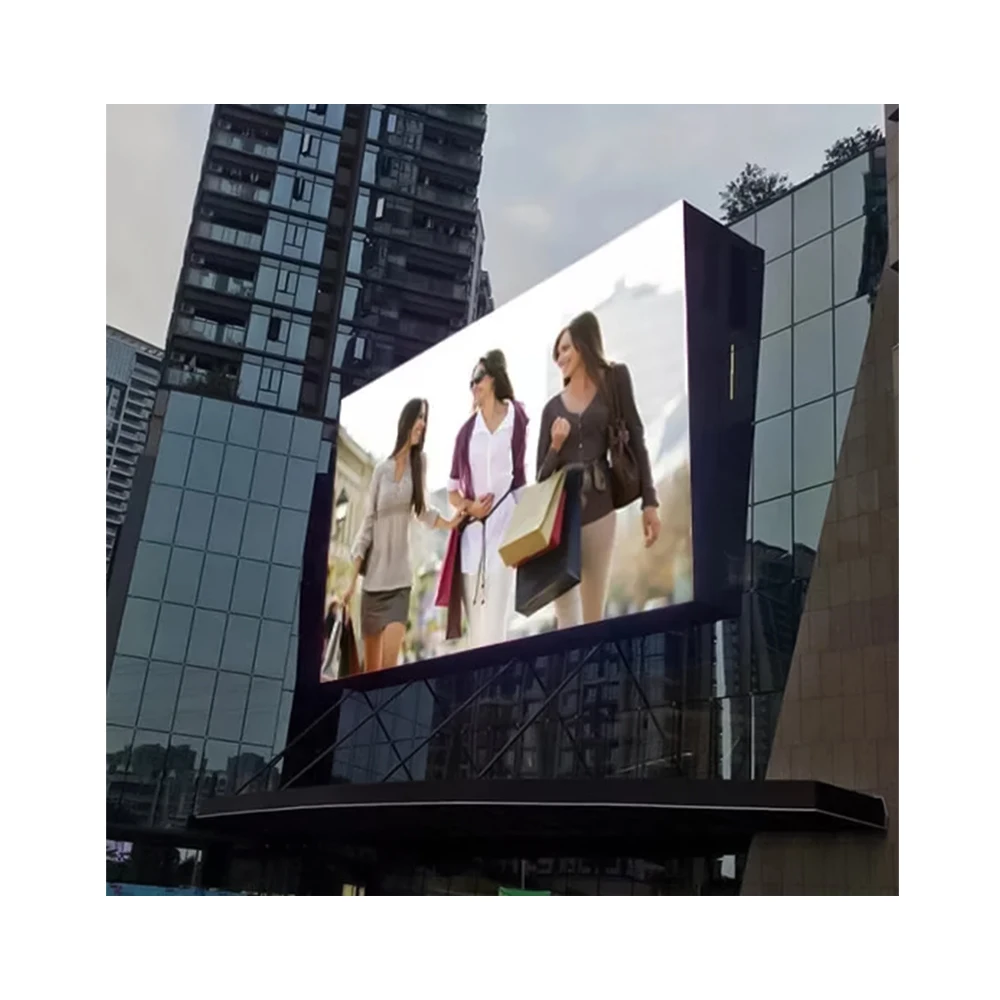
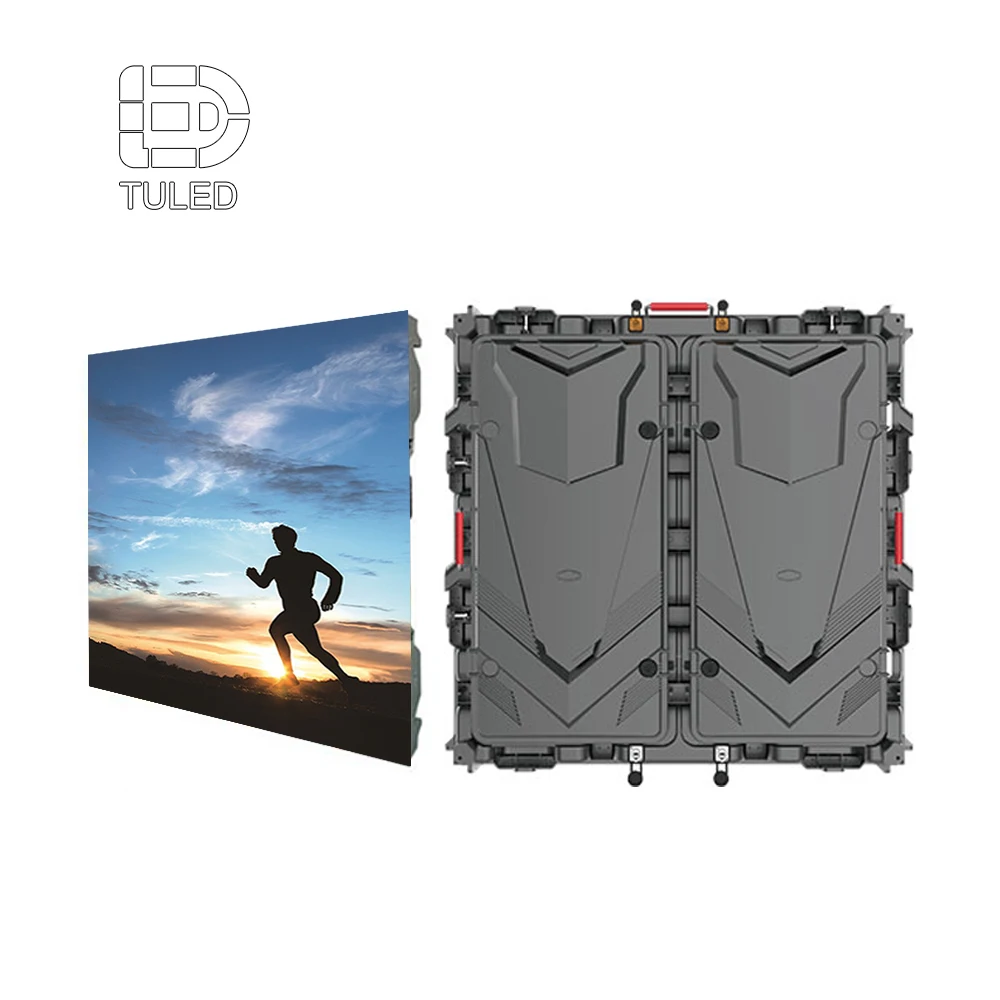
Outdoor storefront signs need brightness planning, weather protection, installation drawings, and destination labels before shipment. This format suits road-facing stores, exterior façades, transport hubs, parking entrances, and high-traffic commercial areas.
View Outdoor LED Sign BoardProject Details to Send Before Quotation
A clear project file helps the factory recommend cabinet size, pixel pitch, brightness, control system, packaging method, and spare parts. Therefore, the first message should include practical site information, not only a display size.
However, the file does not need to be perfect at the first stage. Estimated size, quantity, country, application environment, and photos are enough to begin a useful discussion. Then, drawings and technical details can be refined step by step.
Site and size details
- Planned sign width and height.
- Visible frontage area.
- Viewing distance and viewing angle.
- Wall, fascia, frame, or hanging position.
- Photos with marked dimensions.
Rollout and operation details
- Quantity by city or delivery wave.
- Indoor, outdoor, or semi-outdoor use.
- Country and destination city.
- Logo files and brand color reference.
- USB, Wi-Fi, LAN, 4G, or cloud update needs.
In addition, a store-by-store spreadsheet can keep the rollout organized. Each row can show store code, city, sign size, environment, mounting method, delivery wave, opening date, and approval status.
For project teams preparing a formal brief, the LED Display Screen Project Brief guide can help organize photos, size, viewing distance, installation information, and content source details before quotation.
Product Direction and Factory Support
A franchise LED sign project needs support that connects design, production, testing, delivery, and service. A product catalog can show available options. However, a factory workflow should turn an approved standard into repeatable units.
For this reason, the sign board category is a practical next step for storefront projects. It keeps the discussion close to cabinet size, LED module selection, brightness, control method, content update needs, and commercial display use.
Best-fit project profiles
| Project Type | Recommended Direction | Key Decision |
|---|---|---|
| Mall entrance stores | Indoor digital sign board | Close-view pixel pitch and clean cabinet depth |
| Street-facing stores | Outdoor LED sign board | Brightness, weather protection, and mounting frame |
| Multi-city rollouts | Standard cabinet program | Store codes, packing labels, and spare parts |
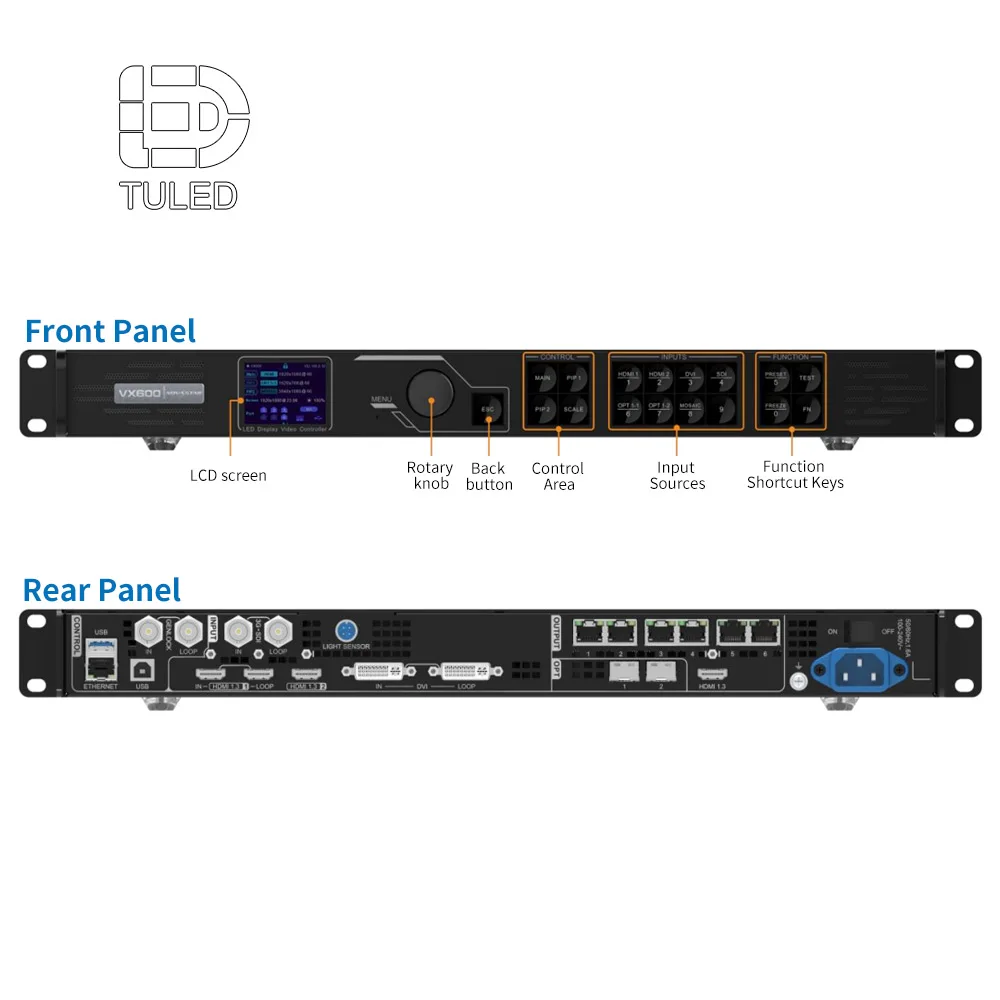
| Brand campaign updates | Remote content control | Content ratio, account permission, and update schedule |
Support that matters before mass production
First, technical drawing review should confirm cabinet size, mounting holes, cable exits, ventilation space, and service direction. Then, production review should confirm module batch, control card version, power supply layout, and packing label format.
Finally, pre-shipment testing should include logo content, brightness settings, color appearance, aging test, and accessory checks. This keeps the first delivery wave closer to the approved standard and reduces site-level surprises.
Service and Update Requirements
Service requirements should be discussed before shipment. A store network may operate signs in different cities, time zones, and lighting conditions. Therefore, response method, spare parts, remote support, and content update workflow should be written clearly.
First, the service file should define the responsibility split. The factory can support remote diagnosis, software guidance, spare part identification, and technical documents. Local installation teams usually handle mounting, power connection, and on-site replacement.
Remote content update workflow
Remote updates help protect brand consistency when many locations run the same campaign. A central team can prepare approved content and schedule it by city, store type, or launch date. As a result, local editing errors become less likely.
However, permission control should stay clear. If every location can upload content freely, logo position, color, and timing may drift. Therefore, software access should separate creation, approval, scheduling, and playback checks.
Installation files and service reports
Installation files should include cabinet drawings, mounting layout, power wiring diagram, signal cable diagram, control card notes, software setup guide, and safety reminders. In addition, short photos or videos can make local training easier.
For service reports, store code, screen model, fault photo, short video, software screenshot, power status, and recent operation notes should be included. This structure helps identify whether the issue relates to content, power, signal, module, or control.
Procurement Notes for Franchise Rollout
A good purchasing decision should compare more than display price. The stronger comparison includes cabinet repeatability, logo color control, spare part matching, packing label detail, delivery wave planning, and after-sales support.
Also, franchise expansion relies on standard systems. The International Franchise Association explains franchising as an expansion method built around brand systems and support. In LED signage projects, that same logic means visual standards, installation standards, and update standards should be protected.
- Request one approved cabinet drawing before repeat orders begin.
- Approve logo color on the real LED module, not only in a design file.
- Use store codes on production lists, cartons, drawings, and content files.
- Confirm spare module batch matching for later replacement work.
- Write remote content permission rules before software accounts are created.
FAQ
What cabinet size works best for franchise store LED signs?
First, the best cabinet size depends on storefront width, viewing distance, content style, and service access. A practical rollout standard usually includes two or three approved cabinet sizes rather than one forced dimension for every location.
How can logo color stay consistent across multiple cities?
Logo color should be tested on the selected LED module type before mass production. In addition, brightness, white balance, approved artwork, and display photos should be recorded, so later batches can follow the same visual reference.
Should indoor and outdoor franchise signs use the same specification?
Usually, no. Indoor signs need comfortable close-view clarity, while outdoor signs need stronger brightness and weather protection. However, logo layout, content ratio, control method, and brand color approval can remain consistent.
What information should be prepared for a multi-city quotation?
A useful quotation file should include size, quantity, country, destination city, store photos, mounting method, environment, content samples, logo files, delivery waves, and remote update needs.
How should remote content updates be managed for franchise signage?
Remote updates work best with clear permission levels. One team can create and approve brand content, while local locations can check playback or select approved playlists. This helps prevent stretched logos, wrong colors, and unplanned message changes.
Summary: Build a Repeatable Franchise LED Sign System
Franchise LED signage works best when the project begins with a standard system. Cabinet size, logo color, delivery waves, packaging labels, spare parts, installation files, and content updates all affect the final brand image. Therefore, each sign should be planned as part of a wider network, not as a separate one-time display.
Three practical next steps
- First, create one master specification for cabinet size, pixel pitch, brightness, logo files, control method, and spare parts.
- Next, organize a store-by-store rollout sheet with size, photos, city, delivery wave, installation method, and opening date.
- Finally, confirm a pilot unit before mass production, then apply the approved files to later city batches.
For quotation preparation, share store dimensions, project photos, quantity, country, installation method, operating environment, logo files, and update requirements. The next step is to compare LED sign board suppliers by cabinet standardization, color control, delivery planning, and service support before confirming a rollout plan.
Send Project Details for Quote