EN
EN


A retail LED quote often becomes unclear before the first factory reply arrives. One project note says only “3-meter screen,” while another includes wall size, photos, viewing distance, content format, power position, and service space. Naturally, the second inquiry receives a faster and more accurate proposal. Therefore, this guide explains how to prepare a led display screen request for retail stores, mall corridors, entrance walls, and window-facing advertising areas. By the end, the project information will be easier to organize before requesting a factory quotation.
Why Retail LED Quotes Vary Before a Project Starts
First, the same visible size can still lead to very different project costs. A screen inside a boutique, a bright mall corridor display, and a window-facing advertising wall may look similar in a short message. However, each setting changes pixel pitch, brightness, cabinet design, control method, and maintenance access.
Moreover, a factory quotation does not only cover the glowing area. The package may include LED modules, cabinets, receiving cards, power supplies, cables, video processor, spare parts, packing, and technical support. As a result, a vague inquiry usually creates a wide price range instead of a useful number.
In addition, retail projects often connect with store openings, seasonal campaigns, mall approvals, and fixed installation schedules. Therefore, quote accuracy matters as much as price. A clear first message helps the factory recommend a practical solution instead of guessing.
Copyable Quote Request Basics
Before comparing prices, the first inquiry should describe the project scene. The following information helps the sales engineer connect display size with budget, installation, and long-term use.
| Information to send | Why it affects quotation | Simple wording |
|---|---|---|
| Display width and height | Defines cabinet count, module quantity, resolution, packing volume, and shipping size. | “Planned size is about 4 m wide × 2 m high.” |
| Closest viewing distance | Guides pixel pitch and determines how smooth text and product details will look. | “Closest viewing distance is around 2.5 m.” |
| Installation position | Changes structure, cabinet depth, cables, ventilation, and service method. | “Wall-mounted behind the cashier area.” |
| Lighting condition | Affects brightness choice, contrast, power planning, and viewing comfort. | “Bright mall corridor with strong ceiling lights.” |
| Maintenance access | Determines whether front maintenance or rear maintenance is more suitable. | “No rear space, front maintenance preferred.” |

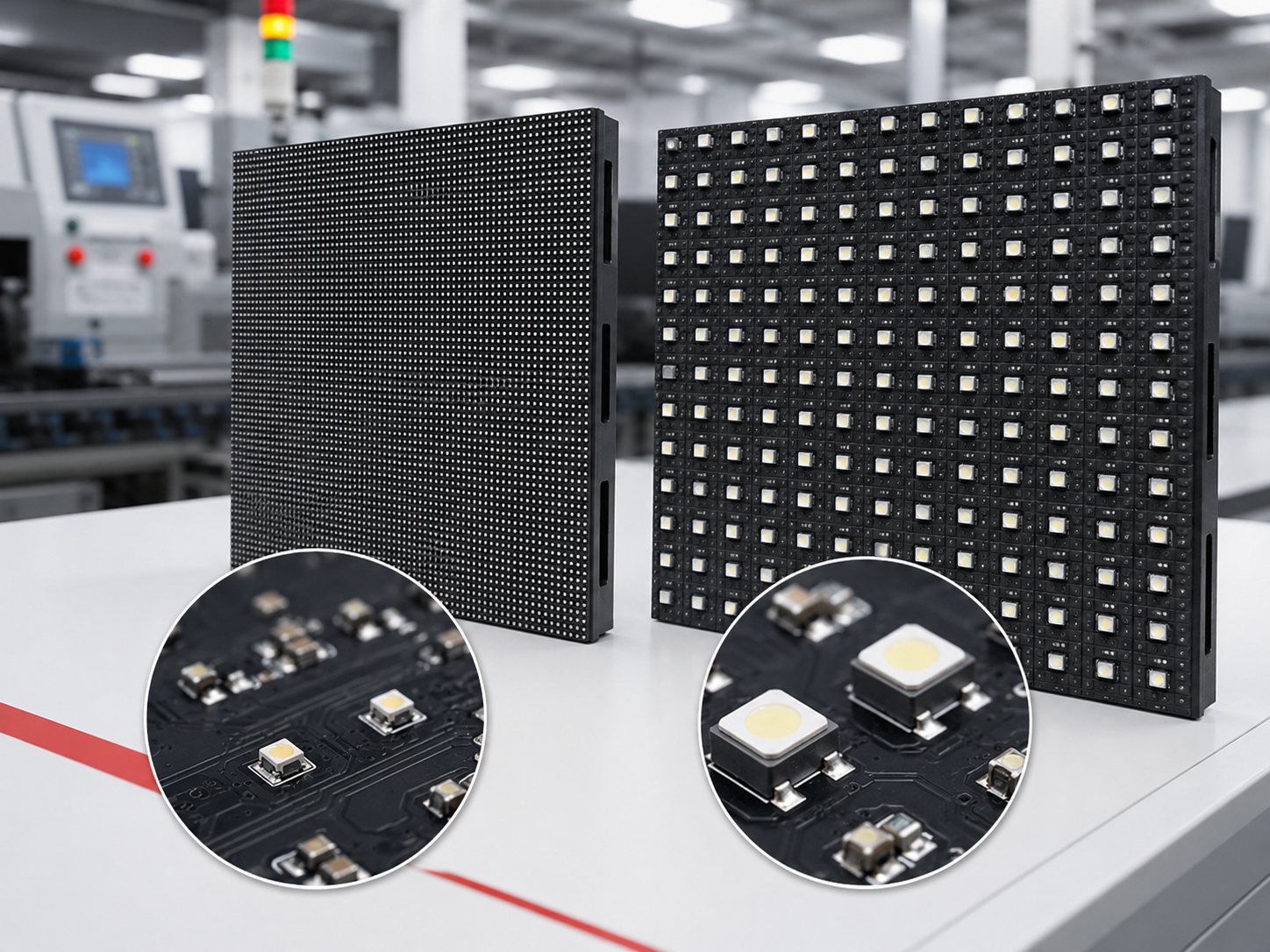
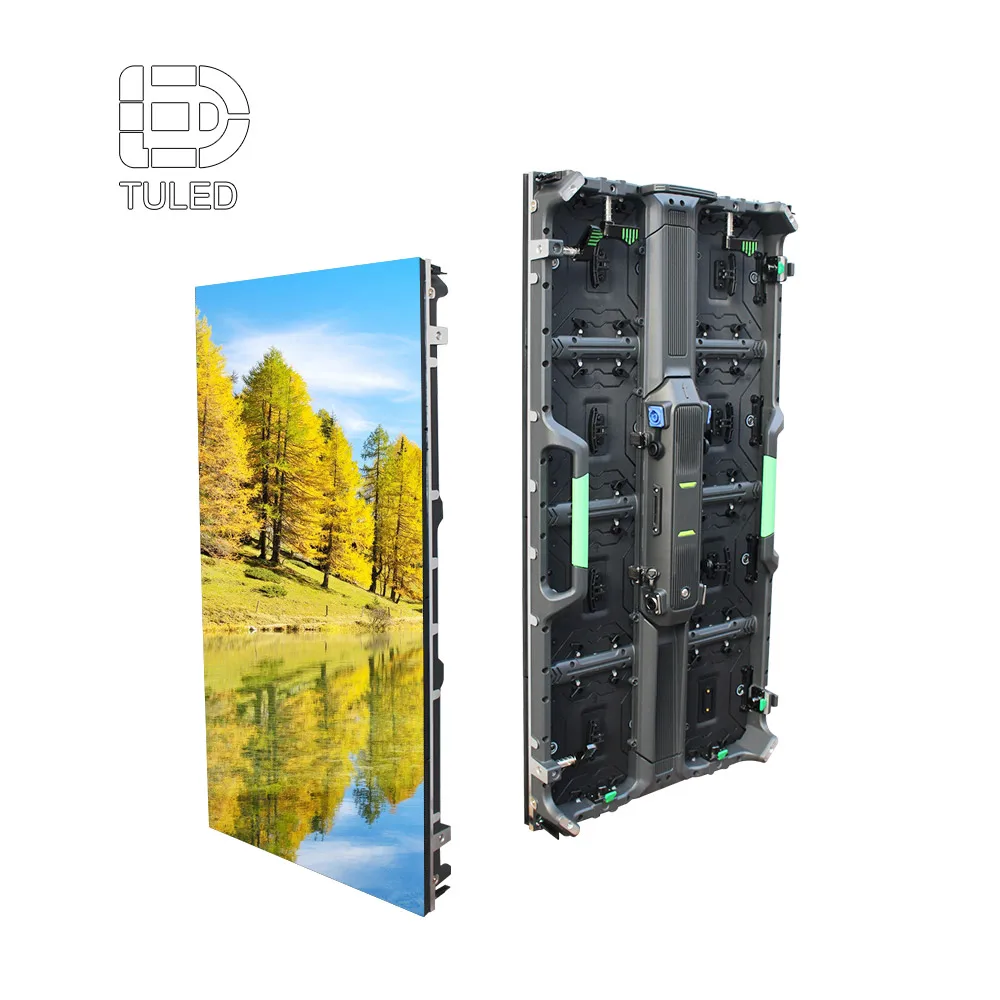
This modular cabinet direction is useful when a retail wall needs cleaner alignment, repeatable cabinet planning, and easier project-size calculation.
View 640×640 LED DisplayThe Real Risk Is a Wrong Specification, Not Only a Higher Price
Sometimes, the lowest quote looks attractive because it includes only the display body. However, a retail display must work inside a real store. The wall condition, viewing angle, power route, service path, and content ratio all influence the final result.
For example, a screen near a glass entrance may need stronger brightness than one placed inside a soft-lit boutique. Meanwhile, a decorative wall with no rear service space may require front maintenance. If that detail is missing, future service may require unnecessary removal work.
Also, content format can create hidden waste. A wide video wall does not always suit vertical product posters. In the same way, a narrow display may not support a cinematic brand film. Therefore, screen shape and content shape should be discussed together from the beginning.
Retail Screen Decision Table
This table helps separate a complete quotation from a rough price. It also shows why each specification affects budget, installation, visual effect, or maintenance.
| Quote item | Safe sign | Risk sign | Why it matters |
|---|---|---|---|
| Pixel pitch | Matched to viewing distance. | Selected only because it is cheaper. | Affects clarity, close-viewing comfort, and LED quantity. |
| Brightness | Matched to lighting condition. | One brightness level used for every store. | Affects visibility, power planning, and viewing comfort. |
| Maintenance | Front or rear service is clearly explained. | No maintenance method mentioned. | Affects future repair time and store interruption. |
| Structure | Wall, hanging, or embedded method is noted. | Only display body price is shown. | Affects alignment, safety, installation time, and hidden cost. |
| Control system | Content update method is included. | Playback method is missing. | Affects daily content changes and campaign operation. |
Start With Size, Then Connect It With Viewing Distance
First, screen size gives the factory a starting point. Still, size alone does not explain the whole project. A 3 m × 2 m display in a narrow retail aisle needs a different visual standard from a 3 m × 2 m screen above a mall escalator.
Next, viewing distance helps select pixel pitch. Pixel pitch means the distance between LED pixels. A smaller pitch improves detail at close range, yet it also raises LED quantity and total cost. Therefore, pitch should follow the real viewing distance rather than a simple “higher resolution” request.
In practical retail projects, the closest viewing distance matters most. Fine text, product close-ups, cosmetics visuals, menu prices, and luxury imagery need smoother edges. However, a screen viewed mostly from several meters away may not need the finest pitch.
Viewing Distance and Budget Direction
| Closest viewing distance | Common retail scene | Practical direction | Budget meaning |
|---|---|---|---|
| 1–2 m | Luxury wall, jewelry zone, close aisle, showroom | Small pixel pitch for smooth text and product detail. | Higher screen cost, better close-viewing quality. |
| 2–4 m | Fashion store, entrance wall, reception display | Balanced pitch with strong image quality. | Good balance between clarity and cost. |
| 4–8 m | Mall corridor, food court, brand wall | Larger display area may matter more than fine pitch. | Area, brightness, and structure become important. |
| 8 m+ | Atrium wall, high-level advertising, open hall | Distance impact and installation structure should lead. | Mounting and screen size may dominate the budget. |
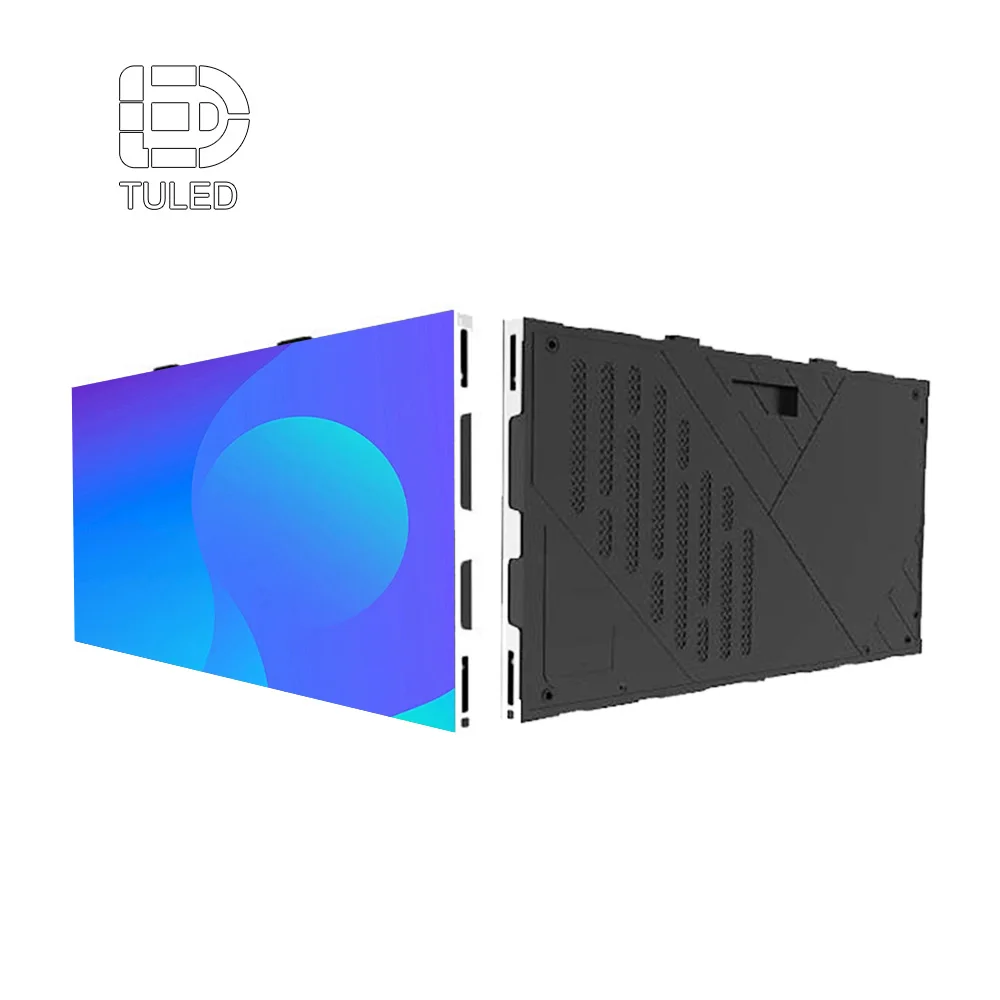
Small pixel pitch panels fit close-viewing retail spaces where product images, fine text, and premium brand visuals need a cleaner finish.
View HD Indoor Small Pitch Pixel LED DisplayBrightness and Content Shape Affect the Real Quote
Brightness should match the store environment, not a brochure number. A screen that is too dim near a glass entrance may look weak during the day. Meanwhile, a screen that is too bright inside a soft-lit boutique can feel harsh and reduce visual comfort.
Furthermore, store lighting changes across the day. Mall skylights, ceiling spotlights, glossy floors, glass doors, and reflective shelves all affect perceived contrast. Because of this, photos taken under real lighting conditions help the factory recommend brightness more safely.
Content format matters as well. A wide brand film suits a horizontal wall. However, vertical promotion videos, product posters, and menu boards need a different screen ratio. Therefore, the quote should connect screen size with content ratio before a final model is selected.
Brightness and Content Planning Table
| Situation | Main issue | Information to send | Quote influence |
|---|---|---|---|
| Soft-lit retail interior | Image comfort and color tone. | Interior photo and normal operating hours. | Avoids unnecessary brightness cost. |
| Bright mall corridor | The screen must stand out from ambient light. | Ceiling lighting and traffic direction. | Supports stronger visibility planning. |
| Glass window area | Sunlight and reflection can wash out content. | Window direction and daytime photo. | May change brightness level or product path. |
| Menu or price display | Text must remain readable. | Text height and queue distance. | Guides pitch, layout, and screen size. |
Product Path for Store Walls and Mall Corridors
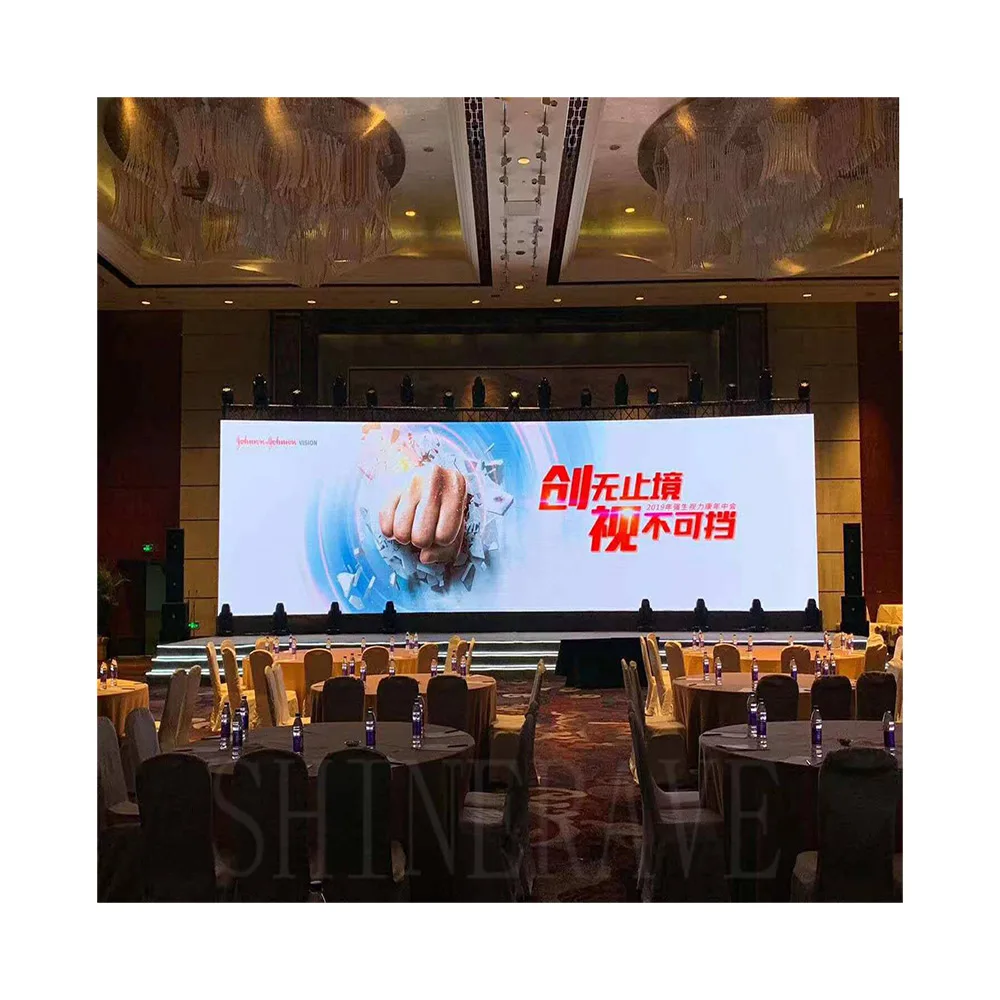
For a permanent store wall, an indoor LED wall often makes the most sense. It supports custom size, seamless cabinet arrangement, strong content presence, and a more integrated retail atmosphere. In this scene, the quote should focus on viewing distance, cabinet alignment, wall condition, and service access.
For close-viewing spaces, a small pixel pitch product can improve the feeling of quality. Fine product images, fashion visuals, cosmetics textures, jewelry details, and brand videos benefit from smoother edges. However, this direction should still follow actual distance rather than a general request for the finest option.
For modular retail walls, cabinet size also matters. A standardized cabinet can simplify alignment, structure planning, packing, and future service. Therefore, cabinet format should appear in the quote discussion when the project needs a fixed wall or a repeatable store design.
Product Direction Comparison
| Project need | Better starting direction | Reason | Quote details to confirm |
|---|---|---|---|
| Permanent retail wall | Indoor LED wall | Flexible size and stronger brand surface. | Wall size, closest distance, maintenance method. |
| Premium close viewing | Small pitch indoor product | Smooth text and fine product detail. | Closest distance, content detail, brightness level. |
| Limited rear access | Front maintenance indoor panel | Service can happen from the front side. | Wall depth, cabinet depth, service route. |
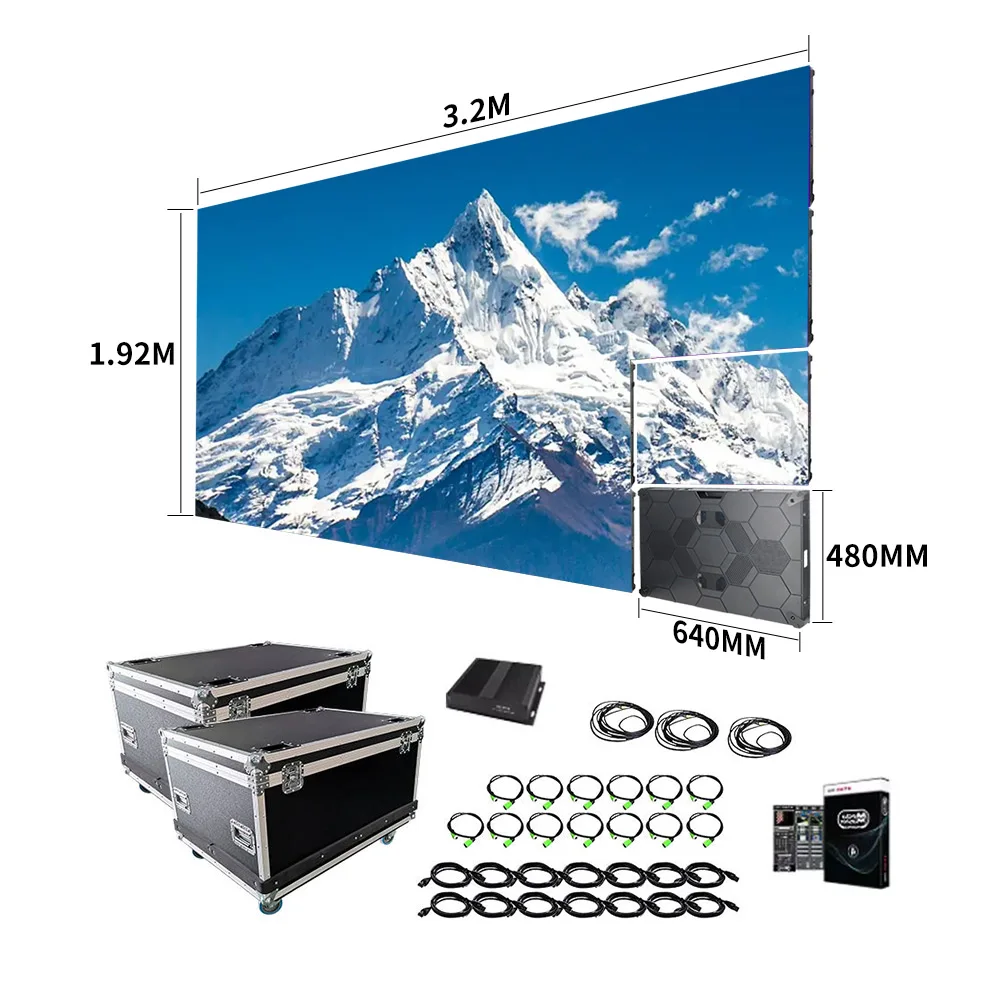
| Repeatable modular wall | 640×480 mm or 640×640 mm cabinet plan | Cabinet count and layout are easier to calculate. | Aspect ratio, cabinet count, frame design. |
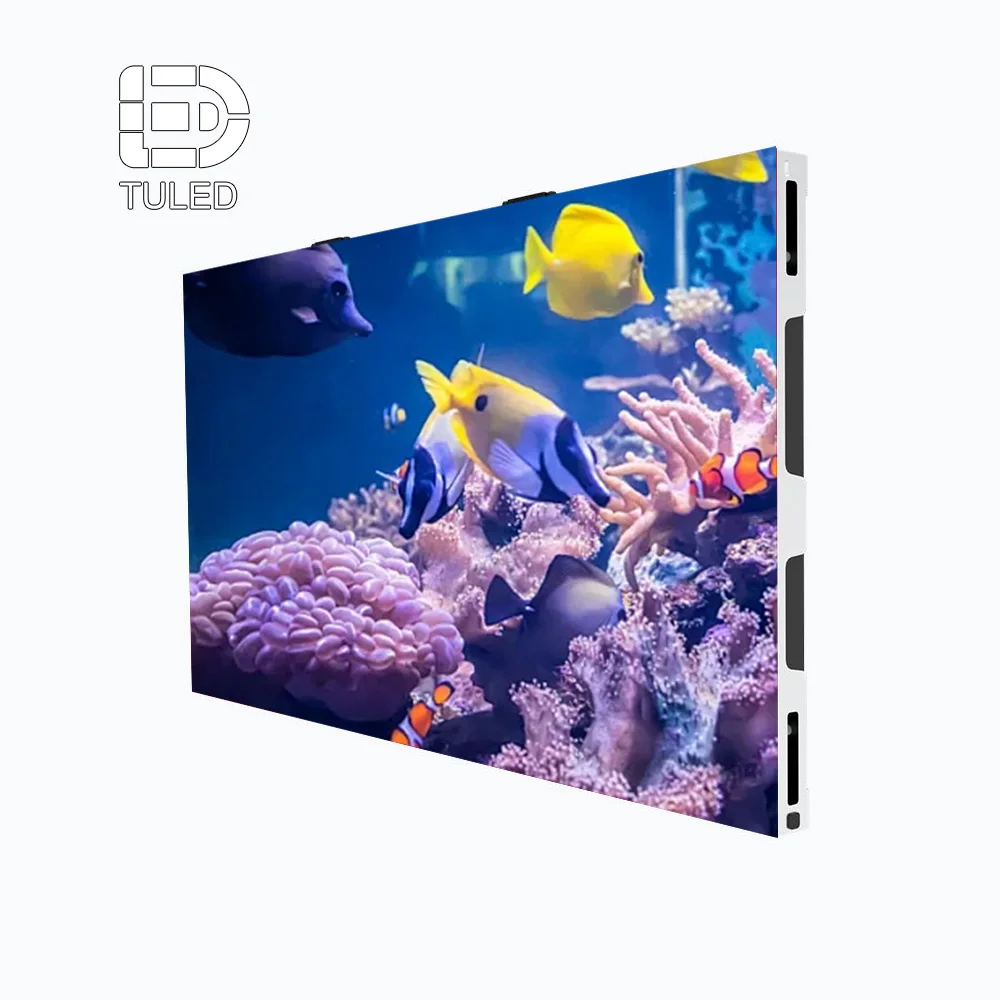
Front maintenance panels help retail walls reduce future service difficulty when cabinets are installed close to a solid wall.
View Front Maintenance Indoor LED ScreenInstallation Photos Are Part of the Quote
A drawing is useful, but photos often reveal the real condition faster. For example, a front photo shows the wall area. A side photo shows available depth. A ceiling photo shows lights, beams, vents, and hanging limitations. A power photo shows where cables may enter.
In addition, a marked photo prevents misunderstanding. A simple rectangle over the intended screen area helps the factory estimate size, installation height, viewing direction, and surrounding space. This small step can reduce several rounds of clarification.
For retail walls, photo context also helps judge service method. If shelves, counters, decorative panels, or a narrow corridor sit behind the screen, front maintenance may become important. That decision affects cabinet selection, cabinet depth, and final installation planning.
Installation Photo Checklist
- Front view of the planned wall, glass, entrance, or display zone.
- Side view showing depth, walkway width, fixtures, and nearby shelves.
- Ceiling or upper wall view showing lights, beams, vents, and hanging points.
- Power location photo showing sockets, distribution box, or cable route.
- One marked photo with the planned screen area and estimated width and height.
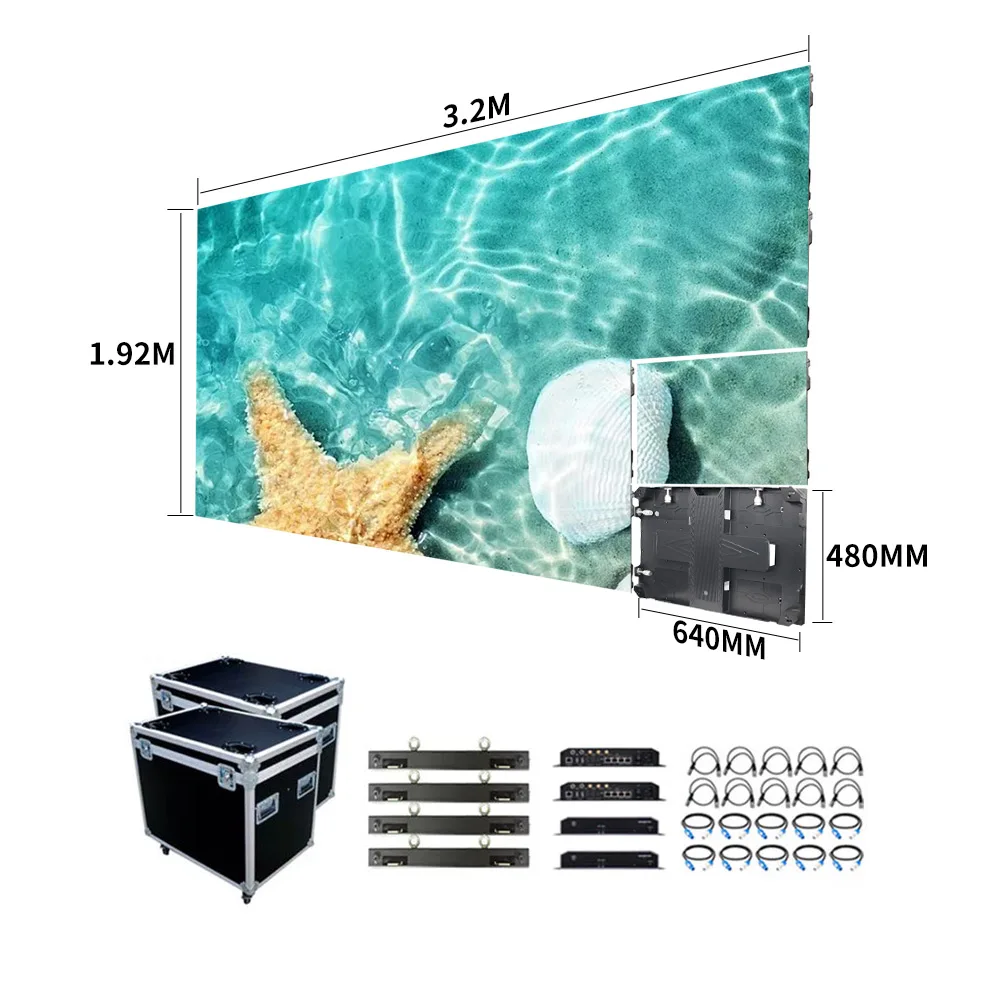
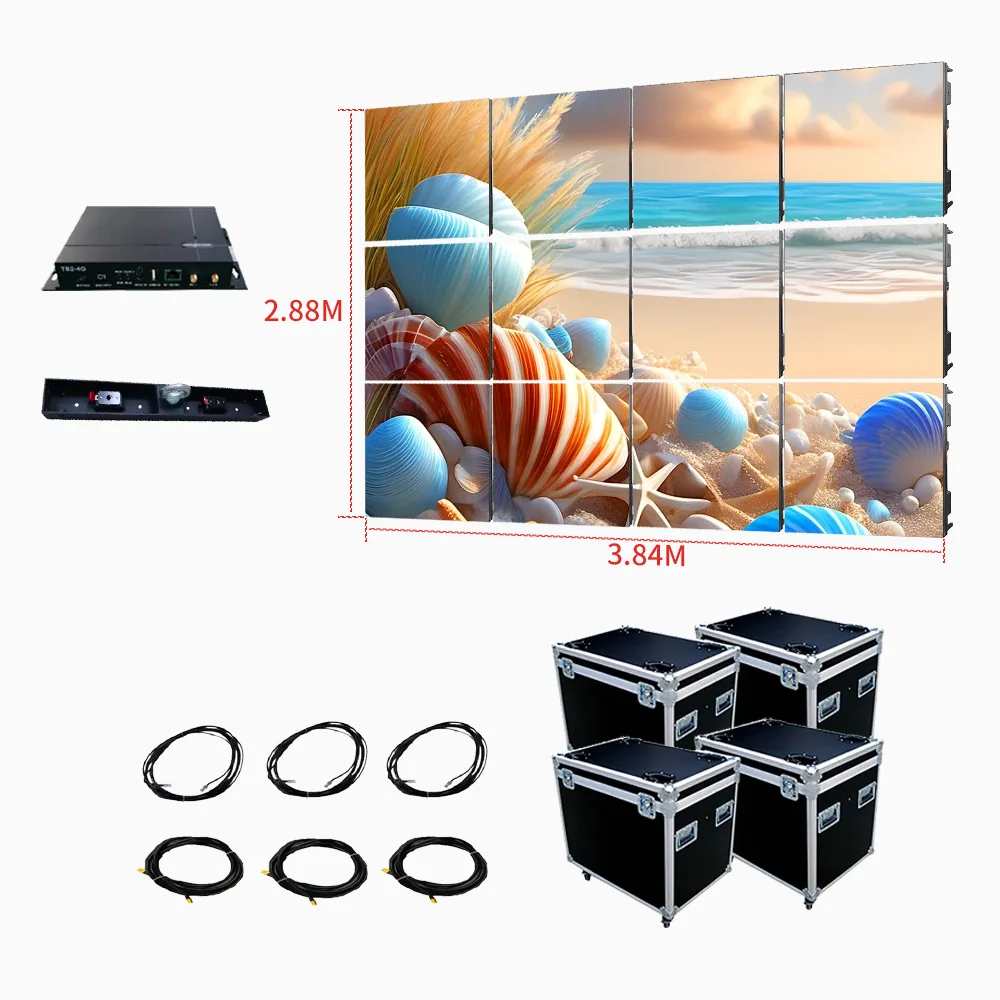
A 640×480 mm cabinet package helps quote planning because cabinet count, screen ratio, accessories, cables, and packing scope are easier to estimate.
View 640×480 LED DisplayComplete Quote Information to Send a Factory
A complete quote request does not need perfect engineering language. However, it should explain the project scene clearly. Size, viewing distance, location photos, brightness condition, content type, service access, and schedule are enough for a practical first proposal.
Additionally, the project goal should be clear. A premium brand wall, a mall advertising display, a menu board, and a temporary promotion screen should not use the same quote logic. Purpose affects product path, pitch, brightness, installation, and control method.
Finally, schedule information matters. Store opening, mall approval, production, testing, packing, shipping, installation, and content preparation all need time. A clear deadline helps the factory suggest a safer delivery plan.
Copyable Factory Quote Template
Project scene: store wall / mall corridor / shop window / showroom / entrance / food court
Planned display size: width ___ m × height ___ m
Available wall or glass size: width ___ m × height ___ m
Closest viewing distance: ___ m
Typical viewing distance: ___ m
Lighting condition: dim / normal / bright / glass window / direct sunlight
Installation method: wall-mounted / hanging / floor-standing / embedded / not sure
Maintenance access: front only / rear available / not sure
Content type: video / poster / menu / promotion / brand film / wayfinding
Content ratio: horizontal / vertical / mixed / not decided
Update method: USB / Wi-Fi / LAN / cloud / not sure
Operating hours: ___ hours per day
Photos attached: front / side / ceiling / power location / marked area
Deadline: quotation date ___ / store opening date ___
CTA: Send store size, viewing distance and photos for a quick factory quote
A clear first inquiry helps match cabinet size, pixel pitch, brightness, maintenance access, control system, spare parts, and installation notes before the quotation stage moves forward.
Contact LEDDisplayFactoryExtended Reading for Retail LED Planning
For deeper product comparison, these pages connect the quote checklist with cabinet format, close-viewing detail, front service, and modular indoor planning.
FAQ: Retail LED Quote Questions
What information is needed before requesting a retail LED quote?
At the first stage, the most important details are planned size, closest viewing distance, installation position, lighting condition, content format, maintenance access, and photos. With these details, the factory can suggest a more realistic product path and avoid a vague price range.
How should pixel pitch be selected for a retail store?
Pixel pitch should follow viewing distance and content detail. A closer screen usually needs a finer pitch for text, product images, and premium brand visuals. Meanwhile, a screen viewed from several meters away can often use a more cost-controlled pitch without losing practical visual impact.
Is indoor brightness enough for a shop window?
It depends on sunlight, reflection, glass direction, and viewing distance from outside. A window-facing screen may need stronger brightness or a different product path. Daytime photos and window direction help the factory judge this point more safely.
Why are installation photos important for quotation?
Photos show wall condition, ceiling height, lighting, cable route, depth, surrounding fixtures, and service space. Therefore, photos help the factory judge structure, cabinet depth, front maintenance, and future repair access before preparing a detailed quote.
What maintenance details should be confirmed before ordering?
The first detail is whether front service or rear service is possible. After that, spare modules, power supplies, receiving cards, and service timing should be discussed. A retail display often runs for long hours, so quick service access can reduce downtime during campaigns.
Final Judgment Before Sending the Inquiry
In short, a retail LED quote becomes clearer when the project starts with scene logic. First, define the wall, window, corridor, or movable promotion area. Next, connect viewing distance with pixel pitch. Then, match brightness with real lighting. After that, confirm content ratio, installation method, service access, and update method.
For a permanent retail wall or shopping mall advertising project, led display screen planning should begin with size, viewing distance, brightness, maintenance, content format, and installation photos. This approach protects the budget, improves proposal accuracy, and reduces avoidable specification changes.
3 Actionable Steps
- First, mark the planned display area on a store photo and add width, height, and closest viewing distance.
- Next, prepare content ratio, lighting photos, operating hours, and maintenance access notes.
- Finally, send the quote template with photos so the factory can recommend a practical product path.
CTA: Send store size, viewing distance and photos for a quick factory quote
A clear inquiry helps match cabinet size, pitch, brightness, maintenance access, accessories, and installation guidance before the quotation moves forward.
Send Project Details