EN
EN

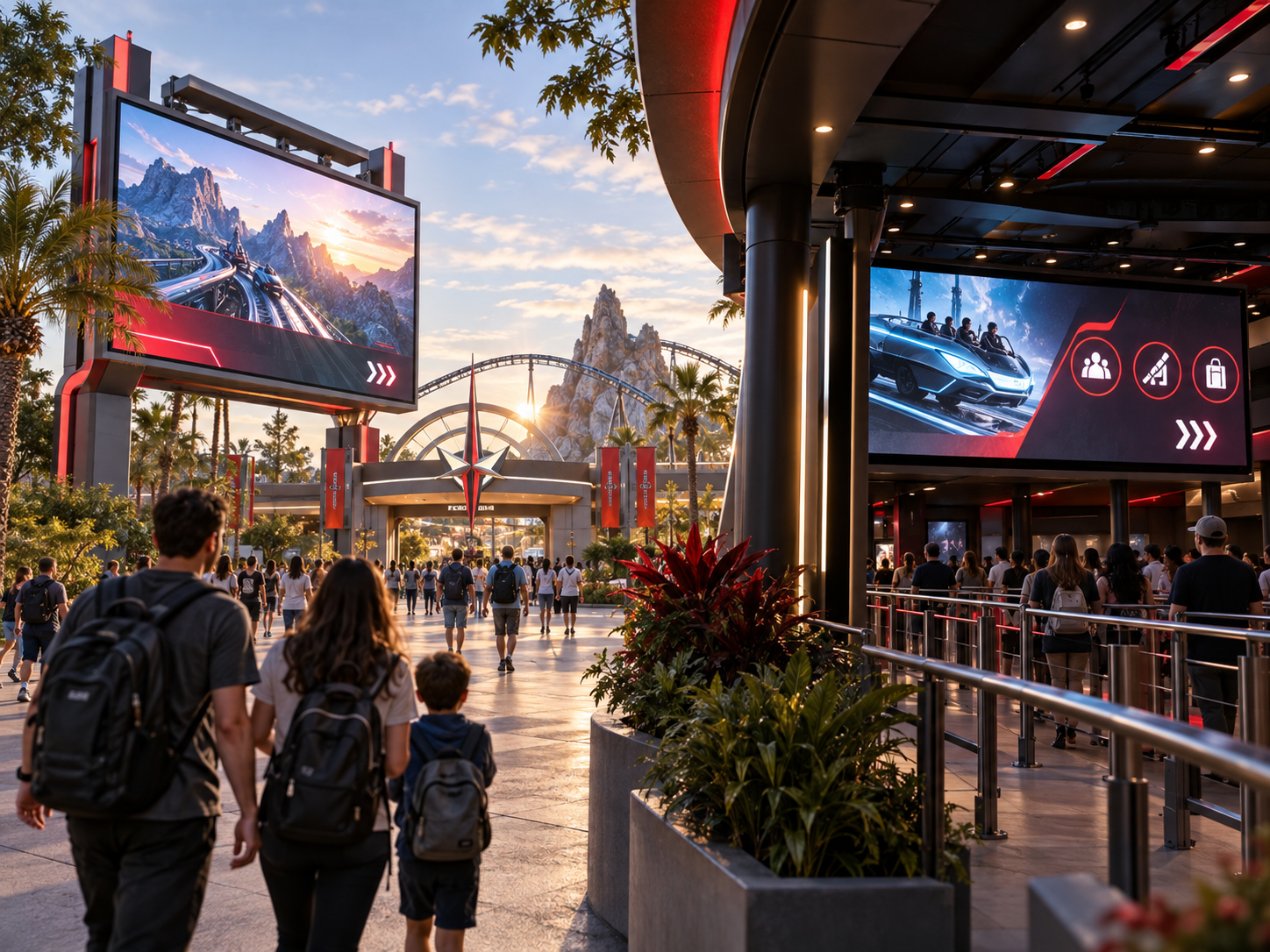
A guest can cross an open plaza, find an attraction entrance, spend a long period moving through a themed queue, step from daylight into an indoor section and finally arrive at a loading area where the next message needs to be understood quickly. Those screens may belong to one attraction, but they do not have the same communication job.
For project teams comparing digital billboard and outdoor LED display options for theme parks, that distinction matters more than simply counting screens. An outdoor attraction-facing display may need to catch the attention of people who are still walking, while a queue-line screen may be viewed repeatedly and a loading-area display may need to support operator-led information.
The useful project question is therefore not “How much content can we fit onto each screen?” It is “What does the guest need from this screen at this point in the journey?” Once that is clear, the project team can discuss screen type, size and location with a supplier without treating every display zone as the same installation.
Start With the Guest Journey, Not the Screen List
A theme-park queue is not one continuous viewing environment. Guests speed up, slow down, stop, turn, split between lanes and pass through very different visual spaces. The screen position has to make sense inside that movement.
An attraction entrance, for example, may compete with nearby façades, signs, people and other destinations. The visitor is still deciding where to go. Deeper in the queue, the same visitor may spend several minutes within view of one display. At that point, a short attraction identifier has far less value than content designed for a longer dwell period.
Later, the queue may narrow or turn. Guests may approach an indoor threshold, a merge point or the loading area. The communication task becomes more specific because there is now an action associated with the screen.
This prevents a common project problem: every display is ordered as though it were simply another advertising surface. In a theme park, a plaza screen, queue screen and loading-area display may share the same attraction branding while solving very different communication problems.
The project team should also identify who owns each type of content. Marketing may control attraction material. Queue operations may be responsible for routine information. Park operations and safety teams may define higher-priority messages. Clarifying those roles early prevents content hierarchy from becoming a last-minute software question.
What changes from one zone to another?
Several factors usually change together: how fast people move, how long they remain near the display, whether they approach it directly, whether the screen sits in a crowded visual environment and whether the next message is optional or connected to an immediate action.
A supplier does not need to control those decisions, but it does need enough context to understand the job of each screen. A site plan showing only screen dimensions cannot communicate that on its own.
Queue-Line Content Needs Rhythm, Not More Information
Queue-line content has one advantage that ordinary passing advertising does not: guests may remain within viewing range for longer. That same advantage creates a risk. If the screen repeats a short loop too often, people can become tired of it long before they reach the next section.
The answer is not simply to make the loop longer. Content should change with the queue stage.
This staged approach also makes content easier to manage. The attraction team does not need to make every screen show every information type. One display can carry more of the entertainment role while another supports orientation. The nearer the guest gets to an action point, the clearer the communication priority should become.
Repeated viewing is another reason to think about queue stages rather than isolated screens. A message that works once may become intrusive when a guest sees it several times. Conversely, a message that changes too quickly may be missed by someone who looks toward the display halfway through the sequence.
There is no single timing formula that applies to every attraction. The useful decision is to align content length and repetition with how people actually occupy that section of the queue.
Indoor-Outdoor Transitions Are Also Changes in Attention
A queue that moves from an open plaza into a covered structure or themed interior is changing more than installation environment. Guests are also changing what they look at and how quickly they process information.
A display immediately before a doorway may still be working as an orientation screen. A display immediately inside may need to confirm the next movement, continue the attraction story or prepare visitors for a more operational part of the queue.
This is where wider site photographs become more useful than close-ups alone. A wall may appear suitable for a display when photographed directly, but the wider view can reveal a corner, themed element, structural column or queue turn that changes how people actually see the screen.
Placement therefore needs to be discussed with guest approach in mind. Is the screen meant to be seen before the threshold? While people are moving through it? Or only once they enter the next environment? The answer affects both content planning and the physical display layout.
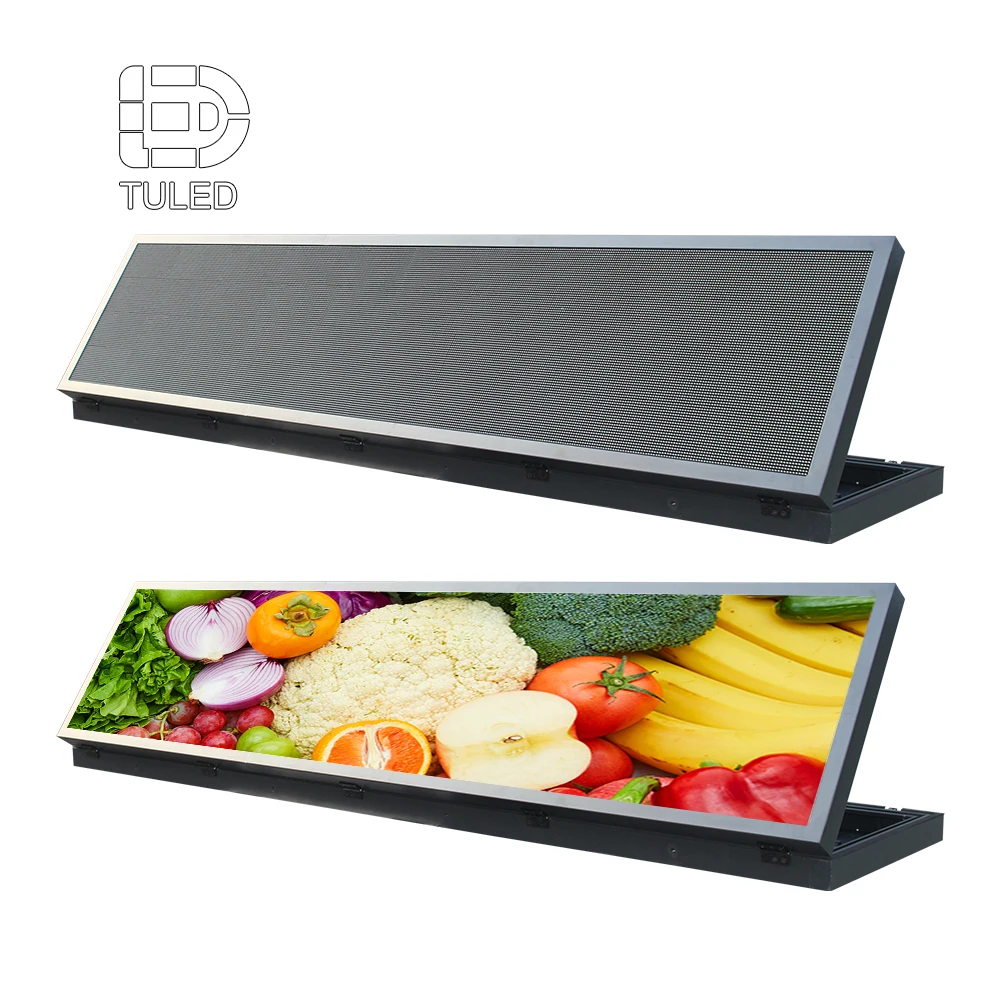
For attraction-led visual communication in suitable locations, the LED Advertising Board category gives project teams a relevant product direction to review. This is particularly useful when the screen's job is strongly visual or promotional, while directional and information-led positions may call for a different discussion.
Safety Messaging Should Be Able to Replace Routine Content When Needed
Most theme-park displays will spend much of their operating time showing ordinary attraction content: branding, themed visuals, entertainment, queue information or directions. That does not mean routine content should remain visually dominant under every operating condition.
The park should determine which messages are routine and which deserve priority. When guests are expected to change what they are doing because of an operator-led instruction, that information should not be reduced to a small text box competing with attraction graphics.
The display supplier should not invent park emergency procedures, safety rules or evacuation instructions. Those belong to the relevant operator and safety teams.
The display brief should instead explain that park-approved priority information must be able to become the dominant message when the operating team activates it.
This matters most near areas where guests are already preparing to act: queue merges, loading approaches, temporary route changes or other operator-defined points. The content architecture should make the change in priority visually obvious rather than adding another layer to an already crowded composition.
Where priority content needs to replace routine material, the project team should also tell the supplier how content is expected to reach the screen and who controls the change. The exact workflow can then be discussed with the display and control system rather than being left until commissioning.
Digital displays should support the park's wider approved safety and communication plan rather than act as the only channel for urgent information.
For locations where information display is the main purpose rather than attraction promotion, the LED Display Board category can be reviewed separately. That keeps the product discussion relevant to the real job of the screen instead of treating every display as an advertising surface.
Where an Actual Product Enters the Project Discussion
Once the screen locations and content roles are clear, product selection becomes much easier. A large outdoor attraction entrance, a close-view queue section and a loading-area information screen may need different discussions because viewing distance, installation space and environmental exposure are not the same.
This is also why it is useful to send the supplier site photographs or a simple zone plan before choosing one cabinet format for the whole attraction. The goal is not to make the project more complicated, but to avoid standardizing the wrong screen in the wrong location.
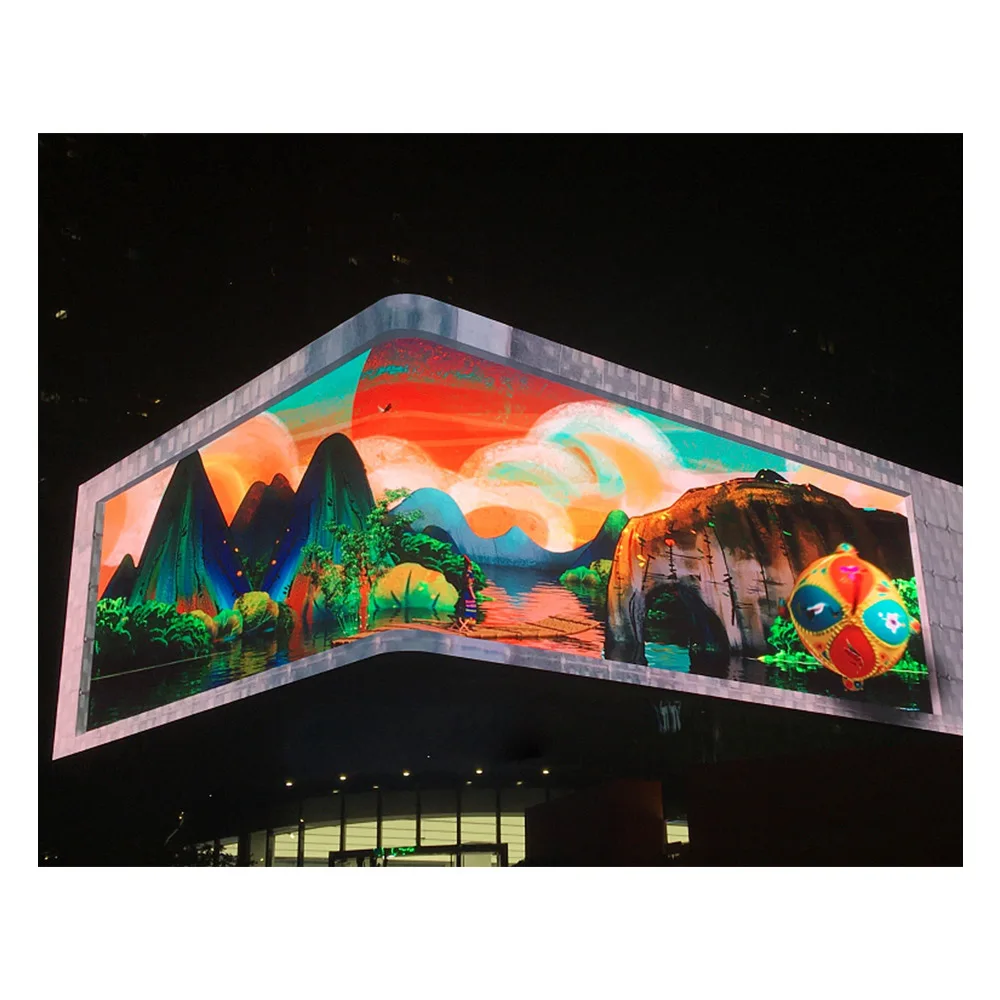
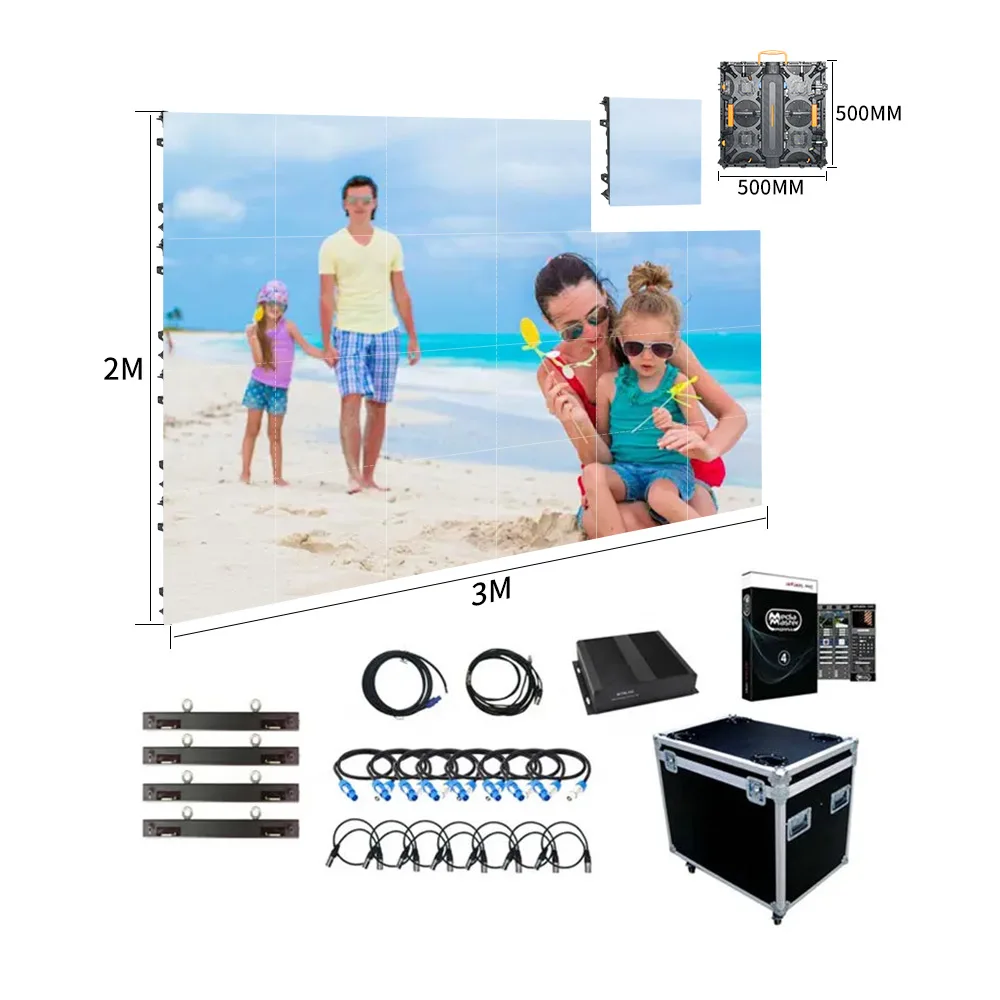
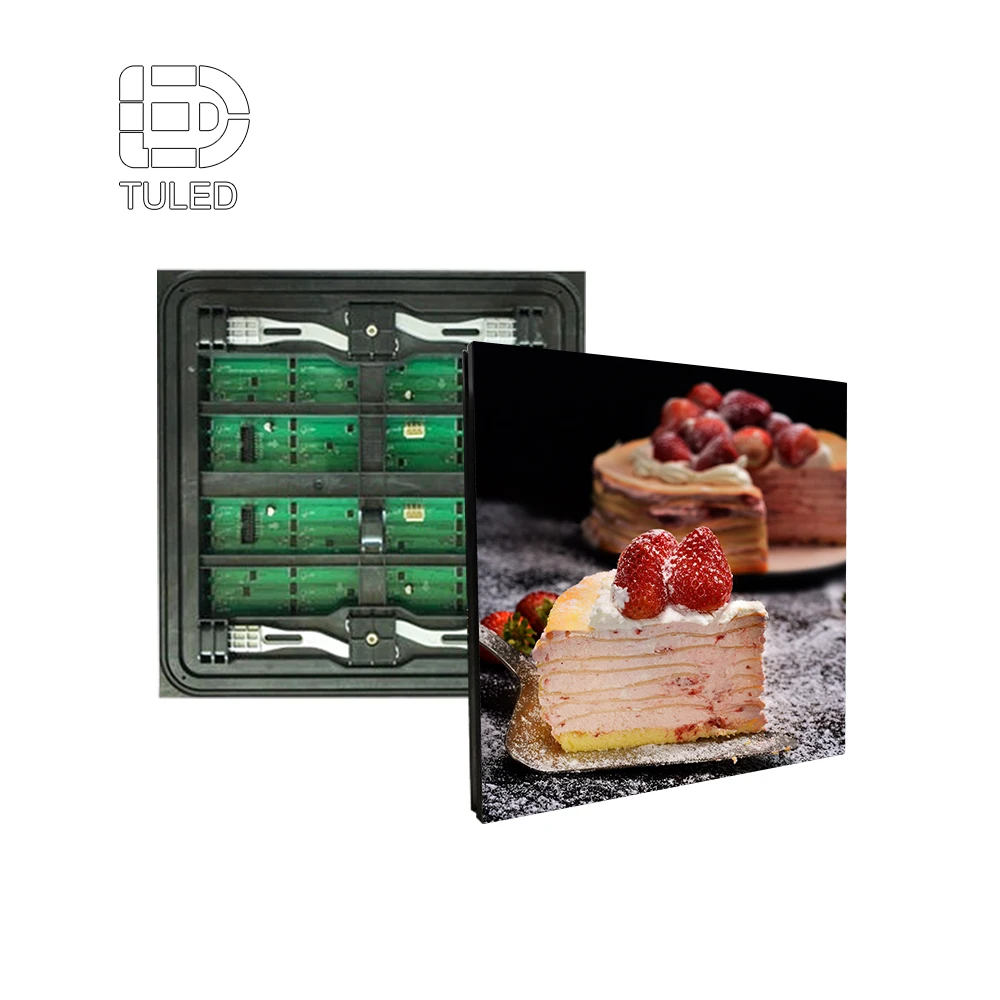
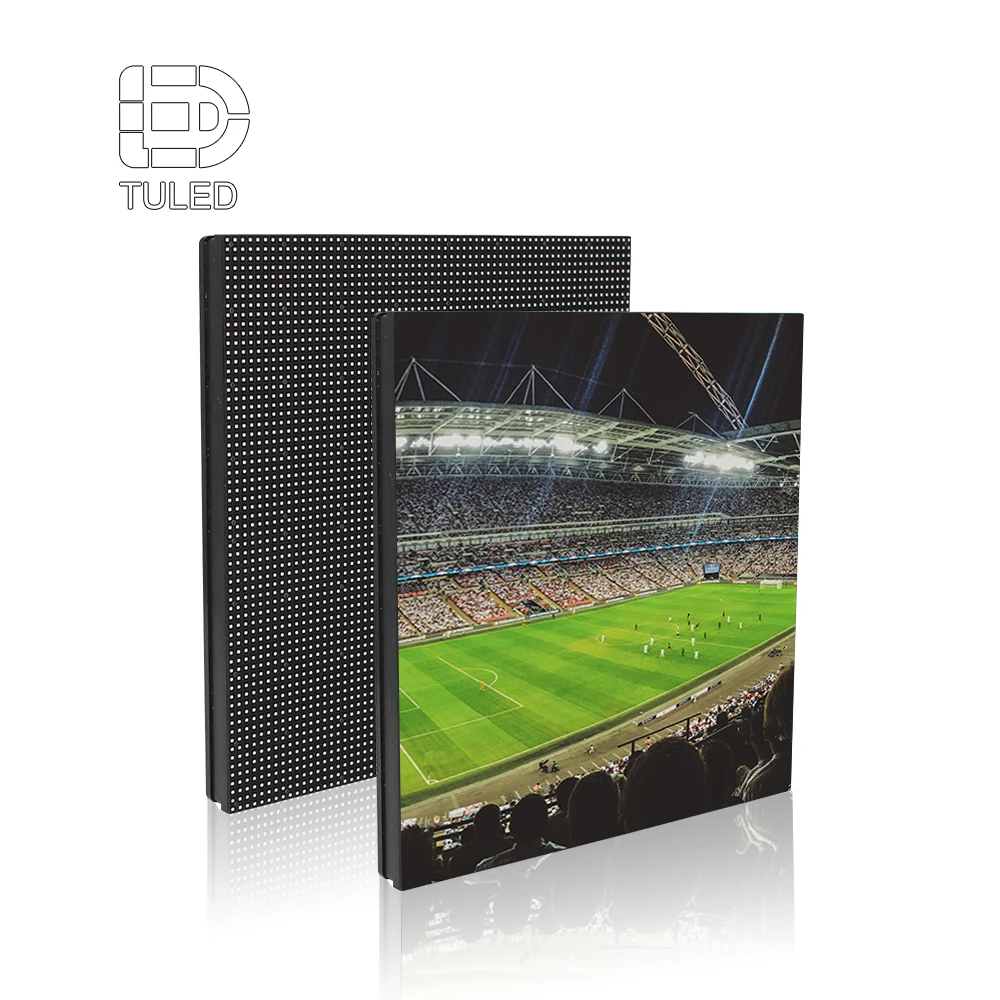
For a fixed outdoor position such as a larger attraction entrance, plaza-facing screen or another suitable outdoor display zone, the 960×960 LED Display is one concrete product direction available on the LEDDisplayFactory website. It should not be treated as the automatic choice for every theme-park location. The proposed screen size, supporting structure, installation space and viewing position still need to make sense together.

This cabinet format is worth reviewing when the project includes a fixed outdoor display position with enough installation space for this type of arrangement. A plaza-facing screen or attraction entrance is a more natural use case than a narrow queue section where the available structure and viewing distance may be very different.
The important purchasing point is not to force one cabinet format across the park simply because it is convenient to standardize. Use the zone map, approximate viewing distance and screen dimensions to decide where this format belongs and where another solution should be reviewed.
View 960×960 LED DisplayThis guide is most relevant to theme-park owners planning several digital display zones, integrators coordinating screens with queue layouts, engineering teams defining installation positions, and procurement teams that need to turn site information into a supplier discussion without reducing the project to a list of identical screen sizes.
What to Send the Supplier Before Product Selection Goes Too Far
You do not need a finished design package before having a useful conversation with a supplier. Even partial site information can help narrow the product direction before every technical detail is fixed.
The most useful starting point combines basic dimensions with context. A rough screen size, several site photographs and a simple indication of where guests approach the display can already be more useful than a dimension alone.
How a Supplier Can Help Turn the Zone Plan Into a Screen Proposal
Once the main screen positions are identified, the supplier can help connect those locations with practical display options. This is more useful than asking for one general recommendation for the entire park.
Plaza-facing screens, queue-line positions and information-led locations can be reviewed separately instead of forcing them into one product category.
Photos, dimensions and drawings help the supplier understand whether a proposed cabinet format fits the actual structure and viewing position.
With the site context available, the discussion can move toward suitable cabinet formats, screen dimensions and pixel-pitch options without asking the buyer to define every technical detail alone.
This is where an early supplier discussion can save unnecessary revisions. If one position clearly differs from the others, it can be identified before every screen is quoted around the same assumption.
Procurement and engineering should still remain connected. A screen that looks convenient from a purchasing perspective may not be ideal for the actual viewing position, while a visually strong location may still need structural confirmation before the final display is selected.
Zone Decision Table: What Should Win the Guest's Attention?
The following table is not a fixed content schedule. It is a simple way to separate four common theme-park environments that can otherwise become one undifferentiated screen list.
| Theme-Park Zone | Main Audience Need | Content Priority |
|---|---|---|
| Open plaza | Recognize an attraction, entrance or direction while continuing to move through a larger space. | Fast attraction identification and orientation before longer-form content. |
| Queue line | Stay informed or engaged during longer and sometimes repeated viewing. | Sequenced attraction content and queue information without hiding useful guidance. |
| Indoor-outdoor transition | Understand where to move as the physical and visual environment changes. | Maintain attraction continuity while making transition or directional information more obvious. |
| Loading approach | Recognize information connected to the next immediate action. | Operational and park-approved safety information must be able to take priority over routine promotional content. |
The purchasing implication is straightforward: choose around the role of the zone rather than around the convenience of repeating one display type everywhere. A product becomes a stronger fit when the location, audience and intended content role already make sense together.
Frequently Asked Questions
Should every display in the same theme-park attraction use the same screen type?
Not automatically. Standardization can simplify purchasing, but an outdoor entrance screen, a close-view queue display and an information-led loading-area screen may have different viewing and installation conditions. The supplier should review the actual locations before one format is repeated everywhere.
What should be considered where guests move from outdoor to indoor spaces?
Look at the approach direction, transition point, available installation space and the job of the message. A display before the threshold may still be helping with orientation, while another inside may need to support the next stage of the queue.
What information is enough to start discussing a theme-park LED display project?
You do not need every technical detail confirmed. A rough screen size, installation country, proposed screen positions and several site photos or drawings are enough to begin a useful product discussion. Additional information can be confirmed as the project develops.
If you already have a rough screen size, site photos, a queue layout or even just the planned installation locations, send them to OUBO LED. We can help review which areas may suit an outdoor attraction-facing display, a closer-view queue screen or a more information-led display before you lock every location into the same product.
You do not need to have every technical detail confirmed before the first discussion. Start with the project location, intended screen positions, approximate dimensions and any available photos or drawings.
Discuss Your Theme Park LED Project