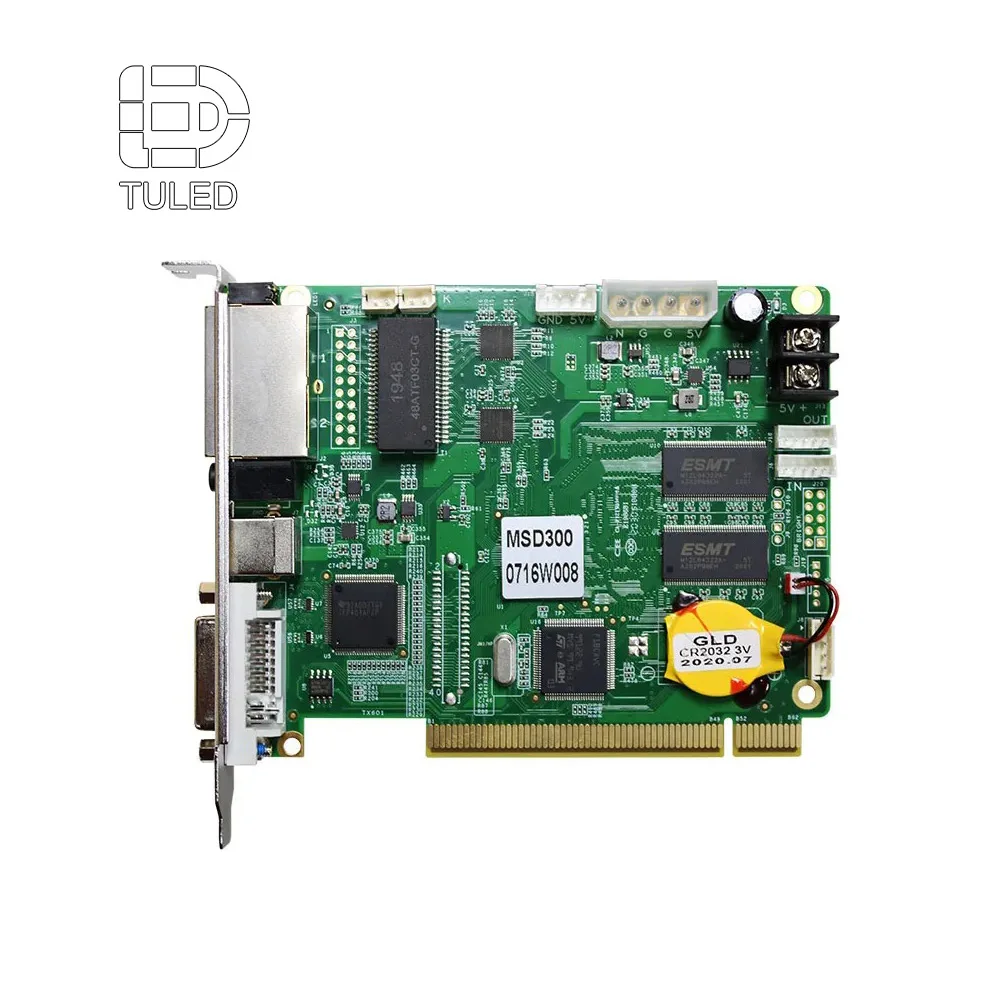
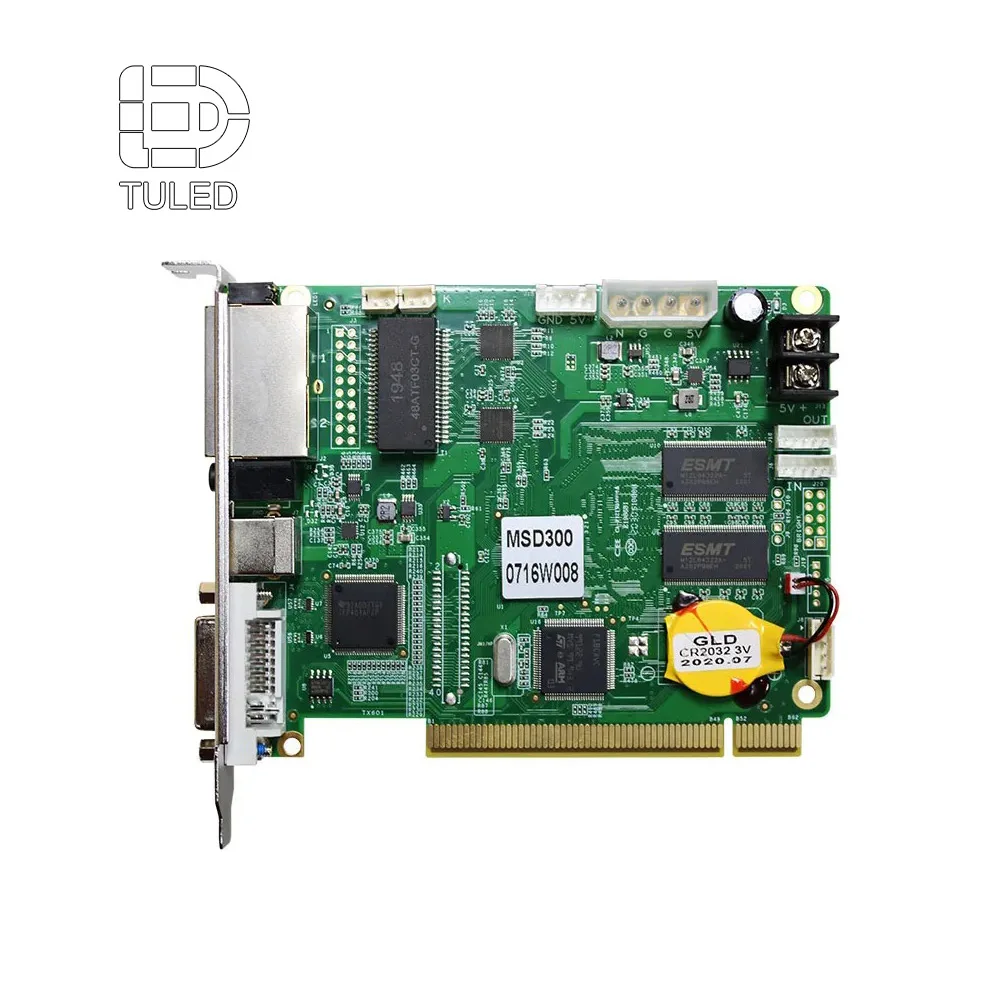
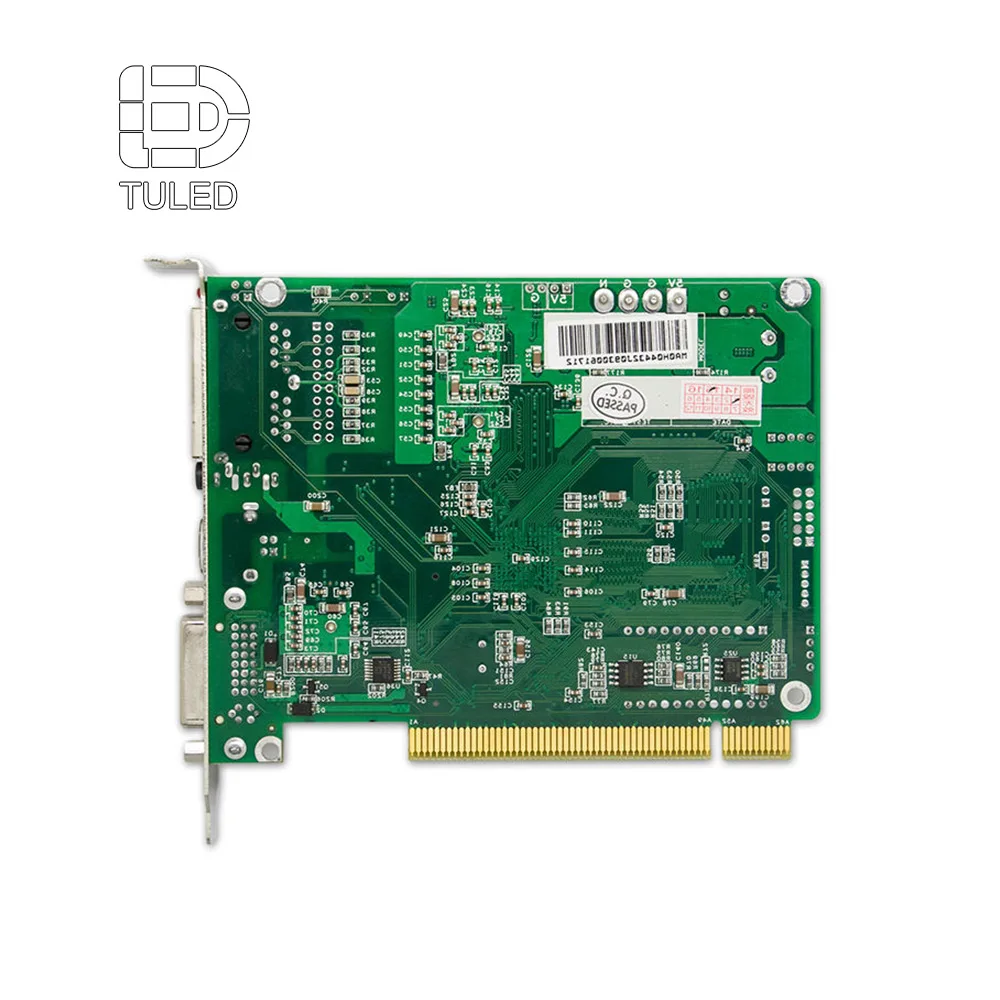
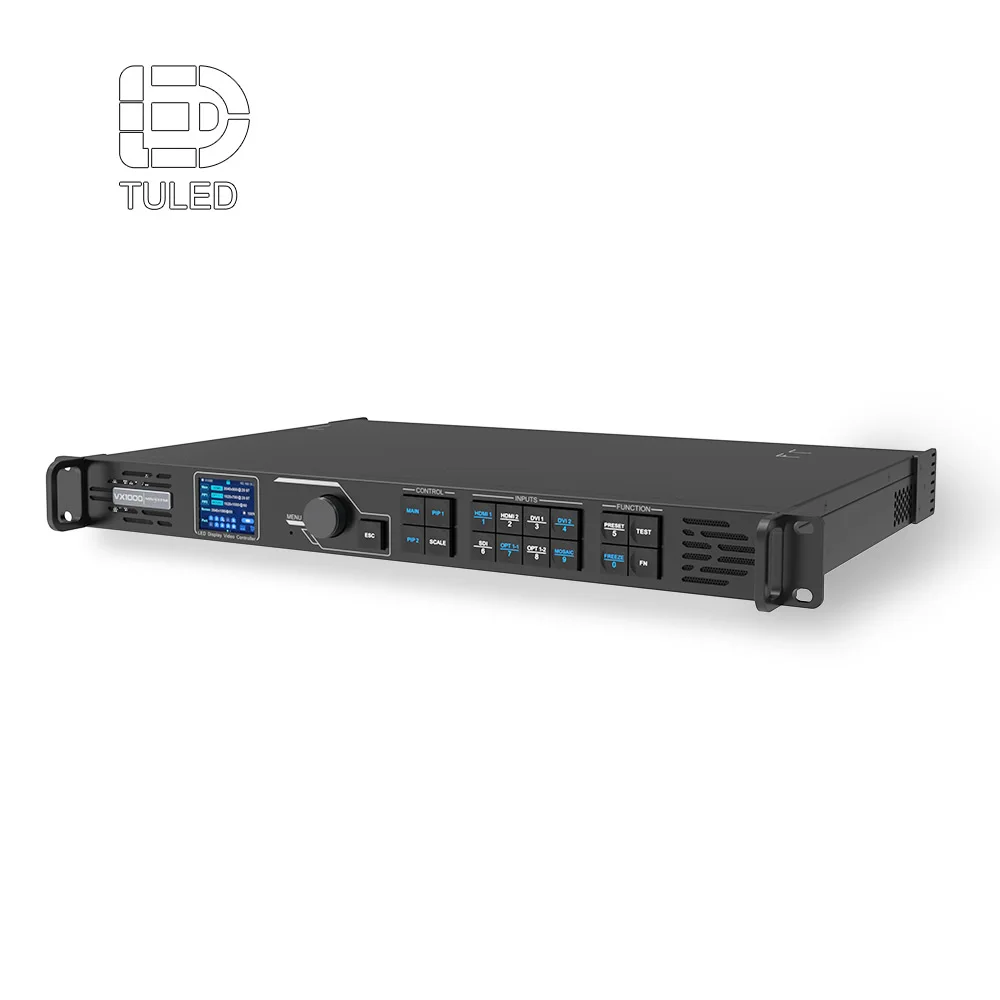
Modern LED display systems rely on more than just LED panels and cabinets. Behind every high-performance screen is a complete control system responsible for image processing, signal transmission, and screen synchronization. The most important components in this system are the LED display video processor, receiving card, and sending card.
These control components determine how stable, smooth, and accurate the final image appears on an LED screen. Whether used in conference rooms, outdoor advertising, stadiums, retail stores, rental stages, or broadcast studios, a professional control system ensures reliable display performance and efficient signal management.
As LED display technology continues to evolve toward higher resolutions, higher refresh rates, and more complex installations, understanding how a LED display video processor, receiving card, and sending card work together has become increasingly important for distributors, integrators, and project buyers.
This guide explains their functions, advantages, applications, and how to choose the right solution for commercial LED display projects.
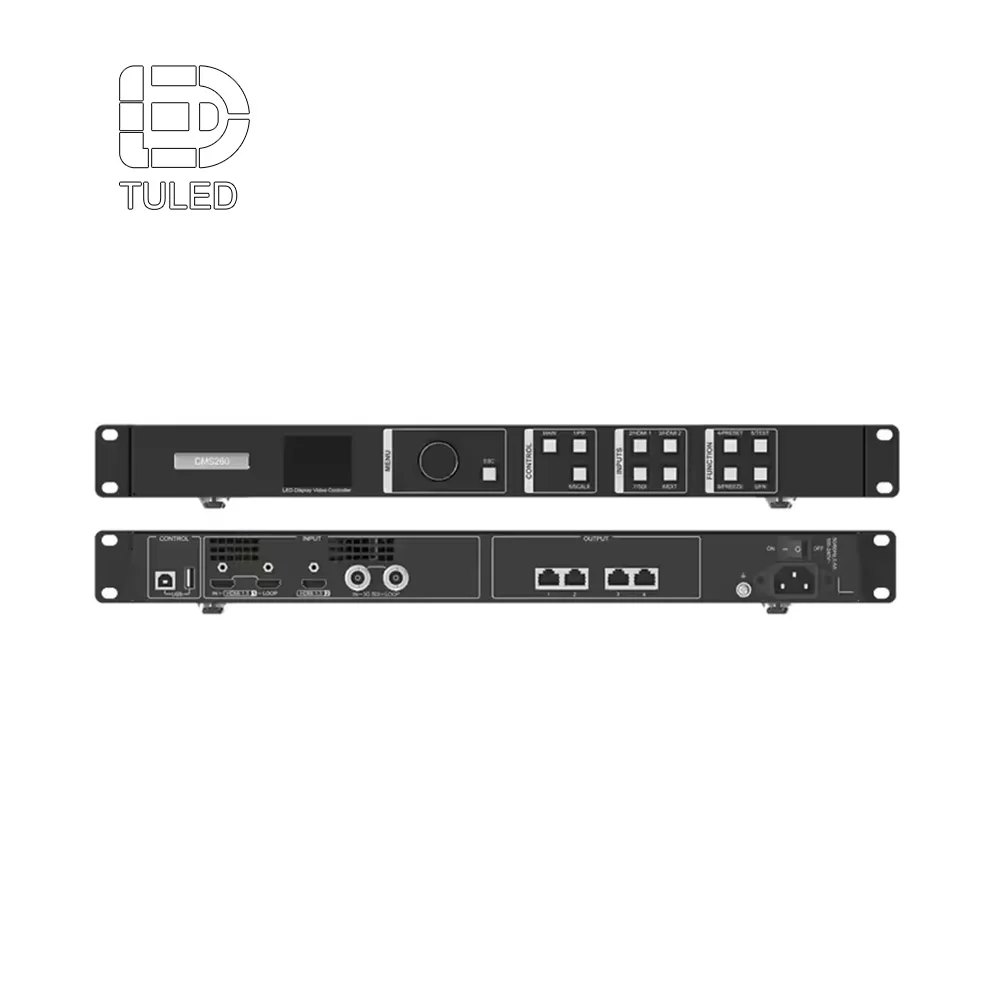
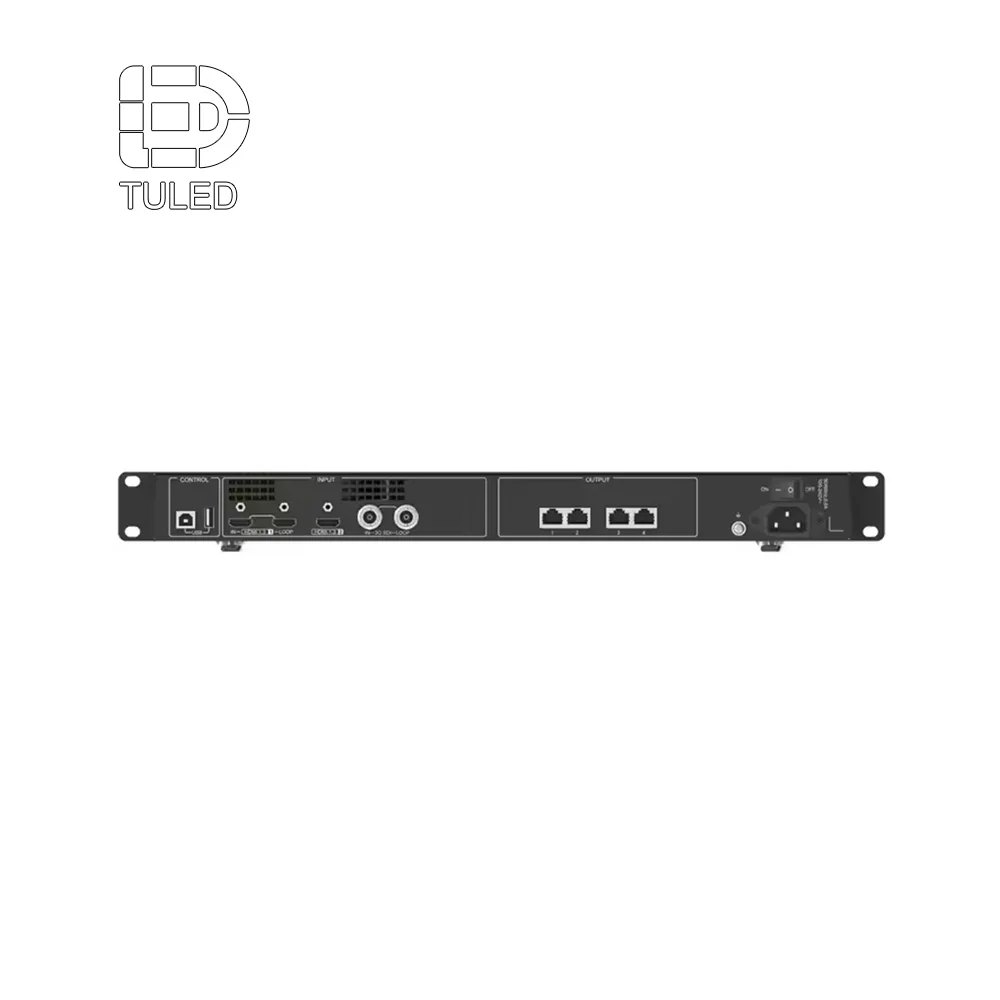
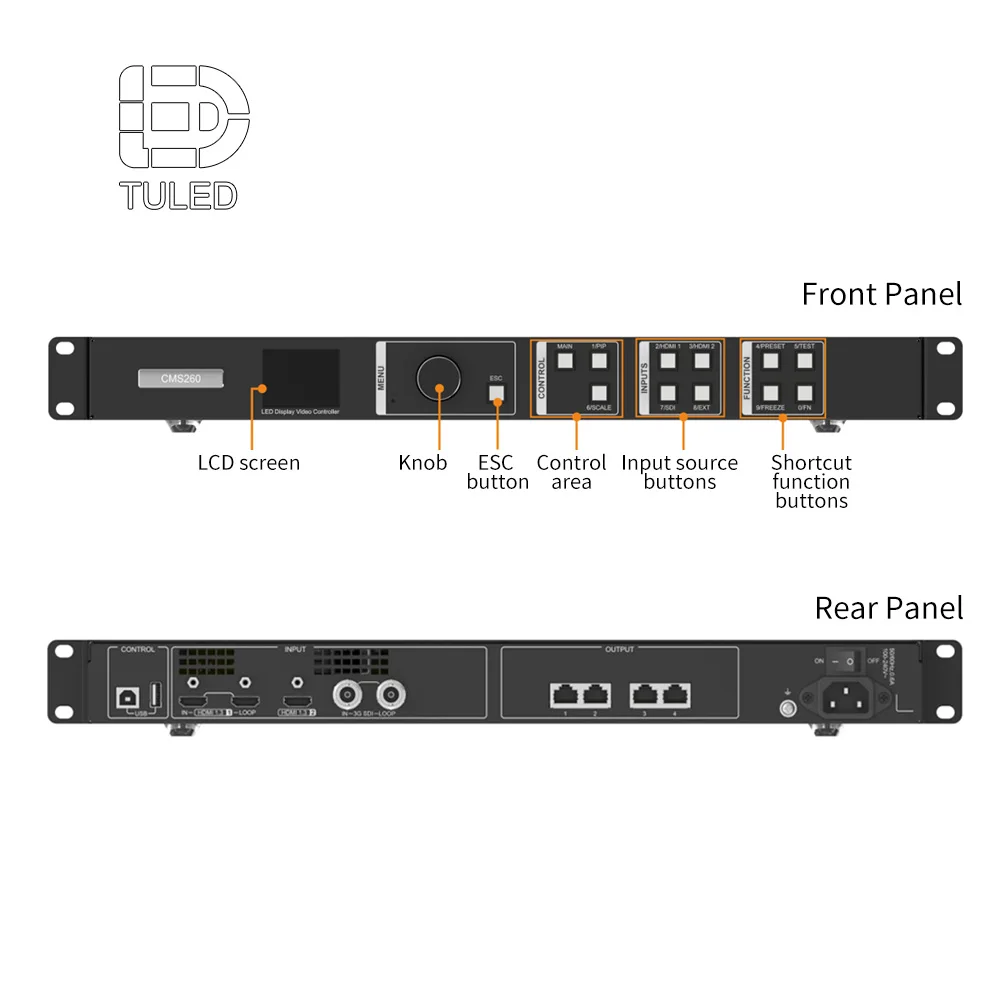
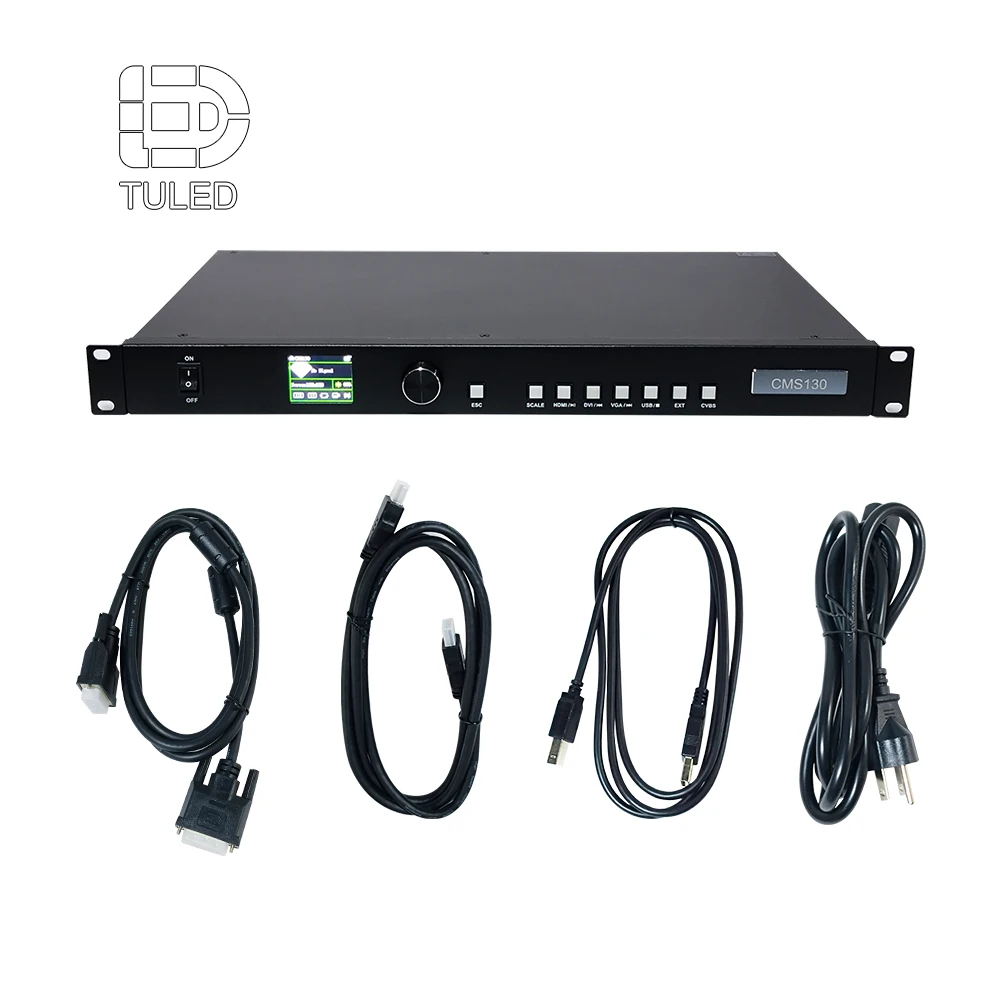
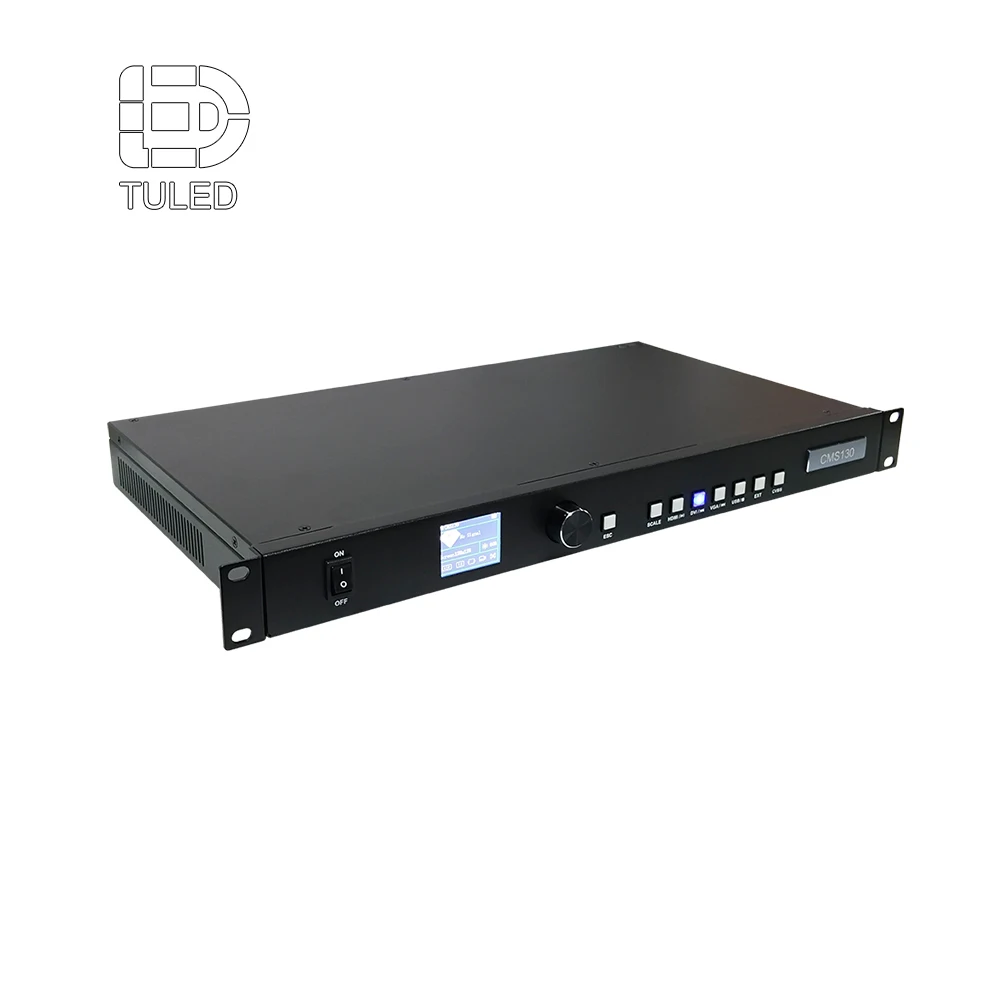
A LED display video processor is the central image processing device used in an LED display system. It receives video signals from computers, cameras, media players, or broadcast equipment and converts them into signals optimized for LED screens.
The processor is responsible for:
Without a professional LED display video processor, image quality may appear distorted, delayed, or unstable, especially on large video walls or high-resolution displays.
Modern processors support multiple signal inputs including:
This allows LED screens to connect with different video sources in commercial and professional environments.
A professional LED display video processor improves sharpness, contrast, color consistency, and motion smoothness. This is especially important for fine-pitch LED displays and high-definition video walls.
Many projects require multiple video sources at the same time. A processor allows users to switch between inputs smoothly without screen interruption.
Large LED walls often use irregular resolutions. The processor adjusts content scaling to ensure proper display proportions and seamless output.
For live broadcasting, concerts, esports, and virtual production, low latency is essential. High-quality processors minimize delay between input and display output.
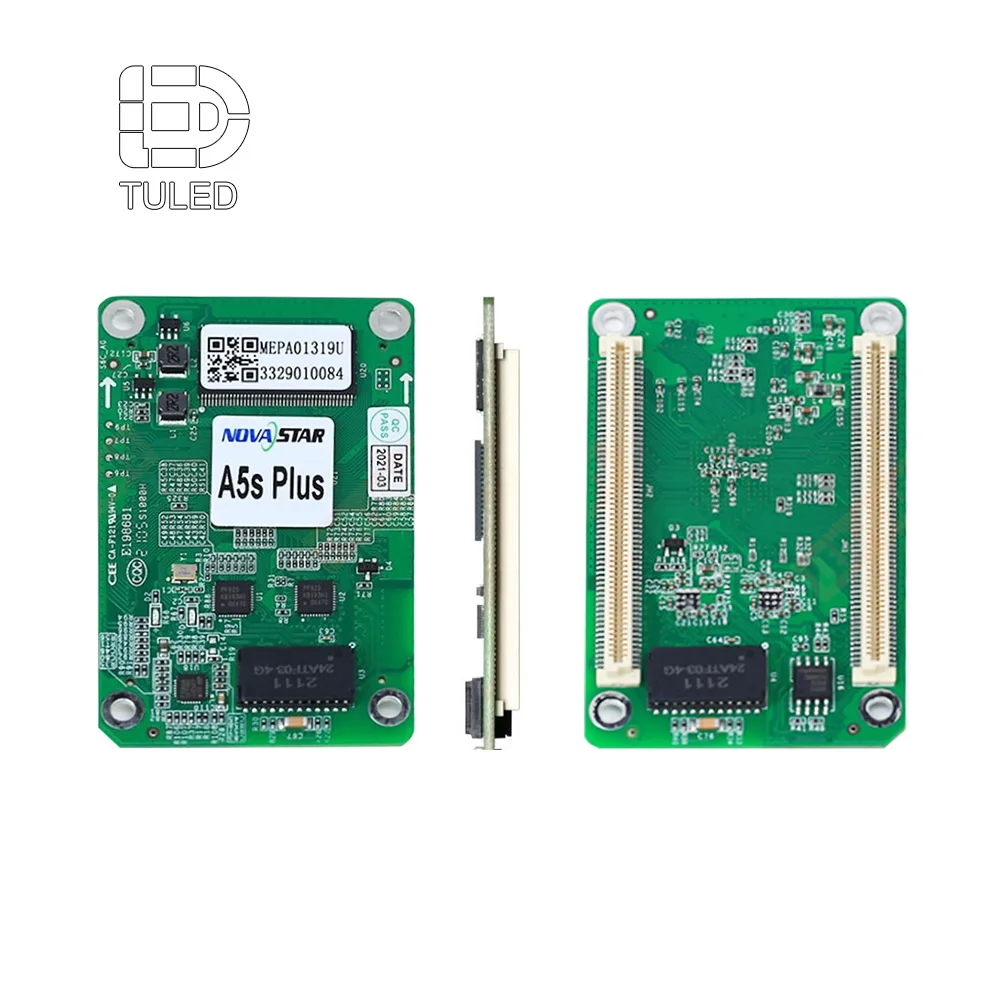
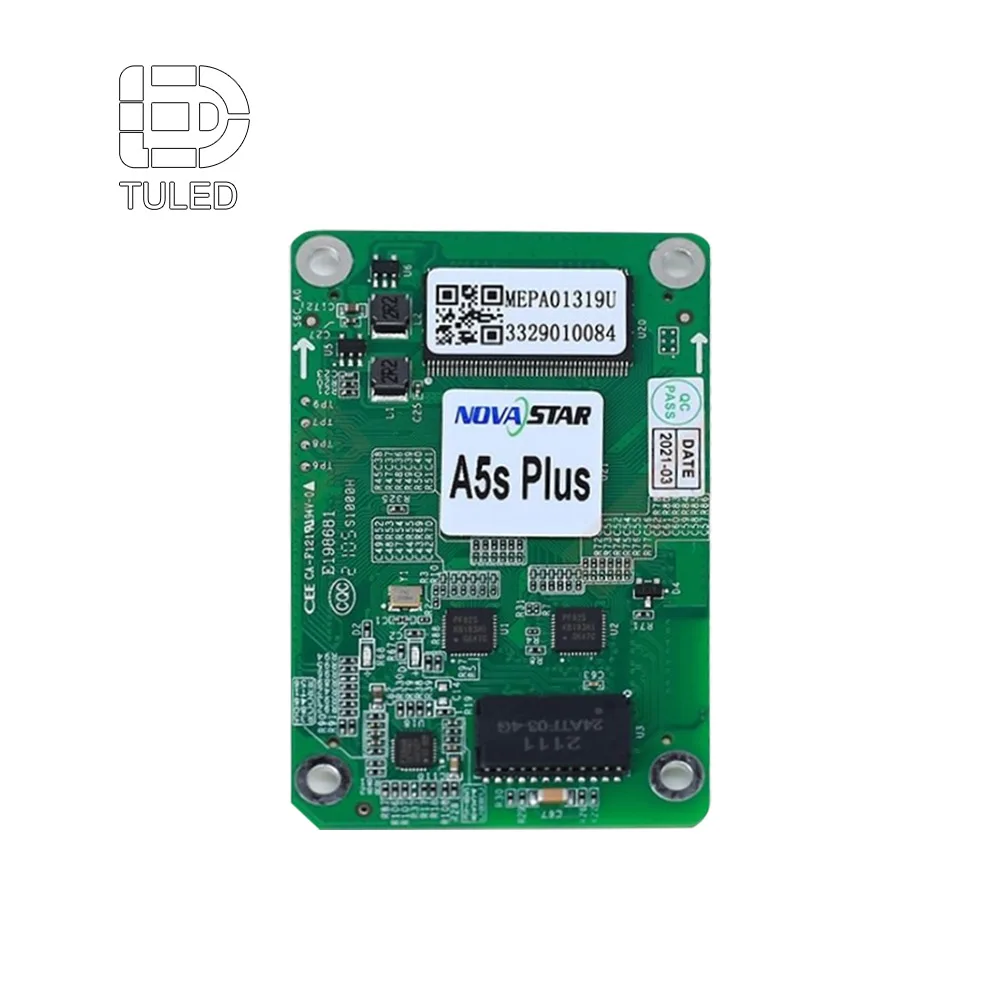
A receiving card is installed inside the LED display cabinet and controls how each module receives and displays image data. It acts as the communication bridge between the sending card and the LED modules.
Every LED cabinet typically contains one or more receiving cards depending on screen resolution and cabinet size.
The main functions of a receiving card include:
Stable receiving card performance is critical for maintaining image consistency across the entire LED screen.
A reliable receiving card reduces data loss, flickering, and signal interruption during long-term operation.
Professional receiving cards support refresh rates above 3840Hz, providing smoother video playback and better camera shooting performance.
Advanced receiving cards support brightness calibration, color correction, and pixel-level adjustment for improved image uniformity.
Modern receiving cards are compatible with different module types, cabinet sizes, and display resolutions.
A sending card is the signal transmission device that sends processed video data from the control computer or processor to the receiving cards inside the LED screen.
The sending card acts as the main communication center between the control system and the display cabinets.
Its functions include:
Without a stable sending card, image transmission across large LED walls may become unstable or delayed.
High-quality sending cards ensure stable data transmission even across large installations with multiple cabinets.
Modern LED projects often require 2K, 4K, or even 8K display capability. Professional sending cards support high-resolution signal distribution efficiently.
Sending cards allow users to configure screen parameters, monitor status, and manage multiple displays through software platforms.
Large commercial projects often require multiple synchronized screens. A professional sending card ensures smooth and unified playback.
In a complete LED display system:
This workflow ensures stable operation, smooth visuals, and accurate image reproduction.
Large outdoor advertising screens require stable processors and signal cards for continuous playback.
Meeting rooms use processors and cards for presentations, video conferencing, and seamless screen management.
Concerts and stage events require low-latency processing and fast synchronization between multiple display sections.
High refresh rates and color accuracy are essential for live broadcasting and virtual production environments.
Professional signal management ensures stable operation for mission-critical visualization systems.
Higher-resolution screens require stronger processing capability and advanced signal management.
For live events and camera shooting, choose systems supporting high refresh rates and grayscale accuracy.
Ensure the LED display video processor, receiving card, and sending card are compatible with the LED modules and control software.
Professional manufacturers provide:
The LED control industry is evolving toward:
As LED displays become larger and more advanced, processors and signal cards will continue playing a critical role in overall display performance.
A professional LED display video processor, receiving card, and sending card are essential components of every high-performance LED display system. They control image quality, signal stability, synchronization, and screen management across commercial, entertainment, and industrial applications.
Choosing reliable control system components helps improve display performance, reduce maintenance risks, and ensure long-term operational stability. For modern LED projects, investing in high-quality processors and signal transmission systems is just as important as selecting the LED screen itself.
Send Message
SendTU LED under Shenzhen Oubo Electronic Technology Co., Ltd., is a leading Indoor Outdoor Screen LED display manufacturer factory . We provide complete LED display OEM ODM factory solutions. We provide a 2-year warranty , conduct strict tests, offer affordable prices, and provide 24/7 support.
+86-13538156910
Building R103-R107, Shangxiawei Second Industrial Zone, Shasan Community, Shajing Street, Shenzhen, Guangdong, China
Copyright © 2024 by Shenzhen Oubo Electronic Technology Co., Ltd.