EN
EN

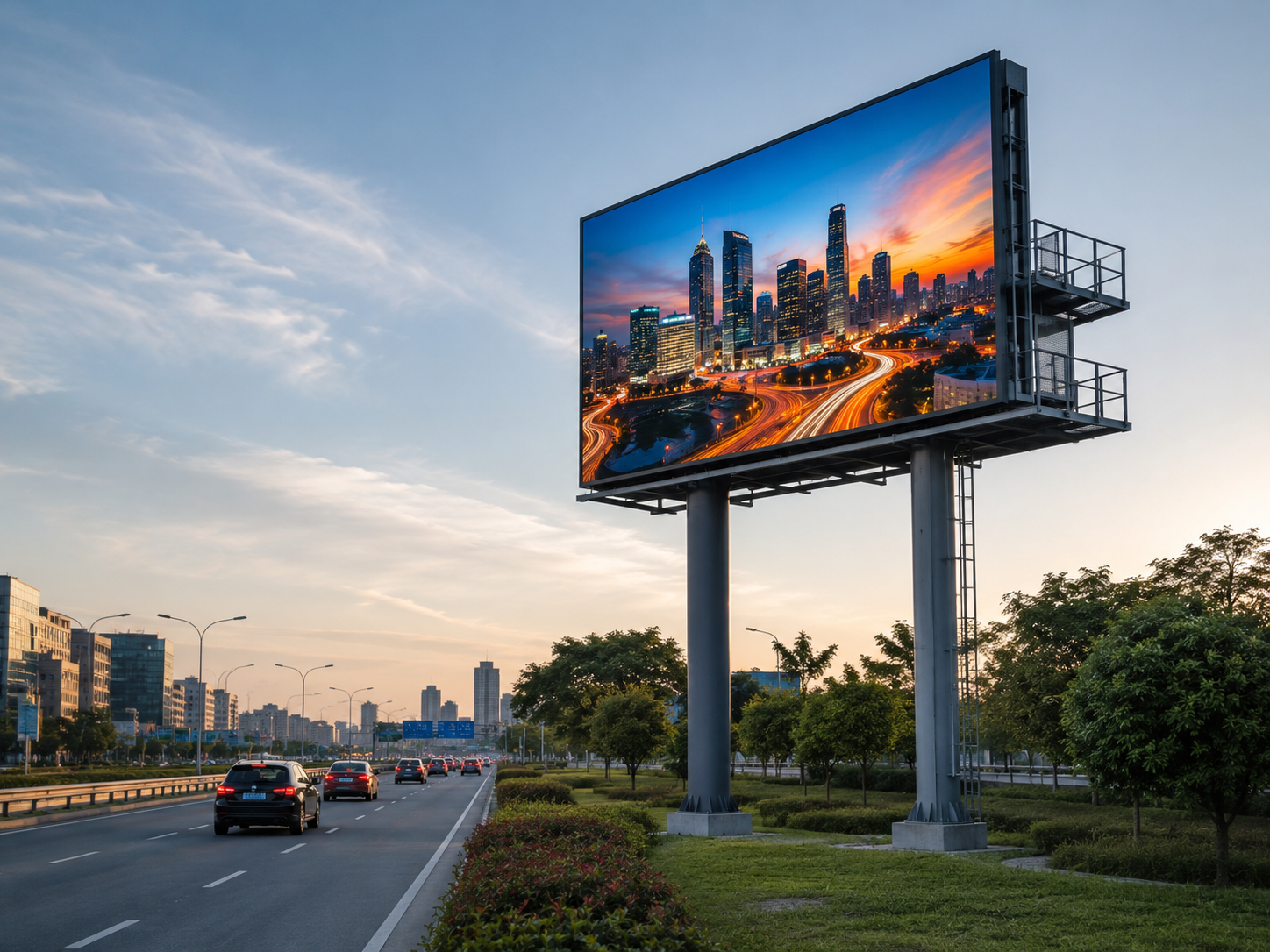
Outdoor advertising screens should be planned from the real site. Visibility zones, traffic direction, pole structure, power routing, drainage, cabinet access and maintenance space all affect quotation accuracy, installation work and long-term operation.
First, an outdoor advertising board should not start with screen size alone. A custom LED display board needs to match the road approach, readable distance, installation height, pole structure, cable route and service access. Otherwise, a quotation can look complete but still miss the real site cost.
Therefore, this guide explains how to prepare an outdoor ad display project before factory quotation. It focuses on visibility zones, traffic flow, pole structure, drainage, cabinet access and maintenance path. The goal is simple: make the project easier to quote, easier to install and easier to maintain.
Outdoor Advertising Scenario
Outdoor advertising sites look simple from a distance. However, each site has its own road direction, viewing angle, wind exposure, nearby obstacles and service limits. A board beside a highway entrance needs different planning from a display outside a shopping plaza or commercial building.
For example, fast road traffic needs large visuals and short message rhythm. Meanwhile, a city intersection can support a slightly longer message because vehicles may stop. In addition, a pedestrian plaza often needs closer image quality because the viewing distance is shorter.
The installation environment also changes the project logic. Coastal roads may need stronger drainage and corrosion awareness. Open roadside areas may need more attention to wind. Rooftop or high-pole projects may need safer access for future service work.
As a result, the first project discussion should define the advertising scene. The screen is not only a digital surface. It is part of a structure, a road environment and an operating plan.
A practical outdoor ad board plan should answer:
- Where will the screen stand?
- Which road direction brings the main traffic?
- What is the nearest and typical viewing distance?
- Will the display use a single pole, double pole, wall frame or rooftop frame?
- How will maintenance work happen after installation?

Suitable for These Outdoor Advertising Projects
This planning method is most useful when the display is tied to a real outdoor site, a fixed structure and a long operating period. In these projects, the screen needs to be visible, stable, serviceable and practical to quote.
Roadside Advertising Boards
Suitable for city roads, highway entrances, commercial streets and outdoor media points that need clear long-distance visibility.
Pole-Mounted LED Boards
Suitable for single-pole or double-pole structures where wind load, foundation space and service route must be checked early.
Commercial Exterior Displays
Suitable for plazas, building facades, shopping areas and public-facing brand screens with close and mid-range viewing.
Visibility Zones and Traffic Flow
First, visibility planning should follow movement. A display may become visible from a straight road, a curve, a bridge, a parking entrance or a plaza walkway. Therefore, the best screen angle is not always the front-facing angle shown in a simple site photo.
A useful visibility zone has three layers. The first layer is where the screen becomes noticeable. The second layer is where the text becomes readable. The third layer is where the message has the strongest impact. Together, these points help define size, height, ratio and angle.
For fast traffic, the message must be simple. Large text, high contrast and clean visuals usually perform better than detailed artwork. However, a display near a traffic light can carry slightly more information because viewing time is longer.
Visibility checks before quotation
- First, mark the main traffic direction and the most valuable viewing lane.
- Next, estimate the nearest and average viewing distance.
- Then, check trees, road signs, light poles, bridges and parked vehicles.
- Also, review morning and afternoon sunlight direction.
- Finally, confirm whether the board mainly faces vehicles, pedestrians or both.
In addition, pixel pitch should follow viewing distance. Pixel pitch means the distance between neighboring LED pixels. A smaller pitch gives smoother close-view images, while a larger pitch can still work well for long-distance roadside advertising.
Moreover, screen height should balance visibility and service. A higher board may clear trees, vehicles and fences. However, it can also increase pole size, wind load, lifting difficulty and maintenance cost. Therefore, height should come from the real viewing zone, not from a default template.
For roadside projects, local sign placement and traffic safety rules should also be reviewed. As a reference, the Federal Highway Administration MUTCD explains standards used for traffic control devices on public roads in the United States. Local regulations should always guide final sign placement and approval.
Pole Structure and Power Route
After visibility is clear, the structure becomes the next major decision. A pole-mounted advertising board must support cabinet weight, frame load, wind pressure, cable route and possible service platform. Therefore, pole type and foundation condition should be discussed before cabinet layout is finalized.
A single-pole structure can create a clean look and save ground space. However, a larger board may need a stronger foundation. A double-pole structure can spread the load across a wider base. Meanwhile, wall-mounted and rooftop projects need building attachment details.
In addition, cabinet depth affects the steel frame and service clearance. A deeper cabinet may need more rear space. A slim cabinet may improve appearance, yet ventilation and access still need review. Because of this, cabinet selection should match the installation method.
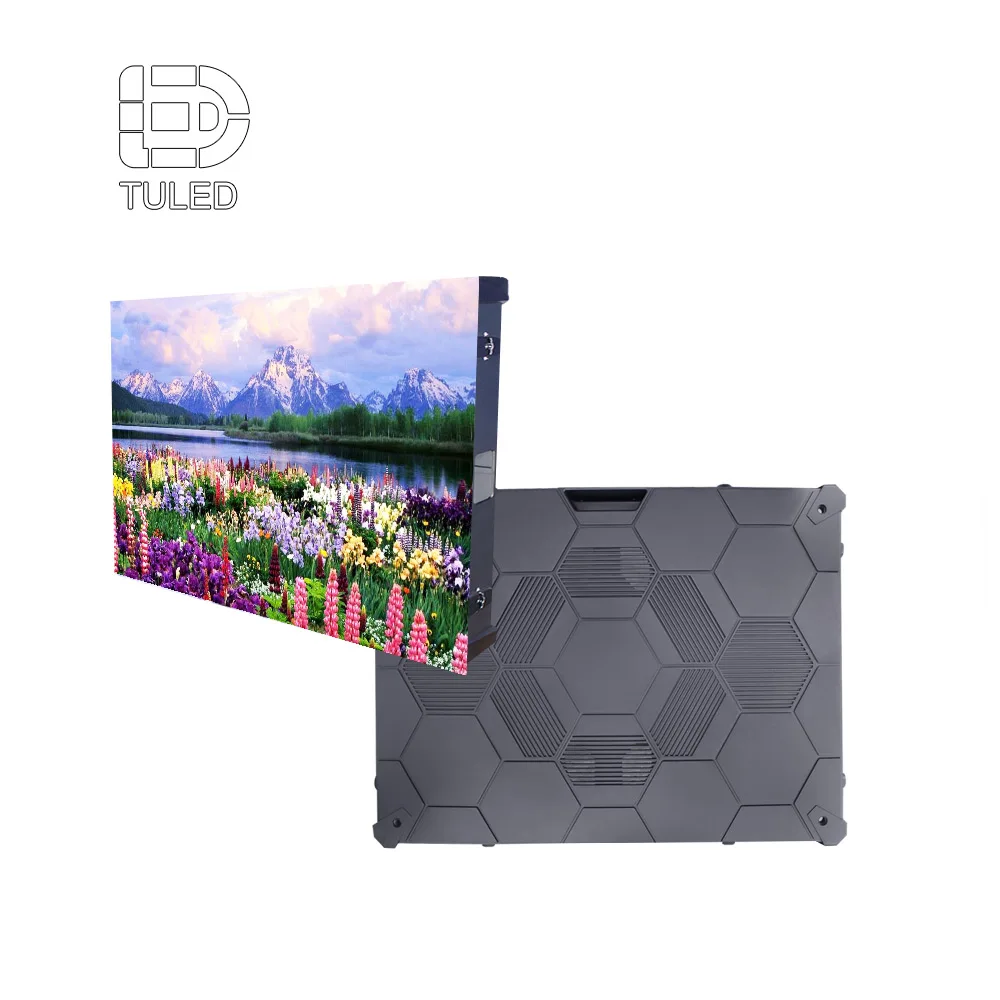
Power route should be planned with the pole
Power routing is not only an electrical detail. It affects installation cost, cable protection, pole base design and future inspection. For example, power may come from a nearby utility box, a building room, underground conduit or a distribution point near the pole base.
Therefore, the project file should show the power source and approximate cable distance. If the cable crosses a road or public walkway, installation becomes more complex. Also, long cable runs may need stronger protection and local electrical review.
Drainage should also be planned early. Rainwater should move away from cabinet edges, cable holes and frame corners. As a result, the lower frame, cable entry and pole base should avoid water traps whenever possible.
Maintenance Path and Factory Quote Details
Maintenance access should be confirmed before production. Otherwise, a simple module replacement may require road closure, lifting equipment or extra labor. Therefore, the quotation should clarify whether the board uses front access, rear access, lift-based access or a fixed service platform.
Rear access works well when enough space exists behind the cabinet. However, a narrow rear gap can make service difficult even if the drawing looks acceptable. Front access can help when rear space is blocked, but the front side still needs a safe working position.
For large pole-mounted boards, a rear walkway can reduce long-term service cost. However, it adds weight and changes the structure. Because of this, the platform should be included during early structural planning rather than added late.
Service planning also needs safety awareness. The OSHA walking-working surfaces standard highlights safe access, inspection and maintenance requirements for working surfaces. Local safety rules should be reviewed before finalizing ladders, platforms, walkways or lifting access.
| Planning Item | Why It Matters | Quotation Impact |
|---|---|---|
| Cabinet layout | Affects seams, packing, module count and mounting points. | May change cabinet quantity and lead time. |
| Service direction | Determines front access, rear access or platform design. | May change cabinet type and frame depth. |
| Drainage path | Helps reduce water accumulation and corrosion risk. | May affect frame and cable entry design. |
| Spare modules | Supports faster repair during operation. | Adds small cost but reduces downtime risk. |
In addition, factory scope should be clear. LED cabinets, modules, spare parts, packing and drawings may come from the factory. Foundation, pole fabrication, local lifting, electrical connection and permits may stay local. Clear scope prevents cost confusion later.
Pre-shipment checks also matter. Cabinet photos, aging test photos, layout confirmation, packing labels and spare part records help the installation team verify the order before shipment. This is especially useful for large outdoor advertising boards.
Recommended Selection Path
A good selection path should begin with the site condition. Then, screen size, pixel pitch, cabinet style and structure can be matched to the project. The table below gives a practical direction before requesting a detailed quote.
| Project Condition | Better Direction | Reason |
|---|---|---|
| Long viewing distance | Larger physical size and clear text layout | Road traffic needs fast visual recognition. |
| Short plaza viewing | Finer pixel pitch and controlled brightness | Close viewing makes image detail more visible. |
| No rear service space | Front service cabinet | Future module replacement becomes more practical. |
| Open roadside or windy area | Stronger pole and foundation review | Wind exposure affects safety and long-term stability. |
| Coastal or humid location | Drainage and corrosion protection review | Salt air and moisture can affect metal parts and cable entries. |
Project Details to Send Before Quotation
A strong inquiry does not need complicated documents. Instead, it needs clear project facts. The following information helps the factory understand the site and prepare a more practical proposal.
Basic Details
- Display width and height
- Quantity and rollout plan
- Country, city and climate
- Expected delivery schedule
Site Details
- Road direction and viewing distance
- Front, rear and side photos
- Obstacles such as trees and signs
- Power source and cable distance
Installation Details
- Single pole, double pole, wall or rooftop
- Front or rear service preference
- Crane or lift access condition
- Spare module and packing request
Factory Support and Product Direction
A useful factory proposal should compare display size, pixel pitch, cabinet access, pole structure, power route and site risk. Therefore, the recommendation should connect to the actual outdoor location instead of pushing one product too early.
For commercial advertising applications, the LED Advertising Board page is a suitable product path. It supports roadside media, plaza advertising, building exterior screens and public display projects.
For open-air installations, the Outdoor LED Display page can support further product comparison. It is useful when weather resistance, high brightness, cabinet protection and outdoor installation conditions are important.
In practice, the best proposal explains trade-offs. A larger board may improve visibility but increase wind load and foundation cost. A finer pixel pitch may improve close viewing but raise budget. A front-service cabinet may solve rear access limits but change cabinet cost.
FAQ
What information is needed before quoting an outdoor LED advertising board?
First, the factory needs screen size, quantity, installation method, country, site photos, viewing distance, road direction, power route and service access. In addition, wind exposure, drainage condition and pole height can make the proposal more accurate.
How does traffic flow affect outdoor LED display board planning?
Traffic flow decides the main viewing angle, readable distance, mounting height and display ratio. For example, fast road traffic needs large text and simple visuals. However, an intersection display may need wider visibility because vehicles approach from different directions.
Is a single pole or double pole better for roadside LED advertising?
A single pole can create a cleaner look and save ground space. However, a double pole can spread load across a wider structure. Therefore, the right choice depends on screen size, wind exposure, soil condition, local rules and service platform needs.
Why should maintenance access be confirmed before production?
Maintenance access affects cabinet type, frame depth, service cost and downtime. Rear access needs enough space behind the screen. Front access needs a safe working position from the display side. Therefore, service direction should be confirmed before cabinet drawings are approved.
Which project photos are most useful for an outdoor LED display quotation?
Useful photos include the front view, rear view, both side views, road approach, power source, ground condition and nearby obstacles. Moreover, wide photos should show trees, walls, poles, sidewalks, traffic barriers and possible lifting space.
Final Takeaway
In short, outdoor advertising display planning should start from the site. Visibility zones define screen direction. Traffic flow shapes readable distance. Pole structure affects safety and cost. Power routing changes installation work. Maintenance access protects long-term operation.
Therefore, the strongest project file should include size, quantity, country, application environment, installation method, road direction, power source, service preference and clear site photos. With these details, the factory can suggest a practical custom LED display board solution for outdoor advertising instead of guessing from size alone.
Three action steps before sending an inquiry
- First, collect wide site photos from the road, rear side, both side angles and power position.
- Next, mark traffic direction, viewing distance, planned screen size and installation height.
- Finally, prepare quantity, country, installation method, service access and schedule before requesting a quote.
Send Project Details for Quotation
For a faster recommendation, prepare display size, quantity, country, installation method, road direction, viewing distance, power position, maintenance preference and project photos.
Contact LEDDisplayFactory