EN
EN

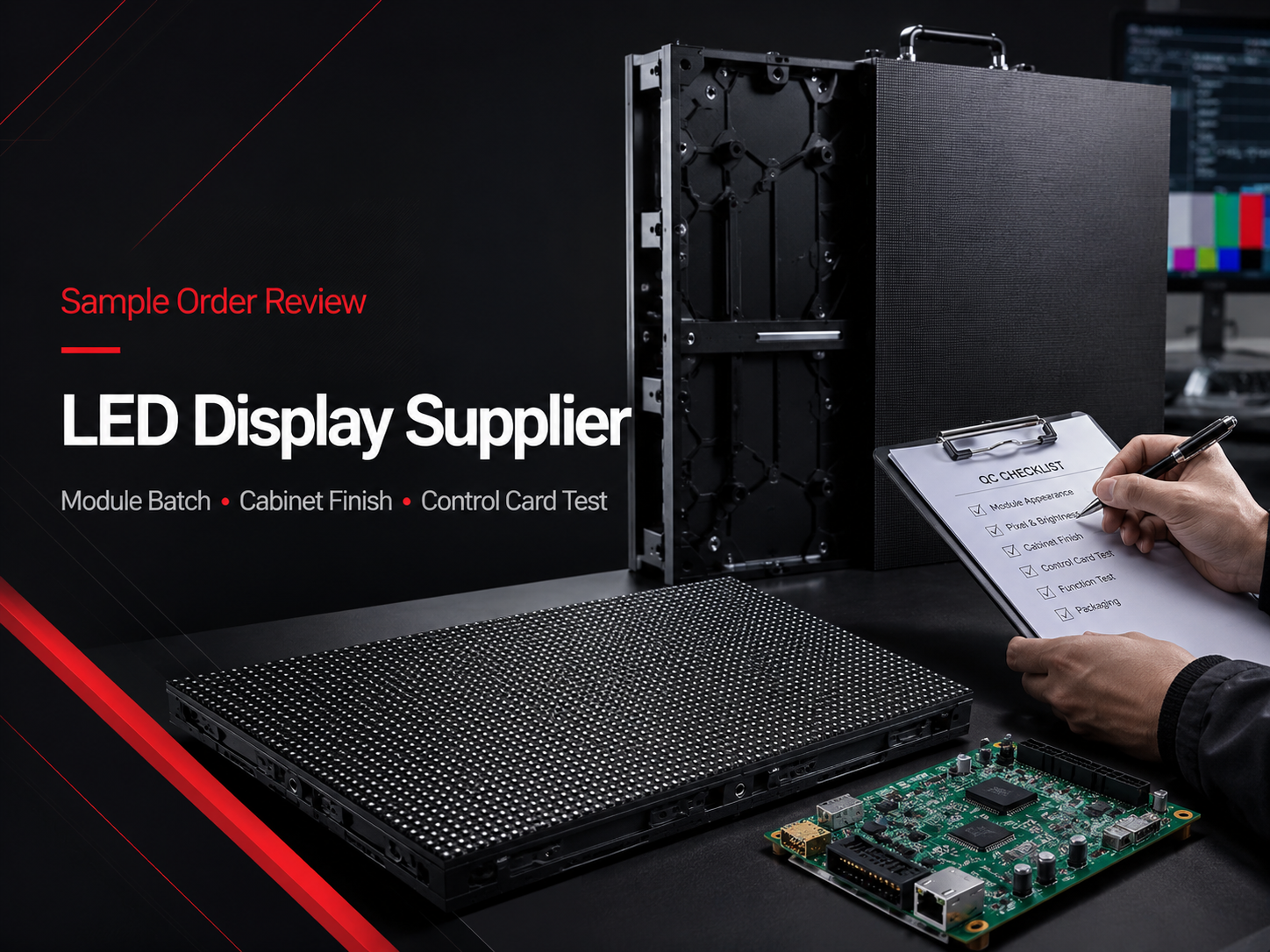
A sample order is small, but it often reveals the real production discipline behind an LED screen project. The review should look beyond price, catalog photos, and a short lighting video. A practical sample check should confirm module batch control, cabinet finish, control card setup, aging records, packing quality, and support response before a larger production plan moves forward.
Before a full order begins, a sample should act like a compact factory audit. It should show whether the production team handles small details with the same care expected during bulk manufacturing. A working sample from an LED display screen supplier should provide a clear view of product consistency, technical files, service access, and response habits.
When to Request a Sample Order
A sample order makes sense when the project has real commercial value but still carries technical risk. A quotation can show pixel pitch, brightness, cabinet size, refresh rate, and estimated delivery time. Only a physical sample can show how those choices feel after assembly, testing, handling, and software setup.
In practice, sample orders are useful before a new distributor program, a first outdoor advertising display, a fine-pitch indoor video wall, or a rental LED cabinet plan. They also help when a procurement team needs proof of cabinet finish, module batch consistency, or control card behavior before internal approval.
The sample should not be random. An outdoor billboard project should not rely only on an indoor module sample. A rental LED wall should not be approved only through a fixed-installation cabinet. A useful sample should represent the real project direction as closely as possible.
The right moment for a sample request
The best timing comes after the basic project direction is clear. Screen size, indoor or outdoor use, viewing distance, installation method, and expected quantity should already be known. With that information, the factory can recommend a sample that reflects the final system instead of a generic demo unit.
The sample should arrive before the project becomes locked into a tight production schedule. If a sample exposes unclear wiring, weak packing, or color mismatch, there should still be time to adjust the production plan. This protects the larger order from avoidable mistakes.
For example, a mall advertising screen may need a cabinet sample for seam and brightness review. A control room screen may need a fine-pitch module test. A rental stage project may need a full cabinet sample to check locks, handles, corners, and repeated assembly.
For outdoor or semi-outdoor LED screen samples, environmental protection should also be checked early. The IEC guide to IP ratings is a useful reference for understanding how enclosure protection is described for dust and water exposure. For buyers, this helps connect the sample review with the final installation environment.
Sample order decisions worth testing
- Module batch traceability, spare module matching, and visible color consistency.
- Cabinet coating, flatness, locking structure, and service access method.
- Control card configuration, software files, signal stability, and content playback.
- Aging test records, pre-shipment photos, packing protection, and accessory labels.
- Response speed, technical clarity, and after-sales follow-up during sample testing.
Project Details to Send Before the Sample Order
Before a sample order starts, the project file should be clear enough for the factory to select the right product path. Otherwise, the sample may look acceptable but fail to represent the real installation. Information quality often decides whether the sample review is meaningful.
The project team should prepare the planned display width and height, the application environment, the installation country, the target quantity, and the preferred installation method. The file should also include viewing distance, maintenance direction, control equipment needs, voltage requirement, and project photos.
Site photos can reveal details that a text inquiry often misses. A wall photo may show service space, power access, sunlight direction, or structure limits. A stage photo may show rigging needs, transport pressure, and repeated setup conditions. These details help the sample match the real scene more closely.
Basic project data
|
Installation conditions
|
System requirements
|
For broader product matching, the Products page helps organize indoor LED display, outdoor LED display, LED module, rental LED screen, transparent LED display, and control system directions. With a clearer category direction, the sample conversation can move from general comparison to a more accurate product selection.
The project team should also state the sample purpose. A showroom sample needs a clean appearance and simple operation. A technical inspection sample needs wiring access, labels, test files, and enough documentation. A pre-approval sample needs a stable visual result, clear packing, and repeatable specifications for future production.
Module Batch and Cabinet Finish Checks
A strong sample review starts with the LED module because the module creates the visible image. The review should not stop at brightness. Module batch, PCB quality, lamp consistency, mask fit, glue line, connector position, and label clarity all deserve attention.
Batch consistency matters because large screens combine many modules. A slight color shift may look minor on one module, yet it can become visible across a full wall. Sample photos should show module labels, production batch details, and matching spare module information.
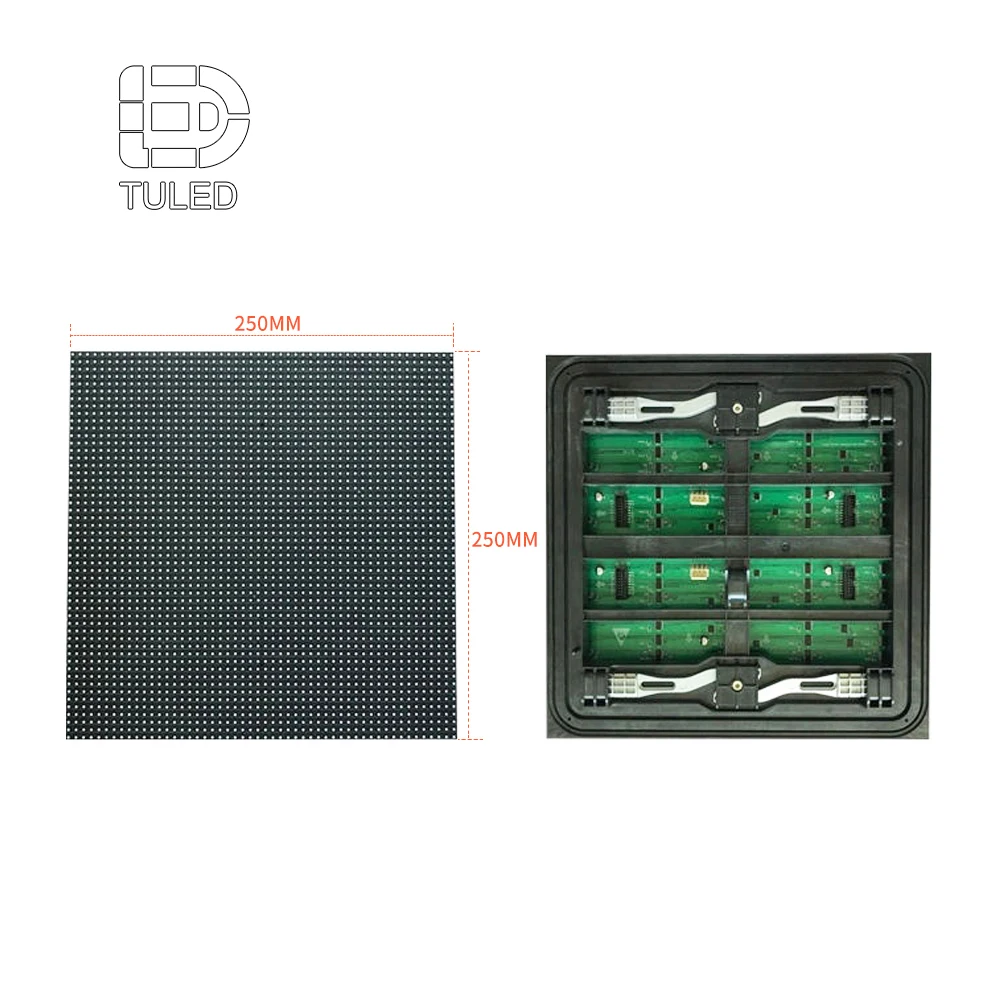
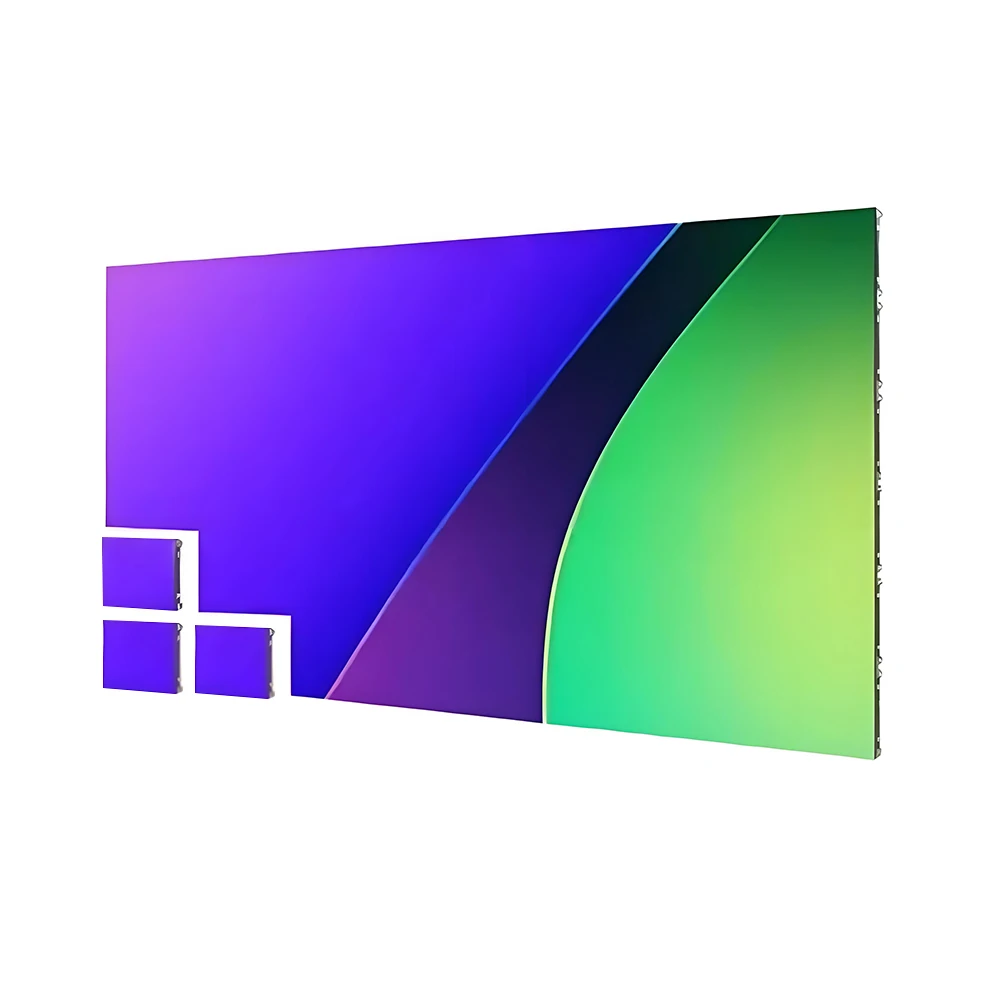
Sample reference for this review: 250x250mm LED Module for module batch and spare-part comparison.
View ProductModule batch review points
A clear module label should make future replacement easier. It should help identify pixel pitch, scan mode, batch, cabinet match, and production date. Spare parts can then be checked against the same production logic later.
The spare module should be compared with the working module. The spare part should not feel like a random leftover from another order. It should share the same specification, visual behavior, connector direction, and service method.
The module surface deserves a careful close-up inspection. The mask should sit flat, and the LED lamps should not show obvious tilt, missing corners, or uneven protection. For fine-pitch LED screens, even small surface problems can affect close-viewing quality.
Cabinet finish and structure
After the module check, the cabinet tells another story. A cabinet does more than hold modules. It controls alignment, heat movement, service access, transport protection, and installation speed. Cabinet finish should be treated as a performance detail.
Powder coating should look even, without thick edges, exposed metal, bubbles, or easy scratching. The cabinet frame should sit flat on a table or test stand. If the sample rocks, twists, or shows uneven corners, larger LED walls may face seam problems.
Locks, handles, hinges, positioning pins, and corner protection should feel solid. Rental LED display samples need special attention because repeated assembly puts pressure on mechanical parts. A loose fast lock on the sample will not become better after many setups.
For early category comparison, LED Screen Panels can help connect panel type, module structure, cabinet size, and display application before a sample specification is confirmed. The sample order becomes more accurate and less random when the panel direction is clear.
Control Card and Aging Test Review
A display sample should do more than turn on. It should run correctly, accept real content, hold stable color, and recover from normal operating changes. Control card testing and aging records deserve the same attention as cabinet and module inspection.
The control system is the communication chain between content and pixels. It may include a sending card, receiving card, video processor, media player, data cable, power supply, and LED control software. In simple terms, it tells the screen what to show and how to show it.
A sample review should confirm whether the control card matches the module scan mode and cabinet wiring. If the receiving card mapping is wrong, the screen may show distorted sections, swapped colors, or broken lines. Configuration files are as important as hardware.
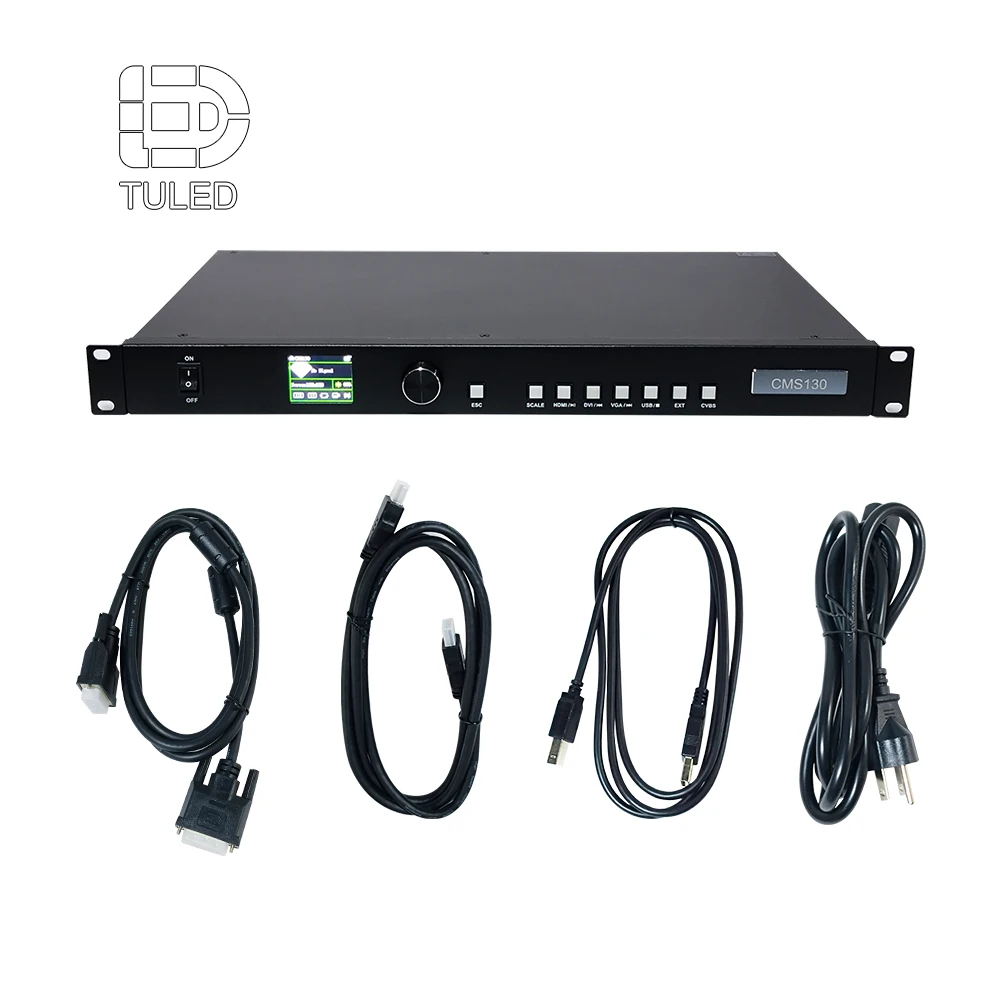
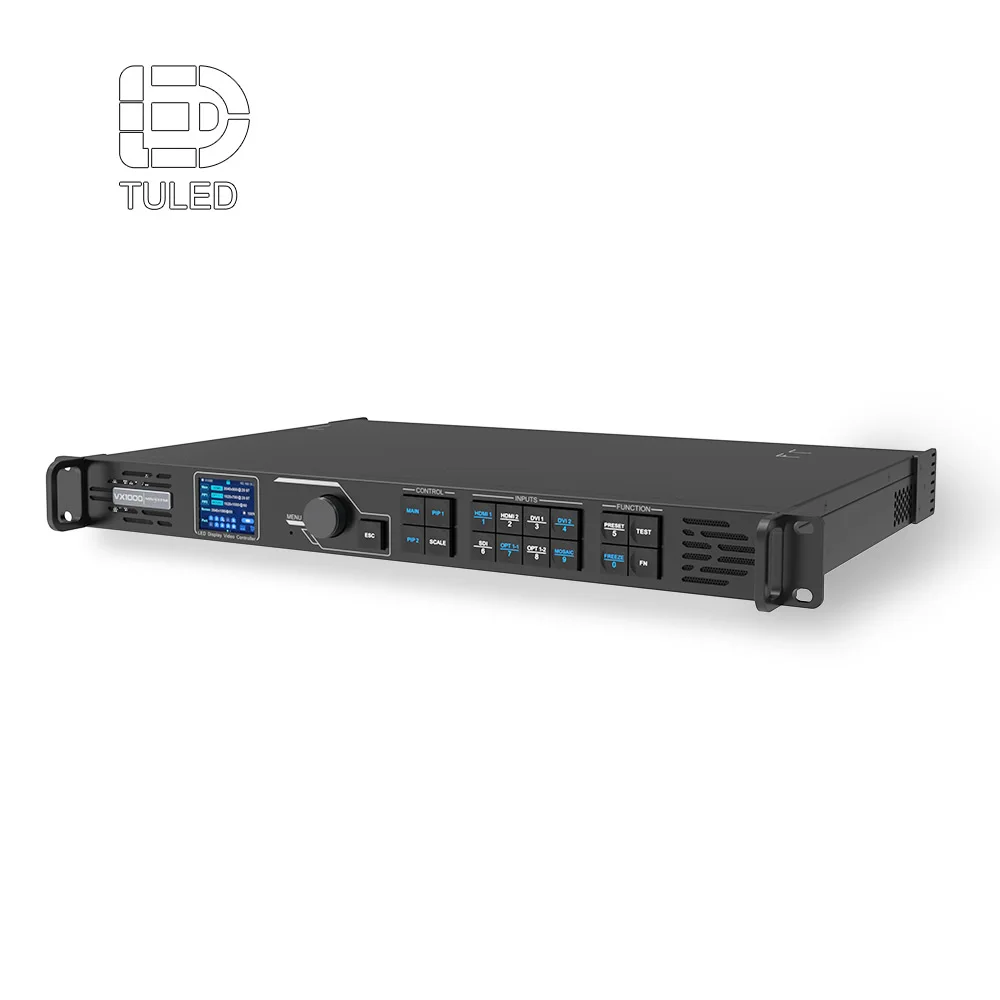
Sample reference for this review: Novastar CMS130 Video Processor for control card and signal testing.
View ProductControl setup files and repeatable operation
The factory should provide the control card model, receiving card layout, wiring diagram, and software configuration file. These documents help the technical team repeat the setup without guessing. Without them, the sample becomes difficult to test and harder to support later.
The working screen should be tested with the content source planned for the project. HDMI input, media player playback, USB content, CMS control, or a video processor may be relevant. The sample should not only play a factory demo loop.
Resolution mapping should be tested with text, lines, logos, and moving video. A full-color demo video may look impressive, but it may hide poor text clarity or wrong aspect ratio. Practical content reveals more than promotional footage.
Aging records and stability evidence
An aging test is a controlled run-in period. It helps expose early failures, unstable soldering, weak power behavior, or abnormal heat. Although a sample order is small, aging records still matter because they show whether the factory follows a repeatable test process.
The aging record should include testing time, test content, brightness level, temperature notes, and photos or videos. It should show the screen running different colors and moving content. One photo at one moment does not prove stable operation.
For quality records and process control, recognized frameworks such as the ISO 9000 family of quality management standards can be used as a reference point. In practical sample review, the key idea is traceability: test time, product batch, inspection photos, and corrective response should connect clearly.
Which Sample Fits Which Project?
A sample order should answer a real project question. The selected sample should match the risk that needs confirmation. A small module sample, a control processor sample, and a full panel sample each serve a different purpose.
| Sample Type | Best Fit | Main Check |
|---|---|---|
| LED module sample | Spare-part planning, module replacement, display repair, batch comparison. | Batch label, color field, mask fit, connector direction, spare module consistency. |
| Control processor sample | Conference room screens, stage rental systems, live event screens, CMS-driven projects. | Signal input, mapping file, software setup, scaling, playback stability. |
| Panel or cabinet sample | Outdoor displays, fixed walls, rental cabinets, showroom review, project approval. | Cabinet finish, seam control, locks, handles, aging test, packing condition. |
Supplier Communication and After-Sales Response
A sample order also tests communication quality. Fast replies matter, but accurate replies matter more. The review should track response speed, technical clarity, file accuracy, and follow-up discipline during the entire sample process.
At the beginning, the factory should confirm exactly what the sample includes. This confirmation should cover modules, cabinet, control card, cables, power supply, accessories, spare parts, software files, and documents. If the scope changes, the reason should be explained clearly.
Technical replies should be specific. A vague answer such as “no problem” does not solve engineering uncertainty. A stronger reply includes model numbers, photos, wiring logic, test method, and expected result. This helps decisions move faster.
Response speed versus response quality
Response speed is easy to measure. Speed alone can mislead. A reply within ten minutes still fails if it ignores the main question. Each reply should be judged by usefulness, not only by arrival time.
A strong response usually does three things. It repeats the technical point to avoid misunderstanding, gives evidence or a practical explanation, and suggests the next step. This pattern saves time during sample testing.
Document discipline during the sample stage
Good after-sales support begins before any issue appears. The sample package should include enough documents to reduce repeated questions. These may include a packing list, wiring diagram, control card setup file, software version note, product label photo, and basic operation steps.
Documents should match the exact sample. Generic files are sometimes useful, but they cannot replace unit-specific information. If cabinet wiring or receiving card layout differs from the generic file, troubleshooting becomes slower.
Product and Factory Support Path
OUBO LED / LEDDisplayFactory fits the sample review stage because the sample should connect product selection with factory-side engineering. The goal is not to push a random model. The sample should match project environment, cabinet direction, control needs, service access, and spare parts planning.
For a team still comparing product directions, category pages can help organize the first discussion. For a team ready to test a cabinet or module, actual photos, control files, aging records, and packing details can support a more serious review. A useful factory support path moves from project brief to sample choice, then from sample result to production plan.
Send Project DetailsHow to Judge the Sample Without Overreacting
A sample order should be reviewed carefully, but it should not be judged emotionally. One small issue does not always mean the factory is unsuitable. Repeated unclear answers, mismatched parts, poor records, and weak support usually signal higher project risk.
Start by separating cosmetic issues from system issues. A small scratch during shipping may point to packing improvement. A wrong receiving card file, however, may point to weak document control. These two problems should not carry the same weight.
| Review Area | What to Check | Why It Matters |
|---|---|---|
| Module batch | Labels, spare module match, color fields, gray test, connector direction. | Helps prevent visible color blocks and future spare-part mismatch. |
| Cabinet finish | Coating, flatness, locks, handles, corners, service access. | Affects alignment, handling, maintenance speed, and long-term appearance. |
| Control setup | Card model, mapping file, wiring diagram, software version, content playback. | Supports repeatable setup and easier troubleshooting during installation. |
| Aging record | Test time, video proof, brightness level, color content, heat notes. | Shows whether the sample passed basic stability checks before shipment. |
| Support response | Reply speed, answer detail, file accuracy, remote support ability. | Reveals the support workflow needed during a full project. |
Red flags that deserve attention
Some sample issues deserve serious attention. Different module batches without explanation can create visual risk. Poor cabinet flatness can make large screens difficult to align. Missing control files can slow installation. Weak aging records can hide early failure risks.
Slow or vague replies after a problem appears should also be taken seriously. A factory may sound strong before payment, but sample support reveals real habits. Response quality after a problem often matters more than response quality before payment.
Pre-Shipment Photos and Packing Review
Before the sample leaves the factory, pre-shipment photos should show the actual unit. They should not show a similar unit from another project. Useful photos include front view, rear view, side view, module close-up, cabinet label, control card, power supply, accessories, spare parts, and packing.
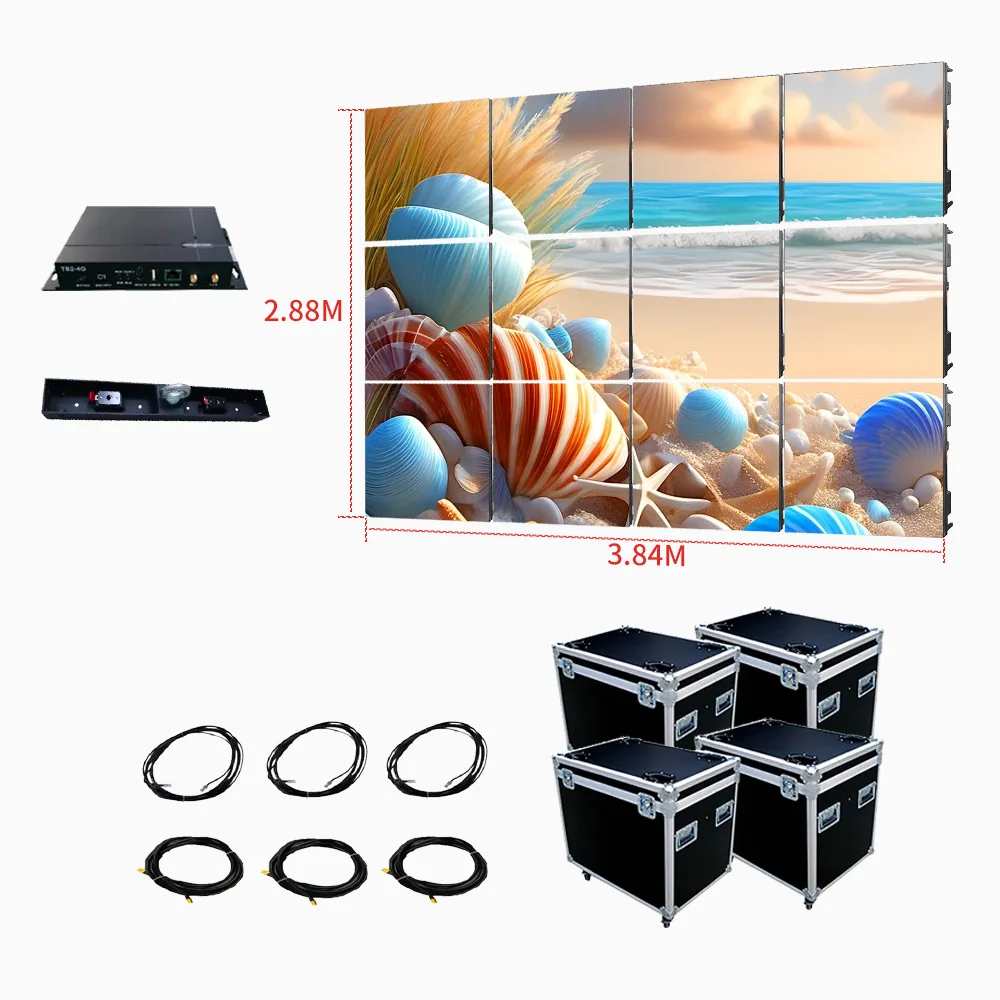
Packing is part of sample quality. The carton, wooden case, or flight case should protect corners, module faces, connectors, and accessories. Labels should make the package easy to identify after arrival. For international shipping, weak packing can damage an otherwise good sample.
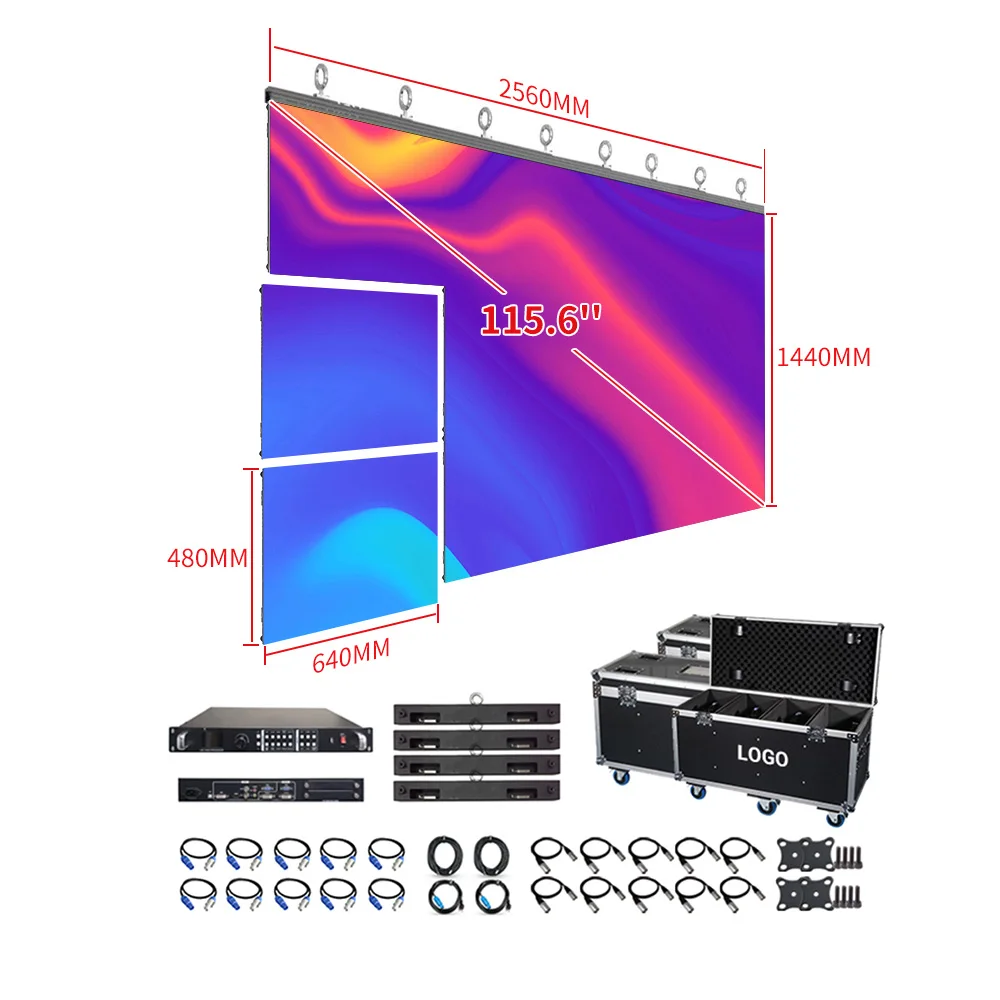
Sample reference for this review: Panel Video Wall package and accessory inspection.
View ProductA simple arrival checklist
- Check outer package condition before opening.
- Confirm accessories against the packing list.
- Inspect cabinet corners, module surface, connectors, and cables.
- Take clear photos of labels, spare parts, and control equipment.
- Power on only after a basic visual safety check.
Extended Reading and Related Resources
For a cleaner sample review process, these resources support project briefing, maintenance planning, and pre-shipment inspection. Each resource connects the sample result with a practical next step.
LED Display Screen Project Brief: What to Send a Factory
Useful for preparing size, site photos, cabinet access, control needs, and quote details before sample confirmation.
LED Display Screen Rental vs Fixed Installation
Useful for comparing cabinet structure, handling method, service access, and long-term project direction.
LED Display Wholesale Shipping: Packaging, Incoterms and Customs
Useful for checking aging records, packing method, accessories, shipment photos, and delivery preparation.
FAQ
What should a sample order include for a serious LED screen factory review?
A useful sample order should include the module or cabinet, matching receiving card, correct cables, power supply, software files, wiring diagram, and basic test record. Photos of labels, module batch, cabinet finish, accessories, and packing should also be provided.
How can module batch consistency be checked before a larger LED display order?
The sample should show module labels, production date, pixel pitch, scan mode, and batch information. The spare module should then be compared with the active module under red, green, blue, white, gray, and video content.
Why does cabinet finish matter if the LED screen image looks good?
Cabinet finish affects installation quality, alignment, corrosion resistance, handling, and long-term maintenance. A screen can look bright during a short test but still create trouble if the cabinet twists, scratches easily, or has weak locks.
What control card tests should be done on a sample LED display?
The sample should test receiving card mapping, scan mode, resolution setup, signal input, software configuration, brightness adjustment, grayscale, and video playback. Repeated power cycles and content changes can reveal signal stability.
Are aging records necessary for a small LED display sample order?
Yes. Aging records are useful even for a small sample because they show whether the factory checks early stability before shipment. A record should include test time, content type, brightness level, photos, videos, and notes about heat or signal behavior.
Conclusion: Turn the Sample Into a Production Reference
A sample order should never be judged only by whether the screen lights up. It should reveal module batch control, cabinet finish, control card setup, aging discipline, packing quality, and support response. Used correctly, the sample works as a small technical audit before a larger LED display project moves into production.
For stronger decision-making, three practical actions help most:
- Prepare complete project details before requesting the sample, including size, environment, quantity, country, installation method, control needs, and site photos.
- Review the sample through real checks: module batch, cabinet finish, seams, control card setup, aging records, packing, and response quality.
- Use the result to confirm full-order production rules, spare parts, testing records, packing method, and after-sales terms.
When the project file is ready, send screen size, application scene, quantity, installation method, target country, site photos, and equipment needs through the contact page. At this stage, a reliable LED display screen supplier should turn the sample result into a clearer production plan, not just another quotation.
Contact OUBO LED