EN
EN


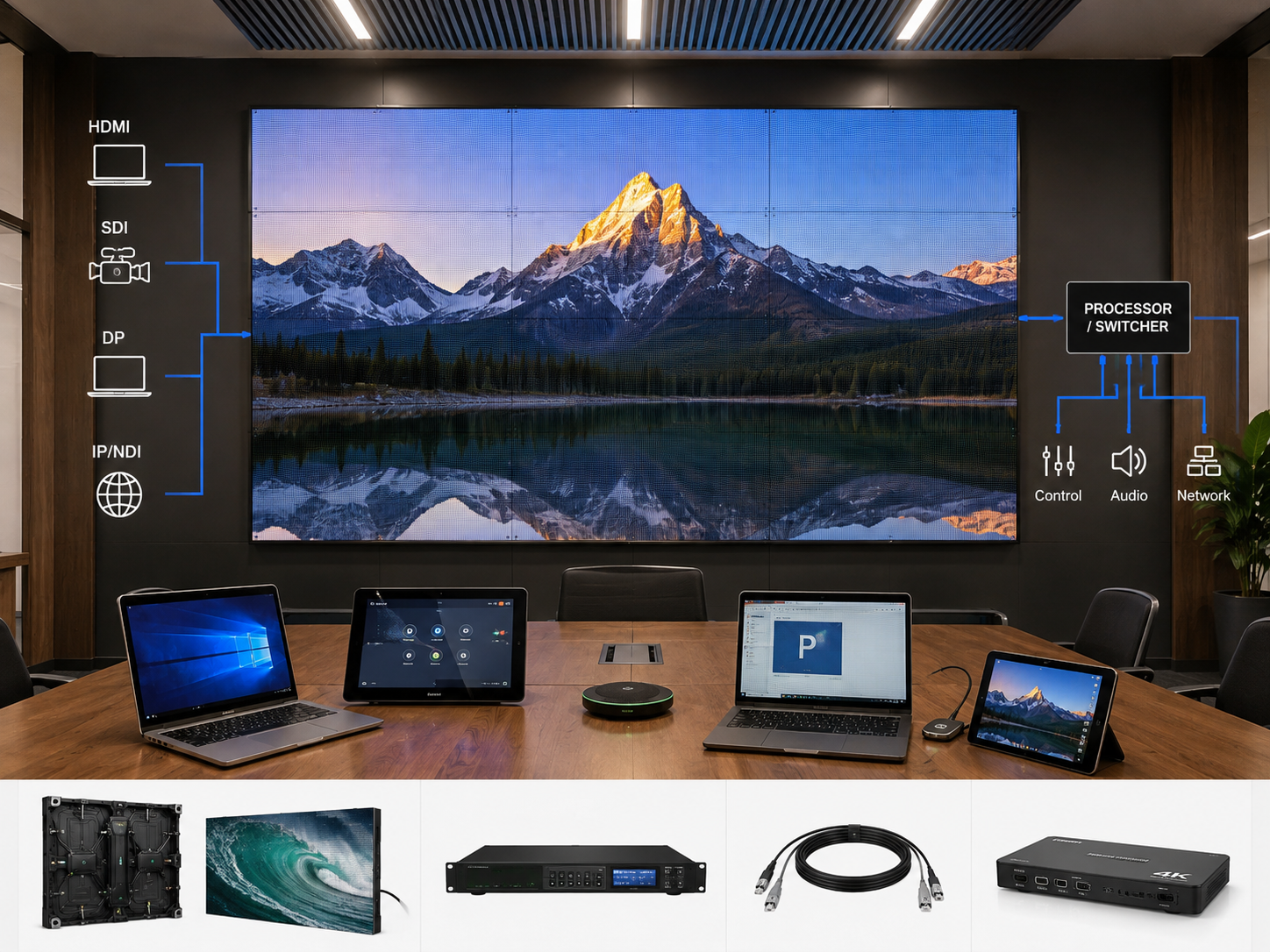
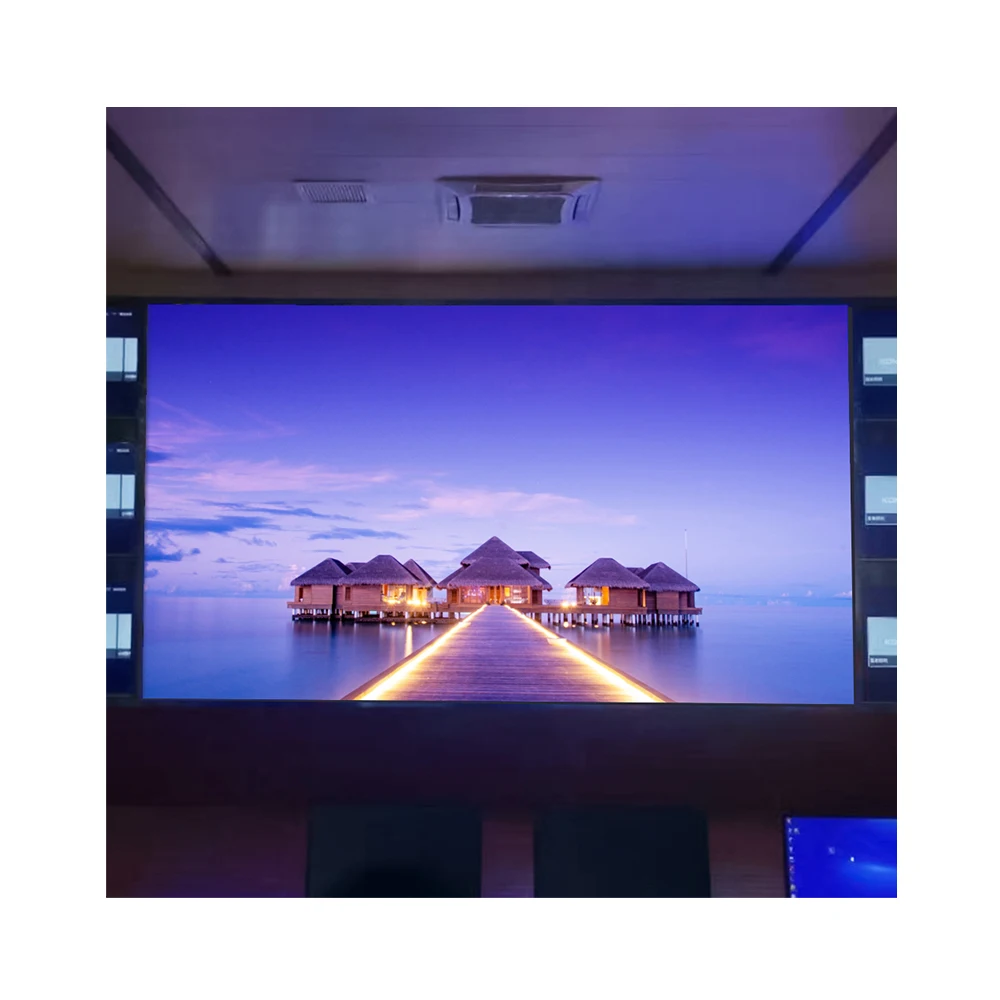
Stena s nápisom môže v renderingu vyzerať úžasne a napriek tomu sa v reálnom prostredí môže zdať nesprávna, keď sa v miestnosti začne žiť. Maketa naznačuje, že veľkosť je vhodná, obsah vyzerá ostrý a inštalácia sa javí čistá. Potom sa však objavia otázky z reálneho života: Bude sa stena po celý deň prevádzky cítiť teplá? Bude mechanický zvuk počuteľný v tichom recepčnom priestore? Budú sa zamestnanci stále cítiť pohodlne, keď budú stáť v jej blízkosti po niekoľko hodín? Bude údržba zostávať jednoduchá aj po uzavretí dekoratívneho povrchu? Práve v tomto okamihu vlastné LED stenové značky prestane byť len voľbou displeja a stane sa rozhodnutím pre celé priestorové riešenie.
Táto zmena je dôležitá, pretože väčšina kupujúcich netuší, že dopis vyzerá príliš jednoducho. Často sa ľutujú, že sa nakoniec javil ako príliš agresívny, príliš technický, príliš teplý, príliš hlučný alebo ťažšie ovládateľný, než sa pôvodne očakávalo. Inými slovami, skutočný úspech vnútornej LED steny sa zriedka rozhoduje iba na základe prvého dojmu. Rozhoduje sa skôr tým, ako prirodzene sa dopis zapája do interiéru, ako pohodlný sa po čase javí a či stále pôsobí ako správna voľba aj po tom, čo sa stráca jeho novosť.
Mnoho LED stenných článkov okamžite prechádza k technickým špecifikáciám. Tento článok zvolí iný prístup. Vysvetľuje, ako výkon, teplo, bezventilátorový dizajn a každodenné používanie ovplyvňujú skutočnú zážitkovosť priestoru. Pomáha čitateľom tiež rozumnejšie posudzovať ponúknuté riešenia, porovnávať možnosti bez toho, aby sa stratili v odbornom žargóne, a robiť praktické rozhodnutia, ktoré znížia riziko ešte pred schválením ponuky a uvoľnením do výroby. Cieľom nie je spraviť nákupný proces technickejším. Cieľom je spraviť ho ľudskejším, vizuálnejším a užitočnejším.
Ak sa váš projekt začal ako všeobecný vlastný LED displej dopyt, v tejto fáze sa konverzácia zvyčajne stáva oveľa hodnotnejšou. Namiesto toho, aby ste sa pýtali, čo značka teoreticky dokáže, začnete sa pýtať, aký bude jej skutočný pocit v miestnosti každý deň. Práve to je rozdiel medzi zakúpením vizuálne silnej obrazovky a zakúpením správnej stennej značky pre daný priestor.
Prečo kupujúci často nesprávne posudzujú stenové displeje
Najjednoduchšou chybou je príliš skoré schválenie pohľadu zepredu. Konceptný náčrt sa prirodzene zameriava na to, čo je vzrušujúce. Zobrazuje tvar steny, náhľad obsahu, jas, vizuálny dopad a emocionálne sľuby dokončenej inštalácie. Nezobrazuje však, ako prostredie znie o 8:30 ráno, keď je v hale ticho. Nezobrazuje, aký dojem vytvára stena po niekoľkých nepretržitých hodinách prevádzky. Nezobrazuje ani to, či sa niekto neskôr bude musieť ťažko dostať k servisnému priestoru, aniž by porušil dekoratívnu konštrukciu. Preto môže dizajn uspieť na stretnutí a napriek tomu neskôr spôsobiť problémy.
Existuje tu tiež psychologický dôvod, prečo sa to tak deje. Ľudia rýchlo posudzujú viditeľný dopad. Veľká LED stena pôsobí takmer okamžite moderným, premium a energickým dojmom. Kupujúcim vytvára pocit, že projekt sa stáva impresívnejším. Neviditeľné faktory, ako napríklad tepelné správanie, prietok vzduchu, mechanický hluk a praktickosť údržby, sa však ľahšie odložia, pretože na prvý pohľad nevyvolávajú rovnakú emocionálnu reakciu. Bohužiaľ, práve tieto faktory často rozhodujú o tom, či sa nápis po inštalácii stále bude cítiť vhodný.
Iný dôvod, prečo si kupujúci LED steny nesprávne posudzujú, je, že často hodnotia produkt skôr, ako úplne zvážia priestor. Toto obráca najrozumnejší postup uvažovania. Lepšou cestou je začať s reálnym prostredím. Je miestnosť pokojná alebo rušná? Budú sa ľudia približovať k stene alebo ju len prechádzať? Je stena súčasťou luxusného interiérového dizajnu alebo slúži predovšetkým ako komunikačný povrch? Je konštrukcia mierne vystupujúca alebo široká? Je dôležitý komfort personálu, pretože ľudia budú celý deň pracovať vedľa tohto značenia?
Stenné značenie by sa nikdy nemalo posudzovať iba podľa toho, ako vzrušujúco vyzerá v prvej minúte. Mala by sa posudzovať podľa toho, ako prirodzene sa do miestnosti zapája v nasledujúcich niekoľkých rokoch.
Preto sa najlepšie nákupné rozhodnutia cítia menej ako prenasledovanie veľkého technického špecifikácia a viac ako správne čítanie priestoru. Správny výrobok nie je jednoducho ten s najvyššími hlavnými číselnými údajmi. Je to ten, ktorý udržiava priestor pohodlný, vyzerá úmyselne, podporuje značku a vyhýba sa vzniku skrytých problémov s údržbou alebo atmosférou neskôr.
Čo ľudia v skutočnosti cítia v blízkosti LED steny
Väčšina ľudí nepovie vedomne: „Táto stena má vyváženú tepelnú stratégiu“ alebo „Táto inštalácia má primerané akustické obmedzenia.“ Avšak tieto veci cítia bezpodmienečne. Cítia, či sa v miestnosti udržuje pokoj. Cítia, či stena vyzerá príliš prísne pre daný priestor. Cítia, či recepčná zóna stále vyzerá dokonale alebo či sa jej tón stal trochu mechanickým. Cítia, či displej do tohto priestoru patrí, alebo či potichu prevláda nad okolitým prostredím.
Preto by sa pohodlia a atmosféra mali považovať za vážne kritériá pri nákupoch. Pri stene v interiéri, ktorú ľudia pozorujú zblízka, zvyčajne nehodnotia len kvalitu obrazu. Zároveň hodnotia aj to, aký dojem má stena na celkový pocit v miestnosti. Napríklad luxusné obchodné prostredie často vyžaduje viac kontrolu než len silný vizuálny dopad. Prostredie ubytovacej zariadenia často vyžaduje viac pokojnosti než agresivity. Korporátne privítacie steny často vyžadujú viac vyváženosti, stability a čistej integrácie než najjasnejší možný výstup. Ide o emocionálne potreby, ktoré však priamo ovplyvňujú, či sa inštalácia javí ako drahá, vysokej kvality a dôveryhodná.
Ďalšou praktickou pravdou je, že ľudia, ktorých najviac ovplyvňuje stenný nápis, často nie sú tí, ktorí ho schvaľujú. Návštevník si môže výklad všimnúť len počas tridsať sekúnd. Zamestnanci s ním môžu žiť až osem hodín denne. Osoba, ktorá si nápis vyberá, si môže predstaviť jeho veľkolepý odhalovací moment. Osoba, ktorá bude miestnosť neskôr používať, si však všimne každodennú realitu. Preto je tak dôležité premýšľať nielen o vizuálnom dopade, ale aj o dlhodobej spolupráci s prostredím.
Toto je obzvlášť relevantné v širšej vnútorný LED displej kategórii, kde vzdialenosť pozorovania, tón miestnosti a blízkosť zmenia to, čo sa v skutočnosti rozumie pod pojmom „dobrá výkonnosť“. V interiéri sú vizuálny úspech a environmentálny úspech prepojené. Obrazovka, ktorá technicky funguje dobre, ale robí priestor hlučnejším, teplejším alebo intenzívnejším, než je potrebné, nie je úplným úspechom. Môže stále fungovať, avšak nepasuje do prostredia v plnej miere.
Keď si to kupujúci uvedomia, prestanú sa pýtať len na to, ako ostrá alebo jasná môže byť stena. Začnú sa pýtať, či bude obrazovka pohodlná pri recepčnom pulte, či zvukový profil vyhovuje miestnosti, či rytmus inštalácie zodpovedá budove a či sa obsah dá spúšťať tak, aby sa cítil prirodzene v každodennom používaní. To sú lepšie otázky, pretože vedú k lepším výsledkom.
Výkon, teplo a hluk jednoduchým jazykom
Výkon je ľahké nesprávne pochopiť, pretože sa často v ponuke objavuje len ako číslo. Pre kupujúceho však výkon nie je len elektrickým údajom. Má vplyv na to, ako isto sa projekt dá schváliť, ako sa displej správa počas dlhých prevádzkových hodín a aký tlak môže vyvíhať na zvyšok inštalácie. Samotná hodnota výkonu neposkytuje celý obraz. Dôležité je, ako sa táto hodnota vzťahuje k skutočnému prevádzkovému režimu miestnosti.
Teplo je podobné. Mnohí ľudia počujú výraz „odvod tepla“ a hneď si predstavia technické inžinierske témy, ktoré patria dodávateľovi. V praxi však teplo je téma týkajúca sa miestnosti. Ak sa displej zohrieva a stenová konštrukcia je plytká alebo uzavretá, inštalácia môže byť náročnejšia, než sa na prvý pohľad zdá. Problém nie je len v tom, či obrazovka funguje. Ide o to, či bude obrazovka aj v reálnych stavebných podmienkach naďalej vyzeráť stabilne, pohodlne a ľahko sa s ňou žiť.
Hluk je najviac podceňovaný faktor zo všetkých troch, pretože sa zvyčajne jasne neprejavuje ani na vizualizácii, ani v zhrnutí ponuky. Avšak v tichých priestoroch dokonca mierne mechanické bručanie môže ovplyvniť vnímanie luxusu miestnosti. To neznamená, že každá inštalácia musí byť bez ventilátorov. Znamená to, že kupujúci by mali pochopiť, kedy sa zvuk ventilátora má význam a kedy nie. V hlučnom otvorenom verejnom priestore môže byť akustická tolerancia široká. V pokojnej lounge miestnosti, v priestore predného pultu alebo v interiéri v štýle galérie môže byť veľmi úzka.
Dôležitosť týchto troch otázok vyplýva z ich vzájomnej súvislosti. Náročnejší prevádzkový profil môže znamenať vyššiu teplotu. Vyššia teplota môže ovplyvniť stratégiu chladenia. Stratégia chladenia môže ovplyvniť akustický profil. Akustický profil môže ovplyvniť atmosféru v miestnosti. Keď si teda kupujúci myslí, že hodnotí len výkonové číslo, v skutočnosti môže hodnotiť pohodlie, vnímanie a dlhodobú použiteľnosť súčasne.
Preto najrozumnejšie ponuky nepovažujú výkon, teplo a hluk za izolované technické označenia. Vysvetľujú, ako sa tieto faktory navzájom ovplyvňujú v rámci konkrétneho projektu. Informujú kupujúceho o tom, aký bude pravdepodobne pocit z nápisu v každodennej prevádzke. To je skutočný rozdiel medzi produktovou prezentáciou a užitočným riešením stenného nápisu.
Skutočné priestorové scény, ktoré odhaľujú pravdu
Najjednoduchší spôsob, ako posúdiť stenný nápis, je prestať si predstavovať deň spustenia a začať si predstavovať obyčajný utorok. Predstavte si ľudí, úroveň hluku, vzdialenosť medzi ľuďmi a displejom a dobu, počas ktorej stena zostáva zapnutá. Keď sa miestnosť v vašej predstave stane skutočnou, správne otázky sa stanú oveľa jasnejšími.
Tichá chodba ráno
O 8:45 ráno je recepčná zóna čistá, pokojná a ešte nie je preplnená. Toto je často presný okamih, keď sa nápis odhalí viac pravdy, než v rámci návrhového posúdenia. Okolitý hluk je minimálny a nemôže zakryť mechanický búrkot. Personál už môže byť pri pulte prítomný. Návštevníci, ktorí prídu skoro, sa môžu ticho postaviť vedľa steny. Ak obrazovka vnesie do miestnosti, ktorá má pôsobiť dokonale a pokojne, jemný strojový zvuk, ľudia si to všimnú, aj keď o tom nikdy priamo nezmielia.
Do poobednia sa priestor stáva aktívnejším, avšak to nevyrieši nutne daný problém. Miestnosť môže byť naplnená ľuďmi a zároveň sa stále cítiť akusticky citlivá. Rovnako stena, ktorá je v prevádzke niekoľko hodín, môže ovplyvniť okolité prostredie inak, než počas krátkeho testu. Preto sú najlepšie steny pre prijímanie zvyčajne tie, ktoré vyvolávajú pocit kontroly a pohodlia, namiesto toho, aby boli len dramatické. Silný pozdrav nemusí mať agresívny dojem.
Premium obchodná stena v blízkosti zón pre zákazníkov a personál
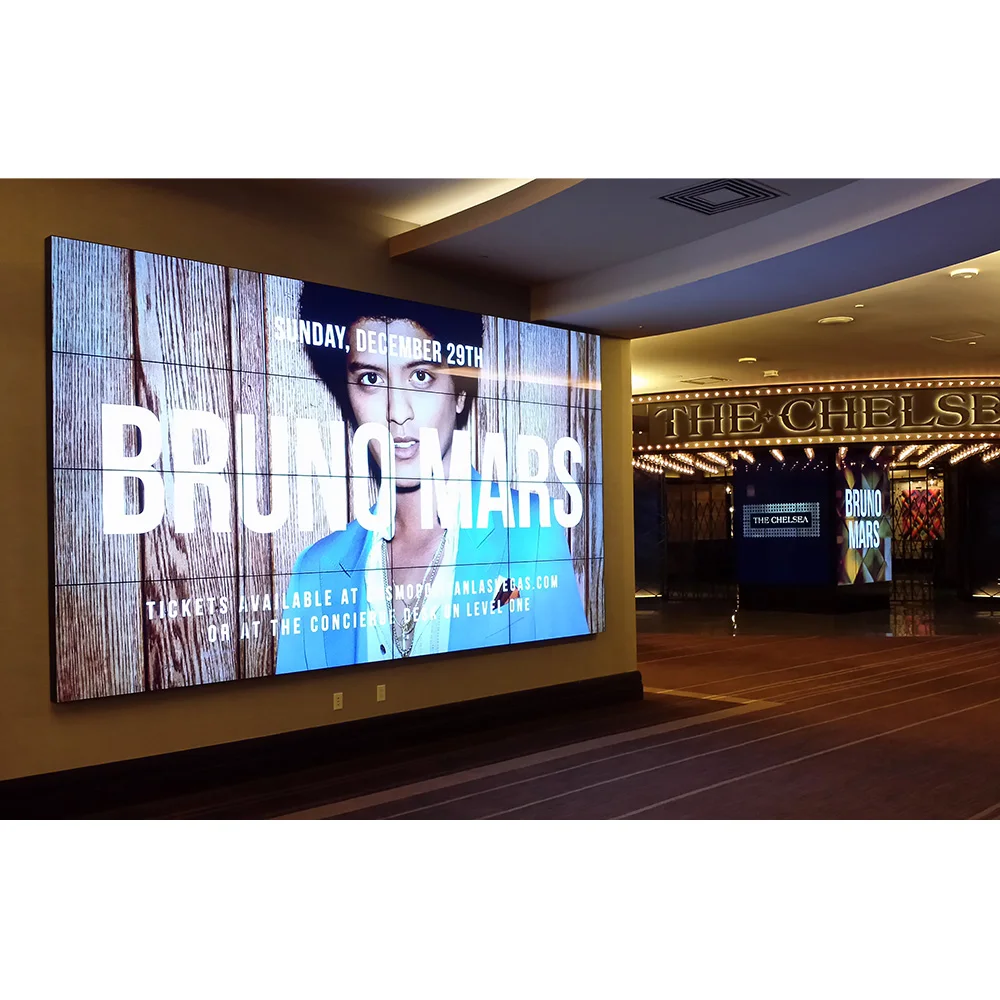
Obchodné steny sa často posudzujú najprv z hľadiska vizuálneho dopadu, čo je pochopiteľné. Mala by totiž upútať pozornosť a podporovať identitu značky. Obchod však má aj svoj rytmus, náladu a prítomnosť personálu. Obrazovka, ktorá pôsobí príliš silno, príliš jasne alebo príliš mechanicky zrejme, môže ticho poškodiť atmosféru, ktorú sa značka snaží vytvoriť. To platí obzvlášť v premium obchodoch, kde emocionálny tón často má väčšiu hodnotu než samotné spektakulum.
Je tu tiež otázka blízkosti. Zákazníci môžu značku vidieť len krátko, zatiaľ čo personál môže stráviť celé smeny v jej blízkosti. To znamená, že akýkoľvek nedostatok v oblasti zvuku, jasu alebo pohodlia sa v čase násobí. Stena, ktorá vyzerá dobre po jednej minúte prehliadky zákazníkom, môže po šiestich hodinách skutočného používania vyvolávať úplne iný dojem. Keď si kupujúci uvedomia nielen reakciu zákazníkov, ale aj zážitok personálu, ich logika výberu sa zvyčajne výrazne posilní.
Dekoratívna stena s obmedzenou hĺbkou
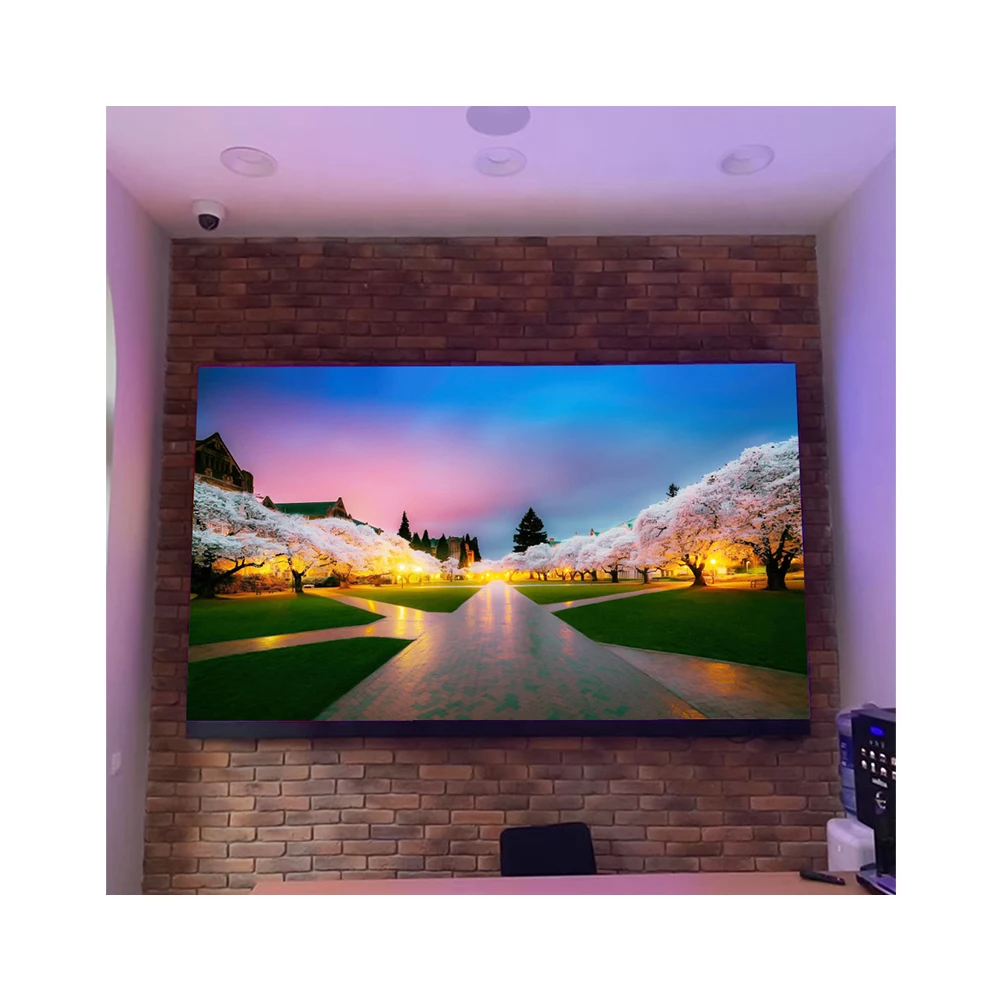
Mnohé z najkrajších stenných inštalácií sú zároveň tými najmenej odolnými z hľadiska konštrukcie. Čistá, rovná a elegantná dekoratívna stena môže skrývať zložitejšie podmienky na zadnej strane. Ak sa zohľadnia káble, nosná konštrukcia, trasovanie komunikácií a tepelné správanie, stena sa môže ukázať menej prívetivou, než sa na prvý pohľad zdá. To však neznamená, že také steny by nemali byť postavené. Znamená to len, že ich treba posudzovať uprimne.
Tu by návrh mal preukázať zrelosť. Správne riešenie nie je to, ktoré predstiera, že stav steny je jednoduchý. Je to riešenie, ktoré uznáva skutočný stav konštrukcie a zároveň robí výkladovú plochu vnímateľnú ako prehľadná, stabilná a vierohodná. Kupujúcich by vždy mala napájať myšlienka, že náhľad zpredu predstavuje len polovicu príbehu. Rovnako dôležitý je prierez stenou.
Hospitalitné, galériové alebo riaditeľské prostredie
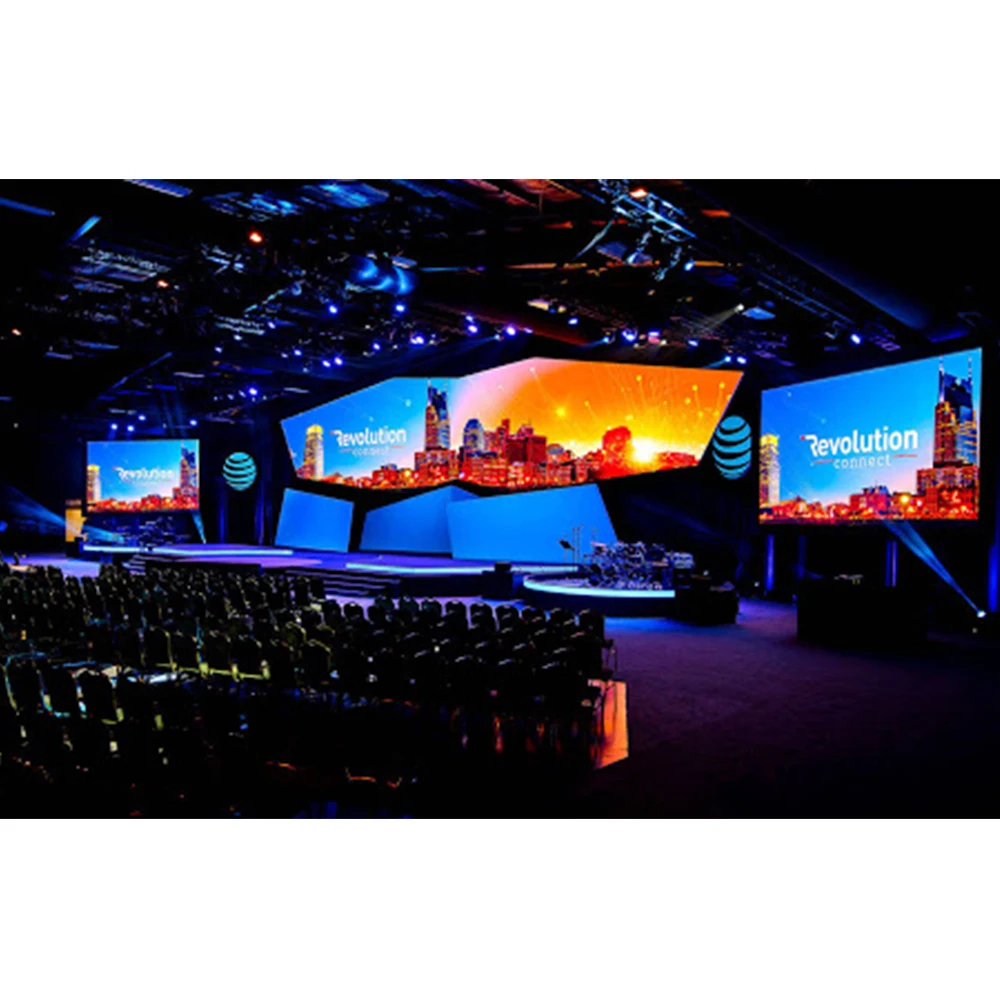
Niektoré miestnosti nie sú len tiché – sú navrhnuté tak, aby sa cítili tiché. Do tejto kategórie často patria lounge priestory, interiéry s hospitalitným charakterom, zážitkové značkové priestory v štýle galérií, čakacie priestory pre riaditeľov a luxusné výstavné priestory. V týchto priestoroch by mala stena pôsobiť takmer architektonicky. Nesmie sa správať ako hlučné technické zariadenie. Preto v takýchto priestoroch často nadobúda väčšiu hodnotu bezventilátorový alebo veľmi tichý chod než preháňanie vizuálnej intenzity príliš ďaleko.
Nákupcovia v týchto prostrediach by mali dôkladne zvážiť, ako daný nápis podporuje zamýšľaný tón miestnosti. Pôsobí kľudne? Pôsobí premium? Umožňuje priestoru „dýchať“? Alebo naopak pridáva nepotrebný technický prvok? Keď je samotná miestnosť navrhnutá ako celkový zážitok, stenový nápis musí tento zážitok rešpektovať namiesto toho, aby s ním súťažil.
Ako posúdiť displej ešte pred jeho zakúpením
Väčšina čitateľov nepotrebuje viac technických pojmov. Potrebuje lepšie nástroje na posúdenie. Cieľom nie je stať sa inžinierom. Cieľom je vedieť prečítať ponuku takým spôsobom, ktorý odráža charakter miestnosti, ľudí v nej a skutočné vzory využívania.
Začnite s dobou pobytu, nie so zoznamom špecifikácií
Spýtajte sa, kde ľudia strávia čas. Nie tam, kde len na chvíľu pohľadia, ale tam, kde budú stáť, pracovať, čakať alebo rozprávať. Čím dlhšie ľudia zostávajú v blízkosti steny, tým dôležitejšími sa stávajú pohodlie, kľudné osvetlenie a tichý chod. Táto jediná otázka môže zmeniť spôsob, akým sa celá ponuka posudzuje.
Myslite v hodinách, nie v momentoch
Vizualizácie odmeňujú okamžitú reakciu. Skutočné inštalácie odmeňujú trvalý komfort. Namiesto toho, aby ste sa pýtali, či vyzerá displej na prezentácii výkonne, opýtajte sa, ako sa bude cítiť po štyroch, šiestich alebo desiatich hodinách prevádzky. Práve tu sa často odhaľujú najlepšie nákupné rozhodnutia. Značka, ktorá zostáva pohodlná v priebehu času, je zvyčajne lepšou voľbou než tá, ktorá pôsobí dojmom len pri prvom pohľade.
Posudzujte jas ako súčasť komfortu
Jas v interiéri by sa nemal chápať ako súťaž. Viac nie je automaticky lepšie. V mnohých interiéroch príliš agresívny jas robí priestor menej luxusným, menej oddychovým a vizuálne únavnejším. Najlepšie steny v interiéri často pôsobia vyvážene, nie preplnené. Kupujúci, ktorý sa pýta, či je jas vhodný pre dané prostredie, zvyčajne uvažuje jasnejšie než ten, kto sa pýta len na to, či sa číselná hodnota dá ešte zvýši.
Údržba obrazu predtým, ako sa objaví prvý problém
Toto je jedna z najjednoduchších a najchytrejších návykov kupujúcich. Predstavte si servisnú udalosť o šesť mesiacov v budúcnosti. Je možné príslušnú oblasť prakticky dosiahnuť? Bude niekto musieť porušiť dekoratívne povrchy? Stále pôsobí návrh steny elegantne, ak premýšľate o skutočnej údržbe? Značka, ktorú nie je možné ľahko udržiavať, zvyčajne dlho nezostáva premium.
Spýtajte sa, čo sa stane, ak sa projekt trochu neskôr zmení
Možno sa obsah počas kampaní stane jasnejším. Možno sa predĺži doba prevádzky. Možno sa počas koordinácie zhorší stav steny. Možno sa ukáže, že priestor je tichší, ako naznačovala prvá návšteva na mieste. Silné ponuky tieto zmeny prežijú s menším stresom. Slabé ponuky príliš závisia od dokonalých predpokladov. Preto je myslenie v scénarioch takou užitočnou zručnosťou kupujúcich.
Hľadajte logiku priestoru, nie len tvrdenia o funkciách
Akýkoľvek dodávateľ môže opakovať špecifikáciu. Lepší dodávateľ vysvetlí, prečo riešenie vyhovuje danému priestoru. Prepojí vizuálne požiadavky s vzdialenosťou pozorovania. Prepojí spôsob ovládania s pravdepodobným komfortom. Prepojí konštrukciu so servisnými a tepelnými realitami. Inými slovami, vysvetlí logiku inštalácie, nie len zložky, ktoré do nej vstupujú. To zvyčajne robí ponuku dôveryhodnejšou a ľahšie schváliť v rámci organizácie.
V niektorých aplikáciách jednoduchšie riešenie orientované na signalizáciu môže v skutočnosti dosiahnuť lepšiu konverziu ako návrh, ktorý sa najprv zameriava na spektakulárny efekt. Pri stenách, ktoré slúžia primárne na komunikáciu, smerové informovanie alebo značkové plochy, ktoré musia zostať počas každodennej prevádzky jasné a čisté, môže byť užitočné premýšľať bližšie k prípadu použitia. LED informačná tabuľa kupujúci by si vždy mal položiť otázku, čo stena vlastne skutočne má dosiahnuť, nie iba čo je technicky schopná dosiahnuť.
Ako lepšie využívať displej po inštalácii
Dobrá stenná tabuľka môže dosiahnuť ešte lepšie výsledky, ak sa používa rozumne. To je dôležité, pretože niektoré z najvýraznejších zlepšení pohodlia, atmosféry a konverzie nevychádzajú len z hardvéru. Vychádzajú z toho, ako sa displej prevádzkuje, keď sa stane súčasťou každodenného života.
Používajte jas s rytmom
Vnútorný displej nemusí mať rovnakú intenzitu od rána do večera. Priestory sa počas dňa menia. Takisto môže meniť svoj vzhľad aj stena. Pokojnejší jas v tichších obdobiach a silnejšia vizuálna energia v čase, keď je priestor jasnejší alebo rušnejší, môžu celú inštaláciu urobiť vnímateľnejšou ako úmyselnú. Zároveň pomáha tabuľka podporovať atmosféru prostredia namiesto toho, aby všetko vyrovnavala na jednu konštantnú vizuálnu úroveň.
Nech obsah zodpovedá emocionálnemu tónu priestoru
Premiumné prostredie často profituje z kontroly. Čistý pohyb, lepšie tempovanie a vizuálne komponovaný obsah môžu urobiť informačnú tabuľu drahšou na pohľad, aj keď sa technická intenzita nezvyšuje. Rovnako stena s komunikačným zameraním môže dosiahnuť vyššiu konverziu vďaka jasnosti a vynikajúcej čitateľnosti namiesto rýchlo sa meniaceho značkového videa. Najúčinnejší spôsob použitia je často ten, ktorý rešpektuje priestor namiesto toho, aby sa snažil ho prekonať.
Od začiatku si vytvorte jednoduchú návykovú službu
Najlepšie vyzerajúca informačná tabuľka v prvom mesiaci nebude takto vyzerajúca bez pravidelnej starostlivosti. Kupujúci by mali pred fázou prevodu premyslieť čistenie, aktualizácie obsahu a zodpovednosť za drobné problémy. Informačná tabuľka, ktorá sa zdá byť ľahko spraviteľná, zvyčajne dlhšie udrží svoj premium dojem, pretože malé problémy sa riešia včas namiesto toho, aby sa tichy hromadili.
Venujte pozornosť miestnosti, nie iba obrazovke
Zmeny osvetlenia, zmeny nábytku, sezónne podmienky a dekoratívne úpravy môžu všetky ovplyvniť vnímanie steny. Najchytrejší prevádzkovatelia si uvedomujú, že informačný systém funguje v širšom prostredí. Všimnú si, keď sa priestor zmenil, a primerane na to reagujú. To je ďalší dôvod, prečo by mala dobrá stenová tabuľa pôsobiť flexibilne a vierohodne, nie prehnané a krehko.
Inými slovami, najlepší spôsob použitia nie je len zapnúť tabuľu. Je to skôr riadenie steny ako súčasti celkového zážitku z priestoru. Taký prístup chráni pohodlie, zachováva hodnotu značky a zvyčajne zlepšuje reakciu ľudí na inštaláciu v priebehu času.

Rýchla porovnávacia tabuľka pre kupujúcich
Keď vyzerajú niekoľko ponúk podobne, pomáha ich porovnať podľa dôsledkov, nie podľa počtu technických funkcií.
| Stav projektu | Čo sa zvyčajne podceňuje | Chytrejší smer | Prečo je to dôležité v každodennom živote | Najlepšia otázka na položenie |
|---|---|---|---|---|
| Tichá recepcia alebo čakáreň | Mechanický zvuk počas hodín s nízkym premávkou | Bezventilátorový alebo veľmi tichý prístup | Zachováva pokojný a premium tón miestnosti | Ako sa bude stena cítiť a znieť, keď je priestor tichý? |
| Premium obchodná stena v blízkosti zón personálu | Dlhodobé vystavenie jasu a zvuku | Vyvážený profil pre každodenné používanie namiesto maximálneho vizuálneho zaťaženia | Udržiava priestor pohodlnejší pre personál aj zákazníkov | Ako sa táto stena cíti po celom pracovnom dni? |
| Dekoratívna plytká výrazová stena | Ťažké tepelné a inžinierske podmienky | Štruktúra naplánovaná s dôrazom na prístupnosť a vierohodný komfort prevádzky | Zabraňuje, aby elegantné steny stali frustrujúcimi inštaláciami | Kam sa smeruje teplo a ako sa rieši servis po dokončení? |
| Komunikačne orientovaná značková informačná stena | Prekročenie špecifikácií, ktoré zvyšuje náklady bez skutočného pridaného prínosu | Najprv zvoľte jasnosť, vhodnosť pre priestor a stabilitu | Zlepšuje návratnosť investícií (ROI) a uľahčuje schválenie | Ktoré funkcie sú v tomto priestore dôležité a ktoré sú len nadbytočné? |
| Hospitalitný, loungeový alebo galériový priestor | Informačná tabuľka vyzerá príliš technicky vzhľadom na interiérový tón | Tiché, ovládateľné a architektúrou priateľské správanie | Udržiava priestor cítiť sa úmyselne a luxusne | Podporuje toto riešenie emocionálny tón miestnosti? |
Hodnota tohto typu stola spočíva v tom, že mení rozhovor od vyhľadávania funkcií na posúdenie vhodnosti. Dizajnéri, nákupné tímy, inštalační technici aj koncoví používatelia nemusia mať záujem o rovnaké parametre, ale zvyčajne sa dokážu dohodnúť na tom, aký druh miestnosti sa v rámci projektu snažia chrániť. Toto spoločné porozumenie umožňuje rýchlejšie a lepšie rozhodnutia o nákupe.
Bežné chyby pri porovnávaní ponúk
Prvou chybou je porovnávanie jasnosti tak, akoby vnútorné projekty vždy profitovali z jej vyššej hodnoty. Tak nie je. V mnohých vnútorných stenách vyšší jas znamená väčší tlak na priestor bez výrazného zlepšenia užívateľskej skúsenosti. Ak je priestor už vizuálne kontrolovaný, často je dôležitejšia rovnováha než maximálny výstup.
Druhá chyba je čítanie výkonových údajov bez otázky, ako bude značka v skutočnosti používaná. Maximálne hodnoty môžu pomôcť pri plánovaní, avšak samy o sebe nepopisujú každodenný prevádzkový režim. Kupujúci by si vždy mali položiť otázku, aký bude v praxi bežný čas prevádzky a aké budú podmienky obsahu.
Tretia chyba je dôvera čistým predným pohľadom bez premyslenia zadnej strany. Niektoré steny vyzerajú v prezentácii elegantne, ale za obrazovkou skrývajú oveľa náročnejšiu štrukturálnu realitu. Dôležitý je rez stenou. Dôležitá je trasu údržby. Dôležitý je priestor na „dýchanie“. Dekoratívna integrácia nesmie zakrývať praktické ťažkosti.
Štvrtou chybou je podceňovanie akustickej citlivosti. Návšteva miesta počas intenzívneho prevádzkového času môže vytvoriť dojem, že miestnosť je menej citlivá, ako v skutočnosti je. Keď je projekt dokončený a priestor sa využíva v bežnom režime, malé zvukové detaily sa môžu stať oveľa výraznejšími, než sa očakávalo. Preto by si kupujúci mali premyslieť najtichšiu časť dňa, nie len najrušnejšiu.
Piata chyba spočíva v kúpe steny, ktorá na papieri znie najsilnejšie, namiesto steny, ktorá v miestnosti znie najvierohodnejšie. Najsilnejšie vyzerajúca ponúka nie je vždy tá, ktorá sa premení na najlepšiu každodennú skúsenosť. Často víťazí riešenie, ktoré pôsobí pokojne, súdržne a ľahko sa dožíva v každodennom živote.
Čo sa máte opýtať dodávateľa pred schválením
Niekoľko presných otázok je zvyčajne užitočnejších než desiatky všeobecných. Kupujúci by mali hľadať odpovede, ktoré prepoja obrazovku s miestnosťou, namiesto opakovania výrobného jazyka.
- Ako sa táto stena bude správať počas reálneho každodenného používania, nie len v režime maximálneho výkonu? Toto otázka odhaľuje, či ponúkaná cena odráža skutočný prevádzkový režim alebo len teoretický maximálny výkon.
- Čo robí túto metódu chladenia vhodnou pre daný priestor? Toto pomáha rozlíšiť riešenie zamerané na konkrétnu miestnosť od všeobecného predajného ponúkania produktu.
- Kam sa teplo presunie po dokončení steny? Jednoduchá otázka, ktorá často odhaľuje, ako realistický je návrh v skutočnosti.
- Budú zamestnanci alebo návštevníci stráviť významný čas v blízkosti tohto značenia? Ak áno, pohodlie a akustika si zaslúžia výrazne väčšiu pozornosť.
- Aká servisná cesta zostane po dokončení dekoratívnych povrchov? Toto oddeľuje vizuálne atraktívne kresby od praktických, dlhodobo použiteľných inštalácií.
- Ktorá časť tohto návrhu je pre danú miestnosť nevyhnutná a ktorá je voliteľná? Táto otázka pomáha zabrániť nadmerným výdavkom a udržiava diskusiu úprimnú.
Keď dodávateľ dokáže tieto otázky jasne zodpovedať, nakupujúci sa zvyčajne cítia istejšie, pretože návrh vyzerá ako založený priamo na projekte. Taký druh jasnosti je obzvlášť dôležitý pri porovnávaní viacerých ponúk, ktoré na prvý pohľad vyzerajú podobne, ale po inštalácii sa môžu správať veľmi odlišne.
Záverečné zhrnutie
Najlepšie individuálne LED steny robia viac než len dobre vyzerajú. Emocionálne, prakticky aj vizuálne sa do miestnosti zapájajú. Sú pohodlné aj po dlhšej dobe používania. Podporujú atmosféru miestnosti namiesto toho, aby jej bránili. Rešpektujú tiché priestory, zostávajú vierohodné pri každodennom dlhodobom používaní a údržbu robia riaditeľnou namiesto toho, aby spôsobovali stres. Práve to rozdeľuje stenu, ktorá len dobre vyzerá, od steny, ktorá je skutočne úspešná.
Takže najchytrejší nákupný rámec nie je zložitý. Začnite miestnosťou, nie produktom. Zamyslite sa nad bežným používaním, nie nad vzrušením v deň spustenia. Posudzujte pohodlie a zvuk rovnako vážne ako kvalitu obrazu. Považujte konštrukciu a služby za skutočné dizajnové faktory, nie za podrobnosti poslednej fázy. Požiadajte každú funkciu, aby preukázala svoju hodnotu v reálnom každodennom živote. Keď kupujúci uvažujú týmto spôsobom, prestanú sa usilovať o najagresívnejšiu možnosť a začnú si vyberať tú najvhodnejšiu.
To je tiež to, čo dlhodobo posilňuje konverziu. Nápis na stene, ktorý sa skutočne vhodne zapája do svojho prostredia, je jednoduchšie schváliť, jednoduchšie inštalovať, jednoduchšie používať a jednoduchšie dôverovať mu. Chráni značku, pretože funguje s miestnosťou, namiesto toho, aby s ňou bojoval. A práve to je to, čoho väčšina komerčných projektov najviac potrebuje.
Rozšírené čítanie
Často kladené otázky
Ako ovplyvňujú výkon a teplo stenu s nápisom, ak je v miestnosti už klimatizácia?
Klimatizácia pomáha miestnosti, avšak automaticky nevyrieši tepelné podmienky za displejom. Stavebná štruktúra steny, trasovanie inžinierskych sietí a cesta prúdenia vzduchu stále musia byť premyslené tak, aby sa dosiahla dlhodobá pohoda a stabilný prevádzkový režim.
Kedy sa hluk ventilátora stáva vážnym problémom?
Stáva sa vážnym vtedy, keď je v miestnosti ticho, ľudia sa nachádzajú blízko displeja alebo keď má priestor vyžarovať dojem luxusu a kontroly. Príkladmi sú recepčné zóny, čakacie priestory, interiéry ubytovacích zariadení a priestory luxusných obchodov.
Je bezventilátorový dizajn vždy najlepšou voľbou?
Nie. Často je výbornou voľbou pre tiššie interiéry, avšak najlepšie riešenie stále závisí od skutočných podmienok miestnosti, očakávaného prevádzkového režimu a štruktúry okolo steny. Cieľom je vhodné prispôsobenie, nie modný štítok.
Čo by som mal potvrdiť pred schválením finálneho dizajnu?
Potvrďte, ako bude značka v skutočnosti používaná, ako blízko budú ľudia k nej stáť, ako je postavená stena, ako bude neskôr prebiehať servis a či je prostredie akusticky citlivé. Tieto body často majú väčší význam, než očakávajú zakázky.
Prečo niektoré stenové značky vyzerajú v vizualizáciách skvelo, ale po inštalácii pôsobia sklamaním?
Pretože vizualizácie ukazujú iba vizuálny potenciál, zatiaľ čo reálne používanie odhaľuje pohodlie, akustické vlastnosti, praktičnosť údržby a to, ako prirodzene sa značka zapája do interiéru. Úspešný projekt vyžaduje oboje.
Stále porovnávate možnosti stenových značiek? Práve v tomto bode si zakázky zvyčajne buď ušetria, alebo stratia projekt.
Ak už teraz prezeráte ponuky, rozmiestnenie kreslení alebo stránky produktov, rozhodnutie už nie je o tom, či vyzerá LED stena atraktívne. Ide o to, či sa značka skutočne zmestí do vášho priestoru, do vašich denných hodín prevádzky, do prostredia vašich zamestnancov a do atmosféry, ktorú sa snaží vaš projekt vytvoriť. Čím dlhšie zostáva táto otázka nejasná, tým pravdepodobnejšie je, že finálna inštalácia bude na papieri vyzerať dobre, no v každodennom používaní bude pôsobiť nesprávne.
Preto najrýchlejším ďalším krokom nie je odkladať rozhodnutie a porovnávať ďalší všeobecný zoznam parametrov. Je to presunúť sa priamo na skutočné stránky produktov, priradiť váš priestor k vhodnému typu steny a získať riešenie navrhnuté špecificky pre podmienky vášho reálneho projektu. Ak už poznáte veľkosť steny, inštalačnú fotografiu alebo počet hodín používania, ste dostatočne blízko k tomu, aby ste sa posunuli od prehliadania k konkrétnym krokom.
Nenechajte projekt uviesť v štádiu ponuky. Otvorte vyššie uvedené stránky produktov, identifikujte štýl steny, ktorý je najbližšie vašej aplikácii, a pošlite teraz podrobnosti o svojom projekte. Správny vlastný LED nápis na stenu nebude len lepšie vyzerať pri prezentácii. Bude tiež rýchlejšie schválený, lepšie sa prispôsobí a dosiahne lepšie výsledky po spustení priestoru.
Získajte teraz individuálnu ponuku Zobraziť ďalšie vlastné LED riešenia
Ak ste pripravení pokračovať, pošlite dnes rozmery steny, fotografie inštalácie a popis použitia projektu. Toto je najrýchlejší spôsob, ako získať odporúčanie, ktoré skutočne vyhovuje miestnosti, namiesto toho, aby ste trávili viac času možnosťami, ktoré vyzerajú dobre len v teórii.