EN
EN


Event LED projects rarely become difficult because one screen lacks a single headline feature. In most cases, the pressure starts around the wall instead of inside it. Cases arrive. The loading path is tighter than expected. The first row needs more adjustment than planned. Lighting wants the stage clear. Content still needs a test. At that point, a system that looked strong in a quotation can suddenly feel slow in real life. That is why a custom led display screen should not be judged like a static catalog product. It should be judged like event equipment that has to move, open, hang, lock, align, perform, come down, and travel again without turning a tight schedule into a recovery exercise.
For event production companies, rental houses, stage integrators, and organizers dealing with fast-turnaround projects, this difference matters a lot. A strong event solution is not defined only by what the wall looks like after power-on. It is also defined by how the system behaves during the hours before and after the audience sees it. Does it unload cleanly? Does it help the crew work with confidence? Does it reduce hesitation during setup? Can it be repacked without creating confusion at midnight? Will it still feel reliable after repeated use instead of only on day one?
This article is written from that practical angle. Instead of reading like a specification recap, it follows the way real event teams evaluate options: through scenes, movement, handling, repeatability, transport logic, and the questions that make quotations easier to compare. Technical parameters still matter, but only once the event itself is clearly defined. The goal here is to make that sequence clearer, so the discussion moves from “Which product sounds strongest?” to “Which package is most likely to make this project easier to execute well?”
Why event teams often choose the wrong screen first
The most common sourcing mistake is not choosing a weak product. It is starting the comparison from the wrong end. Too many discussions begin with pitch, brightness, or a headline price while the real project pressure sits somewhere else entirely. It sits in the loading dock, the venue route, the case opening sequence, the number of lift points, the speed of alignment, the behavior of the locks, the time needed for testing, and the reality of getting the whole system back into transport condition after a long day. A screen can sound excellent in a proposal and still become the slowest part of the event.
A ballroom makes this visible very quickly. The room is polished, controlled, and tightly scheduled. Lighting needs focus time. Audio needs checks. Scenic elements need their final placement. In that environment, the LED wall is not judged only by visual sharpness. It is judged by whether it behaves calmly. If the first cabinets align cleanly and the wall begins to feel predictable, the room settles. If the first section needs extra persuasion, the pressure starts moving outward into every other department. The difference is felt long before the audience sees the content.
Trade shows tell the same story in a more crowded voice. There are forklifts, crates, carts, booth builders, signage crews, and very little patience for unnecessary movement. Here, a system that packs logically and assembles in a clear sequence often creates more value than a product that looks slightly stronger in isolated technical language. The visitors may never know why the build felt smooth. Still, the team knows, the schedule knows, and the budget knows.
Outdoor projects raise the stakes again. Weather, open light, and rigging conditions all matter, but even here the first question is still workflow. How many avoidable motions does the package create? How quickly can the system move from truck to structure? How repeatable is the build when time is tight and the venue is less forgiving? Those are event questions, and they deserve to be answered before the comparison drifts too far into abstract numbers.
That is why event sourcing should begin with the day itself. What kind of event is it? How short is the load-in? Is the wall a keynote surface, a touring backdrop, an expo feature, or a repeat-use rental package that has to keep moving from one project to another? Once that picture becomes clear, the right product path becomes clearer too. A focused application page such as LED display for events helps because it keeps the event context in view instead of flattening the conversation into a narrow product comparison.
What event-friendly really feels like on site
“Event-friendly” is one of those phrases that sounds simple until it has to describe a real working experience. In practice, an event-friendly screen is one that does not ask for unnecessary patience. It does not create confusion at ordinary moments. The cases open clearly. The cabinets feel understandable in the hand. The join points make sense. The setup begins with momentum rather than with a series of small doubts. That is what the phrase should mean once a project moves from the planning desk into the room.
The feeling starts with the cabinet itself. Strong event cabinets often feel clear before they feel impressive. A technician should be able to see where to grip, how to guide, where the lock points sit, and how the piece wants to move without requiring a long explanation. That clarity matters because event teams are rarely working in ideal factory-demo conditions. They are working with noise, deadlines, shared access, and sometimes fatigue. A system that still feels logical there is far more useful than one that only looks refined in a clean product photo.
Repeatability is the next test. Many systems can feel smooth during their first setup. Fewer still feel smooth after repeated loading, stacking, hanging, disassembly, and repacking. A rental-oriented wall should be judged on the fifth job, not the first. Does it still line up confidently? Do the corners still protect the vulnerable parts? Does it still feel manageable when the crew is tired and the time window is shrinking? These are stronger event questions than asking whether the product sounds premium in a short paragraph.
There is also an emotional side here that matters more than many buying guides admit. When the first cabinets go together cleanly, the whole build gains momentum. People move faster because they trust the process. When the wall starts by resisting, the stress spreads. Small pauses appear. Corrections begin early. The entire setup becomes mentally heavier. A truly event-friendly system protects that momentum, and that has a direct effect on labor efficiency and show-day calm.
A useful rule is simple: if the product description sounds strong but still leaves uncertainty around carrying, joining, protecting, and repacking the wall, the event logic is not finished yet.
The real meaning of fast setup
“Fast setup” is one of the most repeated phrases in event display language, but it only becomes meaningful once it is translated into actions. A wall is not fast because a page says it is fast. A wall is fast because fewer steps turn awkward. It is fast because the packing order supports the working order. It is fast because the first section lands flatter sooner. It is fast because the next part is easy to find, easy to carry, and easy to connect. In other words, speed is rarely one feature by itself. It is the result of many small design decisions working in the same direction.
Lock design is one part of that chain. A fast lock cabinet matters because it changes what happens right at the join. If the lock reduces correction time, the crew moves forward more naturally. If it helps the wall land flatter from the start, then visual finish improves early instead of late. If it remains dependable after repeated use, the labor benefit keeps returning. That is the real reason the feature matters. The label matters only because the working result matters.
Cabinet size is another part of the setup story, but not in a simplistic way. Larger cabinets can reduce total handling cycles on a bigger wall. That may shorten assembly because there are fewer joins and fewer repetitive motions. At the same time, a larger cabinet only helps when the venue route still supports it. A narrow service corridor, a backstage turn, or a crowded expo aisle may reward an entirely different rhythm. The fastest cabinet on paper is not always the fastest cabinet in that building on that day.
Standardization adds another layer. When modules share dimensions and fixing points, replacements stay easier to plan and spares stay more manageable. That is a meaningful advantage for repeated rental use because it keeps maintenance routines more familiar under time pressure. Mixed cabinet compatibility matters as well. Event layouts rarely remain perfectly uniform from one project to the next. When different sizes can work together cleanly, flexibility increases without forcing the whole team to relearn the wall.
That is why a better sourcing question is not “Which screen is the fastest?” The better question is “Which combination of cabinet size, locking logic, and packing order removes the greatest number of unnecessary motions for this type of event?” That question usually produces better quotations, better internal comparison, and fewer unpleasant surprises on site.
There is also a wider event impact to setup speed. The wall that builds quickly usually makes the whole room feel lighter. Lighting gets time earlier. Content checks start earlier. Small last-minute changes feel manageable because there is actually time to make them. Speed is not only a labor advantage. It is also a form of schedule protection for everything else happening around the wall.
How to judge cabinet handling without guessing
Cabinet handling sounds like a small topic until a long event day makes it obvious how much time is spent around the wall rather than in front of it. Cases open. Panels move. People carry, pass, turn, guide, stack, and repack. That is why cabinet handling should be judged like a physical workflow rather than like a line on a specification chart.
Start with the route. Can the cabinet move cleanly through the actual path from the dock to final position? Then look at grip logic. Does it seem obvious where the cabinet wants to be held and guided? After that, look at protection. Do the vulnerable edges appear protected enough for repeated loading and unloading? Finally, imagine repack clarity. Can the system reasonably return to the case without turning into a puzzle after a long day of use?
One of the best judgment methods is to picture the product in its least glamorous moment. Think about a rushed midnight pack-out, a half-lit backstage area, a wet loading path, a freight elevator queue, or a narrow corridor where two crews are trying to pass at once. Would the cabinet still feel sensible there? Event equipment should be judged in those scenes because that is where real trust is either earned or lost.
Protection details matter a lot in those scenes. Corners and lower edges are often the first places to suffer during repeated movement. A design that protects them well may not look dramatic in a feature list, but it creates visible value over time. Fewer avoidable impacts mean cleaner presentation, less urgent repair work, and stronger long-term usability across repeated jobs.
Another useful trick is to look at the cabinet silently. If there were no highlighted bullet points and no sales explanation at all, would the design still communicate what it is trying to do? Strong event products often answer that question visually. Weak ones need too much interpretation. That does not make them unusable, yet it usually makes them slower.
A clean cabinet-handling check can be remembered in five words: route, grip, protection, joining, repack. If all five are easy to picture, the product is usually moving in the right direction.
Which event formats need which strengths
Different event formats reward different strengths. That sounds obvious, yet many sourcing decisions still compare screens as if every project were asking the same question. In reality, the priorities shift from one job to another, and that shift should guide the whole conversation.
Ballrooms, conferences, and launch stages
These spaces reward polish and control. The audience is often closer. Presentation graphics and brand visuals matter more. Small seam issues become more noticeable. In this setting, front-of-house finish, visual comfort, and steady setup rhythm carry real weight. A wall that behaves calmly during an overnight build can be more valuable than one that simply looks stronger in a specification snapshot.
There is also a room-feel factor here. A ballroom should feel intentional. When the LED wall fits naturally into the stage picture, the whole environment looks more composed and more expensive. When the wall appears slightly rough or assembled through force instead of fit, the room keeps reminding everyone that a compromise happened somewhere. That is why conference and launch walls should be judged through experience first and numbers second.
Concerts and performance stages
Stage work values rhythm, scale, and dependable integration. The screen sits alongside lighting, sound, cueing, and moving content. It has to feel like part of a live production system, not a separate object attached at the last minute. In these environments, repeatable locking, strong visual presence, and confident rebuild behavior tend to matter as much as pure technical refinement. That is one reason a page such as LED stage screen is a more useful reference for live-show work than a broad general display page.
Stage use also has an emotional side that should not be ignored. The audience may not notice the handling logic, but they feel the result. A wall that fills the stage with confidence changes the atmosphere of the show. It can make the entire visual world feel larger, more immersive, and more coherent. That is why stage projects are rarely about mechanics alone.
Trade shows and activations
These projects often look smaller, but the pressure can be sharper. Build windows are short. Routes are crowded. The screen may need to fit a booth structure, follow an architectural line, or create fast visual impact in a limited footprint. In this environment, flexible layout and compact movement can be more commercially useful than maximizing every display specification. A wall that fits the space and goes together smoothly often produces the better result.
Outdoor temporary events
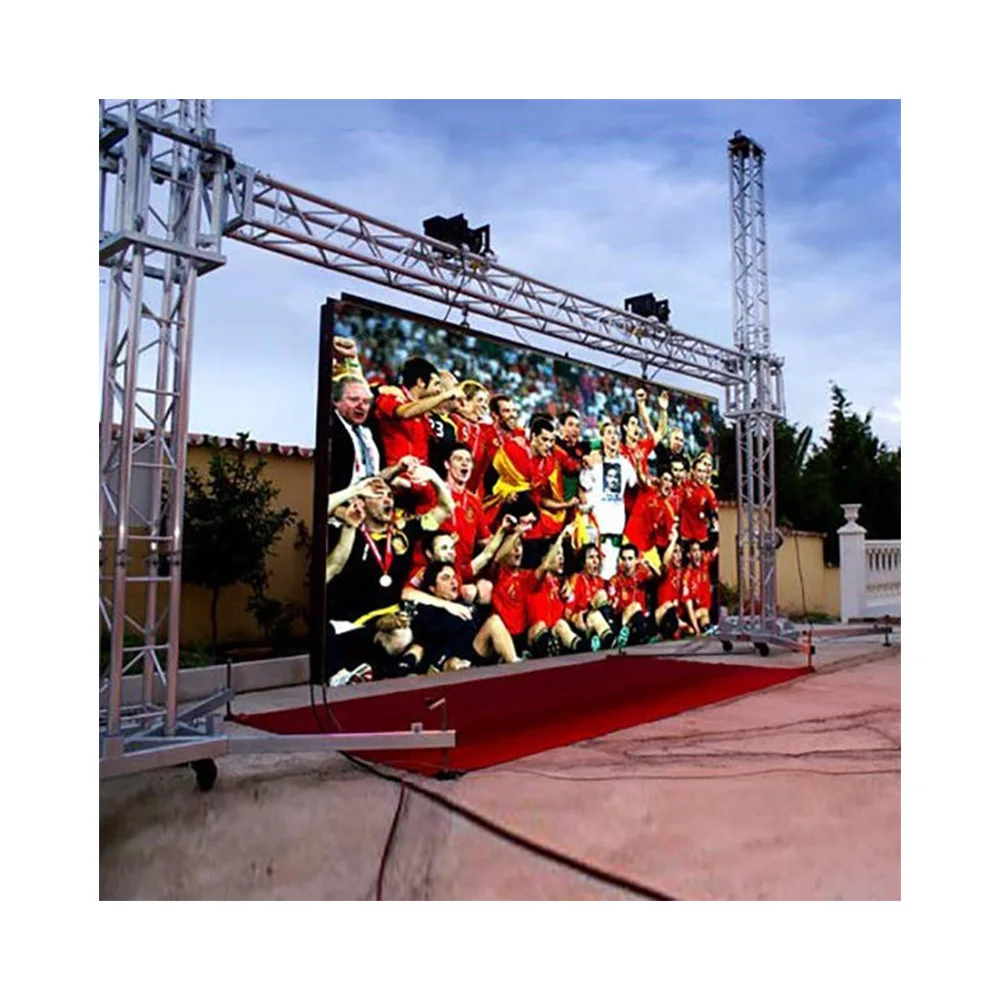
Outdoor use changes the tone again. Weather, open light, and rigging conditions all matter more. Still, the best choice begins with workflow. The wall should be readable and mechanically steady, but it also has to stay practical to move, install, protect, and remove. Outdoor readiness is valuable because it reduces disruption risk. That is the part worth paying for.
The right event LED decision usually becomes obvious when the project is described as a day, not as a spreadsheet.
A smarter way to compare options
One of the simplest ways to improve sourcing is to stop comparing product versus product and start comparing workflow versus workflow. That means asking which system removes more friction from the actual event sequence rather than which one sounds more advanced in isolation. It is a small shift in language, but it changes the entire direction of the decision.
| Decision point | What it changes in real life | Best fit for | Better question to ask |
|---|---|---|---|
| Cabinet size | Changes handling rhythm, panel count, and venue-path practicality | Large stages, touring walls, varied venue use | Which size removes the most unnecessary lifting and joining for this route? |
| Lock design | Changes alignment speed and wall flatness | Short load-ins, polished front-of-house builds, repeated rental stock | How much correction time does the lock actually save? |
| Mixed cabinet compatibility | Changes layout flexibility without changing crew habits | Stages, activations, stock used across many jobs | Can different cabinet sizes work together simply and cleanly? |
| Flight case planning | Changes loading speed, accessory control, and packing stress | Touring jobs, frequent rental schedules, repeat use | Does the case logic help the build order or slow it down? |
| Standard modules | Changes spare planning and field service simplicity | Long-term rental inventory, multi-project operations | Will replacements still stay easy after months of use? |
| Outdoor readiness | Changes continuity in weather and open-light conditions | Festivals, road shows, public temporary installs | Which practical risk is this feature reducing for this event? |
This method works because it ties every feature to an outcome. It prevents the discussion from drifting too early into abstract values and keeps it close to time, labor, repeatability, and risk. In event work, the feature that sounds best is not always the feature that helps most. A wall that saves setup time and keeps the room calmer can create more value than a wall that wins a comparison chart but loses the day.
It also makes quotation review more honest. Instead of reacting to whichever specification appears strongest, the conversation becomes about whether the system matches the actual job. That tends to lead to better follow-up questions and better internal alignment among the people evaluating the proposal.
Specs only matter after workflow is clear
Technical parameters still matter, but they become useful at the right moment. A parameter should help avoid a wrong fit. If it becomes the first and largest topic before the event workflow is defined, it often creates more noise than value. That is why technical comparison works best after the room, the audience, the content role, and the build conditions are already understood.
Pixel pitch
Pixel pitch matters because it affects how refined the image looks at the real viewing distance. That matters more for keynote stages, launch environments, and close-viewing rooms where text, product visuals, or brand graphics need to feel comfortable at short range. It matters less when the audience is farther back and the wall is serving mainly as atmosphere or scale. The practical question is not “What is the smallest pitch available?” It is “Which pitch fits the viewing moment without adding cost or complexity that the room will never truly use?”
Brightness
Brightness matters because it affects readability under the actual lighting condition. Outdoor events, bright lobbies, open expo halls, and spaces with strong ambient light genuinely need to think about it. Darker interior rooms need a different balance. The more useful question is not how high the figure goes, but what real venue problem the chosen level is solving. If the answer is vague, the discussion is still too broad.
Refresh rate
Refresh rate matters most when cameras are involved. For streamed events, broadcasts, and stage environments with live feeds, it affects how stable and clean the wall appears on video. In that context, the right question is whether the quoted setup fits the filming expectations of the project. The number by itself matters less than the visual result it supports.
IP rating and outdoor use
IP rating matters because it reduces disruption risk in exposed conditions. It becomes relevant when weather, dust, or open-air use could affect continuity. Again, the number is not the main story. The real story is what practical risk it helps reduce and whether the rest of the system still supports smooth outdoor handling and installation.
Once the workflow is clear, these parameters become helpful evidence. Before the workflow is clear, they often distract from the larger decision that still needs to be made. That is why event evaluation is strongest when the room and the experience come first, and the parameters come second.
Transport, flight case logic, and repeat use
A screen package is only as event-friendly as its transport layer. The wall may perform beautifully once assembled, but if the cases are confusing, oversized, poorly organized, or awkward to move, the whole project starts feeling heavier before the first cabinet is lifted. This is why the flight case should never be treated like a minor accessory. It is part of the product logic.
Good transport design creates invisible gains. It shortens unloading. It reduces searching. It keeps accessories where they belong. It protects the cabinets while they move from venue to venue. It also preserves the mental energy of the crew, and that matters more than many product summaries admit. A clear case plan helps the day move forward naturally. A weak one creates small interruptions from start to finish.
This becomes even more important when the same stock is used repeatedly. A one-off project can sometimes survive with extra effort. A repeat-use schedule cannot. Once the inventory starts moving from one event to another, transport logic becomes part of profitability, part of speed, and part of long-term reliability. The system has to work not just once, but again and again without becoming more frustrating each time.
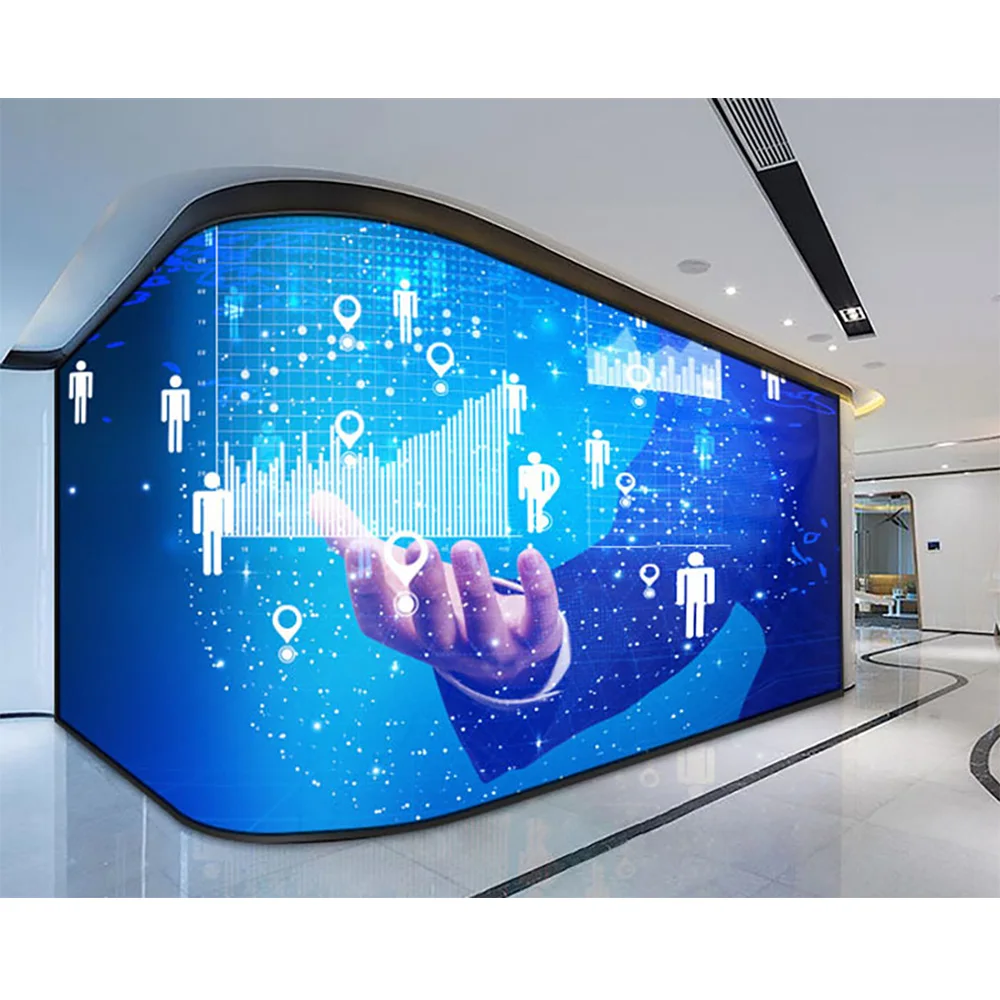
A practical transport review should stay plain and specific. How many cabinets sit in each case? Where do the cables live? Are spares separated cleanly? Does the packing sequence match the installation sequence? Can the package move through the actual venue path without repeated rehandling? These questions may sound ordinary, but they reveal far more about real event suitability than a polished paragraph of general sales language.
There is also a confidence effect here. When the cases are organized well, the next step always feels visible. The team does not waste energy hunting for the right part or opening the wrong case. That kind of clarity is not dramatic, yet it is a major part of what makes a system feel professional in regular use.
How to use an event LED wall well on show day
Choosing the right product is only part of the result. The other part is using the wall in a way that protects the day. This is where a few simple habits can make a visible difference, especially when several departments are moving at the same time and the clock is not generous.
Start with the route, not the wall
Before the first case opens, confirm the real path from the dock to the final build area. Look at door widths, ramps, turns, elevators, holding areas, and where the cases can wait without blocking the next move. Many “screen problems” begin as route problems discovered too late. The earlier the movement path is understood, the easier every other decision becomes.
Stage cases in build order
This saves surprising amounts of time. When the first cases opened contain the first needed pieces, the build gains rhythm immediately. When the packing order and the working order do not match, momentum is lost to sorting instead of assembly. Event setups often feel fast not because every action is fast, but because fewer actions happen in the wrong order.
Set the first row carefully
In many projects, the first row decides the mood of the whole wall. If it lands flat and steady, the rest often follows faster. If it begins with correction, those corrections tend to travel upward. Speed should not mean rushing the foundation. It should mean placing attention where attention saves the most time later.
Keep spares practical
A spare plan only helps if it is easy to understand in the moment. Modules, cables, and key accessories should be packed so that their purpose is obvious under time pressure. A practical spare plan prevents minor issues from turning into longer interruptions and helps the whole wall feel more manageable.
Match the content to the wall’s role
A keynote wall, a stage backdrop, and an activation display do not have the same job. One may need comfortable text reading. Another may need motion and scale. Another may need quick attention-grabbing energy in a crowded public environment. The more clearly the wall’s role is defined, the easier it becomes to judge whether the chosen configuration is actually right.
Three show-day habits usually pay off immediately: confirm the route, stage the cases in sequence, and give the first row enough care to prevent small errors from spreading upward.
What to ask before quotation and approval
A strong quote should explain how the package works, not only what the package contains. That distinction matters because many event delays begin inside incomplete proposals. The wall looked complete on paper, but the deployment logic was still hidden between the lines.
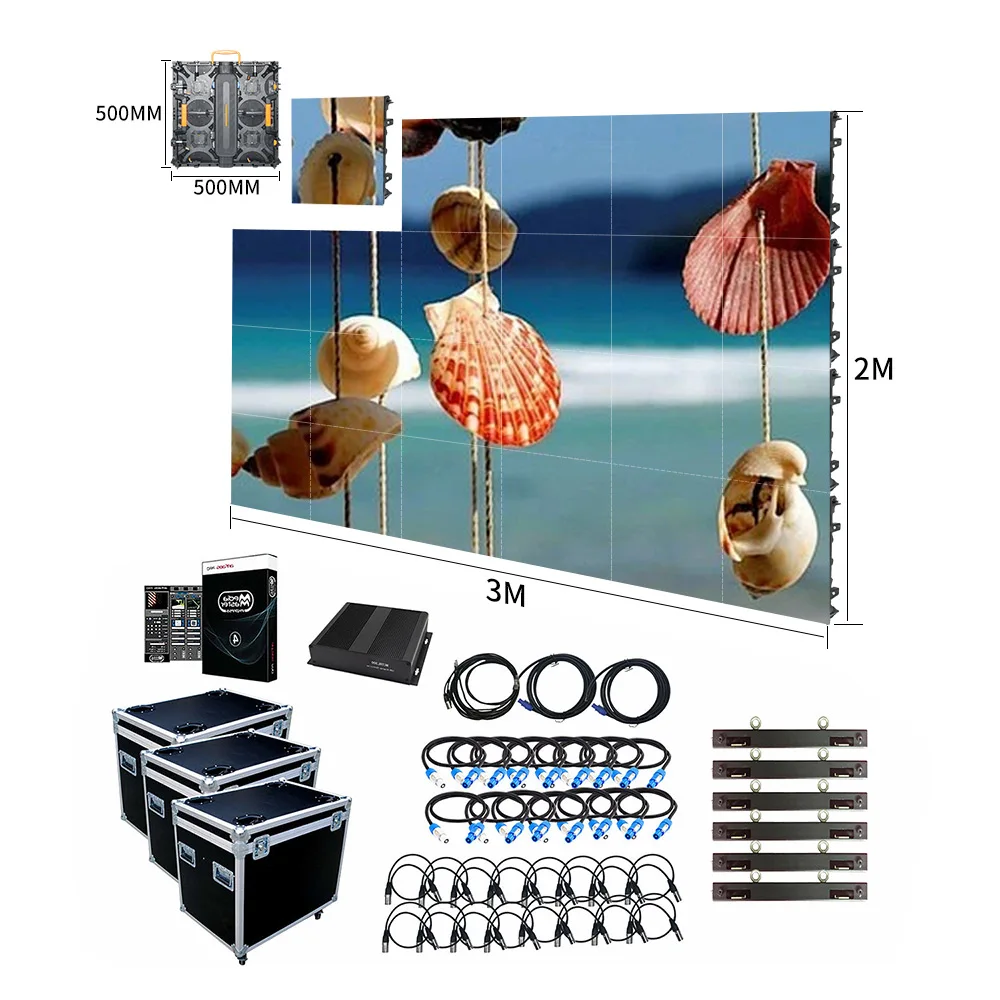
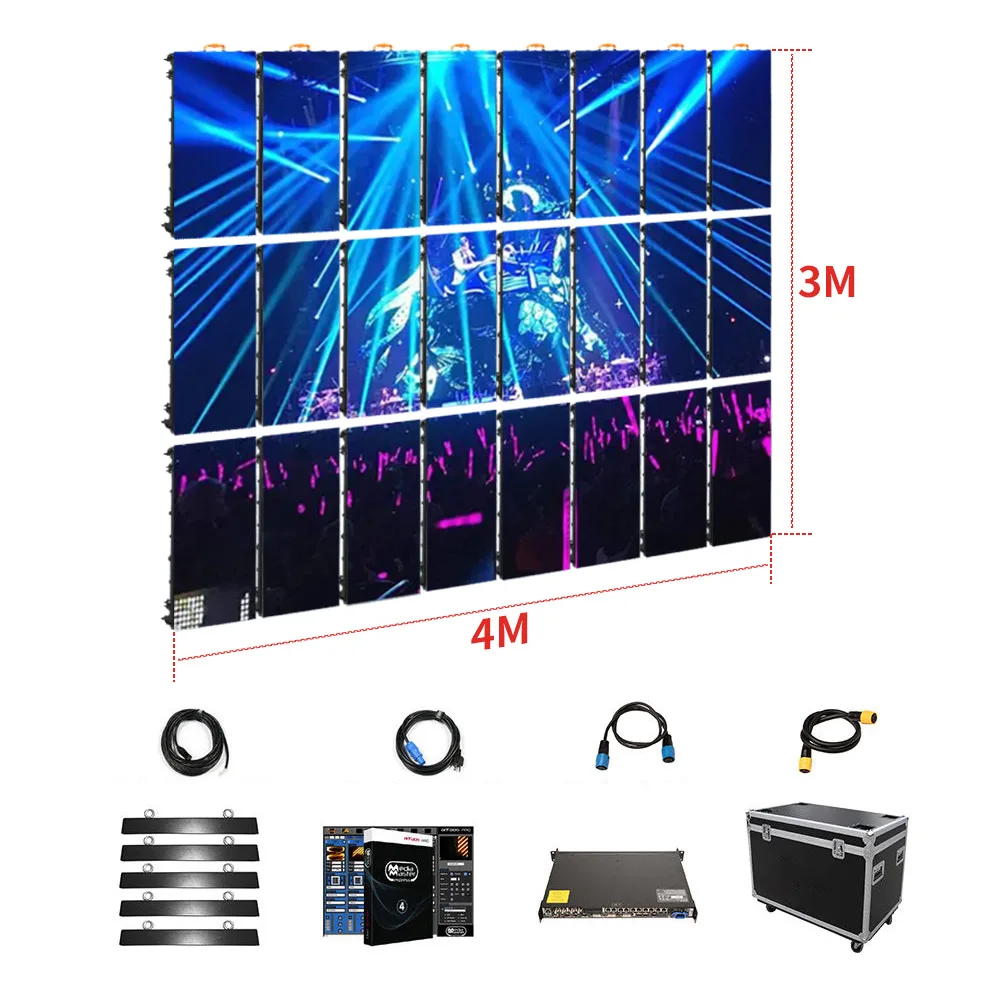
Start with inclusion. What is actually included beyond the cabinets? Hanging bars, controllers, cables, spares, case planning, and support items should be visible. A lower quote can quietly become a more difficult build if too much of the working package is left outside the main figure.
Then ask about rhythm. Why was this cabinet format chosen for this type of project? How does it reduce handling steps? How does it support faster assembly or repeat use? Strong proposals connect product choices to project conditions. Weak ones stay generic and leave too much to assumption.
Finally, ask about long-term clarity. If the wall is meant for ongoing use, what makes the package genuinely suitable for that? Standard modules, mixed-size compatibility, transport logic, service access, and support scope all belong here. A proposal that answers these points usually feels more trustworthy before it ever becomes an order.
A short inquiry checklist that improves quote quality
- Event type and whether the wall is for keynote, stage backdrop, expo, activation, or outdoor temporary use
- Approximate wall size and whether the priority is speed, polish, flexibility, or repeated rental use
- Indoor or outdoor condition, plus the actual route from unloading to final build position
- Expected viewing distance and whether the wall will be seen mainly by people, cameras, or both
- Setup window, teardown window, and how often the same system is expected to be used again
- Whether standard stock is enough or whether cabinet size, layout, or transport support needs customization
Good sourcing questions do not need to sound overly technical. They just need to stay close to the event. When they do, the answers become easier to compare and much more useful in practice.
When custom helps most
“Custom” can mean many things in LED, and that is exactly why the word should be handled carefully. A custom solution is valuable when it solves a real project problem. It is valuable when it improves fit, movement, setup rhythm, transport logic, or repeat use. It is less valuable when it adds complexity without changing the working result in a meaningful way.
In event work, customization is often most useful in four situations. First, when a wall must fit a specific stage proportion or booth footprint without wasting space. Second, when a venue route or rigging condition makes one cabinet rhythm clearly more practical than another. Third, when a repeat-use package is being built around a known pattern of jobs. Fourth, when the finished environment matters enough that the wall should integrate more naturally into the overall visual design rather than appearing like an oversized display dropped into the scene.
That is the strongest way to think about a custom led display screen. It is not custom for the sake of sounding more advanced. It is custom because the event workflow becomes cleaner. If the customization does not shorten setup, improve fit, simplify movement, or support repeat use, standard stock may still be the more efficient answer.
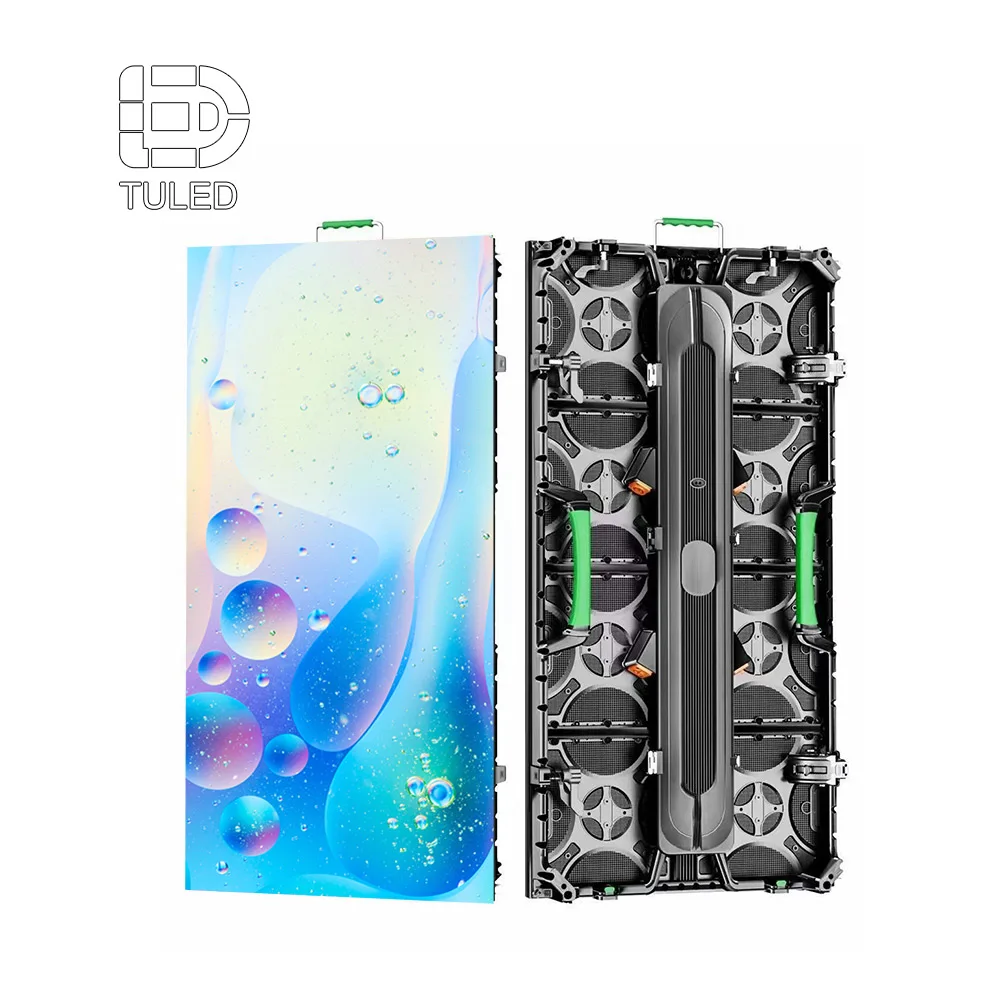
Custom thinking also improves the internal conversation around a project. Instead of asking which option sounds strongest, the team starts asking which option makes the layout cleaner, the setup faster, the movement simpler, or the finished space more coherent. That is the moment when “custom” becomes genuinely valuable rather than decorative.
Final takeaway and next steps
A good event LED wall does more than display content. It reduces friction before the content even starts. It helps the team move with less hesitation. It keeps the build steadier. It protects the schedule. It also makes the next event easier because the same system comes back with the same logic instead of needing to be rediscovered from the beginning.
That is the real meaning of rental readiness. It is not a dramatic promise. It is a calm, repeatable one. Cabinets feel understandable. Cases support the day instead of slowing it down. The wall fits the event rather than forcing the event to adapt around it. Technical parameters help confirm the choice instead of leading the choice. When those things happen together, the screen becomes dependable infrastructure rather than the most unpredictable part of the project.
For teams narrowing options, three next steps usually help most:
- Describe the project as a workflow first, not as a feature request. Include the route, the setup window, the audience distance, and the expected reuse pattern.
- Judge cabinets as working tools. Focus on grip logic, lock rhythm, protection, repack clarity, and how confidently the system seems likely to repeat.
- Request a deployment-ready proposal. Confirm accessories, case logic, spare plan, controller path, and support scope before price becomes the only comparison.
FAQ
What makes an LED wall truly rental-friendly instead of simply “event capable”?
When does a fast lock system make the biggest difference?
How should cabinet size be judged for events?
Why is flight case planning so important in event projects?
When is customization worth it for event LED?
Bring the discussion back to real event use
Once the project brief starts with the venue, the setup window, the movement path, and the kind of content that matters most, the recommendation usually becomes much easier to narrow. That often leads to clearer quotation comparison, more practical cabinet selection, and a screen package that feels right after installation instead of only sounding right during planning.
For projects that need custom sizing, rental-ready cabinet guidance, faster setup logic, or clearer transport planning, a short project-based discussion is usually more useful than another round of broad product comparison. Sharing the wall size, event type, viewing distance, indoor or outdoor condition, and turnaround schedule helps define whether the solution should prioritize install speed, repeat-use durability, layout flexibility, or a more polished front-of-house result.