EN
EN


LED billboard projects are now planned like infrastructure, not simple signage. In that context, a led billboard succeeds or fails on engineering fundamentals: visibility, environmental protection, safe structure, and maintainable design. Still, many projects drift during quoting because key parameters stay vague. This LED billboard guide keeps the decision path practical, from specs to commissioning, while also covering long-term operation.
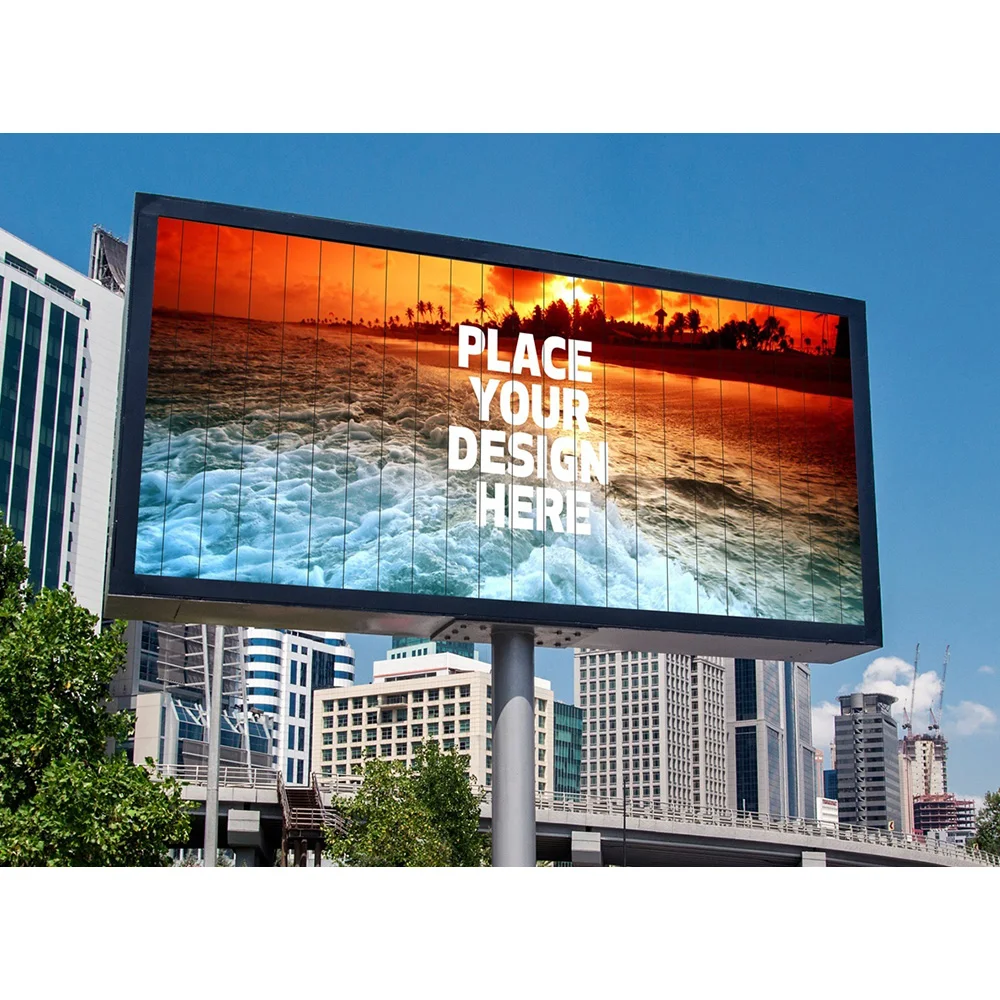
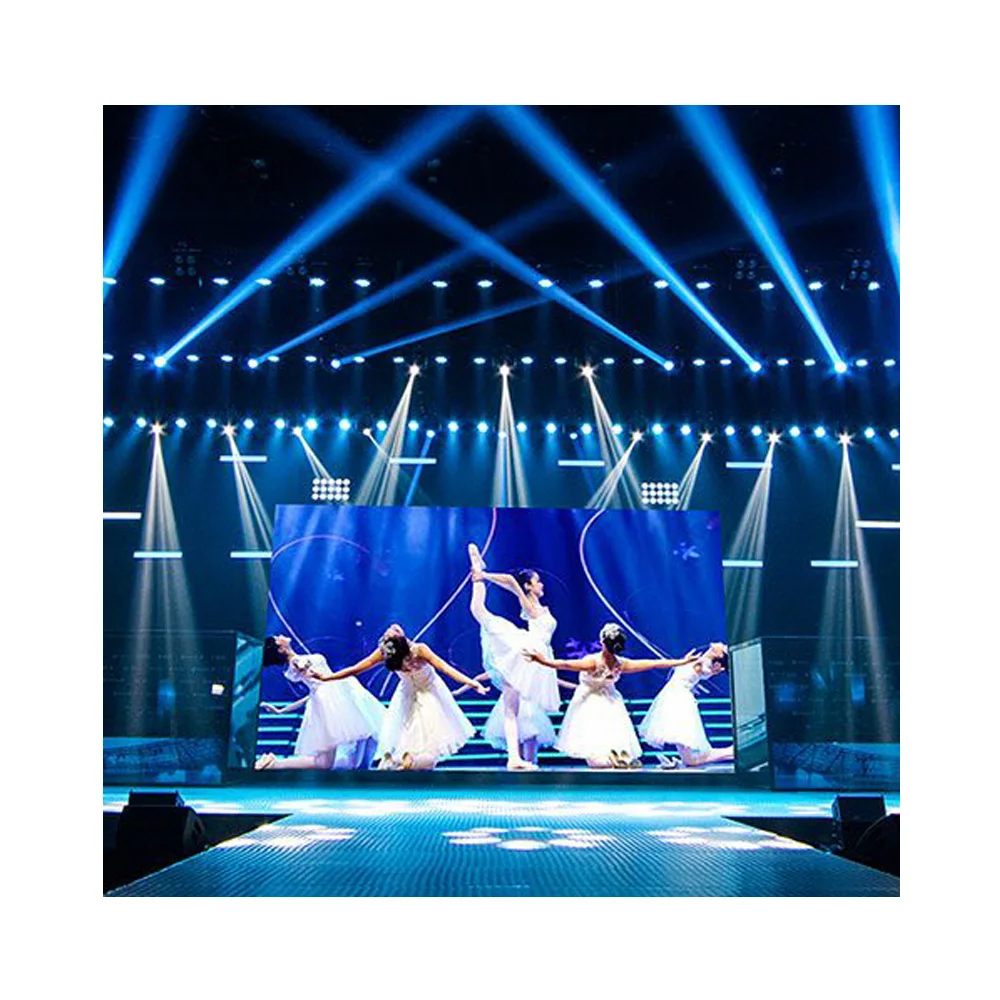
Large-format LED billboard installations are common on arterials, city gateways, and elevated roadside structures.
LED Billboard Specs: What to Lock Before Comparing Quotes
LED billboard performance is not defined by one headline number. Instead, reliability comes from a balanced spec set that survives weather, heat, and maintenance access limits. As a result, the most useful spec work focuses on measurable ranges, clear assumptions, and repeatable acceptance criteria.
Typical LED billboard spec ranges that stay project-ready
Early scoping needs realistic ranges. Otherwise, quotes cannot be compared fairly later. Below are common baseline targets used for outdoor placements, then refined by site exposure and creative needs.
Outdoor brightness: ~5,000–9,000 nits for open daylight locations; higher targets raise heat and power demands.
Ingress protection: commonly IP65 on the front for outdoor faces; rear protection depends on cabinet and enclosure strategy.
Operating temperature: roughly -20°C to +50°C for many outdoor deployments; colder climates may need extra attention to sealing and power behavior.
Refresh rate: ≥ 3,840 Hz is widely used for smooth motion; higher targets improve camera friendliness.
Grayscale and calibration: higher grayscale helps gradients, while calibration keeps color uniform across cabinets.
Service method: front service is often preferred when rear corridors are limited or unsafe.
Surge protection: layered surge devices plus a verified grounding plan reduce storm-related failures.
Those ranges are not a substitute for engineering drawings. Even so, they reduce scope drift during early procurement.
Pixel pitch, viewing distance, and message density
LED billboard pixel pitch should start with the viewing distance map. After that, content style determines how fine the pitch needs to be. For example, bold creative and short copy tolerate larger pitch better. In contrast, dense schedules and small text demand tighter pitch.
A practical rule-of-thumb is simple: minimum comfortable viewing distance often tracks pixel pitch. Still, angle and speed matter too. A fast corridor needs quicker readability, which favors bolder layouts and larger typography.
Pitch vs. viewing distance (practical planning table)
| Pixel pitch (mm) | Typical “comfortable” viewing distance | Where it tends to fit best |
|---|---|---|
| P2.5–P3 | ~3–10 m | plazas, building façades, slower traffic areas |
| P4–P5 | ~5–20 m | urban arterials, mid-range roadside, mixed-use zones |
| P6–P8 | ~8–35 m | elevated faces, larger intersections, faster traffic |
| P10 | ~10–50+ m | highways, long-distance approach corridors |
Once distance is mapped, resolution becomes easier to scope. A larger face with a moderate pitch can look crisp at distance. Meanwhile, a smaller face with wide pitch can look coarse even in ideal light.
Brightness control and contrast under real sun
LED billboard brightness is about legibility, not bragging rights. Continuous maximum output can raise cabinet temperature and shorten component life. Therefore, brightness planning should include both peak capability and typical operating profiles.
A well-tuned dimming curve matters. At night, glare can trigger complaints and reduce message comfort. Consequently, ambient sensors plus scheduled profiles support both compliance and long-run stability.
Contrast also deserves attention. Under harsh sun, reflections reduce perceived contrast. For that reason, surface treatments, masks, and mechanical flatness can improve readability without pushing brightness harder.
Cabinet format, sealing strategy, and service design
LED billboard cabinets affect installation speed, seam quality, and maintenance workflow. Standard cabinet families simplify the steel interface and reduce spare complexity. That advantage becomes obvious during field replacements.
Service method should be decided early. Rear-service designs can work well with a protected corridor. However, many locations lack safe rear access, especially on poles or tight building lines. In those cases, front-service modules reduce downtime and reduce safety risk.
Sealing is not only a rating label. It depends on gaskets, cable glands, drainage paths, and connector protection. As a result, “IP-rated” should be treated as a system statement, not a single part.
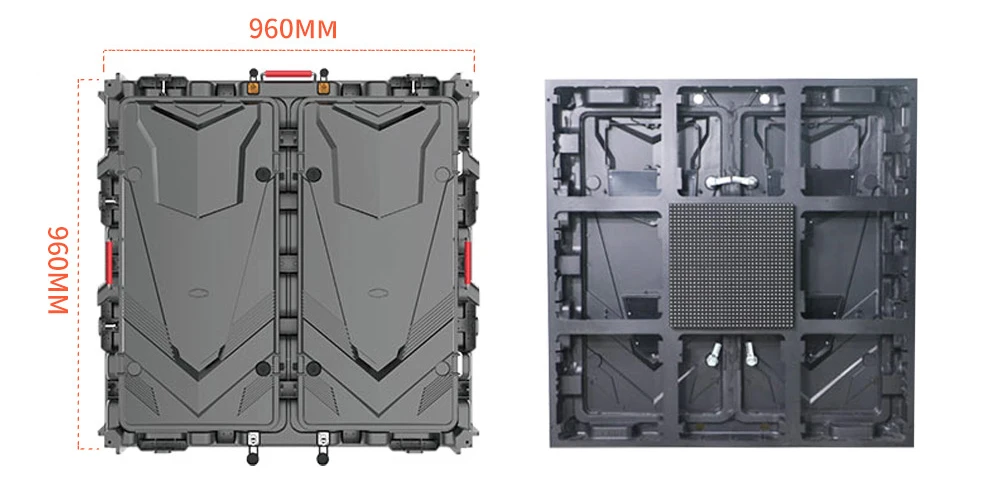
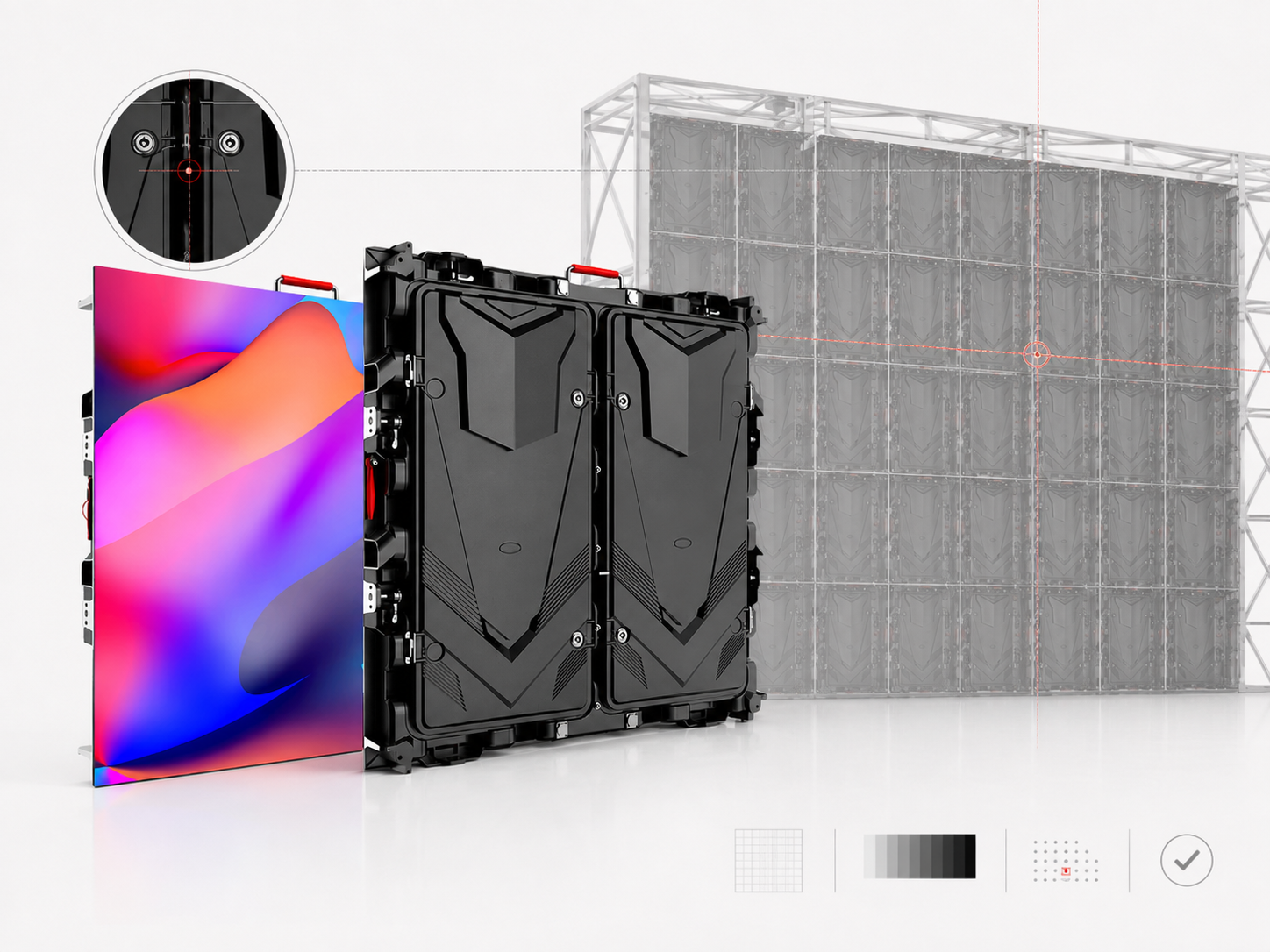
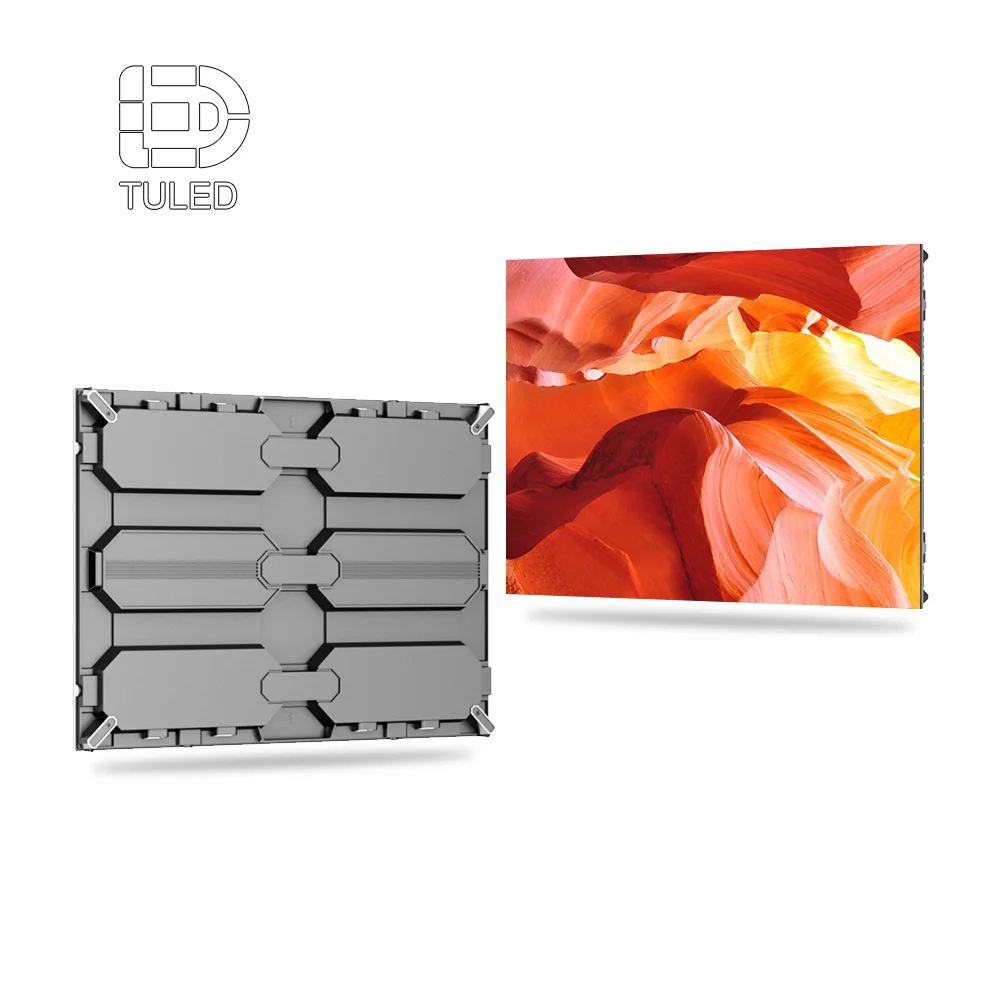
Standard cabinet formats support predictable framing, consistent seams, and simpler spare planning for LED billboard systems.
Refresh rate, scan behavior, and camera friendliness
LED billboard motion quality depends on refresh rate and driver design. Higher refresh rates reduce flicker artifacts and scan lines, especially in recorded footage. At the same time, controller configuration can undermine good hardware if it is set incorrectly.
Grayscale depth affects gradients and shadow detail. Even so, uniformity depends on calibration and stable operating temperature. Over time, thermal cycling can drift color balance, so calibration planning matters.
Power design, thermal behavior, and surge resilience
The LED billboard system should be scoped as an electrical load with a thermal footprint. Peak power draw matters for breaker sizing. Meanwhile, typical draw matters for operating cost and heat.
Heat control is a reliability multiplier. Efficient power supplies, stable airflow assumptions, and good heat spreading protect LED drivers and control cards. In addition, weather sealing should not trap heat without a plan.
Surge protection deserves a dedicated line item. Outdoor structures can see lightning transients and grid events. Therefore, a layered approach is common: panel-level surge devices plus localized protection near sensitive electronics, all bonded to a verified grounding network.
Control chain, content workflow, and monitoring expectations
An LED billboard display can only be as stable as its signal chain. That chain includes the processor, sending hardware, receiving hardware, and network links. For that reason, controller scope should be listed explicitly in the RFQ.
Content workflow also shapes design. Central scheduling supports multi-site consistency. Alternatively, local playback can reduce bandwidth needs and improve resilience during network interruptions.
Monitoring closes the loop. Temperature alarms, power alerts, and module error reporting reduce outage time. As a result, maintenance becomes proactive rather than reactive.
Product pairing: where catalog choices fit LED billboard use
LED billboard projects often combine several product categories rather than a single item. For example, an outdoor face may use fixed-install cabinets, while the surrounding system uses control hardware and protected enclosures.
A practical catalog starting point is the main listing: LED billboard products. From there, selection can align cabinet format, service method, and brightness targets with the site plan.
When panel type selection needs a clearer comparison framework, this internal guide is useful: led wall panels. It helps connect cabinet families to real installation constraints, without relying on vague assumptions.
LED billboard RFQ spec checklist (quote-ready)
A clean RFQ reduces scope ambiguity. It also prevents “hidden exclusions” between offers.
RFQ spec checklist
face size, aspect ratio, and pixel pitch target
brightness range and dimming strategy
IP rating expectations for face and rear
operating temperature range and thermal assumptions
refresh rate target and grayscale expectations
cabinet size, material, and service method
controller chain scope and input requirements
power distribution zoning and protection strategy
spare module policy and replacement workflow
commissioning tests and acceptance checklist
That list keeps comparisons objective. It also shortens the time between quote review and final drawings.
LED Billboard Installation: From Site Survey to Commissioning
LED billboard installation succeeds when the site realities are captured early. Access, routing, and exposure conditions can change the best cabinet choice. Because of that, installation planning should follow a disciplined path that reduces rework.
Site survey priorities that prevent later surprises
A site survey must capture more than dimensions. In practice, the most valuable notes describe exposure and access.
Key items include:
approach distances and off-axis viewing angles
sun path and glare windows
wind exposure class and turbulence zones
crane staging, lift reach, and safe service routes
cable routes for power, fiber, and grounding
space for control cabinets and protected enclosures
Those findings should feed the drawings directly. Otherwise, a “perfect” layout on paper can fail at the curb.
Structure, foundations, and load pathways
LED billboard structures must transfer dead load and wind load safely into the foundation. That load pathway should be documented clearly, especially for pole mounts and tall frames.
Wind is often the dominant outdoor load. Therefore, local wind zone data should drive frame sizing and anchoring details. In some regions, fatigue and repeated gust cycles also matter, particularly on elevated structures.
Access hardware should be part of the structure package. Catwalks, ladders, and anchor points improve service safety. Over time, that planning also reduces downtime because repairs can be performed without unsafe improvisation.
Mounting method and service access strategy
Service strategy should be explicit. Rear access works best with a protected service corridor. However, many pole and rooftop installations lack safe rear clearance. In those situations, front-service cabinets and modular replacement design reduce operational friction.
Clearances should be drawn and verified. A “front service” claim is only helpful when there is tool space, safe lift positioning, and a stable working platform. Consequently, installation planning should include the maintenance posture from day one.
Cable routing, zoning, and labeling discipline
LED billboard outages often trace back to poor routing and unclear zones. Therefore, routing should be planned before cabinets are mounted.
A practical routing plan includes:
separate routes for power and data when feasible
drip loops, sealed glands, and weather-rated junctions
labeled circuits by row, column, or cabinet zone
strain relief and abrasion protection in trays and conduits
Zoning reduces fault impact. If one breaker trip blacks out the full face, troubleshooting becomes slow. In contrast, segmented zones keep partial operation possible during service.
Power distribution and protection planning
Electrical planning should match real operating behavior. That includes peak draw, typical draw, and surge behavior.
A stable outdoor plan often includes:
a main disconnect with lockout capability
circuit protection aligned to the zoning plan
surge devices at panel level and near sensitive equipment
a bonded grounding network with verified continuity
Grounding is not only a safety feature. It also improves system stability during storms. As a result, the grounding plan should be tested and recorded during commissioning.
Data delivery, redundancy, and content distribution
Data delivery can be fiber-based, wireless, or local. Fiber is common for long runs because it resists interference. Managed wireless bridges can also work, although alignment and redundancy become more important.
A redundancy plan is not mandatory for every site. Still, high-value placements often justify redundant data paths and spare controller hardware. In that case, downtime risk drops and recovery becomes faster.
Commissioning and acceptance criteria that stay measurable
Commissioning should prove performance under real conditions. It should also produce records that support future troubleshooting.
Installation acceptance checklist
mechanical alignment and seam consistency
brightness uniformity and sensor behavior
color calibration and stored profiles
signal stability under load, no dropouts
thermal check after sustained runtime
safety checks: grounding continuity and enclosure seals
documentation pack: as-built drawings and test records
That checklist prevents “invisible defects.” It also creates a baseline for long-term operation.
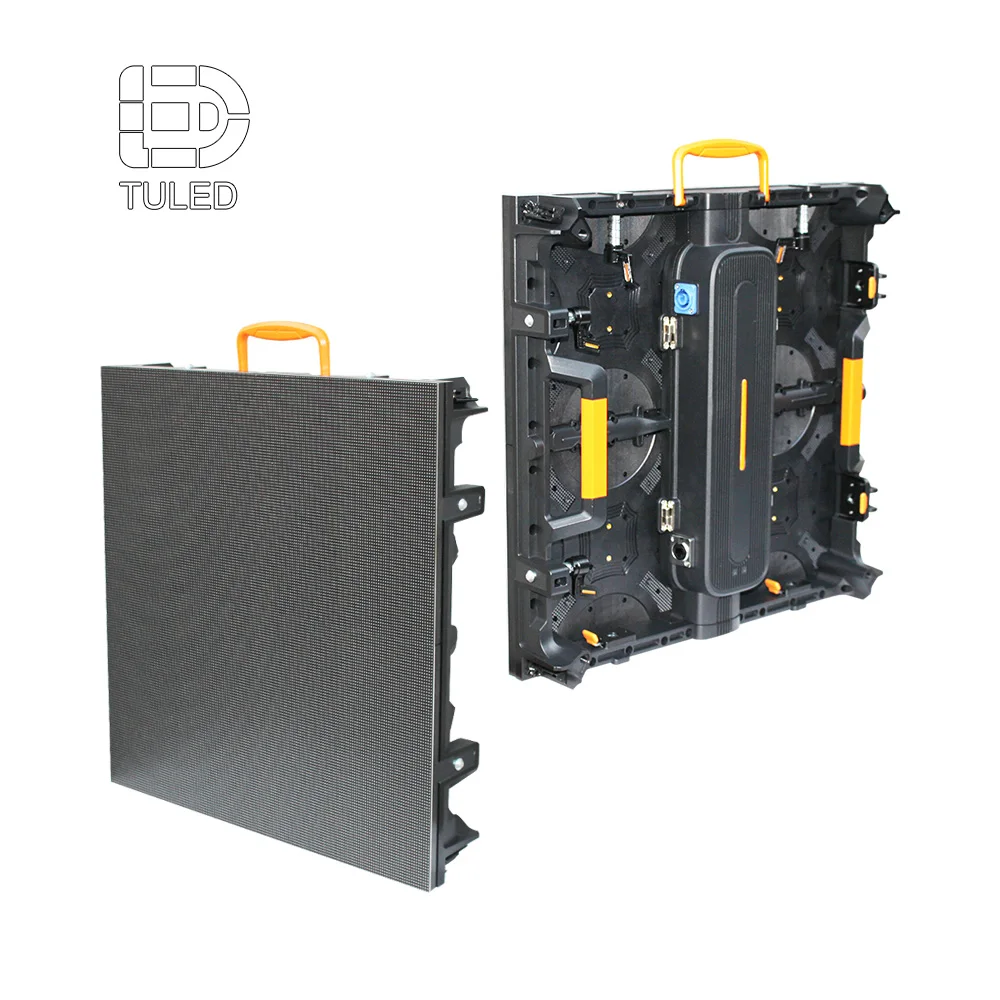
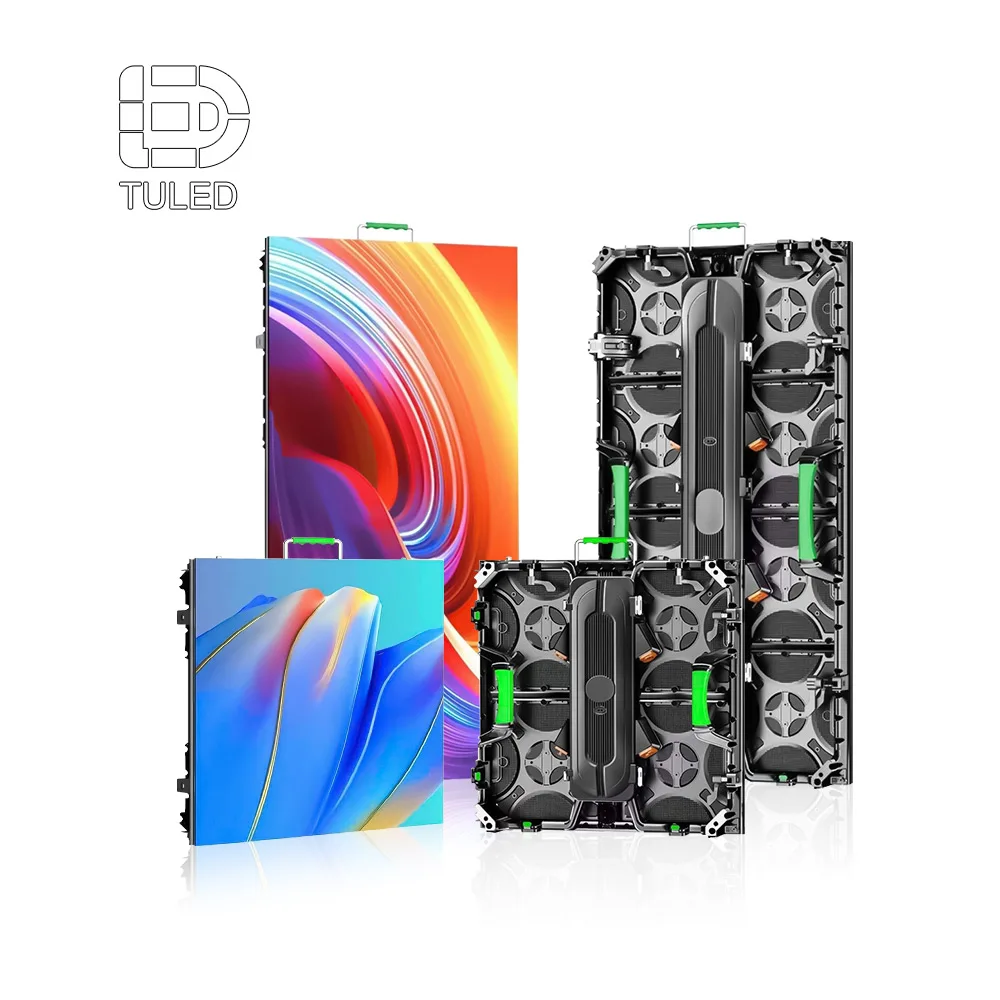
Service-friendly cabinet design helps LED billboard maintenance stay fast, predictable, and safer on constrained sites.
LED Billboard Compliance: Documentation That Keeps Projects Approve-Ready
LED billboard compliance is not an afterthought. It is the layer that protects the build schedule and reduces redesign risk. Because rules vary by jurisdiction, compliance planning should start with a requirement map, then translate into a documentation pack.
Structural approvals and wind-load requirements
Many regions treat LED billboard structures as engineered sign systems. Consequently, drawings and calculations may require formal review.
Common structural items include:
stamped drawings where required
wind-load calculations matched to local exposure and height
foundation and anchoring details
material specifications and corrosion protection notes
inspection checkpoints for anchors, welds, and frame alignment
Where multiple authorities overlap, scope mapping matters. Otherwise, late-stage demands can trigger expensive changes.
Electrical code alignment and inspection readiness
Electrical compliance is about safe operation and safe maintenance. Clear diagrams and labels make inspections smoother. They also help future service work.
A practical electrical compliance set often includes:
single-line diagrams and wiring schematics
breaker and cable sizing notes
enclosure ratings and connector protection details
disconnect labeling and safe access instructions
grounding and bonding drawings with test records
Even when local codes differ, this set reduces ambiguity and improves consistency across builds.
EMC, interference control, and cabling discipline
The LED billboard system uses switching power supplies and high-speed signals. Therefore, interference control can matter near radio equipment and sensitive facilities.
Cabling choices influence stability. Shielding, separation, and clean grounding reduce noise issues. In addition, fiber avoids most interference concerns on long signal runs.
Where EMC evidence is requested, it should be stored with the as-built documentation. That practice supports future expansions and site transfers.
Brightness rules, content rules, and operational controls
Some authorities regulate night brightness. Others restrict motion behavior near intersections. Accordingly, dimming profiles and scheduling policies can become compliance tools.
Ambient light sensors and scheduled dimming help maintain comfortable output after dark. Meanwhile, logging can support operational accountability where it is required.
LED billboard compliance documentation pack (practical)
A documentation pack should support both approvals and operations. It should also stay readable months later.
Compliance and handover pack
site layout and elevation drawings
structural calculations and approval notes
electrical schematics and labeling plan
grounding and surge protection plan
controller and network diagram
commissioning record and acceptance checklist
as-built drawings and configuration backups
This pack becomes project memory. Over time, it reduces downtime and simplifies upgrades.
LED Billboard Price & TCO: Understanding Cost Beyond the Sticker
LED billboard price discussions are often distorted by scope exclusions. For that reason, cost planning should start with a full system stack, then shift to TCO. That approach is calmer than chasing the lowest initial number.
What shapes LED billboard project cost in real builds
A complete cost view includes equipment plus site work. In many projects, structure and electrical work can rival display hardware cost.
A practical cost stack includes:
LED billboard cabinets and modules
controller and sending/receiving hardware
steel structure, catwalks, and access systems
foundations, anchoring, and civil preparation
power distribution, cabling, and protection equipment
networking hardware and connectivity work
drawings, approvals, and inspection fees
installation labor, lifting, and commissioning
Because that stack changes by location, “digital billboards price” comparisons are only meaningful after scope normalization.
Cost composition (simple planning breakdown)
| Cost category | Typical influence on total spend | Notes |
|---|---|---|
| Display hardware | High | driven by size, pitch, brightness class, cabinet design |
| Structure & civil | High | heavily location-dependent; wind zone matters |
| Electrical & protection | Medium–High | quality grounding/surge design reduces failure risk |
| Control & networking | Medium | reliability and redundancy scale cost |
| Permits & engineering | Medium | varies by jurisdiction |
| Maintenance strategy | Medium | spares and access planning prevent expensive downtime |
That table helps separate “cheap” from “incomplete.” It also supports budgeting for full project delivery.
TCO lens: the costs that appear after commissioning
TCO converts a purchase decision into an operating plan. In outdoor environments, the big TCO drivers tend to be power, service time, and failure risk.
Key TCO inputs include:
typical energy draw under real content loops
maintenance time per module replacement
spare module rate and replacement lead time
surge failure risk and climate exposure
calibration and cleaning schedule costs
monitoring tools that reduce outage length
Lower TCO often comes from better service access and better protection. In contrast, the lowest initial offer can shift costs into repairs and downtime.
Where “led billboard for sale” quotes usually differ
The phrase led billboard for sale can describe very different scopes. Some offers include controllers, sensors, and spares. Others exclude them, which pushes costs into later change orders.
Before comparing price, scope should be normalized:
controller chain included vs. excluded
brightness sensors and dimming logic included vs. excluded
spare modules and spare electronics included vs. excluded
warranty scope defined vs. vague
document pack included vs. minimal
That normalization makes price comparisons more honest.
RFQ scope normalization line that prevents bad comparisons
When requesting quotes for a led billboard for sale, scope should be normalized (controller, sensors, spares, warranty, documents) before comparing price. That single habit reduces rework and shortens the procurement cycle.
RFQ question list (clean and comparable)
These questions keep comparisons practical. They also reveal hidden differences early.
What brightness range is supported, and what daytime target is recommended?
What IP rating applies to the front and rear of the cabinet?
What operating temperature range is supported, and what thermal design is used?
What refresh rate and grayscale are standard for the proposed configuration?
Is the cabinet front service, rear service, or dual service?
What spare parts are recommended per screen size (modules, PSU, receiving cards)?
What warranty duration applies, and what is the replacement workflow?
What production lead time is typical, and what spare-part lead time is typical?
What documents are included (drawings, wiring diagrams, test records, certificates)?
What commissioning steps are included, and what acceptance tests are recommended?
That list is intentionally simple. Yet it prevents most “apples to oranges” comparisons.
Warranty and spare planning as cost stabilizers
Warranty terms shape risk. Spare planning shapes recovery time. Together, they act like cost stabilizers over the operating life.
A practical spare approach often includes:
spare LED modules sized to the face area
spare power supplies and receiving cards
critical cables and sealed connectors
configuration backups and calibration profiles
When spares are standardized, outages become shorter. As a result, operating cost stays more predictable.
LED Billboard Maintenance: Designing for Uptime, Not Luck
LED billboards stay profitable when downtime stays rare and short. That outcome depends on preventive routines, accessible service design, and a spare strategy that matches site constraints. The LED billboard system should be treated as a maintained asset, not a “set and forget” device.
Preventive maintenance that protects brightness and contrast
Outdoor surfaces collect dust, soot, and salt residue. That film reduces contrast and can raise surface heat. Therefore, cleaning and inspection should be scheduled rather than reactive.
Common preventive tasks include:
surface cleaning intervals based on pollution level
seal inspection after storms and seasonal changes
connector seating checks on vibration-prone structures
airflow and fan checks where fans exist
thermal spot checks after sustained bright loops
Those steps protect image quality. They also reduce moisture-related failures that appear months later.
Module replacement workflow and service safety
A replacement workflow should be defined before operation begins. It should also match the site’s access reality.
Key workflow items include:
safe lift positioning and working clearance
module removal method and torque guidance
spare module labeling and batch tracking
post-replacement calibration touch-up steps
When the workflow is clear, service becomes faster. Meanwhile, safety risk drops because improvised steps are avoided.
Calibration and uniformity management over time
Uniformity drifts over time. Thermal cycling, component aging, and contamination contribute to change. Therefore, calibration should be planned as periodic care.
A practical calibration plan includes:
baseline calibration record during commissioning
seasonal review of brightness curves
defined recalibration interval for long-run consistency
This planning supports stable brand visuals. It also keeps seams less noticeable during close viewing.
Monitoring and fault detection that shortens outages
Remote monitoring reduces surprise failures. It also turns small faults into planned maintenance tasks.
Useful monitoring signals include:
cabinet temperature and power alerts
module error reporting
network stability and link health
runtime logs and dimming profile activity
With monitoring, response time improves. As a result, the LED billboard system stays closer to its designed uptime.
Common pitfalls that drive long outages
Most failures are predictable. They come from missing decisions, not mysterious electronics.
Frequent pitfalls
service corridor not planned, causing slow and risky repairs
cable routing not zoned, allowing single faults to black out the face
surge protection not layered, increasing storm-season failures
ventilation assumptions mismatched to climate exposure
acceptance criteria missing, letting defects enter operation
Each pitfall has a practical fix. Yet fixes are cheaper during planning than after installation.
When programmable formats fit the maintenance plan
Some placements prioritize rapid messaging updates and schedule-driven content. In those situations, a programmable format can align well with operational needs, especially where text and timing are dominant.
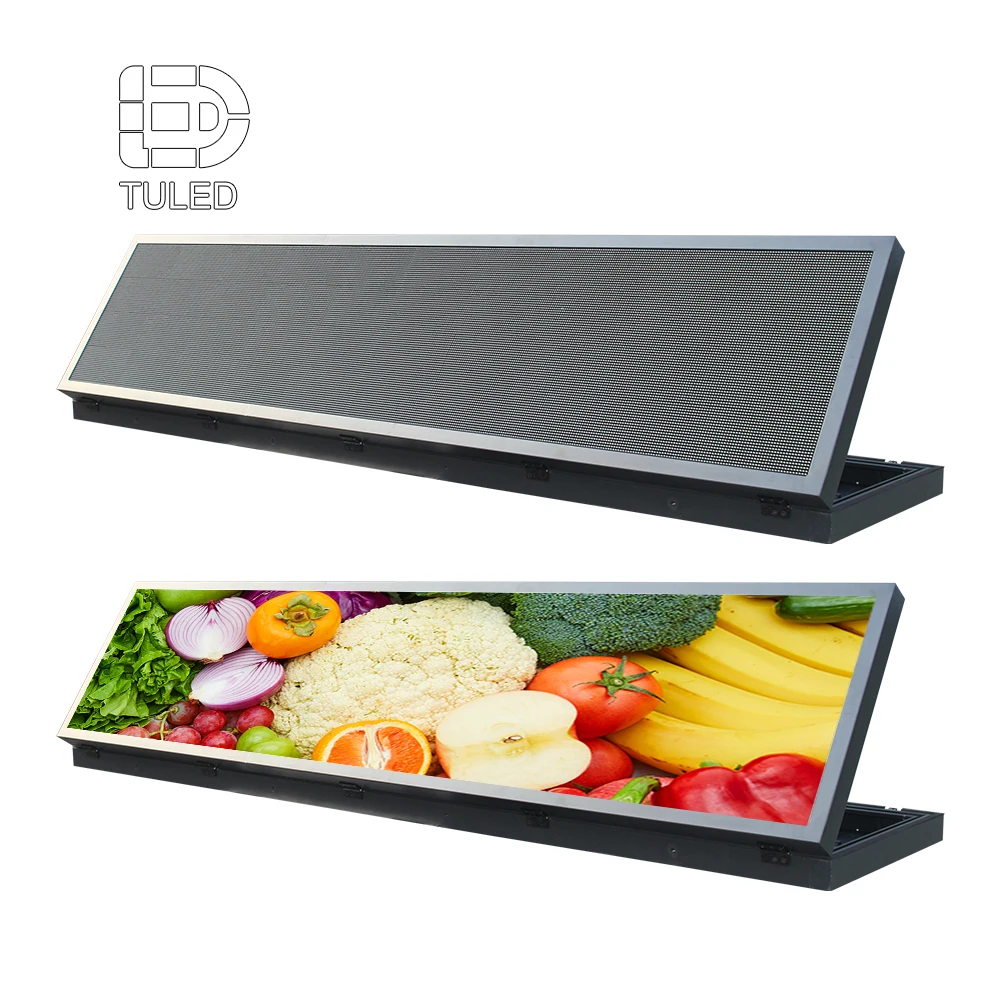
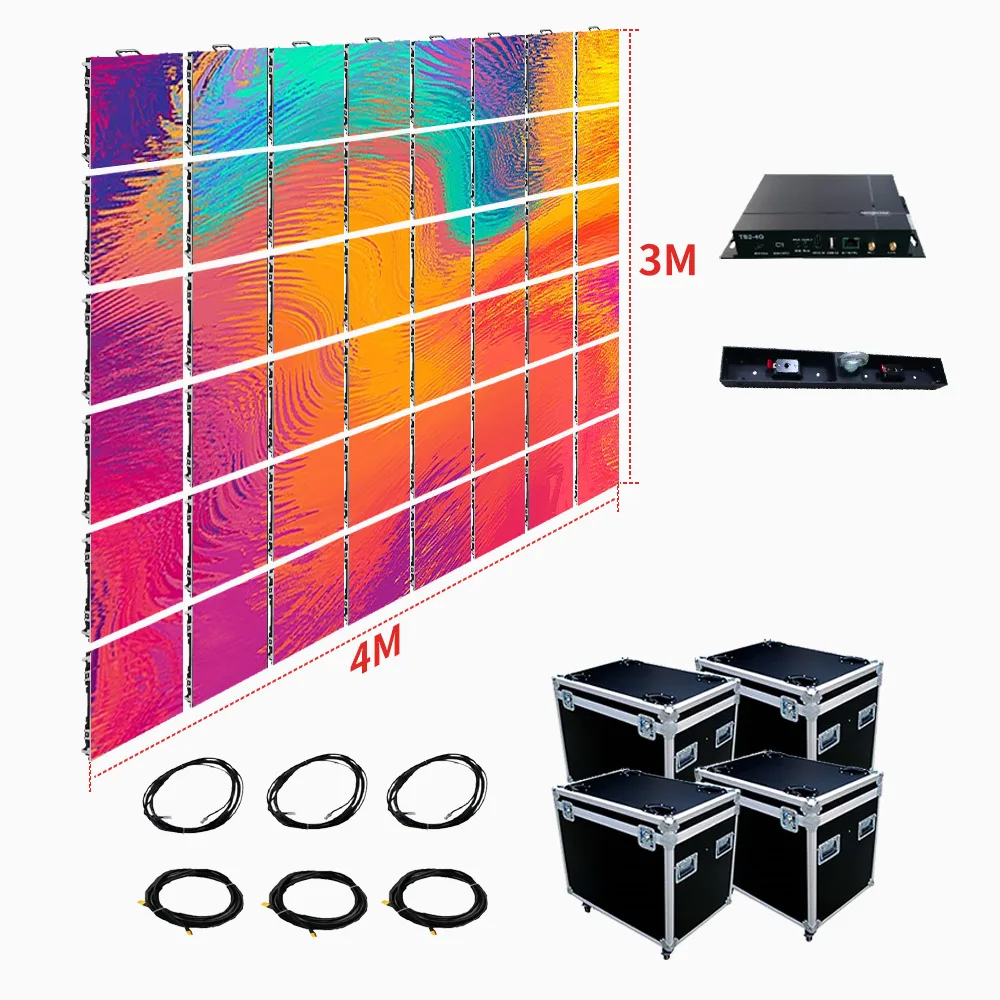
Programmable LED billboard display formats fit frequent updates, schedules, and time-based messaging.
LED Billboard FAQ: Practical Questions for Selection and Planning
1) Which LED billboard specs matter most for daytime readability?
Brightness capability matters, yet contrast and reflection control matter too. In strong sun, surface treatment and mask design can improve readability without pushing heat.
2) How does LED billboard pixel pitch connect to viewing distance?
Distance mapping should come first. After that, content density refines the choice, because small text needs tighter pitch.
3) What makes one LED billboard system easier to maintain than another?
Service access is the main difference. Front-service cabinets reduce downtime when rear corridors are limited or unsafe.
4) Why do two “led billboard for sale” offers show similar size but different cost?
Scope differences are common. Controllers, sensors, spares, warranty terms, and documentation packs often explain the gap.
5) What installation mistake causes the most downtime later?
Missing access space is a major one. Poor cable zoning and incomplete grounding plans are also frequent downtime multipliers.
6) What compliance items usually take the longest to approve?
Structural drawings and wind-load documentation can take time, especially in high-wind zones. Electrical diagrams and labeling can also slow inspections if they are incomplete.
7) How can LED billboard flicker be reduced for camera capture?
Higher refresh rates help, and driver design matters. Controller settings should be validated during commissioning with real test footage.
8) What is a practical spare strategy for a new LED billboard deployment?
Spare modules, power supplies, and receiving cards are common baseline items. Configuration backups and calibration profiles should also be stored securely.
9) How can LED billboard power cost be controlled without hurting visibility?
Dimming curves and ambient sensors reduce unnecessary brightness at night. Content design also matters, because full-white scenes raise power draw.
10) What should be included in a commissioning acceptance checklist?
Mechanical alignment, brightness uniformity, calibration records, signal stability tests, thermal checks, grounding continuity, and sealed enclosure verification all belong on the list.
Conclusion: A Clear Path for Reliable LED Billboard Operation
LED billboards deliver the most value when the fundamentals are locked early. That work starts with measurable specs tied to distance, brightness behavior, and cabinet service method. It continues with disciplined installation, especially zoning, grounding, and commissioning records. Finally, it depends on maintenance planning that treats uptime as a designed outcome.
3 actionable recommendations
Map viewing distance bands and content style before locking pixel pitch and brightness profiles.
Standardize cabinet families, cable zoning, and labeling so service stays fast and predictable.
Require a complete documentation and acceptance pack to support approvals and long-term maintenance.
In closing, a led billboard is most effective when specs, installation, compliance, cost planning, and maintenance strategy are designed as one system.