EN

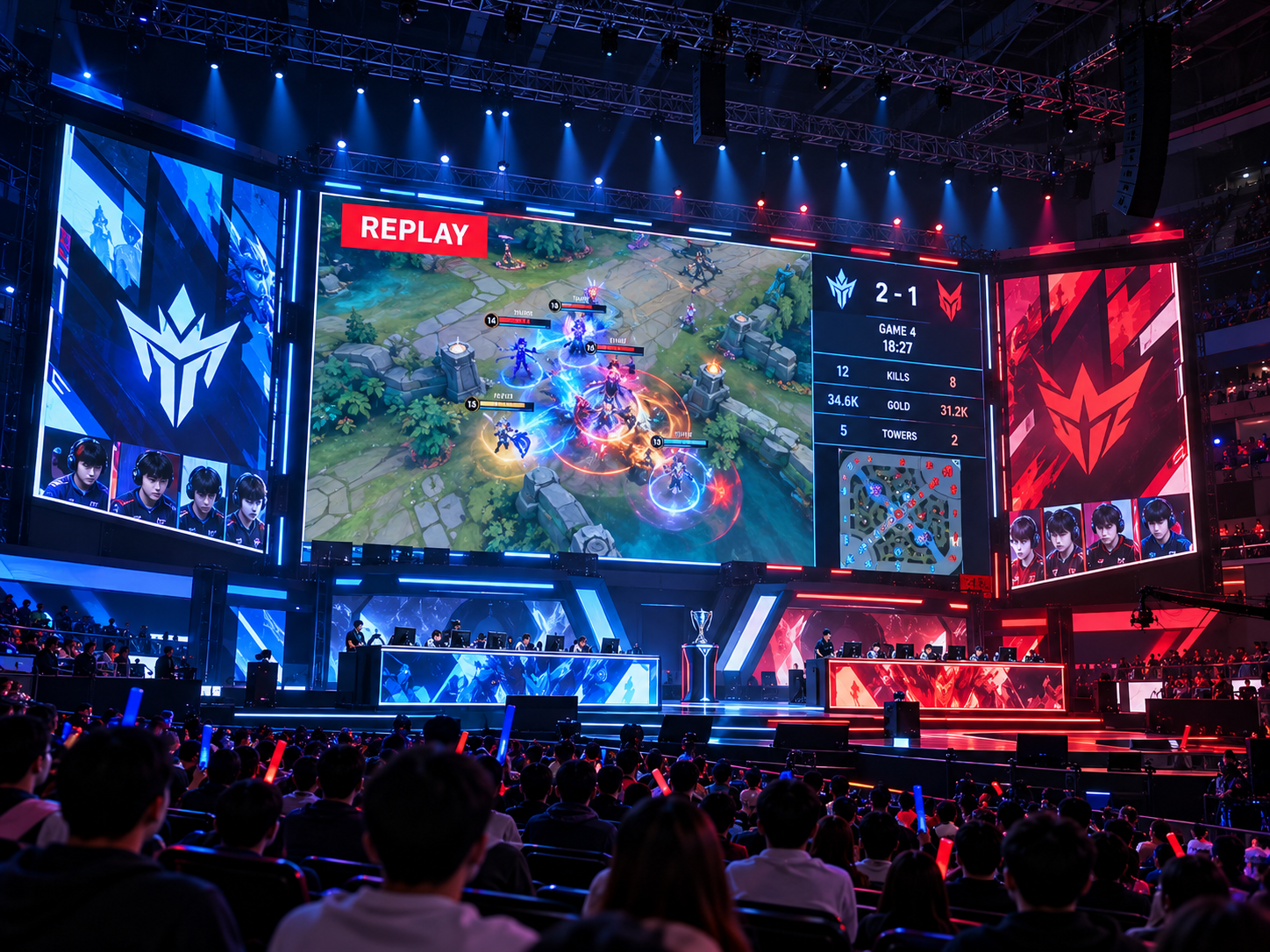
An esports arena screen succeeds when spectators can follow a decisive replay without losing track of the live match. Team branding and match information still need space, but neither should obscure the action or make recorded footage look live.
A practical approach to esports arena LED spectator replay begins with the seating layout, the content assigned to each display, and the production team's control over what appears during a match. The important decision is not simply how large the LED wall should be. It is where spectators will watch from, how replay content is distinguished from live gameplay, and which information needs to remain visible.
For esports venue operators, event producers, and AV integrators, those decisions shape the viewing experience. A single main screen may serve one audience layout, while a wider or less regular seating plan could require additional viewing zones.
Plan replay zones around where spectators actually sit
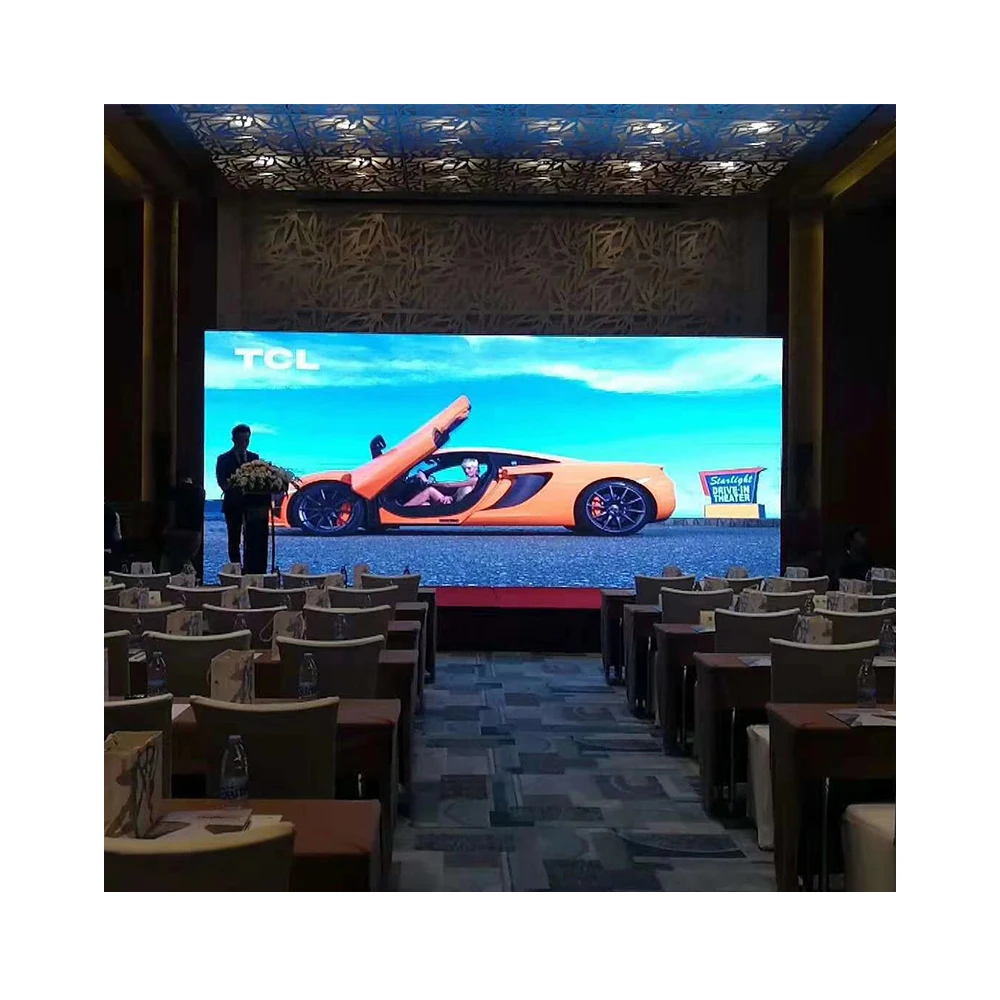
A replay screen should be positioned for the people who depend on it, not simply where it looks most impressive on the stage drawing. Spectators directly facing the main display may have a clear view, while those seated along the sides experience the same footage from a less favorable angle.
That difference matters in esports. A decisive moment may last only a few seconds, and the audience might need to recognize a player position, an objective being contested, or the instant an elimination occurs. If those details become difficult to distinguish, increasing screen size alone does not guarantee a better experience.
One main replay display
A centrally arranged audience may be served by one display if representative match footage remains clear from the occupied seating areas.
Additional spectator zones
Wide side sections, difficult angles, or structural obstructions may justify another screen location or a different distribution of content.
The starting point should be the seating plan, followed by the viewing positions each display needs to serve. This approach also makes discussions with video wall suppliers more specific. Instead of requesting an arbitrary screen size, the project can establish which replay zones need coverage and what image content must remain understandable.
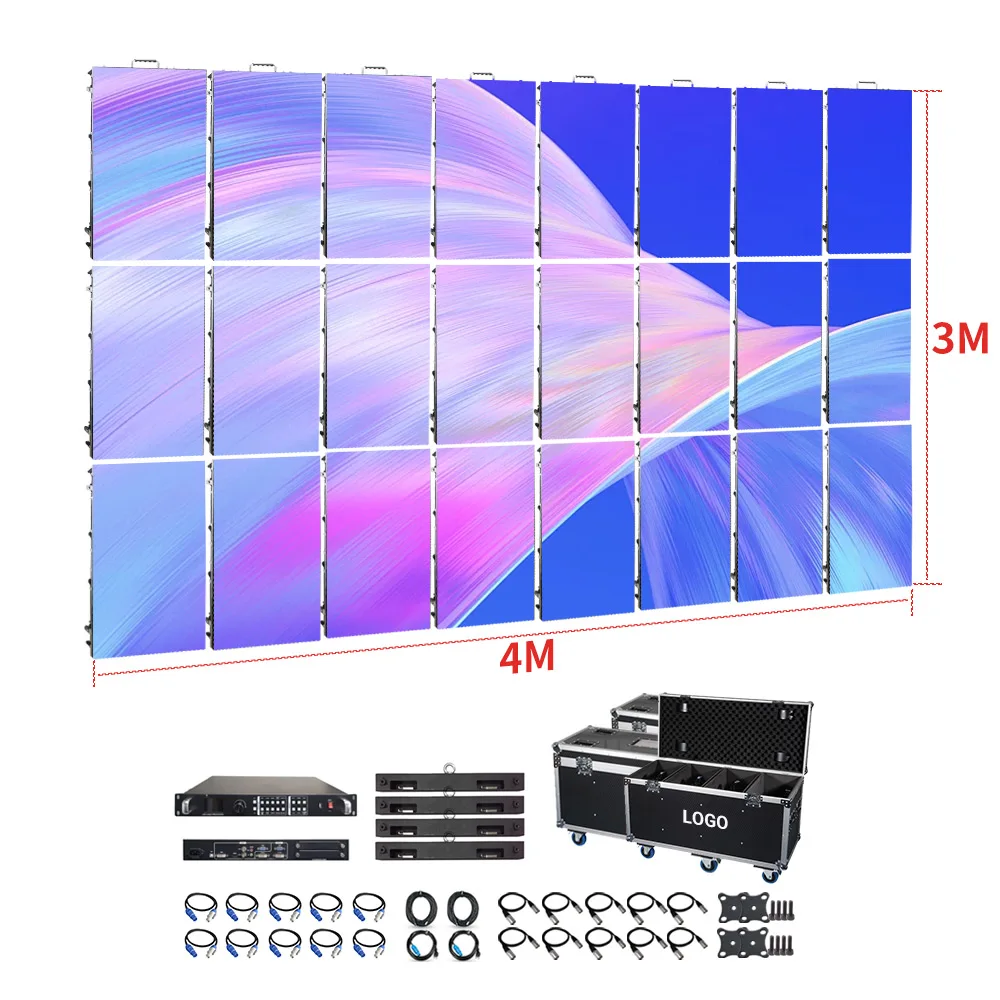
Review modular LED walls against the audience layout
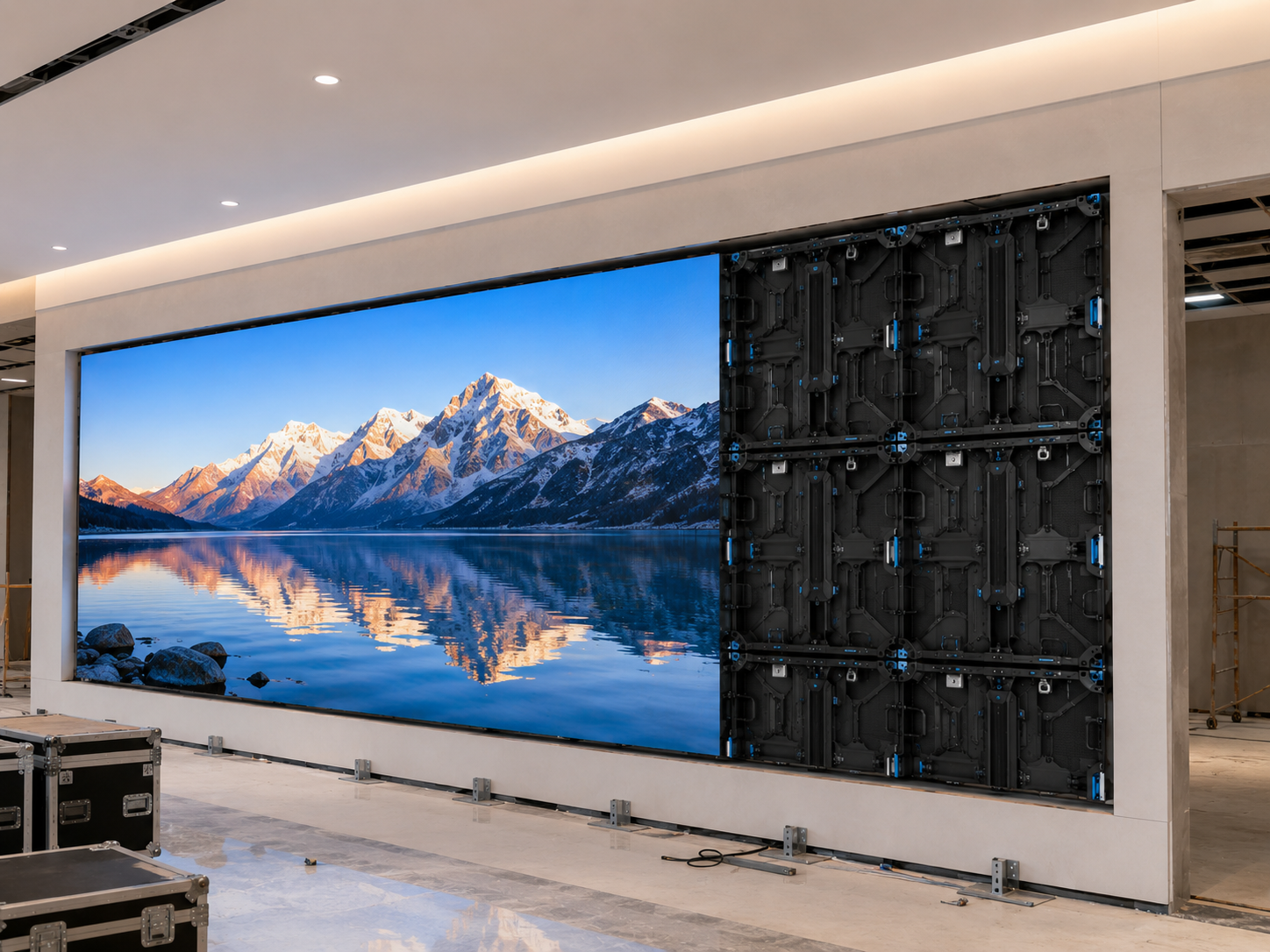
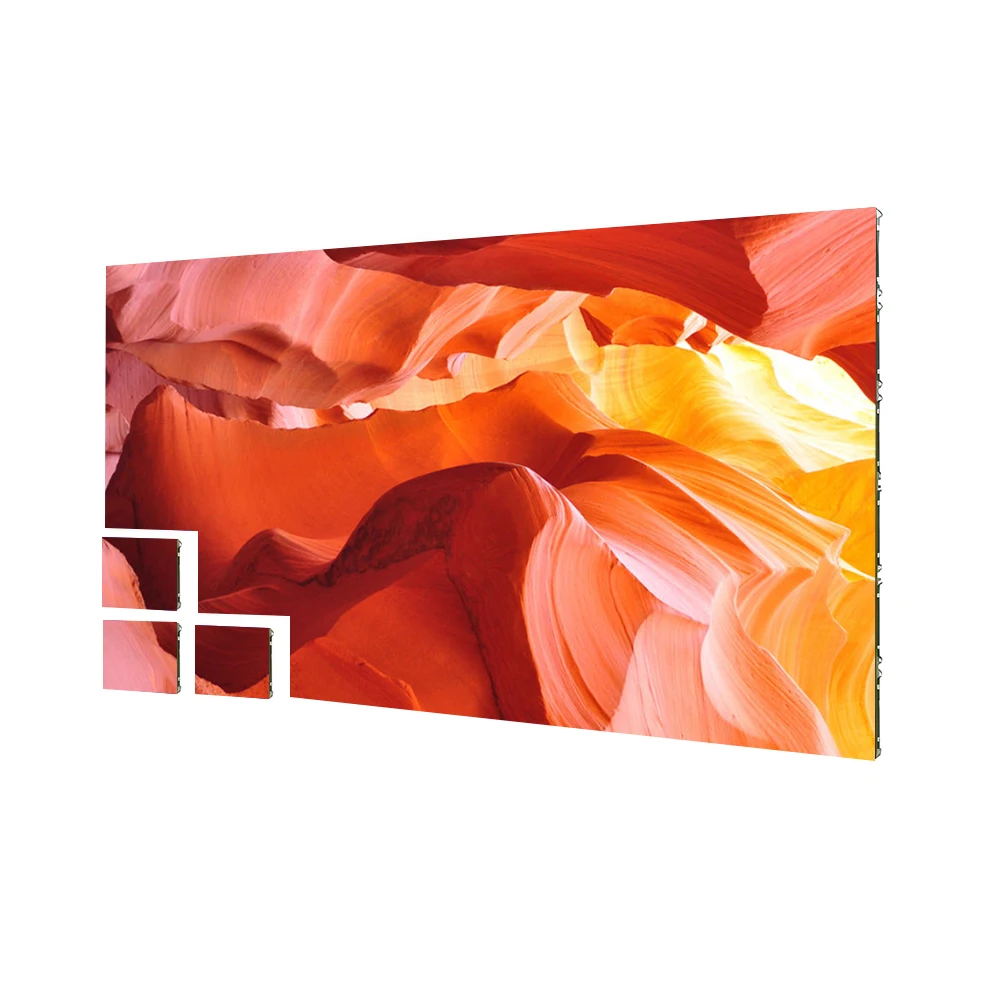
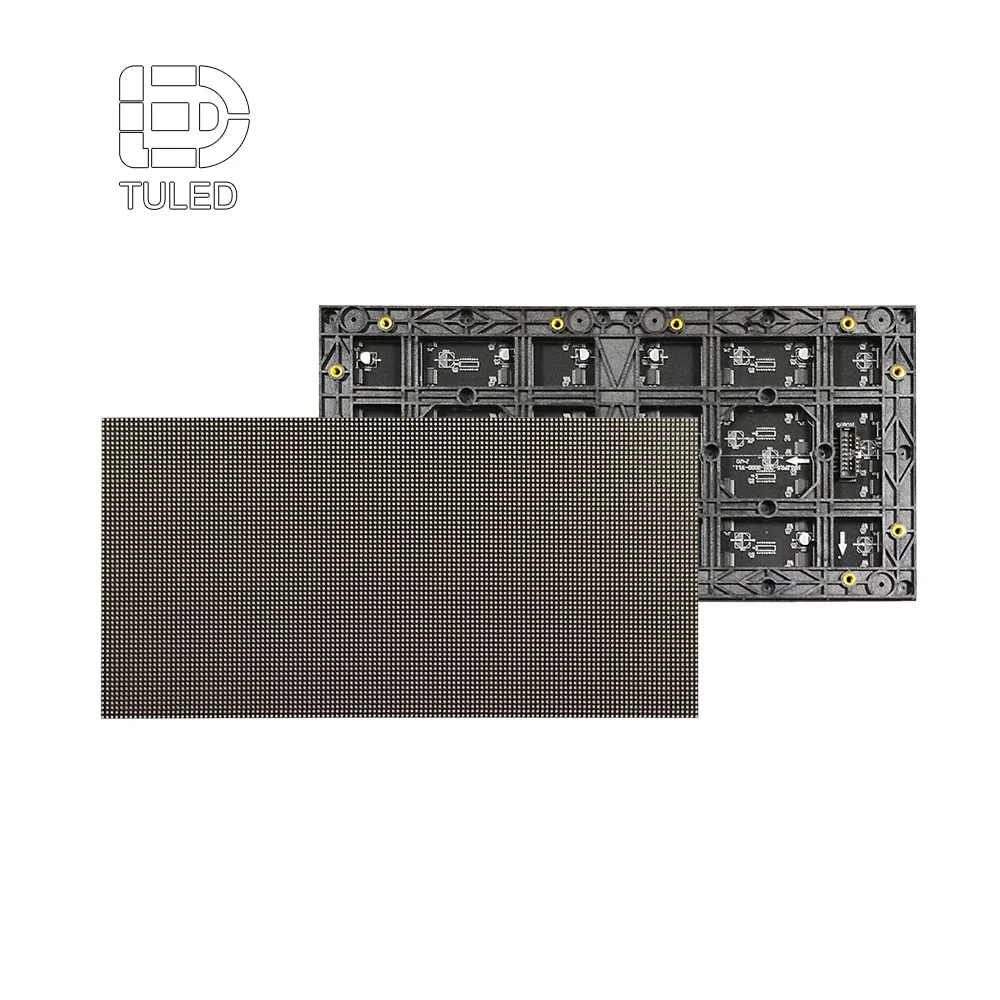
This 500×1000 mm stage LED wall offers a modular cabinet format for evaluating screen layouts in an event venue. Its suitability for a particular esports project depends on the proposed screen geometry and installation requirements.
For an esports installation, the important questions are whether the proposed screen geometry serves the seating sections, whether gameplay details remain visible, and whether the wider production equipment can support the intended content workflow.
The product should be treated as a candidate for evaluation, not as a confirmed solution for every arena.
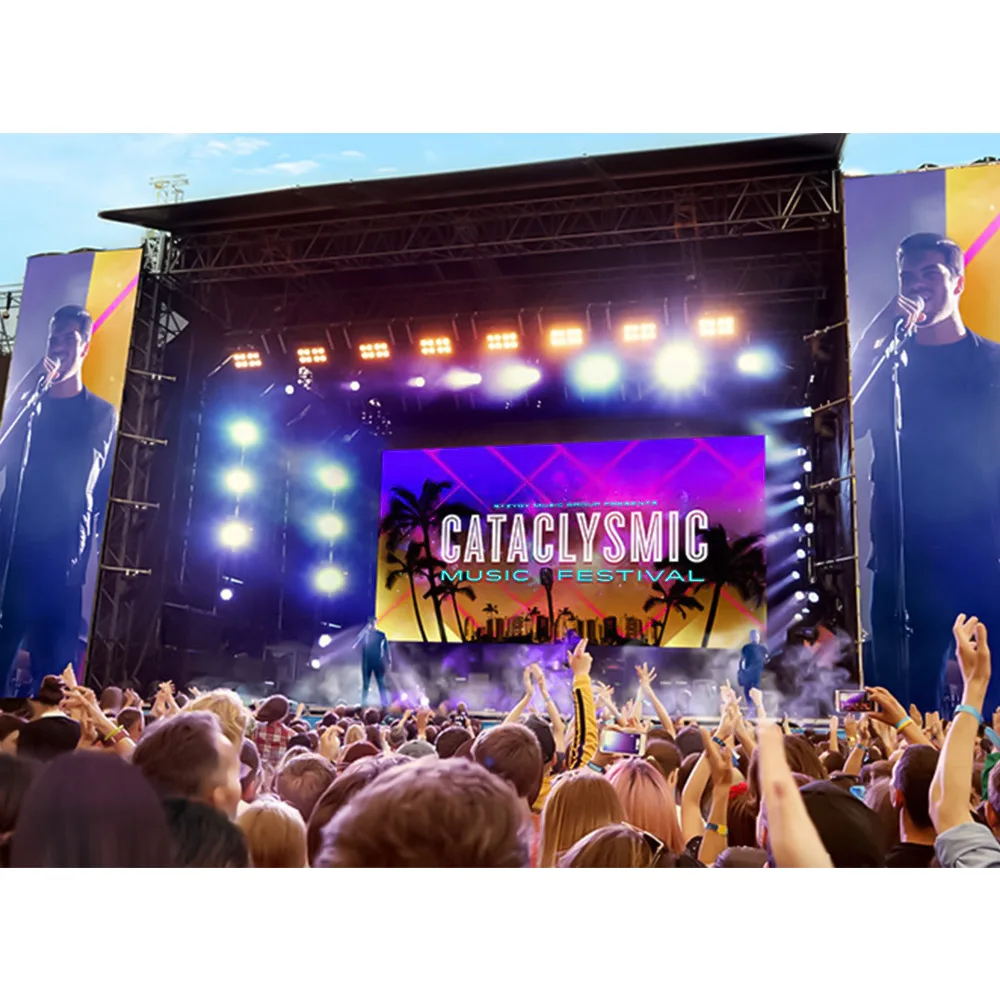
View Stage LED WallFor a permanent venue, screen positioning may be constrained by stage architecture. A temporary tournament setup can sometimes provide more flexibility, although rigging, access, power, and control requirements still need review by the relevant specialists.
Neither arrangement is automatically superior. The useful measure is whether spectators can follow the replay from the areas the screen is intended to serve.
Keep live match state distinct from replays and branding
One of the most confusing moments for spectators occurs when recorded action appears beside information from the live match. Both elements may be accurate, yet their combination can suggest that the replay is happening now.
Imagine a tournament in which an operator replays a decisive elimination while the next round is already underway. If the replay uses the same visual treatment as live gameplay, viewers may misunderstand what they are watching. A current score graphic can make that confusion worse.
A clearly visible REPLAY label and a consistent change in visual treatment help establish context. The production team must also decide whether live match information remains visible during the replay, appears in a separate area, or is temporarily removed.
Team branding belongs within the same editorial decision. Player introductions, breaks between maps, and confirmed results may be suitable moments for larger team graphics. During active gameplay, however, extensive branding can compete with the action and reduce the space available for information spectators need immediately.
Let match conditions determine visual priority
The display does not need to show every available statistic at once. Depending on the game and tournament format, team names, current map, score, or objective state may be essential. Detailed performance statistics can be reserved for a dedicated information segment rather than competing with fast gameplay.
The content team should review actual gameplay recordings and planned graphics before the screen layout is finalized. That reveals whether the visual hierarchy works under the conditions the audience will see, instead of relying on a static design preview.
Check legibility from the least favorable seats
A display can look convincing from the control desk and still be difficult to follow from the outer audience sections. Evaluating only the best viewing position leaves important questions unanswered.
In esports, the audience may need to recognize details smaller than a large scoreboard. Player labels, team indicators, objectives, and fast-changing gameplay effects can all influence whether a replay makes sense.
Check whether important gameplay details remain recognizable at unfavorable viewing angles.
Evaluate the clarity of relevant action and match information from distant occupied positions.
Include areas affected by stage structures, suspended equipment, or other physical obstructions.
Accessible viewing positions should be included as part of the same assessment. The demonstration should use representative gameplay, replay transitions, and the graphic elements intended for the actual tournament.
If a player identifier becomes difficult to read from one seating block, the response might involve changing the graphic layout, enlarging the relevant information, adjusting screen position, or considering another display zone. Increasing the physical screen size is only one possible response.
What really determines readability: the relationship between content composition, viewing position, screen geometry, and the details spectators must understand. A product specification alone cannot replace an audience-based demonstration.
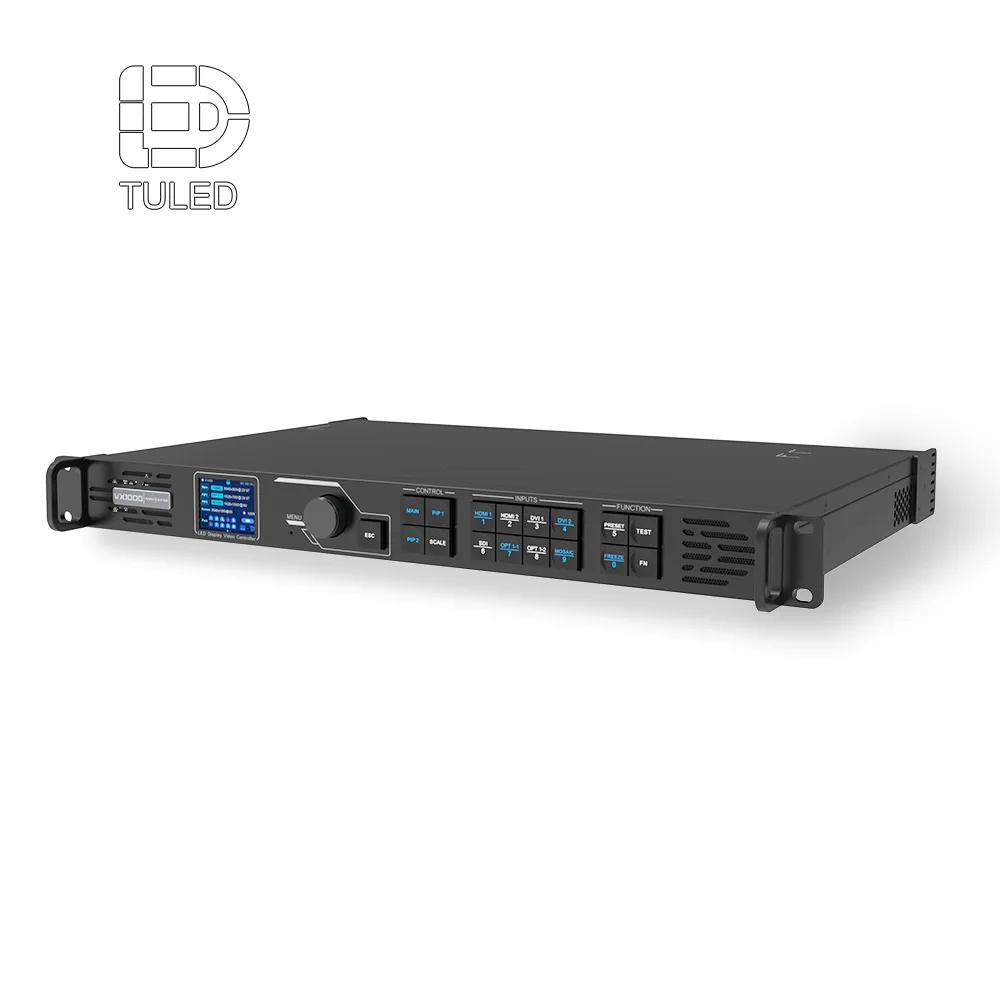
Lighting conditions should also be evaluated in a representative event environment. The AV integrator can then review viewing angle, content mapping, native resolution, and processing requirements against verified supplier documentation.
Assign content timing and source-failure decisions
Once the viewing arrangement has been considered, the next challenge is operational: who controls what spectators see when the replay, match data, and branding graphics are updated at different times?
Esports productions may use separate sources for observer gameplay, replay footage, tournament information, and event graphics. These sources do not necessarily follow the same timeline. An operator may be preparing an earlier highlight while tournament staff are confirming the current score.
If both appear without coordination, viewers can see a replay from one moment alongside information from another. The display hardware may be operating correctly while the combined message is misleading.
Content delay changes the information hierarchy
Where an event uses an intentional content delay, displaying newer match information beside older footage may reveal an outcome prematurely. The production team should determine whether such information remains visible, is delayed, or is temporarily suppressed.
That decision belongs to the approved event workflow. It should not be assumed to be an automatic feature of an LED panel.
A missing source should not leave stale match information
If a match-data feed becomes unavailable, the screen should not continue presenting an outdated value as confirmed live information. Depending on tournament rules, an operator could hide the affected graphic, retain only verified static information, or switch to an approved neutral layout.
The same principle applies when replay footage is unavailable. Responsibility should be assigned before the event so the operator knows who confirms the problem and who approves the next content state.
These decisions keep live match information displays within their proper role: communicating approved tournament content rather than replacing an authoritative tournament data source or a required venue safety system.
Build an event-specific display and data brief
With the viewing zones and content workflow defined, the equipment discussion becomes more focused. The project no longer needs to begin with a general request for a large video wall. It can explain what the screen must show, where it will be watched, and which event conditions need to be verified.
Two proposed display arrangements may look different, yet both can be assessed against the same spectator requirements. That makes the evaluation more meaningful than comparing product photographs or cabinet dimensions alone.
Information worth sending with the inquiry
These inputs are useful to esports venue operators preparing permanent spaces, producers developing an event format, and AV integrators evaluating installation and control requirements.
Review the screen configuration against installation needs
The physical panel arrangement still matters after content planning. Cabinet format, installation access, mounting conditions, serviceability, and the wider control-system design must all be evaluated for the intended project.

Check the cabinet format before finalizing the display layout
The same stage LED wall product provides a reference for discussing physical panel construction and installation requirements. Those details matter when an event display has to fit around stage architecture, mounting restrictions, or service-access requirements.
For esports event producers and AV integrators, the cabinet design should be reviewed alongside the proposed screen position and production workflow. Suitability for a specific installation depends on documented product characteristics and the approved engineering design.
Explore Panel DetailsAt the category level, spectator-facing LED wall panels are worth evaluating against the actual seating plan and content requirements. A category name, however, cannot establish acceptable replay clarity, compatible signal routing, or performance in a particular arena.
A useful supplier proposal should identify which characteristics are documented, which require supporting equipment, and which need further testing. The project team should avoid assuming that a display suited to a general stage application automatically meets the requirements of esports replay presentation.
In esports arena LED spectator replay projects, the strongest display proposal accounts for spectator sightlines and content requirements, with its technical assumptions supported by verified system evidence.
Frequently Asked Questions
How should a replay be labeled so viewers do not mistake it for live action?
Which spectator positions should be included in a demonstration?
What permissions may be needed for match data or replay sources?
Discuss your esports spectator display layout
The next step is to connect the viewing requirements with a practical display arrangement. A clear project brief helps establish what the audience must see, how the screens will be positioned, and which technical characteristics need verification before equipment is selected.
Share the seating plan, sightlines, replay source, data permissions, branding schedule, and content operator responsibilities to support a focused discussion about the relevant LED wall options.