EN

Food processing LED boards can show hygiene alerts and shift targets on the same production line, but their location and message priorities must reflect how that area is cleaned. The practical approach is to map washdown boundaries, give hygiene information priority when attention is required, and position displays where operators can read them without interfering with sanitation.
For food processing LED hygiene alerts, the important decision is not simply how large or bright a screen should be. It is whether the proposed display location, equipment construction and information layout are appropriate for the actual production environment.
A board outside direct washdown exposure may still serve several processing stations. Moving it closer to the equipment could improve visibility but introduce contact with water, cleaning chemicals or surfaces that need regular access. Production managers, hygiene teams and line integrators should understand these differences before choosing a panel configuration.
Map the Washdown Boundary Before Choosing a Display Location
Washdown zones, hygiene alerts and shift targets can coexist when the project separates where information needs to be visible from where a screen can reasonably be installed. The display does not need to sit directly beside every processing station. It needs to be readable from a position that makes sense for the plant's cleaning conditions.
Consider a line where processing equipment receives direct spray during end-of-shift sanitation. Operators may still be able to read a shared display mounted on a nearby wall outside the washdown boundary. Moving the same screen directly above the processing equipment would create a different exposure profile, even though both positions belong to the same production area.
Outside direct washdown
A comparatively protected position may be easier to evaluate when operators can still read the necessary messages. Surrounding conditions and installation details still require assessment.
Within washdown exposure
Direct spray, incidental water contact and cleaning chemicals introduce additional requirements for the enclosure, exposed components and mounting arrangement.
This is why washdown zone display planning should begin with the plant's cleaning map rather than a product specification. The drawing should identify areas receiving spray, possible splash exposure, relevant food-contact separation, normal viewing points and surfaces that sanitation personnel need to reach.
The supporting hardware also matters. Brackets, joints and cable entries can affect how easily surrounding areas are cleaned. A display that is easy to read but makes sanitation more difficult may not be the most practical choice.
At this stage, the manufacturer's LED display product range can help the team compare possible board and panel formats. Final selection should follow the zone map and documented exposure conditions.
The aim is not to place a screen as close as possible to the line. It is to choose a position that provides the required information without introducing avoidable exposure or cleaning-access problems.
Give Hygiene Alerts Priority Over Routine Shift Targets
A production display can carry several kinds of information during a shift, but hygiene messages and routine performance figures serve different purposes.
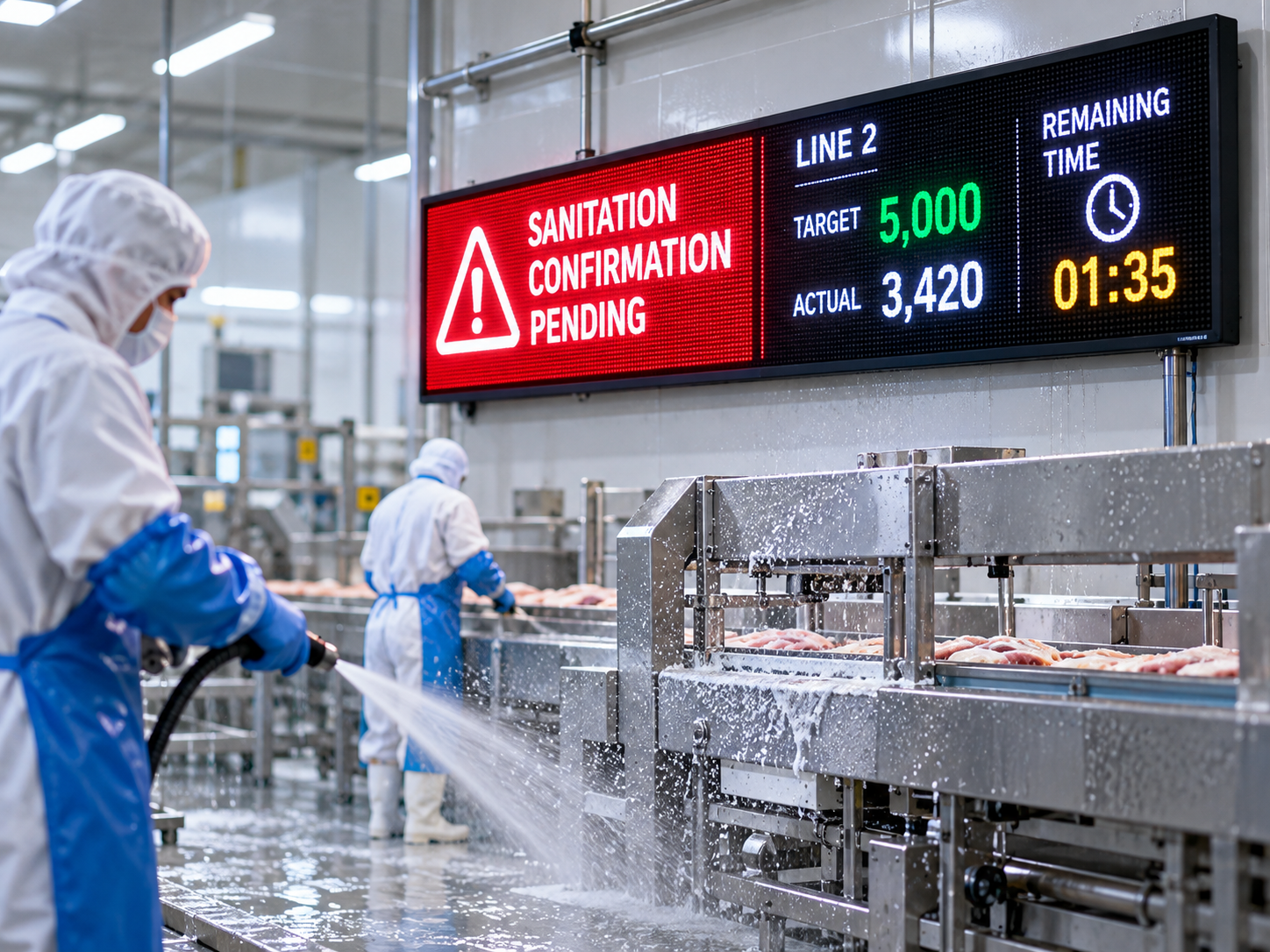
During normal production, a board might show the current output target, completed quantity and remaining shift time. These figures help operators follow progress. A pending sanitation confirmation, however, may change which information personnel need to recognize first.
Imagine a line approaching its scheduled cleaning period while the production target has not been reached. A large remaining-output figure could draw attention toward throughput when the more relevant message is that sanitation confirmation is outstanding.
This is an example of information hierarchy, not an installed system or verified equipment function. The plant must define the actual message wording, priority rules and people responsible for authorizing each hygiene status.
Consider the display format once the message rules are clear
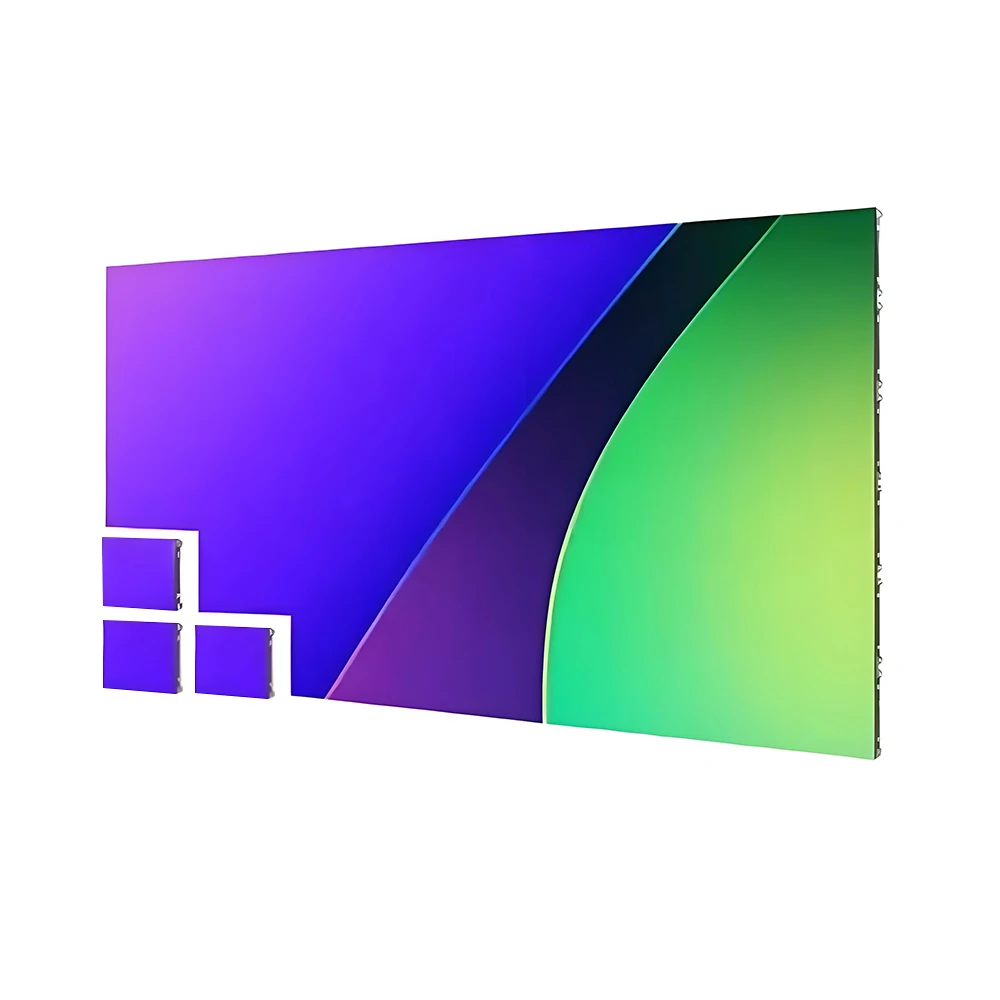
A programmable information board is a relevant product category when the project calls for messages that may change during normal production. The manufacturer's Programmable LED Display Board page provides an example of a physical display format to assess.
 Programmable LED Display Board — manufacturer product gallery reference.
Programmable LED Display Board
This product category is relevant to facilities considering changeable line information rather than a permanently fixed notice.
The plant should still verify the specific message update methods, required priority behavior and environmental suitability for the proposed configuration. A programmable product description alone does not establish an approved sanitation-alert system.
Explore Display Board →An effective hierarchy needs more than the ability to change content. Hygiene notices should be distinguishable through wording, placement and emphasis. Color can help, but operators should not need to rely on color alone to understand the message.
Make missing information different from approval
An unavailable hygiene confirmation must not quietly appear as an approved condition. The plant should determine how missing information is represented and who has authority to resolve it.
Important distinction: The LED board communicates information. It does not independently authorize sanitation clearance or production restart, and it does not replace approved operational control procedures.
Any automatic message switching, scheduling or connection to production data must be checked against the proposed system's documentation rather than assumed from the general term "programmable."
Check Readability Across the Line Without Obstructing Cleaning
A screen may look perfectly readable from the main aisle and still be difficult to see beside the processing equipment. Machine frames, operator movement, viewing angles and the length of the actual message can all influence whether the display is useful.
The proposed location should therefore be assessed from normal working positions, including the points where operators and supervisors need to recognize hygiene information.
Representative content is more useful than a blank demonstration. A short hygiene alert, line identifier and shift output figure can reveal whether the information remains understandable from the intended observation points.
A closer screen is not always the better option
Proximity may improve visibility but introduce cleaning difficulties. A bracket over a frequently washed surface can obstruct access, while cable routes or nearby joints may complicate inspection.
If operators can read the same information from a comparatively protected position, that location may be a more straightforward starting point. If a screen must be mounted closer to washdown exposure, the equipment and mounting arrangement need specific verification.
There is no universal viewing distance or mounting height that resolves every food-processing layout. Readability and cleaning access should be considered together under the actual operating conditions.
Ask for Evidence Against the Actual Cleaning Conditions
Terms such as "waterproof" and "industrial display" do not, by themselves, establish compatibility with a food plant's sanitation process.
The important question is what the screen and its installation components will actually encounter. Water spray, detergents, sanitizers, rinsing and repeated cleaning may create different conditions even between nearby areas on the same line.
The hygiene team should provide the actual cleaning agents and application methods used near the proposed mounting position. The equipment provider can then identify what documentation is available for the specific panel, enclosure, exposed materials and installation arrangement.
A documented enclosure protection rating should not be interpreted as proof of chemical resistance or as confirmation that the complete installation is hygienically suitable.
Reliable information needs a responsible owner
Equipment suitability is only part of the project. The information on the screen must also have a reliable source and clear responsibility.
The hygiene team should define sanitation statuses and confirmation authority. Production management should establish shift metrics, reporting periods and the people responsible for updating them.
Line integrators can translate those decisions into display requirements, but the underlying approval responsibility remains with the plant.
If information becomes unavailable or outdated, the screen should follow an agreed presentation rule instead of silently implying that the previous condition remains current.
That distinction helps avoid confusing a visible message with independent proof that the sanitation activity has been completed.
Prepare a Line-Specific Buyer Brief and Compare Panel Options
Once the cleaning boundary, message priority and viewing positions are clear, the procurement discussion becomes more useful. Instead of requesting a general industrial LED screen, the project team can describe the actual operating conditions that the proposed display must satisfy.
Teams can use the manufacturer's LED Screen Panels category to compare available formats. Suitability for a food-processing location still needs to be established for the specific installation.
A practical supplier brief should cover six areas that shape both the installation and the information displayed.
With these details established, suppliers can assess the intended environment rather than assuming that a general screen description applies to every food-processing location.
Review the physical panel alongside the installation
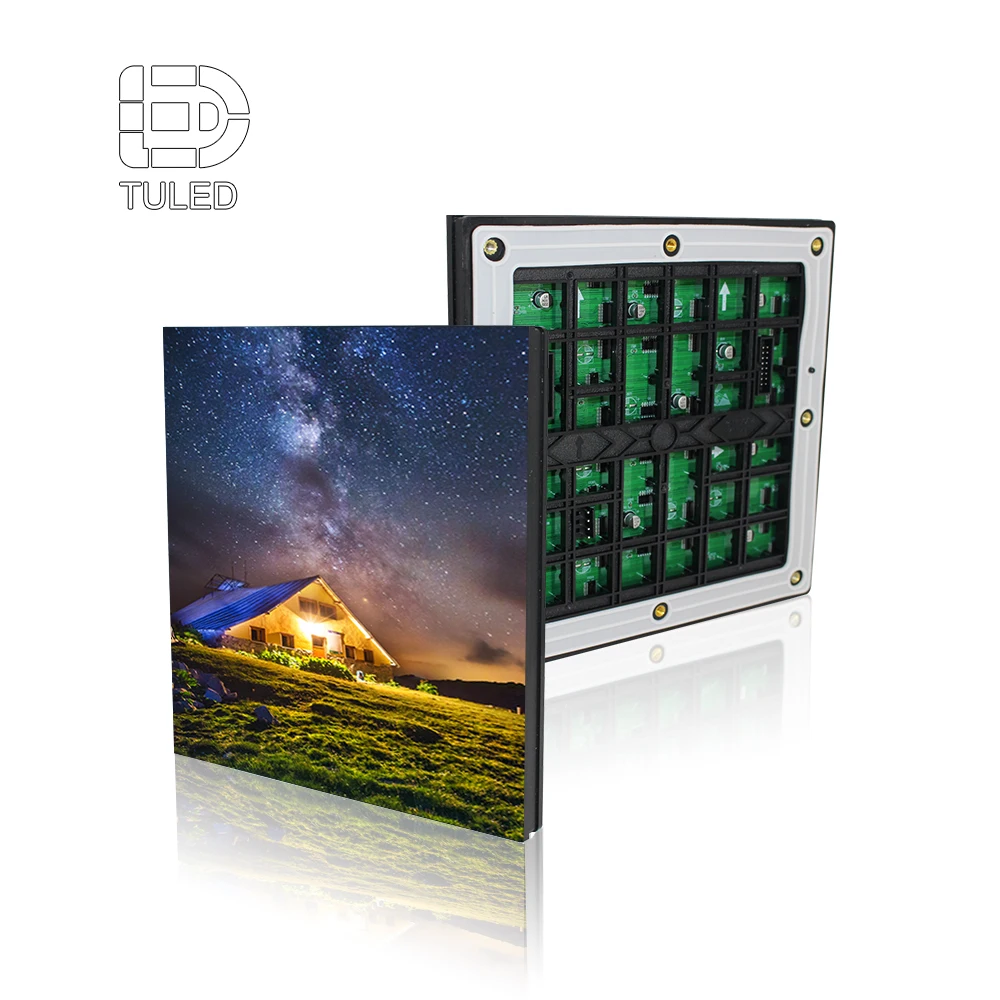
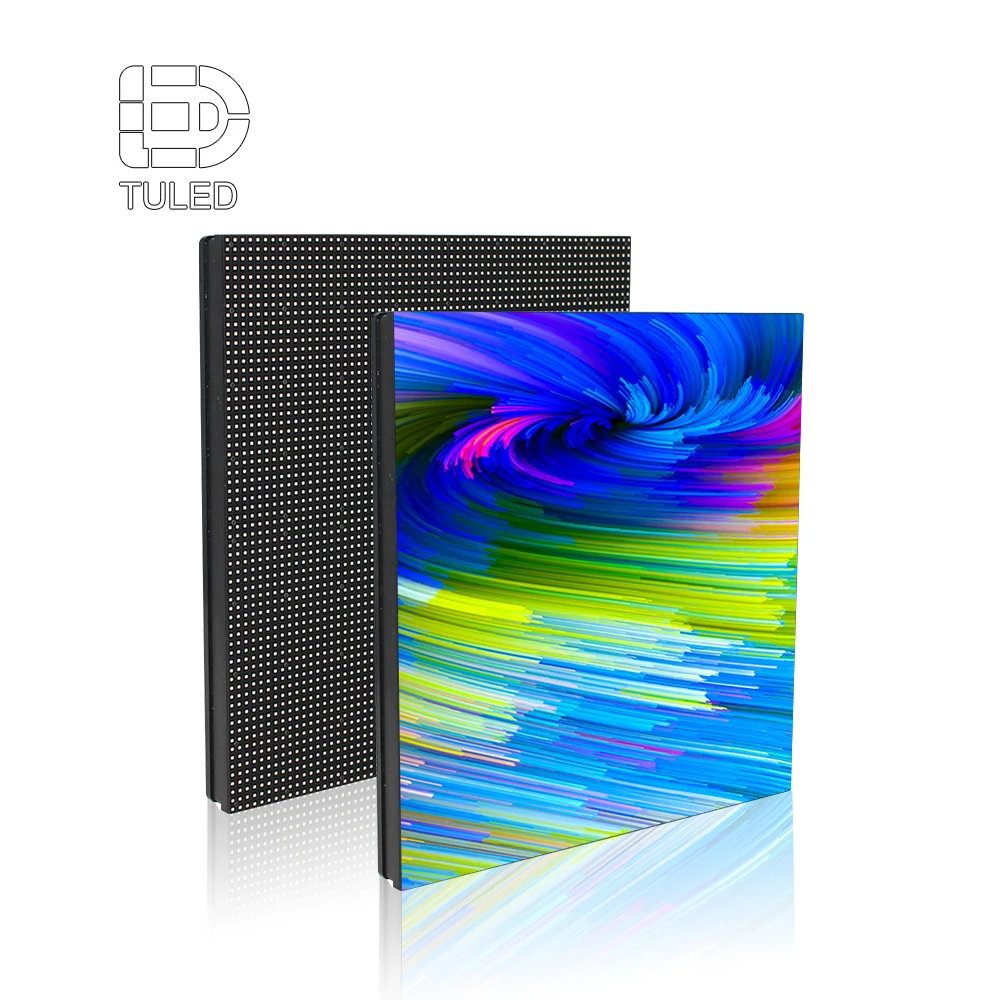
When comparing panel options, the construction and maintenance arrangement matter alongside the intended display content. The manufacturer's LED Display Screen Panel product page provides another physical format to examine during this stage.

LED Display Screen Panel
This product category can help with initial evaluation of screen format, physical construction and installation considerations.
Its suitability for any particular food-processing area must be determined using the documented cleaning conditions and evidence for the proposed configuration.
Explore Product Details →The most useful supplier response separates verified product characteristics from conditions still requiring project approval. A screen may offer an appropriate viewing format yet remain unsuitable for exposure to cleaning chemicals or direct spray.
Likewise, moving equipment to a protected location does not eliminate the need to confirm readability, maintenance access and the actual message behavior.
For line-specific LED screen panels, the aim is to identify a configuration whose installation assumptions, documented capabilities and unresolved limitations are clearly understood before selection.
Food processing LED hygiene alerts are most useful when operators can recognize sanitation information without losing necessary production context or complicating established cleaning procedures. The final equipment decision should follow those conditions, not the assumption that every industrial panel meets the same requirements.
Frequently Asked Questions
Should a display sit inside or outside a washdown zone?
What cleaning details should be included in a supplier brief?
How can shift targets avoid masking a hygiene alert?
Discuss Your Food-Processing Display Requirements
A useful equipment discussion begins with the production environment, not just a screen specification. Share the zone map, cleaning agents and methods, message priority, shift metrics, viewing points and maintenance-access requirements.
These details provide a practical basis for assessing possible display configurations, identifying installation limitations and requesting supporting product evidence before final selection.