EN
EN

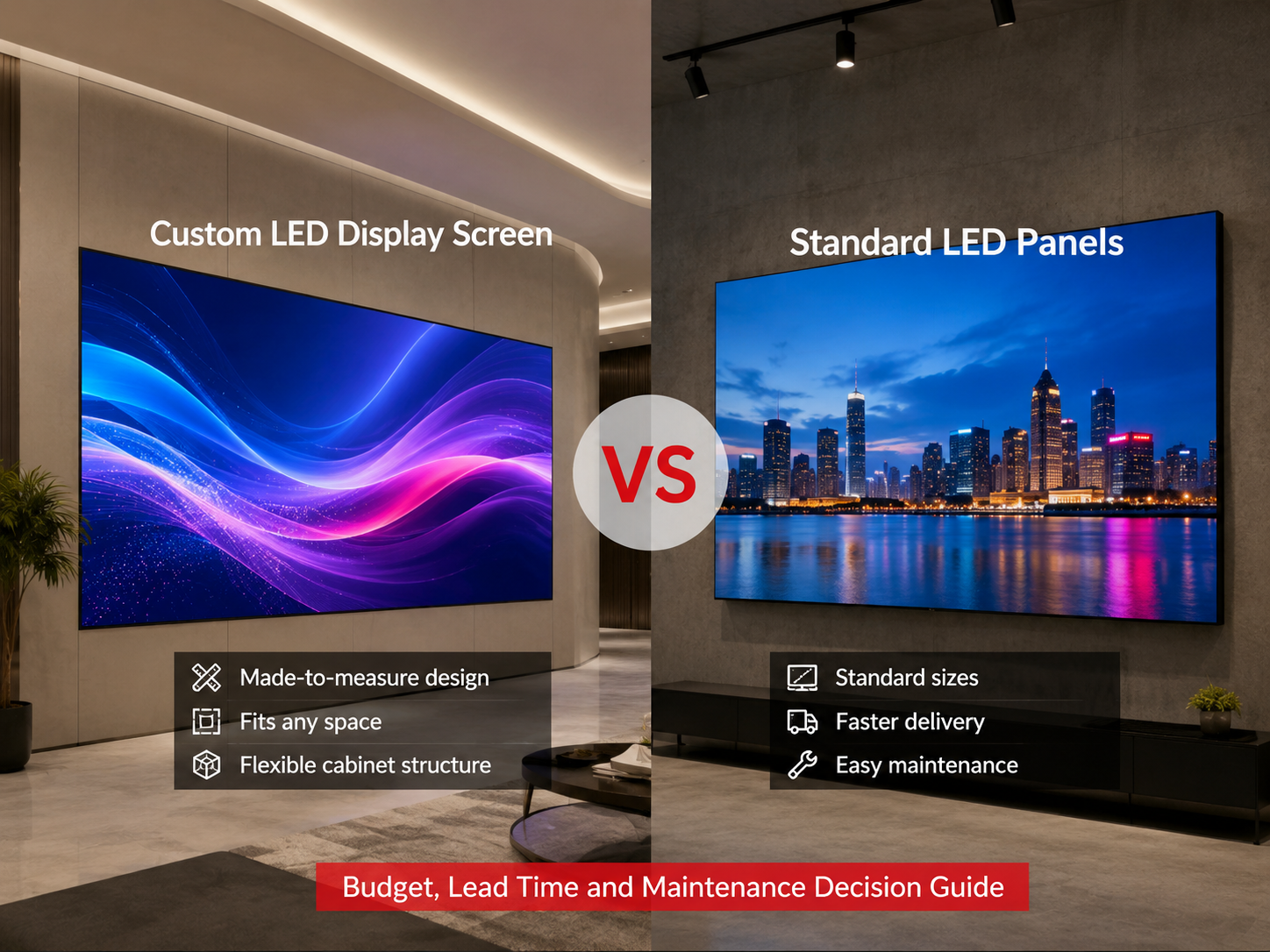
At the early quotation stage, many fixed LED projects look similar. However, the final decision often depends on site size, cabinet depth, service access, delivery schedule, and future spare parts. For early comparison, the custom LED display screen product range helps compare common indoor, outdoor, panel, and LED wall directions before the factory prepares a project quotation.
Therefore, the right choice is not simply “special design” or “standard product.” A practical decision should compare total project cost, cabinet layout, lead time, installation risk, and long-term maintenance. This guide explains when made-to-measure design is worth it, and when standard LED panels are the cleaner route.
Quick Navigation
When Custom Design Is Needed
First, custom design makes sense when the display must follow the building condition. A storefront may already have a fixed frame. A shopping mall wall may include columns, vents, glass edges, or ceiling limits. In these cases, standard cabinets may leave visible gaps or force extra site modification.
Therefore, the decision should not start with screen area alone. Cabinet depth, service direction, cable entry, power box position, and visible edge treatment all affect the real project cost. A made-to-measure layout can reduce installation compromise when the site has strict limits.
Fixed opening size and non-standard dimensions
For example, a renovation project may need to match an old metal frame, stone wall, decorative panel, or recessed area. If the display must sit flush with surrounding materials, cabinet dimensions matter as much as pixel pitch. A small mismatch can create extra trim work on site.
Meanwhile, some projects need a special content ratio. A long public message board, a narrow vertical display, or a brand wall with exact visual balance may not fit standard cabinet multiples. In that situation, custom layout planning can protect the final appearance.
Curved, corner, and architectural screens
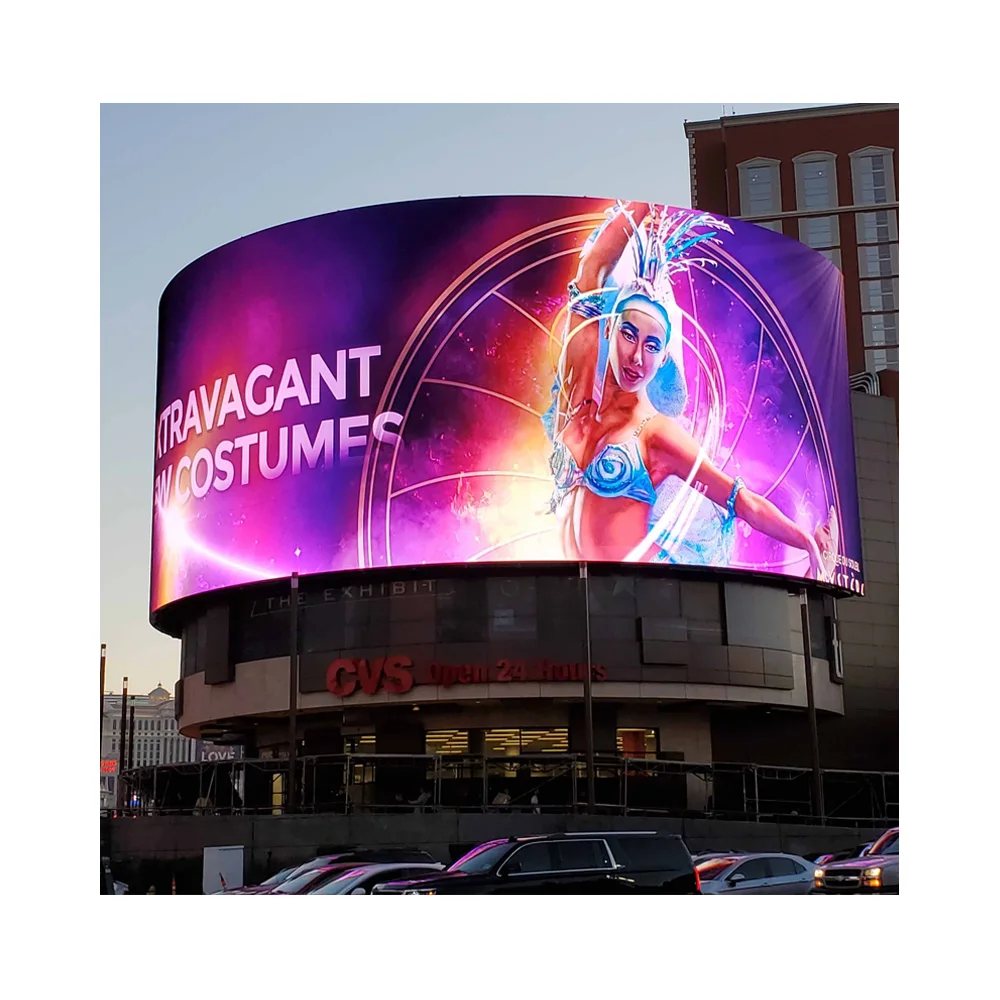
Also, curved LED walls, column wraps, corner displays, and irregular display zones usually need more detailed cabinet planning. Radius, seam direction, module alignment, and service path all affect the final result. If these details are ignored, the screen may look good in a drawing but become difficult to install.
In addition, architectural projects often need cleaner cabinet finishing. Hidden wiring, slim depth, black coating, special brackets, and precise edge alignment may matter more than a small price difference. As a result, custom design is often chosen when the LED screen becomes part of the building design.
When Standard LED Panels Are Enough
However, standard LED panels are often the better choice when the screen is rectangular, the final size is flexible, and the wall allows normal service access. In these projects, standardization can reduce cost, shorten approval time, and simplify future replacement.
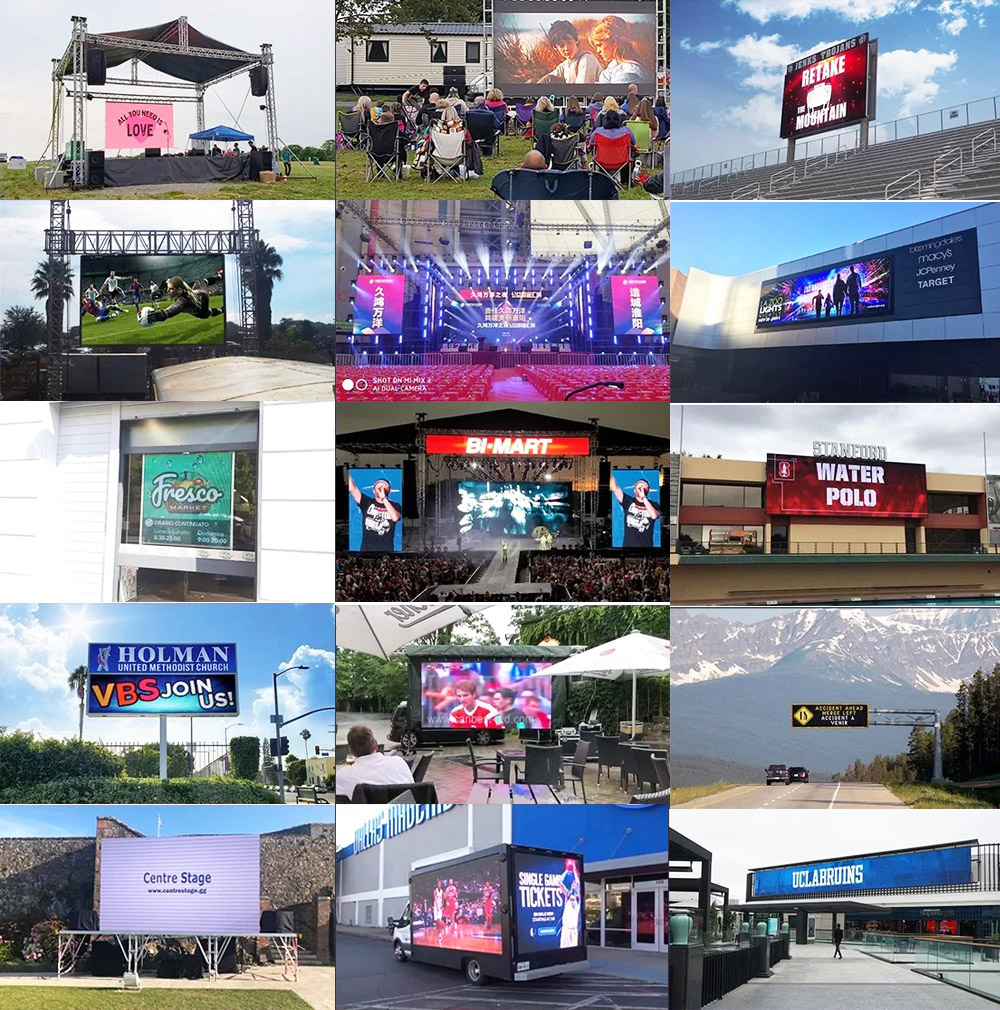
For many fixed indoor and outdoor projects, LED Screen Panels offer a practical route. They are suitable for retail display walls, meeting rooms, factory information boards, showroom screens, outdoor advertising boards, and repeated rollout projects.
Rectangular screens with flexible size
For instance, a display wall may not need exact millimeter-level sizing. If the width and height can adjust slightly to match standard cabinet multiples, the project becomes easier to quote and faster to produce. This approach works well when the wall is open and the visual target is simple.
At the same time, standard panels support repeated specifications. Branch stores, office sites, school halls, and public information screens often benefit from the same cabinet size and spare module type. Consequently, later service work becomes easier to manage.
Simple mounting and normal service access
In addition, standard panels fit projects with flat walls, clear support structures, and accessible cable routes. Rear service can work when there is enough space behind the screen. Front service can also work when the selected standard panel supports front module removal.
Still, standard panels should match the real site. If the wall has no rear access, strict depth limits, hidden cable routes, or uneven structure, the standard route needs careful review before production.
Custom Design Fits
- Fixed opening size
- Curved or corner structure
- Strict cabinet depth
- Hidden cable route
- Special appearance requirement
Standard Panels Fit
- Rectangular display layout
- Flexible final dimensions
- Normal service access
- Repeatable project specification
- Faster delivery target
Budget and Lead Time Differences
Next, budget comparison should not stop at the screen price per square meter. A complete LED display cost includes cabinet design, modules, power supplies, receiving cards, video processor, structure, packing, freight, spare parts, and installation labor.
Custom design usually adds engineering time. Drawings, cabinet layout, power path, signal routing, and service direction need confirmation. However, this extra planning can reduce on-site changes when the installation condition is complex.
Where custom design adds cost
First, non-standard cabinets may require special fabrication, coating, locks, brackets, cable holes, or module arrangement. Curved cabinets and corner sections also need more careful alignment. Therefore, the factory production cost and approval time are usually higher.
Also, custom work needs clearer communication. If site photos, CAD drawings, visible size, opening size, or mounting details are missing, the design may change several times. As a result, the schedule can slow down before production begins.
Where standard panels save cost
Meanwhile, standard panels save cost through repetition. Existing cabinet sizes, regular module layouts, familiar packing, and stable production steps make quotation and delivery more predictable. This is why standard panels often suit cost-sensitive fixed installations.
However, standard panels only save money when the site accepts them cleanly. If the installation team must rebuild the frame, hide large gaps, or solve access problems on site, the initial saving may disappear.
| Decision Factor | Custom Design | Standard Panels |
|---|---|---|
| Initial cost | Higher when special cabinet work is needed | Usually easier to control |
| Lead time | Longer drawing and approval stage | Faster when specification is clear |
| Installation risk | Lower for strict site conditions | Lower for open flat walls |
| Spare parts | Needs clear labels and batch planning | Easier to repeat and replace |
Maintenance and Spare Module Planning
In addition, maintenance planning should begin before cabinet selection. LED displays are modular systems. Modules, receiving cards, power supplies, masks, ribbon cables, power cables, and control hardware may need service during long-term operation.
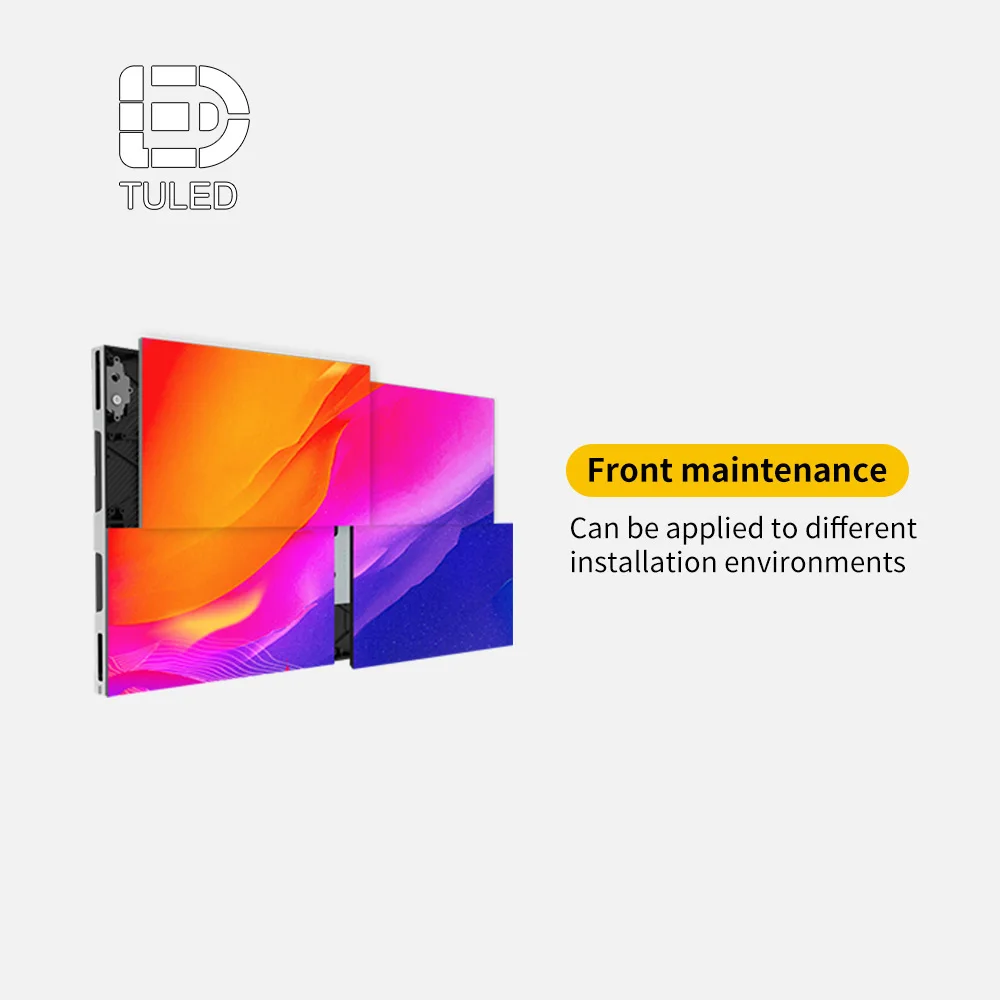
Therefore, the service path should match the site. A screen can look clean on day one but become expensive if faulty parts are hard to reach. Front maintenance, rear maintenance, spare module quantity, and cabinet labels should be confirmed before shipment.
Front service or rear service
First, front service fits walls without rear access. It allows modules to be removed from the display side. This method is common in retail interiors, lobby walls, meeting rooms, and narrow installation zones.
By contrast, rear service suits outdoor boards, freestanding structures, and locations with a safe service corridor. It can make power supply and cable access easier. However, the rear space must remain reachable after installation.
Outdoor protection and service safety
Moreover, outdoor projects should check dust and water protection before confirming cabinet structure. The International Electrotechnical Commission explains that IP ratings classify protection against solid objects and liquids for electrical enclosures, which is useful when comparing outdoor cabinet requirements. See the IEC IP ratings guide for a simple reference.
Spare modules and batch consistency
Also, spare modules should come from the same production batch when possible. This helps keep brightness and color more consistent after replacement. Standard panels usually make spare planning easier because the module format is repeatable.
For custom displays, each special section should have clear labels. Curved cabinets, corner sections, and special-depth cabinets may not be interchangeable. Consequently, packing labels and project drawings become part of the future service plan.
Recommended Selection Path
In practice, the best route becomes clearer when the project is grouped by site condition. This section can help move from general comparison to a quotation direction.
- For fixed openings, curved walls, narrow cabinet depth, or hidden wiring: request a made-to-measure cabinet layout with drawing confirmation before production.
- For rectangular walls with flexible final dimensions: start from standard LED screen panels to control budget, production time, and spare part planning.
- For shopping malls, lobbies, and storefront renovation: compare the visible area, service method, edge treatment, and content ratio before selecting the cabinet route.
- For uncertain sites: request two options, one standard cabinet layout and one custom layout, then compare cost, lead time, installation risk, and maintenance access.
Project Details to Send Before Quotation
Meanwhile, a clear project brief helps the factory compare standard panels and made-to-measure design faster. Instead of sending only a rough size, the inquiry should include the details that affect cabinet design, control method, packing, freight, and service planning.
- Screen width and height, or available opening size.
- Indoor or outdoor application environment.
- Viewing distance and main viewing angle.
- Installation method, such as wall-mounted, embedded, hanging, or freestanding.
- Front service or rear service requirement.
- Cabinet depth limit and maintenance clearance.
- Quantity, rollout schedule, and destination country.
- Site photos, wall photos, side photos, and access photos.
- Content type, such as video, logo, text, retail ads, or public information.
- Equipment needs, such as video processor, sending card, receiving card, media player, bracket, or control software.
Also, photos often explain site conditions better than long text. A front photo shows the wall. A side photo shows service space. A close-up photo shows frame depth, cable route, and surface material. As a result, the first recommendation becomes more accurate.
Factory Support and Product Selection Path
A factory product page should support project comparison, not just display product names. A useful product path helps compare indoor LED display, outdoor LED display, LED wall panels, fine pitch display, LED modules, standard cabinets, and support equipment.
Furthermore, a practical factory reply should explain cabinet layout, pixel pitch logic, service method, power estimate, control system, production time, packing method, and inspection steps. This makes different quotations easier to compare.
In many cases, standard panels are the right answer. However, when fixed size, hidden wiring, strict appearance, curved structure, or limited access creates project risk, custom planning can be the safer route.
Extended Reading and Related Resources
FAQ
Is custom design always more expensive than standard LED panels?
Usually, factory production cost is higher when special cabinets, brackets, drawings, or service structures are needed. However, custom design can reduce site modification and installation delays. Therefore, total project cost should guide the decision.
When are standard LED panels better for fixed installations?
Standard panels are better when the screen is rectangular, the final size can follow cabinet multiples, and the wall allows normal service access. Also, they are practical for faster production, repeated specifications, and easier spare module planning.
How does maintenance access affect cabinet selection?
Maintenance access decides how modules, power supplies, receiving cards, and cables can be reached. Front service suits walls without rear space. Rear service suits structures with a safe maintenance corridor.
What details help speed up an LED display quotation?
Useful details include screen size, indoor or outdoor environment, viewing distance, installation method, destination country, photos, service access, content type, control method, schedule, and equipment requirements.
Can one project compare standard panels and a made-to-measure option?
Yes. A two-option comparison is useful when the site condition is not fully clear. One option can use standard cabinet multiples. The other can use a made-to-measure layout. Then, cost, lead time, service access, visible area, and installation risk can be compared together.
Summary: Choose by Site Fit, Not by Panel Price Alone
In summary, the best LED display route depends on site fit, delivery time, budget control, and long-term service. Standard panels are strong for rectangular screens with flexible size and clear access. Made-to-measure planning is stronger when fixed openings, limited cabinet depth, hidden cables, curved structure, or strict visual alignment creates project risk.
Finally, send screen dimensions, application environment, quantity, destination country, installation method, site photos, service access, content type, and required equipment through the Contact page. Clear details help the factory compare the standard panel route and the custom LED display screen route with fewer assumptions.
- First, confirm wall size, opening size, cabinet depth, and service space.
- Second, compare one standard panel layout and one made-to-measure layout when the site is uncertain.
- Finally, prepare spare modules and cabinet labels before shipment to simplify future maintenance.