EN
EN

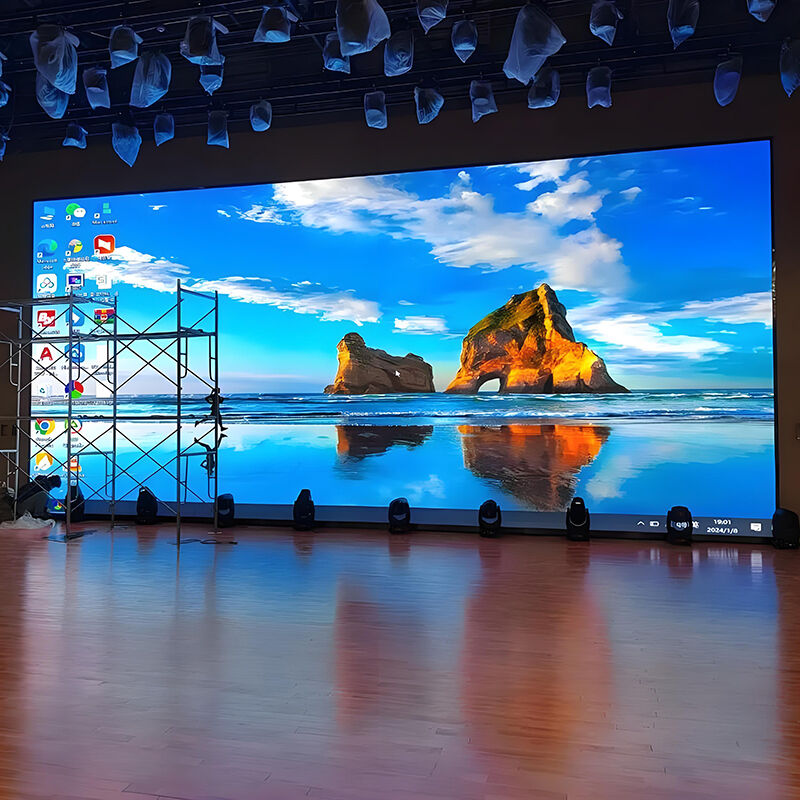
Core Advantages of LED Display Technology
LED screens stand out in three main areas that make them ideal for businesses and organizations looking to upgrade their display solutions. For starters, they save a ton on energy bills since they use around 40 to 60 percent less power than traditional displays according to research by the US Department of Energy's lighting program. That means big savings over time and helps cut down on environmental impact too. When it comes to how well they look, LED displays really shine. They can hit brightness levels above 5,000 nits so text remains readable even under bright sunlight. The contrast ratio gets up to a million to one, which creates those deep black tones and vibrant colors whether someone is viewing in a dark meeting room or outside where the sun is blazing. Another major plus is how long these displays last. Most LED screens have lifespans exceeding 100,000 hours, which works out to about 11 years if running nonstop. This means far fewer replacements and maintenance calls compared to older display technologies. All these factors combine to create better value over time, catch viewers' attention with top notch visuals, and provide reliable performance that keeps looking great for many years without needing constant fixes.
LED Display Types by Technology: SMD, COB, GOB, and Micro/Mini-LED
Understanding LED display technologies is critical for optimal deployment. Four core approaches dominate modern solutions, each with distinct advantages for specific applications.
SMD: The Standard for Indoor Clarity and Cost-Effective Scalability
SMD tech has pretty much become standard stuff for indoor setups these days. The individual RGB diodes get packed into those small plastic cases and then stuck onto circuit boards through soldering. What this means is brighter colors and clearer images when people look at displays from normal distances, especially with pixel sizes as tiny as around 1.2mm. Manufacturers have figured out ways to make production faster and cheaper too, which explains why we see so many big video walls and store signs using SMD components. Budget conscious businesses love this because it saves money without sacrificing quality too much. Still worth noting though, those exposed solder points can be problematic in areas where there's lots of foot traffic or constant vibrations happening.
COB and GOB: Superior Protection and Uniformity for Demanding Environments
When it comes to making displays last longer in tough environments, Chip-on-Board (COB) and Glue-on-Board (GOB) tech are game changers. With COB, manufacturers attach raw LED chips straight to the base material and then cover everything with epoxy. This skips the usual packaging steps and creates a solid surface that can handle all sorts of abuse from dust, water, and accidental bumps. Then there's GOB which takes regular SMD modules and adds this clear, UV resistant coating across the whole display area. The result? Fewer dead pixels, better heat management, and colors that stay consistent even after years of operation. These solutions work particularly well in places like train stations, stadiums, and factory floors where displays need to keep running nonstop despite whatever Mother Nature throws at them. Sure, they might cost a bit more initially, but nobody wants their critical information system going dark during peak hours.
Micro-LED and Mini-LED: Next-Gen Performance in Contrast, Efficiency, and Pixel Density
The latest tech in display technology comes from Micro-LED and Mini-LED solutions designed mainly for high-end applications. These tiny Micro-LEDs, which are smaller than 100 micrometers, produce their own light without needing any backlight source. This means they can achieve those amazing contrast levels we all talk about and actually save around 30% more energy compared to regular LED displays according to tests done at UCSB's lighting lab. Then there are Mini-LEDs sized between 100 and 200 micrometers that work great with existing LCD panels. They create these super dense dimming areas across the screen surface, allowing for much darker blacks and proper HDR effects when watching content. Both technologies manage pixel sizes below 0.9mm so people can view them up close without seeing individual pixels, making them perfect for things like TV news sets or fancy store window displays. While these options do cost more right now, companies looking ahead know that investing in these scalable technologies makes sense for future-proofing their facilities over time.
| Technology | Pixel Pitch Range | Key Strengths | Ideal Use Cases |
|---|---|---|---|
| SMD | ≤1.2mm | Cost efficiency, color vibrancy | Conference rooms, retail signage |
| COB/GOB | 0.7–1.5mm | Shock/dust resistance, thermal stability | Stadiums, factories, outdoor kiosks |
| Micro/Mini | ≤0.9mm | Ultra-high contrast, energy savings | Control centers, luxury retail |
LED Display Classification by Environment and Application
Indoor, Outdoor, and Semi-Outdoor: Matching Brightness (Nits), IP Rating, and Thermal Design
How LED displays handle different environments really shapes what specs they need to have. For indoor setups, most work just fine between 500 to 1,500 nits when there's not too much ambient light around. These usually come with basic dust protection ratings like IP20 or IP30, which isn't much but covers the essentials. When we move outside though, things get serious fast. Displays need way brighter output, somewhere between 5,000 to over 10,000 nits so people can actually see them even in bright daylight. And they absolutely must meet IP65 standards or better to keep dust out completely and withstand rain or splashing water. The outdoor models also need special cooling systems like aluminum heat sinks or fans to stay cool whether it's freezing cold at -20 degrees Celsius or sweltering hot at +50 degrees. There's also this middle ground category called semi-outdoor displays that sit at around 2,000 to 4,000 nits brightness with IP54 protection. We tend to find these in places that aren't fully exposed but still need some weather protection, think building lobbies, covered walkways, or those entrance areas to atriums. This three tier system makes sure screens remain clear to read and physically sound no matter where they end up being installed.
Fixed vs. Rental Deployments: Prioritizing Durability, Modularity, and Service Access
How deployment models shape structural priorities matters a lot in display design. For fixed installations, durability is king. These setups need weatherproof enclosures, frames made from corrosion resistant aluminum, and hardware that stays put for good. They're built to last decades in places like shopping malls or transportation hubs where reliability is non-negotiable. On the other side of things, rental displays are all about being able to move around quickly. Lightweight panels, those handy quick lock connectors that don't need tools, plus mechanisms that let everything come apart fast mean crews can set up and tear down in under two hours flat. Service access remains important across both types, though rental units take it further with front service features so technicians can fix problems mid-event without having to remove entire panels. When deciding between options, look at how long the display will stay in one place. Permanent locations get the most out of fixed displays because they integrate so well over time, whereas temporary needs really benefit from rentals that can be rearranged, moved easily, and scaled up when demand spikes unexpectedly.
FAQ
What are the main advantages of LED displays?
LED displays are energy-efficient, have high brightness and contrast ratios, and boast long lifespans, making them cost-effective and reliable for various applications.
What is the difference between SMD, COB, GOB, and Micro/Mini-LED technologies?
SMD provides color vibrancy and cost efficiency, COB and GOB offer durability and uniformity, and Micro/Mini-LEDs deliver high contrast and energy savings for high-end uses.
How do LED displays vary by environment?
Indoor and outdoor LED displays differ in brightness levels and environmental protection (IP ratings), ensuring visibility and durability in various settings.