EN
EN

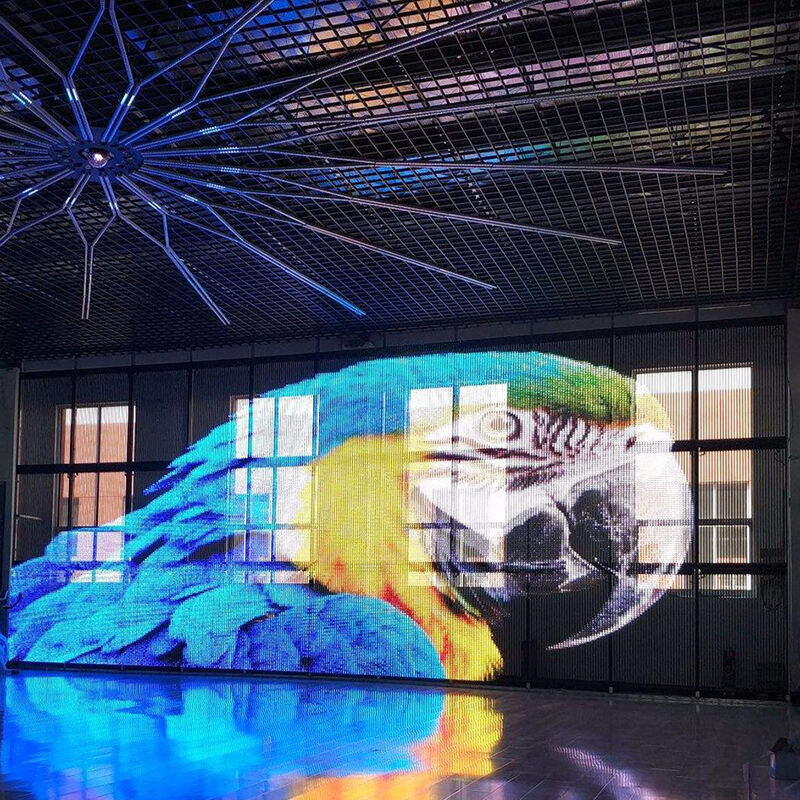
What Is a Transparent LED Display? Core Technology and Design Principles
How transparent LED displays work: Light transmission, pixel architecture, and structural transparency
What makes transparent LED displays so unique is how they create that see through look using three main design concepts working together. For light transmission, the secret lies in carefully spacing out those tiny micro-LEDs on clear materials like toughened glass or premium acrylic panels. This setup lets around 70 to 95 percent of surrounding light just go right through without getting blocked. When it comes to pixels, manufacturers rely on SMD tech to arrange the LEDs in loose but precise grids. These arrangements manage to keep images sharp while still letting plenty of light pass through. The actual physical structure gets rid of frames and backplanes completely, removing any dark boxes that would block views. As a result, these displays blend seamlessly into whatever space they're installed in while showing bright, colorful content straight from the LEDs themselves. And here's something different from regular screens: smart controllers adjust each pixel's transparency level on the fly. This means people can still see what's behind the display without losing out on picture quality or accurate colors.
Key performance metrics: Transparency ratio, brightness (nits), pixel pitch, and viewing angle trade-offs
Four interrelated metrics govern transparent LED display performance:
| Metric | Impact | Trade-off Consideration |
|---|---|---|
| Transparency ratio (70–95%) | Determines how clearly background elements remain visible | Higher ratios reduce LED density—and thus resolution—requiring careful balancing with content legibility |
| Brightness (4,000–8,000 nits) | Ensures readability under ambient daylight conditions | Increased brightness typically lowers transparency and raises thermal load and power draw |
| Pixel pitch (P3.9–P25 mm) | Defines minimum viewing distance and effective resolution | Smaller pitches improve clarity at close range but demand tighter manufacturing tolerances and higher cost |
| Viewing angle (140°–160°) | Maintains color fidelity and contrast across wide lateral positions | Wider angles enhance flexibility in public spaces but may reduce peak contrast at extreme angles |
Getting the setup right really comes down to what the display will be used for. Retail windows typically aim for around 80% transparency or higher, with brightness levels between 5,000 and 6,000 nits so products look good but still let light through. For building facades though, designers usually care more about how well the display works from different angles and how much power it consumes compared to just going for the brightest possible output. Managing heat is another big concern too. Most installations need some kind of passive cooling system along with driver components that can handle temperature changes without breaking down. This helps keep the display performing consistently over time and prevents premature failure.
How to Make a Custom LED Display: From Specification to Production
Defining project requirements: Size, transparency level, resolution, and environmental conditions
Getting the technical specs right is really the starting point when developing custom transparent LED displays. First things first, figure out those exact measurements and aspect ratios so the display fits properly into whatever space it needs to go in, especially important if we're talking about installing them in existing storefronts or curtain walls. The transparency level matters too, usually somewhere between 50% and 90%. If the goal is to keep people seeing through the display, then higher transparency makes sense but limits how detailed the images can be. On the flip side, lower transparency allows for better image quality when background visibility isn't as important. Resolution choices depend on how far away people will typically stand from the display. For interactive kiosks inside buildings or window displays, something like P3.9 to P10mm works well. Larger facade installations seen from street level need bigger pixels, around P12 to P25mm. Weather resistance cannot be ignored either. Outdoor displays need at least IP65 or IP66 protection, they have to handle temperatures ranging from minus 20 degrees Celsius all the way up to 50 degrees, and proper wind load testing according to standards like ASTM E1527 is absolutely required for anything installed permanently. Most retail setups end up going with around 70 to 80% transparency and brightness levels between 5,000 and 6,000 nits. Architectural projects tend to focus more on matching natural light conditions, so they'll often specify brightness below 5,000 nits and transparency above 75% to create that seamless blend with surroundings.
Manufacturing workflow: PCB design, SMD assembly, module integration, and quality validation
The custom production process runs through a pretty controlled system from start to finish. We begin with designing special PCBs that work really well for signal quality, handle heat properly, and fit nicely with those see-through materials. When it comes time to put components on these boards, we use machines that grab and place parts with amazing accuracy. These machines position tiny LED chips and driver circuits down to the micron level. After placement, we do our soldering in an environment filled with nitrogen gas because that helps create stronger connections between components. Once all this is done, each module gets covered in a special clear coating that stands up against UV light damage. Then everything goes together into panels that can scale up as needed. Before shipping out, there's one last round of testing to check if everything works properly.
- Electrical testing: Continuity checks, voltage regulation verification, and short-circuit immunity
- Optical calibration: Color uniformity within ±0.003 Cx/Cy deviation across the panel, measured under standardized D65 lighting
- Environmental stress testing: Temperature cycling (−40°C to +85°C), 95% RH humidity exposure, and vibration simulation per IEC 60068
- Burn-in validation: 72-hour continuous operation at rated brightness and ambient temperature to identify infant mortality failures
This end-to-end process ensures <0.2% field defect rates and full compliance with project-specific performance and durability targets.
Selecting the Right Transparent LED Display for Your Industry Use Case
Retail and hospitality: Enhancing storefronts and interactive window displays
The new wave of transparent LED screens is changing how customers interact with stores and restaurants, blending digital content right into physical spaces. These displays attach to storefront windows and show moving images of products, current deals, or brand stories without blocking what's inside the shop. The two-way visibility works well for business owners too. Fashion shops can keep their stock visible while adding seasonal marketing layers on top. Restaurants manage to promote daily specials without losing the view from outside. Some models come with touch capabilities that let people scan QR codes for menus, get details about products, or even make purchases directly from the screen. According to recent market research, businesses using these displays report around 20 to 30 percent more foot traffic than those with regular signs. The animated graphics respond to different times of day, weather conditions, and actual stock levels. What makes them stand out is that they don't block natural light coming through the glass, maintaining the open feel of the space.
Architecture and façade integration: Balancing aesthetics, structural load, and energy efficiency
Transparent LED displays have become something pretty special in architecture these days. They act like smart building skins that combine lighting effects, display information, and even showcase artistic content all at once. The panels themselves are surprisingly light weight too, usually coming in under 15 kg per square meter which means they can be installed right onto regular curtain walls without needing extra support structures. Most architects go for models with around 70% transparency so natural light still gets through and people inside can see what's happening outside. This matters a lot for green buildings and creating spaces that feel connected to nature. When it comes to saving energy, these displays come with several advantages. Newer driver chips work better, they run on low voltage (about 5 volts max), and they adjust brightness automatically based on conditions. All this adds up to roughly 40% less power usage compared to old fashioned LED signs, which helps meet those important environmental standards like LEED and BREEAM. The screens also shine brightly enough during the day (around 6,000 nits) so text remains readable without causing annoying glare. Plus, when maintenance is needed, workers can access the modules from the front side without having to climb scaffolding or tear apart parts of the building facade. Because of all these benefits, transparent displays aren't just fancy signs anymore. They're becoming essential parts of buildings that respond to their environment and perform exceptionally well over time.
Transparent LED Display Installation and Mounting Best Practices
Frameless mounting, glass bonding, and unipole support systems for seamless integration
Getting things installed without messing up the view depends heavily on how we attach components. Frameless mounting works by using specially designed magnetic attachments or those fancy optically bonded mounts that stick right onto glass surfaces. This keeps the look clean and allows for quick setup or moving stuff around when needed. When it comes to glass bonding, the trick is applying these industrial strength clear adhesives called OCA films. These films have just the right optical properties so they match both the base material and the LED parts underneath. They let about 70 to 90 percent of light through while still holding everything together against vibrations and bumps. For big installations across building facades, those single pole cantilever brackets offer solid support without taking up much space visually. Great choice for historic buildings where aesthetics matter or modern designs that want to stay sleek. Every mounting approach also needs to handle expansion and contraction from day to night temperature changes. Otherwise cracks might form over time, which nobody wants since that would ruin both the appearance and structural reliability in the long run.
Structural considerations: Weight distribution, thermal management, and maintenance access
Getting an installation right means paying close attention to three main structural aspects. Weight distribution matters a lot because transparent LED panels typically range between 25 to 40 kg per square meter based on their size and how see-through they need to be. That means the mounting points have to be properly reinforced with strong anchors and spread out across the structure so we don't end up with stress points that could crack the glass. Thermal management comes next. We need to think ahead about heat buildup. Good installations include things like passive air channels, materials that conduct heat well, and proper airflow paths around the electronics. Keeping those driver temperatures under 35 degrees Celsius stops the brightness from drifting over time and makes the LEDs last longer. Serviceability shouldn't be an afterthought either. Most smart installers build in access points at the back or use front panels that can be serviced without removing anything else. Field reports from experienced contractors show that when all these factors are addressed properly, installations tend to fail about 60% less often within five years compared to ones that skip these details.
FAQ
What are transparent LED displays?
Transparent LED displays are screen panels designed with LED technology that allows light to pass through, offering see-through capabilities for dynamic visual presentations without blocking the view.
How does transparent LED technology benefit retail?
They enhance storefronts by showcasing digital content like products and promotions while maintaining interior visibility and allowing natural light to flow through.
What considerations are essential for transparent LED display installation?
Key considerations include mounting techniques, weight distribution, thermal management, and maintenance access to ensure efficiency and longevity.