EN


A semiconductor cleanroom display is useful only when operators can tell what a process is doing without introducing equipment that conflicts with the site's contamination-control practices. For semiconductor cleanroom LED process status, the practical decision is whether the proposed board can show the required states clearly, fit the approved cleaning routine and, where input is necessary, be operated with the gloves actually worn on site.
Those requirements belong in the purchasing brief before anyone chooses a display format. A bright screen or a convincing demonstration cannot, by itself, establish that an enclosure is suitable for a controlled area.
Define the process states operators must distinguish
The board should make the next operational judgment easier, not merely announce that equipment exists. Engineers should begin with the approved process vocabulary: which states require recognition, which call for a response and what the display must say when the state cannot be confirmed.
Near a semiconductor tool, for example, a team might distinguish active processing, waiting for the next step, a defined production hold and maintenance activity. These are illustrative message categories, not universal equipment states. Their exact names and meanings must come from the facility's procedures.
The last two messages must not be treated as interchangeable. HOLD describes a process condition; STATUS UNAVAILABLE describes uncertainty about the information. A display that leaves an old PROCESSING message on screen after the source becomes unreliable may appear clearer than it actually is.
Readability also depends on where the operator stands. A message seen while approaching a tool may need a shorter label than information read at a nearby workstation. Test the proposed wording from normal viewing positions, including partially obstructed sightlines, and avoid relying on color alone to communicate meaning.
Turn cleanroom requirements into verifiable supplier questions
A display intended for a conventional indoor workspace does not automatically belong inside a semiconductor cleanroom. The critical difference is what the installed assembly introduces into that particular controlled area and what cleaning or maintenance activity it requires.
This is the point to review a custom led display board as a possible category-level solution, while keeping the cleanroom suitability decision separate. A category listing is a starting point for a technical discussion, not evidence that any individual model satisfies the site's conditions.
Read-only viewing point
Where staff only read the status, scrutiny may center on visibility, installation surfaces, potential particle generation and access for the approved cleaning procedure.
Operator-touch location
Where gloves contact the interface and cleaning occurs frequently, exposed controls, edges, residue traps and compatibility with the specified cleaning method also need review.
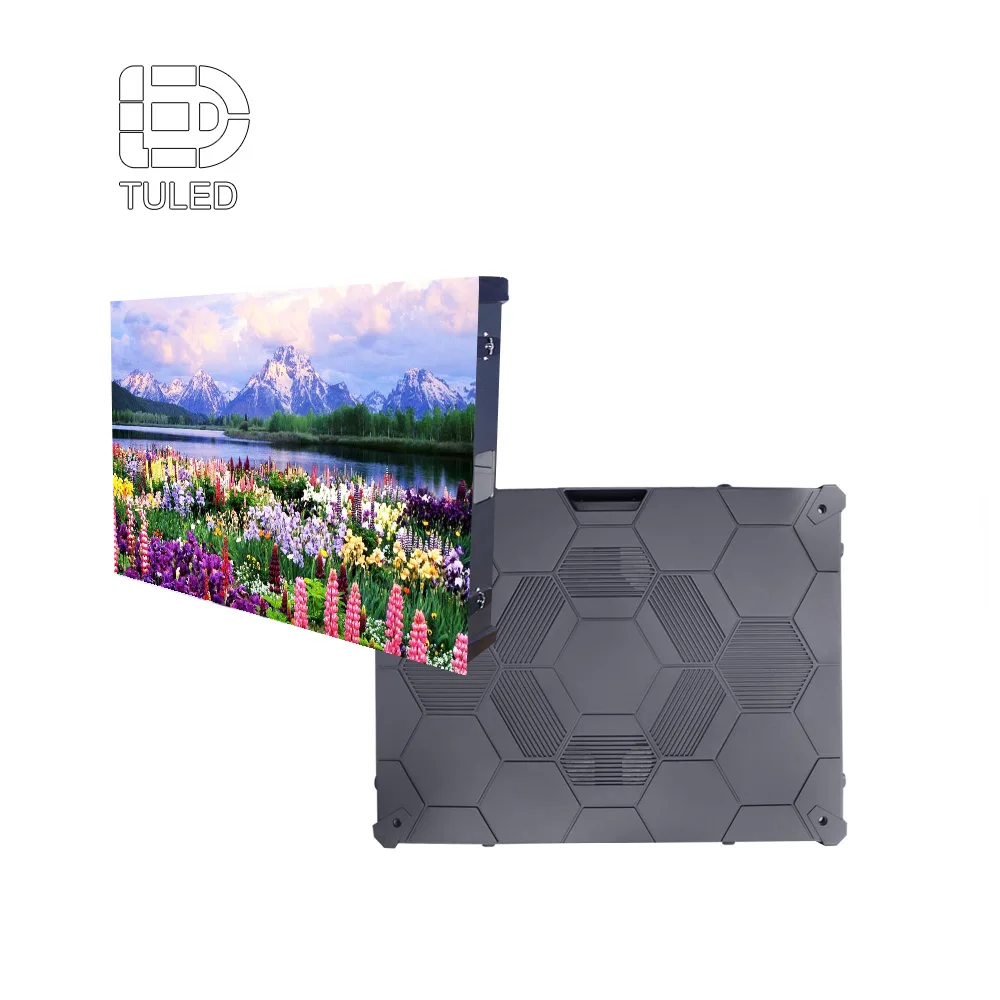
Neither scenario can be resolved from a product photograph. Ask what the exposed materials are, where joints and fasteners sit, how the assembly is mounted, and whether operation or service could contribute to particle shedding. Supplier statements should identify the configuration assessed and the conditions under which any evidence was obtained.
The distinction between airborne-particle suitability and cleanability matters here. ISO 14644-14:2026 addresses equipment suitability with respect to airborne particle cleanliness; it does not establish whether a surface can withstand the site's cleaning agents or whether a cleaning method is appropriate. Those questions need separate review against the approved cleaning protocol.
A useful response from a supplier distinguishes documented construction details, relevant test evidence and matters still awaiting project evaluation. An unsupported description such as “cleanroom-friendly” is not equivalent to verified suitability for the intended installation.
Check gloved controls without adding unnecessary interaction
The simplest interface may be no local interface at all. If operators only need to see a process state that is assigned through an approved procedure elsewhere, adding buttons or touch controls creates work and cleaning questions without necessarily improving the decision at the tool.
Where local input is part of the intended workflow, however, gloved operation display requirements should be demonstrated with the site's actual approved glove types. A bare-hand touchscreen demonstration, or a trial with an unspecified glove, cannot establish how the proposed controls behave in service.
Can the operator complete the specific permitted action, from the actual working position, without missed inputs, unintended selections or uncertainty about the result?
Give the demonstrator the glove material and configuration, including relevant layers, together with the actions that need to be performed. Observe ordinary use as well as mistaken input. If a control is meant to acknowledge a message, establish how acknowledgement is confirmed; if no local changes are permitted, that boundary should be explicit.
These observations belong to a particular interface and tested glove arrangement. They do not prove that other glove types or control methods will behave the same way. The board provides information; it must not be substituted for approved process controls, interlocks, emergency measures or permit systems.
Plan status ownership and cleaning access
Even a legible status board becomes misleading when no one owns the information it shows. A facility may have different responsibilities for reporting a process transition, confirming a production hold and investigating an unknown status. The display should communicate those decisions, not quietly make them on the team's behalf.
Define who supplies each state, who has permission to change or confirm it, and who is contacted if the information appears wrong. A stale value needs a site-approved treatment: it might be replaced by an unavailable indication or handled through another documented response. That behavior must be specified and verified rather than assumed to be part of the board.
Access control follows naturally from ownership. Someone who only needs to read PROCESSING or HOLD may have no reason to edit either. If the project requires an editable interface, its permissions and confirmation behavior should reflect the facility's responsibility structure. Any proposed connection to another system also needs separate technical validation; it is not an implied capability of an LED display category.
The same installation must remain maintainable under the approved cleaning procedure. A position that looks convenient on a floor plan could leave rear surfaces, brackets, edges or cables difficult to reach. Facility staff should review mounting access with the actual cleaning method in mind, including whether a component must be isolated or removed before service.
These are not two unrelated housekeeping details. Status ownership determines whether people can trust the message; cleaning access determines whether they can keep the installed assembly within the site's routine. Both affect whether the proposed display belongs in the workflow.
Build an acceptance brief around the actual cleanroom workflow
Once the required messages and interaction have been defined, the procurement brief should be short enough to use in a supplier discussion but specific enough to expose missing evidence. The facility provides its operating conditions; the supplier explains which configurations and claims can be documented or demonstrated.
Information to send for a meaningful review
A representative acceptance review may place operators at their normal viewing positions, use approved gloves for any permitted input and examine the proposed assembly against the cleaning and mounting constraints. The project team—not an illustrative article or a generic product claim—must set the acceptance criteria.
At this stage, comparing process status display options is worthwhile if the discussion stays grounded in those requirements. Ask what is already documented, what can be demonstrated on the intended configuration and what would still require project-specific evaluation.
Review enclosure and mounting details before selecting a board
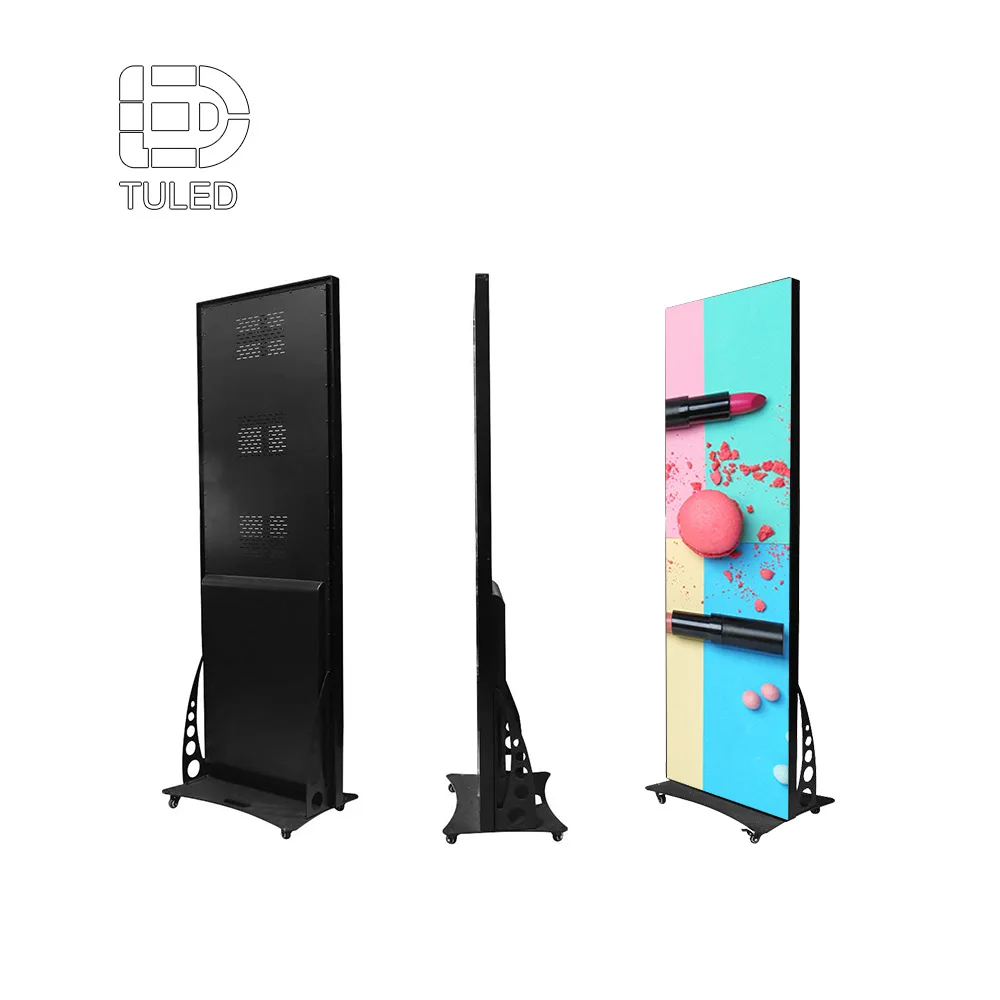
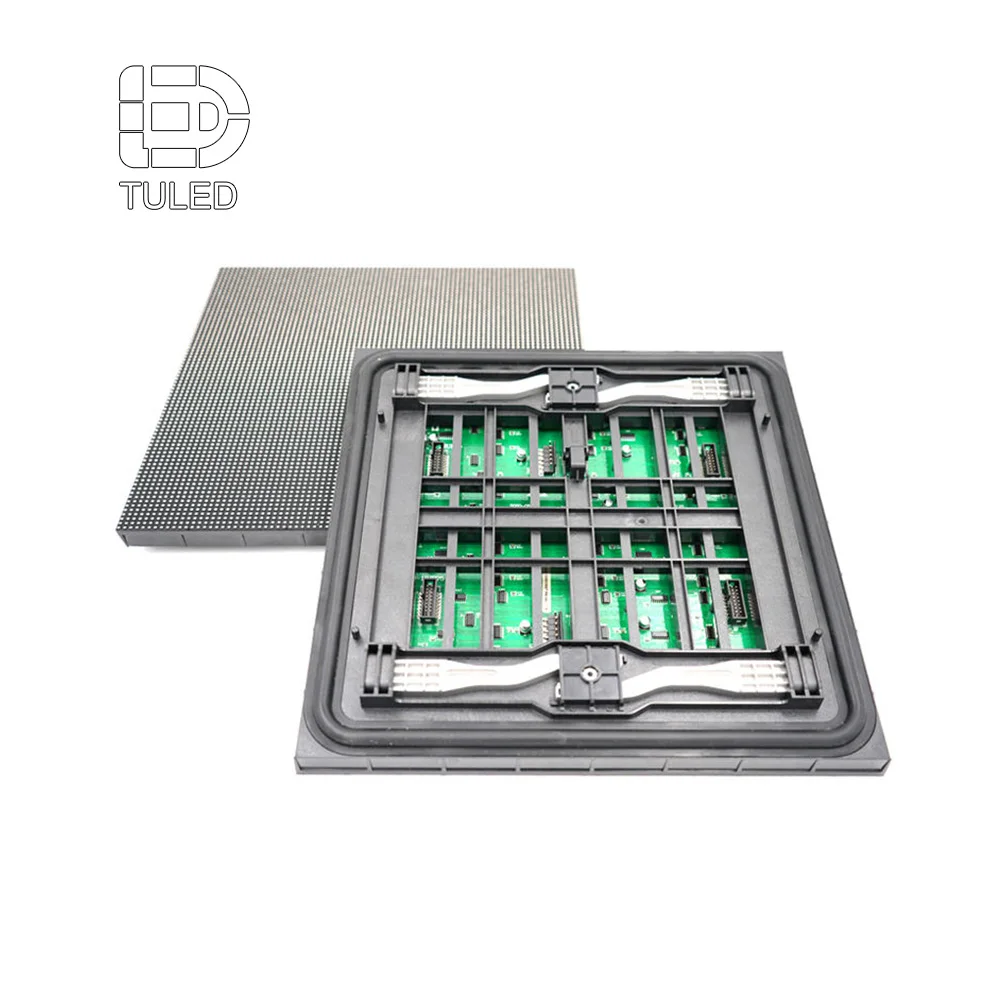
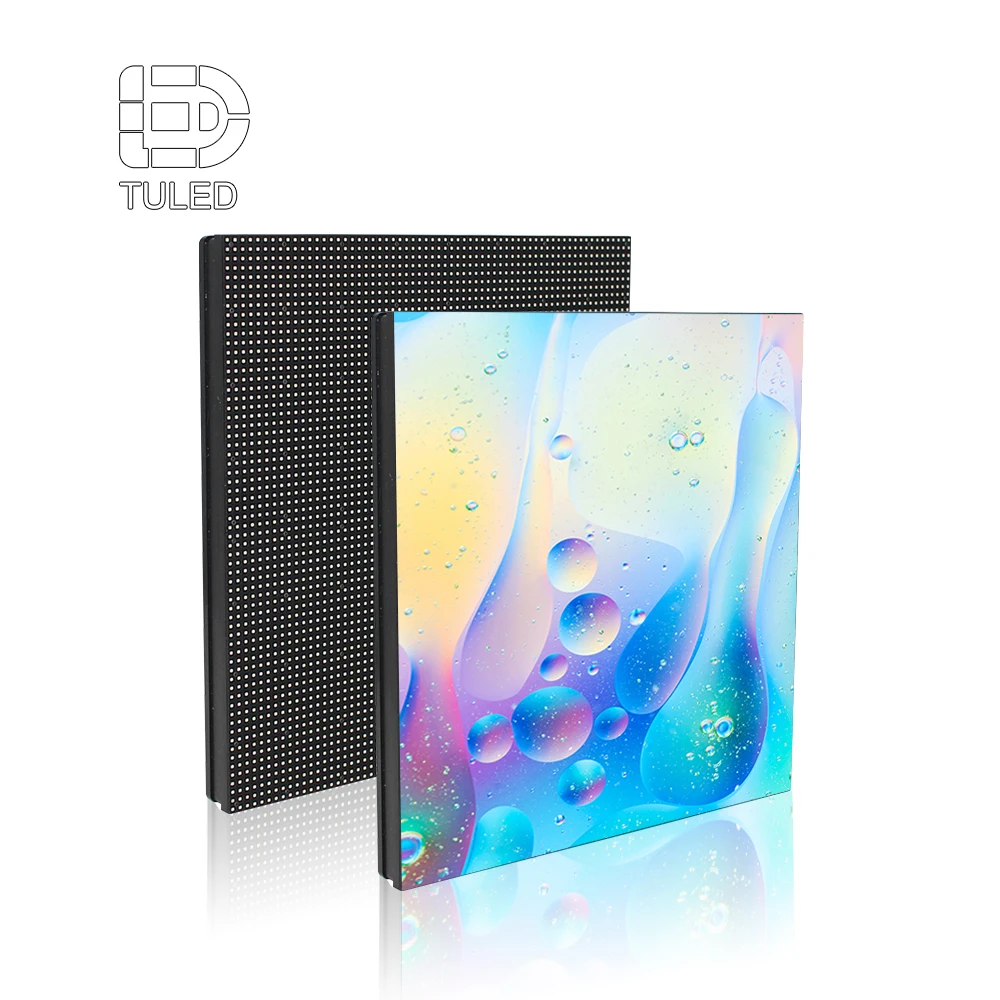
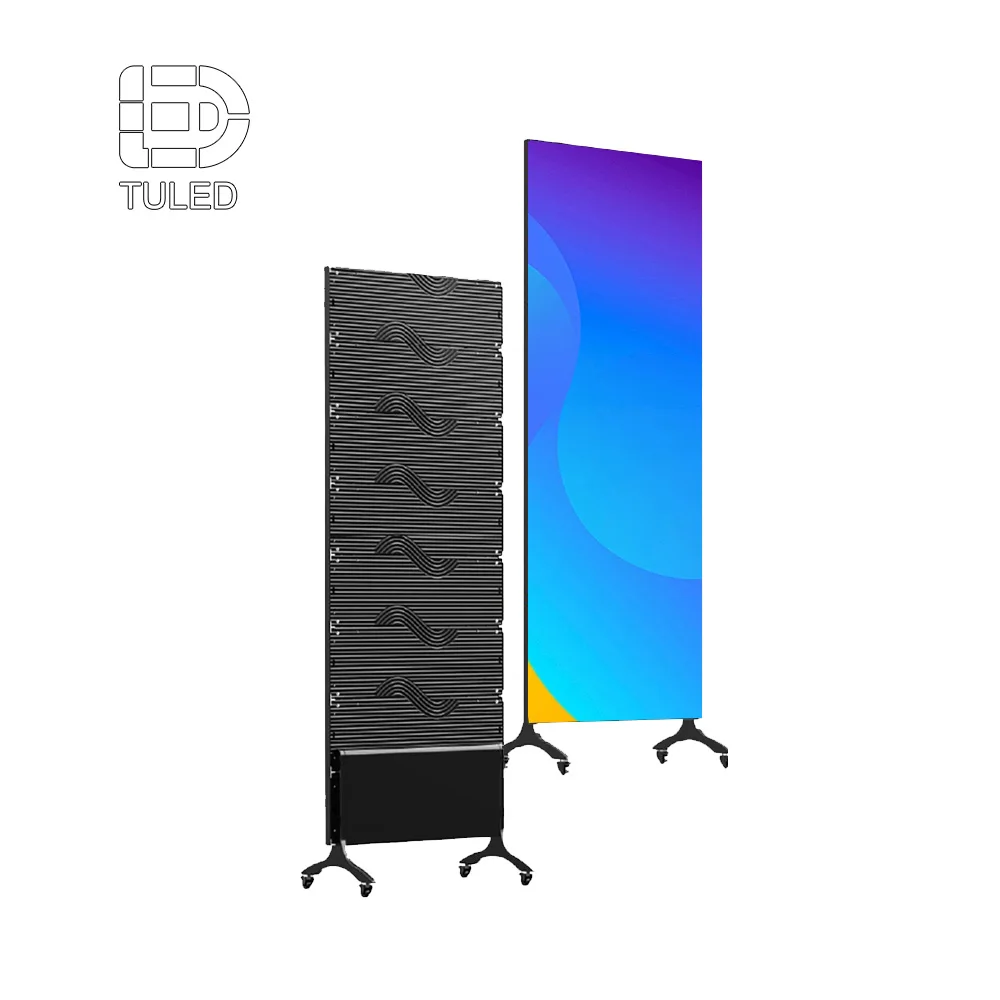
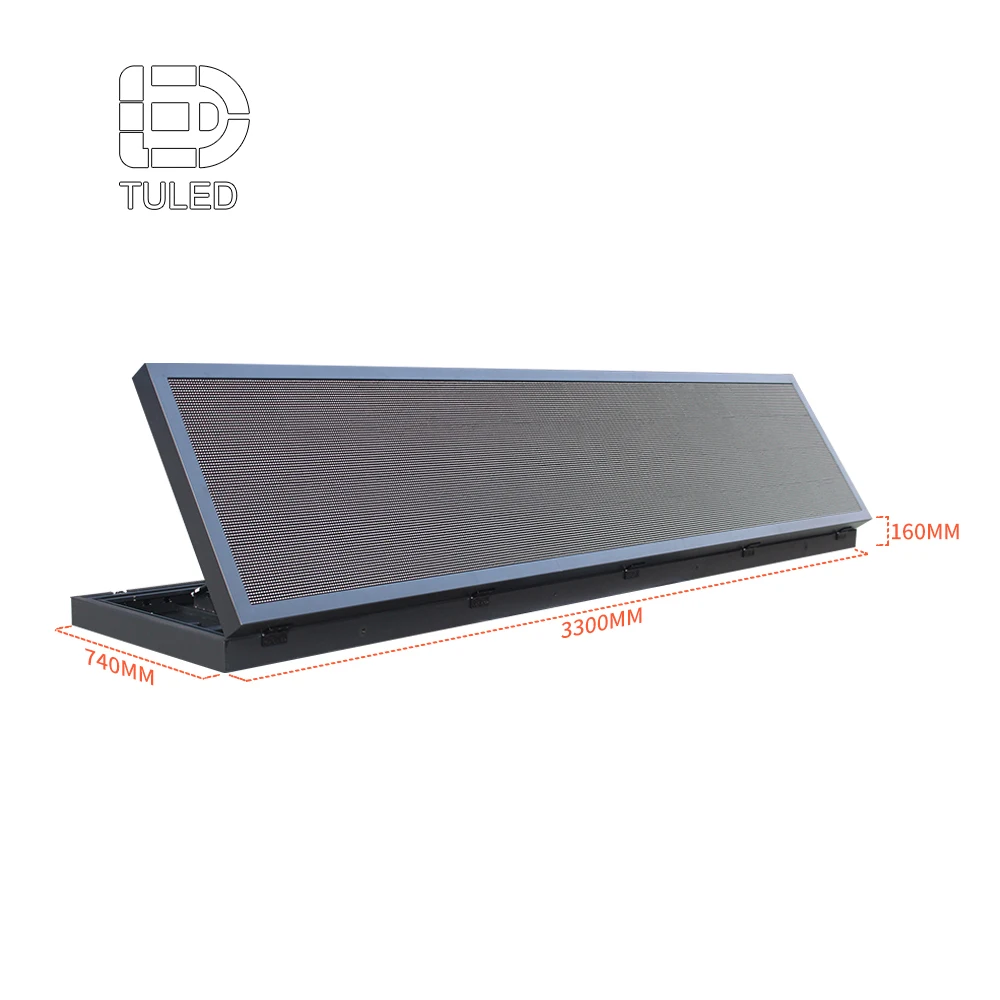
This manufacturer-listed programmable board illustrates a possible housing format for review. For semiconductor cleanrooms, the proposed product, cleaning compatibility, exposed surfaces and any interface functions still need project-specific verification.
The photograph is a catalog reference, not evidence of cleanroom approval or gloved-control capability.
View Display Board Details →The strongest choice is not the option with the broadest cleanroom claim. It is the one whose verified evidence, operating method and unresolved questions are clear enough for semiconductor facility engineers, cleanroom operations teams and equipment integrators to make a defensible installation decision.
Frequently Asked Questions
Does a display itself need to control the process?
How should a team document glove types for a control demonstration?
What evidence should be requested for a cleanroom suitability claim?
Discuss your cleanroom process-status display brief
For a semiconductor cleanroom LED process status project, send the site's cleanroom requirements, glove types, approved cleaning protocol, process states, mounting limits and acceptance method. We can then review the display-board brief around documented options and outstanding verification questions, without assuming cleanroom qualification.