EN
EN

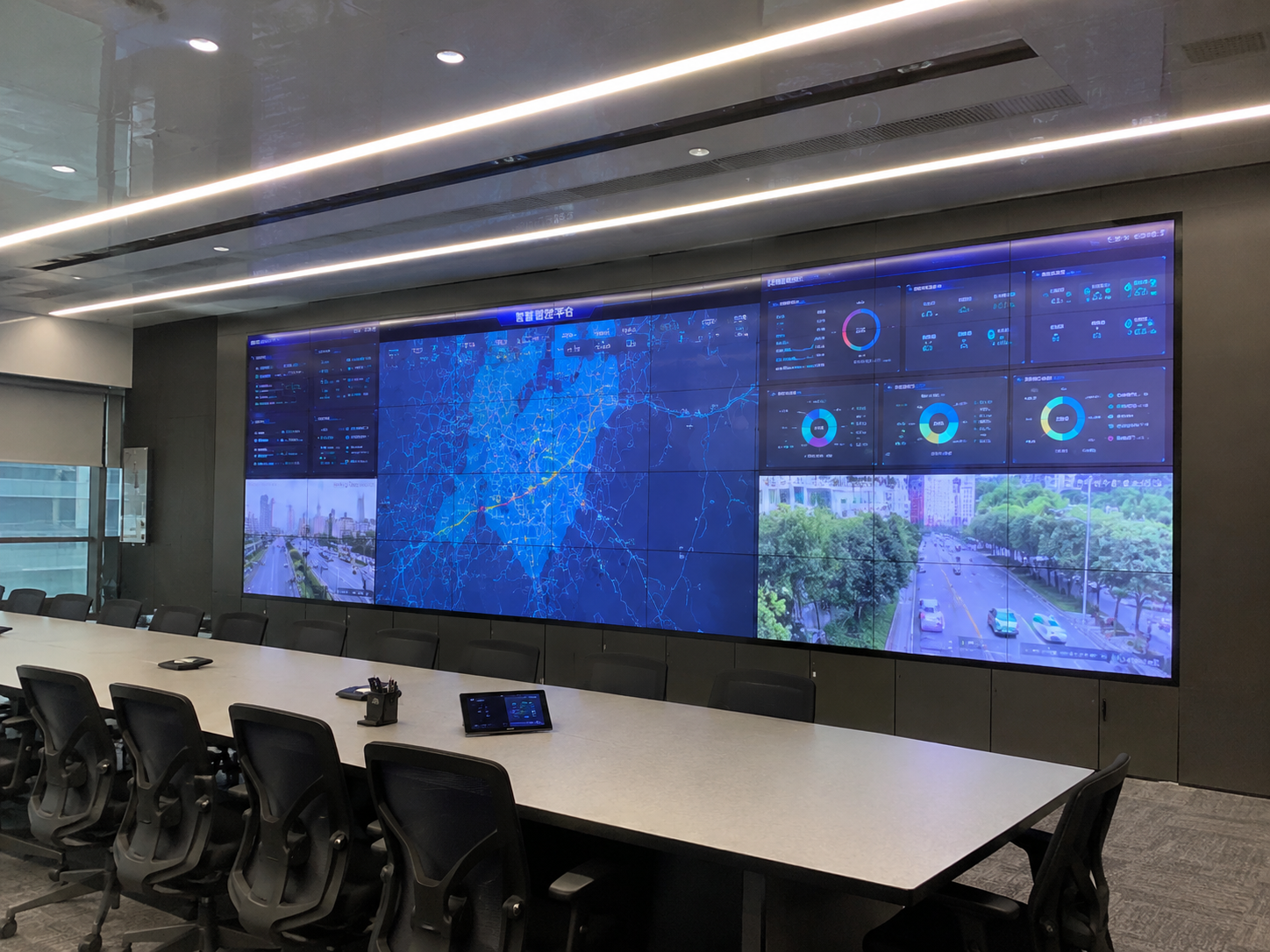
A fixed LED wall project often starts with a target size, a site photo, and an expected installation date. However, a stable control room wall, command center screen, broadcast media wall, or corporate display needs more than a visible screen area. Redundancy, load-bearing, front service, signal routing, installation structure, and maintenance access should be confirmed before the quotation becomes final.
Therefore, LED video wall suppliers should review the site as a complete operating environment, not only as a display surface. This approach helps reduce late design changes, unclear local work, missing accessories, and avoidable service problems after installation.
Project Intake Navigation
Plan the fixed LED wall before selecting the final screen package
Where Video Wall Project Intake Starts
Project intake should begin before a product model is selected. First, the project purpose must be clear. A control room wall, broadcast background, public information wall, meeting hall display, and corporate lobby screen do not share the same operating pressure.
Meanwhile, the site should be reviewed as a complete system. Power routes, wall structure, cable paths, room cooling, service clearance, and future maintenance routes can all change the final solution. As a result, a quotation based only on screen size can miss important cost and safety details.
In many fixed projects, the first risk is hidden behind the wall finish. For example, a drawing may show enough width, but beams, air outlets, decorative panels, cable trays, or control racks may reduce the usable area. Therefore, marked site photos are more useful than a simple text message.
At the same time, the operating schedule should guide the technical scope. A wall running every day needs stronger spare parts planning and faster service access. However, a meeting room wall may accept a lighter maintenance package if downtime is less critical.
Product Path
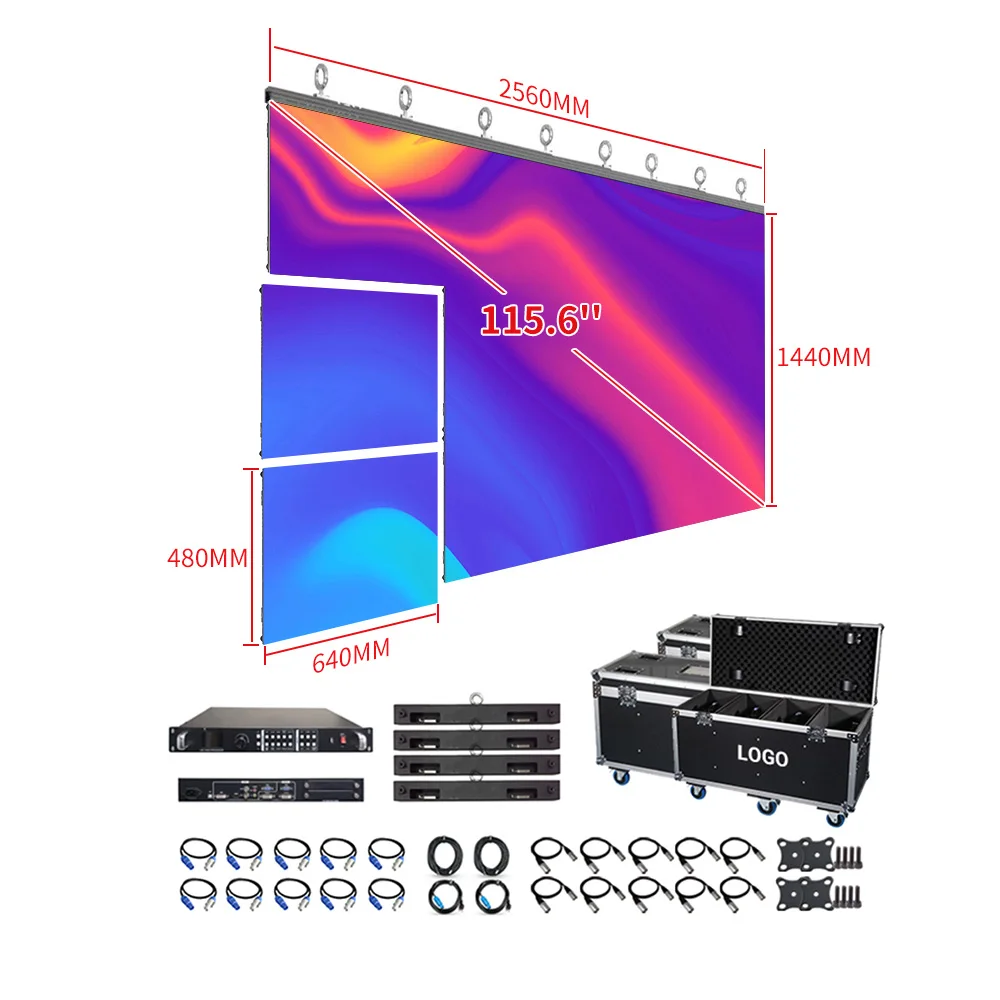
Panel Video Wall for Fixed Project Review
This product direction fits fixed walls that need layout review, accessory planning, signal route confirmation, and front service discussion before production.
View Panel Video WallBest Fit for These Projects
This intake method works best for fixed installations where downtime, access, and structure matter. It is especially useful when the project involves a permanent LED wall, a dedicated equipment rack, a building structure review, or a long-term maintenance plan.
However, the same method also helps smaller projects. A compact meeting room screen can still fail if the power route is unclear or the rear side cannot be opened. Therefore, intake should remain practical even when the wall size is not large.
Control Rooms
Suitable for monitoring centers, utility rooms, command spaces, and security operation rooms where uptime is important.
Corporate Media Walls
Suitable for reception areas, showrooms, brand walls, exhibition rooms, and fixed presentation spaces.
Broadcast Backgrounds
Suitable for studios and media rooms that need stable visuals, clear service planning, and consistent operating records.
Multi-Site Rollouts
Suitable for repeated installations across offices, retail chains, public buildings, or regional display upgrade plans.
Redundancy and Signal Routing
Redundancy means backup capacity when one path fails. In a fixed LED wall project, this may involve power zoning, backup signal routes, spare receiving parts, labeled cables, and a stable power source. Therefore, redundancy should be treated as risk control, not as decoration.
For control rooms, uptime can matter more than visual impact. Traffic centers, security rooms, energy monitoring spaces, and emergency command areas cannot rely on a single unclear route. In these cases, signal path, power distribution, and service records should be reviewed early.
At the power level, intake should confirm voltage, circuit capacity, breaker position, grounding quality, and backup power availability. In addition, the LED wall should not share an unstable circuit with heavy equipment. A clean electrical plan reduces shutdown risk and makes future checks faster.
At the signal level, route planning should show source position, rack position, cable length, cable entry direction, and backup needs. However, a backup route only works when it is labeled and reachable. Therefore, cable maps should remain part of the final handover file.
Intake Checklist
Redundancy Questions During Intake
- How many hours will the wall operate each day?
- Which content areas must stay visible during a fault?
- Where are the power source, rack, and signal devices located?
- Does the site already include UPS or generator support?
- What recovery time is acceptable after a visible fault appears?
In addition, power and signal routes should not compete for one narrow path. Separate, protected, and labeled routing improves safety and diagnosis. Later, when a dark section appears, the correct cable can be found without opening the entire wall.
Load-Bearing and Front Service
Load-bearing review protects the display, the building surface, and the installation team. A fixed LED wall adds weight through panels, modules, frame, cables, brackets, trim, and service accessories. Therefore, the visible wall finish is not enough for approval.
First, the wall type should be confirmed. Concrete, brick, steel frame, gypsum partition, wood panel, and glass areas behave differently. In addition, old buildings may hide weak layers behind decorative surfaces. Site photos and structural notes help prevent wrong assumptions.
Second, the load path should be clear. Some installations transfer weight to the floor through a steel support. Others depend more on wall anchors. Meanwhile, freestanding walls may need anti-tilt design and floor fixing. This decision affects both safety and quotation scope.
Front service becomes important when rear access is limited. Many control rooms and lobby displays sit close to a finished wall. In that situation, front service allows module and component work from the viewing side. However, the front area still needs safe tool access.
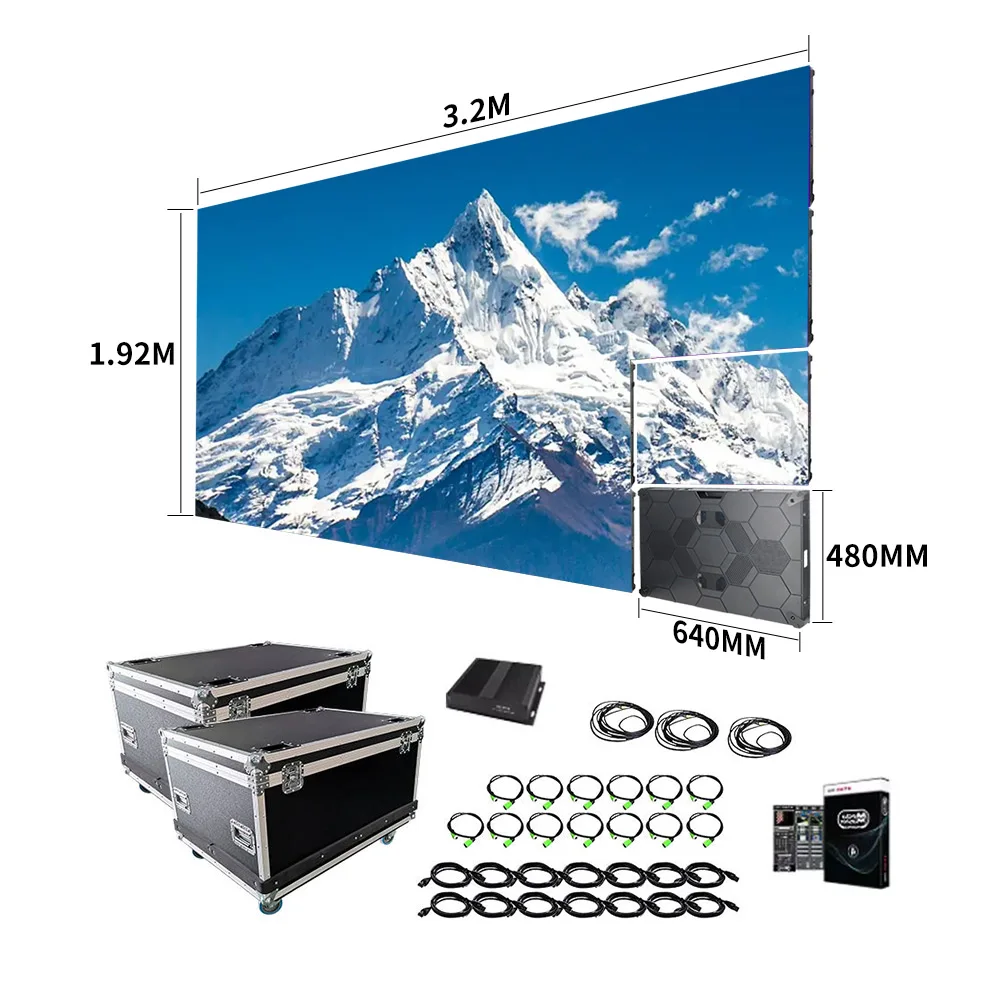
Front Service Direction
Front Maintenance LED Wall Package
This product direction is useful when the wall face remains accessible but the rear side will close after decoration, structure work, or equipment-room separation.
View Front Maintenance OptionFront Service Should Be Confirmed Part by Part
A quotation should not only say “front maintenance.” Instead, it should explain whether modules, power supplies, receiving cards, and internal cables can be reached from the front. This small detail shows the real repair time after installation.
Also, decorative trim should not block service tools. A recessed wall can look clean, yet the screen becomes hard to repair if the edge is sealed too tightly. Therefore, finishing drawings should follow the service plan, not the other way around.
Project Details to Send Before Quotation
A strong project message saves time because it removes guesswork. Therefore, the first inquiry should show size, site condition, operating use, quantity, country, installation method, and equipment needs. Short and clear details help the factory prepare a practical response.
In addition, photos should show more than the front wall. Side angle, ceiling, floor, power point, source rack, delivery route, and nearby obstacles can reveal important limits. Marked dimensions on photos make review even faster.
Site and Size
Send target width, height, available opening, room type, wall material, floor level, and ceiling height.
Installation Method
State whether the wall is mounted, recessed, floor-supported, freestanding, or fixed on a steel frame.
Power and Signal
Show voltage, power position, rack location, source distance, cable route, and backup expectations.
Operation and Support
List daily operating hours, uptime needs, spare parts request, tool needs, and expected installation date.
Copy-Ready Format
Project Intake Details to Prepare
- Project type: control room wall, fixed media wall, lobby wall, meeting room wall, or studio background.
- Screen area: target width and height, or available wall opening.
- Location: country, city, building type, floor, and room condition.
- Quantity: one wall, several rooms, or multi-site phases.
- Installation method: wall-mounted, recessed, floor-supported, freestanding, or steel-frame support.
- Service direction: front service preferred, rear access available, side access available, or limited access.
- Power details: voltage, circuit position, grounding note, and backup power availability.
- Signal details: source position, rack position, cable route, distance, and backup needs.
- Photos: front wall, side wall, ceiling, floor, power point, source rack, access route, and delivery path.
Recommended Selection Path
A good intake article should lead to a clear next step. In this project type, the next step is not choosing a random screen. Instead, the next step is matching the project risk level with the right wall direction, service method, and support package.
Path 01
For permanent indoor walls
Start from Indoor LED Display when the site is a meeting room, control space, showroom, lobby, or commercial interior.
Path 02
For wall-panel planning
Start from LED Wall Panel when the project already has a fixed wall size, structure notes, or service access limits.
Path 03
For exposed or semi-outdoor areas
Start from Outdoor LED Display when the wall faces rain, dust, direct sunlight, or a public exterior environment.
Factory Support and Product Direction
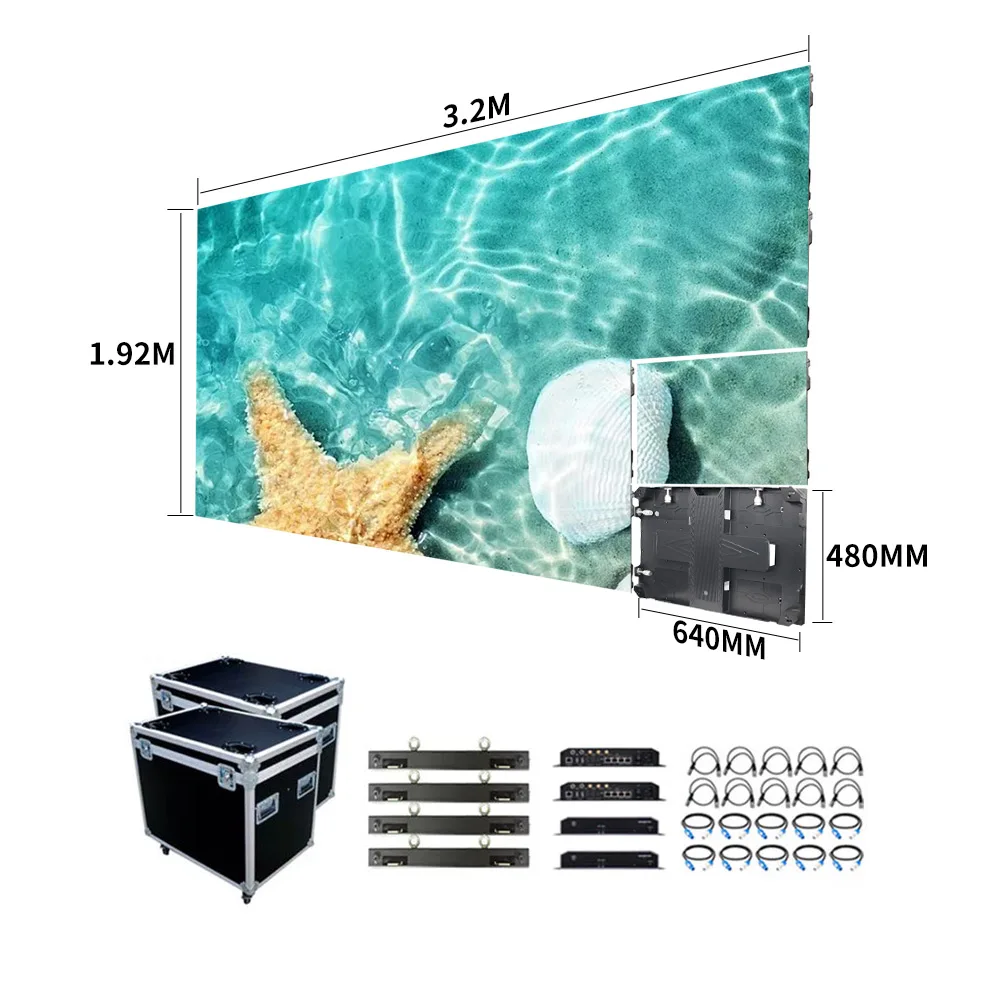
The wall panel path is a useful next step because fixed projects need structured planning. It connects the inquiry to layout direction, cabinet depth, service access, signal route, spare parts, and accessory scope.
OUBO LED / LEDDisplayFactory can review size, installation method, service direction, accessory scope, and quotation materials. However, a better result comes from a complete first message. Clear site data allows the factory team to suggest a stable route instead of sending a generic item list.
In addition, factory support should not stop at the screen list. For fixed projects, the useful support package should include layout drawings, installation notes, spare part recommendations, cable labels, packing notes, and a clear handover file.
Next-Step Support
Why This Product Path Fits the Next Step
A fixed wall project needs layout review, frame direction, service method, spare parts, signal route, and installation notes. Therefore, a wall panel category page is a more useful landing page than a general homepage when the inquiry already has a project size or site photo.
Maintenance Plan and Quote Materials
A quotation should not only show a screen price. Instead, it should explain what the price includes and what remains outside the factory scope. This prevents confusion during structure work, power preparation, delivery, and installation.
First, the quotation should match the real installation method. A recessed wall, floor-supported frame, and wall-mounted structure do not share the same assumptions. In addition, front service may affect frame depth, trim design, and tool clearance.
Second, redundancy scope should appear clearly. If backup power planning, signal accessories, spare receiving parts, or extra cable sets are included, they should be listed. If they are not included, the project team should know before approval.
Third, maintenance parts should not appear as an afterthought. Spare modules, power supplies, receiving parts, cables, and service tools should match the operating risk. For 24/7 rooms, a stronger spare kit can reduce downtime.
| Quote Item | What to Confirm | Why It Matters |
|---|---|---|
| Display layout | Width, height, frame depth, and service side | Prevents mismatch with the finished wall |
| Power scope | Accessories, local preparation, grounding, and backup needs | Reduces shutdown and wiring confusion |
| Signal route | Source position, cable path, distance, and labels | Makes troubleshooting faster after handover |
| Spare parts | Modules, power units, receiving parts, and tools | Supports faster repair and less waiting time |
| Documents | Layout drawing, cable map, packing list, and service notes | Keeps installation and maintenance aligned |
Finally, handover documents should stay updated after installation. If cable routes, power zones, or frame details change on site, the final file should reflect those changes. Otherwise, future service may depend on memory, which creates avoidable risk.
FAQ
What should a fixed LED wall project intake include?
It should include screen size, site photos, country, quantity, installation method, wall condition, service direction, power position, signal source position, operating hours, and spare part expectations. These details help the factory prepare a realistic quotation.
Why does redundancy matter for a control room video wall?
Redundancy matters because important information may need to stay visible for long operating hours. Therefore, power zoning, backup signal routes, spare receiving parts, and labeled cables can reduce recovery time after a visible fault.
Is front service necessary for an indoor fixed LED wall?
Front service is often useful when rear access will close after installation. However, it should be confirmed part by part. Modules, power supplies, receiving cards, and cables may not share the same service path.
How should load-bearing be checked before production?
The project team should confirm wall material, support method, installation height, load path, and local structure responsibility. The factory can provide product weight and installation suggestions, while local approval should follow building rules.
What photos make a video wall quotation more accurate?
Useful photos include front wall, side angle, ceiling, floor, power point, source rack, delivery route, and nearby obstacles. In addition, marked dimensions on photos help the factory review structure and service access faster.
Summary and Next Step
A fixed LED wall project becomes safer and easier to quote when intake starts with the real site. Therefore, redundancy, signal routing, load-bearing, front service, and maintenance access should be discussed before the final price. In addition, the first inquiry should include size, application scene, country, quantity, installation method, photos, operating schedule, and equipment needs.
- First, prepare a project file with size, site photos, wall condition, service direction, power details, and signal route.
- Next, confirm redundancy, load-bearing, spare parts, and maintenance responsibility before quote approval.
- Finally, send the full project file to request one stable recommendation and one economical alternative.
Project Review
Send Project Details for Review
For a project intake review with LED video wall suppliers, submit the target size, project country, quantity, installation method, site photos, operating hours, power position, signal route, and required accessories.
Contact LEDDisplayFactory