EN
EN

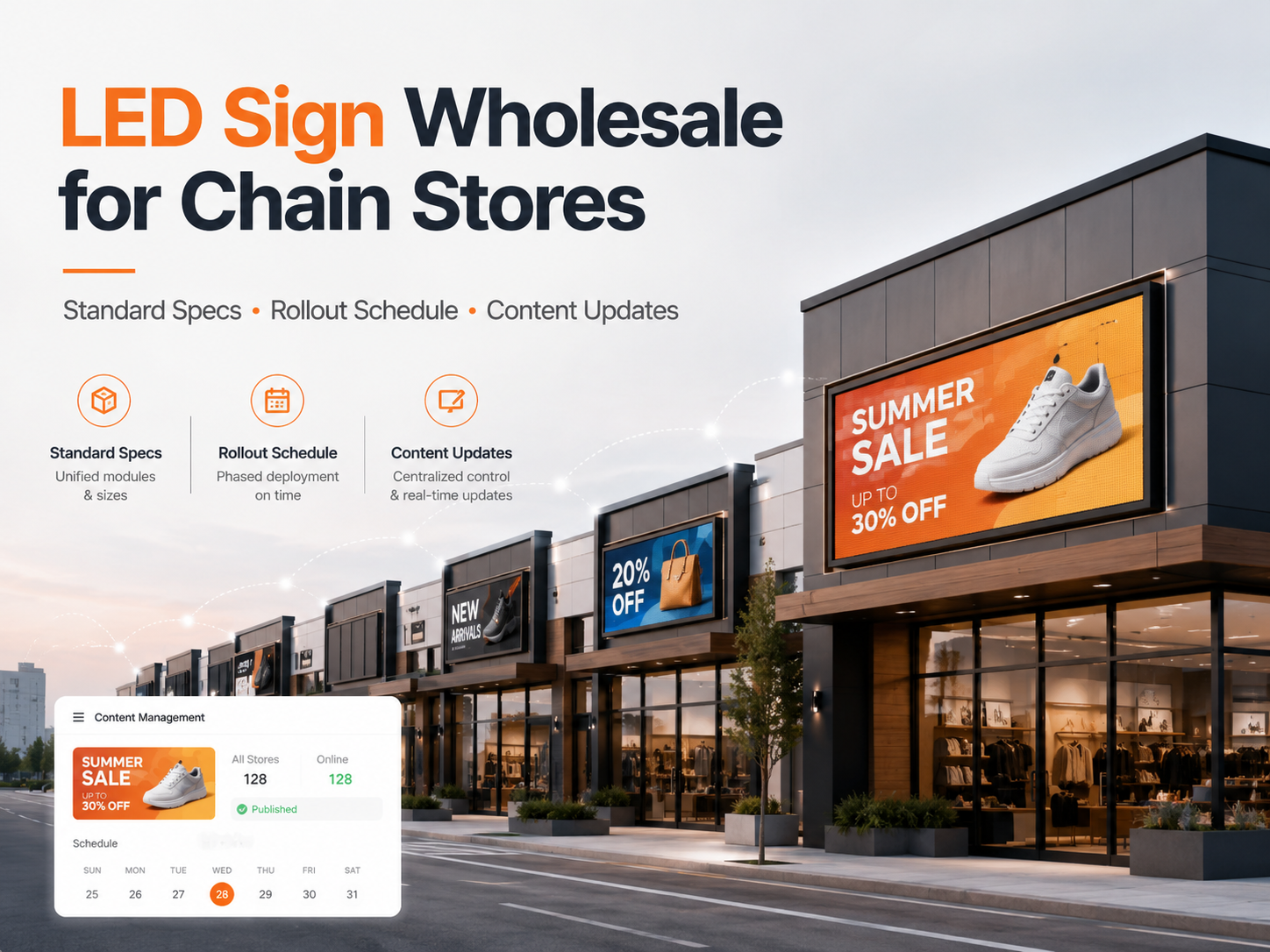
For chain store networks, signage is not only a storefront display. It is part of brand consistency, store opening rhythm, campaign control, and daily retail communication. Therefore, LED sign wholesale planning should start with standard specifications, rollout coordination, and content update rules before production begins.
Why Chain Stores Need Standard LED Sign Specs
First, chain store signage needs a repeatable system. One branch may accept a small visual difference, yet the same difference becomes obvious across twenty, fifty, or one hundred locations. As a result, a standard LED sign program protects brand recognition and reduces operational confusion.
At project level, standard specs do not mean every sign must use the same size. Instead, the project can define controlled options. For example, a store network may use three cabinet widths, one control platform, one content ratio, and one spare parts standard.
Meanwhile, standard cabinet design makes production easier to manage. The factory can prepare repeatable drawings, test records, packaging labels, and spare part kits. Therefore, later batches can move faster after the first approved sample or pilot location.
A useful chain-store sign standard normally covers:
- Cabinet structure and maintenance access.
- Module family, power supply standard, and receiving card type.
- Control method, software access, and update permission rules.
- Content ratio, file format, and campaign template size.
- Spare parts, warranty record, and batch labeling system.
In addition, standardization helps compare quotations more fairly. If every factory uses a different cabinet, controller, service method, and content system, the numbers cannot be compared clearly. A locked specification range keeps the discussion focused on delivery quality, support scope, and long-term value.
Rollout Schedule by Location
Next, the rollout schedule should follow real store opening dates, renovation windows, approval timing, and shipping routes. A factory production calendar is only one part of the plan. Therefore, location readiness must sit beside production planning.
A practical rollout often begins with one pilot location. This location tests cabinet fit, content ratio, control access, installation notes, packing method, and daily update workflow. After that, the project can move into batch production with fewer design changes.
| Rollout Stage | Main Purpose | What to Confirm |
|---|---|---|
| Pilot Location | Test the real sign system before mass production. | Cabinet fit, content template, software access, packing, and installation notes. |
| First Batch | Launch the first group of approved locations. | Batch labels, spare parts, shipment sequence, and local installation readiness. |
| Main Rollout | Scale the standard design across more stores. | Production stability, carton codes, screen IDs, and support records. |
| Backup Batch | Protect urgent openings and future replacement needs. | Extra modules, controllers, power supplies, cables, and labeled spare kits. |
However, every location may have a different level of readiness. Some sites already have power access and installation approval. Other sites may still wait for renovation, landlord approval, or final façade drawings. Therefore, a location readiness sheet prevents the production schedule from becoming too optimistic.
In addition, packing should follow the rollout order. If Store A opens first, Store A equipment should not sit at the bottom of a mixed shipment. Clear labels, screen IDs, packing lists, and accessory boxes help local teams unpack and install faster.
Content Update Workflow
Content updates often decide whether the LED sign network remains useful after installation. A display can look professional on opening day, yet weak update rules can make daily operation difficult. Therefore, the workflow should be planned before hardware production starts.
First, the project should define who creates, approves, uploads, schedules, and removes content. Head office may control national campaigns. Regional teams may handle local promotions. Store teams may only need emergency messages or holiday hours. This structure keeps the display network organized.
Meanwhile, the control method should match the number of locations. USB updates may suit a small local rollout. LAN or Wi-Fi can fit controlled retail spaces. For wider networks, 4G or cloud control may support faster campaign publishing and remote monitoring.
Content workflow items to lock early
- Screen ratio and final pixel resolution for each sign type.
- Template rules for logo, text, promotion area, and motion speed.
- File format, video duration, image size, and naming rules.
- Update frequency, approval flow, and scheduled publishing time.
- Backup update method if the main network connection fails.
For example, a restaurant chain may update breakfast, lunch, and evening offers on a fixed schedule. A pharmacy chain may change seasonal health messages. An electronics chain may update product promotions weekly. In each case, the LED sign system should fit the real content rhythm.
Finally, file naming should stay simple and consistent. A file name can include campaign name, location code, screen ratio, language, and start date. This small habit makes remote updates easier when many signs go online at the same time.
Project Details to Send for Quotation
Before a factory can prepare a useful quotation, the project file needs enough detail for engineering review. A short request with only quantity and size usually leads to repeated questions. In contrast, a structured brief helps the factory judge cabinet design, control system, packing, and delivery sequence faster.
First, the brief should show store count and sign quantity by location type. A flagship store, standard branch, and small-format branch may need different sign lengths, but they can still share the same cabinet platform and content workflow.
In addition, project photos are extremely useful. A storefront photo, wall photo, old sign photo, or renovation drawing can reveal hidden issues such as limited access, unusual façade material, tight wiring space, or special bracket needs.
Preparation checklist for a faster quote
Store count, sign quantity, rollout region, and delivery batch plan.
Target dimensions, indoor or outdoor use, wall area, and local weather conditions.
Wall-mounted, hanging, embedded, pole-mounted, façade-mounted, or not decided.
USB, Wi-Fi, LAN, 4G, cloud control, update frequency, and content approval flow.
Destination country, voltage standard, certification needs, and shipment schedule.
Front view, side view, wall detail, power point, viewing direction, and access route.
Moreover, the equipment scope should be stated clearly. Some projects need only LED signs. Others need controllers, media players, video processors, spare modules, cables, installation accessories, or branded packing labels. A clear scope reduces quote revisions and supports cleaner budget approval.
Product and Factory Support for Chain Store Programs
After the standard, schedule, and content workflow become clear, the next step is product direction. The Products page helps compare related LED display categories when a chain store project includes storefront signs, indoor displays, window screens, LED posters, or outdoor advertising boards.
Meanwhile, OUBO LED / LEDDisplayFactory can support factory-level planning around cabinet design, module matching, controller selection, aging test, export packing, and spare parts. This matters because multi-location projects need repeatability, not only one attractive sample.
In addition, a direct factory discussion helps connect the sign board option with real project files. Drawings, photos, rollout dates, and content update methods can be reviewed together. As a result, the quotation can cover hardware, control system, accessories, packing, warranty, and delivery coordination.
When the sign board page is the right next step
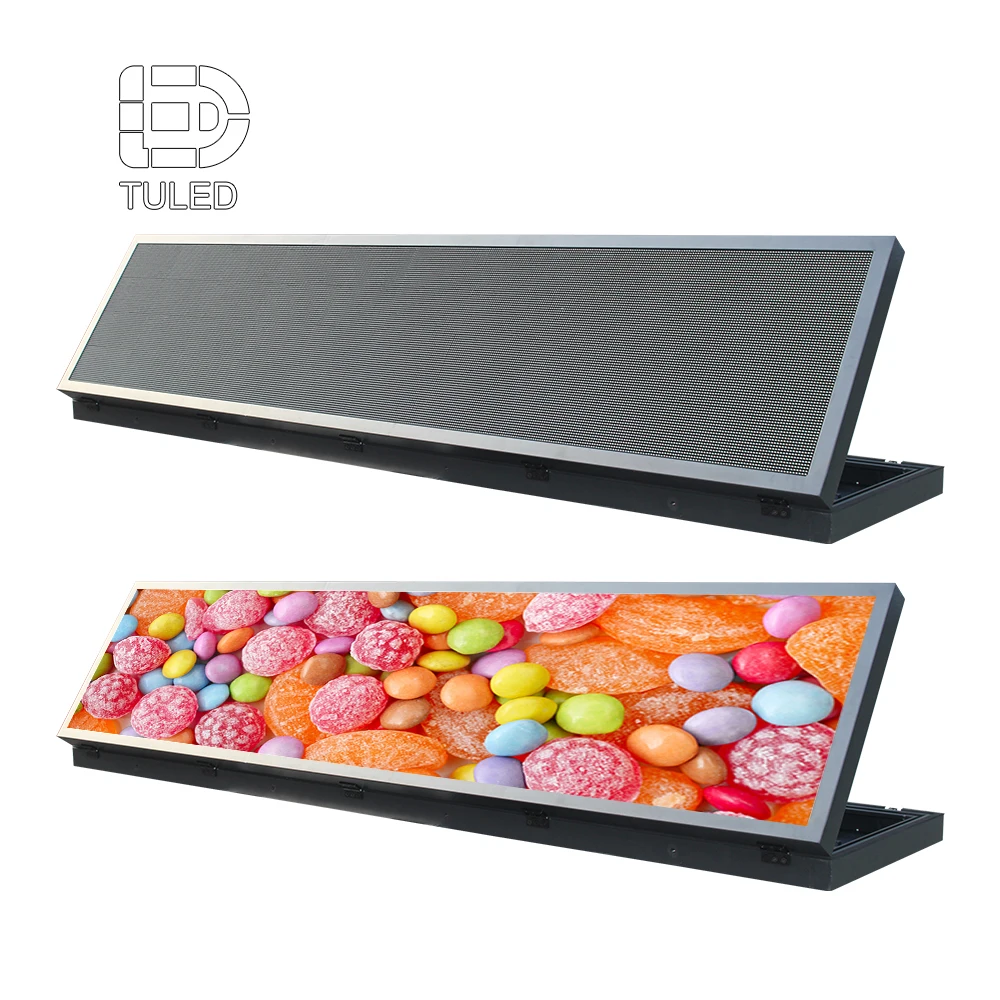
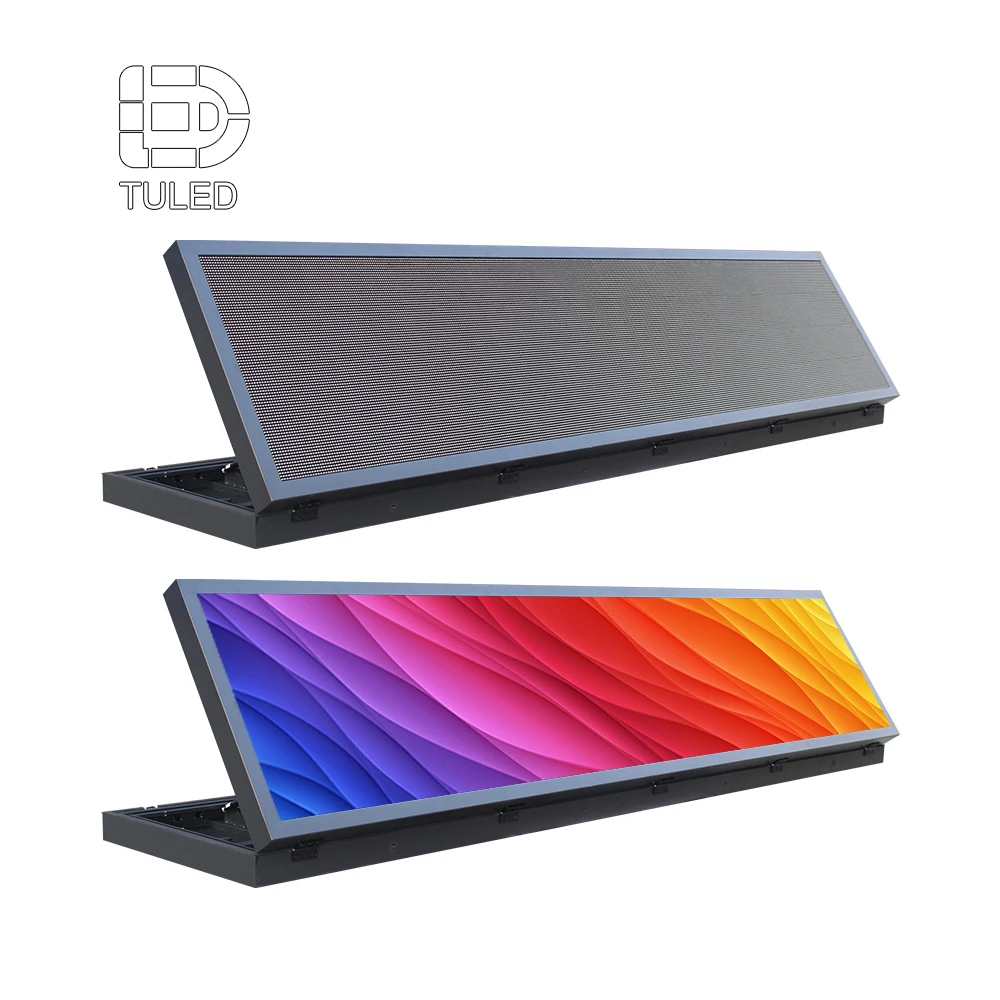
The LED sign board category is suitable when the project needs a standardized storefront display, commercial sign board, digital shop sign, or repeatable retail signage format. It also fits projects that need simple content updates, batch production, and consistent appearance across many locations.
View LED Sign Board OptionsWarranty, Spare Parts, and Long-Term Operation
Also, long-term support should be planned before the order is placed. A low initial unit cost may look attractive, yet weak spare parts planning can create higher cost after installation. Therefore, warranty, spare kits, and support records should sit inside the first project plan.
A practical spare kit may include LED modules, power supplies, receiving cards, flat cables, signal cables, and basic accessories. Because the cabinet and module standard remain consistent, one spare kit can support multiple locations. This is a major advantage of standardized planning.
Furthermore, every sign should have a location code or screen ID. This code can connect the store name, shipment batch, cabinet size, controller model, spare parts, and warranty record. Later, technical support can identify the correct equipment faster.
For overseas retail projects, electrical safety and certification expectations should also be checked early. References such as UL Solutions can help project teams understand why component safety, testing records, and certification documents matter before shipment.
Finally, documentation should include wiring diagrams, control system notes, packing lists, software login rules, and basic troubleshooting steps. These records help local installation teams and reduce future service pressure.
Common Mistakes in Multi-Store LED Sign Rollouts
First, many projects start with only size and quantity. However, size does not define the full system. Cabinet structure, content control, spare parts, packing labels, and delivery batches all affect the final result.
Another common issue is changing the specification after production starts. Each change may affect module layout, controller choice, cabinet drawing, packing size, and delivery time. Therefore, the pilot test should lock the core standard before bulk production.
In addition, mixed controller systems can create unnecessary complexity. Different software tools, login rules, and file formats may slow down content updates. A unified control platform usually works better for chain store operations.
Finally, weak labeling can create confusion during installation. A carton without a location code, accessory list, or screen ID may delay store openings. Clear labels are simple, but they protect the whole rollout.
In some chain store programs, storefront LED signs are planned together with indoor promotion displays. LED poster displays can support temporary campaigns, product launches, and in-store traffic guidance when the main sign handles brand visibility outside the store.

FAQ
How should a chain store LED sign program start?
First, the project should define the standard cabinet range, control method, content ratio, spare parts, and rollout batches. After that, a pilot location can test the full system before mass production begins.
Is one LED sign specification enough for every store location?
Not always. However, a controlled specification range usually works well. For example, small, medium, and flagship versions can share the same controller platform, cabinet logic, module family, and content template.
Which content update method fits multi-location LED signs?
The best method depends on store count and update frequency. USB may fit small local rollouts. LAN, Wi-Fi, 4G, or cloud control may fit larger networks that need scheduled publishing and remote access.
What details make a factory quotation more accurate?
A useful quotation request includes store quantity, sign size range, destination country, installation method, application environment, content update method, project photos, delivery schedule, and spare parts expectations.
Why does a pilot location matter before bulk production?
A pilot location checks real content, cabinet fit, installation notes, software access, packing method, and maintenance access. Therefore, it helps prevent one mistake from repeating across many locations.
Summary and Next Steps
Overall, a chain store LED sign project works best when it becomes a controlled system. Standard cabinet design, unified control methods, clear content rules, batch delivery planning, and organized spare parts all support long-term reliability.
For a focused factory quotation, prepare sign dimensions, store count, application environment, destination country, installation method, content update workflow, project photos, equipment scope, rollout schedule, and warranty expectations. Then send the project brief through the contact page and connect it with the led sign wholesale planning direction.
- First, lock the standard sign structure before bulk production.
- Next, define content update roles, file templates, and control methods.
- Finally, send store quantities, locations, photos, installation notes, and schedule details for quotation.