EN
EN


LED Display Buying Guide
LED Display Screen Supplier: How to Read a Spec Sheet
A spec sheet can look clear at first glance. However, for a team comparing quotations from a led display screen supplier, the real challenge is not reading every number. The challenge is knowing which lines affect visibility, installation, maintenance, content quality, and long-term use.
Therefore, this guide does not explain a spec sheet like a dictionary. Instead, it shows how to read it like a project decision tool. First, understand the scene. Then, identify what matters. Finally, ask better questions before the quotation moves forward.
Why LED Display Spec Sheets Can Feel Clear but Still Cause Wrong Choices
At first, an LED display quotation feels reassuring. It lists pixel pitch, brightness, refresh rate, grayscale, IP rating, cabinet size, power, and control system. However, a neat table does not automatically explain whether the display will look right in a real space.
For example, a small pixel pitch may look attractive on paper. However, if the screen will be viewed from across a road, that extra density may not create visible value. In that case, brightness, weather protection, structure, and service access may matter more.
Likewise, a high refresh rate sounds impressive. However, it only becomes a major decision point when the screen appears on camera, such as a stage backdrop, church livestream, studio wall, or sports venue display. Without that context, the number is hard to judge.
Therefore, the first step is not to memorize every specification. The better step is to connect each line to one business result: clearer viewing, safer installation, easier maintenance, smoother video, lower operating cost, or fewer project delays.
Read the Spec Sheet by Project Scene First
Before checking technical rows, the project scene should be clear. Is the screen close to people? Will sunlight hit it directly? Will cameras film it? Will it run all day? Will technicians have front or rear access? These questions make the specification table easier to read.
For an indoor retail screen, the first concern is usually comfort and detail. The display should make products, logos, and brand videos look polished without feeling harsh. Therefore, pitch, grayscale, brightness control, and front service deserve early attention.
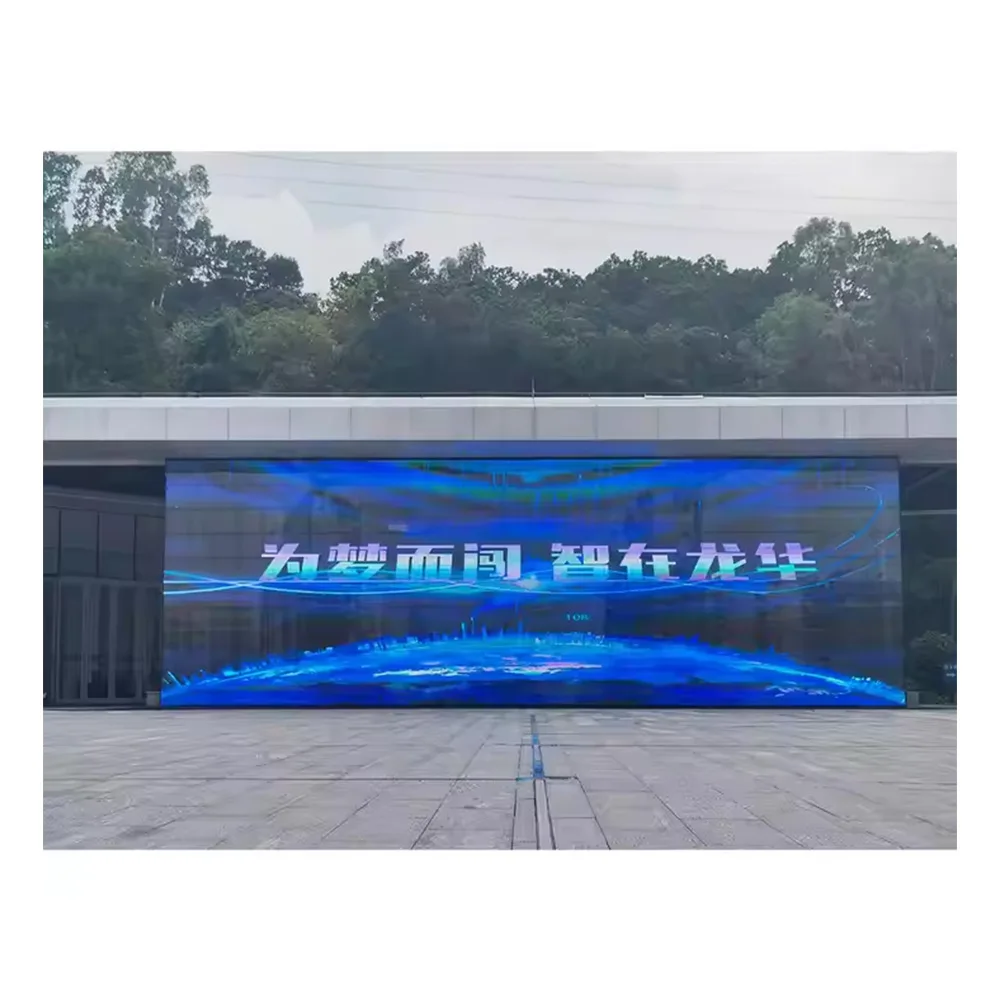
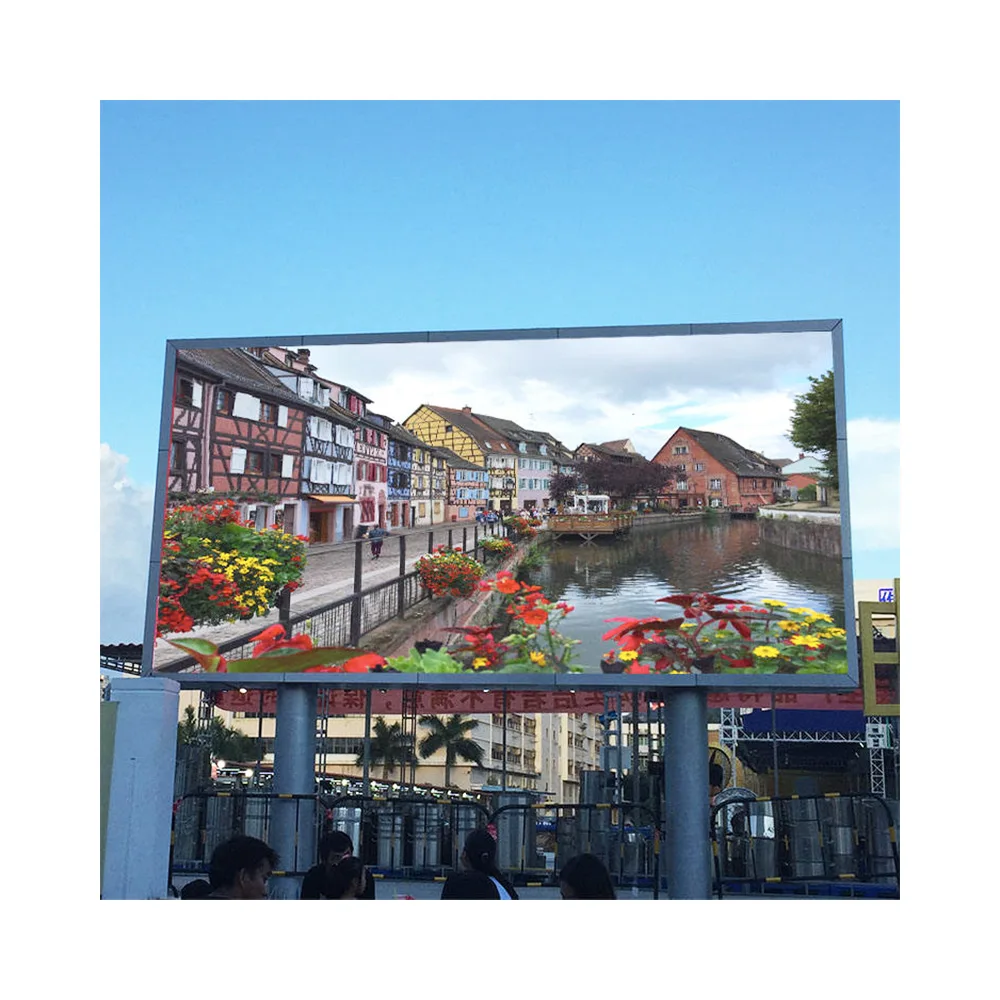
For outdoor advertising, the priority changes. Daytime visibility, rain protection, heat control, and easy maintenance become more important. As a result, brightness and IP rating should be read together with cabinet design, cable routing, and service method.
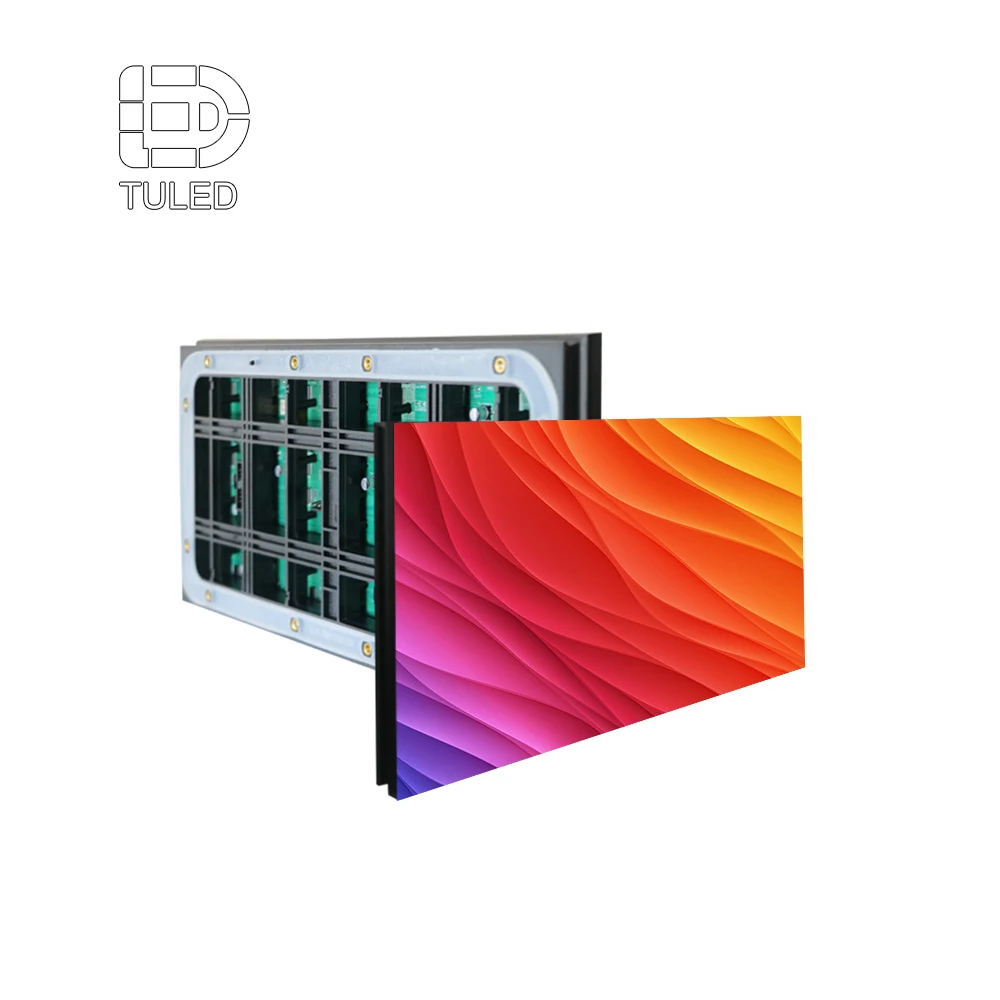
 View Fine Pitch LED Display
 Use this kind of product reference when the project needs close viewing, clean detail, front service, and stable indoor image quality.
In other words, the same specification line can carry different weight in different scenes. A practical review starts with use, not with numbers.
Decision Table: What to Check First in an LED Display Quote
The following table is not a pure parameter table. Instead, it shows which line affects which decision. This helps a project team compare quotations without getting trapped by isolated numbers.
| What needs to be judged | Spec line to check | What it affects | Better question to ask |
|---|---|---|---|
| Will the image look clear at the real viewing distance? | Pixel pitch | Text clarity, image detail, budget control | What viewing distance was used for this recommendation? |
| Will the screen stay visible in real light? | Brightness | Daytime readability, comfort, power use | What is the expected normal operating brightness? |
| Will cameras record the screen cleanly? | Refresh rate | Flicker control, live video appearance | Will this setup be tested under camera use? |
| Will dark scenes and gradients look smooth? | Grayscale | Premium image quality and low-brightness detail | How does the image look at reduced brightness? |
| Can the screen handle its environment? | IP rating | Weather risk, downtime, maintenance pressure | How are sealing, drainage, and cable entry handled? |
| Can service work be done quickly? | Cabinet and module design | Repair speed, spare parts, labor cost | Which parts can be replaced from the front or rear? |
Therefore, a good quotation review does not start with every row equally. It starts with the lines that decide whether the screen fits the job.
How to Judge Key Specs Without Getting Lost in the Table
Pixel Pitch: Match Detail to Viewing Distance
Pixel pitch affects how sharp the display looks from a certain distance. Smaller pitch usually means finer detail. However, it also increases cost and may not create visible value when the audience stands far away.
Therefore, this line matters most for close-viewing indoor spaces, control rooms, conference rooms, retail walls, and showroom displays. The right question is not “Can the pitch be smaller?” The better question is “What distance will people actually view from?”
A practical rule is simple. If people can stand close enough to see pixels or read small text, pitch should be checked carefully. If the screen is high, distant, or viewed from moving traffic, other lines may matter more.
Brightness: Make Content Visible Without Making It Harsh
Brightness affects whether the screen stays readable in its environment. Outdoor screens need enough output to compete with daylight. Indoor screens need controlled brightness so the image looks clear without causing visual fatigue.
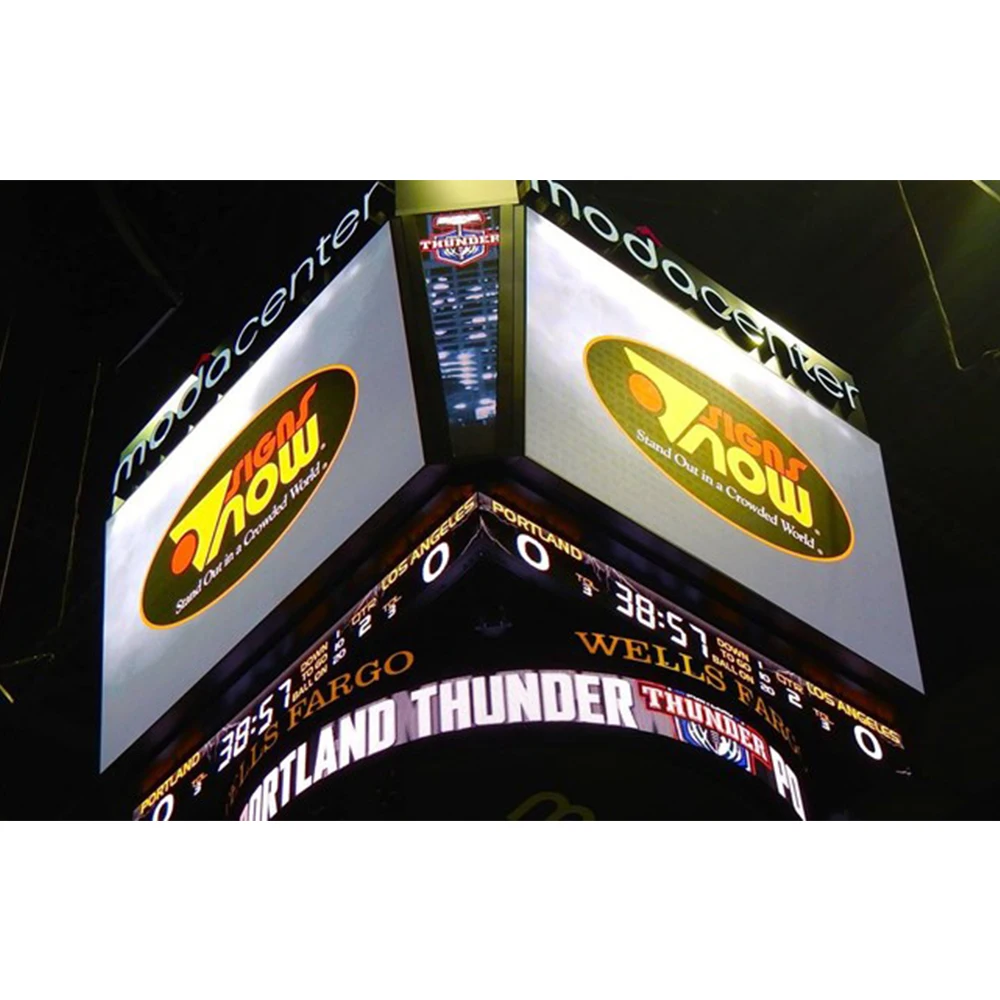
Therefore, brightness affects both viewing effect and operating cost. It matters most for storefronts, roadside signs, stadiums, public plazas, transport hubs, and glass-front spaces. A useful supplier answer should explain normal working brightness, not only maximum brightness.
Meanwhile, brightness should be judged with heat and power. A screen that runs too aggressively can increase energy use and thermal pressure. As a result, the better choice is often a balanced setting with proper dimming and cooling.
 View Outdoor Waterproof LED Billboard Screen
 Use this product reference when the project needs outdoor visibility, cabinet strength, weather protection, and service planning.
Refresh Rate: Important When Cameras Are Involved
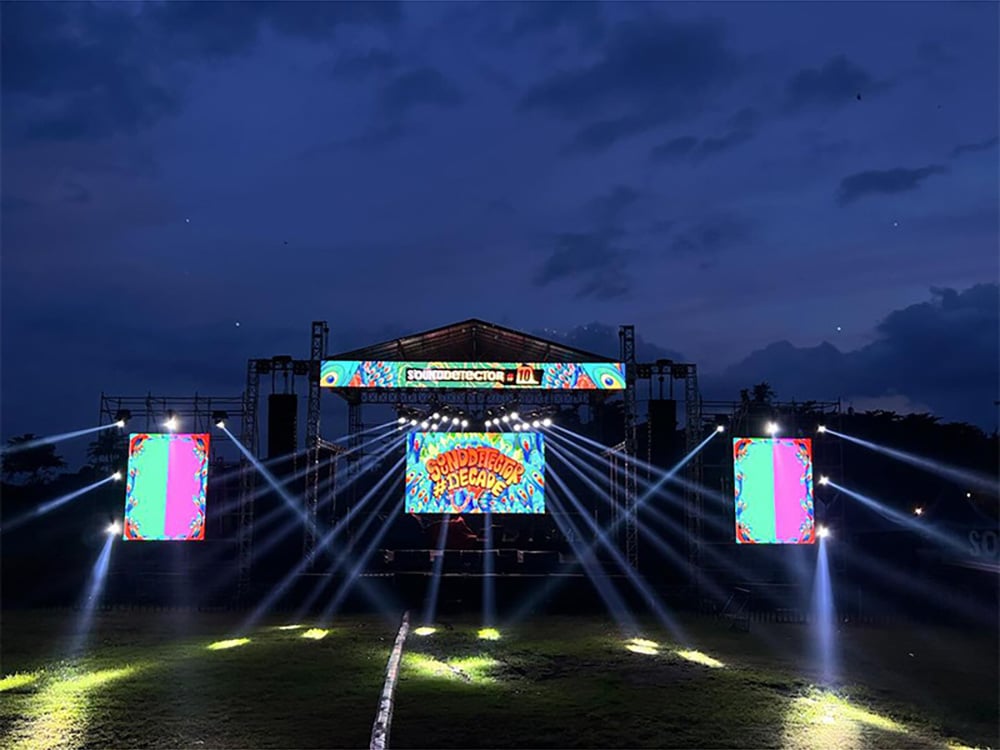
Refresh rate affects how stable the image appears when captured by cameras. In live event, stage, studio, church, and sports settings, low refresh can cause visible lines or flicker in video.
Therefore, refresh rate matters most when the display will be filmed. It should be checked together with the control system, driver configuration, and actual camera environment. A high number on paper does not replace proper setup.
For a simple outdoor advertising screen, refresh rate still matters, but it may not be the first decision. In that situation, visibility, weather protection, and maintenance access may carry more weight.
Grayscale: The Difference Between Flat Images and Natural Images
Grayscale affects how smoothly the screen moves between dark and bright tones. This matters for skin tones, gradients, dark backgrounds, product films, and premium brand visuals.
Therefore, grayscale is especially important in close indoor spaces, broadcast scenes, retail showrooms, museums, and conference rooms. The key is not only the grayscale number. The key is whether the image stays smooth when brightness is reduced for comfortable viewing.
In addition, grayscale should be discussed with calibration. A screen may have strong potential but still look uneven if module batches or color correction are not handled well.
IP Rating: Weather Protection Needs Context
IP rating helps describe dust and water protection. However, outdoor reliability does not come from one code alone. It also depends on cabinet sealing, cable entry, drainage, ventilation, structure angle, and maintenance access.
Therefore, an outdoor LED display should be reviewed as a complete weather-facing system. Rain, dust, heat, wind, and cleaning routines can all influence long-term performance.
A strong quotation should explain how the protection design works in the real installation. If only the IP rating is shown, more questions are needed before approval.
Cabinet and Module Design: Maintenance Is Part of the Purchase
Cabinet and module details affect alignment, structure, shipping, repair speed, and spare parts planning. Therefore, they should be read as service and installation information, not as small technical notes.
A stable LED module plan can make future replacement easier. However, spare modules should match pitch, batch, color behavior, and waterproof design. Physical size alone is not enough.
Meanwhile, front service can save space when the screen is mounted against a wall. Rear service can work well when there is enough space behind the structure. The right choice depends on the site, not on a single preferred format.
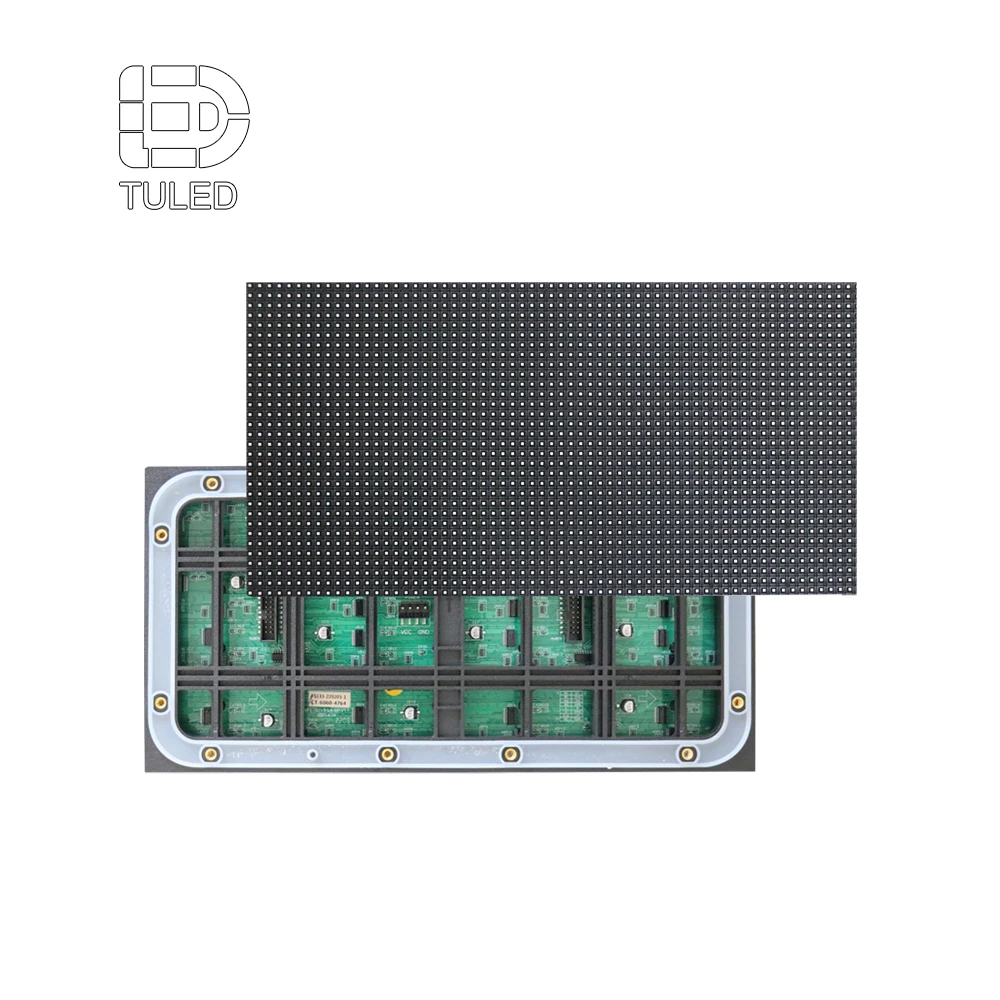
 View Outdoor Waterproof 320×160 RGB LED Module
 Use this product reference when the discussion moves from display size to module replacement, spare parts, and long-term maintenance.
Control System: The Screen Must Be Easy to Operate
The control system decides how content reaches the display. It can affect scheduling, live input, signal stability, multi-screen management, and troubleshooting. Therefore, it should be checked from daily operation, not only from a hardware list.
For a single store screen, a simple control workflow may be enough. For a venue, media network, campus, or stage system, the operation may require stronger processing, clearer backup planning, and better support documents.
 View DH7508-S Receiving Card
 Use this product reference when reviewing signal control, receiving cards, correction, and system stability.
Common Mistakes When Comparing LED Display Spec Sheets
Mistake 1: Treating the Highest Number as the Best Choice
Higher numbers can feel safer. However, LED display projects are full of trade-offs. A smaller pitch can increase clarity, but it can also increase cost where that clarity is not visible.
Likewise, higher brightness may support outdoor visibility, but it can also increase energy use and heat. Therefore, the better choice is the specification that fits the scene, not the one that looks strongest in isolation.
Mistake 2: Comparing Quotes Before Scope Is Clear
Two quotations may use similar product names but include different items. One may include control equipment, spare modules, cables, packaging, and support. Another may only show the screen body.
Therefore, fair comparison requires aligned scope. Before price comparison, the quotation should clearly state what is included, what is optional, and what must be prepared locally.
Mistake 3: Ignoring Maintenance Until After Installation
Maintenance feels distant during early purchasing, but it becomes very real after the screen starts running. A failed module, power supply, or receiving card can create visible defects if spare parts and service access are not planned.
As a result, the spec sheet should be read with future service in mind. The best question is not only how the screen looks on day one. It is also how quickly normal operation can be restored when service is needed.
Mistake 4: Letting Technical Language Hide Simple Questions
A long specification sheet can make practical questions feel too basic. However, simple questions often reveal the most important information. Where will people stand? Who manages content? How often will the screen run? How will maintenance happen?
Therefore, technical review should remain connected to daily use. When a specification cannot be explained in relation to the scene, more clarification is needed.
Pre-Order Checklist: What to Confirm Before Approval
Before an LED display order moves forward, the final quote should answer practical project questions. This checklist helps connect the spec sheet to the real installation.
- Confirm the installation scene: indoor, outdoor, semi-outdoor, rental, fixed, wall-mounted, or stage use.
- Confirm viewing distance and why the recommended pixel pitch fits that distance.
- Confirm normal brightness, not only maximum brightness.
- Confirm refresh rate requirements if cameras will film the display.
- Confirm grayscale and calibration needs for premium video or close indoor viewing.
- Confirm IP rating together with cabinet sealing, drainage, cable entry, and heat control.
- Confirm cabinet size, service direction, module replacement method, and spare parts.
- Confirm control equipment, software workflow, receiving cards, sending cards, and processor needs.
- Confirm testing before delivery, packaging method, warranty terms, and support process.
- Confirm whether the quotation includes all accessories needed for installation and operation.
For a more complete purchase review, the wholesale LED screen buying checklist can help organize specs, warranty, certifications, testing, and quotation scope before final approval.
Summary: A Good Spec Sheet Review Is Really a Project Review
In the end, an LED display spec sheet should not be read as a contest of higher numbers. It should be read as a project map. Pixel pitch connects to viewing distance. Brightness connects to light conditions. Refresh rate connects to camera use. Grayscale connects to image depth. IP rating connects to exposure risk.
Therefore, a stronger quotation conversation starts with real use. Once the scene, content, installation, operating hours, and maintenance method are clear, the technical rows become easier to judge.
Three Practical Actions
- First, connect each important spec line to one outcome: clarity, visibility, camera quality, weather risk, maintenance, or operation.
- Second, ask for the reason behind the recommendation, especially pitch, brightness, refresh rate, IP rating, cabinet service, and control method.
- Finally, compare quotes only after accessories, spare parts, testing, warranty, support, and packaging scope are clearly aligned.
FAQ
Which specification lines should be checked first?
The first lines should be application scene, viewing distance, pixel pitch, brightness, service access, power planning, and control workflow. These lines decide whether the display fits the project before deeper technical comparison begins.
How should refresh rate be understood?
Refresh rate matters most when the display will be filmed. Stage backdrops, churches, studios, sports venues, and live events should review it carefully. It should also be checked with the control system and actual camera conditions.
Why does grayscale matter?
Grayscale affects smooth transitions between dark and bright tones. It matters for skin tones, gradients, dark backgrounds, premium product videos, and close-viewing indoor displays. It should be judged together with calibration and operating brightness.
Is IP rating enough for outdoor projects?
No. IP rating is important, but outdoor reliability also depends on cabinet sealing, cable entry, drainage, ventilation, heat control, structure design, and service access. It should be reviewed as part of the whole outdoor system.
What makes two LED display quotations hard to compare?
Quotations become hard to compare when scope is different. One quote may include control equipment, cables, spare parts, testing, and packaging, while another may only include the screen body. Scope should be aligned before price comparison.
Need a Clearer Spec Review Before Production?
A clear specification review can prevent overbuilding, missing accessories, weak service access, and unclear control workflow. LED Display Factory can review screen size, pitch, brightness, module plan, cabinet structure, control method, spare parts, testing scope, and installation conditions before a project moves forward.
With 10+ years of experience, OEM/ODM support, 110+ countries solutions, 100% test before delivery, a 2-year warranty, and 24/7 support, the team can help turn a technical quotation into a more practical project decision.
Contact Us for a Project Review