EN
EN


A wholesale led sign project should not be judged only by screen price, cabinet size, or delivery time. The real question is whether the sign will still be easy to maintain after months of outdoor weather, daily content updates, and occasional part replacement.
This guide explains maintenance in practical after-sales language. Instead of turning the topic into a specification sheet, it shows how spare parts, module replacement, calibration, and service workflow affect long-term ownership.
Why Maintenance Should Be Discussed Before the Order
First, maintenance is not something that starts after a fault appears. It starts when the sign structure, access direction, control system, and spare policy are chosen. If these details are ignored at the quotation stage, a simple future repair can become slow and expensive.
For example, pixel pitch affects how close people can stand before the image looks rough. That matters for storefronts, shopping malls, and reception areas. However, the maintenance question is different: will a replacement module match the original display closely enough after installation?
Likewise, brightness affects outdoor visibility. A roadside sign needs enough brightness to stay readable in daylight. However, higher brightness also increases heat and power pressure, so the service plan should explain how the cabinet handles airflow, power supply access, and long operating hours.
Therefore, good maintenance planning is not about adding more technical words. It is about connecting each decision to a real business result: less downtime, faster repair, cleaner visuals, and fewer surprises after delivery.
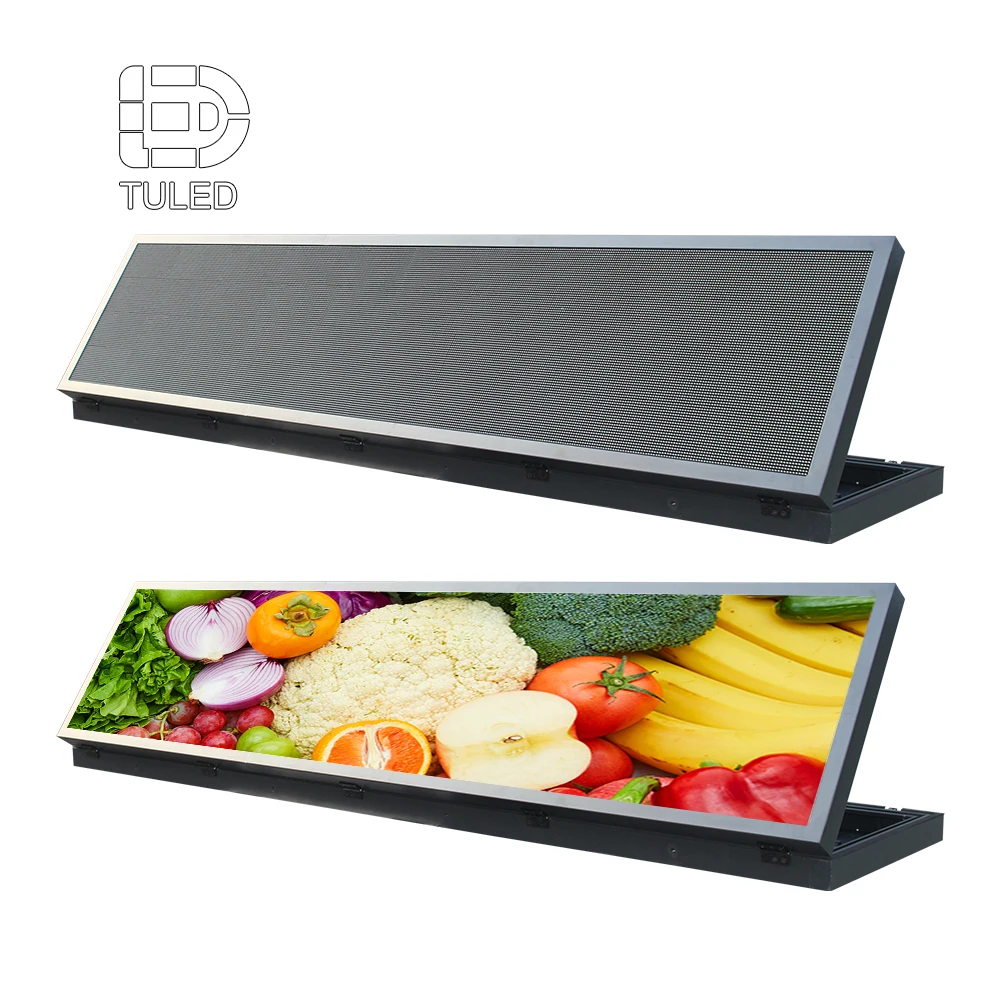 View Programmable LED Display Board
 Programmable sign projects often need regular content updates, so maintenance planning should include both display parts and control-system support.
Real Service Scenarios That Buyers Often Underestimate
In a retail storefront, the sign may run every evening when foot traffic is highest. If one module becomes darker than the others, the issue is not only technical. It affects brand appearance, window presentation, and the confidence of people walking past the shop.
In a shopping mall, the display may be viewed from a short distance. As a result, a small color difference after module replacement becomes easy to notice. In this scene, calibration support is more important than simply keeping a large number of spare parts.
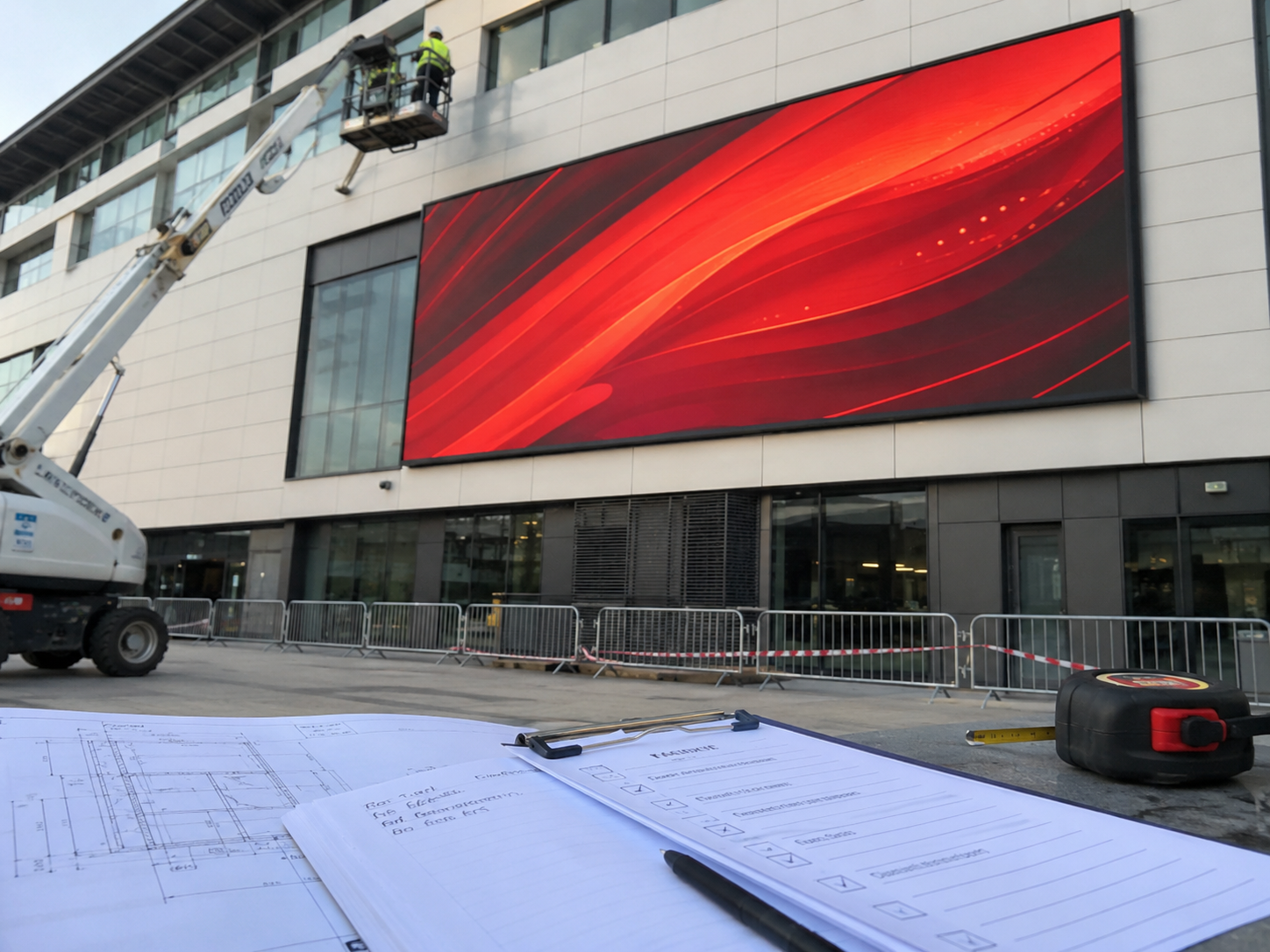
For outdoor advertising, the pressure is different. Rain, dust, heat, direct sun, and long operating hours all test the cabinet and power system. Therefore, the service plan should explain how waterproof connectors, cable entry points, power branches, and cabinet access will be checked.
For multi-location projects, consistency matters most. A sign company may need to maintain several displays across different cities. In that case, shared part codes, standard module models, saved software files, and clear fault-reporting steps make service much easier.
Scenario-Based Decision Table
What a Useful Spare Parts List Should Look Like
A spare parts list should not feel like a random accessory bundle. Instead, it should explain which parts protect uptime, which parts protect visual quality, and which parts help the service team recover faster after a fault.
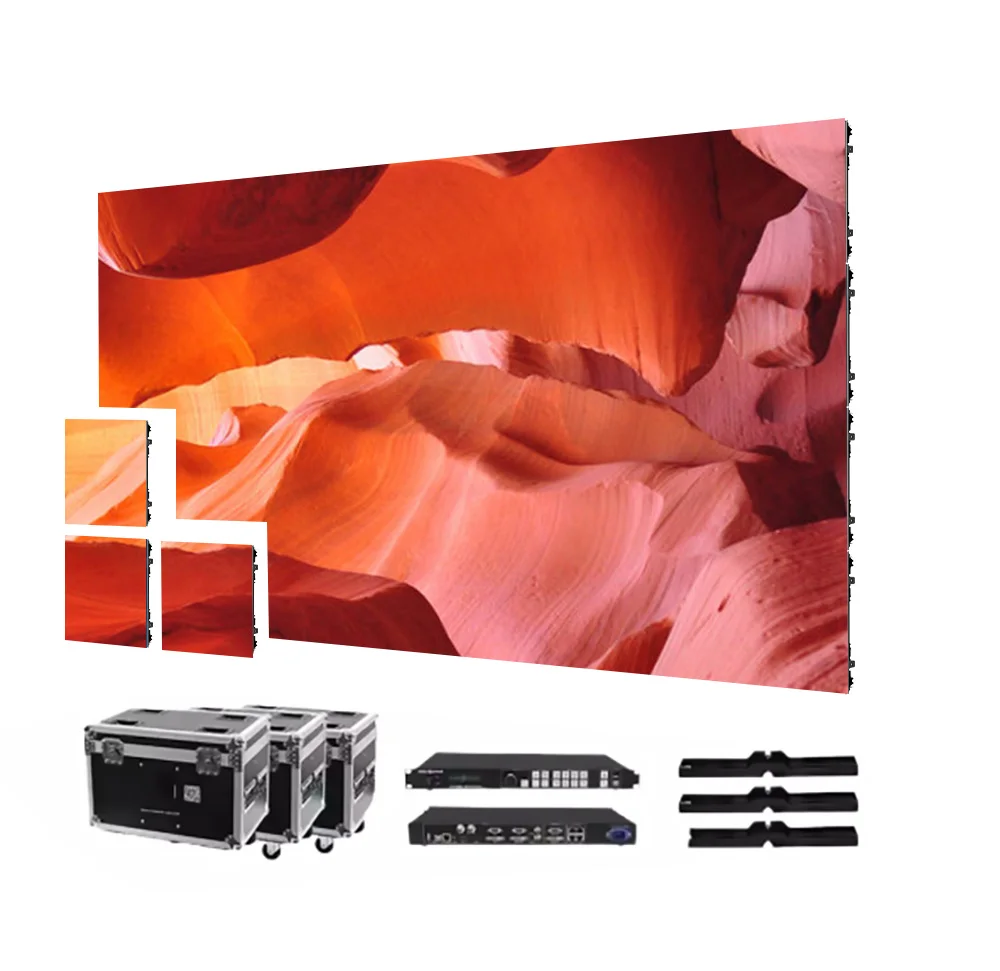
Usually, the list includes LED modules, power supplies, receiving cards, sending cards, data cables, power cables, connectors, masks, and small hardware. However, quantity should follow risk. A small indoor display may need a lighter spare kit, while a large outdoor board needs stronger planning.
The LED module is the most visible spare part. Even so, it should never be selected by appearance alone. A matching module should fit the same size, pitch, connector layout, scan method, brightness range, and cabinet structure.
This is where a clear spare policy becomes valuable. It should show what is included, what is optional, and how future parts can be ordered by model code. Without that record, a simple repair may depend on guesswork months later.
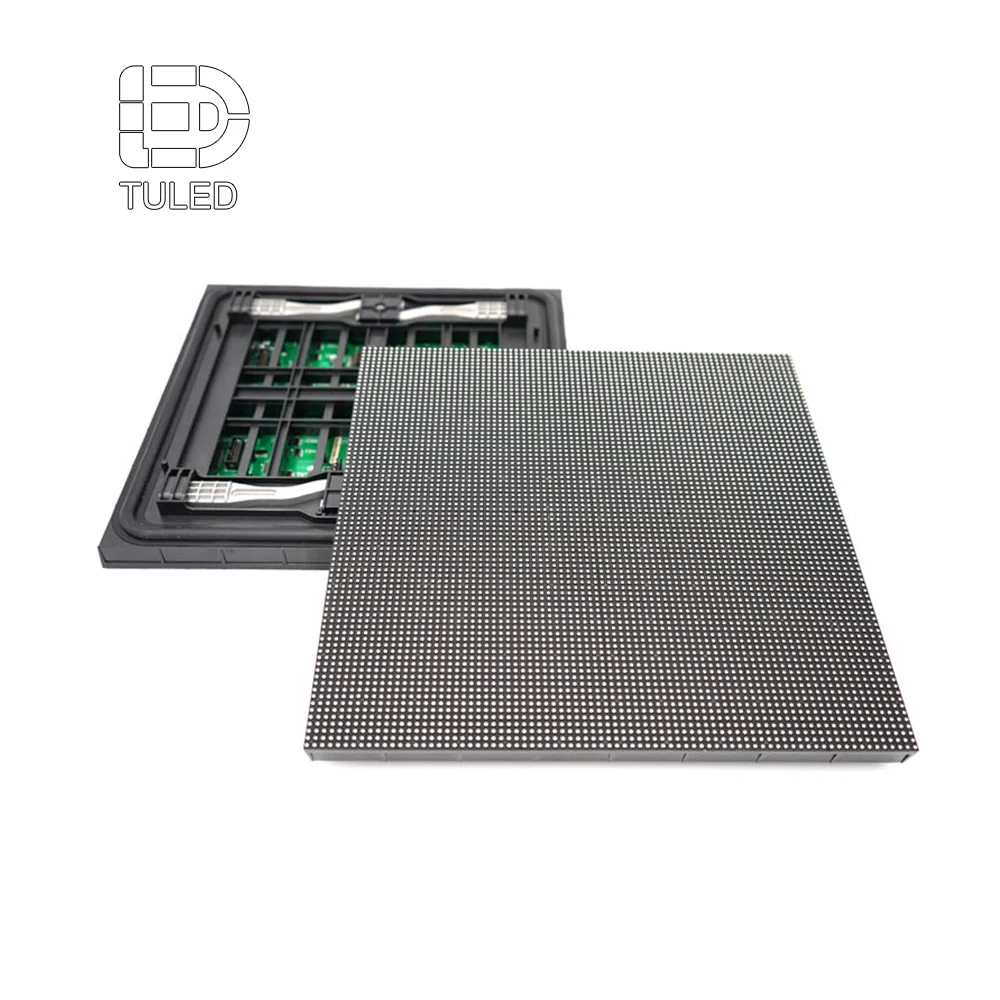 View 320×320 LED Display Module
 Spare modules should be planned by compatibility, not by looks only. This helps avoid color mismatch and mapping issues during future repairs.
Module Replacement Should Feel Simple, Not Risky
Module replacement is often the moment when after-sales quality becomes visible. A well-planned screen allows the service team to identify the faulty area, remove the module, install a matching spare, and test the result without disturbing the whole display.
However, this only happens when access has been considered early. Front-service design is useful when the sign is mounted against a wall or placed in a narrow storefront. Rear-service design works better when there is a safe service corridor, cabinet door, or open structure behind the screen.
Therefore, access direction should not be treated as a small installation detail. It affects labor time, safety, and future downtime. A display can look clean from the front but become difficult to maintain if no one can reach the parts safely.
For sign projects, a related LED sign board solution should be reviewed together with the service method. This connects the display purpose with the real maintenance path behind it.
A Practical Replacement Flow
- Find the exact cabinet and module position from the layout drawing.
- Turn off the correct power branch before service work starts.
- Check the connector, cable, and module seat before replacing the part.
- Install the matching module and confirm physical alignment.
- Run real content, not only a single-color test image.
- Record the service date, part code, and final visual result.
Calibration Is What Makes a Repair Look Finished
Calibration sounds technical, but its value is easy to understand. It helps the repaired area blend into the rest of the display. Without it, a new module may work correctly but still look slightly brighter, darker, warmer, or cooler.
This matters most when the sign is viewed closely. A shopping mall display, lobby screen, or retail entrance sign can look unprofessional if one repaired area stands out. Therefore, calibration support should be discussed before the order is placed.
In outdoor use, calibration also helps manage aging. Sun, heat, rain, and long working hours may affect different areas at different speeds. Regular visual checks make it easier to catch uneven brightness before it becomes obvious.
The service file should include brightness settings, calibration data, software version, and final control files. These records turn future adjustment from a vague request into a clear technical task.
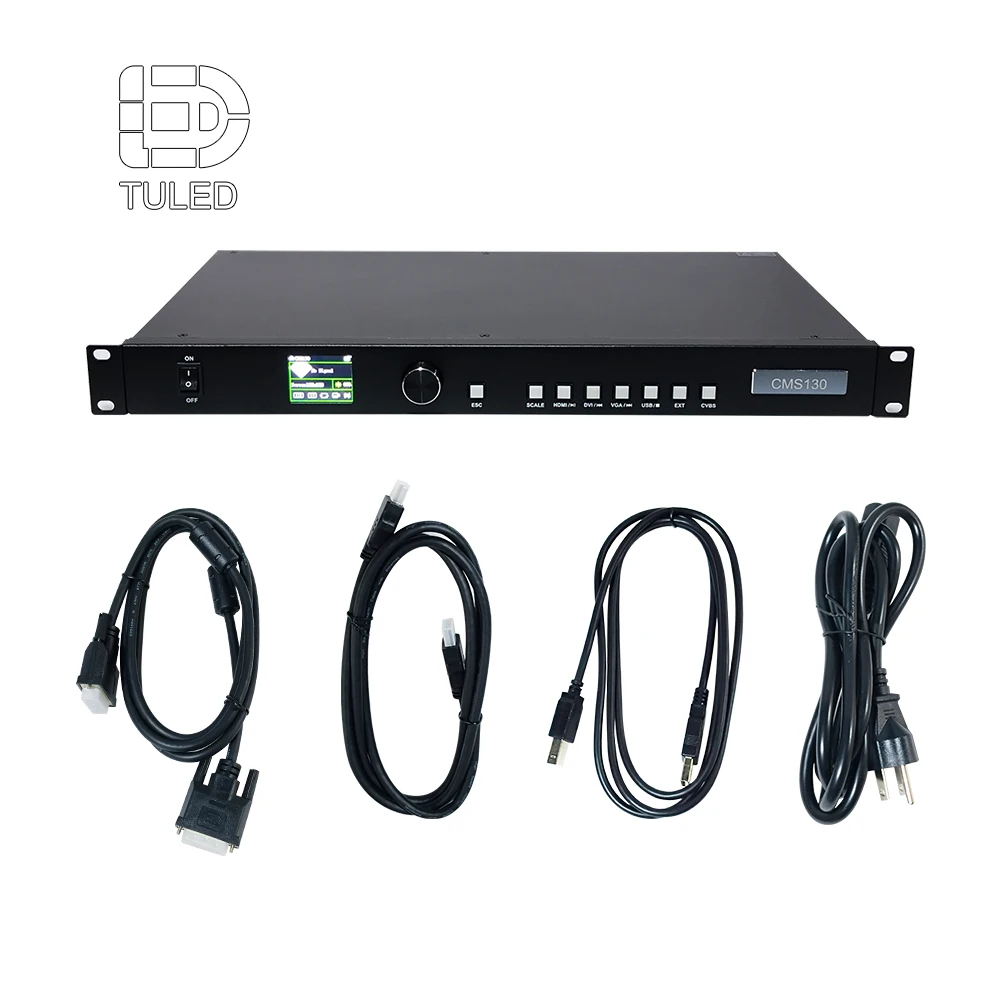 View Novastar CMS130 Video Processor
 Control equipment and saved configuration files help keep content playback, scaling, and visual adjustment easier to manage after delivery.
Control-System Records Reduce Future Service Stress
A sign does not rely on modules alone. The control system keeps content moving from the media source to the display. If receiving cards, sending cards, processors, and software files are not recorded, future service becomes slower.
For example, a receiving card affects how the cabinet understands image data. It influences mapping, scan compatibility, and signal stability. If the wrong setup file is loaded, the screen may show content in the wrong area or lose signal.
At the same time, a sending card or video processor affects content input, scaling, and playback stability. These parts matter more when the display uses scheduled content, multiple inputs, or remote updates.
For broader supplier evaluation, the LED display screen supplier guide is useful when comparing documentation, factory support, testing, and after-sales readiness.
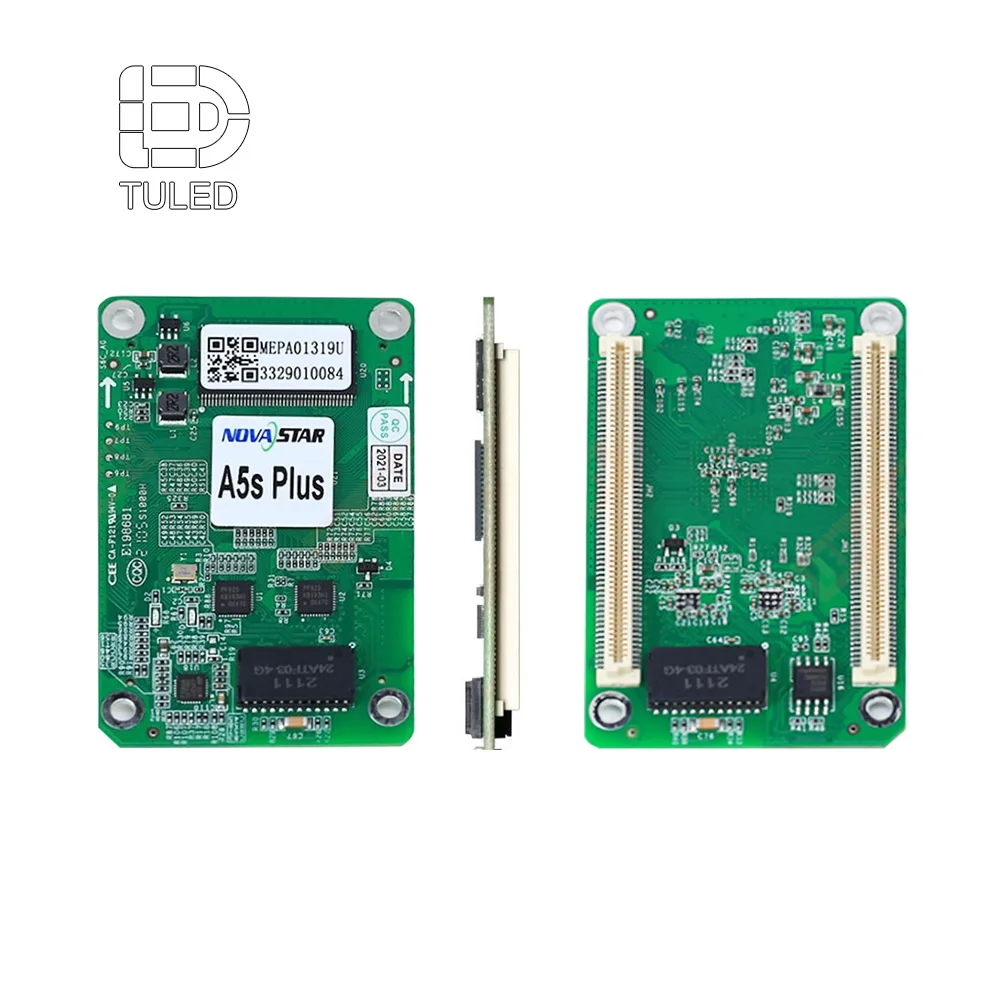 View Novastar A5s Plus Receiving Card
 Receiving card records, mapping files, and software versions help service teams restore stable image performance faster.
What to Confirm Before Payment
Before payment, after-sales details should be written clearly. General phrases such as “technical support included” or “spare parts available” are not enough. The quotation should explain what happens when a real fault appears.
First, confirm the spare parts list. It should include item names, quantities, model details, and purpose. Next, confirm access direction. The drawings should show whether modules and power parts can be reached from the front or rear.
Then, confirm calibration support. Ask whether calibration files, brightness records, software versions, and remote adjustment guidance are included. This is especially important for signs viewed from short or medium distance.
Finally, confirm warranty and response process. A 2-year warranty is more valuable when claim steps, covered parts, shipping responsibility, and service communication are clear.
Pre-Payment Maintenance Checklist
- Confirm included spare parts with model numbers and quantities.
- Ask whether spare modules are visually matched with the original batch.
- Confirm front-service or rear-service access before production.
- Request cabinet layout, module position map, and wiring photos.
- Save receiving card, sending card, controller, and processor files.
- Confirm calibration files, software version, and remote adjustment support.
- Clarify warranty scope, claim steps, and future spare ordering method.
Common Mistakes That Make Maintenance Harder
One common mistake is treating all modules as interchangeable. A module can look similar but still differ in color behavior, connector position, scan method, or software setting. Therefore, recorded compatibility matters.
Another mistake is ignoring service access. A sign may look neat on the wall, yet become difficult to repair if no one can reach the back safely. In that case, every small fault may require extra labor.
A third mistake is keeping hardware without files. A spare receiving card is useful only when the correct configuration can be loaded. A spare processor is useful only when the final settings are saved.
Finally, some projects treat calibration as a one-time factory task. In real operation, replacement parts and aging can change the screen’s appearance. For that reason, recalibration support should stay part of the service plan.
Extended Reading
These related pages support the article from product, service, and supplier-evaluation angles.
Useful for understanding spare modules, replacement planning, and visual repair quality.
Related sign solution for commercial, storefront, information, and outdoor signage applications.
Helpful for reviewing factory background, testing direction, service support, and long-term project capability.
Conclusion: Easier Maintenance Means Lower Ownership Pressure
In summary, a good LED sign is not only bright on the first day. It should also be easy to inspect, repair, recalibrate, and support after delivery. That is why spare parts planning, module compatibility, service access, and saved control files matter.
A practical maintenance plan reduces uncertainty. It helps the operation team know what to check first, which part to replace, and how to restore a clean visual result after service.
For a wholesale led sign project, the strongest decision is not always the longest specification sheet. It is the solution that makes long-term ownership feel clear, manageable, and service-ready.
FAQ: Spare Parts, Module Replacement, and Calibration
What spare parts should be planned for an LED sign?
A practical spare kit usually includes LED modules, power supplies, receiving cards, sending cards or controllers, data cables, power cables, connectors, masks, and small hardware. The final list should match the screen size, access difficulty, operating time, and installation environment.
Why does module compatibility matter?
Module compatibility affects color match, connector fit, scan behavior, and image mapping. A visually similar module may still create uneven brightness or display errors if the model details do not match.
When is recalibration needed?
Recalibration is useful after module replacement, visible color difference, long operation, control-system changes, or harsh weather exposure. It helps the repaired area blend with the rest of the display.
What should be confirmed before payment?
Confirm the spare parts list, replacement access, cabinet layout, control files, calibration support, warranty scope, service response process, and future spare ordering method before payment.
Is more spare stock always better?
Not always. A good spare plan is based on real service risk, not random quantity. The most useful parts are the ones that protect uptime, visual quality, and fast recovery in the actual installation scene.
Plan the Service Details Before Production
A service-ready LED sign project should include spare parts planning, module replacement guidance, calibration records, and clear after-sales communication. These details make installation, daily operation, and future repair easier to manage.
Send the screen size, installation scene, viewing distance, access method, and expected daily operating hours. The engineering team can help prepare a practical spare parts plan, replacement method, and calibration support checklist before production.
Contact Us for a Service-Ready LED Sign Plan