EN
EN


Large LED projects rarely fail because of one big mistake. Most problems start earlier, and they usually start smaller. The pitch looked fine. The brightness sounded high enough. The warranty looked standard. Then the screen reached site, the maintenance space was tighter than expected, the certificate pack was incomplete, or the spare policy was thinner than the quote suggested.
On paper, two quotations can look nearly identical. In practice, one may be easier to install, easier to maintain, and much less stressful six months later. For teams comparing a wholesale led screen, that difference matters more than a polished sales sheet. The real job is to check whether the screen fits the scene, whether the structure will stay manageable after installation, and whether the files and warranty terms still make sense once the project is moving.
This is where buyers usually get stuck. The display body is only part of the order. Service access, quotation scope, spare parts, CE/FCC matching, and replacement handling often decide whether a “good quote” stays good after delivery. A cheap quote can get expensive very quickly.
Start with the scene, not the specification sheet
A lot of procurement friction begins the same way: the model gets discussed before the installation scene is clearly defined. Once that happens, the conversation drifts toward isolated numbers. Pitch, brightness, and refresh rate start floating around without a clear picture of where the display will sit, how close the audience will stand, how much ambient light the screen will face, or how maintenance will actually be done.
A cleaner process is simpler. Lock the scene first. A close-view boardroom wall, a fixed outdoor sign, a touring stage backdrop, a retail poster, and a glass-façade display do not need the same screen. They do not even need the same buying logic. One cares most about clarity and front service. Another cares about daylight visibility and weather protection. A third cares about cabinet speed, edge protection, and transport durability.
Once the application is clear, the shortlist usually gets shorter on its own. That is a good sign.
Close-view indoor work
Conference rooms, showrooms, control spaces, and premium indoor walls are judged from short distance. In those jobs, pixel pitch, cabinet flatness, and service access matter early. The basic relationship is stable: smaller pitch supports closer viewing, while larger pitch makes more sense as viewing distance increases. Still, the smallest available pitch is not always the smartest buy. Fine pitch raises budget pressure, tightens installation tolerance, and makes weak source content more obvious. Actual values should always follow the project scene, content type, and viewing distance rather than a generic rule.
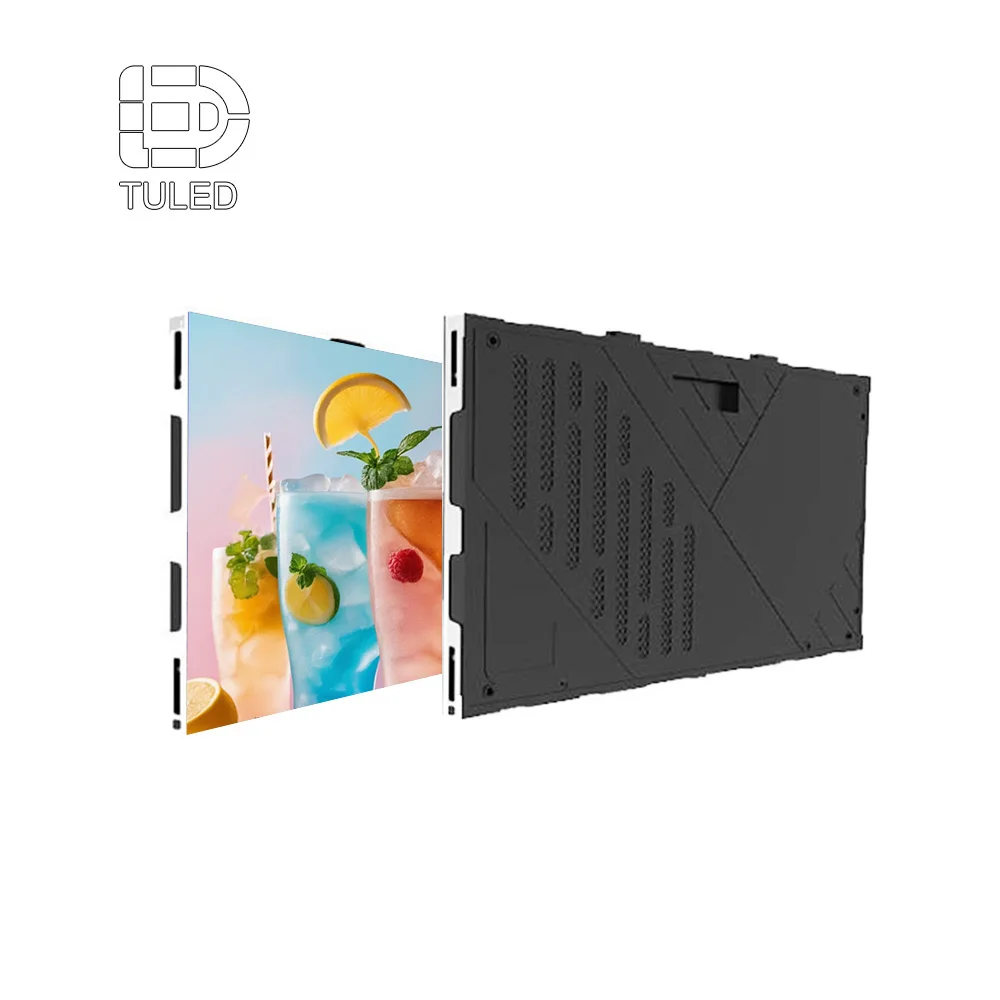
For this type of project, a small-pitch option like UHD Small Pixel LED Display fits naturally because close-view indoor work usually benefits from front-service access and cleaner cabinet precision. That combination is easier to live with in conference rooms and control spaces than a more general cabinet format.

Close-view indoor projects usually reward finer pitch, better flatness, and easier front access.
Outdoor fixed installs
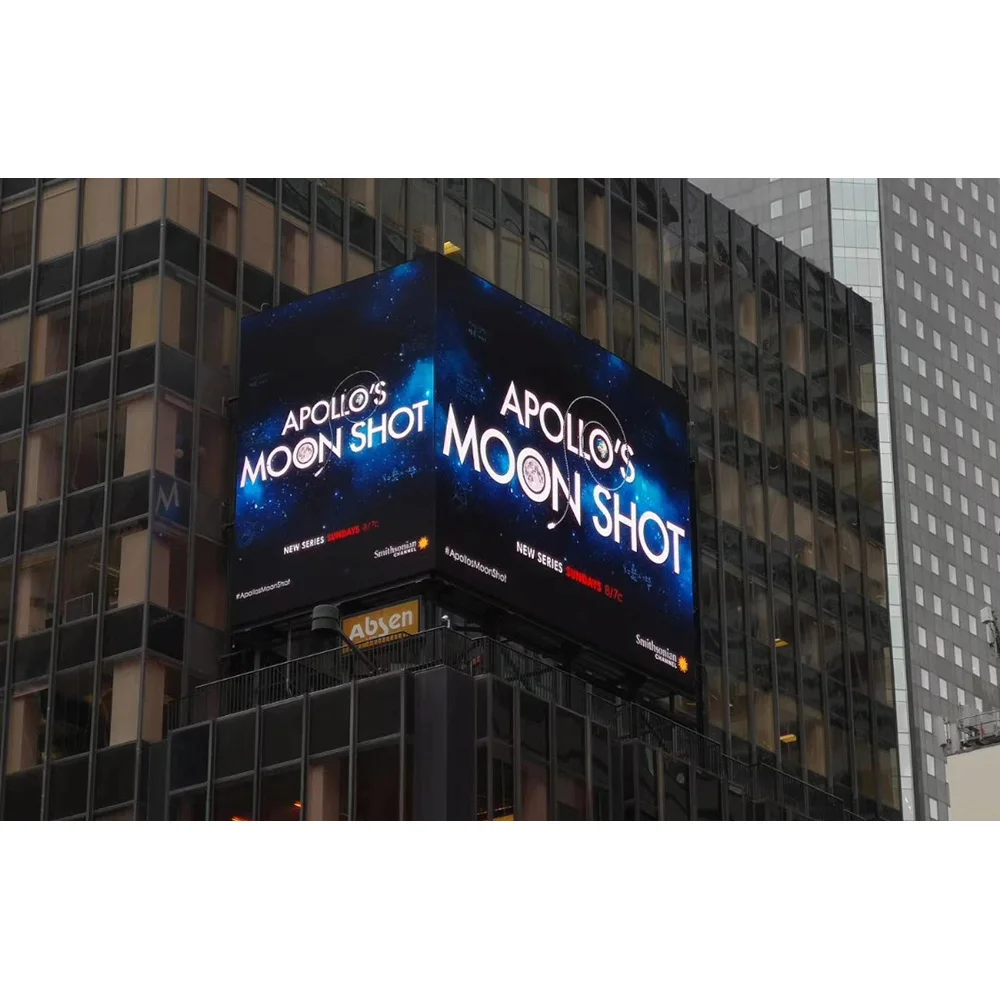
Outdoor work changes the priority list quickly. Brightness matters more, but brightness alone does not answer the question. Sun angle, screen orientation, operating hours, sealing, and long-term access matter too. A sign under a canopy is not the same as one facing direct afternoon sun. That sounds basic, but it is where many quote comparisons go off track.
In practical terms, outdoor projects should review visibility, protection, heat behavior, and service logic together. That is why a 500×1000 cabinet format often appears in serious shortlists. It keeps structure, locking, and maintenance decisions easier to evaluate. A model like 500×1000 LED Display makes sense here because this cabinet style is widely used for outdoor and mixed-use work where installation efficiency matters as much as headline spec language.

For outdoor fixed work, cabinet logic, sealing, and service access matter just as much as brightness.
Rental and stage work
Rental projects live a harder life than many fixed installs. Cabinets are loaded, unloaded, locked, flown, stacked, packed, and moved again. In that world, the best screen is not the one with the flashiest line on the spec sheet. It is the one that keeps setup clean and repeatable.
Quick locks, cabinet rigidity, edge protection, and predictable alignment matter more than people expect. Many problems do not show up until the screen is already on site. By that point, the low quote is no longer the low-cost option. This is also why 500×1000 cabinet systems often stay in rental conversations as well as fixed-install comparisons.
Retail, exhibitions, and temporary promotion
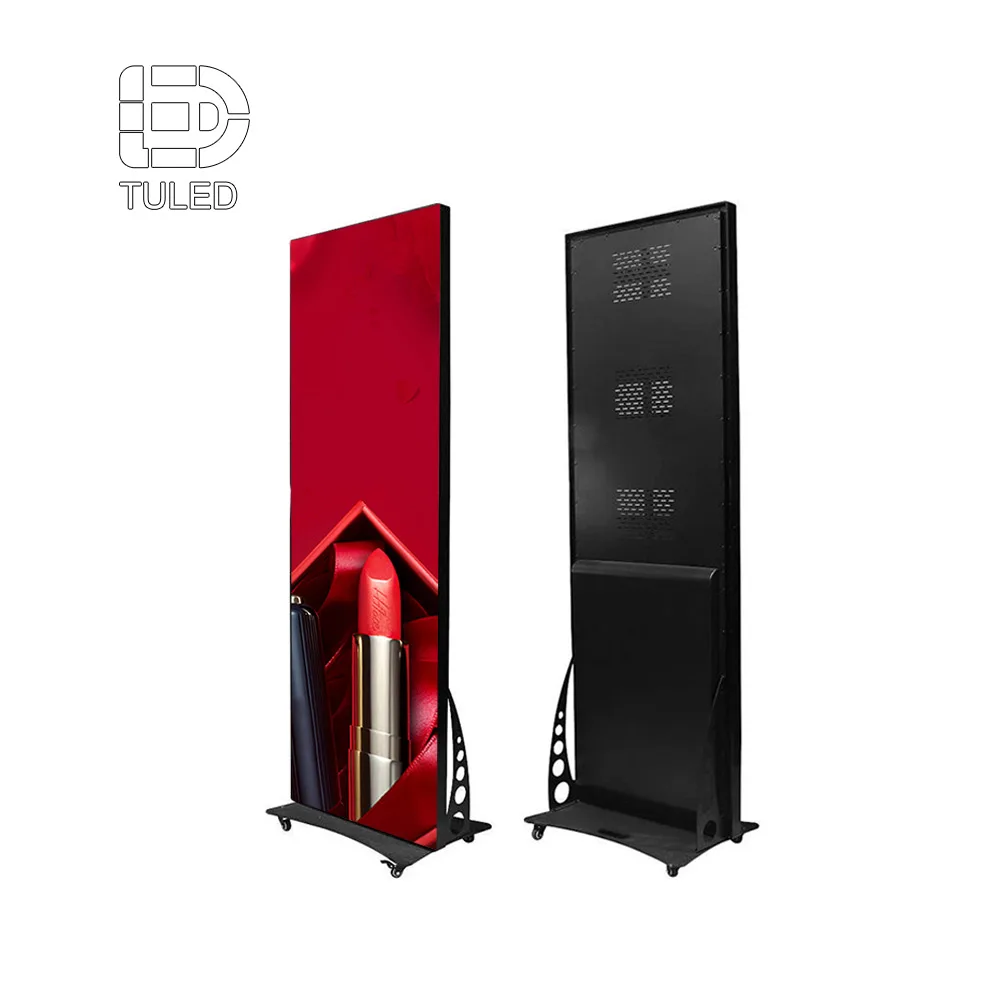
Not every project needs a full LED wall. Retail entrances, showroom corners, event foyers, and temporary campaigns often work better with a poster-style format. In those cases, mobility and fast deployment matter more than building a large seamless wall with a separate structure.
That is where Floorstanding LED Poster Display Video Wall fits well. It is a practical choice for stores, exhibitions, and promotional displays that need lighter handling, simpler placement, and easier content changes.

Poster-style displays often make more sense when fast deployment matters more than seamless scale.
Transparent and window-facing media
Transparent LED belongs in a different conversation. Here, the goal is not only to show content. The goal is to keep the structure visually lighter, preserve light through the glass, and make the display work with the façade rather than fight it. That changes the buying logic.
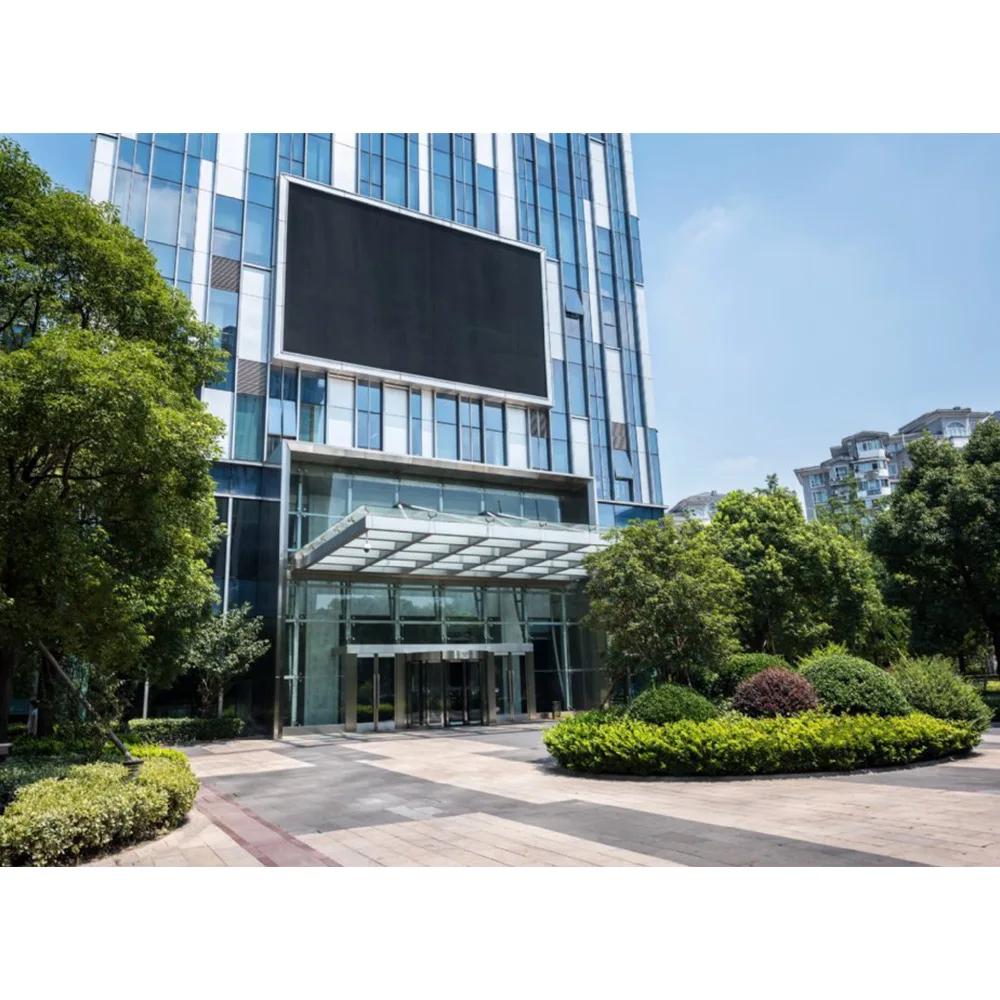
In this type of project, the key questions are about openness, weight, installation method, viewing distance, and how cleanly the screen fits the building surface. It is less about chasing the finest pitch and more about balancing media effect with architectural restraint. That is why Ultra-Thin Transparent LED Mesh Display is a natural fit for storefront glazing, atriums, and glass-facing media where openness still matters.

Transparent LED is usually chosen for lightness, openness, and façade fit—not just for raw specification numbers.
The three checks that matter before approval
Once the scene is defined, the buying process gets much easier. Almost every serious question can then be grouped into three checks.
First, will the picture suit the site?
Second, will the structure and maintenance plan stay manageable?
Third, do the files and after-sales terms actually protect the order?
That framework keeps the conversation practical. It also stops quote review from turning into a random comparison of disconnected specifications.
1) Picture fit: does the image match the real environment?
This is the first technical filter, but it should still be treated as a judgment call, not a race for the biggest number.
Pixel pitch is the natural starting point because it shapes how clean the image looks from the actual viewing distance. The relationship is simple enough: finer pitch is better for close viewing, while larger pitch becomes more economical as the audience moves farther back. What changes from project to project is whether the content really needs that extra density, and whether the site can justify the added budget and tighter installation tolerance.
Brightness should be judged the same way. Indoor projects usually need comfortable visibility, not aggressive output. Outdoor projects need enough brightness to remain readable in daylight, but even then the right target depends on the site rather than the headline number. Industry guidance commonly places outdoor brightness needs much higher when the screen faces direct sunlight, while indoor environments operate at much lower levels. Again, actual requirements should follow the installation scene.
Refresh rate and grayscale become more important when the wall will be filmed, streamed, or used with fast-moving content. This is often where two similar-looking quotations begin to separate. In market practice, 1920Hz, 3840Hz, and 7680Hz are common refresh reference points, and higher refresh tends to improve camera performance and visual stability. Grayscale then affects how smooth dark areas and gradients appear. Sample video, phone-camera checks, and low-brightness content tests still matter because many image issues do not show up in a PDF.
2) Structure and maintenance: will the screen still be easy to live with?
A display can look excellent on day one and still be the wrong decision if service access is awkward, module replacement is slow, or the structure makes routine maintenance expensive. That is why cabinet size, weight, material, locking method, and front-versus-rear service should be treated as buying questions, not only engineering notes.
Front service is often the safer option when rear access is limited or costly to build around. Rear service can work well when there is enough depth and a clean walkway behind the wall. Trouble starts when maintenance logic is settled too late. By then, the cabinet family may already be locked, and the site ends up adapting to the screen instead of the other way around.
Protection rating belongs in the same conversation. Outdoor cabinets commonly target IP65 on the exposed side, but that label only helps when it is matched by the overall enclosure, wiring, and sealing approach. The same logic applies to heat dissipation, power supply access, and spare planning. A good price without a clear spare policy is not really a good price.
3) Files and after-sales: does the paperwork really support the project?
This is where procurement risk often hides. The display may look fine. The quotation may look fine. Then the project slows down because the file pack is incomplete, the compliance documents do not match the quoted cabinet series, or the warranty sounds broader than it actually is.
CE and FCC are the obvious examples. The key question is not whether the proposal mentions them. The key question is whether the certificate set matches the actual cabinet family, electrical configuration, and control setup being quoted. If those pieces do not line up cleanly, the paper trail is weaker than it looks. That is usually when the paperwork starts to matter.
The same goes for the rest of the file pack. Wiring guidance, packing logic, spare lists, installation notes, and control-system details should not appear for the first time after deposit. If the documents are vague during LED display quotation review, support is rarely smoother later.
Certs: what to request before deposit
This part is easy to underestimate because it sounds administrative. It is not. It is one of the simplest forms of risk control.
A clean certification review usually checks four things together:
the quoted model or cabinet series
the electrical configuration
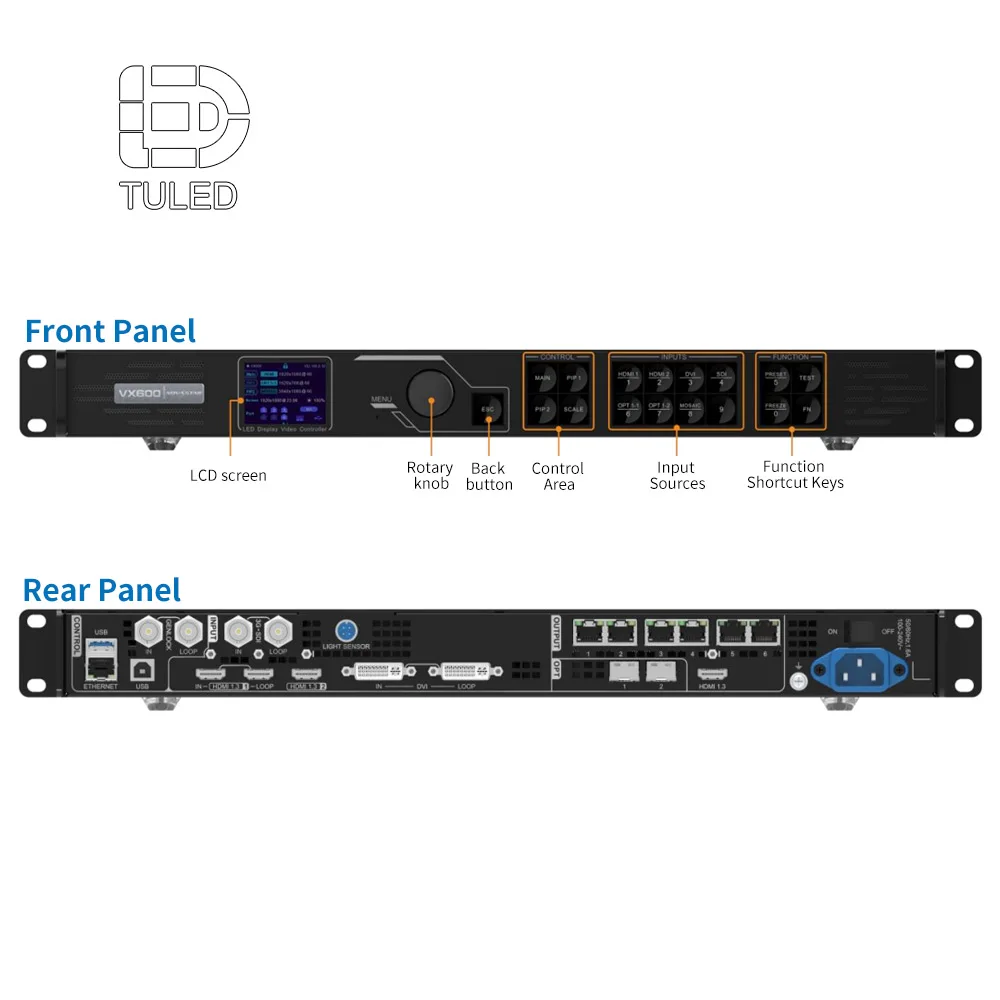
the controller or system setup if relevant
the certificate and report set that is supposed to support that build
The mistake is waiting until production is already moving. At that point, the team is no longer comparing options. It is trying to save time. A better routine is to request the file pack during quotation review and check whether the naming, series, and configuration really match.
For many projects, CE and FCC are the first items on the list. Outdoor work also needs protection logic to make sense on the actual cabinet. If the screen involves transparent structures, unusual mounting, or a less common electrical setup, the check should be even tighter. The safest rule is simple: if the files are vague, incomplete, or loosely matched, approval should stay on hold.
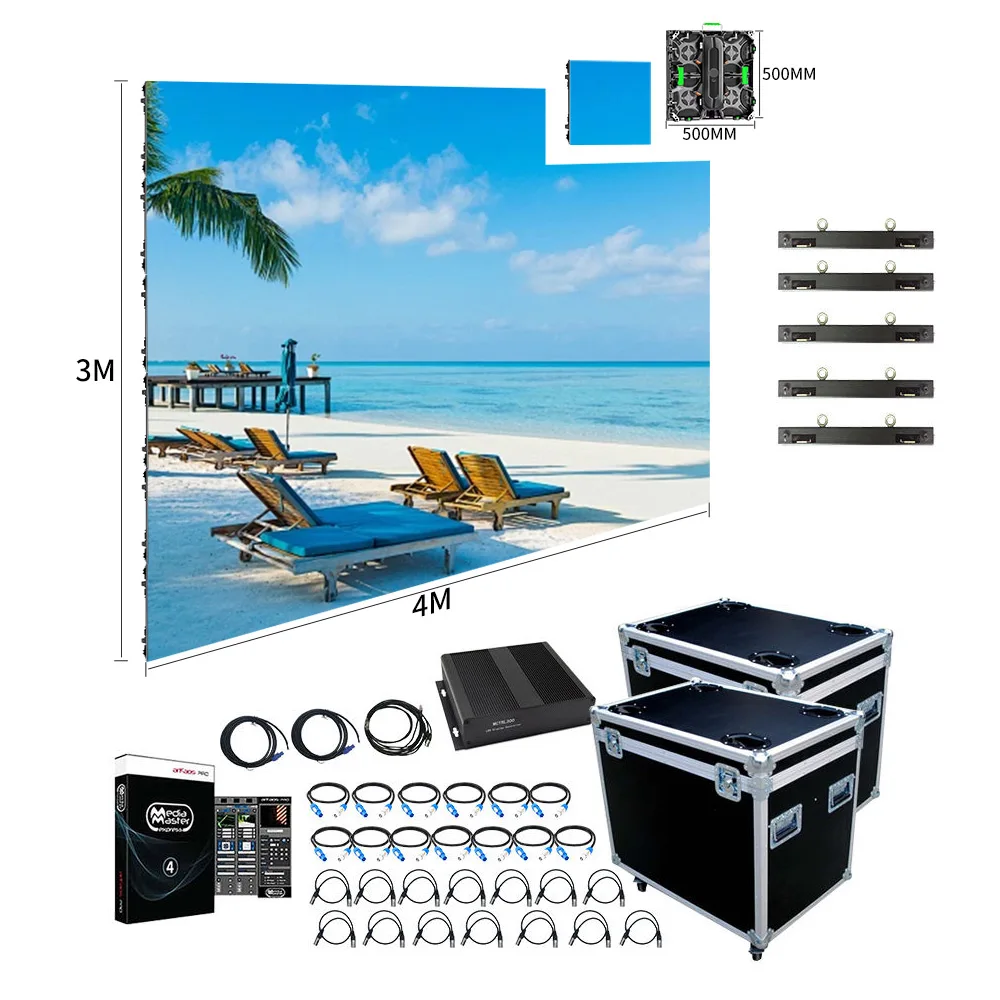
This is also the right stage to confirm quotation scope. Accessories, controller, receiving setup, packaging standard, and remote support should be written clearly into the offer. Two quotations cannot be compared fairly if one quietly excludes the pieces that keep the project alive.
Warranty: the number is only the beginning
“Two-year warranty” is a useful line. It is not a complete answer.
A 2-year warranty with a defined spare ratio, such as 3% spare parts, is a much better starting point than a broad promise with no detail. That is the baseline policy presented by LED Display Factory, but it should be treated as the opening point of the discussion, not the end of it. What matters next is scope. What is covered? What is excluded? When does the warranty start? Are spare parts shipped with the order or handled later? Who carries replacement freight? What is the response path when a fault appears? If a module version changes later, how is compatibility handled?
These questions matter because most disputes do not come from the phrase “under warranty.” They come from the edges around it. A fault gets reported. Diagnostics begin. Freight becomes a question. A replacement module is no longer the same batch. Color consistency becomes an issue. Suddenly the headline warranty line feels much too short.
A stronger review treats warranty as a process, not a slogan. That means checking:
start date of coverage
included parts and excluded conditions
spare ratio and what is actually included in that spare pack
who pays freight on replacements
whether support begins with remote diagnosis or immediate dispatch
how discontinued modules, driver changes, or compatibility issues are handled later
For larger networks and repeat projects, replacement compatibility matters more than many teams expect. A module that technically works but looks visibly different is not a clean service outcome.
Side-by-side comparison table
A short table helps keep the shortlist grounded. The goal is not to capture every possible parameter. The goal is to compare what actually changes project outcome.
| Spec | Option | Best for | Cost impact | Notes |
|---|---|---|---|---|
| Pixel pitch | Fine pitch indoor | Boardrooms, control rooms, premium showrooms | High | Better for close viewing, but needs tighter install accuracy |
| Pixel pitch | Mid-range indoor/outdoor | Worship, retail, event backdrops, mixed commercial use | Medium | Often the most practical balance between clarity and budget |
| Brightness | Indoor-level output | Meeting rooms, lobbies, indoor staging | Low to medium | Comfort matters more than chasing maximum nits |
| Brightness | Outdoor high-output | Billboards, façades, roadside signs | Medium to high | Must be reviewed against sun exposure and screen angle |
| Service method | Front maintenance | Tight wall depth, polished interior installs | Medium | Easier to maintain when rear access is restricted |
| Cabinet format | 500×1000 class | Outdoor fixed work, rental, mixed-use staging | Medium | Familiar format with practical install and service logic |
The checklist to run before release
This is the part worth keeping in the approval workflow. Not because it looks tidy, but because it catches the small misses that later become expensive.
Pre-PO LED display checklist
Confirm the installation type before comparing models.
Check the nearest real viewing distance, not the theoretical one.
Confirm whether the content is text-heavy, video-heavy, or mixed.
Review pitch against the scene, not against trend language.
Check brightness against ambient light and screen orientation.
Ask whether filming, livestreaming, or broadcast capture is part of the job.
Compare refresh and grayscale only after the camera requirement is clear.
Lock cabinet size, weight, and service method before structure review is signed off.
Verify protection level and full waterproofing logic for outdoor work.
Request CE/FCC and related file support before deposit, not before shipment.
Confirm what is included in the quotation: controller, accessories, spares, packing, support.
Review warranty start point, replacement freight responsibility, and spare policy line by line.
Agree on acceptance criteria early, including accessories, spare delivery, and visual consistency.
Confirm whether English-language technical support and remote setup guidance are available.
That list is deliberately practical. It is not trying to replace engineering review. It is there to stop approval from moving forward while critical items are still vague.
What often gets missed until the screen is on site
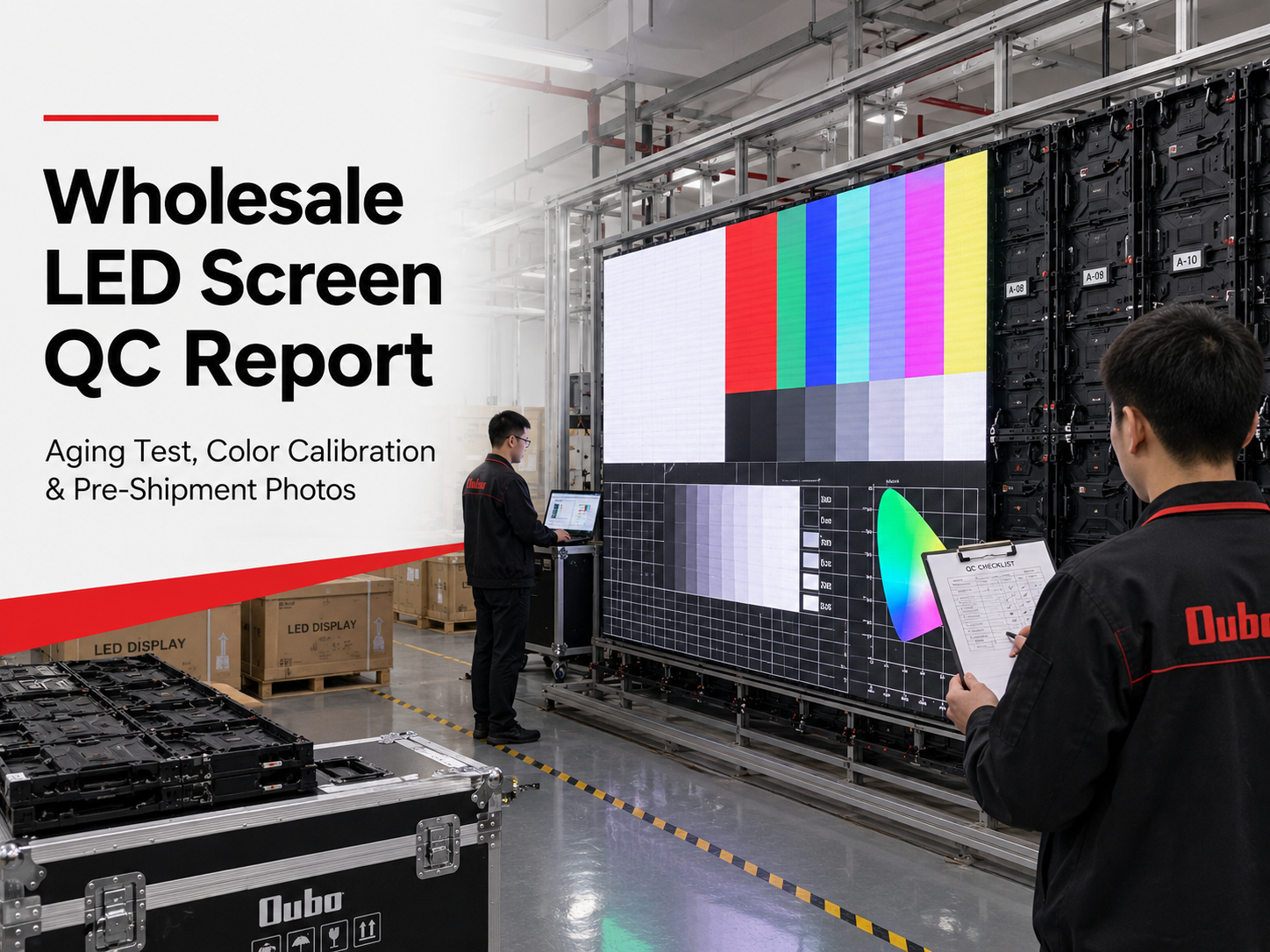
Most quote gaps are not caused by the display body itself. They come from scope.
One quotation includes sending equipment. Another assumes it is separate. One includes export-grade packing. Another does not. One includes basic remote setup support. Another leaves it out. That is why comparing price alone rarely tells the whole story.
Acceptance standards get skipped too often as well. Agreeing on them early helps prevent later arguments over uniformity, spare delivery, accessory lists, or test method. Acceptance criteria should be agreed before production, not discovered during handover.
Then there is support timing. Response speed across time zones, software guidance, mapping help, and fault diagnosis flow all matter more than they look in the first email. In practice, two offers can feel very close at the start. The real difference usually appears after the first technical problem.
Final take
A good LED purchase is usually not the one with the loudest specification sheet. It is the one that creates fewer unpleasant surprises later. That means choosing by scene first, checking image logic second, and reviewing documents, spares, and warranty terms before approval moves too far.
A better buying process is not complicated. It just needs discipline. Define the application clearly. Compare the same scope side by side. Do not let the certificate pack stay vague. Do not treat the warranty line as self-explanatory. And do not ignore maintenance access until the installation drawing is already locked.
Three simple actions make the next step easier:
narrow the screen type by scene before comparing numbers
request the certificate pack and warranty scope before deposit
compare spare policy and maintenance access as seriously as pitch and brightness
For the next LED display quotation review, the most useful move is to send project size, application scene, installation type, maintenance conditions, and budget range through the contact page, then request the recommended model family, certificate file pack, spare policy, and quotation scope together. For a team handling wholesale led screen, that usually leads to a better decision than asking for price alone.
FAQs
Can two quotations with the same pitch still lead to very different project results?
Yes. Pitch is only one part of the decision. The bigger differences often come from cabinet structure, front or rear service access, spare parts, controller scope, certification files, and how clearly the warranty handles replacement and support.
When should CE/FCC files be checked?
Before deposit. Waiting until production or shipment is too late. The file set should be reviewed while quotations are still being compared, and it should match the quoted cabinet series, electrical setup, and any relevant control-system configuration.
What is usually missing from a “2-year warranty” line?
The edges around it. Start date, covered parts, exclusions, freight responsibility, spare handling, response path, and replacement compatibility are often left unclear. Those details matter more than the headline number once the screen is already installed.
Make the Quote Easier to Trust, Not Just Easier to Accept
A good LED purchase is usually not the one with the loudest specification sheet. It is the one that creates fewer unpleasant surprises later. That means choosing by scene first, checking image logic second, and reviewing documents, spares, and warranty terms before approval moves too far.
A better buying process is not complicated. It just needs discipline. Define the application clearly. Compare the same scope side by side. Do not let the certificate pack stay vague. Do not treat the warranty line as self-explanatory. And do not ignore maintenance access until the installation drawing is already locked.
For the next LED display quotation review, the most useful move is to send project size, application scene, installation type, maintenance conditions, and budget range through the contact page, then ask for the recommended model family together with the matching certificate pack, spare policy, and full quotation scope. That keeps the discussion where it should be: not on price alone, but on whether the screen fits the scene, whether the documentation is complete, and whether the project will still be easy to support after installation. In the end, a better purchase decision is usually the one that remains manageable long after the quotation is approved.