EN
EN


Planificación de exportación · Embalaje · Términos comerciales (Incoterms) · Aduanas
Un pedido transfronterizo de pantallas LED rara vez se vuelve difícil debido a que falta una pequeña especificación. Con mayor frecuencia, el estrés surge tras la producción: los estuches son más grandes de lo esperado, los términos de envío no están claros, los documentos aduaneros requieren revisión o el equipo de instalación no puede identificar qué piezas corresponden a qué sección.
Por lo tanto, una consulta seria venta al por mayor de pantallas LED debe considerar el transporte como parte del plan del proyecto, y no como una breve línea al final de la cotización. En otras palabras, la elección del producto, el método de embalaje, los términos comerciales (Incoterms), los documentos y las verificaciones al momento de la llegada deben discutirse conjuntamente.
El verdadero error: comparar el precio de la pantalla sin comparar el riesgo de entrega
Al principio, una cotización de pantalla LED parece fácil de comparar. El tamaño de la pantalla, el paso de píxeles, el tipo de gabinete y el precio unitario aparecen en la página. Sin embargo, esos detalles no indican lo que ocurrirá después de la producción. Es ahí donde muchos proyectos transfronterizos resultan más complejos de lo esperado.
Por ejemplo, una cotización puede incluir estuches de madera para exportación, accesorios etiquetados, fotos del embalaje y soporte documental. Otra cotización puede incluir únicamente la pantalla en sí. A simple vista, la segunda oferta puede parecer más económica. Posteriormente, el volumen adicional de flete, la manipulación en destino, la revisión de documentos, el almacenamiento en almacén o la verificación de accesorios faltantes pueden generar costos adicionales.
Por lo tanto, la comparación más inteligente no es «precio de pantalla frente a precio de pantalla», sino «alcance del proyecto listo para embarcar frente a alcance del proyecto listo para embarcar». Esto implica verificar el embalaje, las dimensiones del estuche, el peso bruto, los Incoterms, los documentos de exportación, la prueba de ensayo, las piezas de repuesto y la inspección tras la llegada.
En términos prácticos, la confianza en la logística se convierte en parte del valor del producto. Una pantalla que llega completa, claramente etiquetada y lista para su instalación es más fácil de aprobar, más fácil de recibir y más fácil de dar soporte tras la entrega.
Por qué la planificación del envío debe comenzar antes de que finalice la producción
En primer lugar, el envío de una pantalla LED no es un único artículo terminado. Puede incluir gabinetes, módulos, fuentes de alimentación, tarjetas receptoras, equipos transmisores, procesadores de vídeo, cables, máscaras, piezas de repuesto y accesorios de instalación. Por ello, la ausencia de un solo cartón puede detener una instalación de gran envergadura.
Al mismo tiempo, estas piezas no presentan el mismo nivel de riesgo. Un gabinete requiere protección en las esquinas. La cara de un módulo necesita protección superficial. Una tarjeta de control exige una etiquetación clara. Una fuente de alimentación requiere control de cantidades. Por lo tanto, un plan de embalaje útil debe proteger tanto el hardware como el flujo de trabajo en el sitio.
Además, varios equipos dependen de la misma información de envío. La adquisición necesita claridad sobre el costo total en destino. Las finanzas necesitan conocer los plazos de pago y de flete. La ingeniería requiere pruebas de funcionamiento. El agente de carga necesita conocer el peso y las dimensiones. El equipo de instalación necesita etiquetas para los estuches. Por lo tanto, la planificación del envío debe iniciarse tan pronto como el alcance del proyecto se estabilice.
En otras palabras, la logística no es solo transporte; es el puente entre la finalización en fábrica y la instalación exitosa. Cuando ese puente es débil, incluso una buena pantalla puede generar una mala experiencia de proyecto.
Comience con el escenario de uso y luego elija la lógica de embalaje
Una pantalla para comercio minorista, una pared publicitaria exterior, una pantalla para escenarios de alquiler y una pantalla de vidrio transparente no deben embalarse con el mismo criterio. Cada proyecto tiene una ruta distinta, un método de manipulación diferente, un ritmo de instalación particular y unos riesgos posventa específicos. Por lo tanto, el escenario de uso del producto debe guiar el plan de embalaje.
Por ejemplo, un panel LED de fachada largo puede requerir una protección más robusta de la cara frontal y un manejo horizontal cuidadoso. Una pared modular exterior puede necesitar etiquetas de secuencia de gabinetes y un embalaje que tenga en cuenta la humedad. Una pantalla de alquiler puede requerir estuches de transporte aéreo, ya que el producto se trasladará una y otra vez después del primer envío.
Es por esto que la gama de productos debe revisarse antes de tomar la decisión logística. La productos página puede ayudar a diferenciar pantallas interiores, displays exteriores, paneles informativos, paneles LED, muros de alquiler, pantallas para escenarios y opciones de displays transparentes. Sin embargo, la verdadera decisión radica en cómo se embalará, etiquetará, enviará y recibirá cada producto.
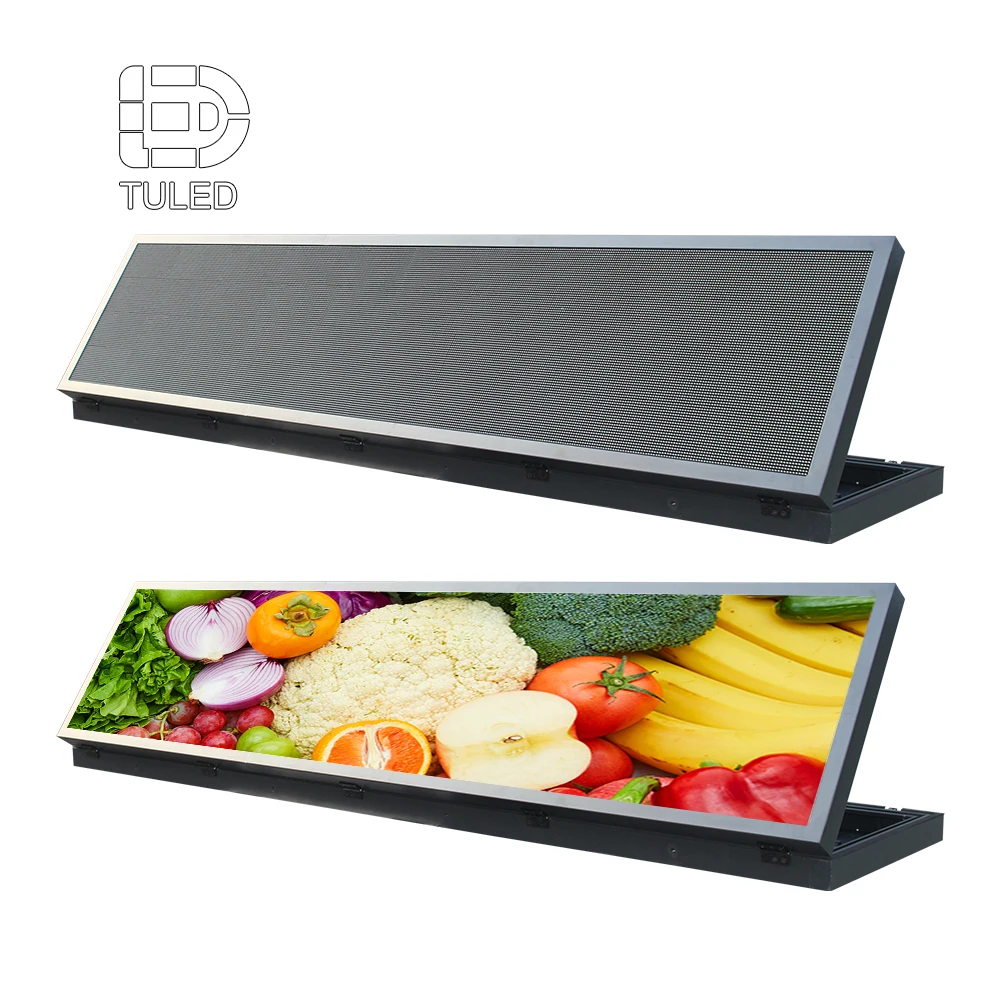
Los paneles de display largos requieren una protección cuidadosa de la cara frontal, una planificación detallada del embalaje en cartón y instrucciones claras de manipulación antes del envío para exportación.
El embalaje no es decoración. Es un seguro para el proyecto.
Un buen embalaje hace más que mantener la pantalla limpia. Protege el cronograma, al equipo de instalación, el proceso de reclamación de fletes y la reputación de todo el proyecto. Por lo tanto, el embalaje debe discutirse con la misma seriedad que la configuración de la pantalla.
Un estuche resistente protege el exterior. Sin embargo, el interior es igual de importante. El espaciado de espuma, la protección de las esquinas, el control de la humedad, la separación de los accesorios y la posición de las etiquetas modifican todos el resultado al llegar. Por ejemplo, los cables sueltos dentro de un estuche inadecuado pueden no parecer un problema grave durante el embalaje, pero tras varios días de vibración podrían rayar la superficie de un módulo.
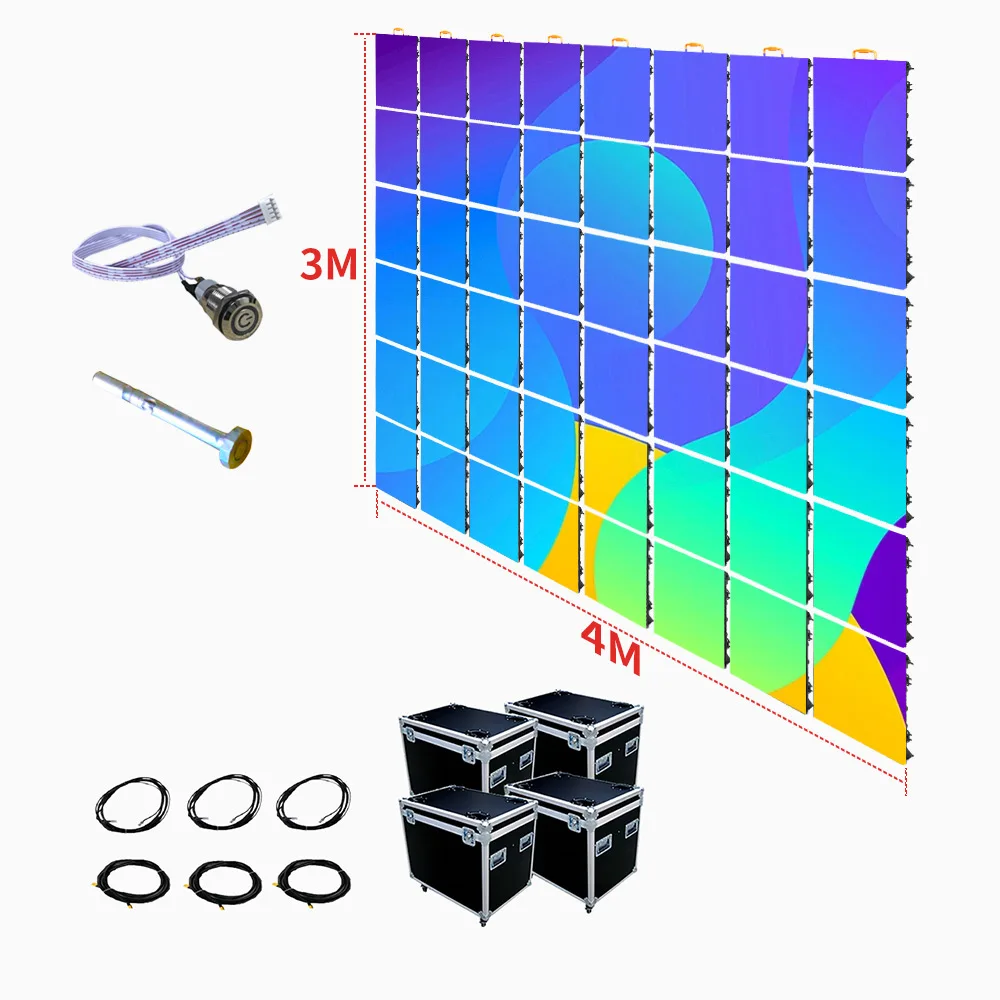
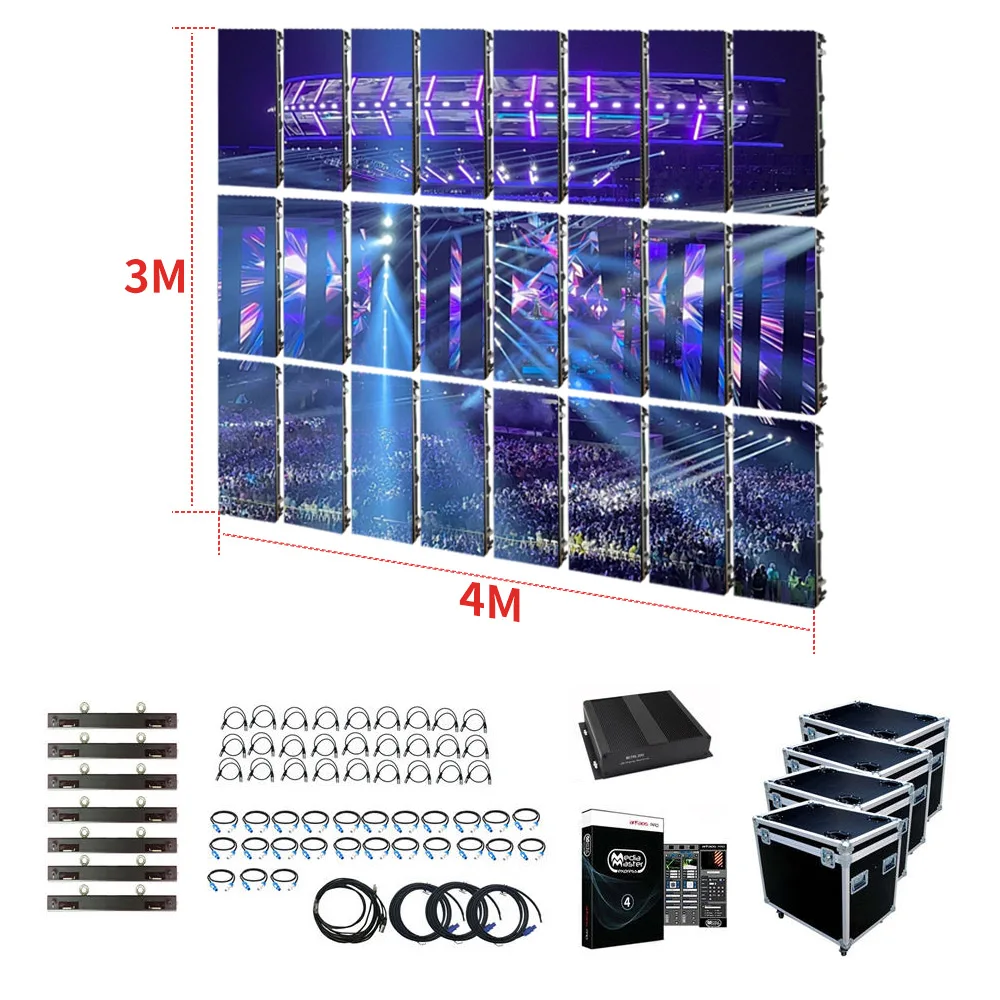
Los estuches de madera suelen ser adecuados para instalaciones fijas y para el transporte marítimo. Son útiles cuando los armarios requieren una protección firme durante una ruta larga. Sin embargo, los proyectos de alquiler y eventos suelen necesitar estuches de vuelo, ya que esas pantallas se cargarán, abrirán, cerrarán, enrollarán, apilarán y trasladarán muchas veces.
Por lo tanto, la pregunta más adecuada no es solo «¿El embalaje es resistente?». La pregunta más adecuada es «¿Este embalaje se adapta a la forma en que se manipulará la pantalla tras su llegada?»
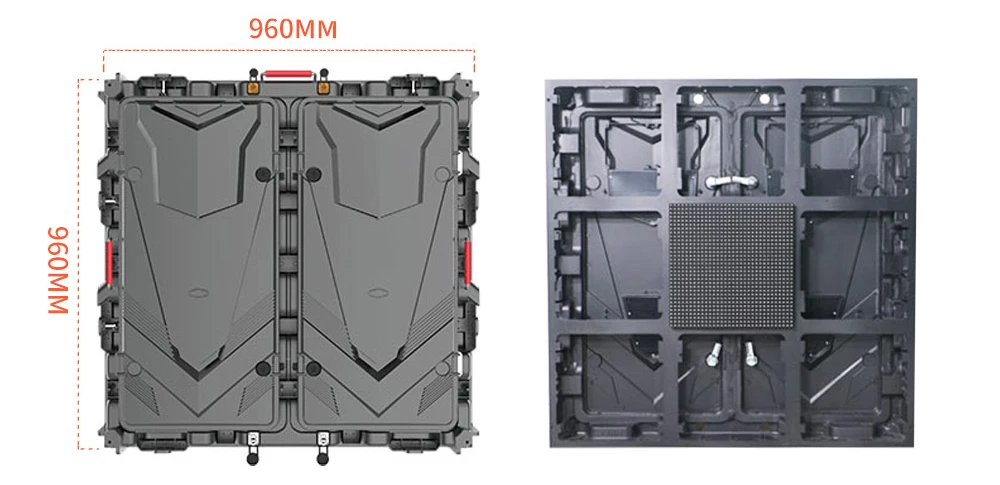
El tamaño del gabinete afecta al volumen de la caja, al método de carga, a la cotización del flete y a la secuencia de instalación.
Cómo evaluar si un plan de embalaje es fiable
Un plan de embalaje fiable debe responder tres preguntas sencillas. Primero, ¿qué contiene cada caja? Segundo, ¿cómo se protege cada zona frágil? Tercero, ¿cómo identificará el equipo receptor los artículos correctos tras su llegada?
Si la respuesta es vaga, el plan de embalaje no está listo. Una frase como «embalaje estándar para exportación» no es suficiente para un proyecto de pantalla LED de gran tamaño. En su lugar, la cotización debe especificar el tipo de caja, la cantidad de cajas, las dimensiones, el peso bruto, la protección interna, el embalaje de los accesorios y el método de etiquetado.
Asimismo, las fotos del embalaje deben mostrar detalles útiles. Una foto de una caja de madera cerrada es útil, pero no es suficiente. Las fotos más adecuadas muestran el producto antes del embalaje, la protección interna, los accesorios antes del sellado y las etiquetas finales de la caja.
Además, las etiquetas deben seguir la lógica de instalación. Para una pared grande, las etiquetas de las cajas pueden corresponderse con filas, zonas o grupos de armarios. Este pequeño paso ayuda al equipo de obra a avanzar más rápidamente y reduce la confusión durante el montaje.
Tabla de decisiones: Ajuste del embalaje al riesgo real del proyecto
La tabla que aparece a continuación no es una mera tabla de parámetros. En cambio, vincula el escenario del proyecto con el resultado comercial que el embalaje debe proteger.
| Escenario del proyecto | Enfoque del embalaje | Riesgo reducido | Pregunta para confirmar |
|---|---|---|---|
| Pared de vídeo fija en interiores | Etiquetas de secuencia de armarios, separación de módulos de repuesto, cajas de accesorios | Confusión durante la instalación y piezas faltantes | ¿Coinciden las etiquetas de los estuches con el dibujo de instalación? |
| Display publicitario al aire libre | Protección contra la humedad, estuches reforzados, conectores protegidos | Daños relacionados con el clima y retrasos en el sitio | ¿Se enumeran y empaquetan por separado los accesorios impermeables? |
| Pantalla de alquiler o para eventos | Estuches de transporte aéreo, resistencia de las ruedas, ajuste de la espuma, protección de los asas | Daños por cargas repetidas y configuración lenta | ¿Cuántos módulos caben en cada estuche? |
| Pantalla Transparente | Separación de paneles, protección de la superficie, control de soportes | Arañazos, deformaciones y desajuste de instalación | ¿Están claramente etiquetadas las piezas laterales de vidrio? |
| Tablero de exhibición minorista | Soporte longitudinal, protección facial y protección de esquinas | Deformación del marco y daños visibles en la superficie | ¿Cómo se soporta el display longitudinal en el interior de la caja? |
Por lo tanto, una buena discusión sobre el embalaje siempre debe vincularse con el escenario final de uso. Si la pantalla se trasladará con frecuencia, proteja el proceso de manipulación. Si la pantalla se instalará al aire libre, proteja los accesorios relacionados con las condiciones climáticas. Si la pantalla se instalará rápidamente, proteja la secuencia y las etiquetas.
Los detalles de manipulación importan más de lo que parecen
Muchos problemas de envío ocurren durante el transporte, no durante la producción. Un armario puede pasar por varias etapas de manipulación: manejo en fábrica, carga en camión, movimiento en puerto, descarga del contenedor, almacenamiento en almacén y entrega final en el sitio. Por lo tanto, el diseño para la manipulación debe ser fácil de identificar antes del envío.
Las asas, los cierres rápidos, la protección de las esquinas, las cubiertas traseras y los puntos de conexión no son solo detalles técnicos. Afectan la forma en que se levanta, alinea, protege y repara la pantalla. Para trabajos de alquiler y escénicos, estos detalles influyen en la velocidad de montaje. Para instalaciones fijas, afectan el acceso al servicio.
En términos sencillos, la estructura del gabinete debe evaluarse según lo que facilita. ¿Hace más segura la carga? ¿Acelera el alineamiento? ¿Permite una reparación más directa? ¿Reduce la probabilidad de daños en los bordes? Estas preguntas resultan más útiles que leer una larga lista de piezas sin contexto.
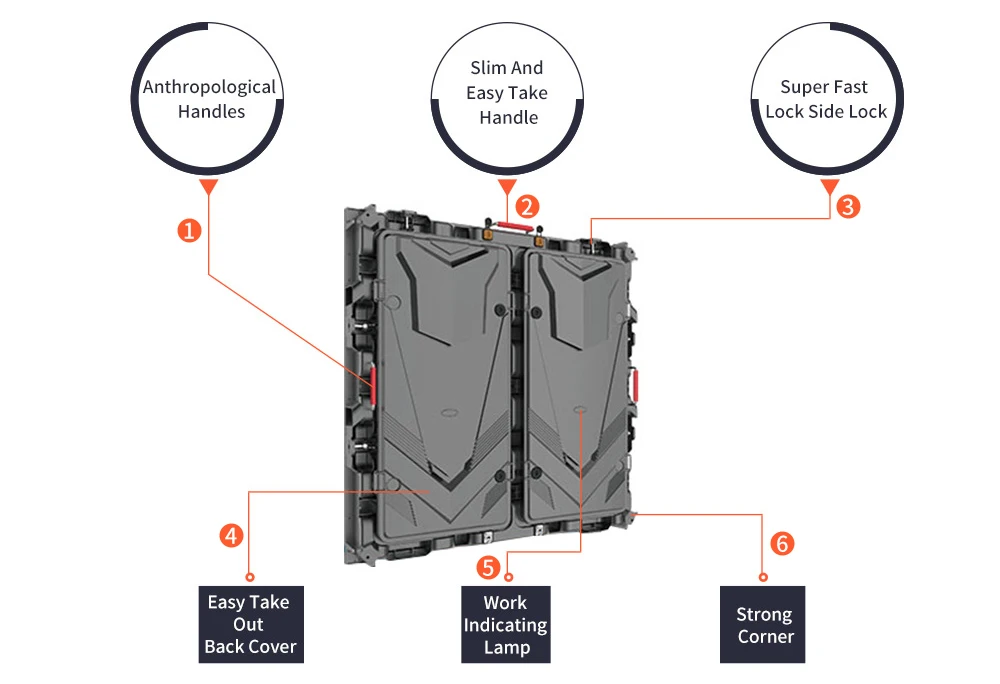
Las asas, los cierres y las esquinas reforzadas ayudan a reducir el riesgo de manipulación durante la carga, descarga y montaje en obra.
Los Incoterms deben explicar las responsabilidades, no simplemente hacer que la cotización parezca más breve
Los Incoterms suelen parecer pequeñas abreviaturas comerciales. Sin embargo, determinan quién paga qué, quién contrata el transporte, quién se encarga de los trámites de exportación, quién gestiona la aduana de importación y en qué punto cambia la responsabilidad. Por ello, deben explicarse claramente antes de la confirmación del pedido.
EXW puede parecer flexible, pero exige un control riguroso sobre la recogida, los trámites de exportación y el transporte interior. FOB suele funcionar bien cuando un agente de carga ya gestiona el transporte internacional desde el puerto de carga. CIF puede incluir el flete marítimo y el seguro hasta el puerto de destino, pero normalmente no implica la entrega final en el lugar de destino.
DAP puede facilitar la entrega en un lugar designado, aunque la gestión de la aduana de importación puede seguir correspondiendo al comprador y no al vendedor. DDP puede sonar conveniente, pero requiere una verificación cuidadosa, ya que los derechos aduaneros, los impuestos, la entrega local y la disponibilidad de las rutas varían según el destino.
Por lo tanto, el término seleccionado debe coincidir con la capacidad logística. Si ya se ha contratado un agente de carga, FOB puede ser práctico. Si el apoyo a la importación es limitado, puede requerirse una ruta más guiada. En cualquier caso, el puerto, ciudad, almacén o dirección del lugar de trabajo indicado debe escribirse de forma clara.
El despacho aduanero comienza con descripciones claras de los productos
El despacho aduanero no debe iniciarse tras la llegada del contenedor. Por el contrario, debe comenzar durante la confirmación del pedido. La planificación temprana de los documentos reduce las correcciones, los nombres de productos poco claros y la presión innecesaria sobre el almacenamiento.
La factura comercial debe coincidir con la transacción. La lista de empaque debe coincidir con los bultos físicos. La conocida de embarque o la conocida aérea deben coincidir con el consignatario y la parte a notificar. Asimismo, las descripciones de los productos deben ser lo suficientemente específicas para su revisión.
Por ejemplo, «productos electrónicos» es demasiado vago para un envío completo de pantallas LED. Una descripción más clara podría separar los gabinetes de visualización LED, los módulos LED, las fuentes de alimentación, las tarjetas receptoras, los accesorios de control, los cables y las piezas de repuesto. Esto facilita la comprensión del envío por parte del agente de carga, el agente aduanero, el equipo de almacén y el equipo de instalación.
Asimismo, la gestión del código arancelario (HS) debe revisarse temprano. La fábrica puede proporcionar información sobre los productos, mientras que el agente aduanero local suele confirmar el enfoque final de la declaración conforme a las normas del país de destino. Por lo tanto, la revisión por parte del agente aduanero debe realizarse antes de que la mercancía ya esté en tránsito.
¿Qué documentos deben confirmarse antes del envío?
El expediente de envío debe ser fácil de leer y también debe coincidir con las mercancías físicas. El expediente básico suele incluir la factura comercial, la lista de empaque, la conocida de embarque o la guía aérea, las fotografías del embalaje, la descripción del producto y los datos del destinatario.
Sin embargo, los documentos no deben satisfacer únicamente a las autoridades aduaneras. También deben ayudar a personas reales a trabajar más rápido. Si el caso uno contiene armarios para la sección izquierda, la lista de empaque debe indicarlo claramente. Si el caso dos contiene accesorios de control, la etiqueta debe ayudar al equipo del sitio a localizarlos rápidamente.
Esto es especialmente importante para pedidos por volumen. Cuando llegan muchos casos simultáneamente, una lista de empaque imprecisa ralentiza todo el proceso. Por el contrario, números de caso claros, nombres de artículos, cantidades y notas sobre accesorios ayudan al equipo receptor a verificar las mercancías con menos confusión.
Además, todos los nombres de empresa, direcciones, números fiscales y datos de contacto deben verificarse antes de la salida del buque. Un pequeño error ortográfico puede provocar un retraso mayor si los documentos requieren correcciones tras el embarque.
Las pruebas previas a la entrega deben estar vinculadas a la lista de empaque
Las pruebas antes de la entrega no son solo una verificación de calidad, sino también un registro de envío. Una vez que los productos salen de la fábrica, resolver problemas menores se vuelve más lento. Por lo tanto, la documentación de las pruebas debe vincularse directamente con los artículos incluidos en el envío.
Una prueba de envejecimiento ayuda a confirmar el funcionamiento estable antes del embalaje. Una verificación de brillo y color ayuda a confirmar el rendimiento visual. Una verificación del sistema de control ayuda a confirmar que la pantalla, las tarjetas, los procesadores y la configuración del software funcionan conjuntamente. Sin embargo, lo importante no es el nombre de la prueba, sino si los artículos sometidos a prueba coinciden exactamente con los artículos enviados.
Para pantallas con componentes de alimentación y control integrados, debe revisarse cuidadosamente la estructura trasera. Cables sueltos, etiquetas poco claras o accesorios faltantes pueden ralentizar la instalación tras la llegada. Por lo tanto, deben guardarse en el mismo archivo las fotos del producto, las fotos de los accesorios y las fotos del embalaje.
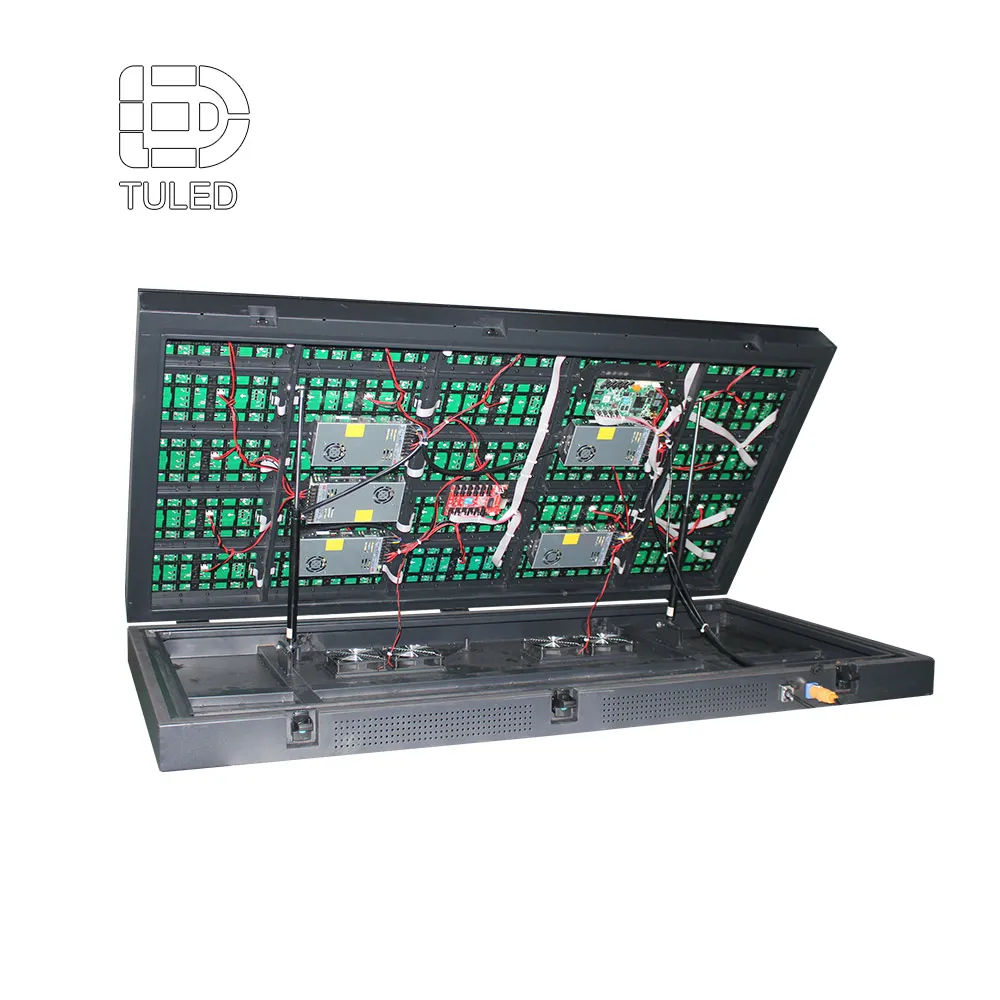
Se deben verificar la alimentación interna, el cableado de control y los detalles de los accesorios antes del embalaje y el envío.
Los proyectos al aire libre requieren una atención especial a la humedad, los conectores y las piezas de repuesto
Las pantallas al aire libre enfrentan dos tipos de riesgos. En primer lugar, deben resistir el transporte internacional. Luego, deben funcionar bajo lluvia, polvo, luz solar, calor y largas horas de funcionamiento. Por ello, el embalaje para uso exterior debe proteger tanto el hardware como los accesorios relacionados con las condiciones climáticas.
La clasificación IP es útil, pero no debe interpretarse como un mero número decorativo. Afecta dónde puede operar la pantalla y qué nivel de exposición puede soportar. Sin embargo, la pregunta más práctica es: ¿están protegidos como un sistema completo para uso exterior el gabinete, la cara del módulo, los conectores, las zonas de alimentación y los accesorios relacionados?
Además, las piezas de repuesto deben planificarse antes del envío. Un módulo de repuesto solo es útil si coincide con el lote de pantallas y se puede localizar rápidamente. Por lo tanto, los módulos de repuesto, las fuentes de alimentación, las tarjetas receptoras, los cables y las máscaras deben figurar claramente en la lista de embalaje.
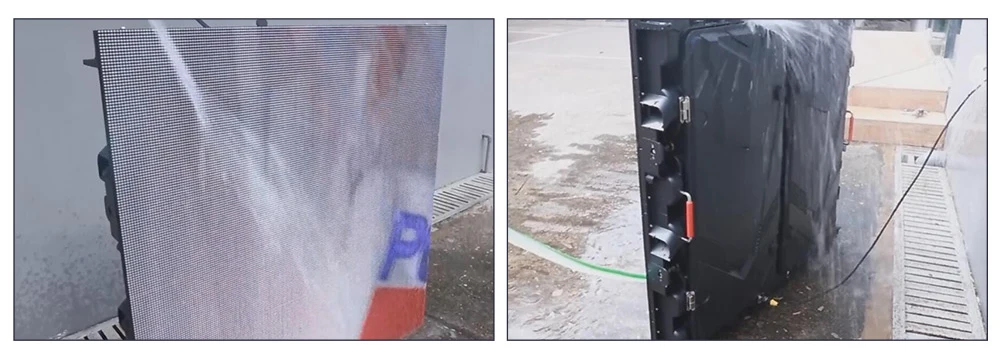
La planificación de pantallas para exteriores debe integrar la estructura impermeable, la protección de los conectores, los registros de embalaje y la preparación de piezas de repuesto.
Una cotización útil debe explicar conjuntamente el precio, el plazo de entrega y el límite de entrega
Una cotización que incluya únicamente el precio del producto no es suficiente para un proyecto serio. Puede servir como base para una primera comparación, pero no refleja la situación real de la entrega. Por lo tanto, la cotización también debe especificar el método de embalaje, la estimación de los estuches, la opción de transporte, el término Incoterm, el soporte documental y el punto de entrega.
El plazo de entrega también debe dividirse en etapas. El tiempo de producción no es lo mismo que el tiempo total de entrega del proyecto. La aprobación de los planos, la preparación de materiales, el ensamblaje, la prueba de envejecimiento, el embalaje, la reserva del transporte, la declaración de exportación, el tránsito marítimo, la aduana y la entrega local afectan al cronograma final.
Para una planificación temprana de costes y tiempos, el guía de precios al por mayor puede servir de apoyo para la comparación. No obstante, en la discusión final del proyecto se debe vincular el precio con el volumen de envío, los términos de entrega y la responsabilidad sobre la documentación.
En resumen, una oferta práctica debe responder a cuatro preguntas: qué incluye, cuándo ocurre cada etapa, quién se encarga de cada paso logístico y qué información se necesita antes del envío.
¿Por qué la coordinación basada en el tipo de fábrica ayuda a reducir la ansiedad derivada de las exportaciones?
Las preguntas sobre el envío para exportación suelen involucrar a varios departamentos simultáneamente. Ingeniería confirma la estructura. Producción confirma el estado. Control de calidad confirma las pruebas. Empaque confirma los detalles del embalaje. El personal de exportación prepara los documentos. Los equipos de soporte preparan las indicaciones posteriores a la llegada.
Por lo tanto, una coordinación del tipo que se lleva a cabo en una fábrica puede facilitar el proceso cuando la comunicación está bien organizada. El valor no radica únicamente en la capacidad de fabricación, sino también en la capacidad de integrar en un plan práctico el alcance técnico, el método de embalaje, los documentos, los plazos de transporte y el soporte.
Información de antecedentes puede revisarse a través de la sobre nosotros página. Sin embargo, la evaluación práctica debe centrarse en respuestas específicas del proyecto. Un equipo sólido debe explicar cómo se probará, empacará, etiquetará, documentará, enviará y dará soporte a esta pantalla exacta.
Las direcciones de soporte conocidas, como más de 10 años de experiencia, soporte OEM/ODM, garantía de 2 años, pruebas al 100 % antes de la entrega y soporte las 24 horas del día, los 7 días de la semana, resultan útiles cuando se vinculan con un proceso real. Deben respaldar el plan de envío, no sustituirlo.
Lista de verificación previa al envío para pedidos transfronterizos de pantallas LED
La lista de verificación que aparece a continuación convierte el envío en una revisión práctica. Puede utilizarse antes del pago final, antes de reservar el transporte y antes de la liberación de la carga.
- Confirmar el tipo de producto, el tamaño de la pantalla, la cantidad de gabinetes, la cantidad de módulos, los accesorios de control, los cables y las piezas de repuesto.
- Confirmar el método de embalaje, la cantidad de cajas, las dimensiones de las cajas, el peso bruto, el peso neto y el formato de las etiquetas.
- Confirmar el uso de cajas de madera, cajas de transporte, espaciadores de espuma, protección de esquinas, protección contra la humedad o soporte longitudinal.
- Confirmar el término Incoterm, el puerto de carga designado, el puerto de destino, la ciudad de destino y los costes logísticos incluidos.
- Confirmar la factura comercial, la lista de empaque, la descripción del producto, la conocida de embarque o la guía aérea y los datos del consignatario.
- Confirme las pruebas de verificación, las fotos de las pruebas de envejecimiento, las fotos del producto, las fotos de los accesorios y las fotos del embalaje antes del envío.
- Confirme las etiquetas de las piezas de repuesto, las etiquetas de secuencia de los armarios y la correspondencia entre los números de caja y los elementos para la instalación.
- Confirme los pasos de la inspección a la llegada, los requisitos para las fotografías de daños y el canal de contacto para soporte.
La inspección a la llegada debe planificarse antes de que llegue el camión
Con frecuencia se pasa por alto la inspección a la llegada hasta que algo parece estar mal. Sin embargo, debe planificarse antes de que la carga llegue al almacén o al lugar de destino. Esto protege el registro del envío y facilita la explicación de cualquier reclamación.
En primer lugar, deben examinarse las cajas exteriores en busca de daños visibles. Se deben fotografiar, antes de abrir las cajas, tableros rotos, manchas de agua, esquinas aplastadas, etiquetas faltantes o sellos sueltos. A continuación, debe compararse el número de cajas con la lista de empaque.
Después de abrir el paquete, los artículos deben revisarse por categoría. Los armarios, módulos, componentes de control, fuentes de alimentación, cables, piezas de repuesto y accesorios de montaje no deben quedar amontonados de forma desordenada. En su lugar, deben clasificarse según el orden de instalación.
Finalmente, cualquier incidencia debe notificarse adjuntando fotografías, números de caso, nombres de los artículos y cantidades. Una notificación clara permite al equipo de fábrica responder con mayor rapidez. Los mensajes imprecisos generan solicitudes repetidas de aclaración y ralentizan el soporte.
Resumen: un envío más seguro comienza con mejores preguntas
En resumen, el envío transfronterizo de pantallas LED no es simplemente un traslado de mercancías. Se trata de una cadena de decisiones que comienza con el alcance del producto y finaliza con la inspección al momento de la llegada.
Por lo tanto, el enfoque más seguro es sencillo: primero, definir el escenario real de uso; segundo, adaptar el embalaje al riesgo asociado con la manipulación; tercero, confirmar la responsabilidad de entrega y los documentos aduaneros; y, por último, preparar al equipo receptor antes de la llegada de las mercancías.
Tres acciones prácticas facilitan el control del pedido:
- Solicitar, antes de la liberación de la carga, la cantidad de cajas, sus dimensiones, el peso bruto, fotos del embalaje y fotos de los accesorios.
- Confirmar por escrito los Incoterms, las ubicaciones designadas, los costos incluidos, los documentos aduaneros y las responsabilidades en el destino.
- Planificar la inspección al momento de la llegada por número de caja, categoría de artículo y secuencia de instalación, antes de que el embarque llegue al sitio.
Preguntas frecuentes: Envío, embalaje, Incoterms y trámites aduaneros de pantallas LED
¿Qué detalles de envío deben confirmarse antes de realizar un pedido al por mayor de pantallas LED?
Confirme el alcance del producto, el método de embalaje, la cantidad de cajas, las dimensiones, el peso bruto, los términos Incoterms, el destino, los requisitos documentales, las piezas de repuesto y el método de etiquetado. Asimismo, solicite pruebas de funcionamiento y fotografías del embalaje antes del despacho.
¿Cómo afectan el embalaje y los Incoterms al riesgo del proyecto?
El embalaje reduce los daños físicos, el riesgo de piezas faltantes y la confusión durante la instalación. Los Incoterms definen los límites de costos y responsabilidades. Juntos afectan el control presupuestario, los plazos del transporte, la gestión aduanera y la preparación del sitio.
¿Es suficiente el embalaje en caja de madera para todos los pedidos de pantallas LED?
No siempre. Las cajas de madera suelen ser adecuadas para instalaciones fijas y el transporte marítimo. Sin embargo, las pantallas de alquiler, las pantallas para escenarios y los equipos que se trasladan con frecuencia pueden requerir estuches de vuelo, ya que soportan manipulaciones repetidas tras su llegada.
¿Significa CIF que la mercancía se entrega en el sitio final?
Normalmente, no. CIF generalmente cubre el costo, el seguro y el flete hasta el puerto de destino. La aduana de importación, los derechos arancelarios, los impuestos, la manipulación en destino, el almacenamiento y la entrega interior pueden requerir aún una planificación independiente.
¿Qué documentos se suelen necesitar para el despacho aduanero?
Los documentos habituales incluyen la factura comercial, la lista de empaque, la conocimiento de embarque o la guía aérea, la descripción del producto y los datos del consignatario. Dependiendo del destino, podrían requerirse documentos adicionales, por lo que la revisión por parte del agente aduanal debe realizarse con anticipación.
¿Qué provoca costos inesperados tras la producción?
Los costos inesperados suelen derivarse de Incoterms poco claros, cargos de destino omitidos, volumen de empaque inexacto, correcciones documentales, etiquetado deficiente de los embalajes, tarifas de almacenamiento o consultas aduaneras que no se resolvieron antes del embarque.
Planifique la pantalla y el embarque conjuntamente
Un pedido fiable de pantallas LED debe resultar claro antes de la producción, antes del embalaje, antes de la exportación y antes de la llegada. Por lo tanto, es necesario compartir desde una etapa temprana información sobre el proyecto, como el tipo de pantalla, el destino, las preferencias de embalaje, los términos de envío, los documentos requeridos y el cronograma de instalación.
Para obtener una cotización práctica que integre la selección del producto, el método de embalaje, el plan de envío, los Incoterms y el soporte documental aduanero, envíe los detalles del proyecto a través de contáctenos . El resultado es una conversación más clara, menos pasos ocultos y una ruta más fluida desde las pruebas en fábrica hasta la instalación.
Solicitar asesoramiento sobre envío y embalajeVolver a parte superior del artículo