EN
EN

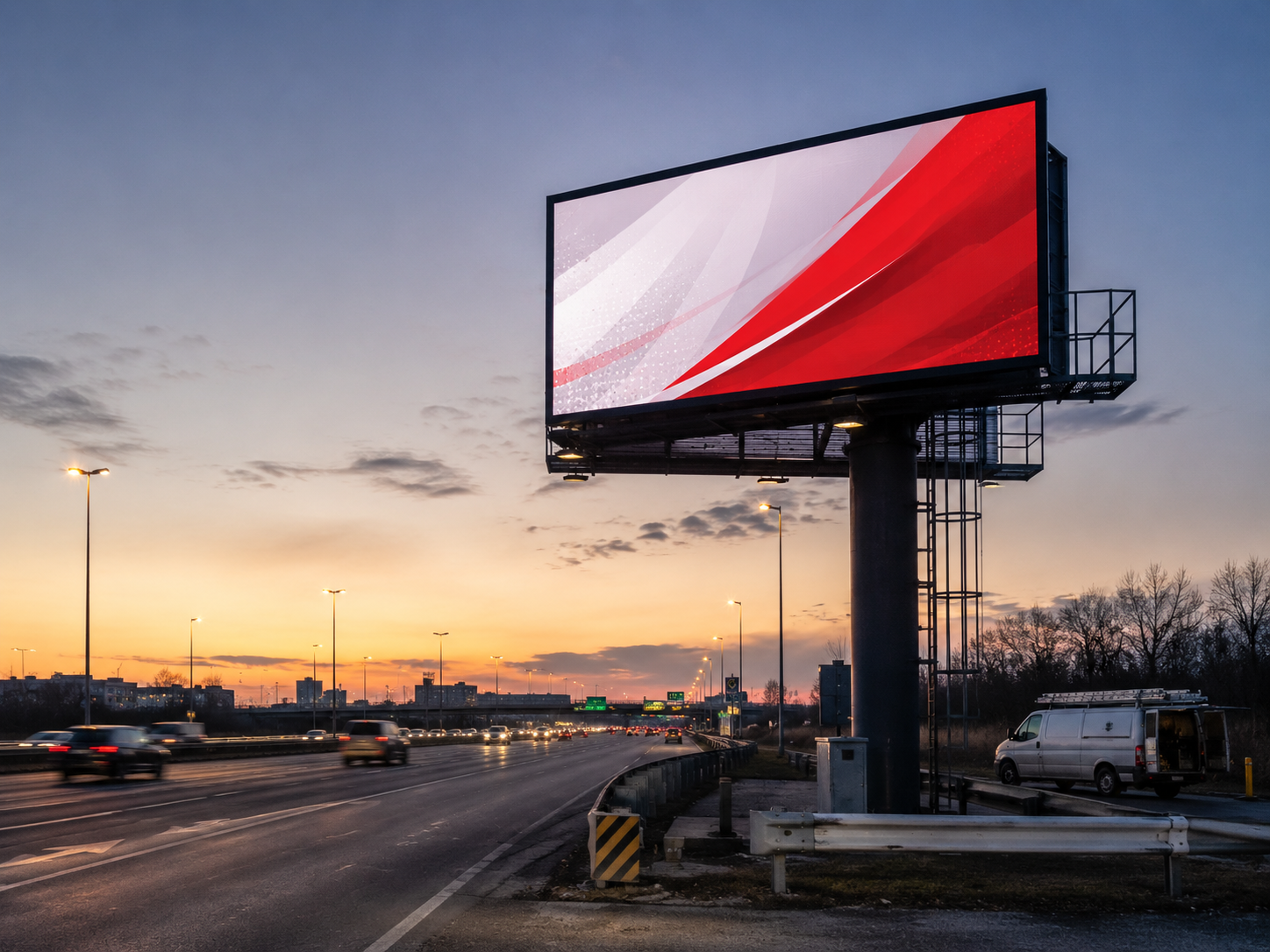
Choosing digital billboard suppliers for a roadside project is not only about buying a bright outdoor LED screen. A workable project plan must cover sunlight visibility, night dimming, content approval, remote updates, safe maintenance access, power routing, and long-term outdoor reliability.
This guide is written for project owners, media operators, contractors, and purchasing teams that need a practical way to compare billboard screen options before quotation, production, and installation.
A roadside billboard should be planned around real operation, not only cabinet size. The screen has to stay visible in bright daylight, dim safely at night, accept approved content updates, and remain serviceable after installation. If these points are not discussed early, a low screen quotation can turn into a difficult project after shipment.
The first supplier discussion should start with site conditions: screen size, viewing distance, road direction, content cycle, installation structure, power route, and maintenance access. These details decide whether the quotation is only a product price or a practical roadside media plan.
This article does not try to list every possible LED display specification. Instead, it focuses on the questions that affect project success: what type of roadside project you are building, how brightness should be controlled, how content should be approved, how service work will happen, and what information should be sent before a factory recommendation is finalized.
Roadside Billboard Project Scenario
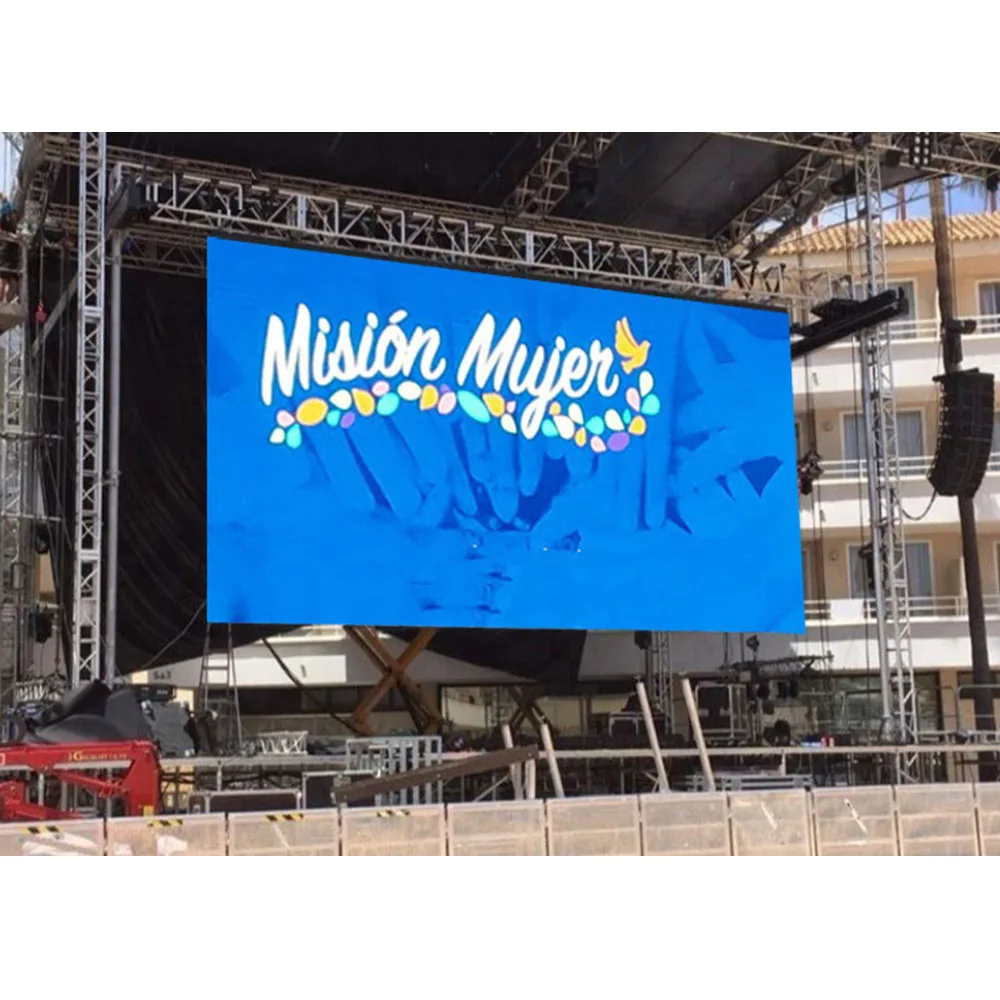
Roadside advertising has a short viewing window. A driver may see the display from a distance, approach it quickly, and leave the viewing zone within seconds. The screen should support fast recognition instead of detailed reading. This affects content size, motion speed, contrast, and final screen position.
The same billboard may also serve more than one viewing angle. One lane may face the display directly, while another lane sees it from the side. A screen installed near an intersection may need to be readable from slower traffic, while a highway billboard may need larger graphics and fewer words.
Typical roadside operating conditions
- Strong ambient light during the day and much lower surrounding light at night.
- Moving traffic with limited reading time and different approach angles.
- Outdoor exposure to rain, dust, heat, wind, and seasonal temperature changes.
- Remote operation needs, including playlist scheduling and basic fault checking.
- Service restrictions caused by road access, height, traffic lanes, or steel structure design.
- Local rules that may affect brightness, animation, operating hours, and message duration.
For example, a highway display usually needs strong contrast, large text, simple motion, and a conservative brightness plan for night operation. A billboard near a shopping area may allow closer viewing, more frequent campaign changes, and more detailed product imagery. The cabinet family may be similar, but the operating plan should be different.
The project should also define whether the display is single-sided, double-sided, wall-mounted, pole-mounted, rooftop-mounted, or fixed to an existing frame. This decision affects cabinet depth, structure load, wind consideration, cable routing, service doors, and long-term maintenance cost.
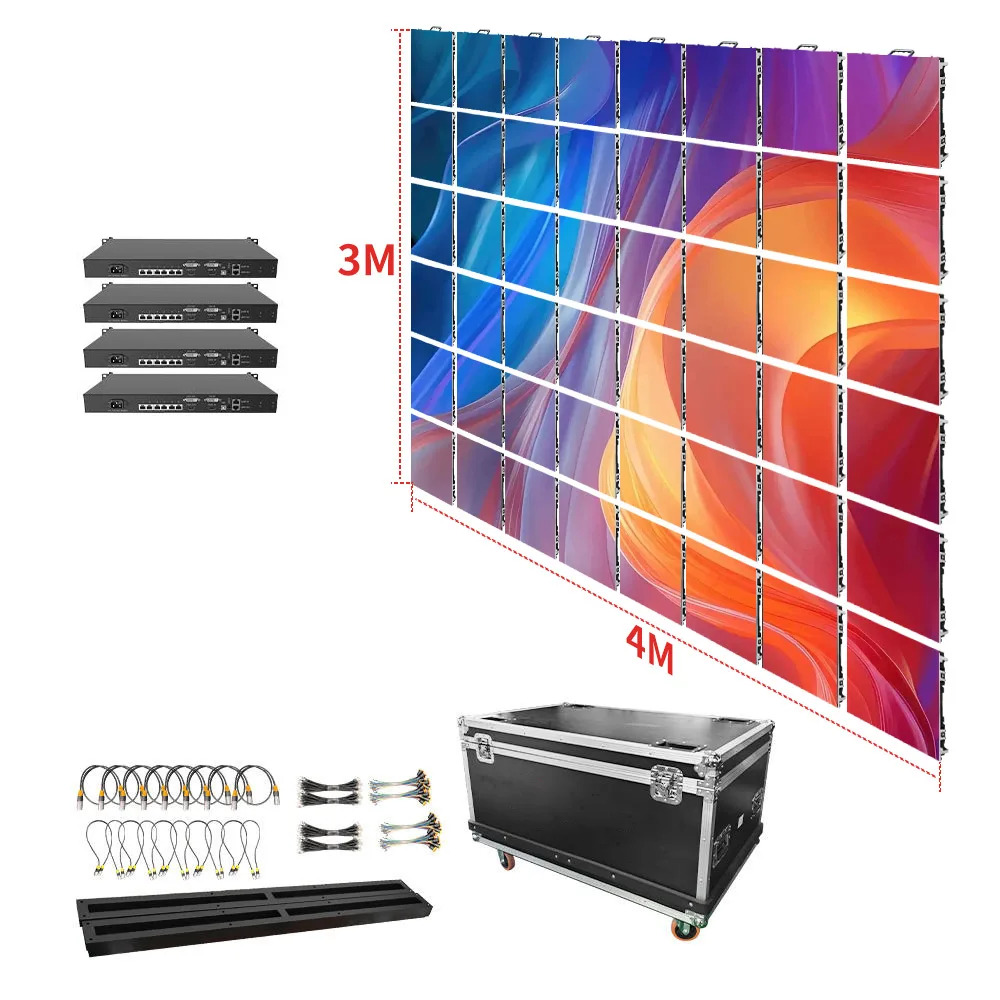
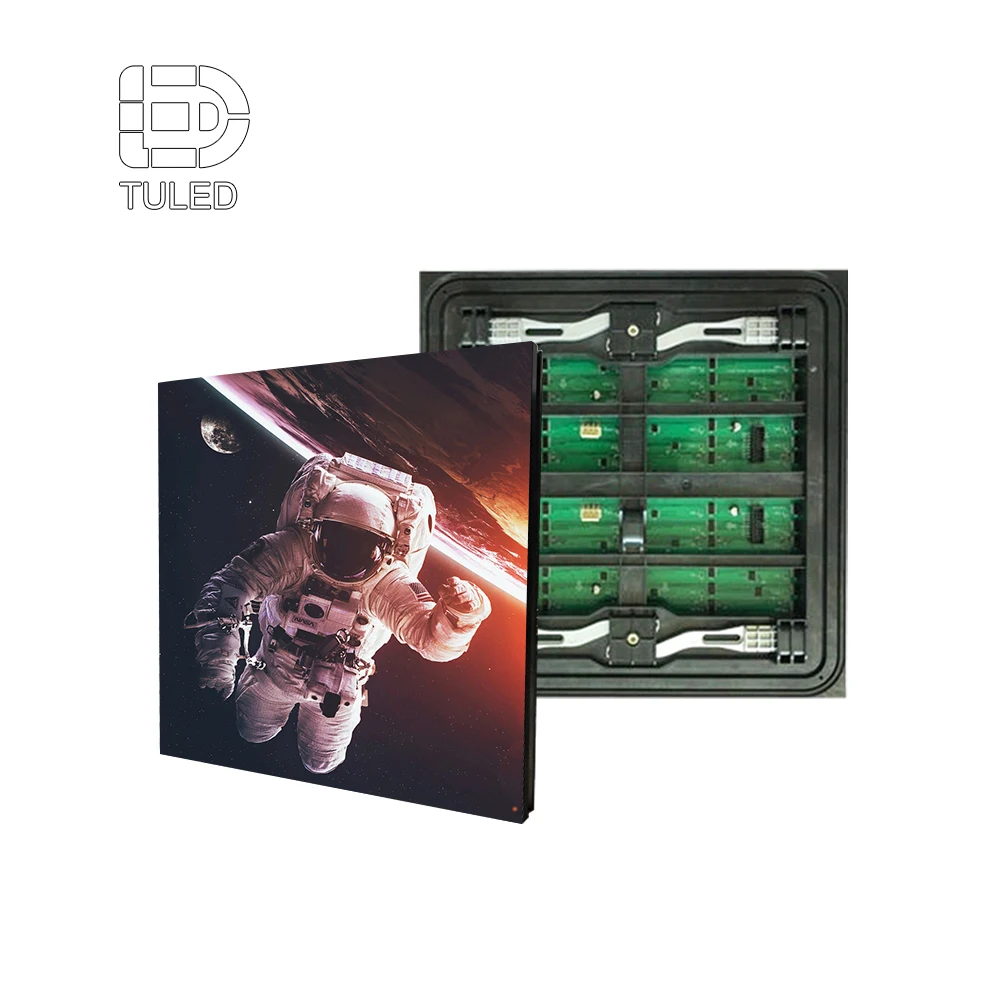
For roadside billboard projects that need modular outdoor cabinets, this P4.81 outdoor LED billboard screen can be reviewed as a practical starting option before final size, structure, and service access are confirmed.

P4.81 outdoor waterproof LED billboard screen with cabinet structure for roadside advertising projects.
View Outdoor Billboard ScreenSuitable Roadside Billboard Projects
This planning guide fits projects where the screen will run in public outdoor conditions and needs stable advertising operation. It is especially useful when brightness control, content updates, and maintenance access must be decided before production.
It is not the best selection path for a small indoor retail display, a short-term event rental screen, or a stage background used only under controlled lighting. Roadside billboards need stronger attention to weather resistance, viewing distance, dimming logic, local rules, and safe service planning.
Roadside AdsFor commercial roadside campaigns, city entrance signs, service area advertising, and high-traffic outdoor locations. |
Outdoor Media NetworksFor multi-screen projects that need remote content updates, playlist scheduling, and consistent cabinet design. |
Project ContractorsFor installation teams that need drawings, cabinet details, power planning, and safe access before shipment. |
Custom StructuresFor pole-mounted, frame-mounted, rooftop, double-sided, or existing billboard structure upgrades. |
A good supplier discussion should separate these use cases early. A media owner may care more about remote scheduling and campaign reliability. A contractor may care more about cabinet drawings, spare parts, and safe installation access. A property owner may care more about noise, nighttime brightness, power distribution, and future maintenance cost.
What Digital Billboard Suppliers Should Confirm Before Quotation
A useful supplier recommendation should connect the screen with the real road environment. If a quotation only lists cabinet size and price per square meter, the purchasing team may still miss important questions about visibility, control, maintenance, power distribution, and installation.
Before comparing quotations, check whether the supplier has asked enough project questions. A better quotation usually comes after the supplier understands the site, the viewing distance, the content source, the operating schedule, the installation structure, and the service method.
| Supplier Check | Why It Matters | What to Prepare |
|---|---|---|
| Viewing distance and road speed | Affects pixel pitch selection, text size, contrast, and content reading time. | Site photos, map position, road direction, and expected viewing range. |
| Sunlight and night environment | Affects brightness planning, light sensor use, and dimming profiles. | Sun direction, nearby buildings, operating hours, and local brightness notes. |
| Installation structure | Affects cabinet layout, steel frame, cable route, wind load review, and service space. | Drawings, frame photos, pole design, wall condition, rooftop information, or structure plan. |
| Control and update method | Affects media player choice, network setup, account control, and daily workflow. | Cloud update need, local computer plan, 4G or wired network, and operator roles. |
| Maintenance access | Affects front or rear service choice, spare parts, technician safety, and future repair cost. | Access route, lift space, rear platform details, maintenance lane notes, and site restrictions. |
This step also protects budget accuracy. A low screen price can become expensive later if the quotation misses control equipment, cabinet accessories, structure adaptation, spare parts, service tools, packing details, or shipping requirements.
For purchasing teams, the practical goal is not to find the longest specification sheet. The goal is to make sure the supplier recommendation fits the site, can be installed safely, can be operated by the media team, and can be serviced without unnecessary downtime.
Dimming Schedule and Local Operating Rules
A dimming schedule controls how screen brightness changes during the day. It keeps the display readable under sunlight and prevents harsh glare after sunset. This schedule should be confirmed before the control system and light sensor plan are finalized.
During bright hours, sunlight and road reflections reduce contrast. The screen may need higher output to keep the message visible, but full output should not become the default setting for every condition. Excess output increases heat, power use, visual fatigue, and long-term stress on components.
At night, the same display can feel much brighter because the surrounding environment is darker. A good brightness profile steps down gradually instead of staying at daytime output. This is especially important near residential buildings, intersections, hotels, office windows, or roads with slower traffic.
| Operating Period | Brightness Logic | Planning Notes |
|---|---|---|
| Morning | Gradual increase | Match sunrise direction and early traffic conditions. |
| Midday | Higher output when needed | Review direct sunlight, shade, and screen orientation. |
| Dusk | Step-down transition | Avoid sudden brightness changes during mixed light. |
| Night | Lower controlled brightness | Reduce glare and follow local operating limits. |
Automatic brightness control
Automatic brightness control uses a light sensor to read ambient light. The control system then adjusts screen output according to preset values. This helps the display respond to clouds, rain, sunset, and seasonal light changes without asking an operator to adjust brightness manually every hour.
For brightness planning, industry resources such as the OAAA recommended brightness guidelines discuss photocells and dimming software for digital billboards. Local road authority guidance should also be reviewed when the billboard is close to traffic, intersections, residential buildings, or restricted advertising zones.
Local operating rules
Local rules may affect brightness, animation, operating hours, message duration, and emergency shutdown. Road authorities, landlords, or advertising permits may request specific limits, so permit notes should be included in the project file before software setup.
The supplier does not replace the local approval process. The project team should confirm permit requirements with the local authority, property owner, or installation consultant. The supplier can then match the hardware and control method to the approved operating limits.
Brightness testing should happen on site. Daylight, dusk, and night photos from key viewing points help confirm whether the planned schedule works in real conditions. This test is more useful than judging brightness only from factory photos.
Content Approval and Remote Updates
Roadside content should be simple, readable, and controlled. A display beside moving traffic cannot use the same layout as an indoor retail screen. Message length, animation speed, and approval responsibility should be defined before the screen starts daily operation.
One strong headline usually works better than several small text blocks. A clear logo, short offer, bold image, and simple callout are easier to read from a moving vehicle. Dense text can disappear before the message is understood.
Content rules that protect roadside readability
- Use large text and avoid crowded layouts.
- Keep animation smooth and avoid rapid flashing.
- Match video files to the real pixel matrix of the screen.
- Review content duration according to traffic speed and viewing time.
- Prepare a fallback playlist for network issues or campaign delays.
- Keep emergency contact details available for urgent pause, blackout, or playlist replacement.
Remote content updates
Remote updates are useful when the screen is mounted high, located far from an office, or included in a multi-site advertising network. The control plan may include cloud software, a media player, a 4G router, a wired network, or a local control computer.
The best method depends on the site. A wired connection may be suitable for a billboard inside a controlled commercial property. A 4G router may be easier for a roadside structure without fixed network access. A local backup playlist is useful when the network is unstable or campaign files are delayed.
Remote operation still needs permission control. One team may prepare files, another may approve them, and an operator may schedule playback. Account roles and upload records should be defined before daily operation begins.
Approval before playback
A practical approval process checks every file before it reaches the live screen. The review should include spelling, logo position, color contrast, legal text, animation speed, screen ratio, and final duration. A preview image or short test video helps reduce mistakes.
For a media network, the approval process should also define who can replace a campaign, who can pause playback, and who receives fault alerts. Without this workflow, a working LED screen can still create operational risk because the wrong content may be uploaded or the correct content may not go live on time.
For advertising-focused outdoor projects, the LED Advertising Screen page is a useful next step because it connects outdoor display hardware with advertising content and high-visibility use cases.
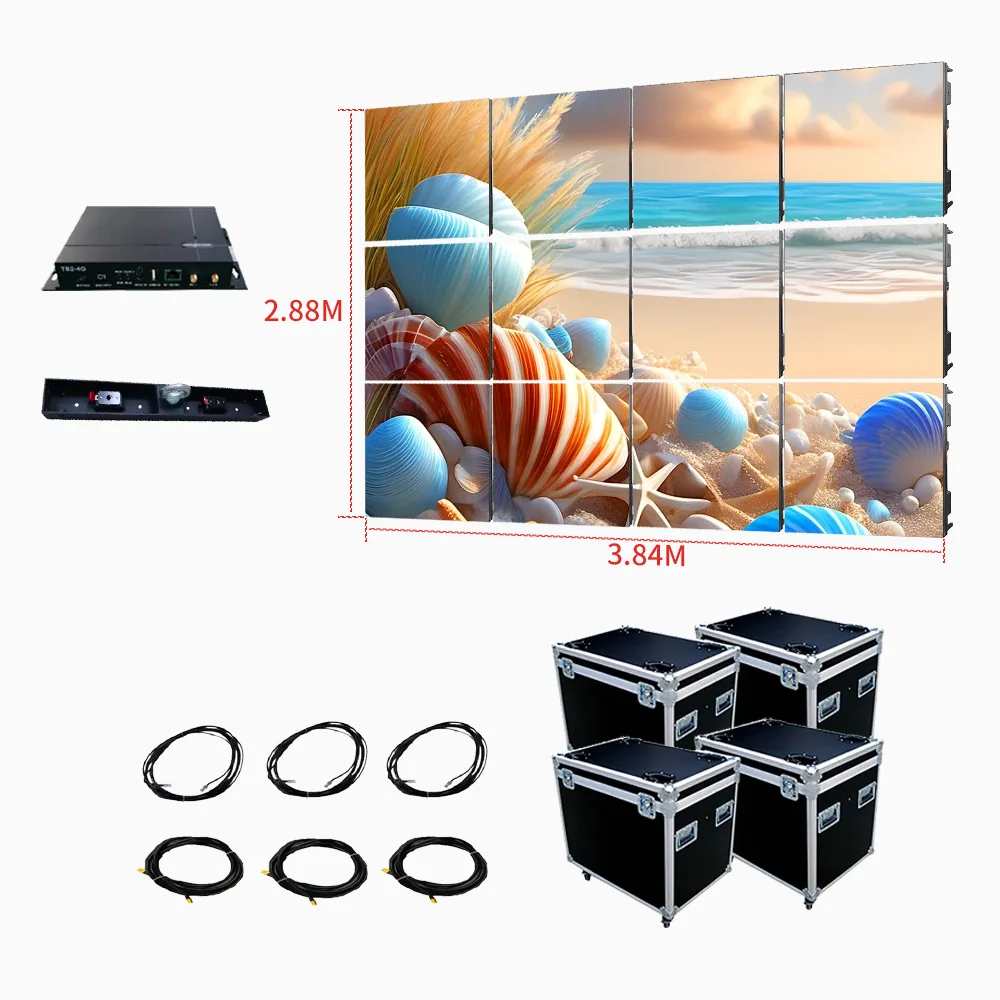
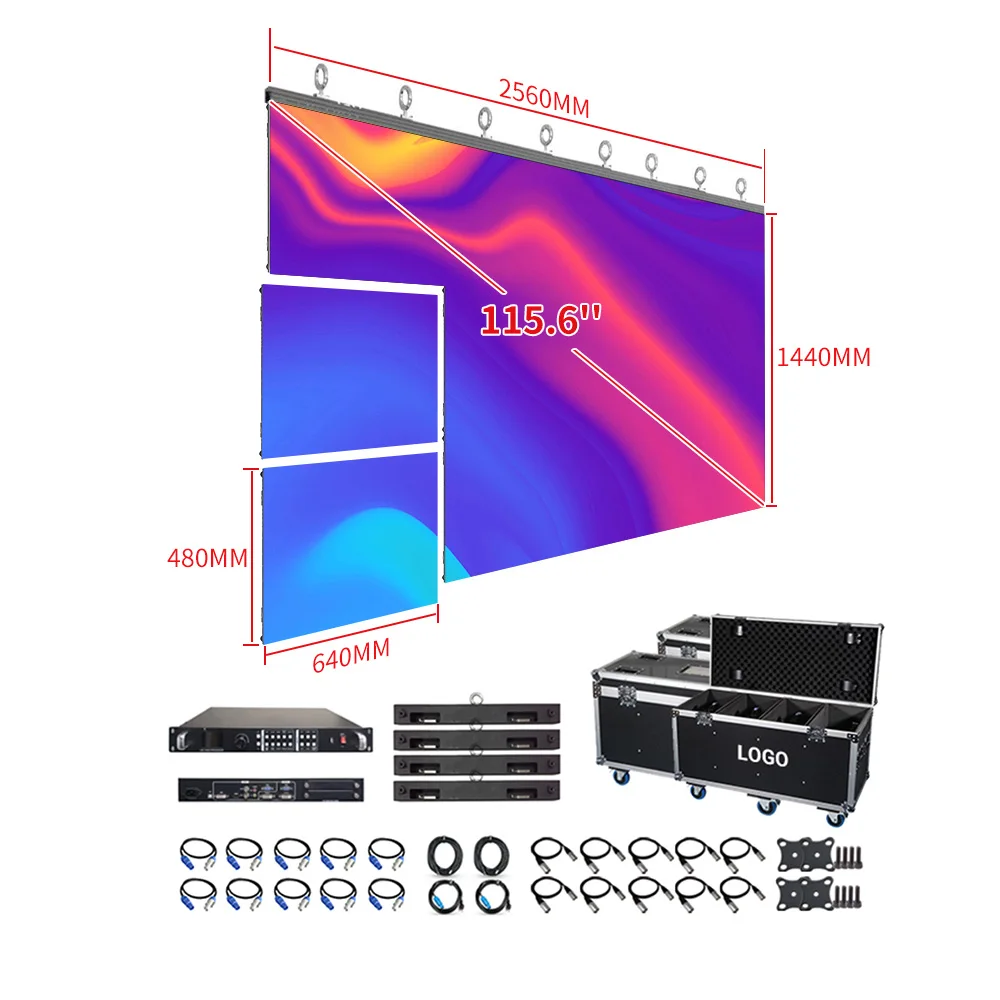
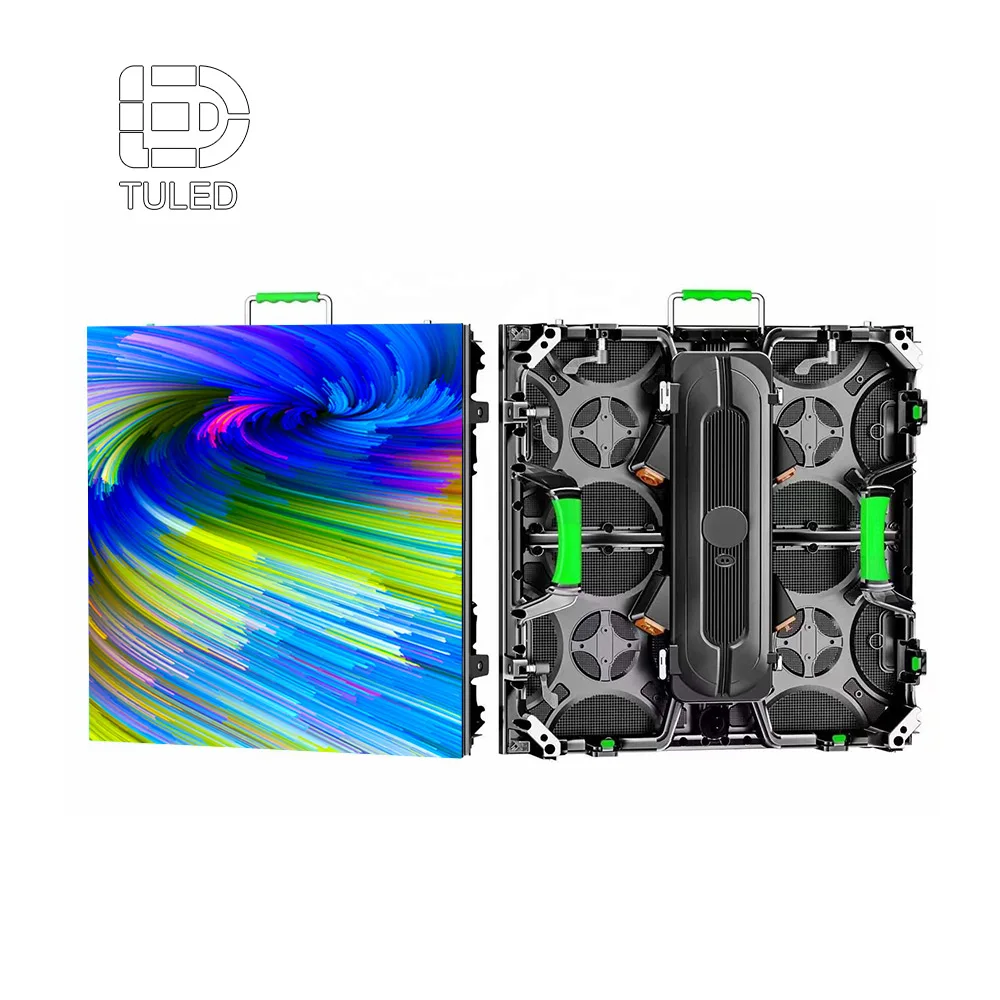
For projects that need large-format panels and flexible installation, this 500x1000mm outdoor LED display panel can help the team review cabinet size, pixel pitch options, waterproof design, and maintenance method.

500x1000mm outdoor LED display panel system for advertising screens and custom outdoor installations.
View 500x1000 Outdoor LED DisplayService Access and Maintenance Planning
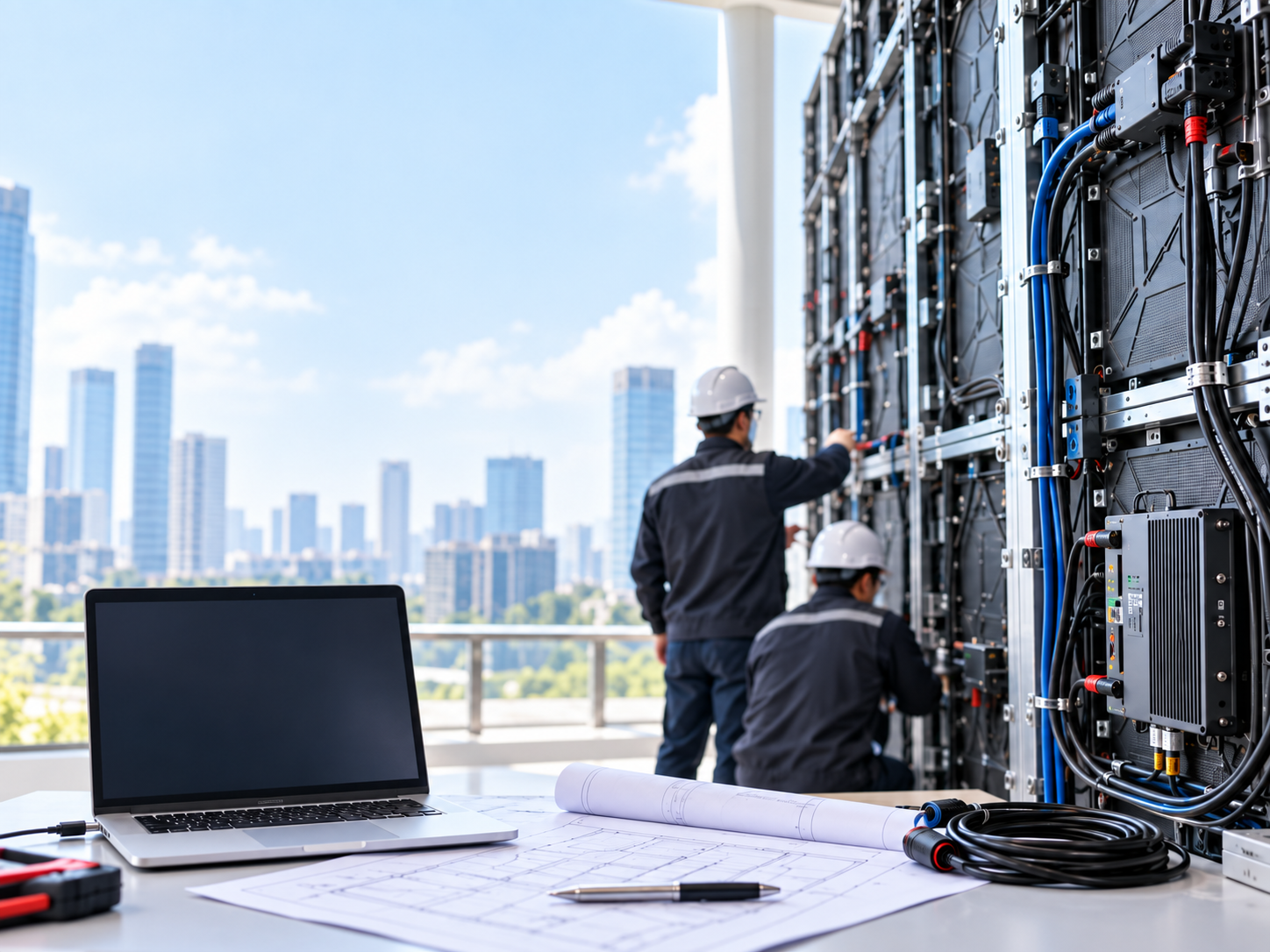
Service access decides how the billboard performs after launch. A screen may look correct from the road, but maintenance becomes difficult if the structure has no safe work area. Service access should be reviewed before the cabinet layout is locked, especially for pole-mounted and high roadside structures.
Front service allows modules and some components to be handled from the viewing side. Rear service works well when a safe platform or rear walkway is available. Both options still need proper tools, clear cabinet numbering, and a safe working position.
Front ServiceUseful when rear space is limited. The site still needs safe lifting access and a clear module removal method. |
Rear ServiceUseful for large structures with planned rear platforms. The platform must support real maintenance work, not only inspection. |
Remote DiagnosisUseful for checking power, signal, receiving cards, and playback status before a service visit is arranged. |
Maintenance lane and safe access
Roadside service may involve a van, lift equipment, temporary lane management, or scheduled downtime. A maintenance path should be shown in the site plan. Improvised roadside parking can create safety problems and delay repairs.
Spare parts should be planned with the order. Common spare items include LED modules, power supplies, receiving cards, ribbon cables, power cables, masks, and screws. Matching spare modules from the same production batch can also support better visual consistency.
Power, grounding, and signal routing
Power planning should include voltage, load, distribution cabinet, breaker layout, cable distance, surge protection, and grounding. Data cables should follow a clean route because messy wiring makes future fault checks slower.
The supplier should know where the power source is located, how cables will enter the screen, and whether the control box will be inside the cabinet, near the structure, or in a separate protected area. These details affect drawings, accessories, installation time, and future service convenience.
If structure drawings are not ready yet, the LED Display Screen Project Brief guide can help organize size, site photos, power position, installation method, and service access notes before factory review.
Recommended Selection Path
A roadside billboard project should not start by comparing only price per square meter. The first decision should be the real display application. After that, the screen type, cabinet size, pixel pitch, control system, and maintenance method can be selected with fewer mistakes.
Pixel pitch should be reviewed with viewing distance and content style. Cabinet size should be reviewed with structure and maintenance access. Brightness control should be reviewed with local rules and surrounding buildings. Remote control should be reviewed with the operator’s daily workflow, not only with software features.
Practical purchasing advice
- For general roadside billboards: start with Outdoor LED Display to compare outdoor cabinets, brightness planning, pixel pitch, and long-term operation.
- For advertising-focused projects: review Outdoor LED Advertising Screen when content update frequency, campaign playback, and outdoor media use are key concerns.
- For existing frames or unusual sizes: prepare drawings and review Custom LED Screen options before cabinet production.
- For high or difficult installations: confirm front or rear maintenance, spare parts, access route, and power cabinet position before confirming the final quotation.
When to choose a standard outdoor LED display
A standard outdoor LED display is usually suitable when the screen size fits regular cabinet dimensions, the installation structure is straightforward, and the project does not require unusual cabinet cutting, curved layout, special frame matching, or complex control integration. This path is often easier to quote and faster to confirm.
When to request a custom LED screen review
A custom review is better when the billboard must fit an existing structure, unusual aspect ratio, double-sided frame, narrow cabinet depth, special service direction, or non-standard control location. In these projects, a simple product page may not be enough. The supplier should review drawings, photos, power access, and maintenance space before final pricing.
What not to decide too early
Do not lock pixel pitch, cabinet size, or control equipment before confirming viewing distance, road direction, structure details, service method, and local operating rules. Early decisions can save time, but only when the site conditions are already clear.
Project Details to Send Before Technical Review
A clear project file reduces back-and-forth and improves the first recommendation. The information below should be prepared before product selection or factory drawing work begins.
Site and ScreenPlanned width, height, viewing distance, road direction, and single-sided or double-sided layout. |
EnvironmentCountry, city, voltage, sunlight direction, heat, rain, dust, wind, and nearby buildings. |
InstallationPole, steel frame, wall, rooftop, existing structure, power location, and site photos. |
OperationOperating hours, dimming schedule, content update method, and remote control needs. |
Sample content is also helpful. A video frame, logo file, campaign poster, or previous billboard artwork can show the expected content ratio and message style. This helps the supplier review screen resolution and cabinet layout more accurately.
Before sending a request, prepare the screen size, application environment, quantity, country, installation method, project photos, power position, service access notes, and equipment needs such as media player, brightness sensor, receiving card, spare modules, or remote control system.
Details that often improve quotation accuracy
- A front-view photo and side-view photo of the installation location.
- A simple drawing showing screen width, height, bottom height, and support structure.
- The nearest power source and the planned cable route.
- Whether the site allows rear service, front service, lift equipment, or scheduled lane closure.
- Expected content format, update frequency, and operator location.
- Any local permit notes related to brightness, animation, operating hours, or message duration.
FAQ
How should a roadside digital billboard dimming schedule be planned?
The schedule should follow real light conditions. Daytime settings need enough brightness for sunlight, while dusk and night settings should step down gradually. Local road rules, nearby buildings, and operating hours should guide the final profile.
What content rules are important for roadside LED advertising screens?
Roadside content should use large text, simple images, strong contrast, and short messages. Fast flashing, crowded layouts, and small text should be avoided. Every file should be reviewed for readability, animation speed, screen ratio, and playback duration.
Is remote content update necessary for an outdoor billboard?
Remote update is useful when the display is high, far from an office, or part of a multi-location media network. The network method should be tested early. A 4G router, wired connection, cloud player, or local backup may be needed depending on the site.
Should a roadside LED billboard use front service or rear service?
The answer depends on site access. Front service is useful when the rear side has limited space. Rear service works well when a safe platform or walkway exists. In both cases, cabinet layout, spare parts, and technician access should be confirmed before production.
What information helps a factory recommend the right roadside billboard screen?
A useful file includes screen size, viewing distance, country, city, voltage, installation method, site photos, structure drawings, service access notes, operating hours, content update method, and brightness control needs. Sample content also helps confirm screen ratio and resolution.
How can buyers compare digital billboard supplier quotations fairly?
Compare more than the screen price. Check whether each quotation includes cabinet type, control system, brightness control, spare parts, packing, drawings, service method, accessories, and support for installation questions. A lower price is not always better if key project items are missing.
Final Purchasing Advice
Roadside billboard planning should connect visual performance with daily operation. Brightness control protects readability. Content rules protect message clarity. Maintenance access protects long-term service efficiency. These details turn an outdoor LED screen into a stable advertising asset.
For the next step, send screen size, application environment, quantity, country, installation method, site photos, operating schedule, content update needs, and service access notes. These details make the recommendation more accurate and reduce the risk of choosing the wrong cabinet, pixel pitch, or control system.
- Confirm viewing direction, road speed, and local brightness limits before selecting pixel pitch.
- Define the dimming schedule, content approval workflow, and remote update method before installation.
- Plan safe maintenance access, spare parts, power routing, and service space before production drawings are finalized.
- Ask the supplier to confirm which items are included in the quotation and which items require separate local preparation.