EN
EN

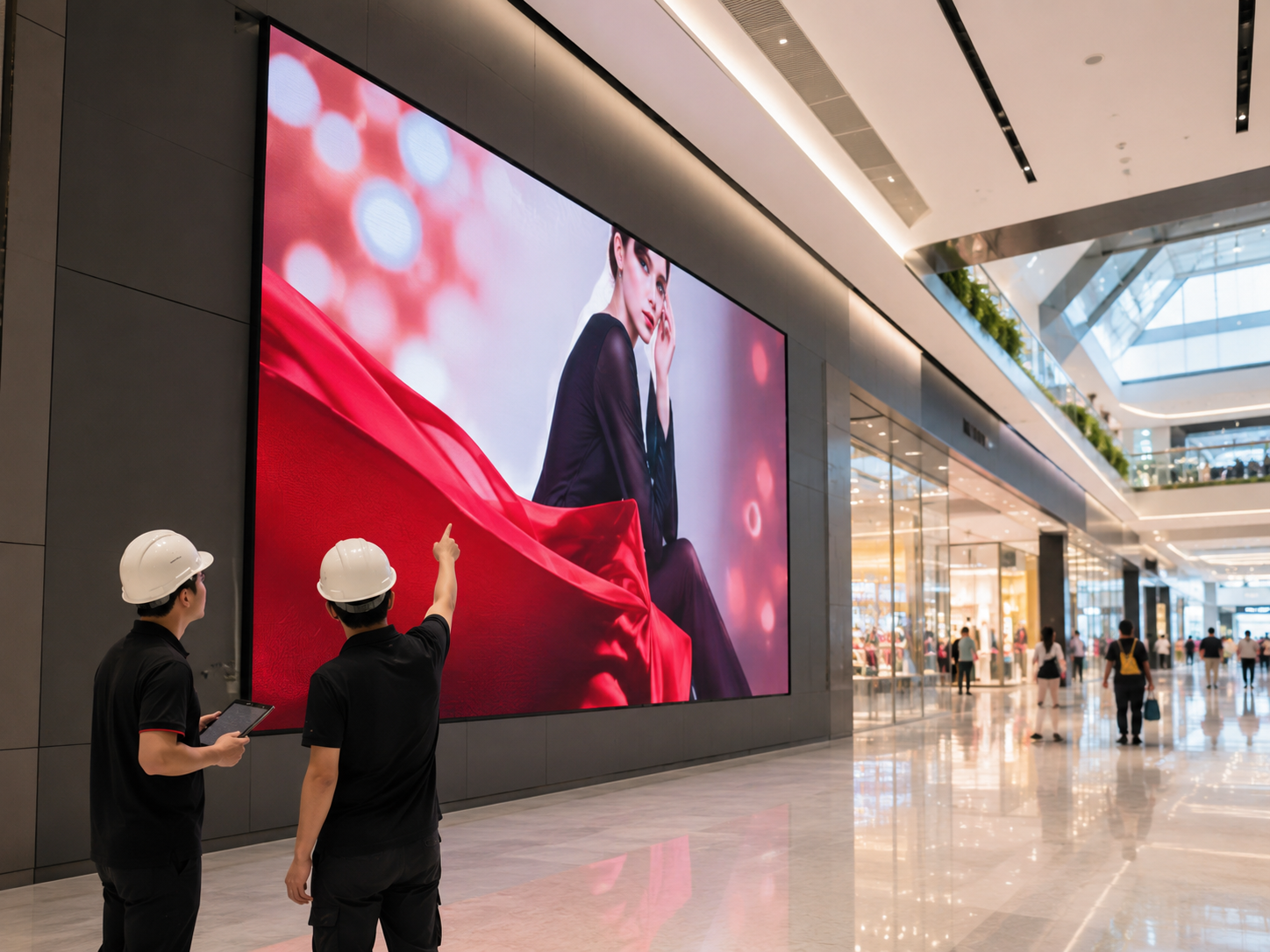
Shopping mall LED screen projects should begin with the real site, not only a target screen size. A custom LED display plan works better when site photos, viewing zones, power capacity, signal routes, maintenance space, and operating-hour limits are reviewed before quotation. Therefore, early planning helps reduce wrong specifications, late wiring changes, and installation delays.
Shopping Mall Project Scenario
First, a shopping mall is a crowded visual environment. Storefront signs, ceiling lights, glass reflections, escalators, kiosks, and moving foot traffic all compete for attention. For this reason, the LED screen should have a clear job before product selection begins.
For example, an atrium screen may support seasonal campaigns, tenant promotion, festival events, and brand launches across several floors. Meanwhile, a corridor screen may focus on wayfinding, retail messages, or short advertising loops. An entrance display may need higher brightness because natural light often enters through glass façades.
However, a larger screen does not always create a better result. Pixel pitch, wall depth, screen height, cabinet weight, viewing distance, content style, and maintenance direction should work together. As a result, the final solution becomes easier to install, operate, and service.

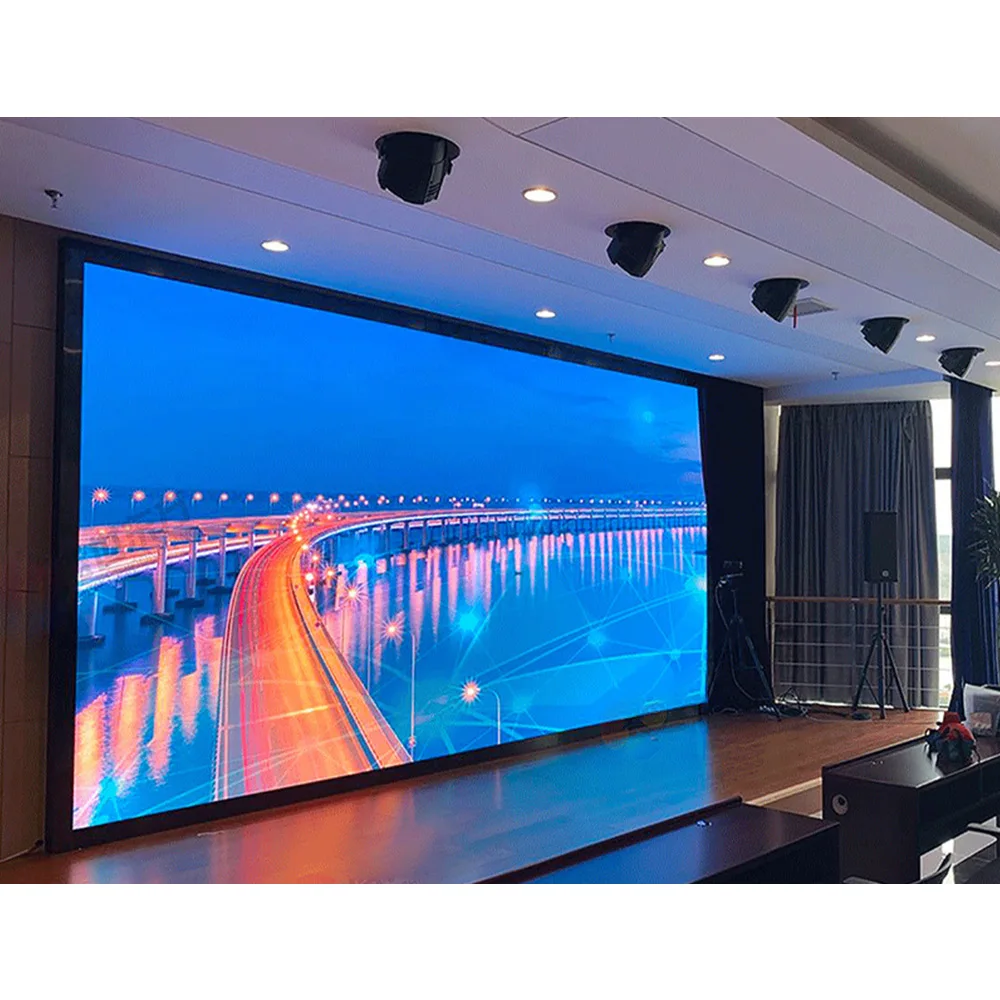
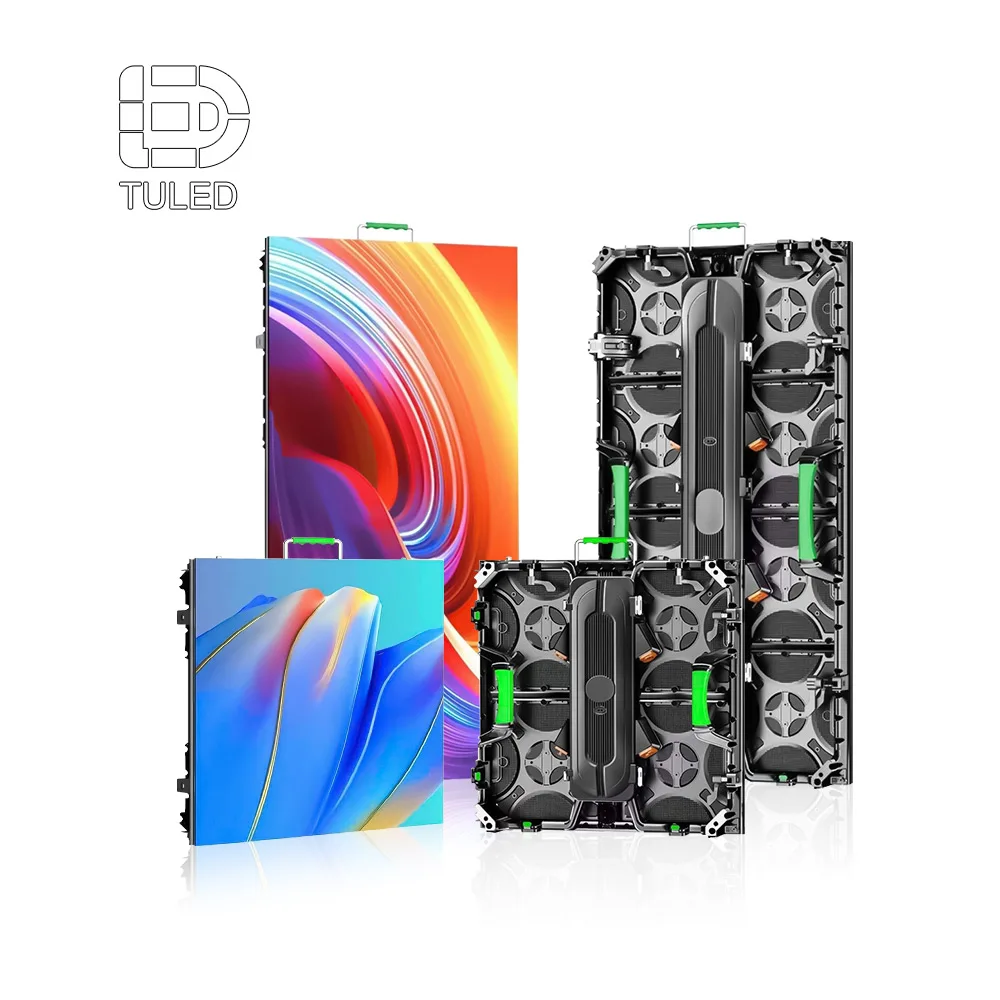
The 640×480 LED Display format is useful for indoor mall walls, retail corridors, event rooms, and commercial advertising areas where standardized cabinet planning helps control size, installation depth, and future service.
View 640×480 LED DisplaySite Survey and Viewing Zones
First, a useful site survey should show the complete installation area. Wide photos should include the wall, ceiling, floor line, nearby doors, escalators, columns, fire equipment, lighting tracks, speakers, cameras, and air vents.
Next, side-angle photos should show wall depth and possible service space. This step matters for recessed screens, decorative panels, narrow corridors, and column-mounted displays. In many mall projects, limited rear clearance decides whether front maintenance is required.
In addition, viewing zones should be marked before pixel pitch selection. A screen viewed from two meters needs sharper image detail than a screen viewed from twenty meters. Therefore, the closest viewing distance, main walking direction, and main audience area should appear in the project notes.
What the Site Photos Should Show
- Front view of the complete wall or planned installation surface.
- Side view showing wall depth, walking space, and service clearance.
- Ceiling view showing lights, sprinklers, speakers, cable trays, and access panels.
- Power source position, if property management allows photos.
- Loading route, freight elevator, storage area, and installation access.
Viewing Distance and Pixel Pitch
Usually, close-view corridors need finer pixel pitch for store names, product visuals, arrows, logos, and small text. Meanwhile, food courts and hall intersections can use larger graphics with simple headlines. Far-view atrium screens need strong scale, clear contrast, and wide viewing angles.
However, pixel pitch should not be selected by price alone. Content type, viewing distance, screen size, budget range, and maintenance method should be reviewed together. In this way, the project can balance image quality and cost.
Power Layout and Signal Route
Power planning should start before the final quotation. Screen size, brightness level, cabinet layout, control accessories, and daily operating time all affect the electrical plan. Therefore, voltage, power source distance, and cable route should be checked early.
Also, power distribution should support future service. A large LED wall can be divided into logical power zones. In this way, troubleshooting becomes faster, and one circuit issue does not affect the entire screen.
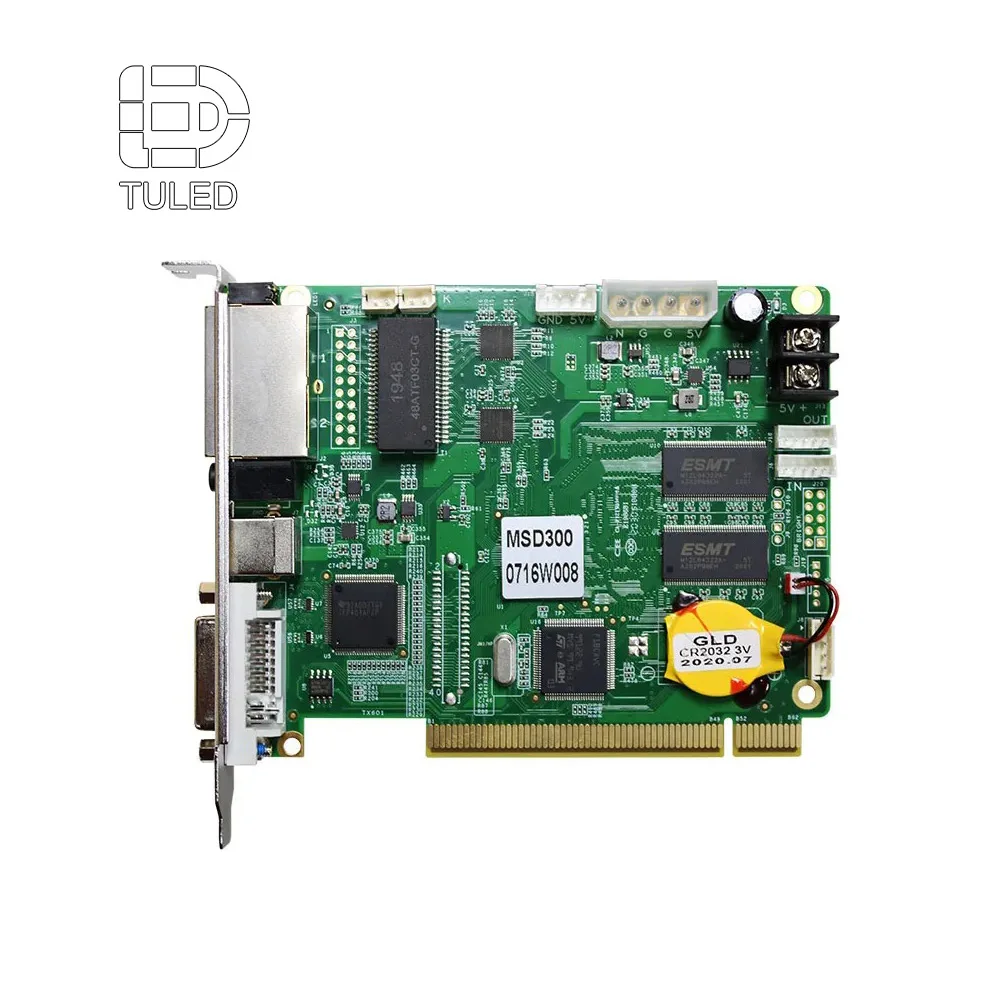
Meanwhile, signal routing should match the daily content workflow. Some screens use a local media player. Others need network updates from an office or control room. If the signal distance is long, fiber transmission or signal extension may be needed.
In addition, electrical installation should follow local building rules and qualified electrical review. For reference, NFPA 70 is widely known as the National Electrical Code in the United States. Local standards may differ, so final cable size, grounding, breaker selection, and inspection should stay with the responsible local electrical team.
| Planning item | Why it matters |
| Voltage and phase | Helps match power supplies, cabinet layout, and local electrical design. |
| Power source distance | Affects cable length, installation cost, and distribution planning. |
| Control location | Decides whether local playback, network control, or signal extension is needed. |
| Business-hour limits | Helps plan delivery, wiring, testing, and later maintenance windows. |
Maintenance Access and Long-Term Operation
Maintenance access should be decided before cabinet layout is confirmed. Mall screens often run for long hours, so module replacement, power supply checks, receiving card service, cable inspection, and cleaning should be possible without major disruption.
For wall-mounted or recessed screens, front maintenance is often practical. Modules can be removed from the front side, which reduces the need for rear clearance. However, rear maintenance can work well when a safe service corridor exists behind the display.
In addition, mall operation creates special limits. Installation may need to happen at night or before opening. Freight elevators, loading docks, temporary storage, floor protection, safety barriers, and noise limits should be planned before the display arrives on site.
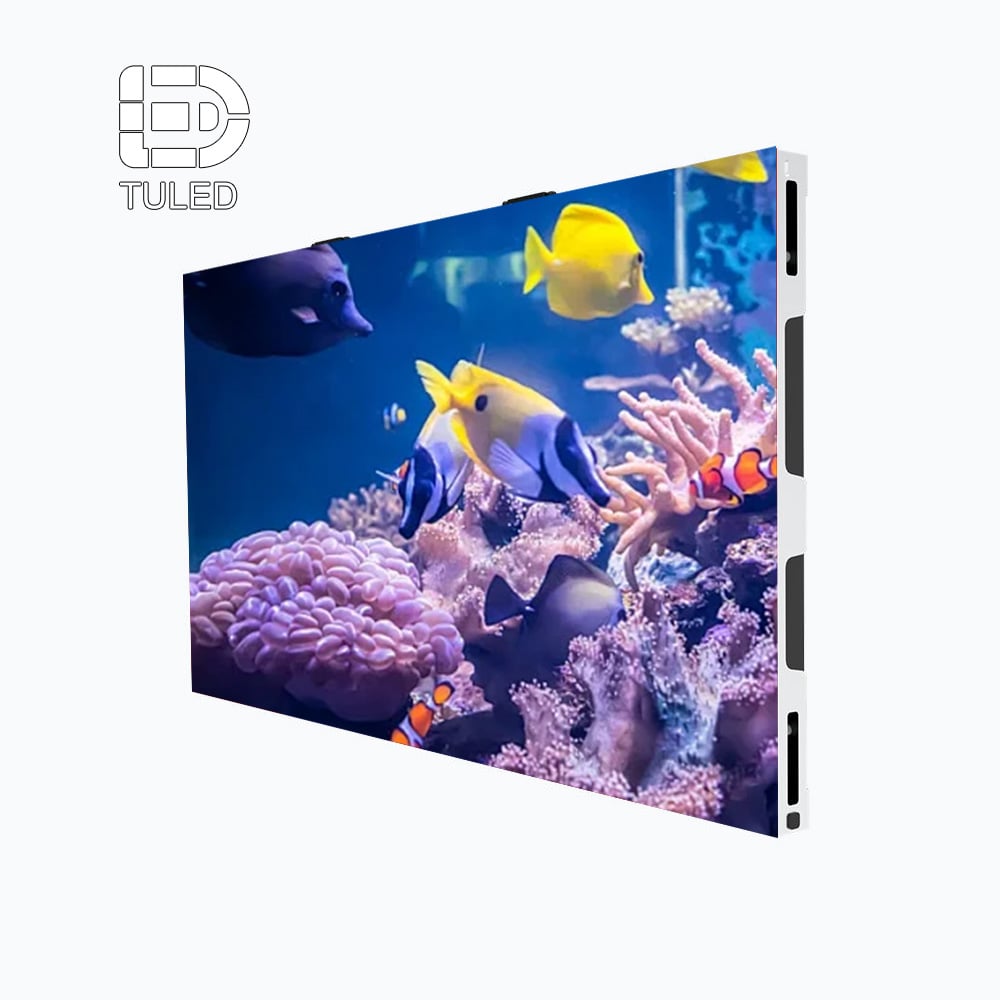
A Small Pixel Pitch LED Screen is suitable for close-viewing mall corridors, premium retail areas, elevator halls, and indoor brand spaces where text clarity and smooth images matter.
View Small Pixel Pitch LED ScreenWhich LED Screen Type Fits Each Mall Area?
A mall project may include several screen positions. Therefore, one product type may not fit every location. The table below gives a practical selection direction before a final factory quotation.
| Mall area | Recommended direction | Main planning point |
| Atrium wall | Large indoor video wall | Viewing distance, screen scale, brightness balance, and structural support. |
| Retail corridor | Fine-pitch or 640×480 cabinet system | Close viewing, text clarity, cabinet depth, and front service. |
| Entrance glass area | Higher-brightness indoor or semi-outdoor planning | Daylight, glare, heat, power route, and brightness scheduling. |
| Event zone | High refresh indoor LED wall with processor | Camera shooting, content switching, temporary events, and stable control. |
Project Details to Send Before Quotation
A clear project package reduces guessing. Instead of sending only a target size, the file should show how the screen will fit the real building. Therefore, the following information helps the factory prepare a more accurate recommendation.
- Planned screen width, height, quantity, and installation position.
- Front, side, ceiling, power route, and access route photos.
- Indoor, semi-outdoor, or entrance-facing environment notes.
- Closest viewing distance and main viewing direction.
- Wall-mounted, hanging, recessed, curved, or floor-supported installation method.
- Country, voltage, power source distance, and planned cable route.
- Control method, content update workflow, and network access requirement.
- Working-hour limits, spare parts needs, and special equipment requirements.
Factory Support and Product Selection
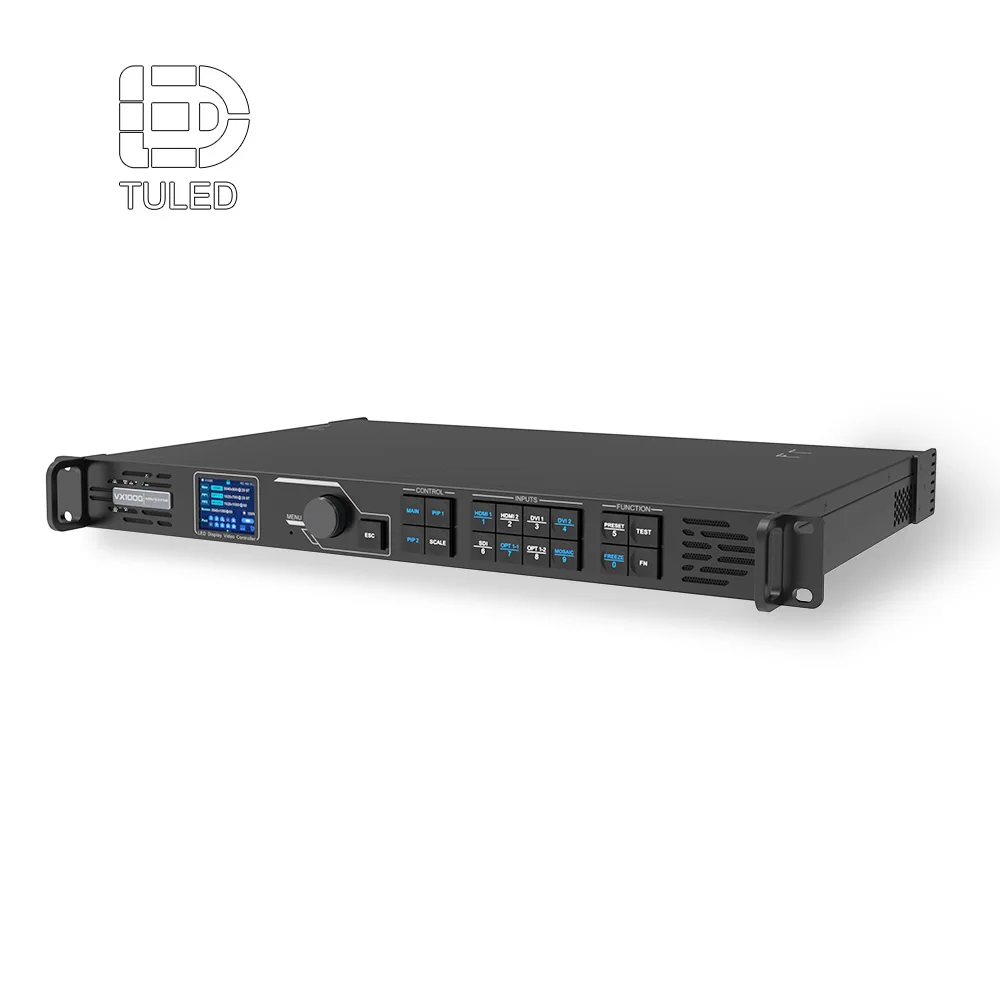
A shopping mall display project needs more than a square-meter price. Screen type, cabinet size, pixel pitch, refresh rate, brightness range, control system, spare parts, and packaging plan should match the site conditions.
LEDDisplayFactory can support indoor commercial screen planning, cabinet layout review, pixel pitch selection, spare parts preparation, and factory quotation based on real site materials. This makes the product discussion more specific than a general catalog request.
For project review, the Contact page can be used to send site photos, dimensions, environment notes, power details, and equipment needs. A complete inquiry helps the technical team suggest one recommended solution and one economical alternative.
FAQ
What information is needed for a shopping mall LED screen quote?
A practical quote needs screen size, installation photos, viewing distance, quantity, country, power details, installation method, content workflow, and maintenance direction. These details help the factory avoid a generic recommendation.
How should viewing distance affect pixel pitch selection?
Short viewing distances need finer pixel pitch for clear text and smooth images. Longer atrium distances can often use a larger pitch while still keeping strong visual impact.
Is front maintenance better for indoor mall LED displays?
Front maintenance is often better when the display is close to a wall or decorative surface. Rear maintenance can work well when a clean service corridor exists behind the screen.
What power details should be checked before production?
Voltage, phase, power source distance, cable route, grounding plan, circuit grouping, and control location should be checked early. Local electrical teams should confirm final compliance.
Can one mall project use different LED screen types?
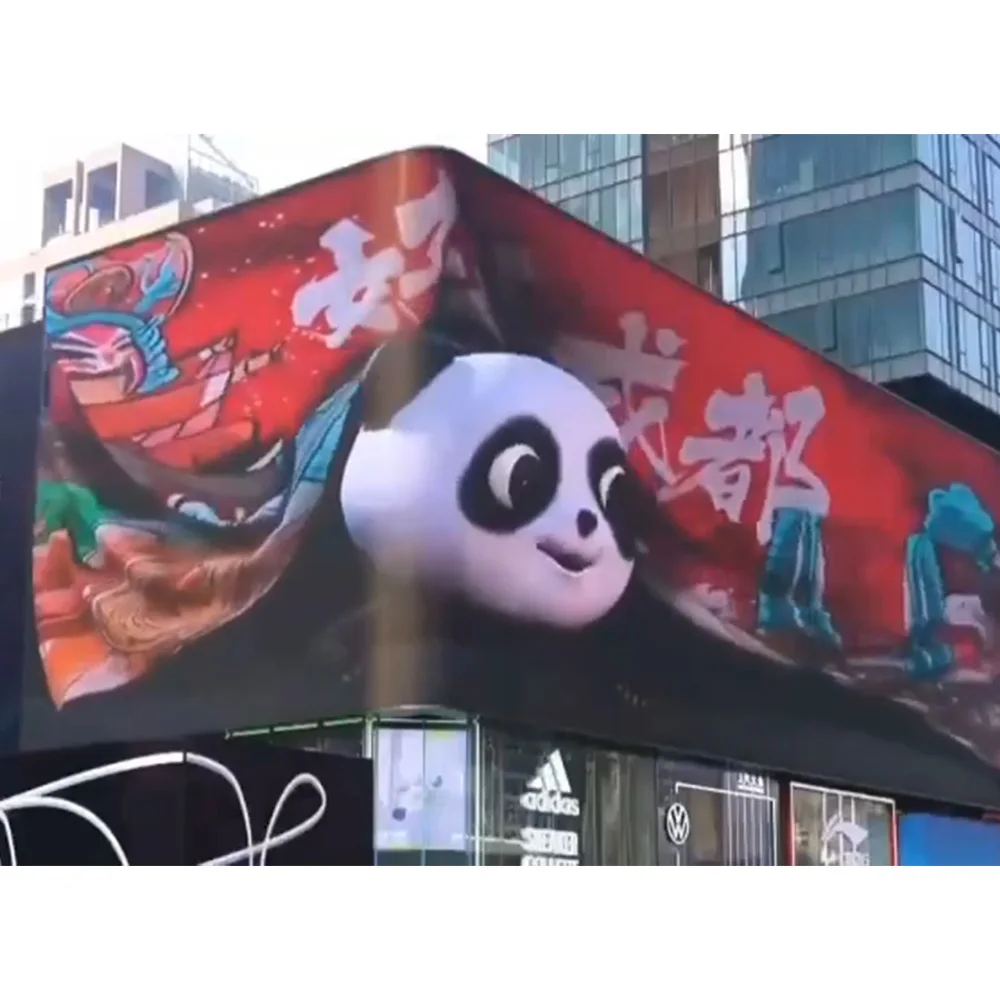
Yes. An atrium may need a large indoor video wall, while an entrance-facing area may need higher brightness. A column or glass area may need a creative or transparent solution.
Extended Reading
LED Display Screen for Shopping Mall Ads — useful for screen placement, mall advertising zones, and content planning.
LED Display Screen Project Brief — helpful for preparing photos, dimensions, application notes, and quotation details.
NFPA 70 Electrical Code Reference — useful background for discussing electrical safety with qualified local teams.
Summary and Next Step
A mall LED screen project becomes easier to quote and build to quote and build when site survey, viewing zones, power layout, signal route, and maintenance access are planned early. Before inquiry, prepare photos, target size, installation method, quantity, country, voltage, control needs, working-hour limits, and service direction.
- Confirm the main viewing zones before selecting pixel pitch.
- Check power source, cable route, and control location before cabinet layout.
- Plan front or rear maintenance access before decoration work begins.
Send project photos, screen size, application environment, quantity, country, installation method, power notes, and equipment needs to LEDDisplayFactory for a focused factory recommendation.
Send Project Details