EN
EN


Cabinet material often looks like a background detail. In real outdoor signage work, it is not. It affects shipping weight, installation rhythm, corrosion exposure, maintenance effort, and the way a sign holds up over time.
So this article does not read like a spec dump. It starts with the common project symptom, then explains the reason behind it, then shows how to judge the material by site conditions, and finally connects that logic to practical product direction.
Quick navigation
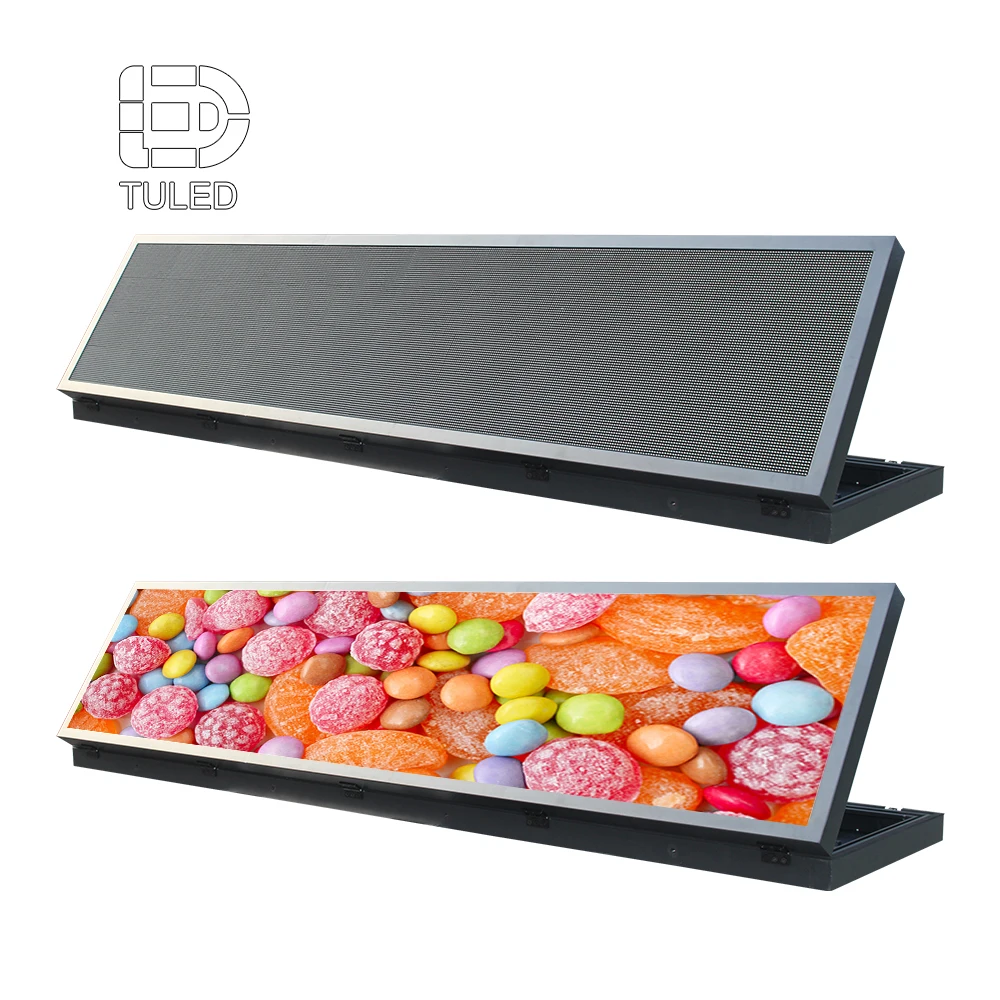
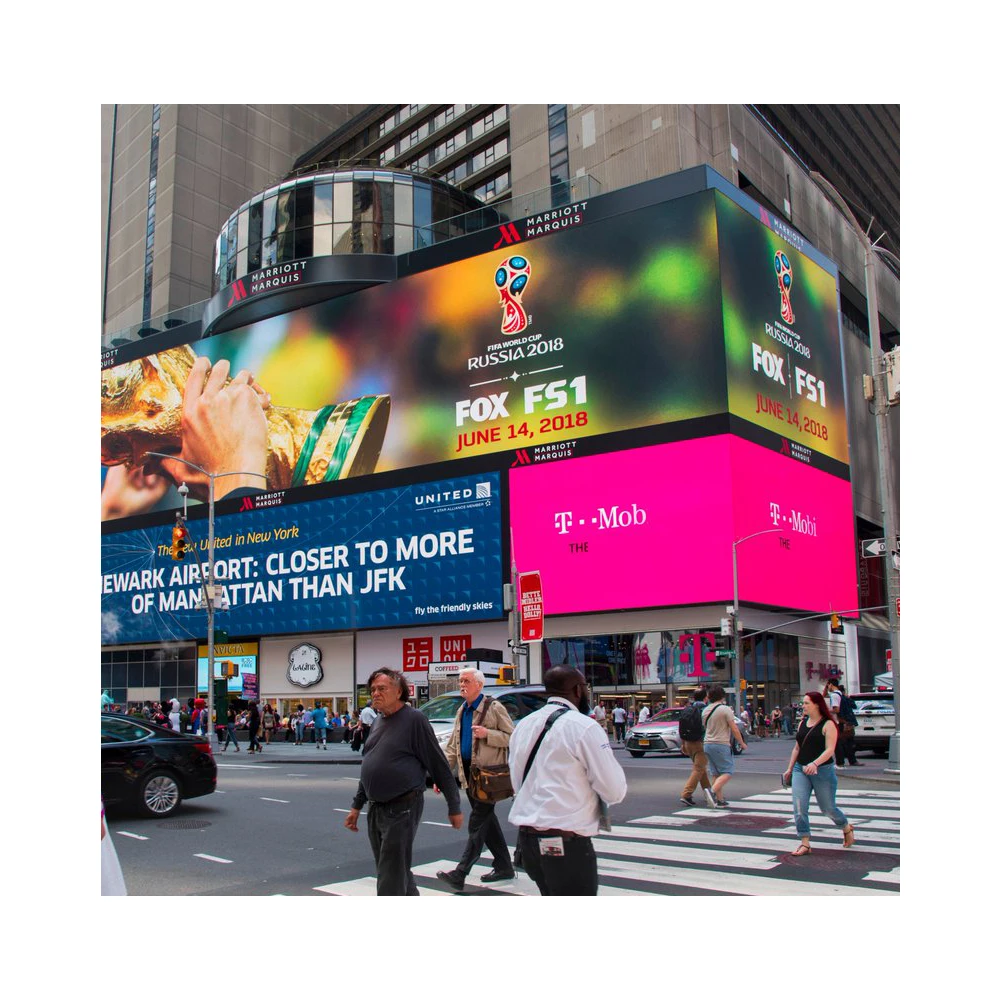
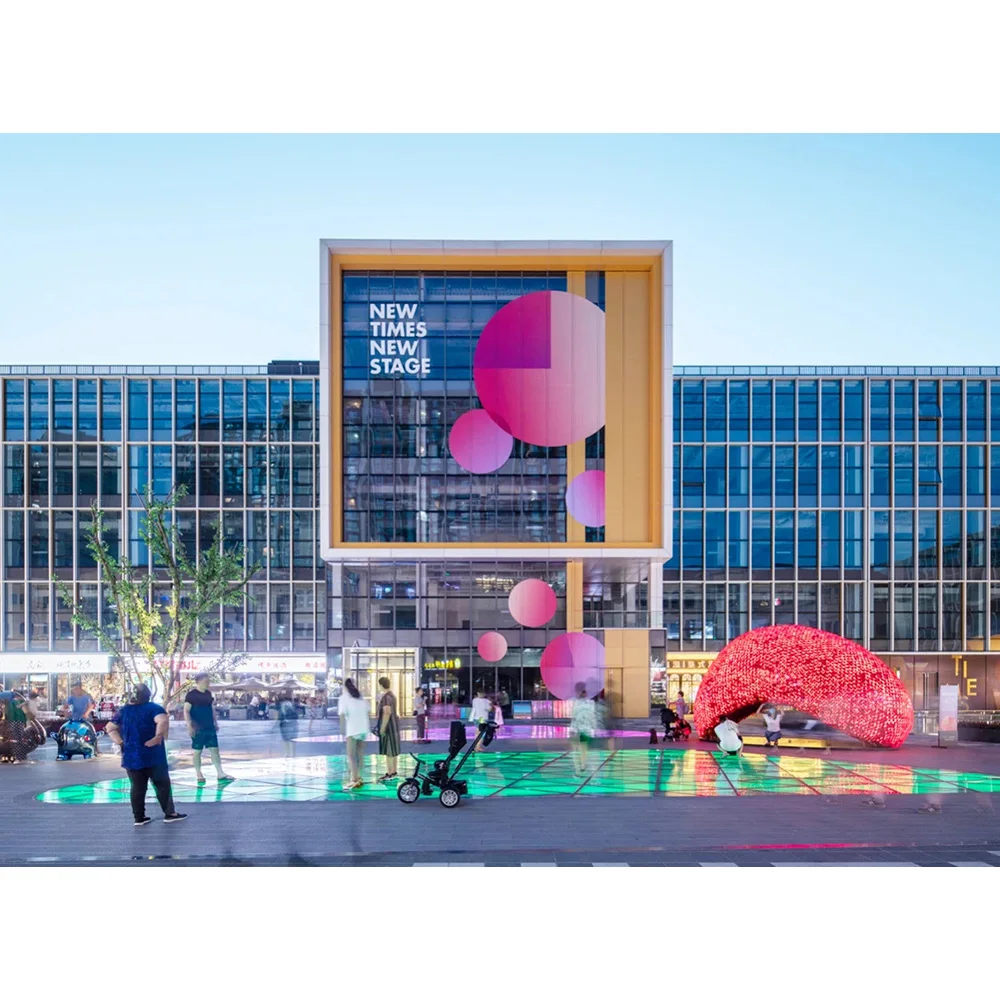
In many commercial display projects, the screen gets most of the attention while led sign board suppliers are often compared by cabinet price alone. That is where mistakes begin. On paper, the cheaper enclosure can look efficient. On site, however, the same choice can turn into a heavier installation, a more demanding support structure, and a more expensive maintenance story. This matters even more when the project is not a simple indoor screen, but an LED sign board used for outdoor branding, roadside advertising, public information, or long-term commercial display.
In other words, cabinet material should not be judged as a factory detail. It should be judged as a project-outcome decision.
The common mistake: cabinet material gets compared by quote, not by project result
The pattern is familiar. A steel cabinet comes in at a lower first price, so the project appears to save money immediately. At that stage, the difference feels clean and rational. The display still looks complete. The modules still do their job. The quotation still appears competitive. Therefore, the cheaper cabinet seems like the sensible commercial choice.
The problem appears later. Freight gets heavier than expected. Handling becomes slower. Installation takes more effort. The sign sits through rain, heat, dust, moisture, or polluted air for months. Then the enclosure starts to matter in a different way. Service access, surface ageing, structural comfort, and long-term appearance stop being background issues and become daily operating realities.
That is why cabinet material should never be compared like a raw component. It changes the whole project chain. A cabinet is not just what holds the modules together. It influences lifting, alignment, weather confidence, maintenance rhythm, and the overall calmness of the display after handover.
So the real question is not “Which cabinet is cheaper?” The real question is “Which cabinet creates less pressure across shipping, installation, service, and long-term ownership?”
Why a lower first price can become a higher total cost
Cabinet material affects much more than the initial invoice. First, it affects weight. Weight changes pallet loading, freight cost, unloading effort, on-site handling, lifting method, and installation speed. Sometimes that impact stays modest. However, on larger outdoor signs, repeated cabinet handling quickly turns a small difference into a real budget factor.
Next, material influences structural pressure. A wall-mounted sign, a rooftop display, a façade integration, and a retrofit installation do not absorb weight the same way. A cabinet that looks acceptable in a simple freestanding structure may feel much less comfortable when attached to an existing surface or handled in a restricted installation zone.
Then there is weather exposure. Corrosion is often reduced to a “coastal issue,” yet the real picture is wider. Rain, trapped moisture, pollution, dust, drainage quality, and maintenance discipline all affect how an enclosure ages. Therefore, the material question is partly a climate question and partly a service-management question.
After that comes maintenance labour. A display can still operate well while becoming more expensive to maintain. If access is slower, if the enclosure ages faster, or if service actions take more effort, the project starts paying for that choice year after year. This is the point where a cheaper cabinet often loses its apparent advantage.
Put simply, a cabinet should be judged by its total cost path, not its opening number.

How to judge cabinet material by real project conditions
A stronger comparison starts with the site rather than the catalogue. First, define the environment. Second, define the installation method. Third, define the service conditions. Only after those three points are clear does the aluminum-versus-steel conversation become useful.
Start with the environment
A dry inland roadside location behaves differently from a humid shopping district, and both behave differently from an exposed marine-facing site. Because of that, the same cabinet recommendation does not fit every project. If the enclosure is expected to live through persistent moisture, heat, dust, or dirt accumulation, corrosion resistance and long-term surface stability deserve more attention from the beginning.
Then look at installation pressure
Weight does not matter in the abstract. It matters because projects have real constraints. A freestanding sign with generous support conditions can tolerate more cabinet mass than a rooftop display, a wall-mounted sign, or a retrofit façade project. Likewise, a site with easy equipment access behaves differently from one with a short installation window or difficult handling space.
Finally, think like the maintenance schedule
Many cabinet decisions become clearer once the service question is asked honestly. If the sign is easy to reach, if maintenance windows are simple, and if the environment is moderate, steel remains easier to justify. However, if the installation is hard to access, if appearance matters, or if repeat service is costly, the cabinet that reduces future friction often becomes the more economical choice.
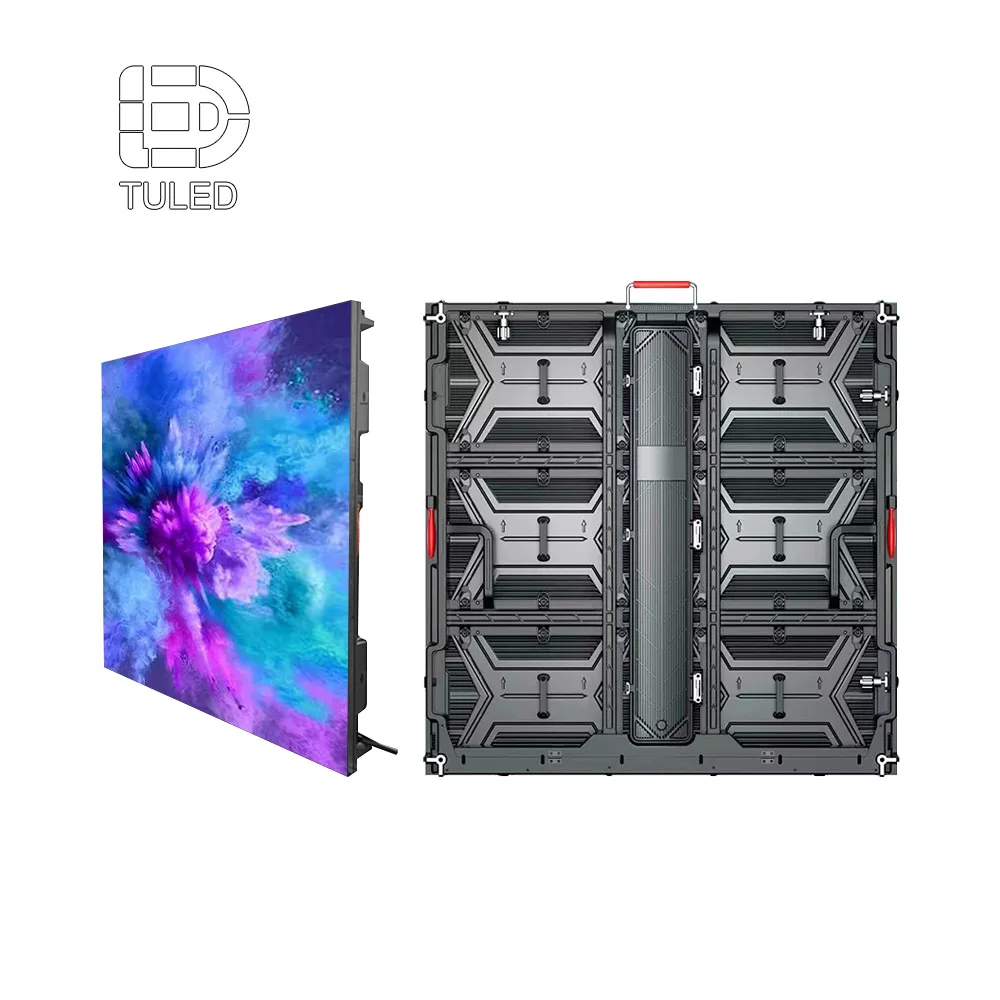
The same logic also helps when a project is being evaluated around modular categories such as an LED wall panel direction for cleaner structural planning or LED screen panels where replacement rhythm and service simplicity need to stay practical over time.
When aluminum makes more sense
Aluminum often makes the strongest case when the project is sensitive to weight, corrosion exposure, long-term appearance, or future maintenance effort. It rarely wins because it sounds more premium. Instead, it wins because it removes pressure from several practical parts of the job at once.
First, lower weight matters when installation conditions are tight. Wall-mounted signs, rooftop units, façade integrations, and retrofit jobs often benefit from lighter cabinets because handling becomes easier and structural confidence becomes simpler to maintain. The installation process feels cleaner before the sign is even commissioned.
Second, aluminum tends to feel more comfortable in climates where corrosion is likely to become a recurring concern. In those cases, the value is not only about surviving weather. It is also about reducing the visual ageing that can make a commercial display look tired before its display performance actually declines.
Third, aluminum often supports a calmer maintenance life. If the display sits in a branded retail frontage, a transport corridor, a public commercial space, or another high-visibility environment, the enclosure needs to stay dependable without creating avoidable service effort. That makes long-term cabinet behaviour more important than the initial material saving.
In practical terms, aluminum usually fits well when the project includes one or more of these conditions:
- Tight weight limits or awkward installation access
- Humid, rainy, coastal, or pollution-heavy conditions
- Premium visual environments where enclosure ageing matters
- Long-term outdoor operation with controlled maintenance budgets
- Sites where service visits are difficult or costly to arrange
In short, aluminum becomes more attractive whenever future inconvenience is likely to cost more than the upfront material premium.
When steel still works well
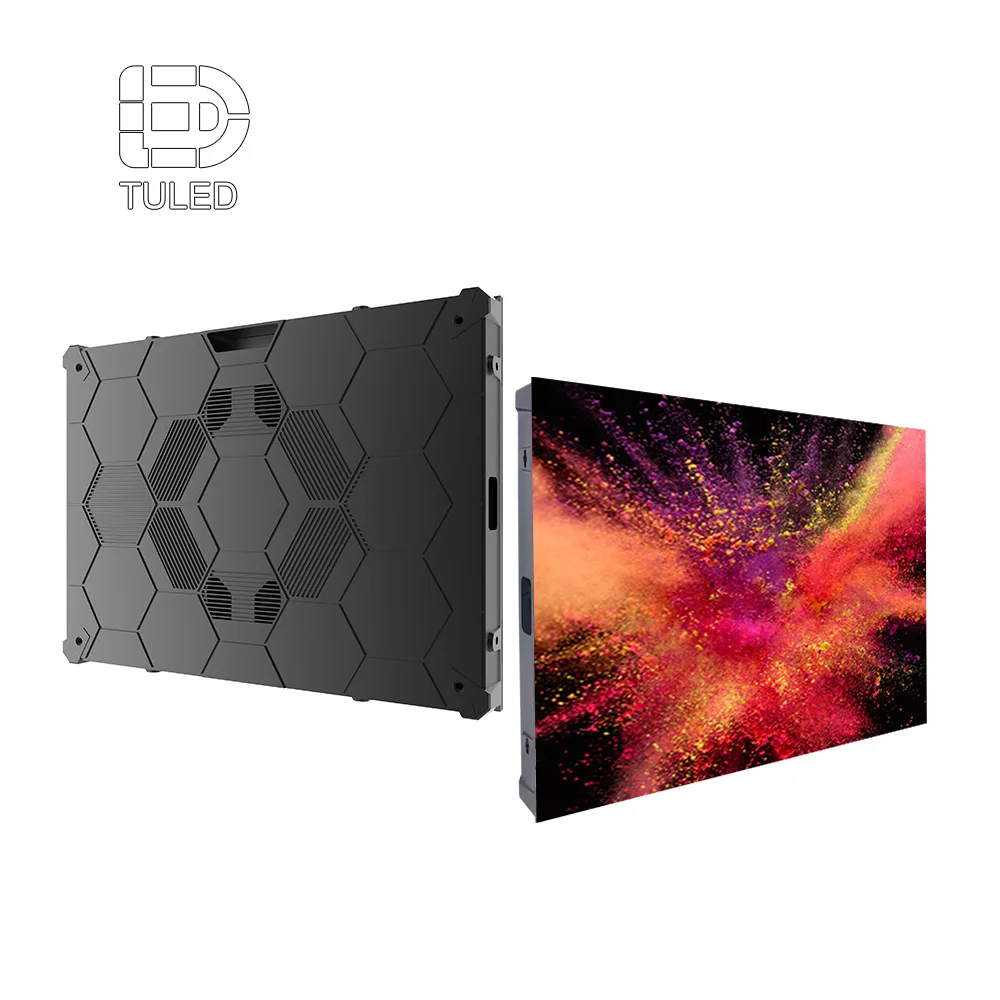
Steel should not be treated like the wrong answer. In many projects, it remains completely reasonable. The key is to place it where its trade-offs stay manageable and where the project itself does not punish extra weight or faster visible ageing.
Steel often makes more sense when the site is inland, the support structure is generous, and service access is straightforward. In that type of environment, the enclosure may not face the same long-term pressure that would justify paying more for aluminum. As a result, the lower first cost can keep more of its value.
It can also stay practical when the installation has a shorter ownership horizon or a well-managed maintenance routine. If regular inspection, surface checking, and upkeep are already part of the operating plan, steel becomes easier to defend commercially.
Steel usually feels more comfortable in these situations:
- Inland sites with moderate weather exposure
- Ground-mounted structures with generous support conditions
- Installations with easy rear access and low service difficulty
- Projects where first-cost control is the main priority
- Applications where minor long-term cabinet ageing is acceptable
So steel is not a poor material choice by default. It is simply a choice that works best when the site makes life easier for the enclosure.
Maintenance is where cabinet material quietly changes the economics
This is often the most overlooked part of the discussion. Dramatic failures are not usually what make a cabinet choice expensive. The real cost often comes from repeated small frictions: slower access, more awkward removal, visible surface ageing, and a higher labour burden every time the enclosure needs attention.
That is why cabinet material should be discussed alongside service method. If future maintenance is simple and inexpensive, steel remains easier to live with. If maintenance access is inconvenient, if appearance is commercially important, or if each service visit interrupts normal operation, the material that lowers future effort becomes much more valuable.
A useful maintenance comparison asks practical questions, not abstract ones:
- How often is inspection likely to happen?
- How difficult is the service path?
- How visible will enclosure ageing be at this site?
- Does a slower repair action create commercial disruption?
- Will the sign stay in place long enough for maintenance savings to matter?
When those answers are clear, the cabinet choice usually becomes much less emotional and much more practical.
Decision table: which material fits which kind of project?
| Project condition | Aluminum cabinet | Steel cabinet |
|---|---|---|
| Coastal or humid outdoor site | Usually the safer long-term choice | Possible, but maintenance pressure rises |
| Wall-mounted or rooftop installation | Often preferred because weight matters more | Works best only when structural comfort is generous |
| Ground-mounted sign with easy access | Good, but not always necessary | Often commercially reasonable |
| Tight installation schedule | Usually easier to manage on site | May add handling and labour friction |
| High-visibility branded environment | Stronger fit for long-term appearance | Works only if visible ageing is acceptable |
| Lowest first-cost target | Not usually the first option | Often the first option considered |
Before sending an inquiry or approving a quote, confirm these points
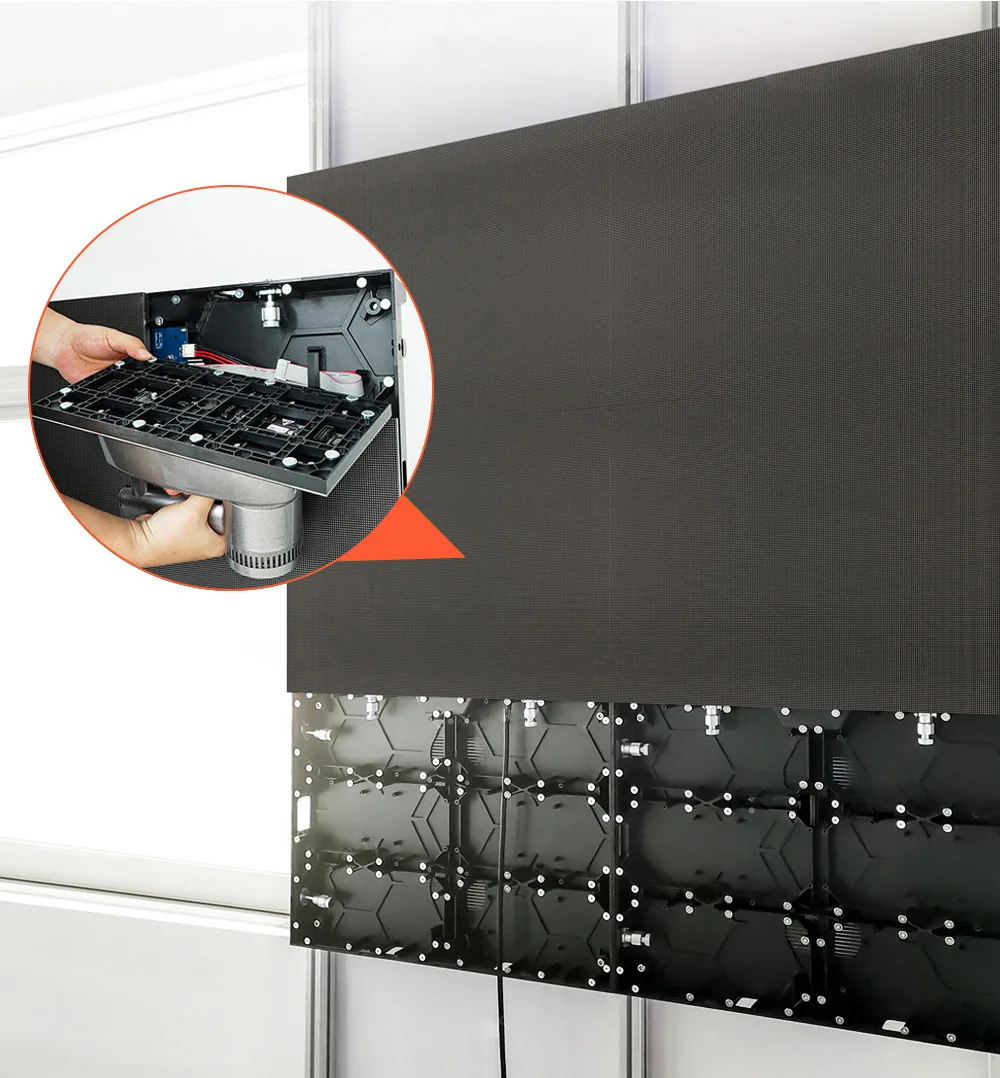
Better cabinet decisions usually come from better project input. When site conditions are described clearly, a factory-side recommendation becomes more precise and much easier to compare. That is also why this LED display screen supplier guide is useful before final quotation review. It pushes the conversation toward project logic rather than price alone.
- Confirm the environment. Dry inland, humid urban, exposed roadside, or marine-facing conditions should not be treated the same way.
- Confirm the installation method. Wall-mounted, rooftop, freestanding, or retrofit projects carry different weight pressure.
- Confirm service access. Easy maintenance and difficult maintenance create very different cabinet economics.
- Confirm the ownership horizon. A short-term display and a long-term brand installation do not need the same trade-off.
- Confirm appearance sensitivity. Some sites tolerate cabinet ageing. Others do not.
- Confirm what the quote assumes. A lower price means little unless the exposure, service, and structural assumptions are clearly stated.
Once those points are written down, aluminum versus steel stops feeling like a generic debate and starts feeling like a manageable project decision.
Final judgment: choose by operating reality, not by cabinet habit
Steel is not automatically the budget mistake, and aluminum is not automatically the premium answer. The right choice depends on what the project can tolerate later. If the site is easy, dry, accessible, and structurally comfortable, steel may remain the practical path. If the site is exposed, weight-sensitive, image-sensitive, or service-sensitive, aluminum often protects the investment more effectively over time.
The strongest cabinet decision is usually the one that reduces future friction. In signage, friction shows up as slower installation, awkward service, avoidable corrosion, and hidden operating cost. Once those elements are visible early, the material choice becomes far more rational.
Three practical actions make the next step easier:
- Define exposure, structure, access, and maintenance rhythm before comparing cabinet quotes.
- Ask what each material changes in freight, installation, appearance, and service time.
- Choose the cabinet that lowers total project pressure, not only the first payment stage.
For teams comparing cabinet direction among led sign board suppliers, the most useful next step is not a generic pitch. It is a project-based discussion built around site conditions, installation method, and long-term service expectations.
Need a faster way to narrow the cabinet choice?
When project size, exposure level, installation type, and maintenance expectations are shared early, cabinet recommendations become much more efficient. That usually leads to clearer quotations, fewer revisions, and a better material match from the start. For project discussion or factory-side advice on the right outdoor cabinet direction, the simplest next step is to contact us.