EN
EN

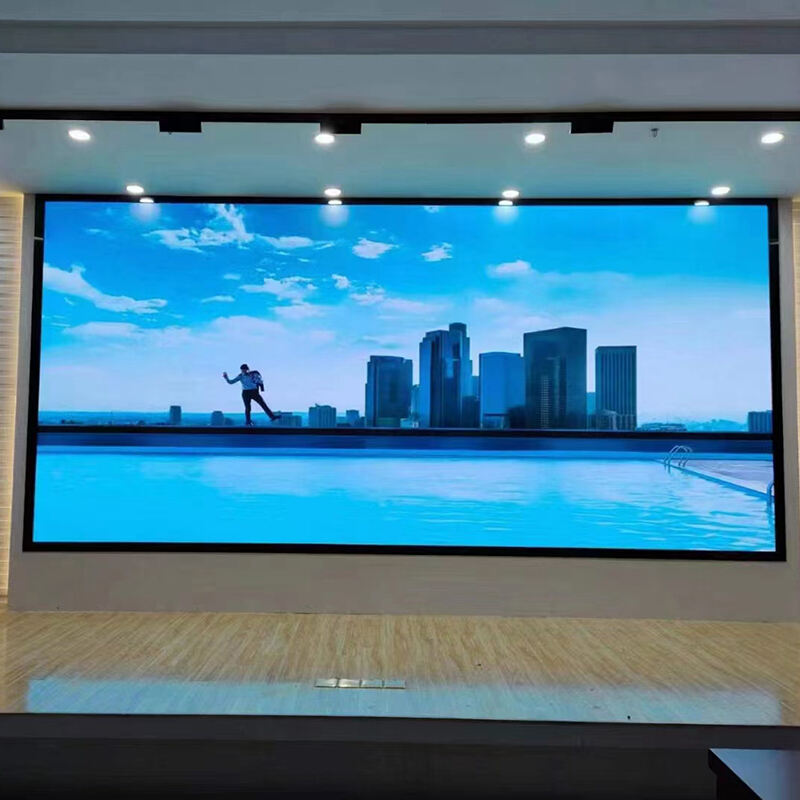
Definition and Structure of Mini LED Displays
Mini LED displays pack thousands of tiny LEDs, each around 50 to 200 micrometers in size, behind their LCD panels to create a much denser backlight system. The real magic happens when these little lights get organized into what's called local dimming zones. This arrangement lets manufacturers tweak brightness levels with surgical precision across different parts of the screen. Traditional LCD screens usually have somewhere between 100 and 500 of these dimming zones according to industry standards. But mini LED takes it way further, packing in upwards of 5,000 zones or even more. The result? Much better picture quality without sacrificing the reliability and affordability that made LCDs so popular in the first place. Manufacturers are really excited about this tech because it bridges the gap between OLED's superior contrast ratios and the proven longevity of standard LCD panels.
How Mini-LED Enhances Brightness, Contrast, and HDR Performance
When manufacturers pack more tiny LEDs into their panels, mini LED displays can hit around 4,000 nits of brightness at peak moments while showing off about three times better contrast than regular LED-backlit LCD screens. The result? Real HDR action where blacks actually look black, sometimes getting down to just 0.0001 nits in premium units. These displays handle tricky lighting situations much better because they reduce those annoying light leaks and halo effects we all hate. Think about watching a scene with stars against a glowing skyline or playing games where shadows need to stay dark but details still pop through. That's why so many gamers and home theater enthusiasts are jumping on the mini LED bandwagon these days.
Key Advantages of Mini LED in Modern TVs and Commercial Displays
- Burn-in Resistance: Unlike OLED, mini LED is immune to permanent image retention, making it well-suited for environments with static content like control rooms.
- Energy Efficiency: Advanced local dimming reduces power consumption by up to 40% compared to full-array LED backlights.
- Scalability: Modular designs support everything from consumer 55-inch TVs to large-scale 220-inch commercial video walls.
| Feature | Mini LED | Standard LCD |
|---|---|---|
| Dimming Zones | 5,000+ | 100–500 |
| Contrast Ratio | 1,000,000:1 | 5,000:1 |
| Lifespan (hours) | 60,000 | 30,000 |
Market Availability and Cost Considerations for LED Display Buyers
In the first quarter of 2024, mini LED TVs made up about 18 percent of all premium television shipments, which shows people are starting to pick them over other options. The catch though is that when we look at commercial grade models, these mini LED screens still cost anywhere between 25 to 40 percent more than regular LCD displays. Industry experts predict things might change soon enough though. Their research suggests production costs could fall around half by 2026 once manufacturers get better at transferring their yield processes. Anyone shopping for something that needs to last years without breaking down, or wants top notch HDR visuals particularly if it'll be running non stop day after day, should seriously consider going with mini LED instead of OLED technology. The extra upfront spend pays off much faster in the long run.
What Is Micro LED Display Technology and What Makes It Unique?
Definition and core technology behind microLED displays
Micro LED technology, often called μLED, works by using tiny self-emitting diodes that are under 100 microns across to create each pixel. This means there's no need for those extra components like backlights, color filters, or liquid crystal layers that we typically find in other display technologies. What makes it special is how each pixel actually produces its own light independently. This allows for much finer control over individual parts of the image. According to some technical specs from Unilumin, these displays have really good brightness consistency and can last well beyond 100 thousand hours before showing signs of wear. The way it's built gives us something similar to OLEDs when it comes to contrast ratios while maintaining the durability associated with regular LEDs. We're already seeing these panels maintain brightness levels above 1,000 nits in various commercial settings around the world.
Self-emissive pixel architecture and its impact on image quality
Each micro LED pixel works on its own so they can completely shut down when needed, creating genuine black levels that just aren't possible with traditional backlit displays such as mini LED or standard LCD screens. The result? Contrast ratios that technically go on forever, though real world pro grade panels hit around 1 million to 1 static contrast according to DisplayHDR 2024 standards. There's also very little interference between neighboring pixels which means colors stay accurate even across expansive color ranges. These panels handle 10 bit color depth and cover about 110 percent of the DCI-P3 spectrum making them great choices for both movie makers and doctors who need precise image quality in their work.
Superior color accuracy, contrast, and brightness in micro LED displays
When tested in lab environments, micro LED displays deliver exceptional color accuracy with Delta E values below 1, which is actually better than what most OLED panels manage these days (typically around Delta E 2-3). These screens can maintain their maximum brightness well over 2,000 nits without any noticeable quality loss, while also hitting incredibly deep blacks at about 0.001 cd per square meter. That kind of contrast makes all the difference when watching content with lots of shadow details. The technology complies with both HDR10+ and Dolby Vision specifications at the same time, something not many display technologies can claim. We're already seeing commercial versions hit the market too, offering 4K resolution on massive 160 inch screens where each pixel is spaced less than 0.9mm apart from its neighbors.
Advantages of micro LED for high-end commercial and professional applications
The modular nature of micro LED technology makes possible video walls that stretch well beyond 500 inches diagonally, which works great in places like TV news studios and security control rooms. These displays offer viewing angles approaching 180 degrees, so colors stay true and brightness remains even when lots of people are watching from different angles, something that matters a lot for big digital signs in public spaces. According to recent Energy Star data from 2023, micro LED consumes about half as much power as laser projectors while delivering similar brightness levels. That's why we're seeing more boardrooms and training facilities switch to this tech despite the upfront investment. The combination of sharp images and dependable operation justifies the extra cost for organizations that need reliable visual communication solutions day after day.
Mini LED vs Micro LED: Key Differences in Performance and Design
Architectural differences: Backlit vs self-emissive LED display systems
Mini LED technology works by using a complex backlight system made up of thousands of small LEDs measuring around 100 to 300 micrometers. These lights help illuminate the LCD screen and allow for local dimming which improves image contrast. On the other hand, micro LED takes a different approach altogether. Instead of relying on backlights, it uses self emitting pixels about 50 to 100 micrometers in size that produce their own light much like OLED screens do. But there's a key difference here too: micro LED is constructed from inorganic materials that don't suffer from screen burn issues. Because of this basic distinction between the technologies, we see a massive jump in pixel density with micro LED offering anywhere from 10 to 20 times more pixels per inch. The actual pixel spacing gets down to just 0.12mm for micro LED displays, whereas most mini LED setups currently available on the market have pixel spacing ranging from 1 to 2mm apart.
Contrast, brightness, and energy efficiency compared
The Mini LED technology can reach contrast ratios as high as one million to one thanks to its advanced local dimming capabilities, which is roughly four times better than regular LED-LCD displays. However, it still struggles with issues related to backlight bleed that affects image quality. On the other hand, Micro LED offers something truly remarkable with its ability to turn off individual pixels entirely, resulting in what's essentially infinite contrast. When looking at brightness levels, Micro LED hits peak performance at around 1,500 nits while using about 40 percent less power compared to Mini LED based on recent display industry reports from 2025. Even with all these benefits though, Mini LED maintains a clear advantage when it comes to manufacturing efficiency. Production yields for Mini LED are currently about 80 percent greater than those for Micro LED panels of similar size, which explains why we see Mini LED products available at much lower price points in the market right now.
Manufacturing Challenges and Future Adoption of Advanced LED Display Tech
Barriers to Mass Production of Micro LED Displays
Mass-producing micro LED displays faces steep challenges due to the extreme precision required. Transferring millions of sub-100-micron LEDs onto backplanes with less than 1% defect rates demands costly mass transfer equipment—adding up to 40% more expense than mini LED manufacturing (Omdia 2025). Major hurdles include:
- Thermal management in tightly packed arrays
- Limited availability of substrates capable of supporting <10µm pixel pitches
- High failure rates during bonding processes
As noted in the 2025 Display Dynamics Report, advancements in defect repair could reduce production costs by 18–22% by 2026, though supply chain constraints for materials like gallium nitride wafers continue to limit scalability.
Future Outlook: When Will Micro LED Become Mainstream?
Analysts project micro LED will capture 5% of the premium display market by 2027, driven by demand in automotive head-up displays and ultra-fine-pitch video walls requiring less than 0.7mm spacing. Widespread consumer adoption, however, depends on overcoming three key barriers:
- Reducing costs to <$1,000 per square meter (down from ~$12,000/m² today)
- Developing driver ICs based on <10nm semiconductor nodes to manage millions of pixels efficiently
- Standardizing modular assembly processes for faster deployment
Recent market analyses suggest these milestones may converge between 2030 and 2032, with hybrid mini/micro LED solutions likely bridging the gap in commercial signage and broadcast monitoring until fully scalable self-emissive displays become viable.
Frequently Asked Questions (FAQ)
What is the main advantage of Mini LED displays over OLED?
Mini LED offers superior longevity and burn-in resistance compared to OLED, making it ideal for environments with static content.
How do Micro LED displays achieve such high contrast ratios?
Micro LED displays use self-emitting pixels that can completely shut down when needed, offering essentially infinite contrast ratios.
Are Micro LED displays expensive?
Yes, currently Micro LED displays are more expensive due to manufacturing complexities, but costs are expected to decrease significantly by 2030.
Table of Contents
- Definition and Structure of Mini LED Displays
- How Mini-LED Enhances Brightness, Contrast, and HDR Performance
- Key Advantages of Mini LED in Modern TVs and Commercial Displays
- Market Availability and Cost Considerations for LED Display Buyers
- What Is Micro LED Display Technology and What Makes It Unique?
- Mini LED vs Micro LED: Key Differences in Performance and Design
- Manufacturing Challenges and Future Adoption of Advanced LED Display Tech
- Frequently Asked Questions (FAQ)