EN
EN

How Different LED Displays Work: From Organic Light-Emitting Diodes to Pixel-Level Emission
OLED stands for Organic Light Emitting Diode technology. It works by using certain organic materials that actually produce light when electricity runs through them, which means there's no need for those backlights we see in other displays. The result? Displays can show really deep black levels, offer basically infinite contrast ratios, and maintain good picture quality even from extreme angles. But there's a catch - these materials tend to break down over time, so longevity is still something manufacturers are working on improving. On the flip side, Micro LED technology takes a different approach altogether. Instead of organic materials, they use tiny inorganic LEDs at each pixel level. These can get incredibly bright, sometimes reaching around 4000 nits of brightness, and last much longer too, often past 100 thousand hours of operation. When it comes to big screen applications like stadiums or digital billboards, direct view LED systems are the go to solution. They're made up of many small LED panels connected together to form one continuous display surface. This modular design allows companies to build displays of almost any size they want without worrying about limitations in panel dimensions.
Mini-LED and Micro-LED Trends: The Shift Toward Higher Performance in Commercial and Consumer Markets
According to Stellarix data from 2024, around 63% of top-tier LCD TVs now use Mini-LED backlight technology. This setup gives better local dimming and contrast compared to older LED backlights, which most people can actually notice when watching darker scenes. The Micro-LED market is also picking up steam for special applications. We're seeing them appear in places like see-through store displays where customers can look right through the screen, in control rooms where operators need crystal clear visuals, and those amazing thin bezel video walls that seem to float in mid air. What's really exciting is how much progress has happened lately. Energy consumption has dropped by somewhere between 40 to 60 percent, which matters a lot for commercial installations. Some lab models have hit pixel densities exceeding 10,000 PPI, and there are now micro-LEDs with pitches under 0.7mm that deliver picture quality rivaling what we see in movie theaters.
Direct-View LED for Large-Scale Impact: Case Study of Times Square Digital Billboards
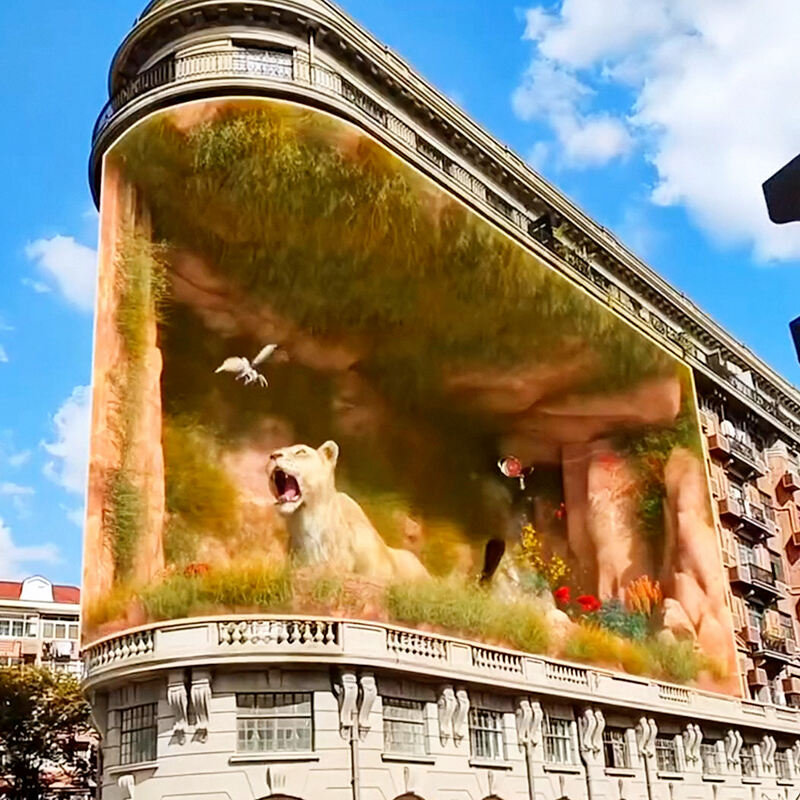
Outdoor digital ads are mostly powered by direct view LED technology these days because they can shine super bright at around 6,000 to 10,000 nits, withstand all sorts of weather conditions, and keep running nonstop day after day. Take the massive 26,000 square foot NASDAQ screen in Times Square for example. According to Dazzview research from 2024, people actually spend about 30% more time looking at those dynamic displays compared to regular static billboards. What's impressive is that even when viewers approach from almost any angle within a 90 degree range, the image stays crisp and clear in true 4K quality. And let's not forget the temperature extremes these screens handle effortlessly, working flawlessly whether it's freezing cold at minus 20 degrees Celsius or scorching hot at 50 degrees Celsius.
Choosing the Right LED Technology Based on Environment and Use Case
| Factor | Indoor Retail | Outdoor Stadium | Broadcast Studio |
|---|---|---|---|
| Optimal Brightness | 800–1,500 nits | 5,000+ nits | 1,000–2,000 nits |
| Pixel Pitch Requirement | ± 1.5mm | 4–10mm | ± 0.9mm |
| Critical Features | Color uniformity | Weatherproofing | Frame sync ± 2ms |
This comparison highlights how application-specific demands guide technology selection—whether prioritizing fine detail indoors or environmental resilience outdoors.
LCD with LED Backlight vs. True LED Displays: Clarifying Common Misconceptions
LCD screens with LED backlights still dominate the budget market at around 78% according to recent industry reports, but these are really not comparable to true self-emitting LED tech like OLED or Micro-LED. The real LED panels have much better contrast ratios, sometimes reaching as high as one million to one compared to just three thousand to one for standard LCDs. They also get rid of those annoying backlight bleeding problems that plague many cheaper displays. In industries where color accuracy matters most, like hospitals and TV studios, Micro-LED can hit nearly 99% coverage of the DCI-P3 color space. That's about 15 percentage points ahead of even the best LCD panels on the market today, making colors look more lifelike and precise when it counts.
Critical Performance Factors: Resolution, Brightness, Color, and Viewing Experience
Resolution and Pixel Pitch: Matching Clarity to Viewing Distance
When we talk about those fancy high res formats such as 4K (that's 3840 by 2160 pixels) and even bigger ones like 8K (7680 x 4320), they definitely bring out more details in images. But there's a catch – these resolutions need much closer together pixels to actually work well when someone is sitting pretty close to the screen. For regular meetings in office spaces where people usually sit around 10 to maybe 15 feet away, something around 1.2mm spacing between pixels tends to do just fine. Stadiums tell another story though. When folks are watching from way back there, say over 30 feet distance, then going with 3mm or even bigger gaps between pixels works great too. Going super high on resolution without getting the right pixel density? That just wastes energy and doesn't really make things look any better than what's already good enough.
Brightness (Nits) and Contrast Ratio: Ensuring Visibility Indoors and Outdoors
For indoor spaces, we generally need around 500 to 1,000 nits so people can see things comfortably when there's regular lighting around. But outside where the sun shines directly, displays need way more power, somewhere between 1,500 and even 5,000+ nits just to stay readable. High contrast ratios such as 5,000 to 1 make images look deeper inside places like movie theaters where lighting is controlled. However, when it comes to stuff placed outdoors, getting that maximum brightness takes precedence over having super sharp contrasts. Temperature matters too. If the display gets too hot and loses more than 15% of its brightness, nobody will be able to read what's shown on screen no matter how good the contrast was initially.
Color Reproduction and Refresh Rate: Delivering Smooth, Vivid Video Content
When displays hit at least 95% coverage of the DCI-P3 color space, they bring out those vibrant, movie-like colors that really grab attention for things like ads and entertainment content. The refresh rate matters too - anything 120Hz or better cuts down on that annoying motion blur when watching something fast moving like a football game or action movie. For skin tones to look right in videos, grayscale needs to stay under that Delta E threshold of 3. Broadcast professionals know this well because off colors can ruin a live feed. And let's not forget about those lower end screens with refresh rates below 60Hz. They tend to show flickering when recorded on cameras, which is why nobody wants them anywhere near actual TV broadcasts or professional shoots.
Viewing Angles and Durability: Essential for Public-Facing and High-Traffic Installations
IPS panels keep colors looking good even at viewing angles of around 178 degrees, which makes them great choice for places like airports and stores where people walk past screens from all directions. The commercial LED displays rated IP65 can handle dust, water splashes, and regular cleanings too, so they last longer in tough spots. These displays typically run for well over 100 thousand hours, that's about eleven years straight if left on non stop. Because they don't need replacing so often, businesses save money on repairs and replacements across train stations, shopping centers, and other busy locations.
Sizing, Placement, and Environmental Fit: Optimizing LED Display Installation
Determining Screen Size and Aspect Ratio for Maximum Audience Engagement
The best screen size really comes down to how far people will be standing from it and what kind of content needs showing. For those big screens in corporate lobbies, something around 4K resolution that stretches between 10 to 15 feet across works pretty well when viewers are sitting or standing about 30 feet back. When we look at outdoor advertising though, these massive billboards typically go beyond 20 feet wide with bigger pixels spaced out so text remains legible even from hundreds of feet away. Getting the aspect ratio right matters too. Most regular videos work fine on 16:9 screens but if there's going to be movie style content or vertical scrolling information, then 21:9 becomes necessary to avoid cutting off important parts or stretching things awkwardly.
| Viewing Distance | Recommended Pixel Pitch | Screen Size (Diagonal) |
|---|---|---|
| ± 15 ft | ± 2.5 mm | 8–12 ft |
| 15–50 ft | 3–6 mm | 12–25 ft |
| 50 ft | ± 8 mm | 25+ ft |
These guidelines help balance visual impact with cost-efficiency.
Indoor vs. Outdoor LED Displays: Addressing Environmental Challenges
For outdoor LED displays to work properly in daylight conditions, they need to hit somewhere around 5,000 to 10,000 nits of brightness just to fight off that pesky solar glare. Plus, they require those special IP65 rated enclosures that keep them safe from rainwater, dust particles, and extreme temperatures ranging from as cold as minus 22 degrees Fahrenheit all the way up to 122 degrees. When we look at indoor setups though, the priorities shift a bit. These focus more on getting colors right with at least 90 percent plus DCI-P3 coverage while keeping brightness levels between 800 and 1,500 nits so people's eyes don't get tired looking at them for long periods. A recent 2024 research paper examining how long different types of public displays last found something interesting too. Outdoor units equipped with active thermal management systems actually lasted about forty percent longer compared to their passively cooled counterparts.
Strategic Placement in Retail, Transit, and Public Spaces for Maximum Impact
When LED displays are placed around 15 degrees from where most people look in retail areas, they tend to grab attention much better than those stuck on the ceiling. According to Retail Dive's research from last year, this positioning boosts customer interaction rates by almost three quarters. Airports and train stations see similar results when installing wide screens close to boarding gates these days, with passenger views going up nearly two and a half times over other placements. Curved setups need special consideration too. Keeping the angle at about 120 degrees helps avoid warped images that frustrate viewers. Getting the structural details right matters a lot, especially when dealing with massive video walls in big venues like concert halls or sports arenas. Proper engineering makes sure everything lines up correctly while distributing weight safely across support structures.
Integration and Control: Connectivity, Compatibility, and Content Management
Modern LED deployments rely on industrial-grade control systems to synchronize content across expansive arrays. A 2023 connectivity analysis found that 73% of commercial installations now use hybrid wired/wireless protocols to balance bandwidth, latency, and operational flexibility.
Wired and Wireless Connectivity: HDMI, DisplayPort, Ethernet, and Cloud-Based Systems
Hybrid connectivity meets the demands of high-resolution, low-latency applications:
| Protocol | Max Bandwidth | Latency | Typical Use Case |
|---|---|---|---|
| HDMI 2.1 | 48 Gbps | <5ms | Short-range media walls |
| DisplayPort 2.0 | 80 Gbps | <3ms | High-refresh-rate staging |
| Ethernet (10GbE) | 10 Gbps | 10-20ms | Distributed signage networks |
| Cloud-based APIs | Variable | 50-200ms | Remote content management |
Cloud-controlled platforms now manage 42% of enterprise-scale LED networks, enabling centralized firmware updates, diagnostics, and real-time content adjustments.
Ensuring Compatibility with Media Players and Centralized Content Platforms
Adoption of SMPTE ST 2110 standards has reduced media player compatibility issues by 58% since 2021 in professional AV environments. API-driven content platforms allow dynamic scaling across mixed-resolution LED arrays while preserving color consistency and timing precision—essential for multi-screen brand experiences.
Real-World Applications and Total Cost of Ownership for LED Displays
LED Displays in Advertising, Retail, and Transportation: Driving Engagement with Dynamic Content
Stores that switch from regular signs to those flashy LED displays see about 57 percent more customer interaction according to research from Sam Peng back in 2025. Big advertisers love putting these bright screens outside where they can still be seen even under harsh sunlight. Meanwhile city planners are getting smart too, using digital boards at bus stops and train stations to show live information and special offers as people pass by. Some shops have started adjusting their ads based on foot traffic patterns, which has helped them save around 22% on running expenses. The money saved isn't just nice to have either it means they can put more resources into creating better shopping experiences overall.
Live Events, Stages, and Corporate Lobbies: Creating Immersive and Functional Visual Experiences
LED video walls appear in 83% of major concert tours (EventTech 2024), replacing projection systems with brighter, more adaptable visuals. Corporate lobbies integrate curved LED displays for brand storytelling and visitor navigation. Modular designs enable rapid reconfiguration, with event producers reporting 40% faster setup times compared to legacy systems.
Initial Investment vs. Long-Term Value: Energy Efficiency, Lifespan, and Maintenance Costs
Though LED displays carry a 15–30% higher upfront cost than LCDs, their long-term value is clear:
| Cost Factor | LED Display | Traditional Display |
|---|---|---|
| Annual Energy Cost | $180 | $420 |
| Maintenance Cycles | 3-5 years | Annual |
| Panel Replacement | 10% | 35% |
With lifespans exceeding 50,000 hours and 90% recyclability, LED systems support sustainability goals while reducing total cost of ownership.
Are Premium Technologies Like Micro-LED Worth It? Evaluating ROI for B2B Buyers
The 0.4mm pixel pitch of Micro-LED screens makes sense for the extra 40% cost when looking at places where picture quality matters most, such as control rooms and high-end stores. Looking at return on investment numbers, companies typically get back about two thirds of what they paid extra over four years because these displays consume less power and need less fixing over time. When it comes to regular business settings though, Mini-LED tends to hit that sweet spot between performance and budget. These panels deliver around 85% of what Micro-LED can do in terms of contrast, but at about half the price tag. That makes them a smart choice for many organizations that want good visuals without breaking the bank.
FAQ
What is the lifespan of an OLED display?
OLED displays typically have a lifespan of around 20,000 to 30,000 hours, but manufacturers are continually working on improving longevity.
How do Micro-LED displays differ from Mini-LED displays?
Micro-LED displays have tiny inorganic LEDs directly at the pixel level, offering brightness levels exceeding 4000 nits, while Mini-LED displays use a backlight approach for better contrast in LCDs.
Are LED displays better for outdoor use?
Yes, direct-view LED displays are ideal for outdoor applications due to their high brightness levels, weather resistance, and durability.
Can LED displays be used for artistic installations?
Absolutely, LED displays can be used creatively in artistic installations due to their flexible configurations and vibrant visual capabilities.
Table of Contents
- How Different LED Displays Work: From Organic Light-Emitting Diodes to Pixel-Level Emission
- Mini-LED and Micro-LED Trends: The Shift Toward Higher Performance in Commercial and Consumer Markets
- Direct-View LED for Large-Scale Impact: Case Study of Times Square Digital Billboards
- Choosing the Right LED Technology Based on Environment and Use Case
- LCD with LED Backlight vs. True LED Displays: Clarifying Common Misconceptions
-
Critical Performance Factors: Resolution, Brightness, Color, and Viewing Experience
- Resolution and Pixel Pitch: Matching Clarity to Viewing Distance
- Brightness (Nits) and Contrast Ratio: Ensuring Visibility Indoors and Outdoors
- Color Reproduction and Refresh Rate: Delivering Smooth, Vivid Video Content
- Viewing Angles and Durability: Essential for Public-Facing and High-Traffic Installations
- Sizing, Placement, and Environmental Fit: Optimizing LED Display Installation
- Determining Screen Size and Aspect Ratio for Maximum Audience Engagement
- Indoor vs. Outdoor LED Displays: Addressing Environmental Challenges
- Strategic Placement in Retail, Transit, and Public Spaces for Maximum Impact
- Integration and Control: Connectivity, Compatibility, and Content Management
-
Real-World Applications and Total Cost of Ownership for LED Displays
- LED Displays in Advertising, Retail, and Transportation: Driving Engagement with Dynamic Content
- Live Events, Stages, and Corporate Lobbies: Creating Immersive and Functional Visual Experiences
- Initial Investment vs. Long-Term Value: Energy Efficiency, Lifespan, and Maintenance Costs
- Are Premium Technologies Like Micro-LED Worth It? Evaluating ROI for B2B Buyers
- FAQ