EN
EN

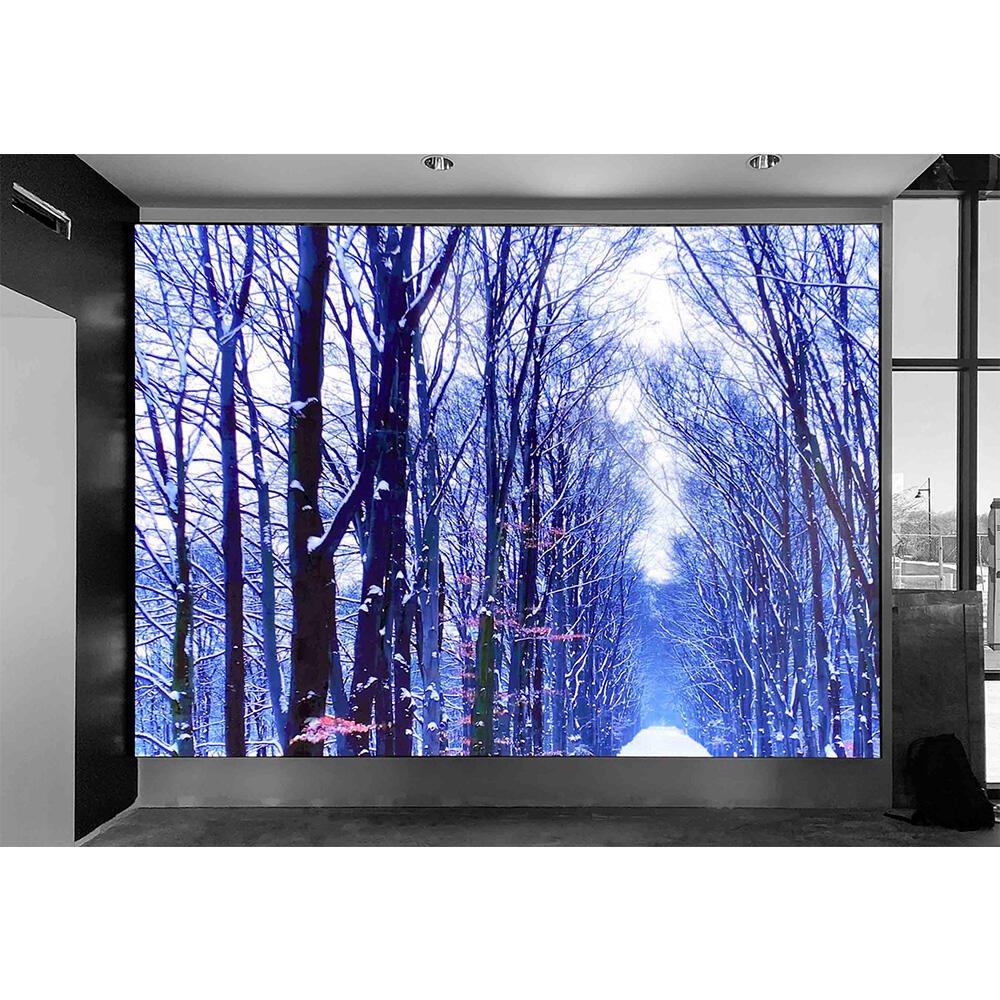
LED Display Manufacturing: Key Stages from Components to Assembly
Understanding the LED Display Manufacturing Process and Its Key Stages
In today's LED display manufacturing world, getting things right comes down to precise workflows that keep products reliable and looking good. Most factories focus heavily on what's called surface mount tech or SMT for short. This involves getting ready all sorts of components including those printed circuit boards we all know as PCBs, actual LED chips themselves, plus that special solder paste needed for sticking everything together during automated assembly lines. When manufacturers fine tune their SMT processes properly, they see around a third fewer defects than when workers do the job manually. That kind of improvement really makes a difference in the long run for anyone serious about making high quality displays consistently.
Solder Paste Application in Surface-Mount Technology (SMT) Process
A robotic stencil applies solder paste—composed of flux and microscopic metal particles—to designated PCB areas. This step requires micron-level accuracy, as uneven distribution can lead to weak electrical connections or LED failures. Temperature-controlled environments prevent paste degradation, ensuring consistent application across thousands of joints per panel.
Precision Component Placement and LED Chip Mounting on PCBs
High-speed pick-and-place machines mount LEDs, resistors, and drivers onto PCBs at rates exceeding 25,000 components per hour. Integrated vision systems align each LED chip within ±0.005 mm tolerance, essential for maintaining pixel pitch uniformity. Some advanced manufacturers use pressure-sensitive adhesives for temporary fixation before permanent bonding during reflow.
Reflow Soldering to Secure Electrical Connections in LED Modules
Assembled PCBs pass through multi-zone reflow ovens with temperatures reaching 245–260°C. Controlled heating melts the solder paste, forming durable metallurgical bonds. Ramp rates are carefully managed—typically 1–3°C per second—to avoid thermal shock while ensuring complete intermetallic compound formation for long-term reliability.
Post-SMT Inspection and Initial Functionality Testing
Automated optical inspection (AOI) systems scan modules using high-resolution cameras and AI algorithms to detect issues including:
- Bridged solder joints (≤5% tolerance)
- Misaligned components (0.1 mm offset flagged)
- Insufficient solder volume (critical for outdoor durability)
Electrical testing follows, verifying voltage stability and rejecting modules with current leakage exceeding 2 mA. Only units passing both AOI and electrical tests advance to encapsulation and final assembly.
Types of LED Modules: DIP, SMD, and GOB Technologies Compared
Comparing LED Module Types—DIP, SMD, and GOB—for Different Applications
There are several different ways manufacturers approach LED module construction, including DIP (Dual In-line Package), SMD (Surface-Mount Device), and GOB (Glue on Board). The DIP method involves those traditional LEDs encased in hard plastic with parallel pins sticking out. These can produce really bright outputs exceeding 7,500 nits, which is why we see them used so much in outdoor advertising boards and other places where visibility matters most. Then there's SMD technology, where RGB diodes get mounted straight onto printed circuit boards. This allows for much tighter pixel spacing, sometimes as small as 1.5mm, perfect for detailed work in stores or control centers where clarity is key. Finally, GOB takes the SMD concept further by applying a layer of epoxy resin over the board surface. This upgrade boosts protection against dust and moisture by around 30%, making it particularly good for installations in harsh conditions or areas prone to humidity problems.
Advantages of Surface-Mount Device (SMD) Technology in Modern LED Displays
Surface Mount Devices (SMD) have become the go to choice for most LED displays these days because they offer good resolution, save on electricity, and work well in different situations. When manufacturers combine red, green, and blue diodes all together in one unit, this helps achieve pretty much 95% color consistency throughout whatever installation it's used for. The small size of SMD components means we can pack more pixels into the same space which is really important for those massive video walls and touch screen interfaces that everyone loves nowadays. Plus, these systems use around 20% less power compared to traditional DIP technology. And let's not forget about visibility issues either. Traditional DIP setups struggle with narrow viewing angles, whereas SMD maintains even lighting at angles exceeding 160 degrees, making them much easier to read from various positions in big spaces such as sports arenas or transportation centers where people move around constantly.
Evolution from DIP to GOB: Improving Durability and Optical Performance
Switching from DIP to GOB solves some major problems that have plagued display technology for years. The main issues are physical damage risks and inconsistent optical performance. With GOB's protective epoxy layer, we see around a 40% drop in those annoying micro-cracks that form in SMD modules over time. This means these displays last much longer when installed in places like factories or outdoor environments where they get exposed to rough handling. Another big plus is how GOB stops moisture from getting inside, which was actually responsible for most of those dead pixels people complained about with older DIP screens. Looking at it from an optical standpoint, the smooth coating gets rid of all those tiny surface bumps and scratches, so contrast ratios jump by roughly 15% compared to regular SMD displays. For businesses running high end stores, TV studios, or those critical control rooms where every pixel matters, GOB has become the go to choice because it just works better under pressure.
Module and Cabinet Integration: Building Full-Size LED Displays
LED Module Assembly and Precise Alignment for Seamless Screens
Putting everything together starts by lining up those small LED modules into bigger panels. We use these special adjustment tools and crosshairs to get them just right. The goal is getting within about 0.1 mm between each module so there are no noticeable gaps. Broadcast studios really care about this stuff because even tiny spaces can mess up how things look on camera. That's why we spend so much time on it. For installations that need curves or unusual shapes, our modular steel frames come in handy. They have standard mounting spots everywhere, which means we can rearrange things quickly when clients want something different from the usual rectangular setup.
Cabinet Integration of Electronic, Structural, and Cooling Components
LED cabinets integrate critical subsystems:
- High-efficiency switching power supplies (90–240 V AC input range)
- Rugged structural frames rated IP54 for dust and water resistance
- Active cooling via heat sinks and PWM-controlled fans (35–55 dB noise levels)
This consolidated design cuts on-site installation time by 60% compared to module-level setups and improves thermal management, supporting lifespans exceeding 100,000 hours.
Installation of Back Shells and Masks for Protection and Visual Clarity
Anodized aluminum back shells protect internal electronics against humidity (90% RH) and particulate contamination. Front-mounted optical masks with anti-glare matte finishes enhance contrast by 30% and minimize color bleeding between adjacent pixels. These layers undergo rigorous 72-hour salt spray testing to validate durability in coastal or industrial outdoor deployments.
Calibration and Quality Control: Ensuring Visual Uniformity and Reliability
Color and Brightness Calibration for Consistent LED Display Output
Manufacturers perform precise color calibration to achieve delta-E values <3 (per ISO standards), ensuring imperceptible differences between modules. Spectrophotometers measure grayscale uniformity across 256 levels, with firmware adjustments correcting deviations. This process reduces color temperature variation by 89% compared to uncalibrated screens, crucial for color-critical environments like broadcast studios.
Pre-Delivery Testing: Validating Performance and Reliability
The cabinets go through rigorous environmental stress testing lasting about three full days, exposing them to some pretty harsh conditions from freezing cold at around minus twenty degrees Celsius all the way up to scorching heat near sixty degrees Celsius plus varying levels of moisture. When it comes to electricity, we push these units beyond normal limits by running them at 110 percent of their rated capacity just to make sure nothing breaks down during peak loads. Signal quality checks are equally important too since even tiny errors can ruin everything from basic black and white images right up to those rich 16 bit color displays people love so much nowadays. Top tier companies manage impressive results with nearly perfect pass rates on initial inspections thanks to sophisticated machine vision technology capable of spotting alignment issues as small as a fraction of a millimeter across multiple points simultaneously.
Aging Tests and Long-Term Stability Evaluation
The accelerated aging test runs for 1000 straight hours at maximum brightness levels. What we find is that premium displays only lose around 5% of their light output during this time, which represents a massive 62% jump compared to older DIP tech from years back. When running these tests, thermal imaging helps spot those pesky hot spots after 24 hour cycles of on/off testing. This information then tells engineers where to place or adjust heatsinks for better performance. After all this stress testing, we run color measurements using the standard CIE 1931 system. These tests confirm that colors stay consistent across the board with deviations no greater than 0.003 in xy coordinates throughout the entire life of the product.
Balancing Automation and Manual Oversight in Quality Assurance
While automated systems handle 93% of measurements, human technicians conduct final visual inspections under D65 standard lighting. This hybrid approach detects subtle anomalies—such as sub-0.2mm pitch inconsistencies—that may escape machine detection. QA teams follow ISO 9001-certified protocols, validating 18 critical parameters including viewing angle consistency and MTBF calculations.
Key calibration metrics for LED displays:
| Parameter | Tolerance Range | Measurement Tool |
|---|---|---|
| Color Uniformity | ΔE <3 | Spectroradiometer |
| Brightness Variance | <5% across panels | Luminance meter array |
| Pixel Response Time | <1ms | High-speed oscilloscope |
| Thermal Stability | <2nm wavelength shift | Temperature-controlled chamber |
This comprehensive quality framework reduces field failures by 74% compared to displays without full calibration, according to industry benchmarking studies.
How LED Displays Work: Control Systems and Signal Processing Explained
Control Systems and Software That Drive LED Display Signal Processing
Modern LED displays rely on sophisticated control systems to convert input signals into visual output. Microcontrollers and dedicated processors decode video data into pixel-level commands. Advanced algorithms precisely time LED activation, enabling smooth animations and transitions. Key functions include:
- Decoding brightness and color information
- Synchronizing frame rates to eliminate flicker
- Optimizing power delivery across large arrays
From Digital Signals to Pixels: How LED Displays Render Visual Content
LEDs function as individual subpixels that mix together red, green and blue lights at different brightness levels to create around 16.7 million possible colors on screen. The display's control mechanism takes digital signals and translates them into groups of pixels through something called gamma correction. This process tweaks the brightness so what we see looks right to our eyes. Most indoor screens work within a range of about 800 to 1500 nits brightness. But when it comes to outdoor displays, they need way more power since they have to be seen clearly even under bright sun. These outdoor versions usually push past 5000 nits to stay visible without getting washed out.
Tuning and Adjustment Techniques for Optimal Image Quality
Calibration compensates for LED variances to maintain image fidelity. Techniques include:
- Grayscale balancing for accurate midtones
- Adjustable color temperature (2,700K–10,000K)
- Ambient light sensors for automatic brightness adjustment
These processes ensure consistent appearance across viewing conditions and extend usable life by reducing unnecessary luminance stress.
Role of Drivers, Processors, and Synchronization in Real-Time Display
LED drivers regulate current flow to maintain uniform brightness and protect against voltage spikes. Modular processors support scalable architectures, enabling low-latency performance (<20ms) even at 8K resolutions. Real-time protocols like HDBT (High-Definition Base-T) ensure frame-accurate synchronization across multi-cabinet installations, preserving timing integrity in live broadcast and event environments.
FAQ
What is the purpose of solder paste in SMT processes?
Solder paste is used to create electrical connections in SMT processes. It provides the necessary medium for forming durable metallurgical bonds between components and the PCB.
How does GOB technology improve LED display durability?
GOB technology protects from physical damage and moisture by applying a layer of epoxy resin over the board surface, significantly extending display longevity.
Why is color calibration important in LED displays?
Color calibration ensures consistent visual output by minimizing color temperature variations, crucial for applications where color accuracy is essential, like broadcast studios.
Table of Contents
-
LED Display Manufacturing: Key Stages from Components to Assembly
- Understanding the LED Display Manufacturing Process and Its Key Stages
- Solder Paste Application in Surface-Mount Technology (SMT) Process
- Precision Component Placement and LED Chip Mounting on PCBs
- Reflow Soldering to Secure Electrical Connections in LED Modules
- Post-SMT Inspection and Initial Functionality Testing
- Types of LED Modules: DIP, SMD, and GOB Technologies Compared
- Module and Cabinet Integration: Building Full-Size LED Displays
- Calibration and Quality Control: Ensuring Visual Uniformity and Reliability
- How LED Displays Work: Control Systems and Signal Processing Explained
- FAQ