EN
EN


Utomhus-LED-skärmpjäser börjar ofta med en enkel förfrågan: gör den tillräckligt ljus för dagsljus. Men ljusstyrka är bara en del av beslutet. En skärm måste också kunna reglera effektförbrukningen, värmeutvecklingen, visuell komfort och långsiktiga driftskostnader.
Därför en användbar leverantör av outdoor led-skärm diskussion bör inte stanna vid ljusstyrka i nit. Den bör förklara hur displayen presterar i verkliga utomhusmiljöer, från hård middagssol till kvällsdrift.
Det vanliga felet: jaga ljusstyrka utan en platsplan
På ytan verkar det säkert att välja en ljusare utomhus-LED-skärm. Om displayen kan motstå solljuset bör projektet fungera. Men detta tänkesätt leder ofta till onödiga kostnader, högre effektkrav och onödig värmeutveckling.
Ljusstyrka är endast relevant när den löser ett verkligt visningsproblem. Till exempel behöver en vägskylt vid en landsväg som är riktad mot eftermiddagssolen starkare ljutsändning. Samtidigt kan en skuggad butiksingång se bättre ut med mjukare ljusstyrka och renare kontrast.
Därför bör det första beslutet vara platsens förhållanden, inte det högsta talet i ett offertförslag. Den bästa skärmen är inte alltid den ljusaste. Det är den skärm som förblir läsbar under de viktigaste visningstiderna samtidigt som den undviker slöseri under lättare belysningsförhållanden.
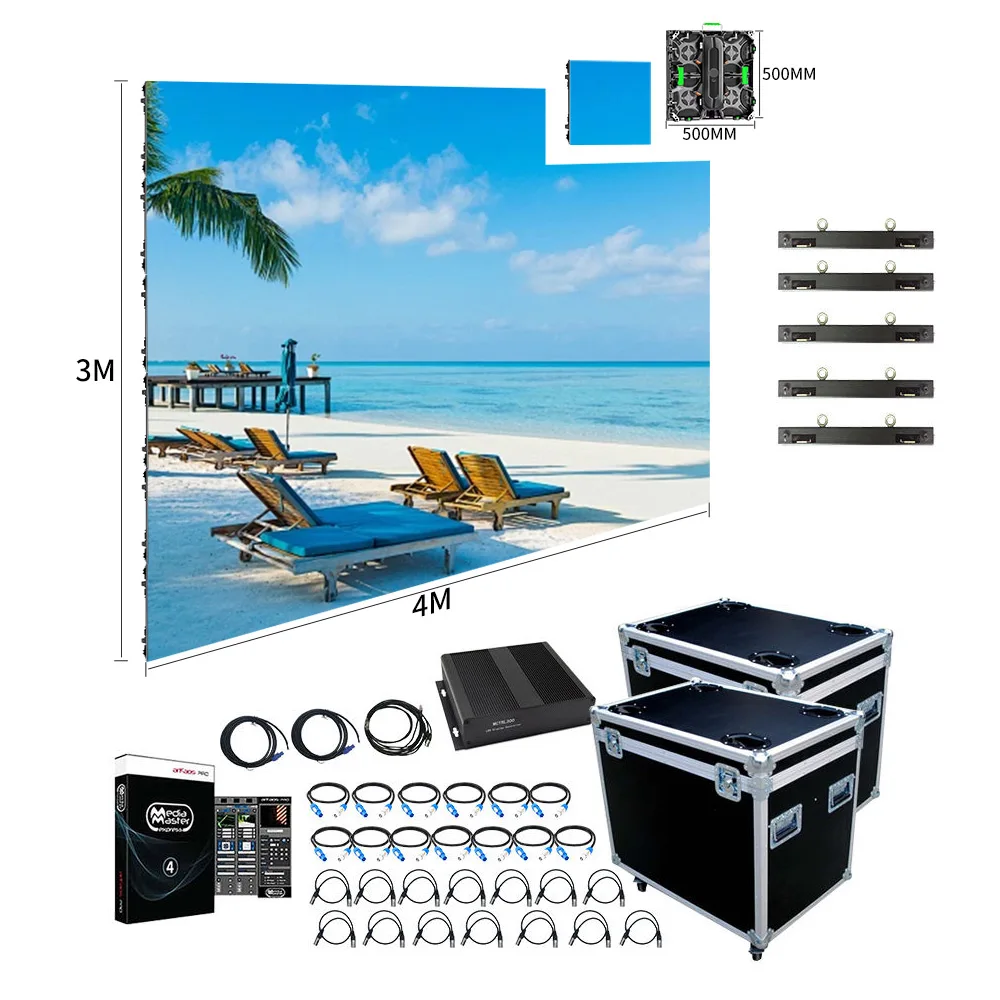
 Visa utomhus-LED-displaypanel 500x1000 mm
 Varför utomhussynlighet inte enbart handlar om ljusstyrka i nit
Utomhussynlighet beror på kontrast. Med andra ord måste skärmen sticka ut från omgivande ljus. Därför ökar direkt solljus, glasreflektioner, bleka väggar, öppna vägar och ljusa gator alla utmaningen vad gäller ljusstyrkan.
Innehållsdesign påverkar dock också resultatet. Stort textformat, stark kontrast i färgerna, korta meddelandecykler och renlighet i layouten kan förbättra läsbarheten utan att tvinga skärmen att drivas vid full effekt hela dagen.
Därför bör ljusstyrkan diskuteras tillsammans med betraktningsavstånd och innehållsstil. En vägskylt längs en motorväg kräver snabb igenkännande på avstånd. En butiksdisplay kräver bekvämlighet på nära håll. En stadionskärm kräver flexibel effekt från repetitionsfasen till kvällens föreställning.
Enkelt princip:
Ljusstyrka skyddar synligheten. Energibesparing skyddar driftkostnaderna. En stark plan för utomhus-LED-skärmar kräver bådadera, men balansen varierar beroende på platsens exponering.
Scenbedömning: När hög ljusstyrka är värd den extra energikostnaden
Ett bättre köpsbeslut börjar med scenen. Samma skärm kan fungera väl på en plats men kännas överdriven på en annan. Därför bör platsens exponering leda ljusstyrke- och energistrategin från början.
1. Vägannonsering med solbelyst sida
Vägkantdisplayar måste snabbt dra till sig uppmärksamhet. Under mittagstrafik eller sen eftermiddagsbländning kan svag ljusstyrka få meddelandet att smälta samman med bakgrunden. I detta scenario är högre ljusstyrka ofta värd den extra energiförbrukningen.
Ändå bör skärmen inte köras på maxeffekt från morgon till kväll. En praktisk digital utomhusreklamskylt plan bör inkludera schemalagd mörkning, så att skärmen använder hög effekt endast när miljön kräver det.
2. Skuggade butiksingångar och kommersiella fasader
Skuggade platser kräver vanligtvis en annan strategi. Skärmen behöver fortfarande utomhusdriftsäkerhet, men extrem ljusstyrka kan göra innehållet obehagligt, särskilt när personer står nära displayen.
I detta fall skapar ofta måttlig ljusstyrka, jämn mörkning och bra kontrast en bättre upplevelse. Målet är inte att överväldiga utrymmet. Istället bör displayen stödja varumärkes synlighet utan visuell obehaglighet.
3. Motorvägsaffischer och avlägsen betraktning
Avlägsen betraktning belönar tydlighet och skala. En reklamskärm med LED bör hålla meddelandet läsbart för rörlig trafik, så ljusstyrka och kontrast är viktiga.
En affischskärm behöver dock inte alltid ha den finaste pixelpitchen. Om avståndet till betraktaren är långt kan meddelandets storlek och visuella kontrast vara viktigare än detaljer i närbild. Detta hjälper till att undvika att betala för specifikationer som publiken faktiskt inte kan se.
4. Utomhusarrangemang och tillfällig skärmanslutning
Skärmar för arrangemang fungerar ofta i varierande belysningsförhållanden. Installation på eftermiddagen, repetitioner, scenbelysning och nattuppträdanden kräver alla olika utgående ljusnivåer. Därför är flexibel ljusstyrkereglering viktigare än en fast ljusstyrka.
Dessutom ställs tillfälliga projekt ofta inför begränsningar vad gäller elanslutning. Ett lättare kabinett, ett stabilt styrsystem och en tydlig elkraftsplan kan göra skärmen lättare att installera och driva under arrangemanget.
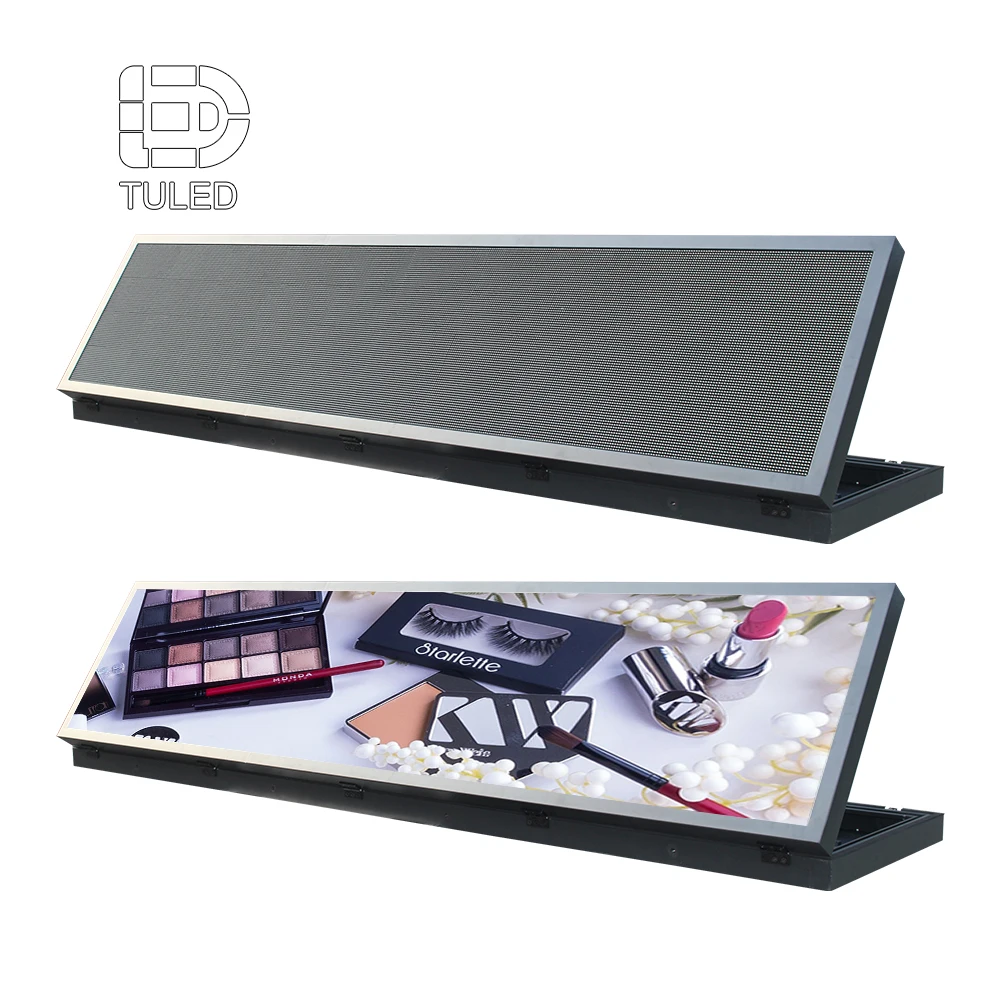
 Visa P4.81 utomhusvattenbeständig LED-affischskärm
 Beslutstabell: Ljusstyrka kontra elkraft beroende på utomhusmiljö
En beslutstabell hjälper till att omvandla teknisk jämförelse till praktisk bedömning. Istället for att fråga vilken skärm som har det högsta antalet, kan projektteamet fråga vilken konfiguration som passar miljön och driftschema.
| Skådespelar | Huvudutmaningen | Bättre beslut | Fråga att ställa |
|---|---|---|---|
| Vägmärkesreklam | Direkt solljus och snabb visning | Använd stark daglig ljusstyrka med schemalagd mörkning | Vad är den förväntade genomsnittliga effekten under daglig drift? |
| Butiksingång | Komfort på kort avstånd | Använd måttlig ljusstyrka och mjuk mörkning | Kan skärmen bibehålla god färgåtergivning vid lägre ljusstyrka? |
| Vägvisare | Långt betraktningsavstånd | Prioritera läsbar påverkan och energiplanering | Vilken ljusstyrkeomfattning passar det verkliga betraktningsavståndet? |
| Utomhus-evenemang | Förändrat ljus och tillfällig strömförsörjning | Använd flexibel styrning och modulära skåp | Hur ska ljusstyrkan ändras från eftermiddag till natt? |
Hur man undviker överdimensionering av skärmen
Överdimensionering sker när ett projekt betalar för prestanda som platsen inte kan utnyttja. Till exempel kan mycket hög ljusstyrka lägga till liten värde vid en skuggad ingång. På samma sätt kan en mycket fin pixelpitch vara av liten nytta för en stor vägskärm som betraktas från långt avstånd.
Detta innebär inte att höga specifikationer är felaktiga. Istället innebär det att varje specifikation bör ha en motivering. Ljusstyrka bör lösa ett problem med dagsljus. Pixelpitch bör lösa ett problem med betraktningsavstånd. Skåpdesign bör lösa ett problem med installation eller underhåll.
En stark offert bör därför förklara avvägningen i enkelt språk. Om förslaget endast listar siffror krävs det fortfarande mer arbete för att fatta beslut.
Hur man undviker att underdimensionera projektet
Att underdimensionera skapar den motsatta risken. Ett lägre prisförslag kan verka attraktivt, men skärmen kan kämpa i verklig dagsljusmiljö. När den är installerad kan en matt display minska reklamvärdet och ge upphov till klagomål.
Denna risk handlar inte endast om ljusstyrka. Den kan också omfatta svag elkraftsplanering, dålig värmekontroll, begränsad dimmfunktion eller svår tillgänglighet vid underhåll. Projektet bör därför jämföra verkligt driftbeteende, inte bara inköpspriset.
En säkrare metod är att begära både topp-effekt och genomsnittseffekt. Topp-effekten är viktig för eldesignen. Genomsnittseffekten hjälper till att uppskatta driftkostnaden. Tillsammans ger de en mer realistisk bild.
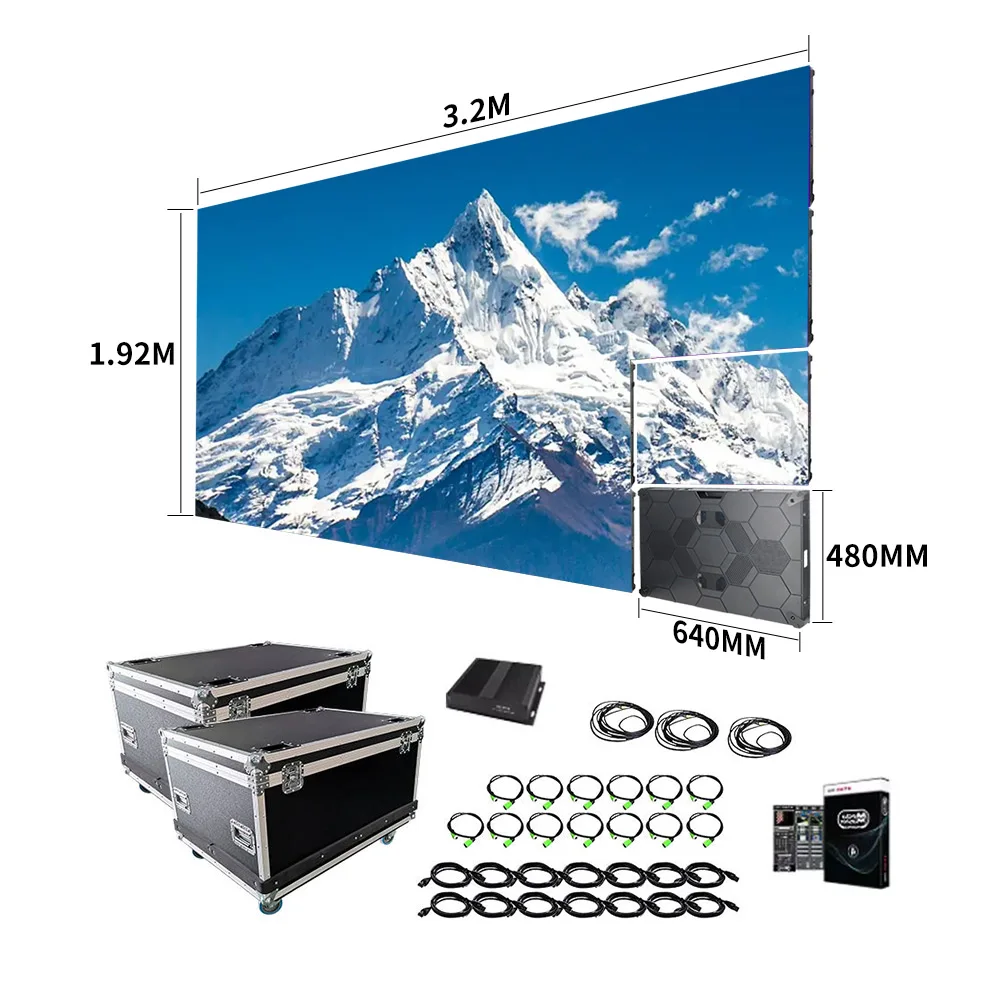
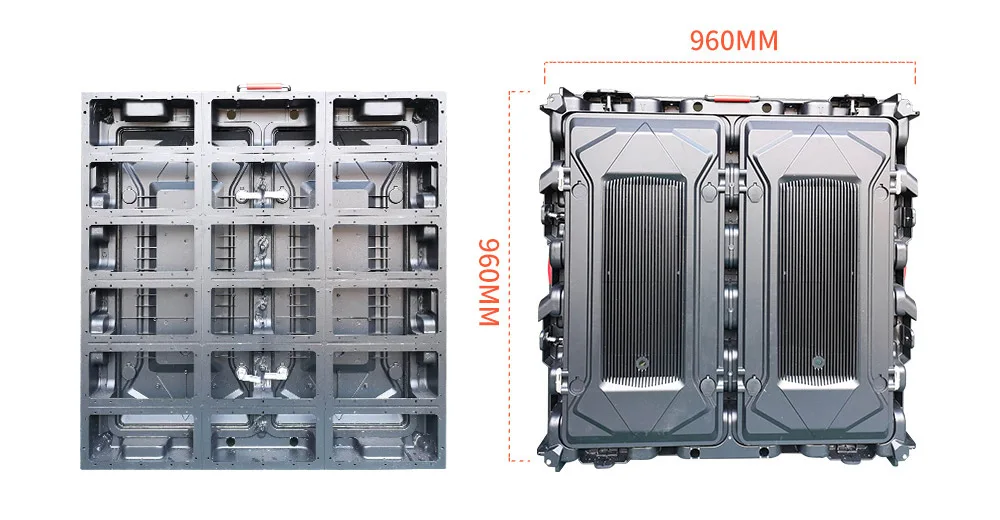 Visa 960 mm utomhus-LED-displaykabinett-lösning
 Driftkostnaden är mer än bara el
El är endast den mest synliga kostnaden. Värme, driftstopp, underhållsarbete, reservdelar och innehållsprestanda påverkar också det långsiktiga värdet. Därför bör energieffektivitet behandlas som en del av hela driftplanen.
Till exempel kan en skärm som är för ljus på natten slösa bort energi och kännas obekväm. Samtidigt kan en skärm som genererar för mycket värme öka underhållspressen under varma årstider.
Styrsystemet hjälper till att lösa detta problem. Schemalagd mörkning, förinställda ljusstyrkor och enkel fjärrhantering kan minska onödig effektutmatning samtidigt som skärmen förblir läsbar även när utomhusljuset är svagt.
Innehållsdesign kan hjälpa till att spara energi
Energieffektivitet är inte bara en hårdvarufråga. Innehållsdesign påverkar också hur hårt skärmen måste arbeta. Ljusa vita bakgrunder och långa videoloopar med hög intensitet kan öka energiförbrukningen.
Å andra sidan kan mörkare layouter, stark kontrast, större text och kortare meddelandecykler förbli läsbara vid lägre effektutmatning. Detta är särskilt användbart för skärmar som körs varje dag.
För reklamnätverk kan innehållet följa dygnet. Dagtidskampanjer kan använda fetstilt text och enkla bilder. Kvällskampanjer kan använda rikare visuella effekter med lägre ljusstyrka. Detta stödjer både synlighet och energieffektivitet.
Leverantörsfrågor som avslöjar verklig effektivitet
De bästa frågorna fokuserar på daglig drift. De avslöjar om rekommendationen är anpassad till platsen eller om den bara upprepar standardspecifikationer.
- Vilket ljusstyrkeområde rekommenderas för denna platsens exponering?
- Vad är den förväntade genomsnittliga effekten under normal drift?
- Stödjer systemet schemalagd eller automatisk mörkning?
- Hur hanterar kabinett värme under långvarig utomhusanvändning?
- Vilken servicemetod passar installationsplatsen?
- Vilka tester utförs innan leverans?
För vattentäthet, ljusstyrka och urvalskriterier relaterade till väderförhållanden, se detta relaterade guide för leverantörer av utomhus-LED-skärmar kan stödja en mer ingående riskgranskning.
Praktisk användningsmetod: Skapa en ljusstyrkeplan från dag till natt
Utomhusbelysningen förändras under dagen. Därför är sällan en fast ljusstyrkeinställning det bästa valet. En praktisk skärm bör använda olika ljusstyrkor för direkt solljus, molnigt väder, skymf och natt.
Under högsta solstyrka skyddar starkare utdata synligheten. Under molniga perioder kan skärmen vanligtvis köras på lägre nivå. På natten förbättrar lägre ljusstyrka komforten och minskar slöseri.
Denna plan hjälper också till vid innehållsschemaläggning. Korta reklammeddelanden kan visas under trafiktopparna. Allmänna meddelanden kan använda större teckensnitt under kvällstid. Evenemangsskärmar kan använda separata förinställningar för repetition, uppträdande och avslutning.
Enkel driftrytm:
Starkare utdata för hårt dagsljus. Måttlig utdata för molniga eller skuggade perioder. Lägre utdata för kvälls- och nattbruk.
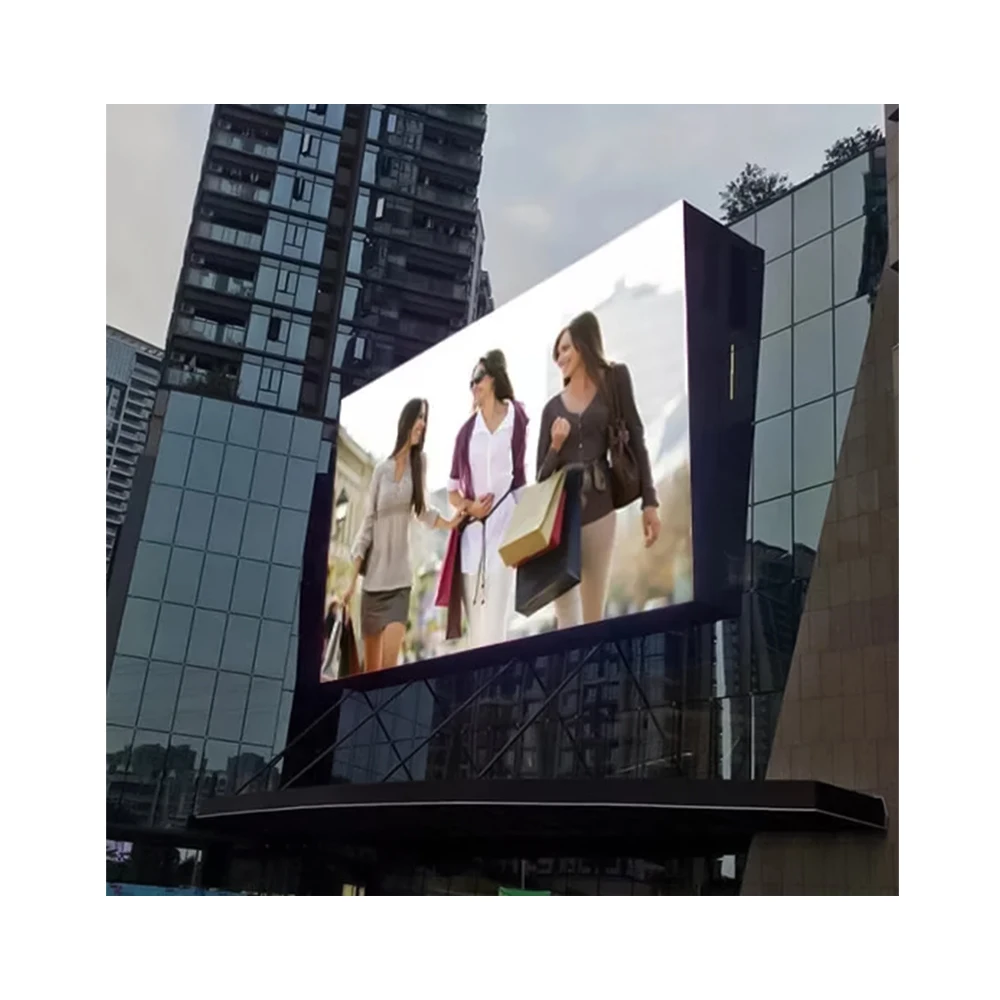
 Visa utomhusvattentät LED-displaypanel
 Produktanpassningen bör följa platsen
En skärm bör passa den utomhusmiljö där den placeras. Därför bör produktvalet baseras på solbelastning, betraktningsavstånd, innehållsstil, tillgänglighet för service och daglig driftstid.
För fast reklam är en utomhus-LED-display vanligtvis den centrala produktriktningen. Den kan användas för kommersiella fasader, offentliga informationsskärmar, vägkantsreklam och ökad varumärkes synlighet utomhus.
För tillfälliga evenemang kan hanteringen av kabinetter och installationshastigheten bli viktigare. För långsiktiga medieplaceringar bör genomsnittlig effektförbrukning, reservdelar och tillgänglighet för underhåll ges större uppmärksamhet.
Riskhantering innan orderbekräftelse
Innan en beställning bekräftas bör projektfilen innehålla mer än bara skärmstorlek. Den bör även inkludera installationsplats, solens riktning, betraktningsavstånd, daglig driftstid, innehållstyp, tillgänglighet för underhåll samt elkonditioner.
Denna information hjälper leverantören att undvika generella antaganden. Som resultat blir rekommendationen mer exakt och offerten lättare att jämföra.
Förleveransprov bör också bekräftas. Modulkontroller, åldringstester, ljusstyrkegranskning och konfigurering av styrning hjälper till att minska osäkerheten innan leverans, särskilt för utomlandsprojekt utomhus.
Varför fabriksliknande konsultation gör avvägningen tydligare
Beslut om ljusstyrka och effekt blir tydligare när produktval, konstruktion, tester och support är kopplade. En fabriksliknande diskussion kan gå utöver en katalogjämförelse och fokusera på den faktiska platsen.
LED-displayfabrik stödjer OEM/ODM-projekt, 100 % test innan leverans, 2 års garanti och support dygnet runt. Dessutom ger mer än 10 års erfarenhet och lösningar i över 110 länder en bredare referens för olika utomhusapplikationer.
För en bredare översikt över företaget och produkterna kan LED-displayfabrik startsidan stödja det första steget i undersökningen.
Kontrolllista före offertbegäran
Innan du begär en slutlig offert ska följande uppgifter förberedas. Detta hjälper till att hålla diskussionen praktisk och förhindrar både överdimensionering och otillräcklig effekt.
- Skärmens bredd, höjd och förväntat synligt område.
- Installationstyp: vägg, stolpe, fackverk, tak eller anpassad konstruktion.
- Solbelysthet: direkt sol, delvis skugga, täckt område eller blandad belysning.
- Huvudvisningstid: dagtid, kväll, natt eller användning hela dygnet.
- Visningsavstånd och publikens rörelsehastighet.
- Innehållstyp: text, video, reklam, allmänna meddelanden eller evenemangsuppspelning.
- Strömförhållanden och kablingsplanering.
- Underhållsåtkomst och förväntningar på support.
Vanliga frågor: Ljusstyrka, energibesparing och val av LED-skärm för utomhusanvändning
Hur ska ljusstyrka och effektförbrukning balanseras?
Ljusstyrkan bör anpassas efter de svåraste men ändå användbara betraktningsförhållandena. Effektplaneringen bör återspegla den dagliga driften. Skärmen måste ha tillräcklig ljusstyrka för dagsljus, men den måste också kunna dimras för att minska slöseri under lättare belysningsförhållanden.
När krävs hög ljusstyrka verkligen?
Hög ljusstyrka krävs vanligtvis vid direkt solljus, på öppna vägar, motorvägsaffischer, stora torg och vid långa betraktningsavstånd. Den bör dock fortfarande kombineras med schemalagd eller automatisk dimring.
När är hög ljusstyrka onödig?
Hög ljusstyrka kan vara onödig vid skuggade ingångar, täckta gågårdar, platser där kvällen är i fokus och för gående i närområdet. I dessa scenarier är ofta komfort och kontrast viktigare.
Betyder lägre effekt alltid en bättre utomhus-LED-skärm?
Nej. Lägre effekt är endast användbar om skärmen fortfarande uppfyller synlighetsmålet. Om displayen blir matt under viktiga visningstider kan projektet spara el men förlora kommunikationsvärde.
Vilken information bör förberedas innan offertförfrågan?
Skärmstorlek, installationsplats, betraktningsavstånd, solens riktning, daglig drifttid, innehållstyp, elkonditioner och underhållsåtkomst bör förberedas innan offertförfrågan.
Slutgiltig slutsats: Välj utifrån platsen, inte ur specifikationsdokumentet
Valet av utomhus-LED-skärm blir tydligare när ljusstyrka och effekt bedöms tillsammans. En ljusare skärm kan säkerställa synlighet vid dagsljus, men den bör inte orsaka onödig energianvändning, värme eller underhållsbelastning.
Därför är det bästa valet att följa platsens förutsättningar. Solbelysthet, betraktningsavstånd, daglig drifttid, innehållsdesign, styrmetod och tillgänglighet till service bör forma den slutliga skärminställningen.
- Definiera först de verkliga betraktningsförhållandena innan du jämför ljusstyrkan.
- Jämför sedan genomsnittlig effekt tillsammans med topp-effekt.
- Be slutligen om en tydlig förklaring av ljusstyrka, dimning, värmehantering och underhållslogik.
Planera en utomhus-LED-skärm med bättre ljusstyrka och effektbalance
Ett användbart citat bör förklara hur skärmen kommer att förbli synlig, hur den kommer att hantera energi, hur den kommer att hantera värme och hur den kan underhållas efter installationen.
För att diskutera skärmstorlek, platsens exponering, betraktningsavstånd, daglig drifttid och energisparalternativ med en leverantör av utomhus-LED-skärmar, skicka projektets detaljer via förfrågnadssidan. Tydlig information om platsen leder till en mer praktisk rekommendation.
Kontakta oss för en rekommendation av utomhus-LED-skärm