EN
EN


Ponudbo za veleposredniške LED napise ne bi smeli soditi po najnižji številki na prvi strani. V resničnih projektih se cena spreminja, ker mora zaslon ostati berljiv, stabilen, enostaven za vzdrževanje in primeren za mesto, kjer bo vsakodnevno deloval.
Ta priročnik razlagal logiko ponudbe za korak pik, svetlost, izbiro IC gonilnika, konstrukcijo ohišja, nadzorne sisteme, rezervne dele in pogoje za storitve. Še pomembneje pa prikazuje, kako te podrobnosti prebrati skozi dejanske uporabne scenarije namesto da bi ponudbo obravnavali kot hladno tehnično specifikacijo.
Prava napaka pri določanju cen: primerjava številk pred razumevanjem konteksta
V fazi ponudbe mnoge nabavne ekipe začnejo z enostavno preglednico. V enem stolpcu je navedena velikost zaslona, v drugem korak pikslov, v tretjem skupna cena. Na začetku se to zdi učinkovito. Primerjava pa postane tvegana, kadar ni jasen dejanski okolje za namestitev zaslona.
Napis zunaj trgovinskega centra ne deluje enako kot napis znotraj razstavnega prostora. Zaslon ob cesti, ki je obrnjen proti popoldanskemu soncu, ne potrebuje iste logike kot meni pod pokrito vhodno nadstreško. Podobno tudi zaslon za dogodek, ki ga opazuje kamera, zahteva drugačno stabilnost slike kot osnovni tekstovni napis.
Zato je bolje vprašanje ne »Katera ponudba je cenejša?«, temveč »Katera ponudba razloži, zakaj ta konfiguracija ustreza dejanskemu opravilu?« Ta ena sprememba spremeni celoten nakupni proces. Cenovna vrednost se nenadoma poveže z vidnostjo, tipom vsebine, razdaljo ogleda, dostopom za vzdrževanje, delovnimi urami in nadzorom tveganj.
Resnem lED prikazna plošča, veleprodaja projektu naj bi ponudba brala kot praktičen načrt. Ne sme biti občutek kot seznam nepovezanih delov. Dobra ponudba razloži, kaj je pomembno, kaj se lahko poenostavi in kaj se ne sme odstraniti le zato, da se zmanjša prva številka.
Na primer, nižja ponudba lahko izključi rezervne dele, uporabi preprostejšo ohišje, izključi nadzorno opremo ali ponudi šibkejši preskusni postopek. Nobena od teh izbir ni samodejno napačna. Vendar mora biti vsaka izbira vidna. Ko je razlog skrit, projekt nosi tveganje brez zavedanja, kje to tveganje dejansko leži.
To je točka, kjer se »cene« in »dobro vrednost« ločita. Cene pomeni, da je cena danes nizka. Dobro vrednost pa pomeni, da znak še naprej izgleda primerno, zanesljivo deluje in ostaja vzdržljiv tudi po namestitvi. Ti dve posledici nista vedno enaki.
Začnite z opisom projektnega okolja, ne s seznamom tehničnih specifikacij
Ponudba postane lažje razumljiva, če si zaslon predstavljamo v njegovem dejanskem okolju. Ali bo sončna svetloba med dnevnim delovanjem neposredno padala na prikaz? Ali bo ponoči znak stoyal blizu pešcev ali voznikov? Ali bo v vsakodnevni rabi vsebina sestavljena iz preprostega besedila, gibljivega videa, promocij, javnih obvestil ali vizualnih elementov blagovne znamke?
Ta vprašanja so pomembna, ker naj bi vsaka tehnična specifikacija služila vidnemu rezultatu. Razmik pik (pixel pitch) vpliva na to, kako čist izgledajo besedilo in slike na določeni razdalji. Svetlost vpliva na berljivost v okoljski svetlobi. Izbira integriranega vezja (IC) za gonilnik vpliva na gladkost prikazovanja, sivo lestvico in obnašanje kamere. Konstrukcija ohišja vpliva na namestitev, zaščito pred vremenskimi vplivi in čas popravila.
Vendar nobenega od teh elementov ne smemo obravnavati kot izolirane trofeje. Manjša razdalja med pikami ne pomeni nujno pametnejše nakupne odločitve. Večja svetlost ne pomeni nujno boljše izkušnje ogleda. Močnejši integrirani vezje (IC) gonilnik je lahko pomemben za posnete vsebine, vendar morda ne ustvari dodane vrednosti za preprost tekstovni tablo ob cesti.
Primer 1: Oglasnna tabla ob cesti
V sceni ob cesti mora biti sporočilo hitro razumljivo. Vozila se premikajo, čas ogleda je kratek in sončna svetloba se skozi dan spreminja. Zato mora ponudba pojasniti razdaljo za ogled, nadzor svetlosti, zaščito ohišja in dostop do servisnih storitev še preden se dotakne manjših vizualnih izboljšav.
V tem primeru zelo majhna razdalja med pikami morda ne prinese dovolj praktične koristi, če se tabla opazi iz velike razdalje. Namesto tega je treba več pozornosti nameniti berljivosti na dnevni svetlobi, stabilnemu delovanju in odpornosti proti vremenskim vplivom. Dobra ponudba naj to kompromisno rešitev pojasni v preprostem jeziku.
Primer 2: Oglasnna tabla na vhodu v trgovino ali na fasadi trgovine
V vhodu v trgovino se ljudje lahko postavijo blizu tabele. Lahko berejo elemente menija, promocijske vrstice ali krajše znamenske sporočila. Zato sta razdalja med pikicami in jasnost vsebine še pomembnejši. Hkrati naj bo svetlost udobna, ne pa agresivna.
Za to prizorišče naj bo ponudba povezana z razdaljo med pikicami in dejansko razdaljo ogleda. Prav tako naj pojasni način posodobitve vsebine. Trgovinska prikazna naprava, ki omogoča hitro spremembo sporočil, pogosto ustvari večjo vrednost kot naprava, ki izgleda močno le na papirju.
Prizorišče 3: Javna obvestilna tabla
V šolah, prometnih območjih, cerkvah, državnih stavbah ali skupnostnih prostorih tabela pogosto predstavlja obvestila. Vsebina je lahko manj dekorativna, a ključnega pomena je dostopnost (uptime). Zato naj se ponudba osredotoči na zanesljivost, preprosto nadzorovanje vsebine, rezervne dele in jasno podporo.
V tem okolju najboljša konfiguracija ni vedno najnaprednejša. To je konfiguracija, ki zagotavlja jasne sporočila in jih omogoča enostavno posodobiti. Prav tako je dostop do storitev treba upoštevati že zgodaj, saj javne zaslone pogosto potrebujemo hitro popraviti brez dolgih prekinitev.
Scenarij 4: Zaslon za dogodke ali kamere
V scenariju dogodka ali pri snemanju s kamero mora zaslon izgledati stabilno tako za človeško oko kot tudi za kamere. Utripanje, črtaste slike, slaba sivinska lestvica ali neenakomerno obnašanje pri nizki svetlosti se lahko med snemanjem postanejo vidni. Zato je izbor gonilnika IC in obnašanje osveževanja treba podrobneje preučiti.
Namesto da bi privzeto zahtevali najvišjo specifikacijo, ponudba naj pojasni, kaj bo zaslon prikazoval, kako blizu bodo kamere in ali mora zaslon podpirati video, žive ozadja, vsebine na odru ali vizualne elemente blagovne znamke.
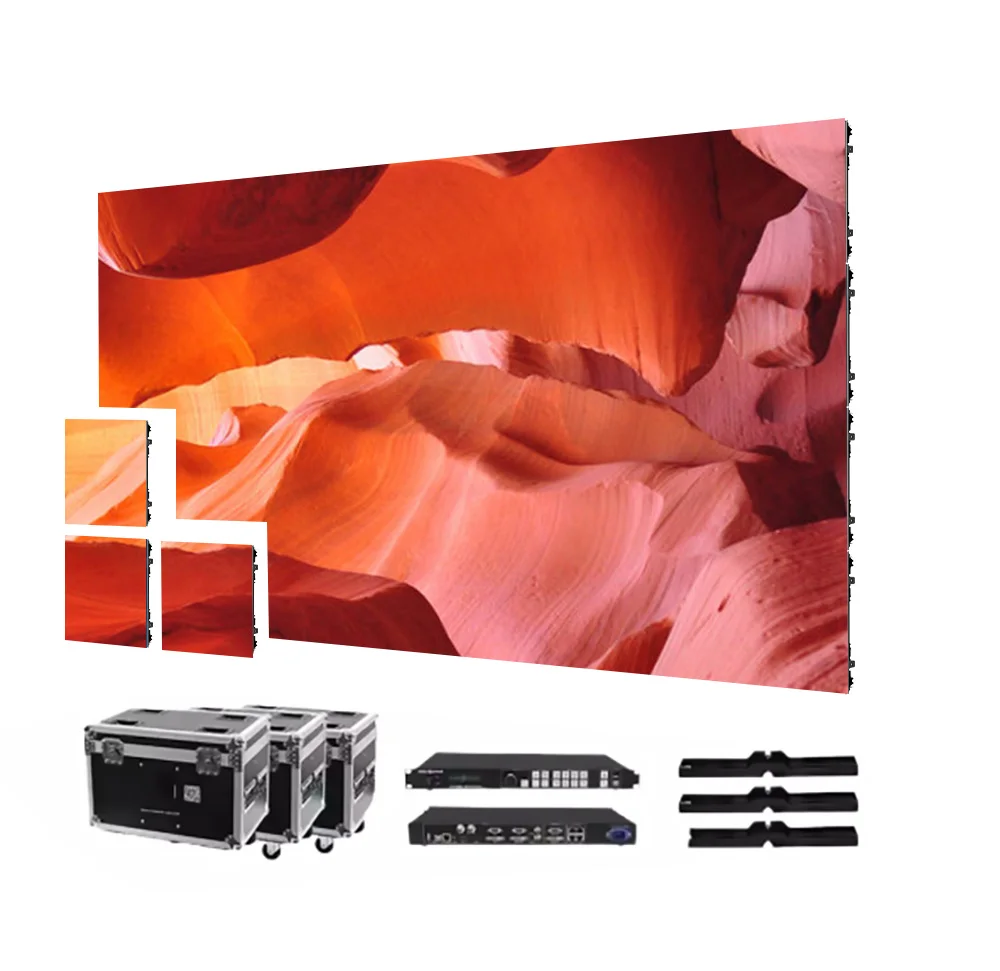
Za zunanje oglaševalske zaslone naj bo ponudba izdelana glede na vidnost, razdaljo gledanja, delovne ure in dostop do storitev – ne le glede na korak (pitch) in velikost.
Ogled zunanjih oglaševalskih LED stenKaj običajno določa ponudbo za veleposlovne LED napise?
Cena se spreminja, kadar napis mora rešiti zahtevnejši problem. Zaslon za zasenčeno notranjo lobi ima drugačno nalogo kot zaslon na steni stavbe, ki je izpostavljena soncu. Majhna trgovska plošča za gledalce, ki so blizu, ima drugačne zahteve kot velik cestni zaslon, ki ga opazujejo vozniki vozil v gibanju.
Zato naj ponudba vsak stroškovni element poveže z dejanskim rezultatom. Če je korak pik (pitch) manjši, naj ponudba pojasni razdaljo gledanja in razlog glede vsebine. Če je svetlost višja, naj ponudba pojasni razmere osvetlitve s soncem, zahteve glede moči in nadzor toplote. Če je nadgrajen integrirani vezje (IC) gonilnik, naj ponudba pojasni izboljšavo obnašanja slike.
Spodnja tabela ni čista parametrska tabela. Namesto tega je odločitvena tabela. Kaže, kako vsak cenovni dejavnik vpliva na projekt, v katerih scenarijih je treba posvetiti več pozornosti in kaj je treba potrditi pred odobritvijo.
| Cenovni dejavnik | Kaj spremeni v dejanski rabi | Kje je najpomembnejša | Kaj potrditi v ponudbi |
|---|---|---|---|
| Razdalje med pikami (pixel pitch) | Jasnost besedila, podrobnosti slike in udobna razdalja za ogled | Bliskovit prodajni ogled, notranji promocijski izdelki, premium oglaševanje | Razdalja za ogled, vrsta vsebine, končna ločljivost, postavitev ohišja |
| Svetlost | Branljivost na dnevni svetlobi, nadzor odseva, poraba energije, obnašanje pri segrevanju | Zunanji trgi, obcestne površine, prometna območja, izložbene okna trgovin | Ciljna svetlost (nit), samodejno zatemnitev, ocena porabe energije, logika hlajenja |
| Voznik IC | Obnašanje pri osveževanju, sivinska lestvica, nadzor utripanja, gladkost pri nizki svetlosti | Promocijski izdelki z orientacijo proti kameri, zaslonske naprave za dogodke, premium videovsebine | Kakovost gonilnika, ciljna frekvenciya osveževanja, obnašanje sivinske lestvice, preskusni postopek |
| Oblika ohišja | Hitrost namestitve, ravniost, zaščita pred vremenskimi vplivi, dostop do popravil | Zunanji stalni znaki, najemni zasloni, omejeni servisni prostori | Material, teža, način servisa, načrt namestitve, tesnjenje |
| Krmilni sistem | Delovni proces posodobitve vsebine, stabilnost signala, oddaljeno upravljanje | Znaki na več lokacijah, programabilne plošče, žive medijanske sisteme | Programska oprema, pošiljalna oprema, sprejemne kartice, obseg procesorja |
| Rezervni deli in podpora | Kontrola izpadov, hitrost popravila, dolgoročna zaupanja vdelovanje | Izvozni projekti, javni zasloni, medijanske omrežja, oddaljene lokacije | Razmerje rezervnih modulov, kartice, napajalniki, postopek garancije |
Ta tabela razloži tudi, zakaj sta dve ponudbi z enako velikostjo in korakom pik lahko kljub temu zelo različni. Ena ponudba lahko vključuje boljšo konstrukcijo ohišja, jasnejši obseg nadzora in praktične rezervne dele. Druga ponudba lahko kaže nižjo številko, vendar pomembne postavke izključi iz prve ponudbe.
Zato je najbolj pregledna primerjava ločitev cene izdelka od stroškov projekta. Cena izdelka je sama sestava zaslona. Stroški projekta vključujejo dejanske stroške namestitve, delovni tok nadzora, embalažo, rezervne dele, podporo ter stroške preprečljivega prekinitve obratovanja.
Korak pik: Ko ima plačilo večje natančnosti smisel
Korak pik je pogosto prva specifikacija, ki jo ljudje opazijo. Preprosto povedano, opisuje razdaljo med LED pikami. Manjši korak omogoča ostrejše podrobnosti, kadar se ljudje nahajajo blizu zaslona. Vendar prav tako poveča število LED diod, stroške modulov in včasih tudi zahteve glede natančnosti namestitve.
V vhodu v trgovino, na steni z meniji, na razstavnem izlogu ali notranjem zaslonu znamke lahko gledalci, ki so bližje, berejo manjša besedila in opazijo podrobnosti slike. Zato lahko manjši korak (pitch) omogoči boljšo vizualno izkušnjo. Poslovni rezultat ni sam po sebi »manjši korak«. Rezultat je jasnejše sporočanje na razdalji, kjer ljudje dejansko stojijo.
Nasprotno pa cestna oznaka morda ne potrebuje najmanjšega koraka (pitch). Če se zaslon opazuje iz daljave, človeško oko ne more izkoristiti vse te dodatne podrobnosti. V tem primeru lahko večji korak ščiti proračun, hkrati pa ohrani berljivost sporočila. Zato mora biti korak usklajen z razdaljo opazovanja, ne pa z občutkom ponosa.
Praktična metoda za določitev ustrezne velikosti koraka
Najprej določite najmanjšo dejansko razdaljo opazovanja. Oseba, ki stoji en meter stran od zaslona, bo strukturo slikovnih pik opazila veliko bolj kot voznik, ki vidi oznako s petindvajsetih metrov.
Drugič, določite vsebino. Majhen tekst, slike izdelka, vrstice z cenami in podrobni videoposnetki zahtevajo več podrobnosti kot velik sloganski tekst. Zato lahko isti korak ustrezno uporabimo za en projekt, za drugega pa je nepotrebno zapravljen.
Tretjič, preverite končno razločljivost zaslona. Ponudba naj pokaže, kako izbrani korak in postavitev ohišja ustvarjata končno površino slike. Če razločljivost ne podpira načrtovane oblikovne vsebine, je odločitev o koraku še vedno nepopolna.
Dobra ponudba naj pojasni tri stvari. Prvič, naj pokaže pričakovano razdaljo ogleda. Drugič, naj poveže korak z obliko vsebine. Tretjič, naj pokaže, ali postavitev ohišja ustvarja čist razplet brez neprijetnih prerezov ali odpadkov.
Če ponudba navaja le »P3« ali »P5« brez konteksta, je odločitev nepopolna. Manjkajoče vprašanje je praktično: ali bo publika znala znak udobno brati z načrtovane razdalje, pri načrtovani osvetlitvi in z načrtovano vsebino?
Svetlost: Vidnost na dnevni svetlobi je uporabna le, kadar je nadzorovana
Svetlost vpliva na to, ali sporočilo ostane vidno v okoliški svetlobi. Na prostem to lahko odloča o tem, ali se oznaka uporablja časom dneva ali izgleda impresivno le po zahodu sonca. Svetlost pa nikoli ne bi smeli obravnavati kot številko, ki jo slepo zasledujemo.
Oznaka, ki je obrnjena proti neposredni sončni svetlobi, zahteva močnejše načrtovanje svetlosti. Če izhodna svetlost ni dovolj velika, se vsebina lahko zdi bledeča, ko mimo vozijo vozila ali hodijo pešci. V takem primeru je opravičljivo plačati več za višjo svetlost, saj mora zaslon ostati berljiv med delovnimi urami.
Vseeno pa večja svetlost prinaša tudi odgovornost. Lahko poveča porabo energije in toploto. Lahko povzroči tudi bleščanje ponoči, če zaslon ni ustrezno zatemnjen. Zato bi v ponudbi morali svetlost omeniti skupaj z metodo zatemnjevanja, oceno porabe energije in termičnim nadzorom.
V zasenčenih zunanjih prostorih ali notranjih komercialnih območjih prevelika svetlost morda ne poveča vrednosti. Namesto tega lahko naredi oznako neprijetno za ogled. Boljši načrt uravnoteži vidnost, udobje, porabo energije in življenjsko dobo LED-jev.
Kaj vprašati, ko svetlost spreminja ceno
Ko ena ponudba navaja višjo raven svetlosti, naj pregled ne ustavi pri številki. Namesto tega naj vpraša, kako se bo svetlost nadzorovala med obratovanjem zjutraj, popoldne, zvečer in ponoči. Tam se dejansko kažejo udobje in obratovalni stroški.
Ponudba naj poleg tega pojasni tudi upravljanje toplote. Svetlejši zaslon morda zahteva boljšo prezračevanje, močnejše načrtovanje napajalnega sistema ali primernejšo ohišje. Če ponudba navaja le svetlost brez teh podpornih podrobnosti, logika stroškov ni popolna.
Najuporabnejši način citiranja pojasnjuje, kako se zaslon obnaša v celotnem dnevu. Pomembni so sence zjutraj, sonce okoli poldneva, promet zvečer in ogled zaslona ponoči. Zaslon, ki se prilagaja tem razmeram, se pogosto zdi bolj vreden kot tisti, ki prikazuje le visoko vrednost svetlosti.
IC gonilnik: majhen del, ki lahko spremeni izkušnjo ogleda
IC gonilnik nadzoruje, kako LED diode prejemajo signale in prikazujejo slike. Čeprav gre za majhen komponent, lahko vpliva na obnašanje osveževanja, sivinske odtenke, stabilnost skeniranja in delovanje pri nizki svetlosti. Posledično lahko vpliva na to, kako gladko in čisto se zaslon zdi.
To je še pomembnejše za projekte, kjer je zaslon obrnjen proti kameri. Na zaslonih za dogodke, cerkvenih zaslonih, ozadjih v studiu, športnih oznakah in trgovinskih aktivacijah, ki jih posnamejo, se lahko pojavijo utripanje ali vrstice skeniranja, ki jih pri hitrem vizualnem pregledu enostavno spregledamo. V teh primerih lahko nadgrajen IC gonilnik zmanjša tveganje za neustrezno prikazano sliko.
Za preproste tekstovne tabele najvišja raven gonilnika ni nujno potrebna. Kljub temu mora ponudba še vedno navajati, katera raven je uporabljena, in kakšno obnašanje slike se pričakuje. Sicer lahko dve ponudbi z enako ceno po namestitvi povzročita različne rezultate.
Namig za oceno gonilnika IC
Če bo tabela posneta, fotografirana ali uporabljena za vsebinsko obogatene video materiale, morajo biti podatki o gonilniku IC jasni. Obnašanje pri osveževanju in nadzor sivih odtenkov lahko vplivata na to, ali se prikaz na kamero zdi stabilen.
Če tabela predvsem prikazuje velik tekst ali preproste informacije, mora ponudba kljub temu navajati raven gonilnika. Odločitev pa se lahko osredotoči na stabilnost in storitveno vrednost namesto na plačilo nepotrebne zmogljivosti prikazovanja.
Pravo vprašanje ni »Kateri IC je dražji?« Boljše vprašanje je »Kateri težavi pri sliki ta izbor IC preprečuje?« Ta pristop poveže ponudbo z dejansko rabo namesto z tehničnim okrasom.
Oblikovanje ohišja: Skrita oblast, kjer se pogosto pojavijo razlike v ponudbah
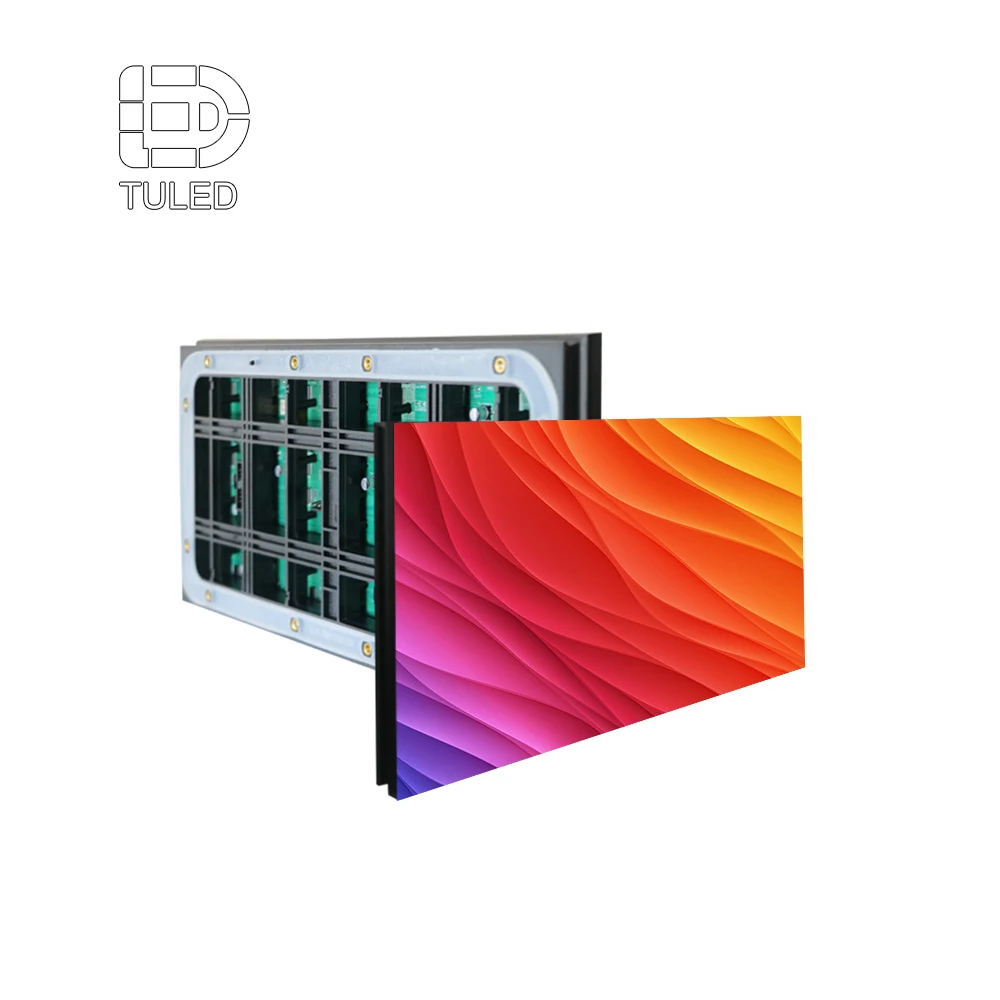
Oblikovanje ohišja vpliva na fizično življenjsko dobo tabele. Vpliva na ravnost, hitrost namestitve, odpornost proti vremenskim vplivom, odvajanje toplote in prihodnji dostop za popravila. Vendar se pogosto prepozno pregleda, saj so kot in svetlost bolj očitni dejavniki.
Za zunanjih stalnih prikazovalnikov je pomembno tesnjenje ohišja, odvodnja, smer servisiranja in izbira materiala. Šibko ohišje lahko zniža prvotno ponudbo, vendar lahko dolgoročno poveča stroške zaradi tveganja poškodb zaradi vode, težav pri vzdrževanju ali napačne poravnave.
Za najem in uporabo na dogodkih ima ohišje drugačno nalogo. Morajo ga večkrat ročno premikati, zaklepiti, skladirati, pakirati, prevažati in namestiti. V tem kontekstu lahko hitri zaklepi, zaščita robov in natančna poravnava prihranijo delovno silo in zmanjšajo poškodbe.
Za okenske ali stensko pritrjene tabele postane dostop za servisiranje še posebej pomemben. Če se po namestitvi ne moremo do zadnje strani zaslona, je morda vredno plačati dodatne stroške za vzdrževanje od spredaj. Sicer se lahko majhna napaka spremeni v zahteven popravek.
Profesionalna ponudba naj navede material ohišja, velikost ohišja, težo, način storitve, smer namestitve in logiko pritrditve. Če bo znak nameščen zunanjih prostorih, naj se jasno opišeta tudi zaščita in obnašanje pri segrevanju.
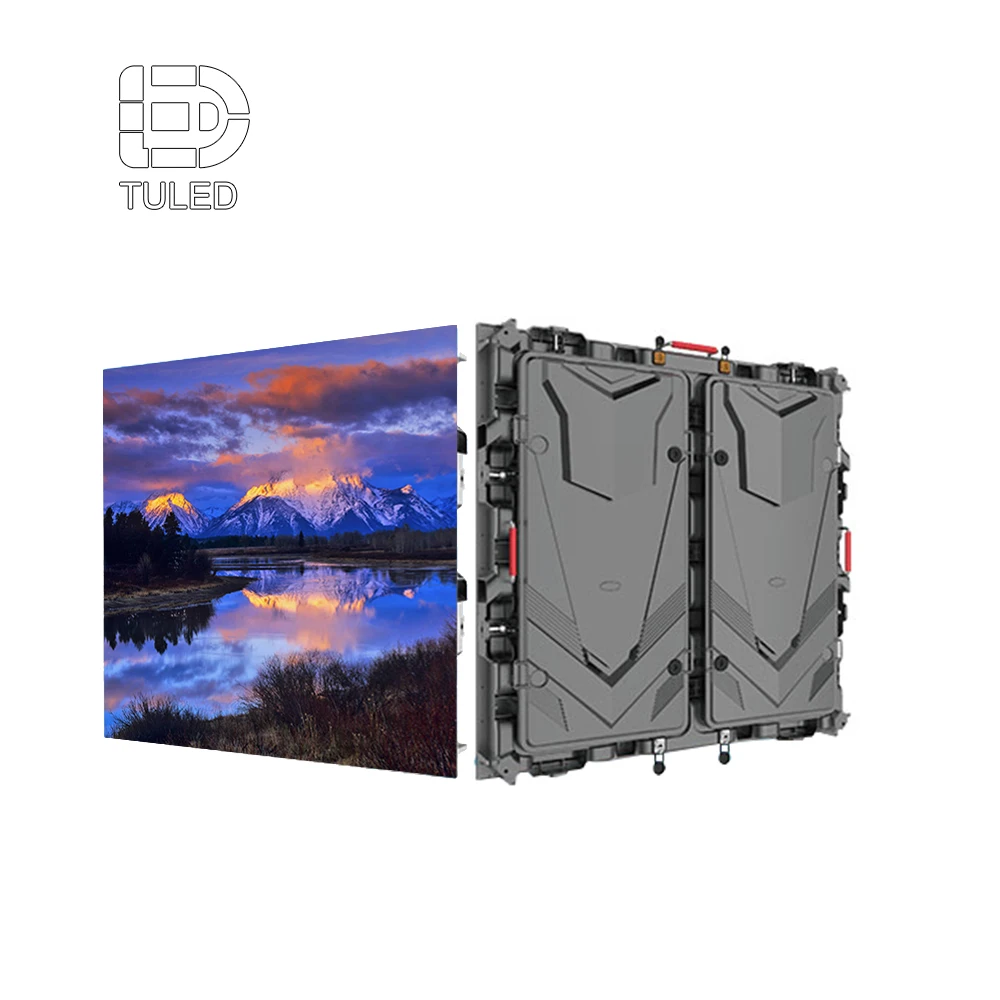
Format ohišja vpliva na namestitev, vzdrževanje, načrtovanje zamenjave in dolgoročne stroške storitev, zato ga je treba pregledati pred odobritvijo cene.
Oglejte si LED zaslon 960 × 960Krmilni sistem: nižja ponudba lahko izključuje vsakodnevni delovni tok
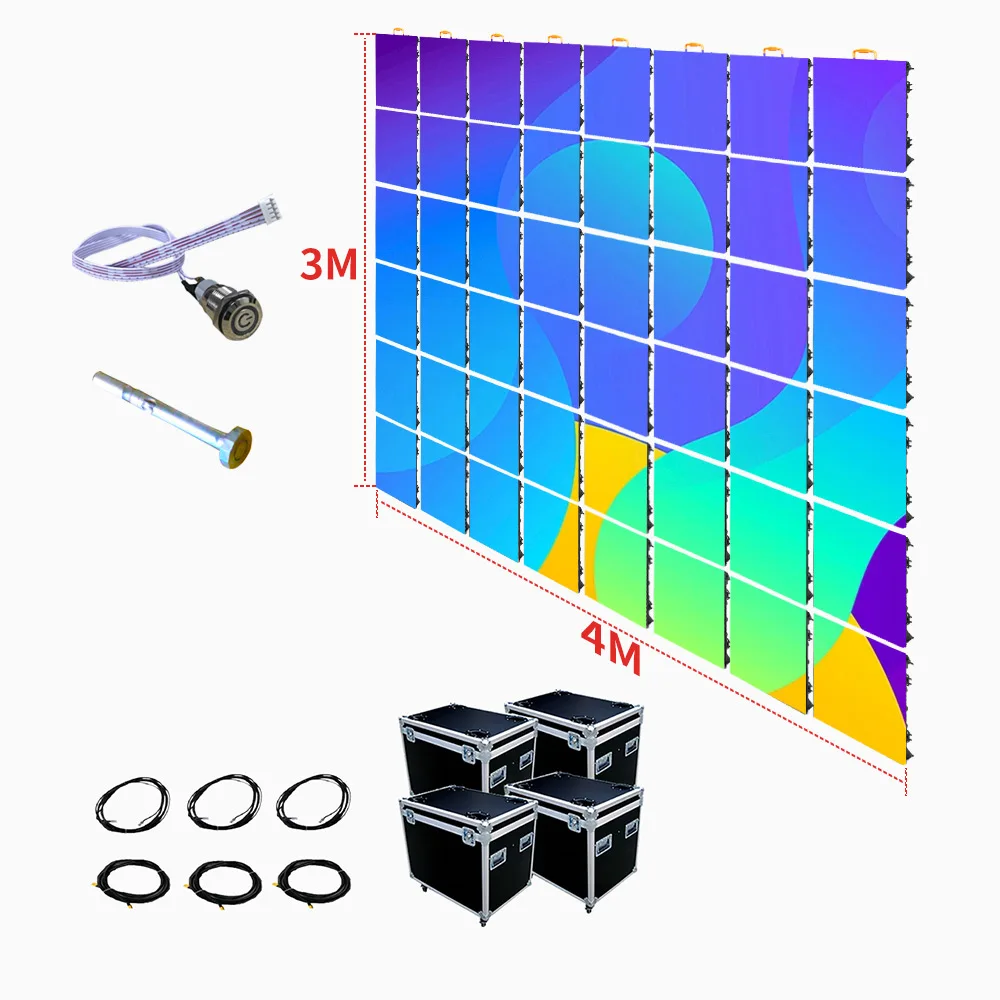
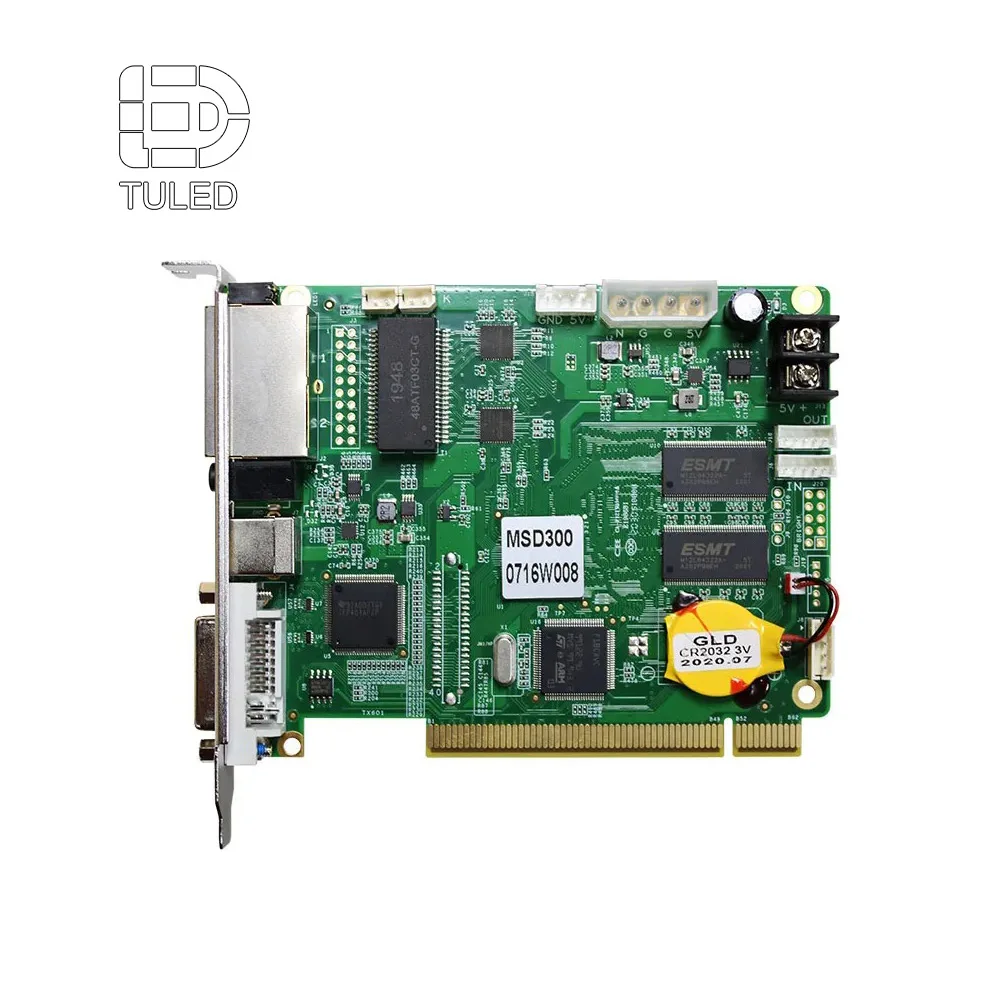
Krmilni sistem določa, kako vsebina doseže zaslon. Lahko vključuje programsko opremo, pošiljalno opremo, sprejemne kartice, video procesor, kabljike in možnosti omrežja. Včasih so ti elementi vključeni, včasih pa ne.
Za preprost znak lahko delovni tok ostane osnoven. Kljub temu naj ponudba jasno navede, kaj je vključeno. Cena zaslona brez krmilne opreme se na prvi pogled lahko zdi privlačna, končna naročila pa se lahko zaradi manjkajoče strojne opreme postanejo dražja.
Pri programabilnih znakih način nadzora vpliva na vsakodnevno delo. Vsebina se lahko spreminja glede na letni čas, promocijo, dogodek ali uro dneva. Zato mora ponudba pojasniti, ali se posodobitve izvajajo prek USB-ja, LAN-a, Wi-Fi-ja, oblaka ali drugega načina.
Programabilna plošča ni vredna le zato, ker sveti. Vredna je zato, ker se sporočila lahko hitro spreminjajo. Za trgovine, prometne površine, šole, cerkve in javna območja je ta prilagodljivost pomembnejša kot iskanje še ene dodatne tehnične specifikacije.
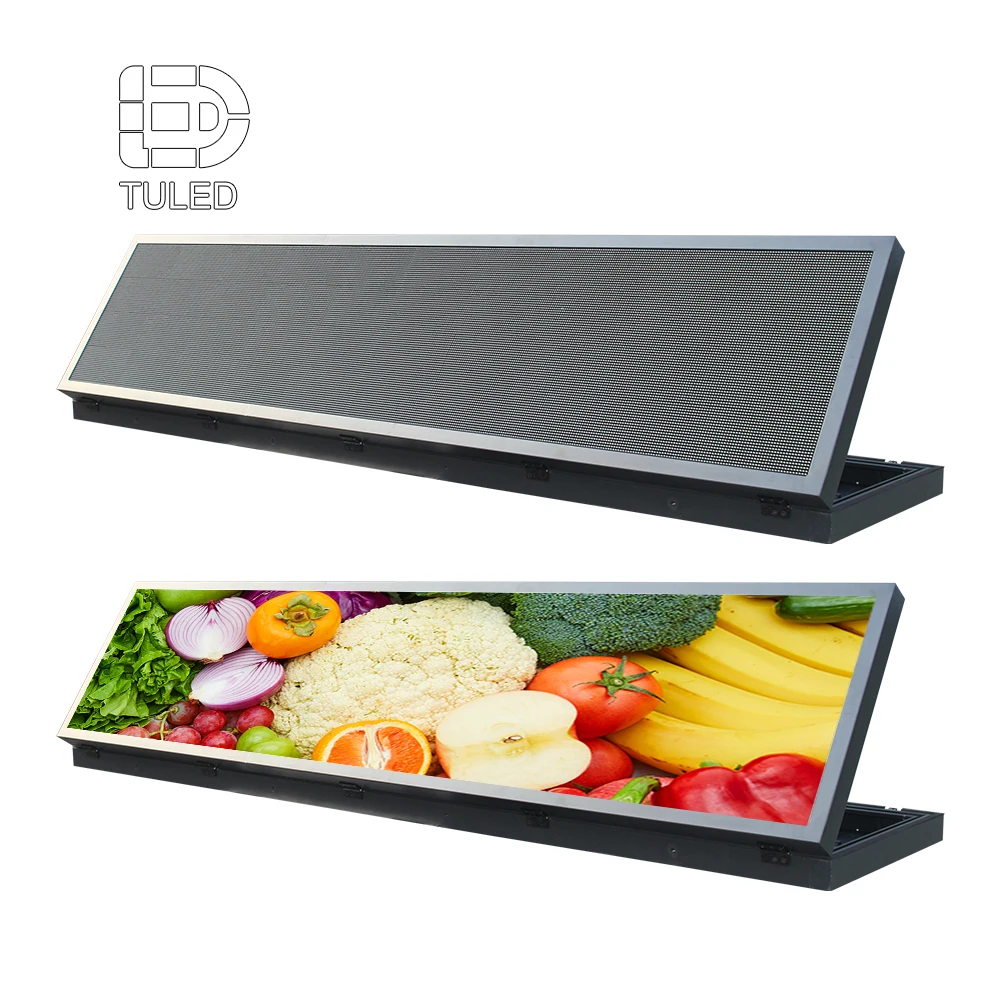
Programabilne prikazne plošče je treba ponujati glede na delovni proces vsebine, način posodobitve in potrebe po vidnosti, ne le glede na velikost zaslona.
Oglejte si programabilno LED prikazno ploščoKratko povedano: obseg nadzora naj bo jasno naveden v ponudbi. Če je v besedilu navedeno »standardni nadzorni sistem«, vendar oprema ni navedena, potem ponudba ni dovolj popolna za pošteno primerjavo.
Zakaj so »cene« in »rentabilne« stvari dve različni stvari
Nižja ponudba lahko je pravilna, kadar je projekt preprost. Na primer, zunanji tekstovni znak za dolge razdalje morda ne potrebuje finega pikslnega koraka. Zasenčen prikaz na fasadi trgovine morda ne potrebuje izjemne svetlosti. Osnovna informacijska plošča morda ne potrebuje enake ravni integriranih vezij (IC) kot zaslon za posnet dogodek.
Vendar postane nizka ponudba tvegana, kadar manjka pomembno obseg del. Oprema za nadzor, rezervni moduli, sprejemne kartice, napajalniki, kabli, vodoodporna obdelava, embalaža in tehnična podpora lahko vse spremenijo končno ceno. Če se ti elementi pojavijo kasneje, nizka cena nikoli ni bila dejanska cena projekta.
Višja ponudba lahko tudi ni pravilna, če vključuje nadgradnje brez utemeljenega razloga. Dodatna svetlost, finiši pikselni korak ali premium dodatki bi morali rešiti dejansko težavo. Sicer projekt plačuje za ponos glede specifikacij namesto za uporabno zmogljivost.
Boljši cilj je uravnotežena vrednost. Uravnotežena ponudba ne odstrani nujne zaščite. Hkrati pa izogiba dragim funkcijam, ki ne izboljšajo dejanske izkušnje z oznako.
Za podrobnejši vpogled v pot nakupa in nadzor stroškov glejte povezano priročnik LED oznake na veleposlovnem nasprotju z maloprodajnim pojasnjuje, kako lahko nakup na veleposlovnem nivoju zmanjša tveganje, kadar sta konfiguracija in obseg storitev jasna.
Kontrolni seznam za pregled ponudbe: Kaj potrditi pred odobritvijo
Pregled ponudbe ne bi smel biti kot ugibanje. Pred odobritvijo naj dokument odgovori na vprašanja, kako bo izgledal zaslon, kako bo nameščen, kako bo posodobljen in kako bo vzdrževan.
Spodnji kontrolni seznam omogoča praktičen pregled. Zelo uporaben je, kadar več ponudb na videz izgleda podobno, vendar se med seboj razlikujejo po skritih podrobnostih.
Kontrolni seznam za ponudbo pred odobritvijo
- Potrdite sceno uporabe, razdaljo ogleda in vrsto vsebine.
- Preverite, ali je korak pik ustrezno prilagojen dejanski razdalji ogleda.
- Preglejte svetlost skupaj z zatemnitvijo, močjo in nadzorom toplote.
- Vprašajte, kako izbira integriranega vezja (IC) vpliva na osveževanje, sivinske odtenke ali obnašanje kamere.
- Potrdite material ohišja, način vzdrževanja, težo in smer namestitve.
- Preverite, ali so vključeni programska oprema za nadzor, pošiljalna oprema, sprejemne kartice in procesorji.
- Preglejte rezervne module, napajalnike, sprejemne kartice, signalne kablane in maske.
- Potrdite embalažo, pogoje dostave, izvozne dokumente in urnik dobave.
- Zahtevajte podrobnosti o preskusnem postopku, testu staranja, kalibraciji in pregledu pred odpremo.
- Pojasnite pogoj za garancijo, postopek zamenjave, oddaljeno podporo in način odziva.
Če ponudba ne odgovarja na ta vprašanja, morajo manjkajoče podrobnosti zahtevati pred pogajanji o ceni. Sicer lahko pogajanja znižajo le vidno številko, medtem ko ostane dejansko tveganje projekta nespremenjeno.
Za širši pregled pred naročilom je kontrolni seznam za veleposrednike pri nakupu LED zaslonov lahko pomaga pri organizaciji tehničnih specifikacij, pogojev garancije, certifikatov in pričakovanj glede projekta, preden se proizvodnja nadaljuje.
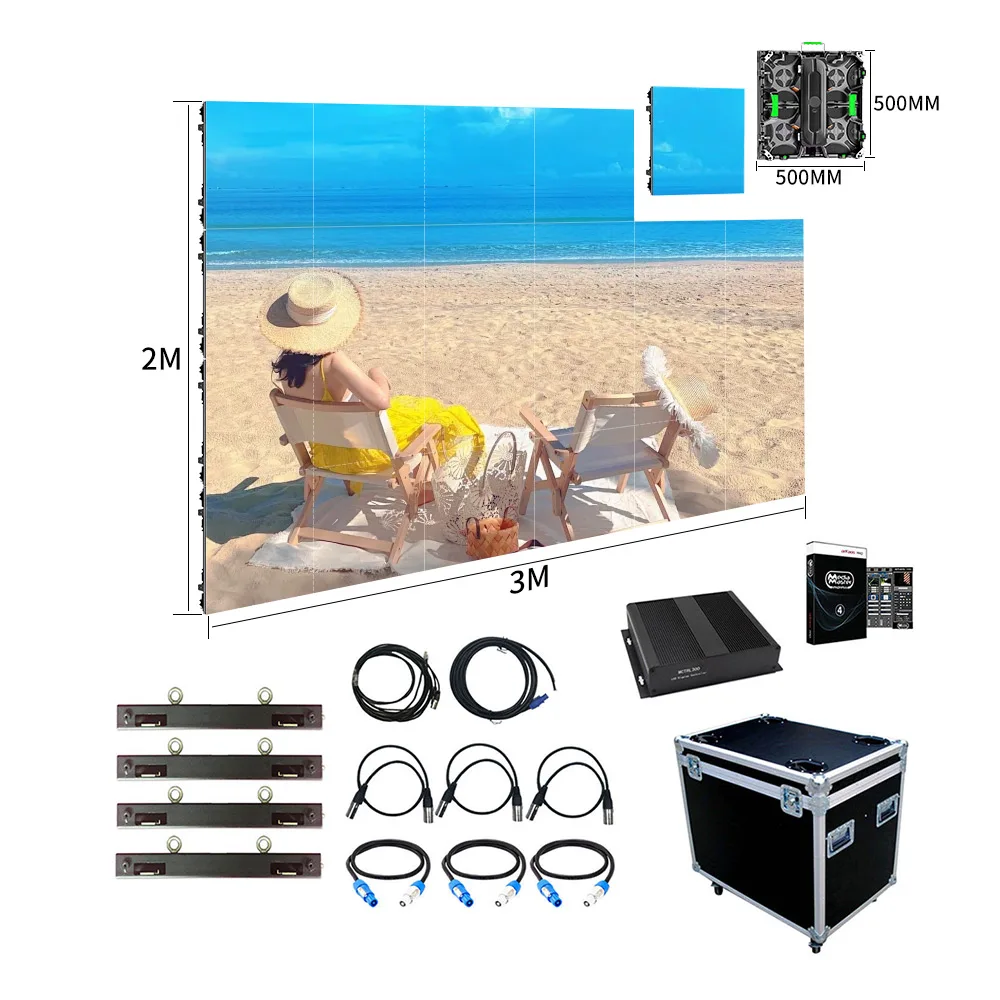
Logika uporabe: prilagodite LED znak načinu njegove uporabe
Močna ponudba se začne z uporabo. Zaslon na vhodu v trgovino potrebuje fleksibilne promocije in čist pogled z bližnjega razdalje. Cestni zaslon potrebuje jasno vidnost z daljše razdalje. Javna informacijska tabla potrebuje stabilne posodobitve in zanesljivo delovanje.
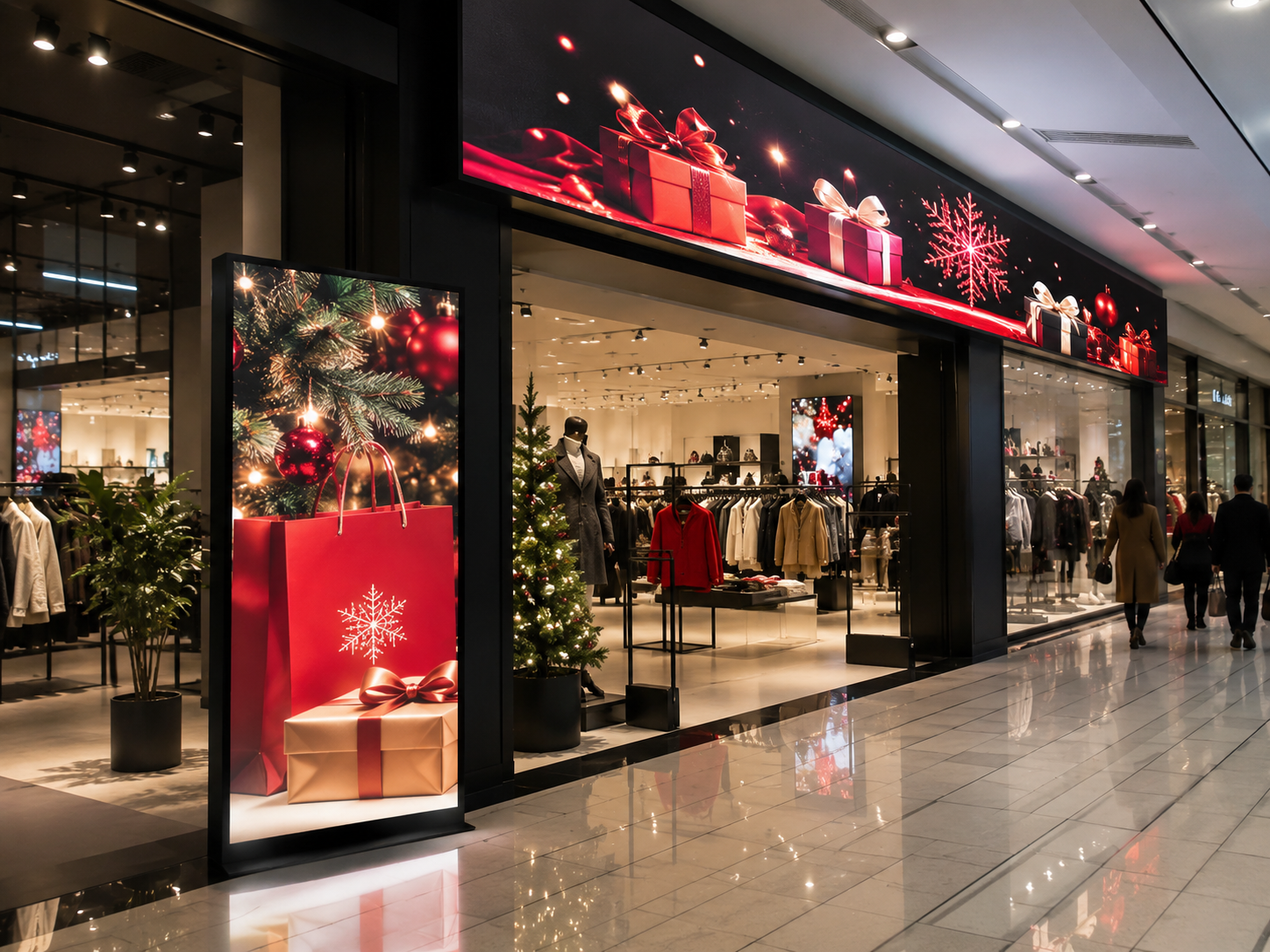
Za trgovinske prostore prikaz pogosto deluje kot vizualni prodajni asistent. Lahko prikazuje sezonske kampanje, predstavitve novih izdelkov, spremembe jedilnika in znamenjska sporočila. V tem primeru so lahko enostavne posodobitve vsebine in udobno ogledovanje pomembnejši kot izjemno tehnične specifikacije.
Za cestno oglaševanje zaslon deluje kot medij z visoko stopnjo pozornosti. Morajo ga biti vozila v gibanju sposobna prebrati, hkrati pa mora ostati berljiv tudi pri spreminjajočih se svetlobnih razmerah. Zato je treba skupaj obravnavati načrtovanje svetlosti, izbiro koraka (pitch), zaščito ohišja in dostop do servisnih storitev.
Za šole, cerkve, prometna središča in javna območja zaslon pogosto predstavlja informacijski vir. Vrednost izhaja iz jasnosti prikaza, načrtovanja vsebine in časa brezhibnega delovanja (uptime). V tem primeru sta delovni tok nadzora in rezervni deli morda enako pomembna kot sam prikazni površina.
Stran izdelka za LED oglaševalska plošča predstavlja uporabno pot, kadar projekt zahteva neposredno obliko signalizacije namesto širše razprave o LED stenah.
Kakovostnejši zahtevki za ponudbo: Kaj poslati za natančnejšo ponudbo
Natančna ponudba se začne z natančnimi podatki o projektu. Ko v zahtevku navedete le velikost zaslona in razmik pik, mora dobavitelj preveč ugibati. Posledično lahko ponudba postane prepreprosta, predraga ali neprimerna za dejansko namestitev.
Boljša zahteva ni nujno zapletena. Potrebuje le jasen opis scenarija. S temi podatki se lahko konfiguracija prilagodi dejanski nalogi prikazovanja namesto splošnemu predlogu izdelka.
Kontrolni seznam za zahtevek po ponudbi
- Širina in višina zaslona oziroma ciljno območje prikaza.
- Notranje, zunanje ali polzunanje namestitveno okolje.
- Najmanjša razdalja ogleda in običajna razdalja ogleda.
- Glavna vrsta vsebine, na primer besedilo, video, meni, logotip, javno obvestilo ali oglaševanje.
- Zahteve glede vidnosti podnevi in ali je zaslon izpostavljen neposredni sončni svetlobi.
- Dnevni delovni čas in pričakovani delovni urnik.
- Način namestitve, na primer na steni, na drogu, obešen, na tleh ali za najem.
- Razpoložljiv dostop do storitev, vključno z izbiro prednje ali zadnje vzdrževalne storitve.
- Prednostna metoda posodobitve vsebine, npr. prek USB, LAN-a, Wi-Fi-ja, oblaka ali video procesorja.
- Ciljna država ali mesto dostave za oceno embalaže in pošiljanja.
- Zahtevani rezervni deli, pričakovanja glede garancije in potrebe po podpori.
- Fotografije lokacije, načrti ali skice namestitve, če so na voljo.
S temi podatki lahko ponudba pojasni, ali projekt zahteva konfiguracijo, osredotočeno na vrednost, uravnoteženo ali osredotočeno na zmogljivost. Prav tako zmanjša nepotrebne nadgradnje, saj postane jasen namen prikaza.
Še pomembneje je, da postane poizvedba lažje odgovorljiva. Jasna zahteva omogoča ekipi tovarne, da že pred začetkom proizvodnje predlaga praktične rešitve glede koraka (pitch), svetlosti, ohišja, načina krmiljenja, rezervnih delov in embalaže.
Zakaj podpora na ravni tovarne naredi razpravo o ponudbi učinkovitejšo
Pojasnilo ponudbe je lažje, kadar lahko dobavitelj pred proizvodnjo prilagodi konfiguracijo. Namesto da bi vsakič vsiljeval enotni standardni paket za vse primere, lahko ekipa s tovarniškim pristopom skupaj razpravlja o naklonu, velikosti ohišja, načinu upravljanja, ciljni svetlosti, potrebah za OEM/ODM in načrtovanju nadomestnih delov.
To je pomembno, ker LED-promocijski projekti redko niso identični. Pokrita trgovska fasada, zunanji trg z visoko temperaturo, najemna stena za dogodek in informacijska plošča za prevoz potrebujejo različne prioritete. Ponudba naj odraža te razlike.
Praktična podpora zmanjšuje tudi negotovost po dostavi. Prevozno testiranje, staranje, jasno embalaža, nadomestni deli, dve leti garancije in 24/7 podpora lahko zaščitijo projekt, če je postopek jasno opredeljen. Ti elementi morda ne izgledajo tako privlačno kot glavne tehnične specifikacije, a ključno oblikujejo dolgoročno izkušnjo.
Domača stran Tovarni za LED zaslone ponuja širši proizvodni kontekst za notranje in zunanje zaslonske rešitve, podporo OEM/ODM ter dolgoročno oskrbo projektov.
Preprost okvir za primerjavo treh ponudb
Ko prideta tri ponudbe, se pozornost najprej usmeri v najnižjo skupno ceno. Vendar najvarnejši postopek začne z izenakojitvijo ponudb. To pomeni, da preverimo, ali vse vključujejo enak obseg zaslonov, enak obseg nadzora, enak načrt rezervnih delov in enake pričakovanja glede storitev.
Najprej normalizirajte obseg. Primerjajte površino zaslona, korak (pitch), svetlost, tip ohišja, raven IC gonilnika, opremo za nadzor, napajalnik, embalažo, garancijo in dobavne pogoje. Po tem je razlika v cenah lažje razložljiva.
Nato označite manjkajoče podatke. Ponudba, ki ne navaja izbire IC gonilnika, preskusnega postopka, načina servisiranja ohišja ali obsega nadzornega sistema, še ni pripravljena za končno odobritev. Lahko gre še vedno za dobro ponudbo, vendar potrebuje pojasnilo.
Nato primerjajte tveganje. Nizka ponudba z nejasnimi rezervnimi deli, šibkimi pogoji storitve in manjkajočimi podatki o nadzoru vsebuje več negotovosti. Višja ponudba s popolnim obsegom je morda lažje upravljati, zlasti za izvozne ali večlokacije projekte.
Nazadnje, če je potrebno, zahtevajte spremenjeno ponudbo. Cilj ni prisiliti vsako ponudbo v isti izdelek. Cilj je razumeti, kaj vsaka konfiguracija vključuje, kaj izključuje in zakaj se cene razlikujejo.
Rdeči in zeleni znaki v ponudbah za LED tabele
Nekateri znaki v ponudbah zaslužijo pozornost. Ne pomenijo nujno, da je ponudba napačna, vendar bi morali voditi do dodatnih vprašanj. Jasni odgovori zmanjšujejo tveganje. Nejasni odgovori ga povečujejo.
Rdeči zastavi
- Ponudba prikazuje ceno, vendar ne prikazuje števila ohišij ali površine zaslona.
- Pikselni korak je naveden brez logike razdalje ogleda.
- Svetlost je navedena brez pojasnila o moči, temnjenju ali toploti.
- Manjkajo podatki o integriranih vezjih (IC) za gonilnike pri projektih, kjer so LED tabele namenjene posnetku s kamero ali za visokokakovostne video projekte.
- Nadzorni sistem je opisan le kot »standarden«.
- Rezervni deli niso vključeni ali niso ponujeni kot možnost.
- Garancija je omenjena brez opisa postopka zamenjave.
- Pakiranje, pogoji dostave in preskusni postopki niso jasni.
Zelene zastavice
- Konfiguracija jasno ustreza scenariju projekta.
- Predlog je pojasnjen s pomočjo razdalje ogleda in sloga vsebine.
- Svetlost je povezana s sončno svetlobo, temnenjem, močjo in toploto.
- Oblika ohišja je povezana z namestitvijo in dostopom za vzdrževanje.
- Krmilna oprema, programska oprema in dodatki so jasno našteti.
- Opisani so preskusi, staranje, kalibracija in pregled pred odpremo.
- Garancija, rezervni deli in tehnična podpora imajo jasen postopek.
Močan ponudben citat ni nujno zapleten. Potrebuje le dovolj preglednost za dejansko odločitev.
Zaključek: Boljša ponudba pojasni odločitev, ne le ceno
Močna ponudba za LED tablico bi morala projekt narediti lažje razumljiv. Morala bi pojasniti, zakaj izbrana korak (pitch) ustreza razdalji ogleda, zakaj načrt svetlosti ustreza osvetlitvenemu okolju, zakaj IC gonilnik podpira vsebino in zakaj konstrukcija ohišja ustreza dejanskim razmeram namestitve.
Prav tako bi moral omogočiti lažjo oceno skupne cene. Nadzorni sistemi, rezervni deli, embalaža, preskušanje, garancija in podpora niso majhne dodatne misli. Oblikujejo način, na katerega se oznaka obnaša po dostavi.
Na koncu prava ponudba ni vedno najnižja ponudba. To je ponudba, ki povezuje ceno z vidnostjo, uporabnostjo, vzdrževanjem in nadzorom tveganj. To je tisto, kar naredi ceno lažje za odobritev in lažje za uporabo.
- Najprej določite aplikacijsko sceno pred primerjavo koraka ali svetlosti.
- Drugič ločite nujno zaščito od izbirnih nadgradenj.
- Nazadnje zahtevajte popravljeno ponudbo, kadar je obseg nejasen.
Pogosto zastavljena vprašanja: Vprašanja glede veleposredniških ponudb za LED napovednike
Kaj običajno spremeni ceno ponudbe za LED napovednik?
Cena se običajno spreminja zaradi koraka pik, načrtovanja svetlosti, izbire IC gonilnika, konstrukcije ohišja, obsega sistema za nadzor, rezervnih delov, embalaže, testiranja in pogojev podpore. Vendar je treba vsak dejavnik oceniti glede na specifično projektne okoliščine. Prometna tabla ob cesti, izložbeni prostor trgovine in notranja informacijska tabla ne zahtevata enake konfiguracije.
Ali vedno pomeni manjši korak pik boljšo vrednost?
Ne. Manjši korak pik omogoča ogled iz bližine in ostrejše podrobnosti, hkrati pa povečuje tudi stroške. To je smiselno za trgovinske prostore z bližnjim ogledom, notranje prometne table in vizualno zahtevne vsebine. Za zunanjih prometnih tablah na večji razdalji lahko večji korak pik zagotovi berljivost sporočil in hkrati varuje proračun.
Zakaj svetlost vpliva tako na ceno kot na tveganje?
Višja svetlost lahko izboljša berljivost pri dnevni svetlobi, zlasti na prostem. Hkrati pa lahko poveča zahteve po moči in toploto. Ponudba naj pojasni svetlost skupaj s krmiljenjem temnenja, ocenjeno porabo energije in toplotnim načrtovanjem. Sicer lahko oznaka v ponudbi izgleda dobro, pozneje pa povzroči težave pri obratovanju.
Kdaj zasluži IC gonilnik dodatno pozornost?
Izbira IC gonilnika zasluži dodatno pozornost, kadar bo zaslon prikazoval video, prehode, vsebine, namenjene kameri, ali scene z nizko svetlostjo. Lahko vpliva na obnašanje osveževanja, sive odtenke in gladkost slike. Za preproste tekstovne oznake je uravnotežena izbira morda zadostna, če je pričakovani rezultat slike jasen.
Kaj je treba preveriti poleg osnovne enotske cene?
Pregled naj vključuje načrtovanje ohišja, krmilno opremo, napajalnik, nadomestne dele, embalažo, pogoje dostave, preskus, garancijski postopek in tehnično podporo. Nižja enotska cena se lahko izkaže za manj privlačno, če manjkajo pomembni dodatki ali pogoji storitve.
Kako lahko ponudba postane natančnejša pred pogajanji?
Ponudba postane natančnejša, kadar zahtevek vključuje velikost zaslona, uporabo v zaprtih ali odprtih prostorih, razdaljo ogleda, vrsto vsebine, delovne ure, način namestitve, delovni tok nadzora, ciljno lokacijo in pričakovanja glede rezervnih delov. Z navedenimi podatki se lahko konfiguracija prilagodi dejanski rabi namesto ugibanja.
Potrebujete ponudbo, ki pojasni dejanske stroške?
Jasnejša ponudba izhaja iz dejanskega scenarija: velikost zaslona, lokacija namestitve, razdalja ogleda, vrsta vsebine, delovne ure in pričakovanja glede storitev. Z več kot 10-letnimi izkušnjami, podporo OEM/ODM, 100 % preizkusom pred dostavo, 2-letno garancijo in 24/7 podporo vam lahko LED Display Factory pomaga spremeniti približno zamisel v praktično konfiguracijo smerne oznake.
Izdelajte podrobnosti projekta, fotografije lokacije, želeno metodo nadzora, ciljno mesto in pričakovanja glede rezervnih delov. Nato lahko ponudbo pregledamo glede vidnosti, oblikovanja ohišja, poteka vsebine, testiranja in dolgoročne podpore – ne le glede osnovne cene zaslonske plošče za veleprodajni LED znak.
Kontaktirajte nas za pregled ponudbe