EN
EN


Anagykereskedelmi LED képernyő a projekt ne kezdődjön el egyedül a kijelzővel. A valós mérnöki munkában a képernyőnek illeszkednie kell a szerkezethez, a felfüggesztési tervhez, az áramellátás útvonalához, a szervizelési hozzáféréshez és a telepítési ütemtervhez. Ezért a legbiztonságosabb döntés nem mindig a legfényesebb panel vagy a legkisebb pixeltávolság. Hanem az a rendszer, amelyet telepíteni, üzemeltetni, karbantartani és támogatni lehet anélkül, hogy elkerülhető helyszíni kockázatot teremtenénk.
Miért kell a telepítés valóságának vezetnie a projektet?
Sok LED-képernyős projekt egyszerűnek tűnik az árajánlatkérés során. Egy fájl tartalmazhatja a méretet, a pixeltávolságot, a fényerőt, a modulkabinet típusát és a vezérlőrendszert. Azonban amint a kijelző megérkezik a helyszínre, a valódi kérdések sokkal inkább fizikai jellegűek lesznek.
Bejuthatnak-e a panelek a rendezvény helyszínére? Képes-e a acélvázszerkezet elviselni a terhelést? Biztonságosan emelhető-e fel a képernyő? Hozzáférhetnek-e a technikusok a modulokhoz a telepítés után? Ezek a kérdések döntik el, hogy a projekt kontrollált vagy stresszes érzetet kelt.
Ezért a telepítés valósága vezérelje a beszélgetést már az első tervezési szakasztól kezdve. A képernyő nem csupán egy vizuális felület. Az egyúttal egy működő szerkezet is, amelynek súlya, hőterhelése, kábelei, zárómechanizmusai, karbantartási pontjai és üzemelési nyomása van.
Például egy keskeny beltéri folyosó nehezítheti egy nagyméretű szekrény mozgatását. Egy magas kültéri keret esetleg szervizplatformot igényel. Egy felfüggesztett színpadi képernyő ellenállhatatlannak tűnhet, mégis egyértelmű teherátadási útvonalra van szükség, még mielőtt az első panel felemelkedne.
Egy hasznos LED-képernyő-terv egy gyakorlati kérdésre ad választ: biztonságosan szállítható, emelhető, beállítható, táplálható, hűthető, vezérelhető és karbantartható-e a kijelző a tényleges helyszínen?
Más szavakkal, a termék kiválasztása nem állhat külön a szerkezettől és a telepítéstől. Ha ezek a részletek összehangoltan működnek, a végső képernyő egyszerűbben telepíthető és karbantartható.
Szerkezet elsőként: az acélvázszerkezet része a képernyő élményének
A szerkezetet gyakran külön építési tételként kezelik. A fémszerkezet azonban közvetlenül befolyásolja a képernyő síkságát, a felszerelés sebességét, a biztonságot és a jövőbeni karbantartást. Egy erős váz is problémákat okozhat, ha nem illeszkedik a szekrényhez.
Rögzített projekteknél a váznak el kell bírnia a teljes felszerelt súlyt. Ez magában foglalja a szekrényeket, kábeleket, tápegységeket, rögzítőelemeket, védőalkatrészeket, valamint néha a karbantartáshoz szükséges hozzáférést is. Ezért a váz tervezését a végső képernyő-elrendezéssel együtt kell elvégezni.
A síkság egy másik gyakorlati kérdés. Az LED-szekrények egyetlen nagy látványfelületet alkotnak. Ha a váz egyenetlen pontokat tartalmaz, a képernyőn varratok, árnyékok vagy kis magasságkülönbségek jelenhetnek meg. Ennek eredményeként még jó minőségű modulok is rosszul felszereltnek tűnhetnek.
A szekrény mérete szintén befolyásolja a szerkezeti tervezést. A nagyobb szekrények csökkenthetik a telepítési időt, mivel kevesebb egységet kell egymáshoz igazítani. Ugyanakkor szélesebb helyszíni hozzáférésre és erősebb emelési koordinációra lehet szükség. A kisebb szekrények jobban illeszkednek a szűk helyekre, de több illesztési felületet és záróelemet eredményeznek.
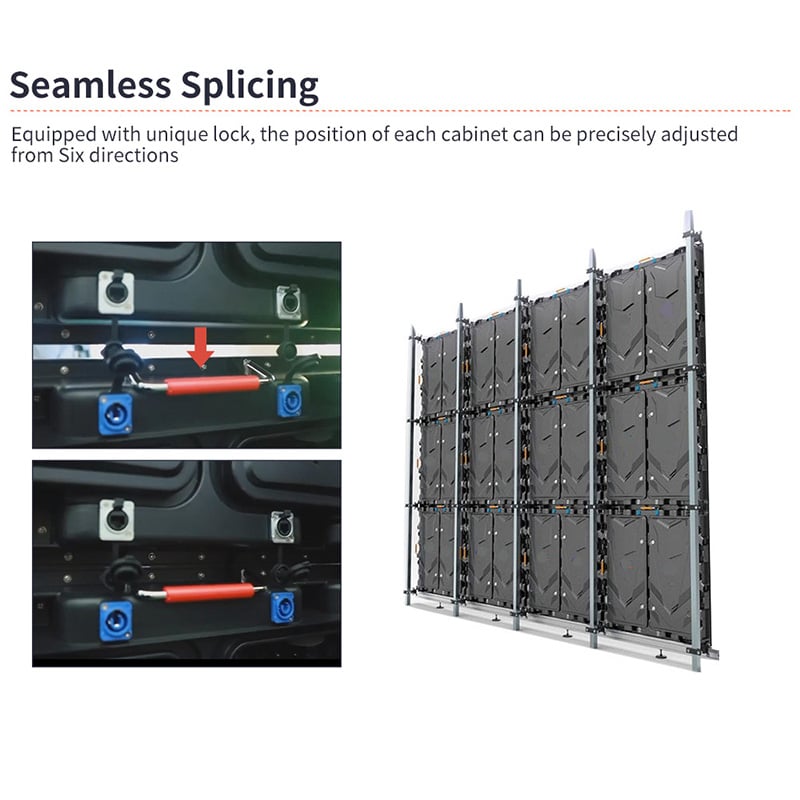
A szekrények egymáshoz való igazítása befolyásolja mind a vizuális síkosságot, mind a telepítés sebességét. Egy hátsó szerkezet, amelyben a szekrények pozíciója beállítható, segíti a szerelőket abban, hogy csökkentsék a réseket, a szabálytalan illesztéseket és a késői szakaszban végzett keretkorrekciókat.
Ezért a megfelelőbb kérdés nem pusztán az, hogy melyik szekrény a jobb. Hasznosabb kérdés az, hogy melyik szekrény illeszkedik a kerethez, a hozzáférési útvonalhoz, az emelési módszerhez és a karbantartási tervhez. Ez a szemléletváltás segít a projektcsapatnak a rendszerek összehasonlításában a valós telepítési logika alapján.
Korai megerősítésre szoruló szerkezeti tervezési pontok
- Erősítsük meg, hogy a képernyő falra szerelhető, beépíthető, felfüggeszthető, egymásra rakható, oszlopra szerelhető vagy egyedi acélkeretre rögzíthető lesz.
- Ellenőrizze, hogy a keret lehetővé teszi-e a finom beállítást a szekrények igazítása során.
- Vizsgálja át a panelek, repülőtáskák, eszközök, tápegységek és emelőberendezések hozzáférési útvonalát.
- Hagyjon elegendő gyakorlati területet a kábeleknek, a hőmozgásnak, a modulok cseréjének és az áramellátás karbantartásának.
- Kérjen szekrényrajzokat a acél szerkezetek gyártásának megkezdése előtt.
Színpadi és felfüggesztési munkák: Amikor a képernyő felfüggesztett terheléssé válik
A színpadi projektek erős vizuális hatást keltenek. Ugyanakkor további nyomást is jelentenek, mivel a képernyő emberek, berendezések, előadók vagy produkciós felszerelések felett is függhet. Ezért egy színpadi kijelzőt nemcsak médiafelületként, hanem felfüggesztett terhelésként is értékelni kell.
Egy színpadi környezetben a képernyőnek gyorsan fel kell emelkednie, tiszta vonalban kell illeszkednie, és stabilnak kell maradnia a műsor feltételei mellett. Eközben a személyzetnek korlátozott ideje van a felállításra, a próbákra és a hibaelhárításra. Ezért fontos a gyors zárómechanizmusok, a felfüggesztő rúdok és az egyértelmű dobozcímkék használata.
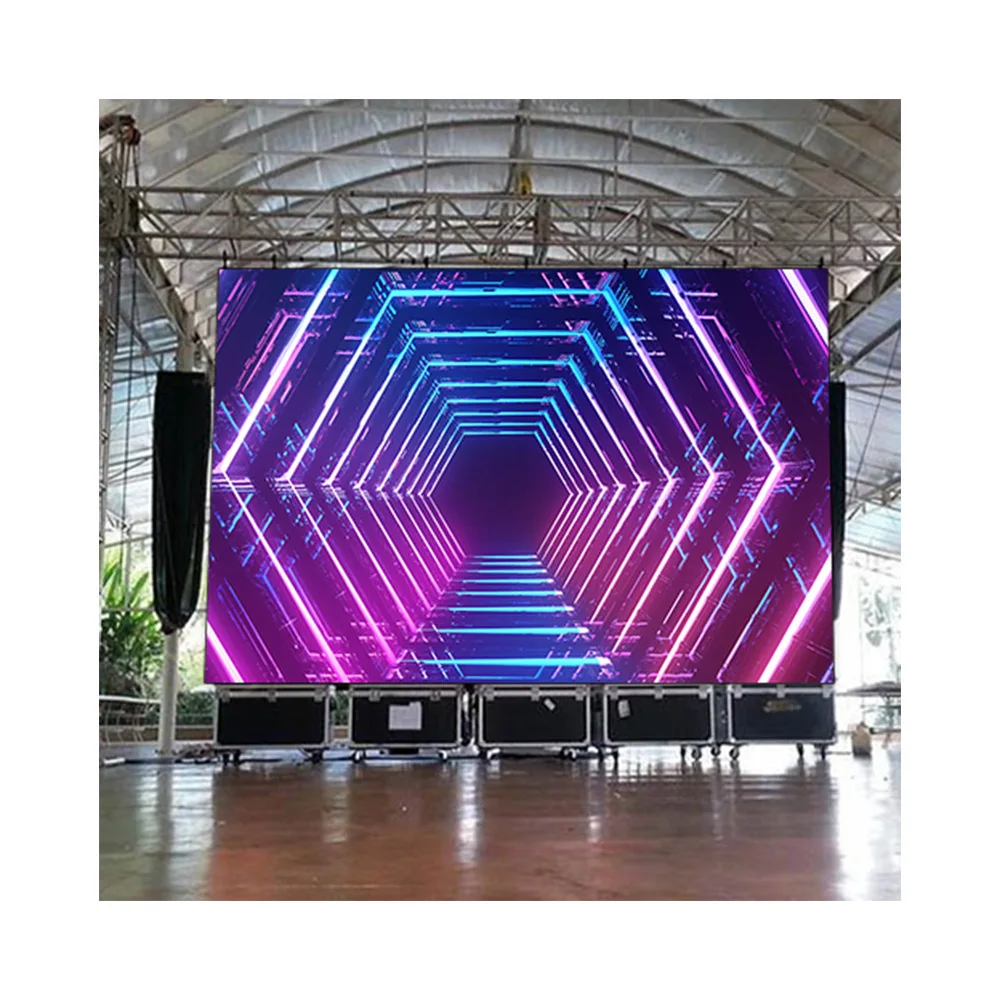
Aszínpadi LED-képernyő a telepítést a rácsos szerkezet, a felfüggesztési pontok, a motor helyzete, a kábelvezetés, a hátsó hozzáférés és a megtekintési szög körül kell tervezni. Ha ezeket a részleteket csak a szállítás után vizsgálják át, akkor a helyszínen utolsó pillanatban módosításokra lehet szükség.
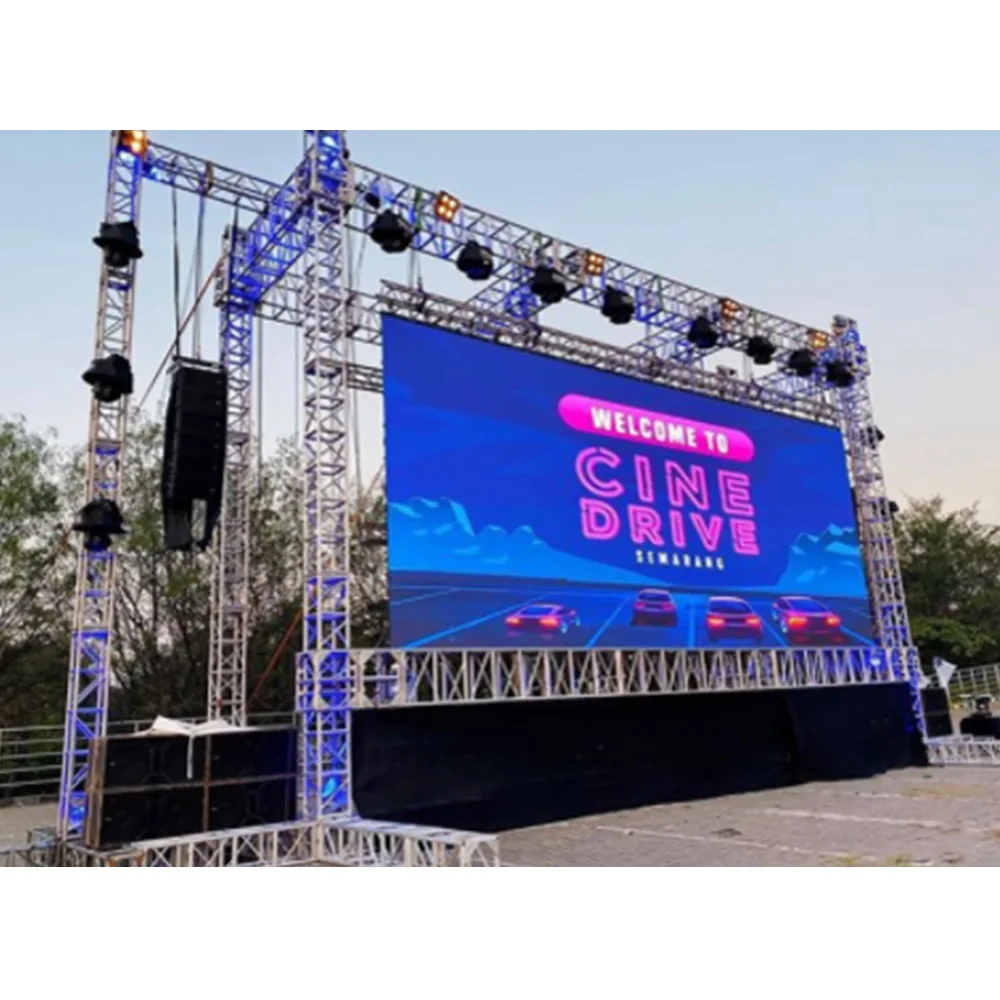
Színpadi és rendezvények esetén a képernyőt együtt kell átnézni a rácsos szerkezettel, a felfüggesztési pontokkal, a felemelési tervvel és a telepítési sorrenddel. Ez a valós telepítési helyszín bemutatja, miért kell a szerkezeti és biztonsági tervezésnek az előállítás véglegesítése előtt történnie.
A pixel távolságot a megtekintési távolság tisztázása után kell megbeszélni. A közelebbi közönség finomabb részletgazdagságot igényelhet. Ugyanakkor a pixel távolság nem oldja meg a felfüggesztési kockázatot. A képernyőnek továbbra is megfelelő szekrénytömegre, felfüggesztő tartozékokra és biztonságos telepítési logikára van szüksége.
A frissítési arány akkor fontos, ha kamerák veszik fel a képernyőt. Ez csökkentheti a villogást élő közvetítések, műsorszórások és színpadi felvételek során. Ennek ellenére a gyakorlati kérdés továbbra is egyszerű: biztonságosan telepíthető és tesztelhető-e a rendszer, mielőtt a műsorütemterv túl szorosra válna?
Ezenkívül a teljes telepített súlyba be kell számítani a szekrényeket, függő rúdakat, kábeleket, zárakat és kiegészítőket is. Egy kis hiányzó elem is megváltoztathatja a teljes terhelést. Ezért a szállítónak egyértelmű súlyinformációt kell nyújtania a felfüggesztési terv véglegesítése előtt.
Kültéri rögzített képernyők: időjárás, acél, hő és karbantartási hozzáférés
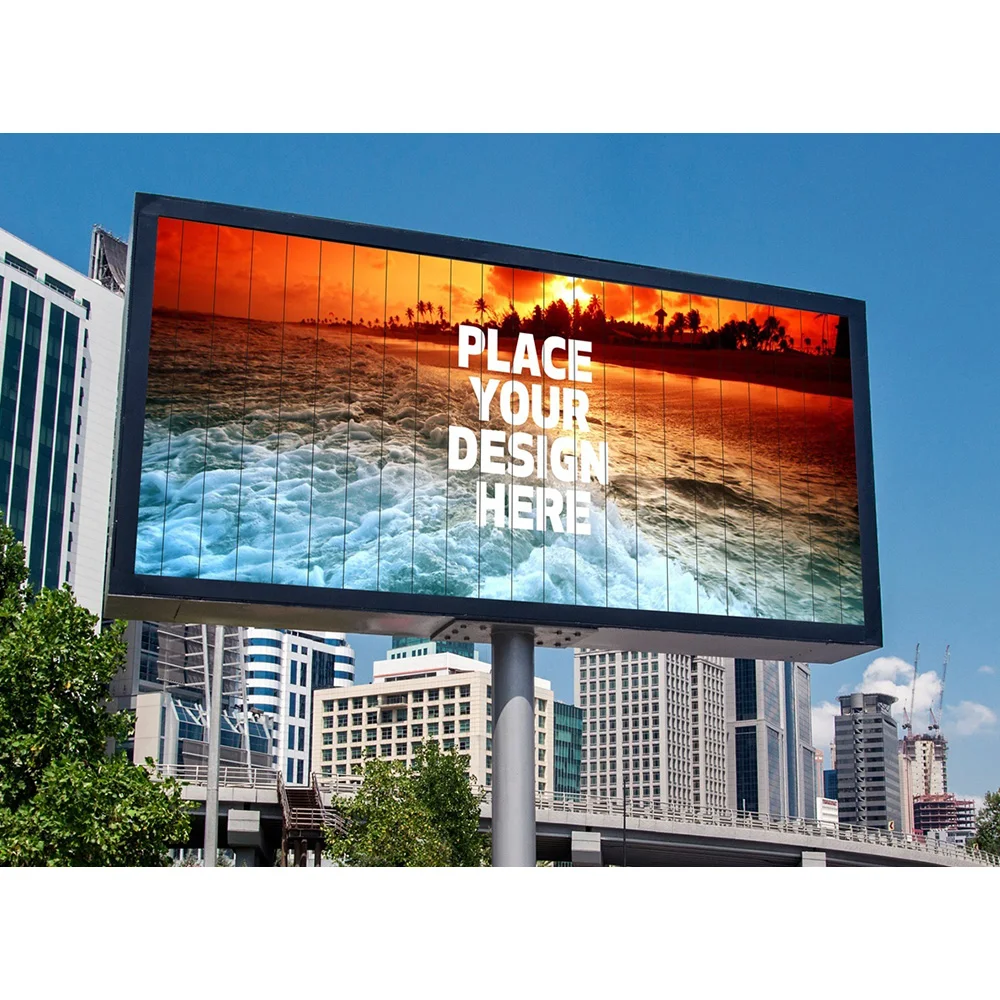
A kültéri rögzített képernyők hosszú távon jelentős terhelésnek vannak kitéve. Működésük napfény, eső, szél, por, hőség és hideg mellett is lehetséges. Ezért a telepítési tervnek a tartósságra, láthatóságra, vízelvezetésre, karbantartási hozzáférésre és biztonságos elektromos elrendezésre kell összpontosítania.
Egy kültéri LED-kijelző nem csupán a fényerő alapján szabad kiválasztani. A fényerő javítja a nappali láthatóságot. Ugyanakkor azonban kapcsolódik a hőviselkedéshez, az energiaellátás tervezéséhez és az éjszakai nézési komforthoz.
Az IP-jelölésnek is kontextusra van szüksége. Egy útszéli oszlopra szerelt képernyő másfajta hatásoknak van kitéve, mint egy bevásárlóközpont tetőszerkezete alatt elhelyezett képernyő. Ezért a védelem körül a valós esőirány, a por szintje, a szekrény tömítése, a hátlap tervezése és a karbantartási módszer megbeszélése szükséges.
A acélvázszerkezet különösen fontos a szabadban. A szélterhelés, a korrózió, a váz merevsége, az hegesztés minősége és a rögzítési pontok mind befolyásolhatják a hosszú távú biztonságot. Ugyanakkor ne feledkezzünk meg a karbantartási hozzáférhetőségről sem. Egy magas szabadtéri képernyő esetleg emelőgépet, járófelületet, platformot vagy elülső oldali karbantartási megoldást igényelhet.
Szabadtéri telepítés értékelési szempontjai
- A acélvázszerkezet elegendő helyet hagy a hőmozgásnak és a kábelfektetésnek?
- A szakemberek biztonságosan elérhetik-e a modulokat, a tápegységeket és a fogadókártyákat?
- A szekrény tömítése megfelel-e a valós eső-, por- és szélterhelésnek?
- A képernyő fényereje beállítható-e nappali és éjszakai megtekintéshez?
- A tápellátási terv stabil, hosszabb ideig tartó működésre van-e tervezve?
Ezért a szabadtéri képernyőkről folytatott tárgyalások során szükségesek a helyszín fotói, a vázrajzok, a várható üzemidők és a helyi környezeti feltételek leírása. Ezek a részletek segítenek a szállítónak olyan konfigurációt javasolni, amely illeszkedik a szerkezethez, és nem fordítva: hogy később a szerkezetet kelljen a képernyőhöz igazítani.
Bérelt építési megoldások: a gyors üzembe helyezés biztonsági és költségkérdés
A bérelt berendezésekkel kapcsolatos projektek más gondolkodásmódot igényelnek. A kijelzőt többször is össze lehet szerelni, szétszerelni, szállítani és újra telepíteni. Ezért a valódi érték nem csupán a képminőségben rejlik, hanem a kezelés gyorsaságában, a károk megelőzésében, a tárolók szervezésében, a kábelek kezelésében és az egyszerű karbantartásban is.
ALED-kijelző bérlésre a rendszert időnyomás alatt is könnyűnek kell lennie a munkacsoportok számára érteniük. A világosan feliratozott tárolók, a praktikus fogantyúk, a gyors zárak, a leválasztható tápegységek, az elülső és hátsó oldali karbantartási lehetőségek, valamint a jól szervezett kiegészítők csökkenthetik a többszörös beállítás okozta stresszt.
Ezenfelül a többszörös kezelés kis kockázatokat is magában hordoz. A sarkok ütközhetnek a tárolókba. A csatlakozók meghajlíthatók. A zárak kophatnak. A kábeleket helytelenül csomagolhatják. Ezért a bérelt rendszereket nem csupán az első eseményen mutatott megjelenésük alapján, hanem azon alapján is értékelni kell, hogy mennyire bírják el a valós mozgást.

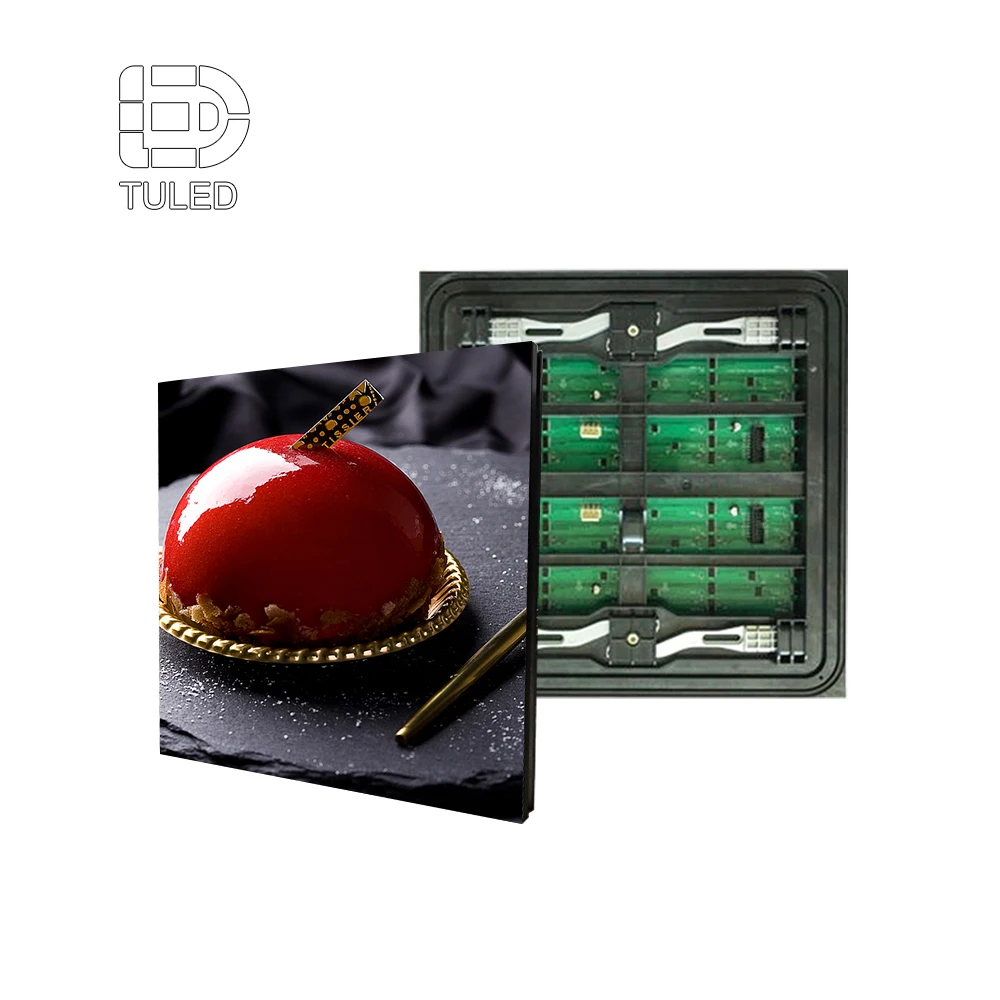
Bérleti és többszörös telepítési projektek esetén a modulok részletei döntő fontosságúak. A fogantyúk, oldalsó zárak, tápegység-csatlakozók, jel-csatlakozók és vezérlődobozok mind befolyásolják a felszerelés sebességét, a kábelvezetést, a karbantartási hozzáférést és a helyszíni megbízhatóságot.
A bérleti csapatoknak azt is ellenőrizniük kell, hogy ugyanaz a modul támogatja-e a felfüggesztést és a tornyosítást. Ez a rugalmasság lehetővé teszi a rendszer alkalmazkodását koncertekhez, kiállításokhoz, konferenciákhoz, imádkozási eseményekhez és ideiglenes kültéri műsorokhoz. Ugyanakkor minden telepítési módszerhez továbbra is megfelelő tartozékok és helyszíni felülvizsgálat szükséges.
Például egy felfüggesztett bérleti falhoz biztonságos rúdok és teherinformációk szükségesek. Egy tornyosított bérleti falhoz alap-támasztás és hátsó merevítés szükséges. Egy ívelt vagy sarok elrendezéshez speciális modulgeometria szükséges. Ezért a bérleti csomag nemcsak a panelokat, hanem a telepítés logikáját is tartalmaznia kell.
A telepítési élményt megváltoztató modulrészletek
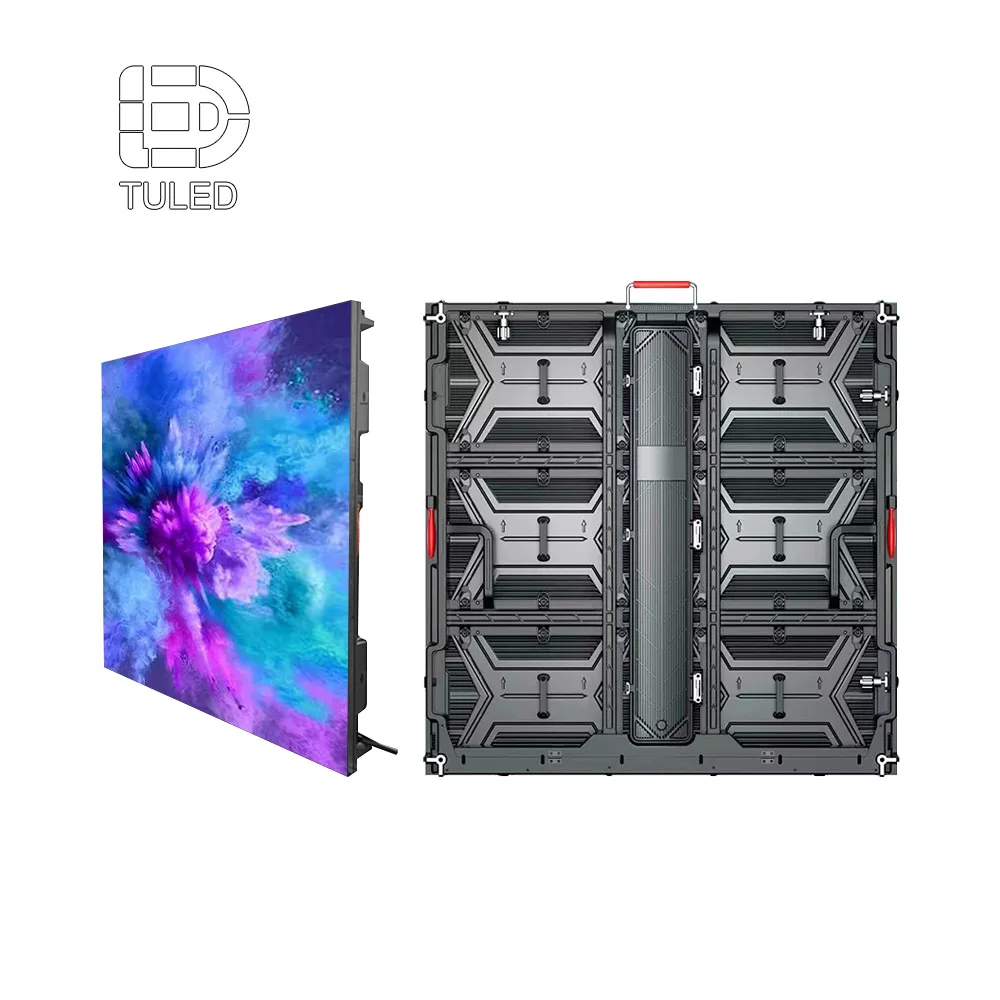
A szekrénytervezés az a terület, ahol sok telepítési probléma megjelenik. Egy szekrény látszólag egyszerű doboznak tűnhet, de a fogantyúi, zárjai, szervizirányai, kábelcsatlakozó nyílásai, sarokvédelme és tápegység-elrendezése dönti el, hogyan dolgozik a helyszíni csapat.
A fogantyúk befolyásolják a biztonságot a felemelés és a szállítás során. A gyenge minőségű fogantyúk lelassítják a munkát, és növelik a kezelési kockázatot. Ugyanakkor a gyors zárak hatással vannak az illesztésre. Ha a zárak gyengék vagy nehezen kezelhetők, a fal építése hosszabb ideig tarthat, és több korrekcióra is szükség lehet.
A tápellátási és jeladó csatlakozók is fontosak. Egy rendezett csatlakozóelrendezés segíti a kábelvezetést, valamint csökkenti a összezavarodást a üzembe helyezés során. Ezért a kábelirányt már a képernyő érkezése előtt át kell tekinteni, különösen nagy méretű falak és gyors eseményfelállítások esetén.

A felfüggesztés és a rakodás különböző biztonsági követelményeket támaszt. Egy felfüggesztett LED-fal esetében kötéltechnikai felülvizsgálat szükséges, míg egy egymásra rakott képernyő esetében stabil alaptámasztás, hátsó merevítés és elegendő hely szükséges a szervizeléshez.
A frontális és a hátoldali karbantartást szintén a helyszín valós adottságai alapján kell kiválasztani. A frontális karbantartás jól alkalmazható beépített falaknál és szűk beltéri terekben. A hátoldali karbantartás pedig jól alkalmazható kültéri kereteknél és sétálóutakkal ellátott kijelzőknél. Azonban bármelyik módszer hatékonysága csökken, ha a szerkezet akadályozza a hozzáférést.
Ezért a modul kiválasztása nem korlátozódhat pusztán a súlyra vagy a méretre. A jobb megközelítés az, ha elképzeljük a képernyő teljes életciklusát: kirakodás, felemelés, rögzítés, bekötés, tesztelés, tisztítás, javítás, leszerelés és újratelepítés.
Előtelepítési ellenőrzőlista a szerkezetre, a felfüggesztésre és a biztonságra
Az ellenőrzőlista az üzembe helyezési tervezést látható irányítássá alakítja. Segíti továbbá a mérnöki csapatokat, a rendezvényhelyszíni csapatokat, a telepítőket és a beszerzési csapatokat abban, hogy ugyanabból a projektfájlból dolgozzanak. Ezért ezt az ellenőrzőlistát a gyártás és a szállítás előtt kell kitölteni.
| Tervezési terület | Mit kell ellenőrizni | Miért fontos ez | Gyári kérdések, amelyeket fel kell tenni |
|---|---|---|---|
| Felszerelési mód | Felfüggesztés, egymásra rakás, falra szerelés, beépített szerelés, oszlopra szerelés vagy rögzített acél szerkezet. | A módszer hatással van a szekrény kiválasztására, a kiegészítők listájára, a munkaerőre, a biztonsági felülvizsgálatra és a szervizelési hozzáférésre. | Melyik szekrény- és kiegészítőkészlet illeszkedik ehhez a felszerelési módszerhez? |
| Teljes beépített súly | Szekrények, kábelek, tápegység-dobozok, felfüggesztő rúdak, konzolok és védőalkatrészek. | A teljes súly hatással van a emelőberendezésekre, a tartószerkezet-felülvizsgálatra, az acéltervezésre és az alapozási tervezésre. | Megadható-e a teljes súly minden kiegészítővel együtt? |
| Acél keret | Keret mérete, rögzítőlyukak, konzolhelyek, állítási tér és korrózióvédelmi kezelés. | Egy gyenge keret egyenetlen varratokat, telepítési késéseket és nehéz karbantartást eredményezhet. | Megoszthatók-e a szekrényrajzok a keret gyártása előtt? |
| Tápellátás elrendezése | Elosztó dobozok, tápkábel-vezetés, földelés, üzemi terhelés és elválasztási terv. | Az energiaellátás-tervezés hatással van az üzemeltetés stabilitására, biztonságára és a üzembe helyezés sebességére. | Készíthető-e egy áramellátási rajz a helyszíni csapat számára? |
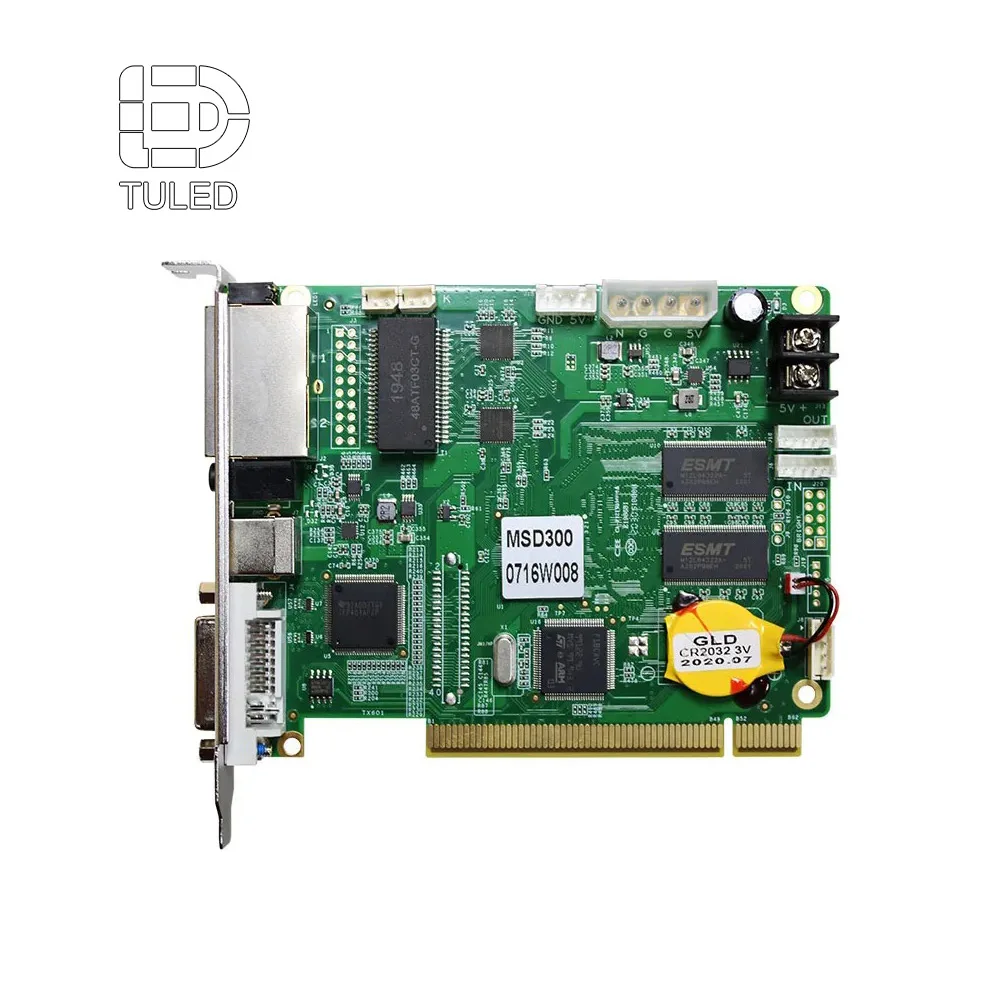
| Jelvezetési ellenőrzés | Processzor elhelyezése, jelkábel-vezetés, fogadó kártya zónák, tartalék bemenet és tartalomszolgáltató forrás. | A jelminőség javítása csökkenti a telepítési zavart és a tesztelési késleltetéseket. | Beilleszthető-e egy jelrajz a szállítás előtt? |
| Szolgáltatáshoz való hozzáférés | Elől szervizelhető, hátulról szervizelhető, járófelület, emelő hozzáférés, eszközök szabad helye és pótalkatrészek szállítási útvonala. | A biztonságos hozzáférés csökkenti az állásidőt, és megakadályozza, hogy a javítási munkák veszélyessé váljanak. | Mely alkatrészek cserélhetők kabinetek eltávolítása nélkül? |
Ez a ellenőrzőlista továbbá rejtett költségeket is felfed. Egy árajánlat vonzóan tűnhet, mert nem tartalmazza a felfüggesztő rúdakat, a repülőtáskákat, a pótmódulokat, a vezérlő kiegészítőket vagy a műszaki rajzokat. Ezért egy teljes ellenőrzőlista pontosabb összehasonlítást tesz lehetővé.
Gyakori tervezési hibák, amelyek késedelmet okoznak a telephelyen
A legtöbb felszerelési késés nem a felszerelés napján kezdődik. A késések akkor kezdődnek, amikor a kisebb tervezési részletek tisztázatlanok maradnak. Ezért a gyakori hibák elkerülése több időt takaríthat meg, mint a telephelyi munkások gyorsabb munkára ösztönzése.
A képernyő kiválasztása a helyszíni hozzáférés ellenőrzése előtt
Egy képernyő illeszkedhet a fal méretéhez, de nem felel meg a szállítási útvonalnak. Az ajtók, liftek, lépcsők, rakodók, teherautó-hozzáférés, daruk helyzete és az ideiglenes tárolóterületek mind befolyásolhatják a modulok kiválasztását. Ezért a hozzáférés ellenőrzését a modulok méretének véglegesítése előtt kell elvégezni.
Az acélvázszerkezet kezelése külön feladatként
Az acélvázszerkezet építése és a képernyők szállítása összehangoltan történjen. A rögzítők távolsága, a modulok mélysége, a szolgáltatási irány, a kábelkimenetek és a rögzítőlyukak együttes átvizsgálása szükséges. Ellenkező esetben a vázszerkezetet a szállítás után fúrni, vágni vagy korrigálni kell.
Az energiaellátás és jelátvitel tervezésének elhalasztása
A tápellátás és jelvezetékek nem utólagos gondolatok. Ezek befolyásolják a biztonságot, az állékonyságot, a tartalomtesztelést és a napi üzemeltetést. Ha a tápellátás elosztása nem egyértelmű, a képernyő fizikailag telepíthető ugyan, de még nem készen áll a üzembe helyezésre.
A karbantartási hozzáférés figyelmen kívül hagyása
Egy olyan kijelző, amelyet nem lehet biztonságosan karbantartani, hosszú távon költséget eredményez. Ha a szakemberek nem érik el a modulokat, a tápegységeket vagy a fogadókártyákat, egy apró hiba komoly javítássá válhat. Ezért a hozzáférés tervezését a keret építése előtt el kell végezni.
A tényleges használat és karbantartás a telepítés után
Egy biztonságos telepítés csupán a kezdete. Miután a képernyő bekapcsol, a napi használat továbbra is fegyelmet igényel. Az üzemeltetőknek ismerniük kell a rendszer indításának módját, a fényerő beállítását, a tartalom váltását, a jel ellenőrzését, valamint a biztonságos leállítást.
Kültéri kijelzők esetében a fényerőnek illeszkednie kell a környezethez. A napfényes időben erősebb kimeneti fényerő segíthet. Ugyanakkor az éjszakai alacsonyabb fényerő javíthatja a megtekintés kényelmét, és csökkentheti a felesleges üzemeltetési terhelést.
Eseménykijelzők esetén a tartalomtesztelést a próbák előtt kell elvégezni. A logók, videók, kamerabemenetek, mozgógrafikák és szponzoroldalak ellenőrzését a tényleges falon kell elvégezni. Ennek eredményeként a leképezési problémákat a közönség belépése előtt kijavíthatjuk.
Bérleti képernyők esetén minden leszerelés során gyors ellenőrzést kell végezni. A sarkokat, zárakat, fogantyúkat, tápegység-csatlakozókat, jel-csatlakozókat, kábeleket és tárolókofferekot a csomagolás előtt ellenőrizni kell. Ez a szokás megakadályozza, hogy apró sérülések a következő eseményen nagyobb problémát okozzanak.
Egyszerű működtetési szokások, amelyek növelik a megbízhatóságot
- Használjon fényerő-ütemtervet nappali és éjszakai üzemmódhoz, ne pedig egyetlen rögzített beállítást folyamatosan.
- Tartsa külön, címkézett és könnyen elérhető tartalék modulokat, tápegységeket és jelkábeleket.
- Jegyezze fel a szekrények helyzetét a telepítés során, hogy a jövőbeni karbantartás egyszerűbb legyen.
- Ellenőrizze a kábelek húzódását, a zárakat és a csatlakozókat minden bérleti leszerelés után.
- Vizsgálja át a szellőzési és tisztítási rutinokat kültéri és intenzív használatra tervezett kijelzők esetében.
GYIK: Szerkezet, felfüggesztés, biztonság és telepítési terv
Miket kell megerősíteni a LED-kijelző telepítésének megkezdése előtt?
Először az installációs módszert, a teljesen telepített súlyt, az acélszerkezetet, a felfüggesztő tartozékokat, az energiaellátás elrendezését, a jelátviteli útvonalat, a helyszínre való hozzáférést és a karbantartás irányát kell megerősíteni. Ezen felül a csomagolási címkéket és a pótalkatrészeket ellenőrizni kell a szállítás előtt.
Hogyan befolyásolja a szerkezet a projekt hatókörét?
A szerkezet hatással van az acélgyártásra, a felemelési módszerre, a tartóelemek elrendezésére, a kábelvezetésre, az igazításra, a karbantartási hozzáférésre és a hosszú távú biztonságra. Egy rögzített kültéri képernyőnél szél- és korrózióvédelmi tervek szükségesek lehetnek, míg egy beltéri falnál szoros tűréshatárok és elülső karbantartási lehetőség szükséges.
Mikor jobb a felfüggesztés, mint a rakodás?
A felfüggesztés jól működik akkor, ha a padlóterületet szabadon kell hagyni, például koncerteken, fesztiválokon és színpadi produkciókon. Azonban ehhez jóváhagyott rögzítési pontok, felfüggesztő rúdak, tartószerkezet-ellenőrzés és másodlagos biztonsági intézkedések szükségesek. A rakodás (stabil toronyként való elhelyezés) akkor lehet megfelelő megoldás kiállításokhoz és ideiglenes építményekhez, amikor a földön történő támasztás biztonságosabb és könnyebben kezelhető.
Miért fontos a karbantartási hozzáférés?
A karbantartási hozzáférés hatással van a leállási időre és a javítás biztonságára. Ha a modulokat, a tápegységeket, a fogadó kártyákat vagy a kábeleket nem lehet könnyen elérni, egy kisebb hiba hosszú javítási időt eredményezhet. Ezért a frontális szervizelés, a hátulról történő szervizelés, a járófelületek, az emelők és az eszközök számára szükséges hely tervezése már a telepítés előtt történjen meg.
Mi okozza a leggyakoribb helyszíni késéseket?
A gyakori késések oka a nem illeszkedő acélvázak, a nem egyértelmű rajzok, a hiányzó kiegészítők, a rossz csomagolási címkék, a későn elkészült tápellátási terv, valamint a hiányos jelátviteli diagramok. A szűk rakodási útvonalak és a korlátozott helyszín-elérés szintén lelassíthatják a munkát.
A kijelzőt a helyszín körüli feltételek alapján kell tervezni, ne pedig fordítva
Egy biztonságosabb nagykereskedelmi LED-képernyő telepítése a gyártás megkezdése előtt kezdődik. A képernyő mérete, a szekrény kiválasztása, az acél szerkezet, a rögzítési módszer, a karbantartási hozzáférés, az energiaellátás elrendezése, a jelvezérlés és a csomagolás már az első műszaki tárgyalástól kezdve összehangoltan kell működjön. Ez a megközelítés csökkenti a helyszíni módosításokat, védi a telepítés biztonságát, és egyszerűbbé teszi a kijelző üzemeltetését átadás után.
Rögzített kültéri projektekhez, színpadi háttérképekhez, bérelt rendszerekhez, eseményekhez szükséges képernyőkhöz és egyedi szerkezetekhez az LED Display Factory áttekintheti az alkalmazási területet, a rögzítési módszert, a szekrény irányát, az akcesszóriumok igényét és a támogató dokumentumokat még a részletes árajánlat elkészítése előtt.
Lépjen kapcsolatba velünk a telepítési terv elkészítésének támogatásáért