EN


During a refinery turnaround, an outdoor LED board can make permit-related notices, changing workfront arrangements and restricted-area information easier to see at designated coordination points. It should show only verified information from the site's approved workflow and direct crews to the formal permit-to-work record before work begins.
The important decision is not how many permits can fit on a screen. It is which coordination messages people need to see, where they can safely view them and who can confirm that the information is still current. A display may support communication between contractors, but it cannot authorize maintenance, approve entry or substitute for site safety and control systems.
These decisions should be agreed with operations and site engineering before screen specifications are discussed with a supplier.
Make permit status understandable without replacing the permit system
A refinery may have several maintenance teams working on neighboring pieces of equipment while permits are being reviewed, issued, suspended or closed. A shared board can help coordinators recognize what has changed across those workfronts. The approval itself, however, remains with the permit authority and the controlling permit record.
That separation matters when schedules overlap. A mechanical crew waiting to inspect an exchanger may see that the preceding activity has been delayed. They need to know which workfront is affected and whom to contact—not a simplified screen message that appears to grant permission to start.
A useful display message identifies the area, gives a recognizable permit or work-package reference where appropriate, and states the coordination condition in terms approved by the site. Avoid phrases such as “safe to work” or “all clear.” They can conceal conditions that remain attached to the actual permit.
Permit review pending
Use the approved permit record for authorization and conditions.
The message is deliberately limited. It improves awareness without trying to reproduce isolation requirements, signatures or other controlling details on an open display. The UK's HSE permit-to-work guidance similarly treats permits as part of communication and coordination while emphasizing responsible assessment and clear roles.
Locate boards around the approved hazardous-area plan
The nearest wall or gate is not automatically the right place for an information board. At a refinery, hazardous-area classification, temporary exclusion zones, pedestrian routes, lifting activity and permitted electrical installations all influence where a screen can be considered. A convenient viewing point is useful only if the location and the complete installation are acceptable to site engineering.
When discussing a possible location with an outdoor led screen supplier, share the approved location constraints before asking about brightness, cabinet format or mounting options. Weather resistance alone does not establish that electrical equipment may be installed in a classified area.
Maintenance staging point
An approved point outside relevant classified or restricted areas may allow several contractor groups to review workfront changes before reporting to their permit or access checkpoint. The engineering review still needs to cover mounting, cable routing, power, traffic and visibility.
Near an exclusion-zone boundary
A closer screen may seem more convenient, but temporary boundaries and nearby activities can make placement unsuitable. A more distant approved viewing point may be preferable if the message remains readable and people need not approach the restricted area to see it.

Look beyond the visible screen face
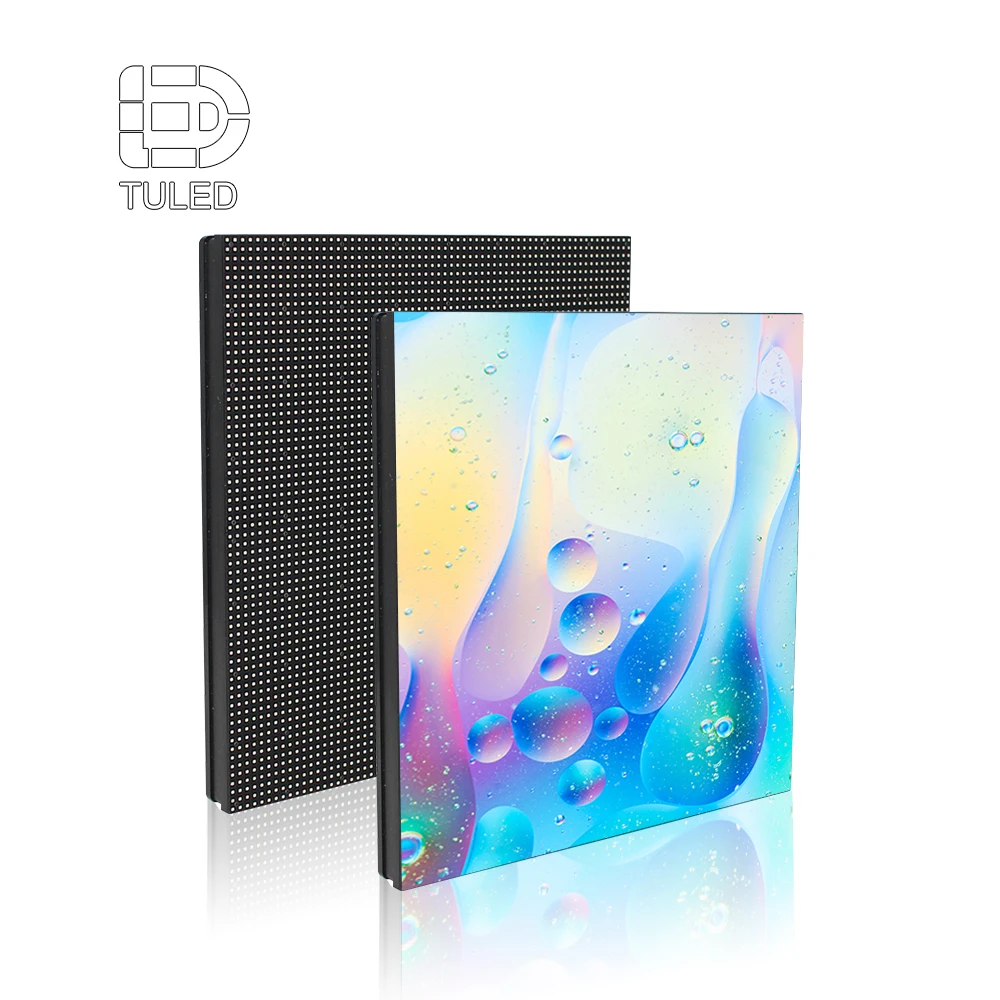
Mounting decisions affect the complete cabinet, power and cable paths, and maintenance access—not simply the reading position. The 960 × 960 LED Display pictured here offers a physical cabinet reference for discussing those constraints once engineering has identified an acceptable installation location.
The pictured cabinet is not presented as approved for installation in a refinery hazardous area.View 960 × 960 LED DisplayThe distinction is especially important during a turnaround, when access arrangements may change as equipment is isolated or released. A map showing yesterday's boundary cannot be treated as the authority for today's access. The display may direct personnel to a designated checkpoint, but approved drawings, barriers and access procedures remain controlling.
For technical context, OSHA's hazardous-location electrical requirements address the documentation and suitability of equipment and wiring in classified locations under the US framework. Actual project requirements depend on the installation's jurisdiction and approved engineering documentation. No general Outdoor LED Display listing should be interpreted as refinery or hazardous-area approval.
Prioritize workfront changes and turnaround coordination
A turnaround board is most useful when it highlights changes that affect crews arriving at, leaving or handing over a workfront, rather than reproducing the entire permit register.
Consider an exchanger inspection awaiting completion of an earlier work package. A maintenance coordinator may need to redirect one contractor to a briefing point while another team remains on hold. The display can communicate that coordination change promptly after verification; it should not imply that the next activity has been approved.
Information usually earns space on the board when it changes a coordination decision. An agreed permit status, a workfront hold, a changed reporting location or a revised access route can be meaningful. Long permit descriptions, unnecessary personnel details and every entry in the turnaround schedule tend to obscure those changes.
The practical test: can a person identify the affected workfront, understand the verified change and find the proper authority for the next decision—without mistaking the screen for that authority?
Coordination messages should draw on the correct controlling sources: the authorized permit record for permit status, the approved access plan for boundaries, and the validated turnaround coordination record for work sequencing. If those sources disagree, the project must resolve the conflict before presenting a combined message as current.
The viewing moment also changes the layout. Personnel reading from a staging area may have time for a short supporting line, while someone passing an approved pedestrian route may need a clear workfront identifier and one immediate coordination instruction. The planned languages, typical approach, lighting and reading distance should shape the presentation rather than being reduced to a generic screen specification.
This is also why turnaround messages should be written in the vocabulary already used on site. Terms such as “review pending,” “work suspended” or “reporting point changed” need agreed meanings. A display format should make an existing workflow easier to understand, not introduce a parallel set of unofficial statuses.
Define update checks and what happens when information is stale
A board can be highly visible and still be misleading if an old status remains on screen after a permit is suspended or a workfront changes hands. The project needs a clear distinction between someone reporting a change, the person authorized to verify it and the person or function publishing the notice.
The update process should follow the site's approved workflow. A permit suspension takes effect through that process, not when the board changes. A delayed display update must never weaken the independent permit and access controls.
Show a meaningful information timestamp where the project calls for it. “Last verified” communicates when the content was checked against its controlling source; “screen refreshed” may indicate only that the display has redrawn the same information. Confusing the two creates confidence that the underlying record may not deserve.
When status information is unavailable, contradictory or past its approved verification interval, the safer communication approach is to stop presenting it as confirmed. A site-approved neutral notice such as “Permit status unverified — consult permit authority” can direct personnel back to the source. The specific wording, escalation route and timing must be defined and approved by the refinery.
Shift handovers deserve the same attention. Outstanding holds, changed workfront arrangements and unresolved status questions should be checked through the formal handover before revised messages are published. The team should also know what communication route to use if the screen is unavailable. A display outage cannot become a reason to bypass permit verification.
Prepare a refinery-specific supplier brief before comparing outdoor options
With the intended messages, locations and update responsibilities understood, procurement can begin a useful equipment discussion. At this stage, the distinction is between what the refinery requires and what a proposed display has actually been shown to support. A general outdoor product description is not evidence that a particular configuration meets the site's installation conditions.
Refinery turnaround planners, maintenance coordinators and engineering contractors should prepare one agreed set of inputs. It allows suppliers to review the physical display requirements while the refinery retains authority over classification, work permits and operational information.

A physical product example—not a refinery approval
The P4.81 Outdoor Waterproof LED Billboard Screen provides another cabinet design to examine when comparing available space, service access and viewing needs. Its product page describes outdoor construction, but the refinery must still verify every installation and electrical requirement against its approved site conditions.
For an engineering contractor or turnaround coordinator, this makes the next step concrete: compare the real cabinet and documented information with the site brief, then confirm any unresolved constraints before selection.
View P4.81 Outdoor DisplayThose inputs make a comparison of outdoor LED options for maintenance coordination more relevant. The selection should be based on documented characteristics of the specific equipment being considered, followed by any required project engineering review. Ask the supplier to distinguish verified capabilities from items requiring additional assessment; do not assume permit-system integration, automatic synchronization or suitability for a classified zone.
For maintenance teams, the most valuable outcome is not a screen with the longest feature list. It is a proposal that fits an approved location, communicates the right information to the intended readers and leaves all permit and access decisions within the refinery's existing controls.
Frequently Asked Questions
Can a message board authorize maintenance work?
What should appear when permit status cannot be verified?
Which site classification documents should procurement supply?
Discuss your refinery maintenance display brief
The most productive supplier conversation starts with an approved location and a clear information workflow—not a promise that any outdoor screen is automatically suitable for a refinery. Bring the approved area classification, permitted mounting points, permit workflow, status owner, update checks and site environmental conditions so the available display options can be assessed against the real project.