EN

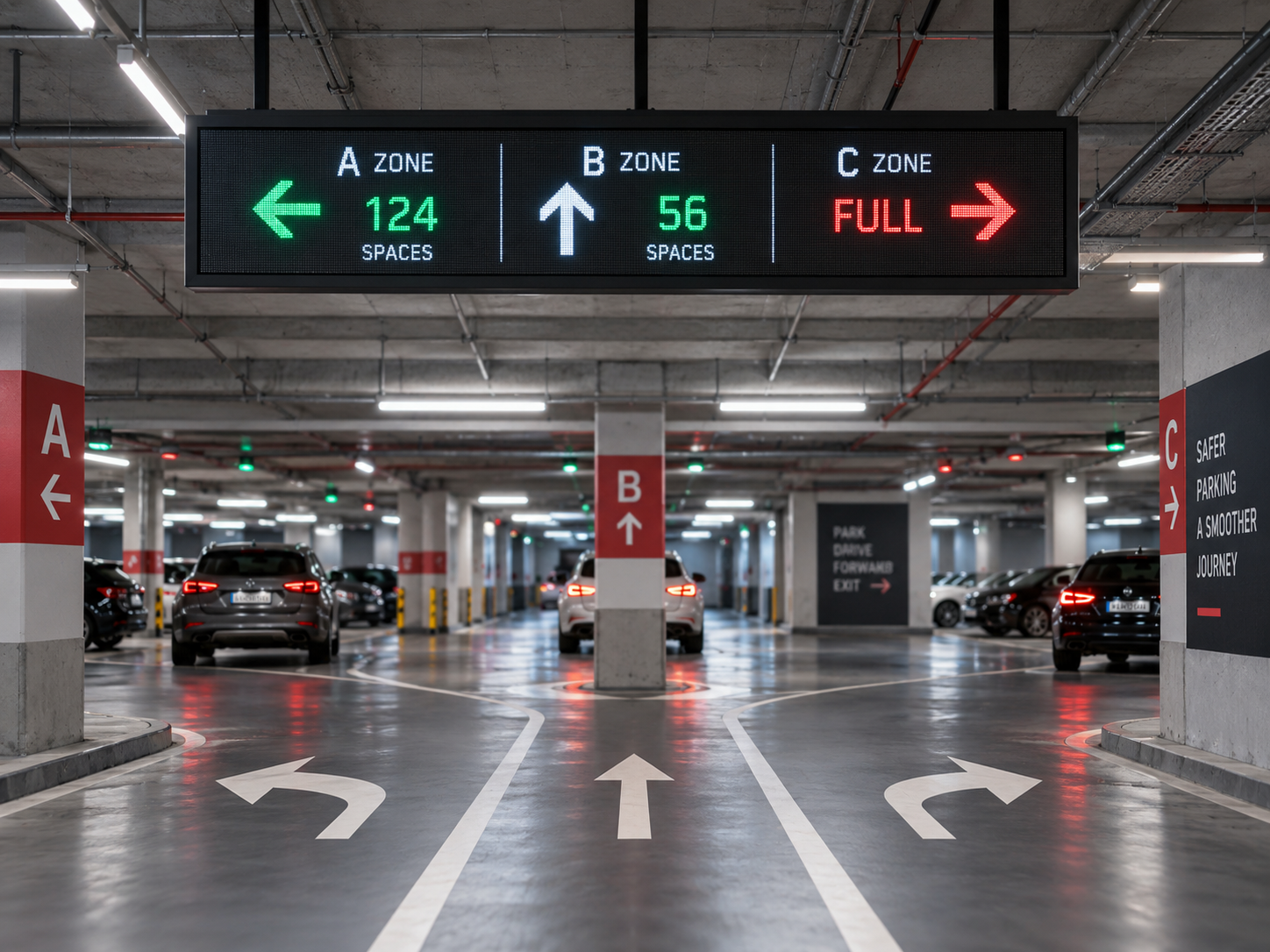
A driver approaching a split inside a car park does not need to understand the entire occupancy database. The immediate question is much simpler: which direction should I take, and is useful parking information still available for that route?
That is the real design problem behind parking guidance signs. A parking system may track individual spaces, zones, floors or entrances, but the roadside display has only a short period in which to turn changing occupancy data into a decision that makes sense from a moving vehicle.
For project teams evaluating Tabulae signorum LED for parking guidance, the screen itself is only one part of the specification. Lane geometry, sign position, viewing approach, message hierarchy, data ownership and fallback states all affect what should appear on the display.
The practical goal is not to show as much information as possible. It is to make the next parking decision clear without implying certainty that the upstream system does not have.
Commencez par la décision de stationnement, pas par l’écran
Un projet de guidage vers les places de stationnement peut sembler simple dans un calendrier de panneaux : plusieurs panneaux à LED, plusieurs noms de zones et un flux d’occupation. La difficulté apparaît lorsque ces éléments entrent en contact avec la configuration réelle de la chaussée.
Imaginez un conducteur descendant une bretelle et s’approchant d’une intersection. Continuer tout droit mène vers la Zone B, tandis que la voie de gauche conduit vers la Zone C. Un décompte global des places disponibles pour l’ensemble de l’établissement peut être parfaitement exact, mais il ne répond pas à la décision à prendre à cet instant précis. Ce qui compte, c’est la capacité du conducteur à associer rapidement chaque destination disponible à la voie correspondante.
Id est cur opus ex via foras legendum est. Planum viarum quae motus possibiles sint constituit. Locatio signorum ubi informatio videre possit definit. Systema stationis quae occupationis aut status valoribus disponantur constituens est. Tunc tantum dispositio ostensionis significatum habet.
Opus definire debet quod systema quemque statum operativum possideat. In multis architecturis, platforma stationis aut stratum integrationis statum approbatum praebet, dum systema ostensionis praesentationem tractat. Signum non debet supponi per se statuere posse zonam esse disponibilem, plenam aut incertam, nisi hoc comportamentum strato controllo ostensionis deliberative attributum sit.
Hoc praesertim in magnis locis valet, ubi idem destinatio ex pluribus directionibus adiri potest. Nomen zonae quod prope unum introitum plane perspicuum est, aliam relationem directionalem in alio iuncturae necessitat. Itaque schema signorum ad physicas decisionum puncta coniungi debet, non ut unum generale schemata creari et per totum stationarium vehiculorum copiari.
Data de occupatione in nuntium ad ductorem convertenda sunt
Data bruta de occupatione systemati stationarii utilia sunt. Ductor autem aliud aliquid indiget: brevem, intellectibilem nuntium qui cum itinere ante se coniungitur.
Supponamus systema scire quod Zona A multos spatia vacua habet, Zona B paucissima, et Zona C plena est. In iunctura ubi ductor inter B et C tantum eligere potest, ostensio numeri Zonae A data addit sine auxilio ad decisionem immediatam. Signum itaque magis confusum fit, dum electio ductoris eadem manet.
A useful message can usually be planned around three questions: which destination can the driver choose from here, what confirmed state is available for that destination, and which physical direction belongs to it?
The display area may need room for destination names, occupancy numbers, arrows and abnormal-state messages, but those zones should be planned around the driver's task rather than filled simply because screen space is available.
The useful question is not “How much parking data can fit on this screen?” It is “What must the driver understand before changing lanes becomes difficult?”
That question removes a surprising amount of unnecessary content. A mock-up can look organised on a desktop while still asking too much of a moving driver. Four destination names, several occupancy figures, multiple arrows and status words may all be individually correct, but the complete message can still be slow to interpret.
LED sign board format for directional parking messages
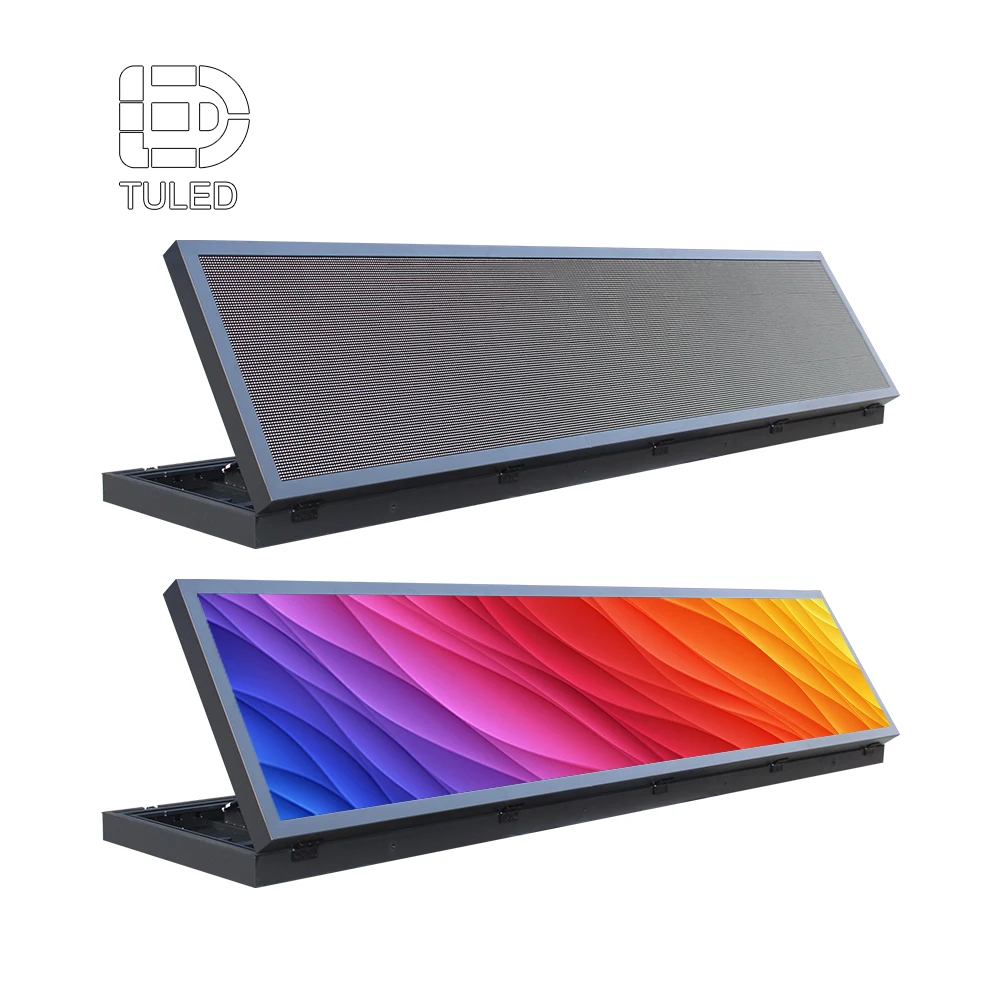
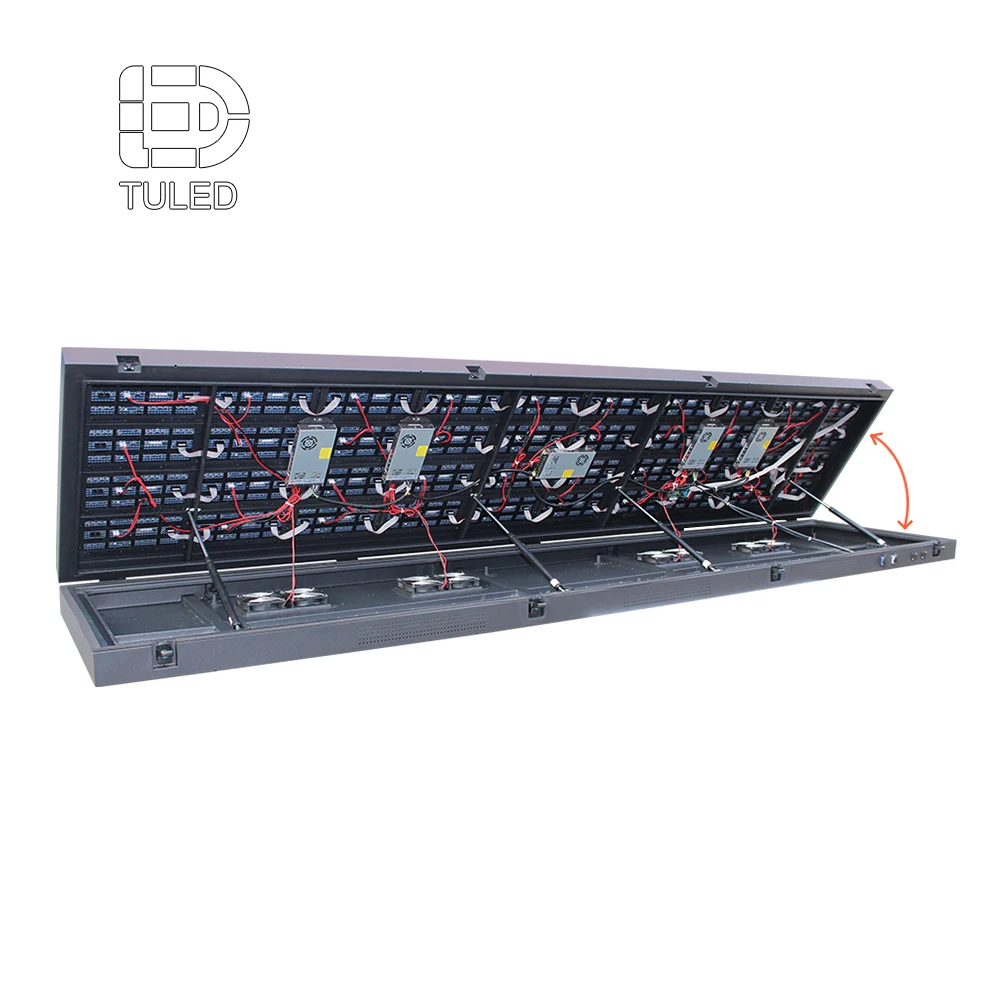
A long-format LED sign board can provide useful space when destination, occupancy status and directional cues need to read as one message. Final dimensions should be checked against the real lane plan and the longest message the project expects to display.
Lane Arrows Have to Match the Junction the Driver Sees
An arrow is useful only when its relationship to the road is obvious. That sounds straightforward on a drawing, but parking environments often include curved approaches, offset ramps, staggered junctions and destinations that appear close together.
An arrow pointing left beside “Zone C” may seem perfectly clear when viewed straight-on in a layout file. However, from an approaching vehicle’s perspective, there may be two possible left movements: an immediate turn into one aisle, and a ramp entrance several metres farther ahead. The display must make sense from the driver’s viewpoint—not only from the designer’s screen.
Show the choice available at this point
A sign should support the decision that can actually be made at its location. If another parking area becomes available only after a second junction, introducing that direction too early can weaken the connection between the arrow and the road.
Keep the arrow linked to a single message
Destination, occupancy status, and direction should read as one unified piece of information. A driver should not need to figure out whether an arrow belongs to the number above it, the zone name beside it, or some other line of text.
Consider the approach path—not just the mounting point
Un signum potest physice convenire parieti, trabi vel sustentaculo et tamen male locatum esse pro decisione vehendi. Aequipe projectus considerare debet quando signum primum visibile fit, quid aliud certat pro attentione et quantum iter restat ante mutationem viae aut flexum.
Haec non est exhortatio ad unam universalem dispositionem sagittarum pro stationibus. Diversa stationaria diversam geometriam habent. Ratio est ut contentum propositum recenseatur contra planum viarum notatum et verum accessum visum antequam ultimae zonae nuntii firmantur.
Nuntium Fidei-Defensivum Debet Servare Quod Adhuc Scitur
Occupatio normalis est tantum una conditio operativa. Quaestio magis revelans est quid accidat nuntio ad ductorem cum alimentum occupationis iam non reputatur fidele ab systemate regente.
Perseverare in ostendendo numero praeciso fiduciam falsam creare potest. Totum signum delere informationem tollit quae adhuc utilis esse potest. Responsum aptum pendet a partibus nuntii quae adhuc valida sunt.
For example, the system may temporarily lose a live space count while the destination itself remains open and the route to it remains unchanged. In that situation, the operator may choose to replace the number with an approved fallback status while retaining the zone name or arrow. In a different failure state, even that route information may no longer be appropriate.
Messages such as “SPACE DATA UNAVAILABLE” or “ZONE STATUS UNCONFIRMED” can be considered during project planning, but the wording, trigger condition and operator response should be approved for the actual parking system and operating procedure.
The distinction between partial data and completely unavailable data is important. If information for one destination remains confirmed while another becomes uncertain, the complete sign does not necessarily need to abandon both. Confirmed guidance can remain useful if the controlling system is able to distinguish those states and the message logic has been agreed in advance.
A useful review question is therefore: can the project team explain exactly which upstream condition produces each message shown to the driver? If that relationship is unclear, the fallback content is not yet ready for sign layout approval.
Projects that also need to define data freshness, source validation, recovery behaviour or middleware logic can handle those questions in more depth in the custom LED display board data integration guide . For the parking sign itself, the priority remains simple: show only what the project can currently support as valid guidance.
The Supplier Needs the Driving Context, Not Just a Screen Size
A quotation request that says “10 parking LED signs, please quote” forces too many important assumptions. Even adding a width and height does not explain what the signs actually have to do.
A better inquiry starts with the lane drawing. Mark each proposed sign position and give every sign a simple reference such as S01, S02 and S03. The supplier can then discuss the display while the integrator discusses message logic using the same physical locations.
What makes the first technical discussion useful
Start with the road. Send the lane plan, junctions, ramps, entrances and proposed sign positions. Note the direction from which drivers approach and the approximate viewing distance where it matters to the layout.
Then show the message. Provide representative destination names, occupancy fields, arrows, FULL states and agreed fallback messages. Include the longest realistic destination or fallback wording rather than approving the screen around only the shortest normal message.
Finally, add the project context. Include the available installation area, quantity, occupancy or data source, indoor or outdoor environment, power standard, installation country and project timeline.
- Lane plan Entrances, exits, ramps, decision points and permitted movements.
- Sign locations Proposed positions identified clearly on the drawing.
- Viewing information Approach direction and relevant viewing distance.
- Message states Normalis occupatio, status PLENUUS et contentum reversionis exspectatum.
- Spatium Disponibile Confirmata magnitudo signi aut maxima area ad fixationem.
- Fontes Datorum Controller parking, platea occupationis aut stratum integrationis quae informationem praebet.
- Project Context Numerus, ambientium condicio, norma electrica, natio et tempus.
Haec inputa saepe sufficiunt ut discussio a citatione generica signi ad veram applicationem parking moveatur. Praebent etiam fornitori display aliquid utile ad examinandum antequam dimensiones, dispositio et particularia de controllo definitiva fiant.
Transforma Planum Nuntii in Rectam Requisitionem Display
Postquam decisiones parking et status nuntiorum clari sunt, discussio de hardware multo utilior fit. Non primo eligendo display et postea cogendo informationem parking in eum, sed projectum potest explorare num screen propositus vere suportat contentum, condiciones visuales et ambientem loci.
Pixel pitch, physical dimensions, brightness, enclosure requirements, and control architecture must be reviewed against the actual message and site. The appropriate combination depends on the project rather than on a universal parking-sign formula.
Where Factory Review Adds Value
Once the parking team has mapped the decisions and message states, factory review becomes more useful. At that stage, the question is no longer “What should our parking logic be?” It becomes “Can the proposed display arrangement present the information clearly under the conditions this site actually has?”
The lane drawing gives context for sign orientation and placement. Representative content shows how much message area is needed for destination names, occupancy values, and directional cues. Abnormal states reveal whether the same layout still works when a normal number is replaced by a longer fallback message.
Illud examen potest impedire problema notum in proiectis: signum quod technice rectam latitudinem et altitudinem habet, sed postea ineptum apparet, cum verae destinationes, sagittae et status statuum inseruntur.
Tabula ostensionis LED pro dispositionibus informationum de stationamento specificis pro proiecto
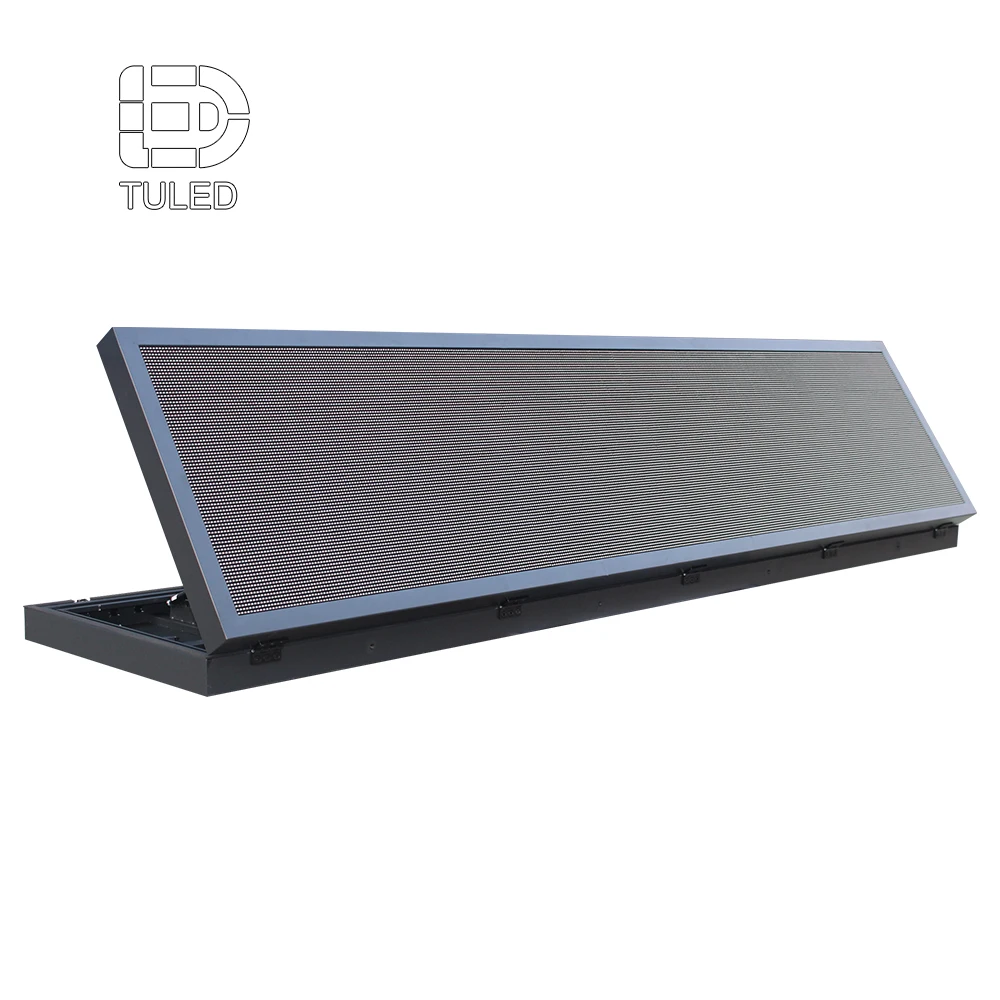
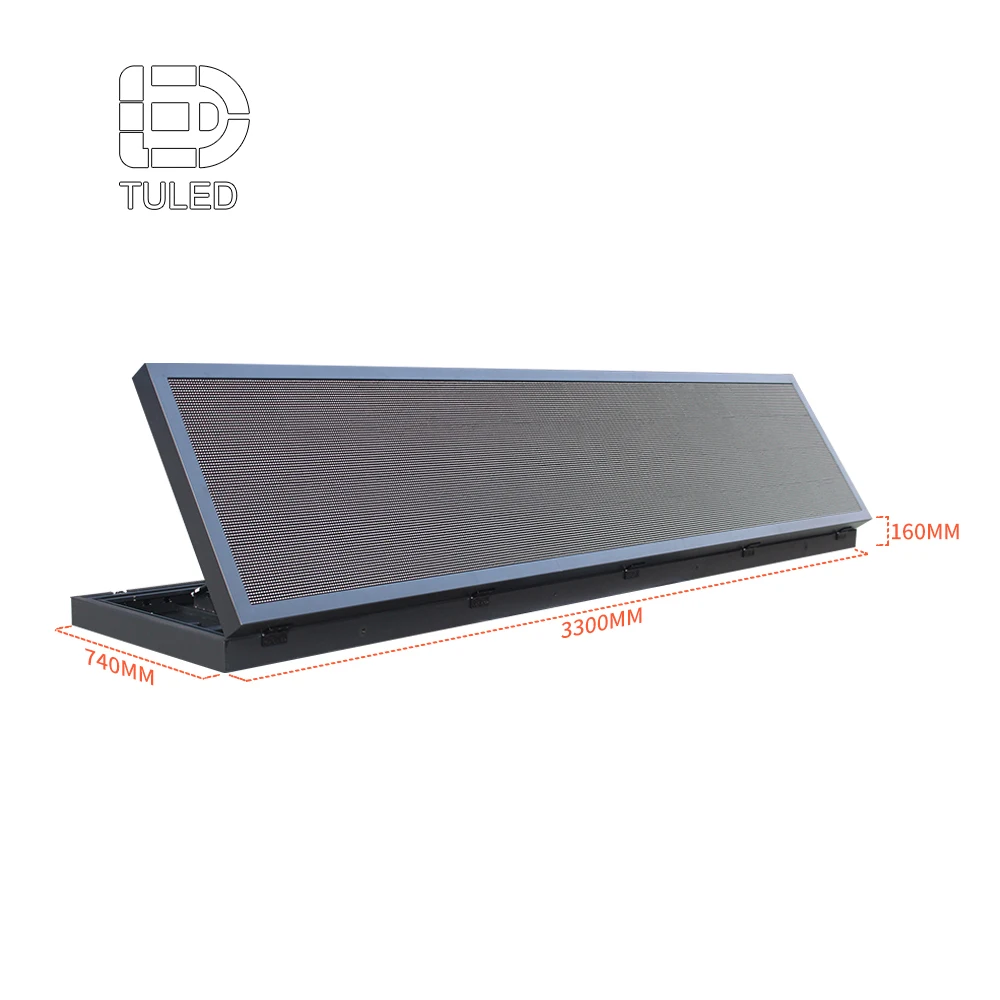
Tabula ostensionis LED specifica pro proiecto contra totum corpus nuntiorum (inclusis destinatione, occupatione, directionibus et statibus praeservationis) examinari potest. Id suppeditat fabricanti meliorem basim ad disceptandum de dispositione quam sola magnitudo ostensionis.
Deinde schemata ad confirmandum orientationem ostensionis, spatium installationis disponibile et relationem inter signum propositum et vehicula advenientia uti possunt. Etiam planificatio zonarum nuntiorum ante finitionem dispositionis contenti examinari potest.
The responsibility boundary should remain explicit throughout the project. One defined system or integration layer should own each operational state, while the display workflow presents the approved information in the agreed visual structure. If several functions are combined in one platform, those ownership decisions still need to be clear.
Parking Guidance Decision Table
The following table works as a discussion framework between the operator, system integrator and display team. It does not prescribe one automatic behaviour for every parking system. Its purpose is to make the driver-message objective clear under different data conditions.
| Data condition | Driver-message objective | Message direction | Operator / integrator action |
|---|---|---|---|
| Normal data | Help the driver choose between valid parking destinations. | Show the approved destination, current occupancy or status and the relevant lane direction. | Confirmare quod informationes ostensae adhuc respondent statui superiori. |
| Data partialia | Mantinere directiones confirmatas utiles, sine facere informationem incertam videri currentem. | Retinere informationes confirmatas ubi id est aptum, et tractare campum incertum secundum logicam approbatam nuntiorum. | Identificare fontem dati affectum et decernere num reliquae directiones adhuc sunt operationibus utiles. |
| Data non disponibilia aut non confirmata | Evitare fallendum ductorem, dum retinetur informatio quae adhuc est per se valida. | Uti nuntio fail-safe approbato et retinere tantum destinatio vel directio ubi projectum confirmavit eam adhuc esse validam. | Investigare conditionem superiorem et restituere nuntiationem normalem secundum proceduram operationis loci. |
The important point is not the exact wording in the table. It is that normal, partial-data and unavailable-data states are discussed before the display layout is approved. A sign designed only around the ideal operating screen may become awkward when a longer fallback message is needed later.
Quaestiones Frequentes
What should parking guidance LED signs show at a lane decision point?
They should show the information needed for the immediate choice: a relevant parking destination, the approved occupancy count or status, and a directional arrow where required. Information unrelated to that junction can make the message slower to interpret.
What should happen when parking occupancy data becomes unavailable?
The display should follow the project's approved failure logic rather than continue presenting an unverified value as current. If destination or route information remains independently valid, the project may preserve it while replacing the uncertain field with an approved fallback state.
Quae informationes ad suppeditatorem tabellae signorum LED mittendae sunt antequam pretium offeratur?
Mitte planum viarum, loca signorum proposita, aream installationis disponibilem, directionem accessus, distantiam visendi pertinentem, statuum nuntiorum exemplaria, longissimum verborum ordinem exspectatum, occupationem vel fontem dati, numerum, ambientes internos aut externos, normam electricam, patriam installationis et tempus operis.
Convertite Planum Viarum in Dispositionem Praticam Signorum Parking
Si itinera parking et fons dati iam definiti sunt, gradus utilis sequens est ut examinetur quid unumquodque signum reapse ostendere debeat. Mitte schemata viarum, positiones signorum propositas et statua nuntiorum exemplaria, ut forma display discuti possit contra verum scenarium parking potius quam contra specificationem genericam schermi.
Mittendum est de Praeceptis Directionis ad Locum Parkandi