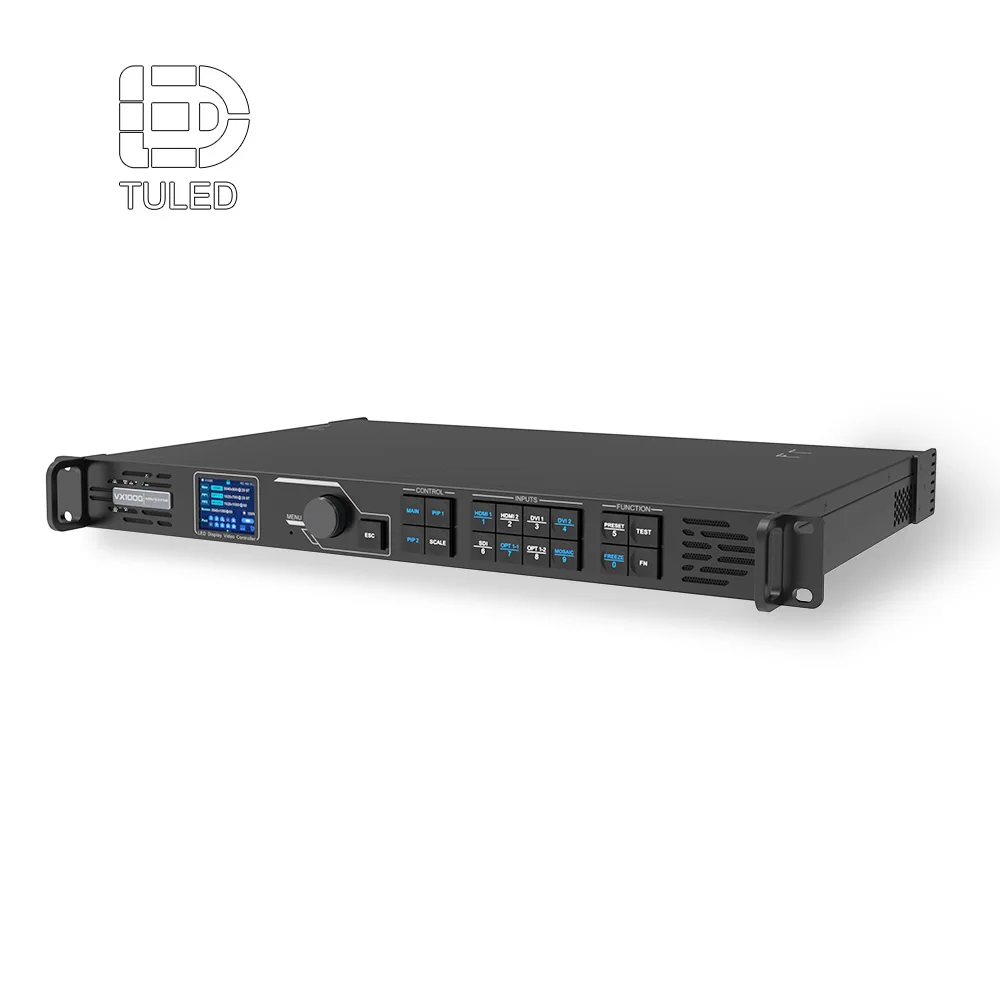
EN
EN


Ní mheastar scáileán staidiam ach amháin nuair a thosaíonn an chéad íomhá ag taispeáint. Meastar é le linn cúirt ghoirid shasta, cluiche oíche, mómént athsheoladh, ainiméid sponsor, agus na nóiméid ciúine nuair a bhíonn speictéirí ag lorg an scóir ó shuíocháin fada.
Mar sin, a scáileán faoi stiúir saincheaptha ba chóir tús a chur leis an taithí ar an áit, ní le hiarratas teicniúil. Tá tábhacht ag an ráta nuashonraithe, an uillinn amhairc, an soilse, struchtúr an chabainéid, agus an abairtí rialúcháin. Áfach, ba chóir gach ceann acu a mhíniú mar thoradh fíor: athsheoladh níos gléire, grianghrafanna níos glaine, úsáid níos sábháilte ar an réimse, cothabháil níos éasca, agus oibriú níos láidre ar fhóntais i dtreo tháirgeadh imeachtaí i dtreo thréimhse fhaide.
An Mistake Coitianta: Tá an scáileán staidiam mar theilifís mór á gceapadh
Ar an gcéad radharc, tá an taispeántas staidiam cosúil le cinneadh simplí faoi mhéid. Is cosúil go mbíonn scáileán níos mó níos iontach, agus is cosúil go mbíonn íomhá níos soiléire níos sábháilte. Mar sin féin, tá úsáid an staidiam i bhfad níos lú a chur in oiriúint ná comparáid i dtaispeántas. Ní mór don scáileán oibriú ó shuíocháin fada, ó rinniú ar thaobh, ó chamairí craolacháin, ón ghrian tráthnóna, ón soláthar oíche, ó bhaisteach, ó thirim, ó chrochadh, agus le himeachtaí fada.
I go leor de na hoibreanna, d’fhócas an chéad chomhrá ar leithead, airde, agus ar an gcostas in aghaidh an méadar cearnóg. Is cosúil go bhfuil sé éifeachtach, ach tá an cheist fíorúil ar iarraidh. Ba chóir don taispeántas tacú leis an ritim iomlán áite spóirt. Ba chóir dó athsheoladh a thaispeáint go soiléir, a chur ábhar sponsor le feiceáil, a choinneáil na scóir léirithe, agus a bheith in ann seirbhís a fháil tar éis a insteáil.
Mar sin, is é an tús cleithiúla ná ‘Cé mhéad a bheadh an scáileán?’ Ach an cheist níos fearr is ea ‘Cén obair a chaithfear a dhéanamh ag an scáileán le linn chluiche fíor?’ Nuair a bheidh an freagra soiléir, beidh sé níos éasca na rogha teicniúla a mheas. Is féidir ansin an pasáil phicsil, an ráta nuashonraithe, an luas, an cineál cabanait, agus an córas rialaithe a phlé mar uirlisí, seachas mar bhrollach sonraí.
Is é seo an fáth go mbaintear tosú le plánaíocht LED do staidiam ó shcénanna, seachas ó uimhreacha. Ní dhéanann scórálaí, bord thart ar an bpailse, taispeántas ribin, agus scáileán iontrála an obair chéanna. Tá fad amhairc, riachtanais slándála, rith ábhar, agus loighic rochtana seirbhíse ar leith ag gach ceantar scáileáin.
 Taispeáin Scáileán LED Staidiam
 Cén fáth a bheadh scáileán LED saincheaptha ag tosú leis an taithí ar an suíomh
Cruthaíonn scáileán staidiam luach nuair a thuigeann daoine an t-inneachas ag an am ceart é. Le linn athbhreithniú, ba mhaith le speictéirí féachaint ar an mbiall an raibh sé thar an líne. Le linn bhriseadh an bhranda, ní mór don bhrand a bheith i láthair go soiléir. Le linn teachtaireacht éigeandála, ní mór an téacs a bheith éasca le léamh gan bhrúislen.
Mar sin, caithfear gach speicifiúchán a aistriú i dtorthaí taithí. Tá an ráta athnuachana ag tiontú ar ghluaiseacht agus ar ghabháil leis an gcamera. Tá an uillinn amhairc ag tiontú ar léamh ó shuíocháin taobh. Tá an solas ag tiontú ar chléachtas sa lae. Tá dearadh an chabainéid ag tiontú ar an struchtúr, ar an ailíniú, agus ar an t-úsáid. Tá dearadh an chumhachta agus an teas ag tiontú ar laethanta oibre fada.
I n-anáil na heachtra seo, níor cheart go mbeadh scáileán LED saincheaptha mar phrodtacht shocraithe a bhaintear as catálog. Ba chóir go mbeadh sé mar shiostam taispeántais a chruthaíodh timpeall ar dhóchúlacht an áit, ar chomhaid an lá, ar phoistí na gcamera, ar fhéiniúlacht an bhranda, agus ar rianú todhchaí.
Mar sin féin, níor cheart an scáileán a roghnú le huimhreacha amháin. D’fhéadfadh píseal beag a bheith deas le feiceáil, ach d’fhéadfadh sé nach n-athraíonn sé an taithí ó shuíocháin uachtaracha i bhfad ar aghaidh. D’fhéadfadh taispeántas an-bhríomhar a bheith slán le haghaidh lae, ach d’fhéadfadh sé a bheith róthromaigh i ndiaidh an lae má tá smaoineamh mionúil don dromchla mícheart. Mar sin féin, ní mór gach paraiméadar a chur i gceist le ceist phraiticiúil ina dhiaidh.
Mar shampla, in áit an fhoirceann a iarraidh amháin, ba chóir foireann an tionscail a cheist a dhéanamh conas a oibríonn an taispeántas le cámraí beo. In áit an taispeántas a iarraidh amháin, ba chóir don fhoireann a cheist conas a athraíonn an scáileán ó thaispeántas na gréine tráthnóna go dtí taispeántas an chluiche tráthnóna. Coinníonn an cur chuige seo cinneadh an taispeántais gar do thaithí na bhfánaí agus léirithe don tscoirp.
Meaitseáil an Scáileáin LED le Scéins Réalaistiúla an Staidiam
Ní úsáideann staidiam go minic cineál amháin screein ar bhealach simplí. Ina ionad sin, d’fhéadfadh an suíomh riachtanás a bhfuil príomhshcórabhoird, bordanna timpeall na páirce, taispeántais ribin, screeiní sa choncourse, taispeántais ag an iontráil, agus ballaí meáin i gceantar na bhfan n-éilimh. Tá fad amháin amhairc, riachtanais slándála, coinníollacha suiteála, agus stíl an ábhar éagsúla ag gach suíomh.
Mar sin, tosaíonn plean maith le ainmniú an obair a dhéanann gach zóna taispeántais. Cuireann sé seo cosc ar thógáil ró-throm ar shcreein eolais shimplí agus ar phleanáil ró-bhog ar shcreein athphlé le luach ard. Cabhraíonn sé freisin leis an mbuget a rialú, mar is féidir aird níos mó a thabhairt do na codanna is deacra den staidiam agus fanann na zónaí is lú riosca práinneach.
Príomhshcórabhoird agus Screein Athphlé
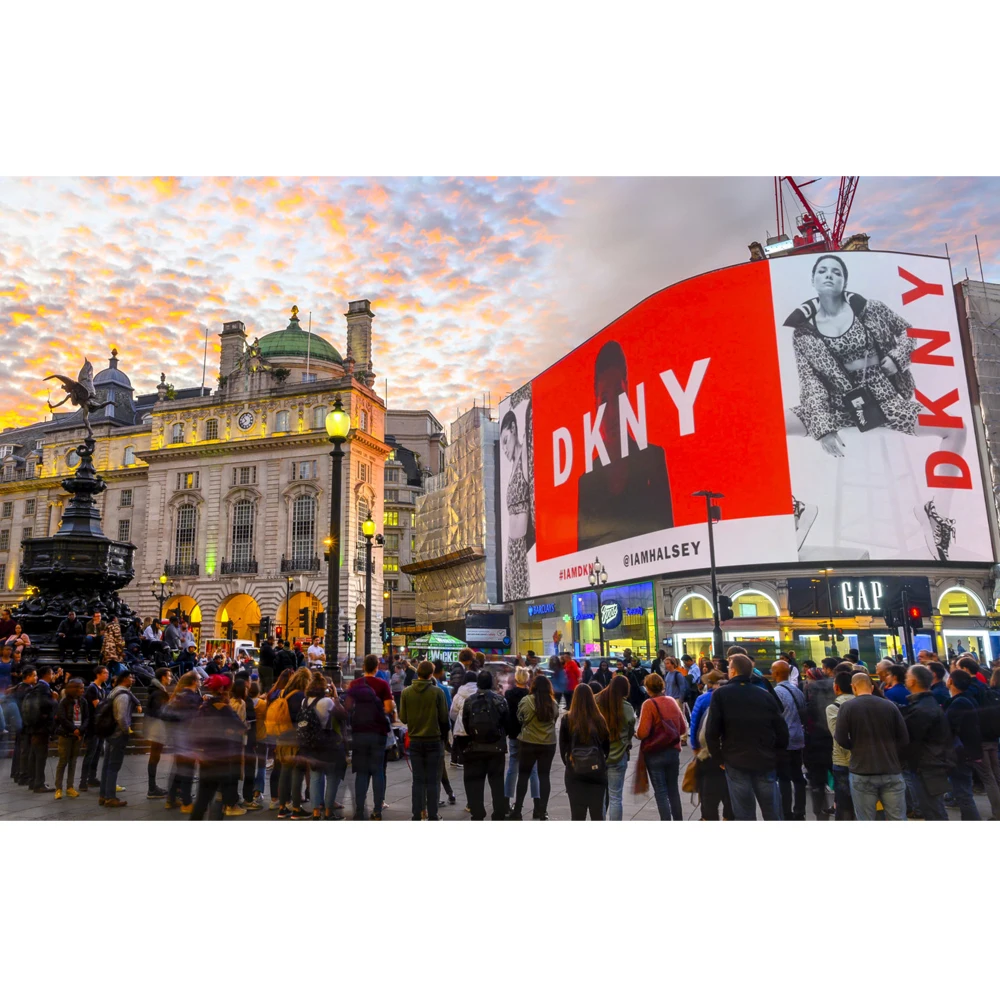
Tugann an príomhshcórabhoird an t-ádh mór don staidiam. Taispeánann sí na scóir, na léamhanna beo, na cliptheanna athphlé, na graificiúil fhoireann, an t-ábhar sponsóra, agus na treoracha don tsrac. Mar sin, ba chóir go mbeadh an taispeántas láidir ó fhad amhairc fada agus go mbeadh sé glan go leor chun na sonraí radharcach tábhachtacha a thaispeáint.
I gceannaireacht lá an chluiche, is é an scórbhoird áit a bhfuil an aird ag cruinniú tar éis gairdín ghearr. Is féidir athbhreithniú sharp cabhrú leis an bpobal tuiscint a fháil ar an bpointe, agus is féidir animéad ghlan an t-ádh a ardú roimh an n-athchluiche. Mar sin, ba chóir go dtacaíonn an scáileán le hathbheith agus le faisnéis phraiticiúla.
Tá tábhacht ag an bpitch pixil anseo mar is é sin a chinneann cé mhéad sonraí íomhá atá fós inléite. Áfach, ba chóir é a mheas de réir an doimhneachta suíocháin agus an cineál ábhar. Má thaispeánann an scáileán go minic fréamhghaol na n-imreoirí, físeáin sponsor, agus staitisticí mionsonraithe, d’fhéadfadh sonraí níos finní cabhrú. Má thaispeánann sé príomhchuid scórs agus graificeacha trom, d’fhéadfadh pitch cothromach an buiséal a chosaint gan an taithí fíor a dhíobráil.
Bordanna LED um thríomar
Tá taispeántóirí an teorainn in aice leis an réimse, mar sin caithfidh siad smaoineamh ar dhaoine agus ar thiomáin, ní amháin ar cháilíocht an íomhá. I ndán seo, bíonn cruth an chúlchabáin, an cosaint bog, an uillinn tacaithe, agus an suiteáil stábla mar chuid de chinneadh an taispeántóra. Ba chóir go mbíonn bord teorainn maith glan agus go laghdaíonn sé riosca neamhriachtanach ar thaobh an réimsí.
Ag an am céanna, tá feictheacht an spónsoir an-thona. D’fhéadfadh an t-ábhar a bheith i bhfíseáin teilifíse, i gclips shóisialta, agus i bhfotóga beo. Mar sin, ba chóir go dtacaíonn iarrthar athnuachana, rialú na soiléireachta, agus cothrom na dtonn le feictheacht an duine agus le gabháil an chámara.
Don úsáid ar thaobh an réimsí, níor cheart don taispeántóir a bheith mar ghearrthóg fragail. Ba chóir dó a bheith in ann athrú luath imeachtaí, gníomhaíocht in aice láimhe, cleachtaí glantachta, gluaiseacht tháirge, agus nuashonruithe ábhair atá ar ais agus arís. Ar fhocal eile, ní mór don scáileán freastal ar shaol oibriúcháin ionad spóirt.
Taispeántóirí Ribín agus Scáileáin Fhaiscín
Rinneann scáileáin ribéid go minic ar fud na ndíolachán suíocháin nó ar bhuaireacha an bhalcóna. D’fhéadfadh a gcuid ábhar a bheith ina ainmneacha sponsor, scóir, animáinsí, cuntas siar, nó treoracha don tsrac. Mar gheall ar an bhfoirm atá fada agus caol, tá sé tábhachtaí níos mó le gluaiseacht chomhtháthaithe téacs ná le sonraí dlúth-dhearmadacha dramatacha.
I gcás mar seo, is é an uillinn leathn amhairc go háirithe luachmhar. Ní thagann speictéirí go minic i dtreo na scáileán ribéid go díreach. Mar sin, ba chóir go mbíodh an taispeántas léifeartha ó shuíocháin trastair, ó na sraitheanna uachtara, agus ó na codanna cearnacha. Má athraíonn an dath ró-thapa ón taobh, cailltear cuid den phobal a bhfuil an scáileán le haghaidh.
Tá tábhacht freisin ag luas an ábhair. D’fhéadfadh téacs a ghluaiseann ró-thapa a bheith ina dhroch-shampla ar mhionstáitse rialaithe, ach d’fhéadfadh sé a bheith deacair a léamh ar fud an bhoisca suíocháin fada. Mar sin, ba chóir go mbeadh luas an ábhair, meáchan an chló, an contraste, agus an fad amhairc i gceist i bpleanáil na scáileán ribéid.
Conas a chruthaíonn Athshocruithe Ard agus Uillinn Leathn Amhairc an Taithí Spóirt
Tógann ábhar spóirt go tapa. D’fhéadfadh ionsaí peile, briseadh tapa i mbailce, achoimre rásaíochta, nó aistriú ar athbhreithniú a thaispeáin neamhshuntas a dhíolann íomhánna staighre. Mar sin, ní leibhéal teicniúil amháin é an t-athnuachan ard. Tacaíonn sé le gluaiseacht ghlanc agus cabhraíonn sé leis na câmraí an scáileán a ghabháil gan driogáil fhíorúil nó bannaí rith.
Fós, níor cheart an t-athnuachan a mheas ar aon nós féin. Is féidir socruithe shuithe an chámra, rogha an phróiseora, an cosán síniala, ráta frama an ábhair, iarrthacht an ghréascala, agus socruithe an dromchla a thagann i gcion ar an toradh deireanach. I dtionscnaimh le haghaidh craoltóireachta nó léamh beo, is é an cheist cheart an simplí: an féidir leis an taispeántóir fanacht glan nuair a bhíonn na câmraí ag smeachadh air faoi litheach an t-imeachta fíorúil?
Tugann an uillinn amharc réiteach ar fhadhb éagsúla. Tá an t-auditorium spreagtha thar iomlán na dtreoanna éagsúla. Tá roinnt speictéirí suite leis an líne lár. Tá daoine eile suite gar do na cairn, na céadchórais, na suíocháin nó na háiteanna comhshaoil. Mar sin, ní mór don scáileán a bheith ina chumas a bhaint as bríocht úsáideach agus dathanna ó uillinneacha praiticiúla, ní hamháin ón amharc oiriúnach ó aghaidh.
Tá sé seo fiú tábhachtaí den chuid is mó do chomhthreoruithe. D’fhéadfadh comhartha comhthreoruithe a léiríonn neart ó lár an t-auditorium a chailltean luach má fheiceann na suíocháin taobhach dathanna dorcha nó cothromú laighe. Ina theannta sin, d’fhéadfadh suíomhanna na gcamera beo a ghabháil an scáileán ó uillinneacha as an ais. Cosnaíonn an uillinn leathan amharc an luach tráchtála agus an luach radharcach an taispeántais.
Ní hé an uimhir aonair ar pháipéar an t-astar is úsáidí. Ina ionad sin, ba cheart an fhoireann tionscnaimh an t-áit a mharcaigh le haghaidh na suíochán tábhachtacha agus suíomhanna na gcamera ar phlean an áite. Ansin is féidir leis an soláthraí moladh a dhéanamh faoi chineál an scáileáin agus faoi uillinn shuiteála a thacaíonn leis na hamharcanna is luachmhaire.
Cinniúintí Amuigh: Cén fáth go bhfuil bríocht amháin ró-mhionnach
Is féidir le coinníollacha staidiam othair athrú roinnt uaireanna i rith lae imeachta amháin. Tá an solas maidine, an ghealadh tráthnóna, an scáth ón mbacainn, an báisteach, an t-ocras, na solais shroichthe tráthnóna agus oibriú i ndorchadas i gcónaí ag tiontú conaiceann an scáileáin. Mar sin, níl scáileán othair úsáideach ach an rogha is soiléire. Is é an scáileán atá léifeartha i gcoinníollacha a athraíonn go minic é.
Tá tionchar ar fheictheacht i dtreo lae ag an mbríocht, ach tá tionchar ar chomfhoirneasa i ndorchadas ag an réamhshocrú do bhreiseadh nó laghdú na bríochta. Má ní féidir leis an scáileán an bríocht a laghdú go slíothar, d’fhéadfadh sé a bheith róghníomhar i rith meascán tráthnóna. Ar an gcamera, d’fhéadfadh bríocht rómhór freisin a bheith ina chúis le fadhbanna le heksphózúr. Mar sin, ba chóir don mholtas míniú a thabhairt ar conas a oibríonn réamhshocrú bríochta i rith ama éagsúla imeachta.
Tá gá le comhthéacs freisin maidir le cosaint in aghaidh na haimsire. Níos mó nó níos lú an riosca atá ar scórbhoird oscailte, ar scáileán i gconcourse faoi bhratach, agus ar bhord thart timpeall an réimse. Ba chóir go mbeadh an cosaint IP, an scaipeadh teasa, an tsiombóilú ar an gcaibinéad, an fhorbairt uisce, agus an rochtain ar sheirbhísí cothrom leis an suíomh fiúnta. I bhfocail eile, ní heagraíocht é an cosaint sa specifciation. Is cuid de phleanáil an ama ag obair é.
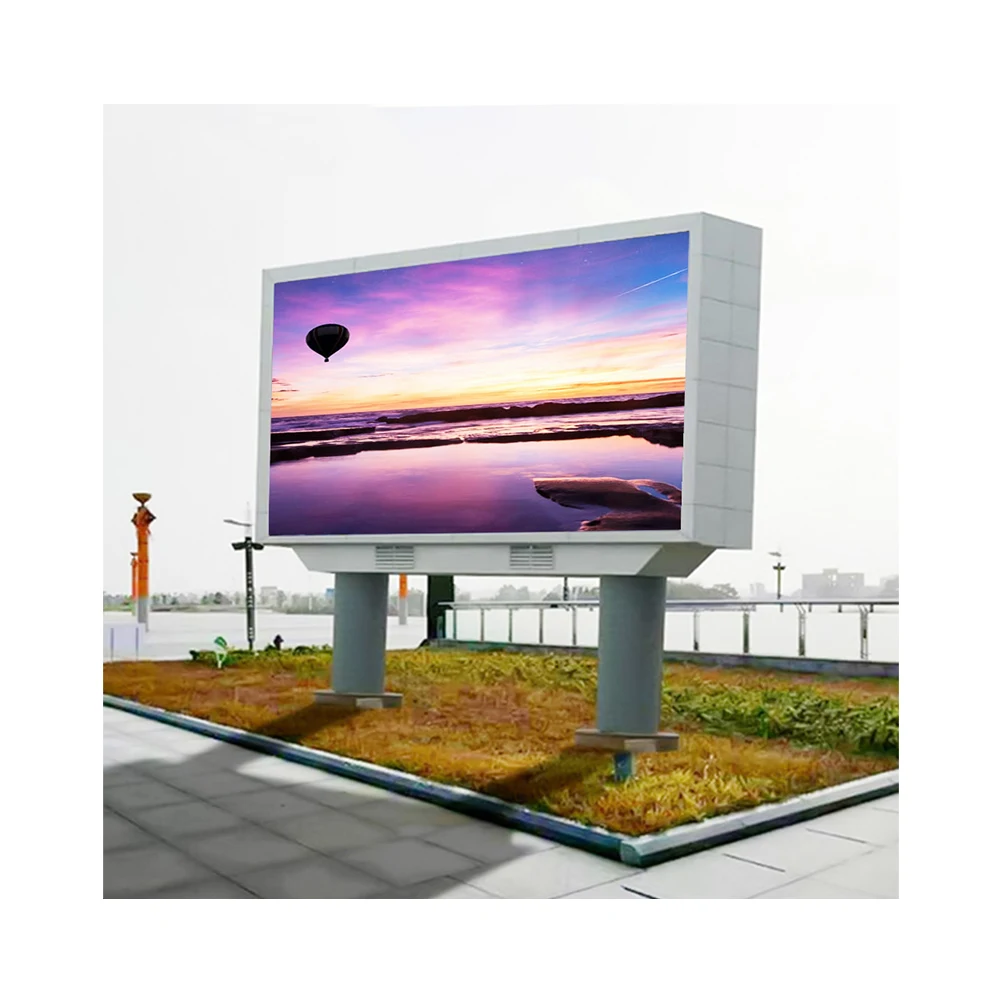
Do phointí oscailte sa ghaoth taispeántas LED Allamuigh treo is minic an tagairt cheart. Coimeádann sé an plé dírithe ar an solas gréine, ar struchtúr gan uisce, ar teasa, ar chumhacht, ar oibríochtaí fada, agus ar fhéidearthacht amharc stábla i dtimpeallachtaí poiblí.
 Féach ar Réiteach Scáileáin LED Amuigh
 Léithreadh Craolacháin: Ní mór don scáileán a bheith deas le haghaidh cámraí freisin
I bpáirceanna spóirt chomhaimseartha, is minic a bhíonn an taispeántas staidiam mar chuid den scéal meáin. Taispeánann sé i mbrollach craolacháin beo, i gclips athphlé, i bhfíseáin leathnaithe, i bpóstáilí ar shóisial méid, i bhfotógraif an bhrainse, agus i dtuairiscí sponsóirí. Mar sin, ba chóir an déanamh radharcach a mheas trí shúile an duine agus tríd línte an chámra.
Tá an bheachan a thagann leis an gcamera ag brath ar níos mó ná aon spéiseamh amháin. Cabhraíonn an t-athshroichim uasta le laghdú an fhlacra. Cabhraíonn an iompar dathghrían le dul greamaitheach ó dhorchadas go dtí soilse. Cabhraíonn an t-ullmhú rialaithe le comhoiriúnú an taispeántais le hoscailt an chamaire. I measc sin, cabhraíonn dearadh an ábhar le heilimniú téacs ró-thanaí, cothrom ionann dorchadas agus soilse, nó blocanna datha tromacha.
Mar sin, ba cheart saincheisteanna na craolta a phlé roimh an mbruith. Má thugann an suíomh cluichí teilifíse, stréimseanna beo gairmiúla, nó táirgeadh meáin minic ann, ba chóir go mbeadh iarratais an scáileáin ag cur lena iompar athshroichim, a shreabhadh sín, a rialú soilse, agus a modh triail. Má thacaíonn an suíomh go príomha le himeachtaí áitiúla, tá na céad cheisteanna céanna fós ag brath, ach d’fhéadfadh an leibhéal riachtanach a bheith éagsúil.
Tá ceist phraiticiúil níos fearr ná argóint teicniúil: conas a bheidh an scáileán nuair a ghlacann an camera air ag súgadh trasna air le linn imirt bheo? Is í an cheist seo a chuireann an t-iarratas i gceist an gluaiseacht, an soilse, an uillinn, agus an t-ábhar le chéile.
I dtáirgeoil i bhfad, is féidir an scáileán a fheiceáil ar chúl na n-imreoirí, in aice le háiteanna fógraíochta, nó laistigh de shiúlachta móra daoine. Mar sin, níor cheart go mbeadh sé ag scaradh aird ón spórt. Ba chóir go mbíodh sé staible, léir, agus go mbeadh sé go maith go dtí go dtacaíonn sé leis an tránsphláin seachas é a chur i gcoinne.
Painéil Mhódúla agus Cábainéid: An Chuid Folaíte de Shcáileán Staidiam Reliable
Tógann scáileán staidiam mór as go leor aonad beaga taispeána. Mar sin, tá an dearadh painéil agus an chábainéid ag tiontú níos mó ná luas suiteála. Tá sé ag tiontú cothrom, comhthiontú na ndearcán, an lucht struchtúrtha, an fuarú, an luas athshuiteála, agus an soláthráil fadtéarmach.
Ba cheart meáchan an chábainéid a athbhreithniú trí mhodh an suiteála. D’fhéadfadh cábainéid níos éadroime cabhrú nuair a bheidh teorainn ar an struchtúr, ar choinníollacha an ríg, nó ar rochtain an tservis. Áfach, ní mór don chábainéid fós a bheith leis an neart is gá don timpeallacht a thugtar isteach ann. Ní hé an rogha is éadroime a bheith i gcónaí an rogha is fearr; is é an ceann a bhuaileann meáchan, rigidité, servis, agus sábháilteacht.
Tá tábhacht ag treo an tseirbhíse freisin. D’fhéadfadh seirbhís ar aghaidh a bheith úsáideach nuair a bhíonn rochtain ar chúl teoranta. D’fhéadfadh seirbhís ar chúl a oibriú go maith nuair a bhíonn corríodál cothabhála ann taobh thiar den scáileán. I gceachtar cás, ba chóir don mholtóireacht a thaispeáint conas a bhaineann teicníceoir leis na modúil, na soláthair cumhachta, na cártaí glacadh, agus na sraitheanna tar éis an suiteála.
Do struchtúir mhor-scáileáin, Painéil Físe LED ba chóir é a mheas mar chuid den tsamhlach iomlán. Ní mór an scáileán a shuiteáil go glan, a aontú go maith, a rith go staible, agus a bheith praiticiúil le seirbhís a dhéanamh air le linn séasúir amach anseo.
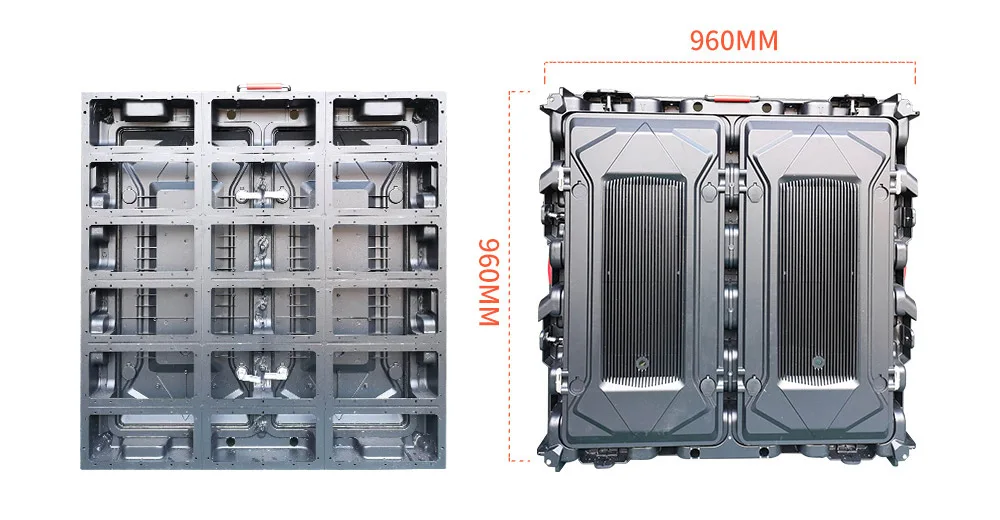 Amharc ar Chabáin Scáileáin LED 960mm
 Pleanáil Ábhar: Tá scáileán níos fearr fós ag teastáil úsáid níos fearr ón imeacht
Déanann plean ábhar soiléir scáileán staidiam níos luachmhaire. D’fhéadfadh an scáileán céanna scóir, feadhmhiontuithe beo ó chámraí, cliptheanna athphlé, ciorcail spónsóirí, treoracha don tsrac, teachtaireachtaí slándála, graificeanna líne eile, agus cinniúintí imeachta a thaispeáint. Mar sin, ba chóir go dtacaíonn an crios dearg le ritim ábhar an áit.
Uasmheasann an méid téacs go minic. D’fhéadfadh teachtaireacht a léiríonn go soiléir ar ríomhaire glúine a bheith ró-bheag do shuíocháin uachtarach. Mar an gcéanna, d’fhéadfadh anaiméisiún sponsor a bheith láidir i réamhamharc an dearbhúcháin ach a bheith ró-thapa ar scáileán ribe fada. Mar sin, ba cheart teimpléid an t-inneachta a thriail i gcoinne fad amhairc fíor.
Tá smaointe praiticiúla freisin ag teastáil ó dathanna agus ó an chontrast. Cruthaíonn dathanna soiléir fuinneamh, ach d’fhéadfadh sáithiú ró-mhór a bheith ró-chrua i ndiaidh an oíche. D’fhéadfadh clóca beaga a bheith deas i láthairiú, ach d’fhéadfadh siad a bheith deacair le léamh ó shuíocháin trastair. Mar sin, ba cheart an t-inneachta staidiam a úsáid crutha soiléir, contrast láidir, agus spás leordhóthanach.
I dtús na lae, tá smacht simplí tábhachtach. Ní mór do oibríodóirí aistriú idir an t-inneachta roimh an cluiche, graificeacha an chluiche beo, sreangacha sponsor, taispeántais leathaimsire, teachtaireachtaí éigeandála, agus eolas i ndiaidh an chluiche. D’fhéadfadh plán scáileáin a n-éagmais an abairt obair seo a bheith iontach ach a bheith deacair le oibriú.
Seo é an fáth go mb'fhearr an plánáil ábhar a dhéanamh roimh an iarracht dheireanach ar an scáileán. Cabhraíonn sé le riachtanais an réitigh a shainiú, le hionad na scáileáin, leis na foinsí ionchuir, le teimpléidí an t-earraigh, agus le socruithe oibriúcháin réamhshocraithe. I dtéarmaí praiticiúla, déanann sé an t-earraigh a thiontú ó cheann de thionscadal an chórais spóirt chun cumarsáid a bheith ina chóras cumarsáide spóirt úsáideach.
Tábla an Chinnteachta: Roghnaigh de réir Toradh an Staidiam, Ní de Réir Speicifíochta Amháin
Nascann an tábla thíos spaideanna staidiam coitianta le cinntí praiticiúla maidir leis an scáileán. Ní hea tábla pharaiméadar ghlan í. Ina áit sin, cabhraíonn sí le comparáid a dhéanamh idir moltaí de réir an taithí agus na dtorthaí oibriúcháin a chaithfidh an scáileán a thacaíocht.
| Sprioc an Tionscadail | Céard is é sin i ngnáthúsáid | Tosaíocht an Scáileáin | Ceist le Cuir in iúl Roimh an Mholadh |
|---|---|---|---|
| Móimintí athbhreithnithe soiléire | Ba cheart go mbeadh gníomhaíocht thapa ag dul go gasta agus go bhféadfadh duine é a leanúint go héasca. | Athshocruithe ard, ráta frámaí an ábhair, abairtí rialú an tsróid | An léirítear an scáileán i gcluichí craoladh nó craoladh beo? |
| Suíocháin taobh le léirithe | Ba chóir go bhfeicfidh lucht suíocháin i gcearnóga agus ar na leibhéil uachtaraí ábhar úsáideach fós. | Uillinn leathnaigh amhairc, uillinn an scáileáin, contrasta an ábhair | Cén tsochaí suíocháin is tábhachtaí don fheictheacht? |
| Feictheacht an bhranda | Ba chóir go mbíodh ábhar an bhranda glan i rith imeachtaí beo agus cluichí cáiméire. | Rialú soilse, cothromú datha, gréascréime | An léirítear ábhar an bhranda ar phlátaí an chomharráin, ar ribiní, nó ar an scáileán príomhúil? |
| Oiriúnacht don aer oscailte | Ba cheart an taispeántas a bheith in ann aghaidh a ghlúin, a bheith in ann a bheith in ann a bheith in ann a bheith in ann a bheith in ann a bheith in ann a bheith in ann a bheith in ann a bheith in ann a bheith in ann a bheith in ann a bheith in ann a bheith in ann a bheith in ann a bheith in ann a bheith in ann a bheith in ann a bheith in ann a bheith in ann a bheith in ann a bheith in ann a bheith in ann a bheith in ann a bheith in ann a bheith in ann a bheith in ann a bheith in ann a bheith in ann a bheith in ann a bheith in ann a bheith in ann a bheith in ann a bheith in ann a bheith in ann a bheith in ann a bheith in ann a bheith in ann a bheith in ann a bheith in ann a bheith in ann a bheith in ann a bheith in ann a bheith in ann a bheith in ann a bheith in ann a bheith in ann a bheith in ann a bheith in ann a bheith in ann a bheith in ann a bheith in ann a bheith in ann a bheith in ann a bheith in ann a bheith in ann a bheith in ann a bheith in ann a bheith in ann a bheith in ann a bheith in ann a bheith in ann a bheith in ann a bheith in ann a bheith in ann a bheith in ann a bheith in ann a bheith in ann a bheith in ann a bheith in ann a bheith in ann a bheith in ann a bheith in ann a bheith in ann a bheith in ann a bheith in ann a bheith in ann a bheith in ann a bheith in ann a bheith in ann a bheith in ann a bheith in ann a bheith in ann a bheith in ann a bheith in ann a bheith in...... | Cosaint IP, dearadh teasa, sealáil an chabainéid, pleanáil cumhachta | Cén leibhéal eispózaithe a bheidh ag gach suíomh scáileáin? |
| Córas Áiseach Níos Simplí | Ba cheart an tseirbhís a bheith fós praiticiúil tar éis an scáileáin a shuiteáil. | Seirbhís os cionn nó ar chúl, codanna breise, rochtain ar mhodúil | An féidir codanna a athsholáthar gan rochtain deacair nó am fada gan oibriú? |
| Úsáid i n-árthaí iolracha | B’fhéidir go mbeadh socruithe éagsúla de dhíth ar spóirt, ceoilchluichí, ceirimeiní, agus imeachtaí poiblí. | Réamhshocruithe rialúcháin, ionchuir shiol, módanna soiléiríochta | Conas a athraíonn oibríochtóirí idir módanna imeachta? |
Na Roghanna Is Coingeallmhaí, Míniú i dTeanga Shimplí
Tineas vs. Tineas Úsáideach
Cabhraíonn tineas ard le haghaidh lae, ach tá tineas úsáideach tábhachtaí den chuid is mó. Ciallaíonn tineas úsáideach go bhfuil an scáileán in ann fanacht in amharc sa ghrian agus fós a bheith áisiúil i ndorchadas. Mar sin, ba cheart an tionscadal a athbhreithniú ar an tineas barr agus ar rialú an dhoimhneachta.
Ní heagráin phraiticiúil é an cheist 'Cé chomh tineasach is féidir leis a bheith?' Is fearr an cheist 'An féidir leis a oiriúnú go slán tríd an tráthnóna, an luathshuí, agus na coinníollacha oíche?' Tá sé seo tábhachtach do thoil an fhanach, do dhóigh an chamaire, agus do úsáid an fhuisce.
Táirgeadh Píseal Bheag vs. Sonraí Bhunúsacha
D’fhéadfadh táirgeadh píseal beag a dhéanamh ar thaispeántas níos cruinne nuair a bhíonn an t-amharclann gar don scáileán. Ach is minic a bhíonn na suíocháin i staidiam i bhfad ón scáileán. Tar éis áit ar leith, ní mheasfadh tuilleadh sonraí aon feabhas a dtuigeann an radharc. Mar sin, ba cheart an táirgeadh a leanúint de réir an fhadh a bhíonn an t-amharclann ón scáileán agus an cineál ábhair.
Más léiríonn an scáileán príomhphríomhach athdhéanamh mionsonraithe agus físeáin thar a bheith gairid, d’fhéadfadh mionmhéid níos fearr tacú le taithí láidre. Má léiríonn an scáileán go dtí mír an scóir láidir agus grafaicí sponsóirí, d’fhéadfadh píotáil níos cothromaithe bua a bhaint as an mbuget do struchtúr, rialú nó cothabháil.
Cabainéad Éadrom vs. Cabainéad Láidir
D’fhéadfadh cabainéad éadrom a laghdú an brú struchtúrtha agus an láimhseáil a shimpliú. Áfach, tá láidreachas agus cothromú fós tábhachtach. Tá scáileáin staidiam ag aghaidh crochadh, aimsire, láimhseála agus uaireanta oibre fada. Mar sin, ba cheart rogha an chabainéid a chothromú idir meáchan agus rigidte agus inrochtaineacht don tseirbhís.
Is é an ceist phraiticiúil ‘Conas a bheidh an cabainéad seo i ndiaidh an suiteála?’ Má léiríonn an freagra cothromú staible, rochtain ar an tseirbhís atá faoi smacht agus struchtúr oiriúnach, ansin tá an cabainéad ag déanamh a obair fíor.
Ba cheart an t-ullmhú le haghaidh suiteála agus rochtain ar an tseirbhís a dhéanamh go luath
Is féidir le tionscnaimh LED staidiam a bheith an-chostasach nuair a thagann pleanáil na suiteála ró-ghluais. D’fhéadfadh an taispeántas a bheith oiriúnach sa chuidiú, ach d’fhéadfadh an suíomh teastáil ó struchtúr stáin ghlas speisialta, uirlisí ardaithe, bealaí na gcabhlach, airdeanna seirbhíse, nó coigeartuithe slándála. Mar sin, ba cheart roghnú an scáileáin agus pleanáil na suiteála a dhéanamh in éineacht.
Tá an t-aithne ar rochtain ar sheirbhísí chomh tábhachtach. Má theastaíonn ionadú modúil, soláthair cumhachta, nó cárta glacadh le linn an tséasúir, ba chóir an bealach cúraim a bheith soiléir cheana féin. Is féidir scáileán a dteastaíonn rochtain casta ar gach gníomh beag cúraim a chruthú go dtí nach mbeadh sé in úsáid agus brú ar an mbunaitheoirí.
I réigiúin taobh amuigh den réiltín, tá sonraí slándála fiú níos tábhachtaí. D’fhéadfadh scáileáin an iomlán teastáil cosc bog ar an mbarr, freámaí tacaíochta staible, agus uillinní oiriúnacha. Cabhraíonn na sonraí seo leis an scáileán a bheith comhoiriúnach leis an timpeallacht spóirt seachas a bheith ann gan aon ghníomhaíocht.
Donarfaí an t-ábhar a bhaineann le scóir ardaithe i mbun: lucht an gaoith, nasc struchtúrtha, doimhne an chabainéid, rochtain ar chúl an chabainéid, agus treoracha um chumhacht. Is féidir dearadh soiléir agus plé ar an suiteáil an athruithe costasacha a sheachaint tar éis a dtiocfadh an mhír ar an suíomh.
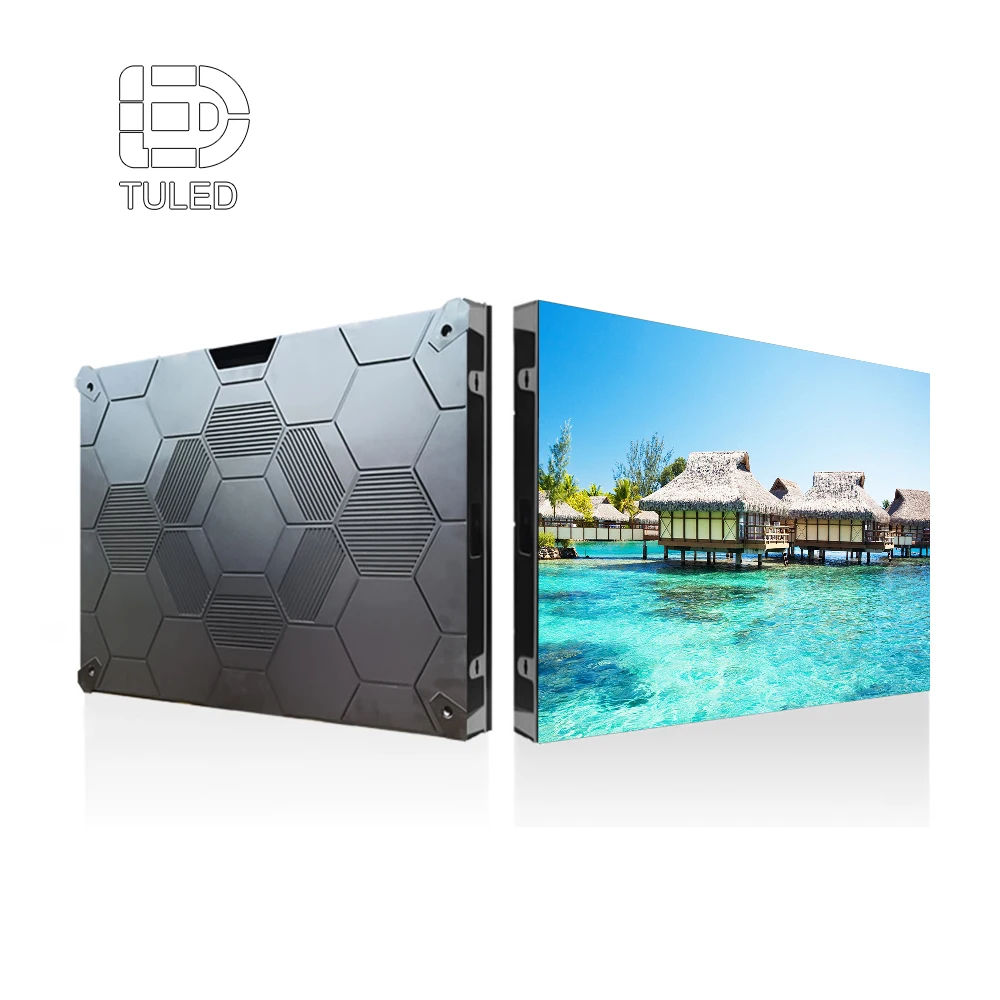 Taispeáin Painéil Físe LED
 Liosta Seiceála Roimh Thairiscint do Thionscadal Scáileáin LED Staidiam
Teastaíonn eolas soiléir faoi an tionscadal chun tariscint chrua a thabhairt. Gan é, d’fhéadfadh an moladh a bheith bunaithe ar mholtaí, agus d’fhéadfadh na moltaí sin athrú ar an gcostas, ar an bperformans nó ar an amchlár ina dhiaidh sin. Mar sin, cabhraíonn an liosta seiceála seo le plé níos glan a ullmhú roimh dhearadh agus saincheapadh an phraghas.
- Deimhnigh suíomh an scáileáin: príomhscóirbhoird, bord timpeallach, taispeántas ribin, scáileán iontrála, taispeántas an choncourse, nó balla zóna na bhfanach.
- Roinn an méid expected an scáileáin, an fad amháin a bheidh an t-amharclann ag breathnú air, léarscáil na suíochán, agus na háiteanna tábhachtacha ar a dtuigeann an t-amharclann.
- Sainmhínigh an príomhchontent: físeán beo, athphlé, sonraí scóir, graificiú sponsor, treoracha slighe, teachtaireachtaí éigeandála, nó cur chun cinn imeachta.
- Deimhnigh an mbeidh an scáileán le feiceáil i rith craoladh, craoladh beo, gearráin meáin sóisialta, nó grianghrafadóireacht na bpres.
- Cur síos ar thionchar na gréine, an t-ionsú ag an mbac, an t-iontráil ó bhaisteach, an t-ocras, an teas, agus na coinníollacha soláthair oíche.
- Glan an soláthar cumhachta, na bealaí cáblaí, an fad síniala, suíomh an seomra rialaithe, agus na srianta ar an gcothrom le haghaidh cúltaca.
- Bain cinnte an bhfuil rochtain os cionn, rochtain ón taobh trasna, nó rochtain measctha oiriúnach don suiteáil.
- Athbhreithniú ar bheacht an chabainéid, an struchtúr, an modh suiteála, na coinníollacha rígála, agus na riachtanais don ardán cothabhála.
- Pleanáil na páirteanna breise, lena n-áirítear na modúil, na soláthair cumhachta, na cártaí glacadh, na cáblaí, agus na huirlisí bunúsacha cothabhála.
- Fiafraigh conas a bheidh an scáileán á thástáil roimh dheilíniú agus conas a bheidh an treorach suiteála ar fáil.
D’fhéadfadh an liosta seiceála seo a bheith simplí, ach cuireann sí cosc ar go leor comparáidí laighe. Nuair a bheidh eolas an tionscnaimh soiléir, is féidir an luach a dhíriú ar chúinsí an staidiam atá i gceart in áit catagóir thaispeántais ginearálta.
Cén fáth a chuireann Tacar Tacaíochta Foirgnimh Leathnú ar Thionscnaimh Spóirt Mhóra
Bíonn níos mó comhoibriú de dhíth ar thionscadail staidiam ná ar obair taispeána istigh i gcoitianta. Tá an méid ar an scáileán ag tiontú ar shocrú na gcabainéad. Tá socrú na gcabainéad ag tiontú ar an struchtúr. Tá an struchtúr ag tiontú ar an suiteáil. Tá an suiteáil ag tiontú ar rochtain an tseirbhís. Tá rochtain an tseirbhís ag tiontú ar an t-úsáid in amanna amach anseo. Mar sin, is féidir próiseas scartha a bheith ina chúis do ghuínteachta a d’fhéadfadh a bheith seachranach.
Is féidir tacaireacht mar a dhéanann fabhrac an chéad chuid den tionscadal a dhéanamh níos éifeachtaí toisc go dtiocfaidh plé ar innealtóireacht an táirge, ar phleanáil na gcabainéad, ar thástáil, ar chuidí briste, agus ar riachtanais OEM/ODM le chéile. Ní ionann seo agus athbhreithniú innealtóireachta áitiúil, ach cuireann sé tionscadal ar thosach níos lánúine.
Leathanach faoi chúlra an tionscadail agus ar chumas táirge fúinn is tagairt úsáideach. I measc na neartanna atá aitheanta tá 10+ bliain taithí, réiteach ar fud 110+ tír, tacaireacht OEM/ODM, garánta dhá bhliain, tástáil iomlán roimh dheilíniú, agus tacaireacht 24/7.
Mar sin féin, taispeánann an luach fíor nuair a thugtar sonraí an áite isteach i bpláin phraiticiúil. Ba cheart go mbeadh plé mhóra ar zónaí amharc, úsáid chámraí, eispózúilíocht amuigh, struchtúr an chabainéid, an abhcóir rialúcháin, an ritim ábhar, na codanna breise agus rochtain ar an n-ullmhú.
Léamh Leathnaithe agus Treochnóga Tábhachtacha do Tháirgí
Is féidir leis na leathanaigh seo leanúint ar an mbóthar pláinéala. Cuirtear iad anseo chun an t-ábhar a bhfuil an t-alt ina dhiaidh sin a thacaíocht go nádúrtha, seachas é a mhíshábháil.
Taispeántas LED Staidiam
Úsáid an leathanach seo nuair a bhíonn an tionscnamh dírithe ar thaispeántóirí timpeall an spóirt, ar scóráin agus ar thimpeallachtaí amharc staidiam.
Taispeántas LED Allamuigh
Úsáid an leathanach seo nuair a bhíonn eispózúilíocht don ghrian, an báisteach, an salann, an teas agus an radharc poiblí amuigh ina gceisteanna tábhachtacha.
Painéil Físe LED
Úsáid an leathanach seo nuair a theastaíonn tuilleadh aird ar an struchtúr modúlach, ar phleanáil an chabainéid, ar chur le chéile físeanála agus ar athsholáthar na bpainéal.
FAQ: Rogha Scáileáin LED Staidiam
Céard atá is tábhachtaí nuair a roghnaítear scáileán LED staidiam?
Is é an factor is tábhachtaí le fáil ann ná conas a oibríonn an scáileán sa áit fhíorúil. Tá sé tábhachtach an fhad a bhfuil an t-amharclann ón scáileán, an suíomh taobh, úsáid na gcameraí, an ghrian, an cineál ábhar, rochtain ar an seirbhís agus struchtúr an insteallaithe. Ba chóir i mbreisithe láidir na coinníollacha seo a cheangal leis an taithí a bhaineann leis an bpobal agus le hOibriú an ócáide.
Conas a thagann athshocruithe ard i gceist le taithí ar spóirt agus ar thraenáil?
Cabhraíonn athshocruithe ard le haghaidh ábhair fhíseáin shiúlach go dtí go mbíonn sí níos glan, agus cabhraíonn siad leis na gcameraí an scáileán a ghabháil le níos lú de dhrochsholáthar nó fadhbanna líne scanála. Áfach, tá an córas rialúcháin, socruithe na gcameraí, an t-ghloine agus ráta frama an ábhair freisin ag tiontú an toradh deireanach.
Cén fáth a bhfuil uillinn amhairc leathan tábhachtach i staidiam?
Ní léiríonn speictéirí an staidiam uile ón taobh rompu an scáileáin. Tá go leor acu ag breathnú ó na cinníochtaí os cionn, ón gcúinne, ó na suíocháin uathúla nó ó suíocháin trastaca. Cabhraíonn uillinn amhairc leathan leis an ngloine, an dath agus an léiríocht a chaomhnú ar níos mó de na háiteanna suíocháin.
An bhfuil pas aonad níos lú i gcónaí níos fearr le húsáid i staidiam?
Ní gheobhaidh tú anseo i gcónaí. Cabhraíonn píseal beag leis an léamh a dhéanamh nuair a bhíonn an t-amhairc ag breathnú ón gcoisir nó nuair a bhíonn ábhar athbhreithnithe mionsonraithe tábhachtach. Le haghaidh léamh ó dhlúthchóras, is féidir le píseal cothromach solas a thabhairt go leor agus é a choinneáil mar chuid den budgead ar struchtúr, rialú, agus pláinéil seirbhís.
Cad a chaithfear a dhearbhú sula roghnófar cuardach?
Méid an scáileáin, an suíomh, an fhad ón amhairc, na zónaí suíocháin, an cineál ábhair, na riachtanais craolacháin, an t-éagsúlacht aimsire, an soláthar cumhachta, an cosán sinna, an struchtúr, an rochtain ar sheirbhísí, agus na srianta maidir le páirteanna breise.
Conas a dhéanann tú pláinéil an t-úsáid roimh shuiteáil?
Ba cheart pláinéil an t-úsáid a shainiú le haghaidh treo na seirbhíse, rochtain an teicníceora, na modúil breise, na soláthairí cumhachta, na cártaí glacadh, na cáblaí, agus na céimeanna ionadaithe. Déanann sé seo an scáileán níos éasca a bheith faoi smacht le linn an tséasúir agus laghdaíonn sé an turgnamh atá ar leith.
Pláinigh an scáileán timpeall ar an staidiam, ní amháin an méid
Tugann tionscadal taispeána spóirt níos gléire do thaispeáint nuair a thosaíonn an plé le haisnéis faoi tharraingt an áit, an fad amach ar a bhfuil an t-amharclann, na riachtanais don ghléas cine, an stíl ina ndéantar an t-ábhar, an struchtúr suiteála agus an rochtain ar sheirbhísí. Ó shin is féidir an méid is oiriúnaí don scáileán, an iarratas ar athnuachan, an uillinn amharc, an cineál cabanait agus an abairt rialúcháin a mheaitseáil leis an gcumraí oibre fíor.
Chun moladh níos praiticiúla a thabhairt, ullmhaigh an t-eagrúchán ar an staidiam, an suíomh ar an scáileán, an méid sprioc, na cineálacha príomhábhar, an t-úsáid amuigh, agus na súil lena dtiocfaidh an craoladh. Leis na sonraí seo, is féidir moladh saincheaptha ar scáileán LED a aistriú ó dhreama ghinearálta go dtí plán taispeána staidiam atá oiriúnach le cur i bhfeidhm.
Teagmháil Linn le haghaidh Comhairle ar Scáileán LED Staidiam