EN
EN

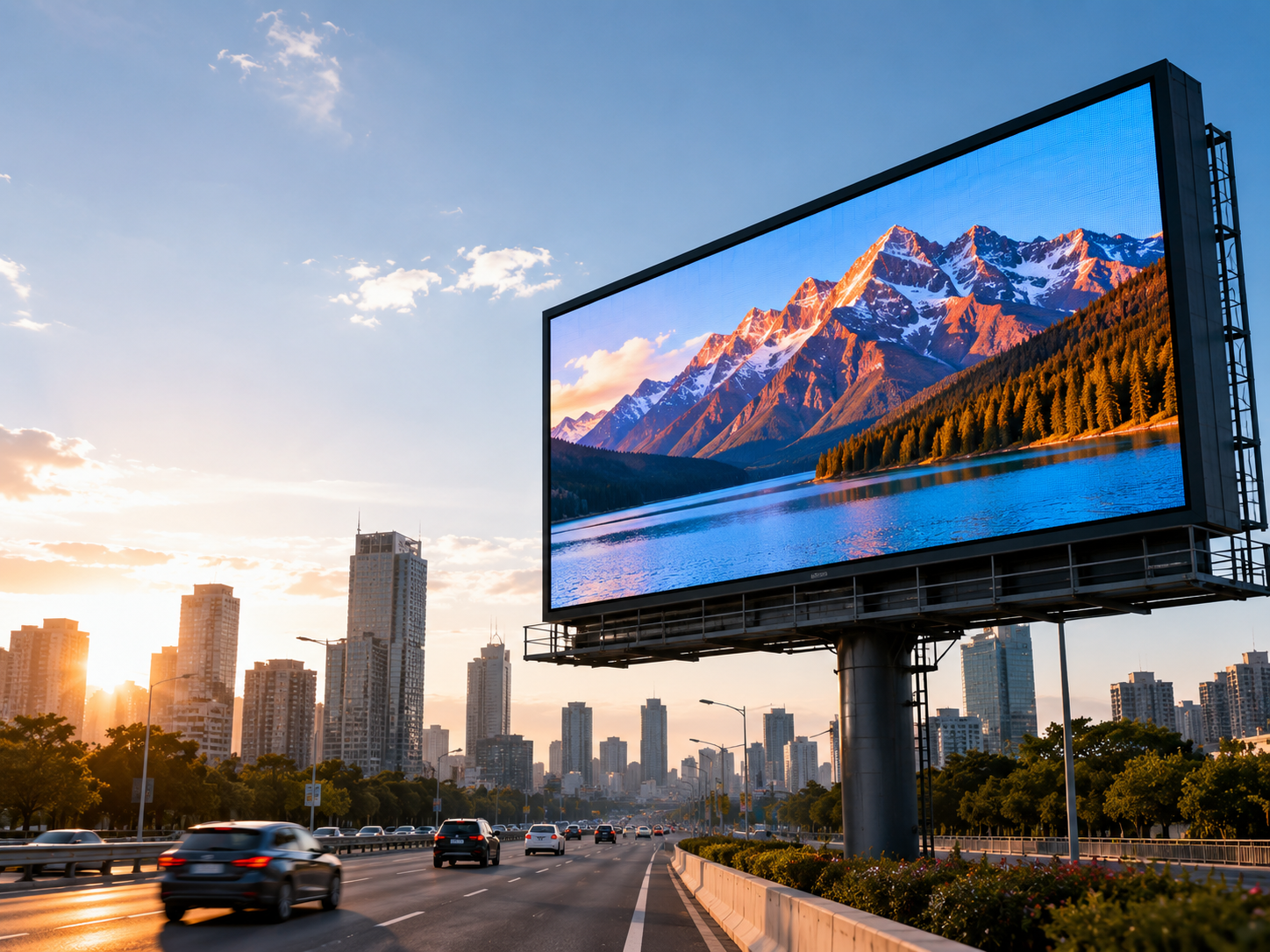
Når en udendørs reklameskærm ser kraftig ud på en fabrikvideo, men bliver bleg til middagstid, er problemet sjældent kun ét tal. Lysstyrke, solens retning, betragtningsafstand, indholdskontrast, skabets varme og nattelig dimming virker alle sammen. Derfor bør en lED-skærm til reklame på udendørs skærme planlægges ud fra reelle forhold på stedet, ikke kun den højeste nit-værdi på et tilbud. Denne vejledning forklarer, hvor meget lysstyrke der normalt er praktisk, hvorfor for stor lysstyrke kan skabe omkostnings- og glarproblemer, og hvordan dag/nat-styring hjælper en udendørs skærm med at forblive klar, behagelig at se på og nemmere at vedligeholde.
Hvorfor en udendørs reklameskærm kan se svag ud i dagslys
For det første bestemmes synlighed udendørs lige så meget af kontrast som af lysstyrke. Åben himmel, direkte sol, vejrefleksioner, glasbygninger, støv og regn reducerer alle forskellen mellem skærmen og dens baggrund. Som et resultat kan en plakat, der ser levende ud under indendørs tests, se grå ud ved siden af en travl vej.
Samtidig kan indholdets design enten understøtte eller svække skærmen. Store hvide områder kan se lyse ud om dagen, men de kan blive for skarpe efter solnedgang. Mørke plakater med tynde bogstaver kan derimod forsvinde til middagstid. Derfor bør lysstyrkeplanlægning omfatte både hardwaren og den daglige indholdsstil.
Kopierbar tabel over synlighed ved dagslys
| Stedsymptom | Sandsynlig årsag | Hvad der skal tjekkes | Citatpåvirkning |
|---|---|---|---|
| Teksten bliver grå til middagstid | Lav kontrast under stærkt himmellys | Test versioner med hvid og sort tekst | Måske kræves højere lysstyrke og indholdsregler |
| Farverne ser udblegede ud | Direkte sol eller reflekteret glas | Registrer skærmens retning og nærliggende bygninger | Kan påvirke nitsområde og kabinetvinkel |
| Skærmen er klar i nærheden, men svag fra vejen | Betragtningsafstanden er for lang i forhold til indholdet | Mål normal læseafstand | Kræver muligvis større tekst, større størrelse eller anden pitch |
| Nattebilledet føles skarpt og ubehageligt | Ingen dimmeplan | Tjek aftenens outputindstillinger | Kræver lysstyrkekontrol og tidsplanopsætning |
I praksis bør en reklameskærm ikke vurderes udelukkende ud fra en fabriksmæssig demonstrationsvisning af lysstyrken. I stedet bør placeringen fotograferes fra det primære betragtningspunkt om morgenen, til middag og nær solnedgang. Disse tre tidspunkter afslører, om skærmen kan klare direkte sollys, reflekteret lys eller mørke omgivelser.
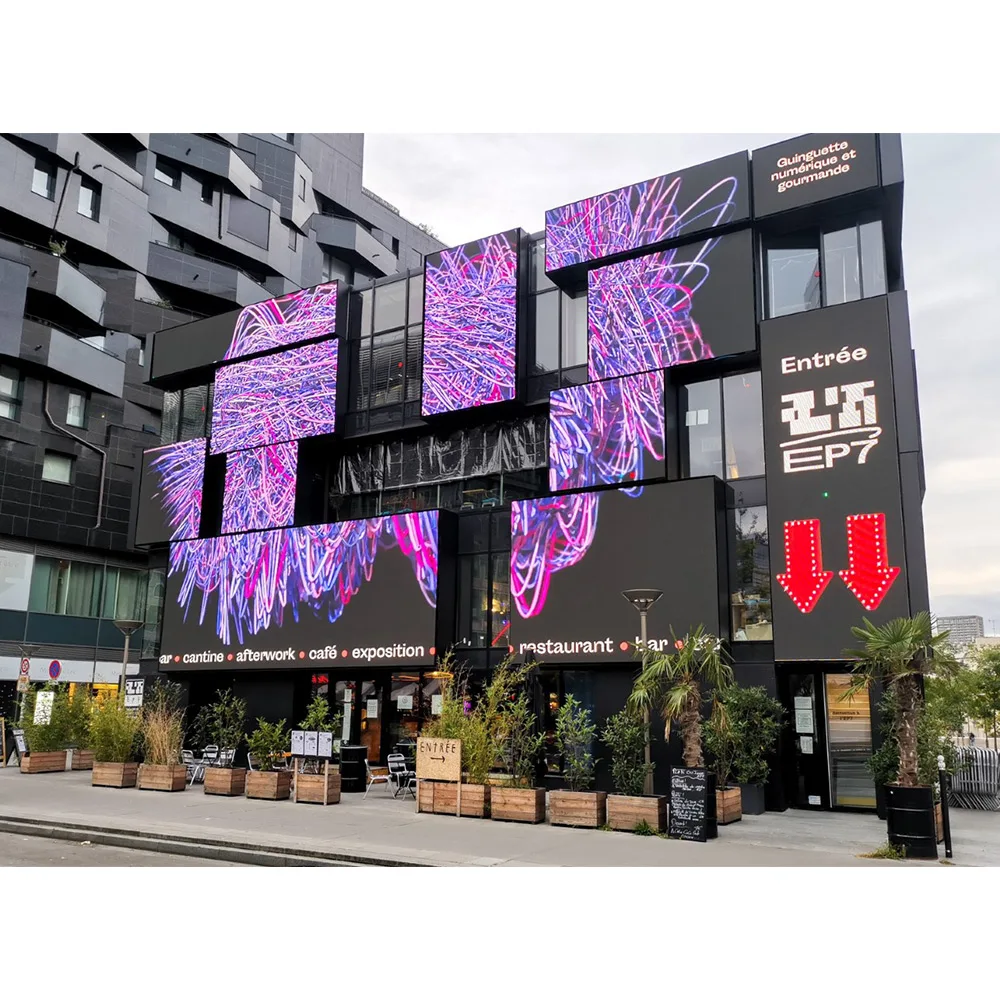
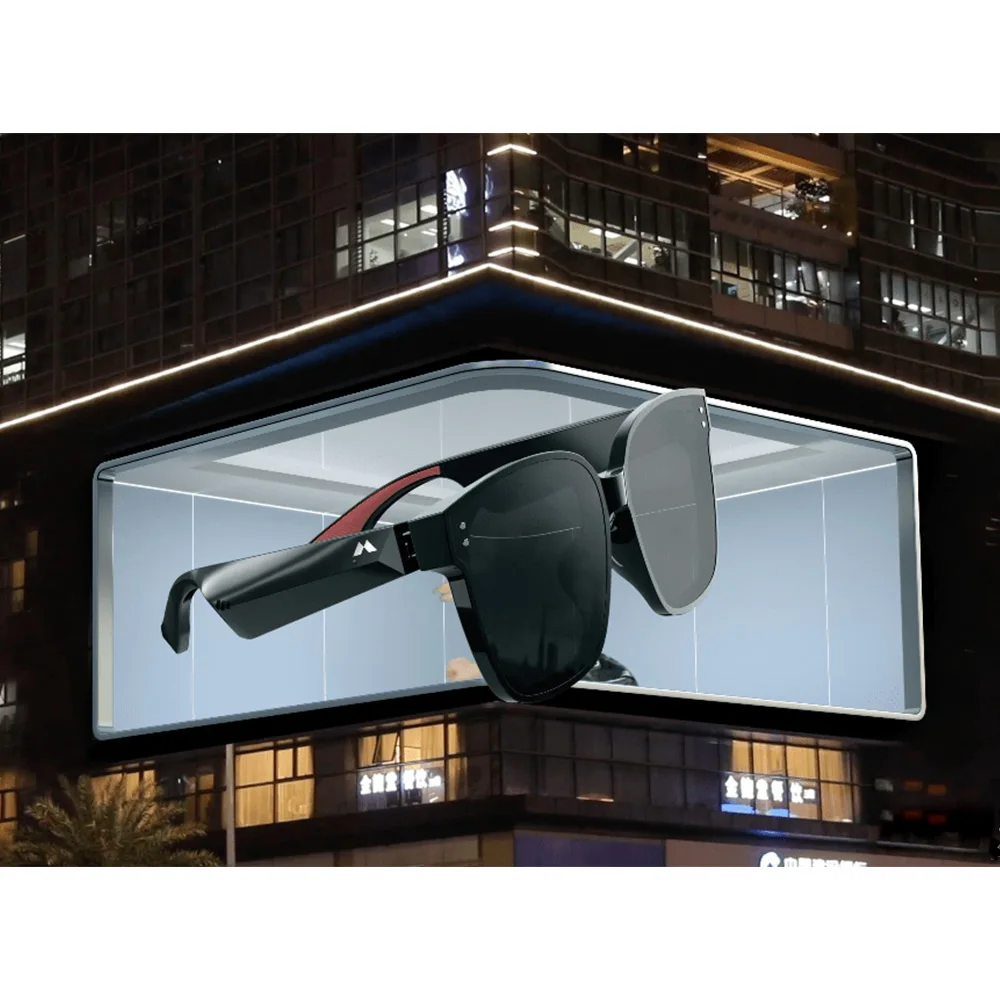
Denne facade-lignende digitale udendørs reklameskærm illustrerer, hvorfor lysstyrke og kontrast skal planlægges sammen. Skærmen skal forblive synlig ved bygningsoverflader, gadebelysning og himmelrefleksioner.
Se digital udendørs reklameskærmHvorfor højere lysstyrke ikke altid er bedre
Dernæst bør lysstyrke behandles som en kontrolleret ressource. Flere nit kan være en fordel under hård dagslys, men de kan også øge strømforbruget, varmeudviklingen, belastningen på kabinetterne samt blændingen om natten. Derfor er den bedste reklameskærmplan ikke blot den mest lysstærke plan.
Desuden har en udendørs skærm sjældent brug for maksimal ydelse hele dagen. En stærk ydelse kan være nyttig i flere udfordrende timer. Dog kræver skyet vejr, solnedgang, nattidlig drift og skyggede perioder lavere indstillinger. En intelligent dimmerplan kan reducere spildt energi og beskytte billedkomforten.
Oplysningskompromistabel
| Beslutning | Kortvarig virkning | Langsigtet effekt | Bedre anvendelsesområde |
|---|---|---|---|
| For lav | Lavere startkostnad | Svag synlighed ved dagslys | Skygget facade eller kort daglig brug |
| Balanceret | Klart billede med kontrolleret ydelse | Mindre belastning på strømforsyning og varmeudvikling | De fleste faste udendørs reklameskiltprojekter |
| For høj | Stærkt indtryk i salgsrummet | Mere blænding og energispild | Kun til meget lyse, åbne steder |
| Sensor plus tidsplan | Stabil adfærd både om dagen og om natten | Forbedret brugerkomfort | 24-timers reklameoperation |
Desuden kan for stor lysstyrke forringe billedkvaliteten om natten. Store hvide baggrunde kan blive 'overbelyste', hudtoner kan virke hårdere, og mørke detaljer kan miste dybde. Derfor er lysstyrkestyring lige så vigtig som maksimal ydelse.
Hvor mange nits kræver en udendørs reklameskærm?
Generelt starter mange udendørs reklameskærmprojekter ved ca. 5.000–6.500 nits til almindelig dagslysbrug. En skærm placeret langs en åben vej, en vestvendt installation eller en skærm til langdistance-brug på motorvejen kræver dog ofte en højere lysstyrke. I disse tilfælde kan 7.000–8.000 nits være rimeligt.
Dog bør tallet ikke ses isoleret fra betragtningsafstand, indholdskontrast, pixelafstand, kabinettemperatur og dimkontrol. For eksempel kan en LED-skærm med høj lysstyrke på 6.000 nits fungere godt ved en bygade, hvis indholdet bruger fedte bogstaver og stærk kontrast. Omvendt kan samme lysstyrke muligvis ikke være tilstrækkelig for en skærm, der er vendt mod eftermiddagssolen over en bred motorvej.
Praktisk nit-planlægningsbord
| Reklameskærmens forhold | Anbefalet planlægningsinterval | Hvorfor det er vigtigt | Bemærkning til tilbud |
|---|---|---|---|
| Skyggebelagt væg, kort afstand | 4.500–5.500 nits | Lavere sollyspressur | Fokus på kontrast og serviceadgang |
| Bygade, blandede dagslysforhold | 5.500–6.500 nits | Afbalanceret synlighed og effekt | God basis for mange udendørs skilte |
| Åben vejsideplakat | 6.000–7.500 nits | Længere afstand og stærkere himmellys | Gennemgå varme- og strømplanen |
| Vendt mod vest på motorvejen | 6.500–8.500 nits | Eftermiddagssolen er udfordrende | Tilføj sensorstyring og enkle regler for grafisk indhold |
For P5 udendørs LED-reklameskærme er skærmen normalt beregnet til betragtning fra mellemafstand. Derfor bliver indholdsstrukturen vigtig. Store skrifttyper, simpel bevægelse og tydelig adskillelse mellem forgrund og baggrund kan gøre en afbalanceret lysstyrkeplan mere læselig end en skærm med højere lysstyrke, men svag grafisk præsentation.
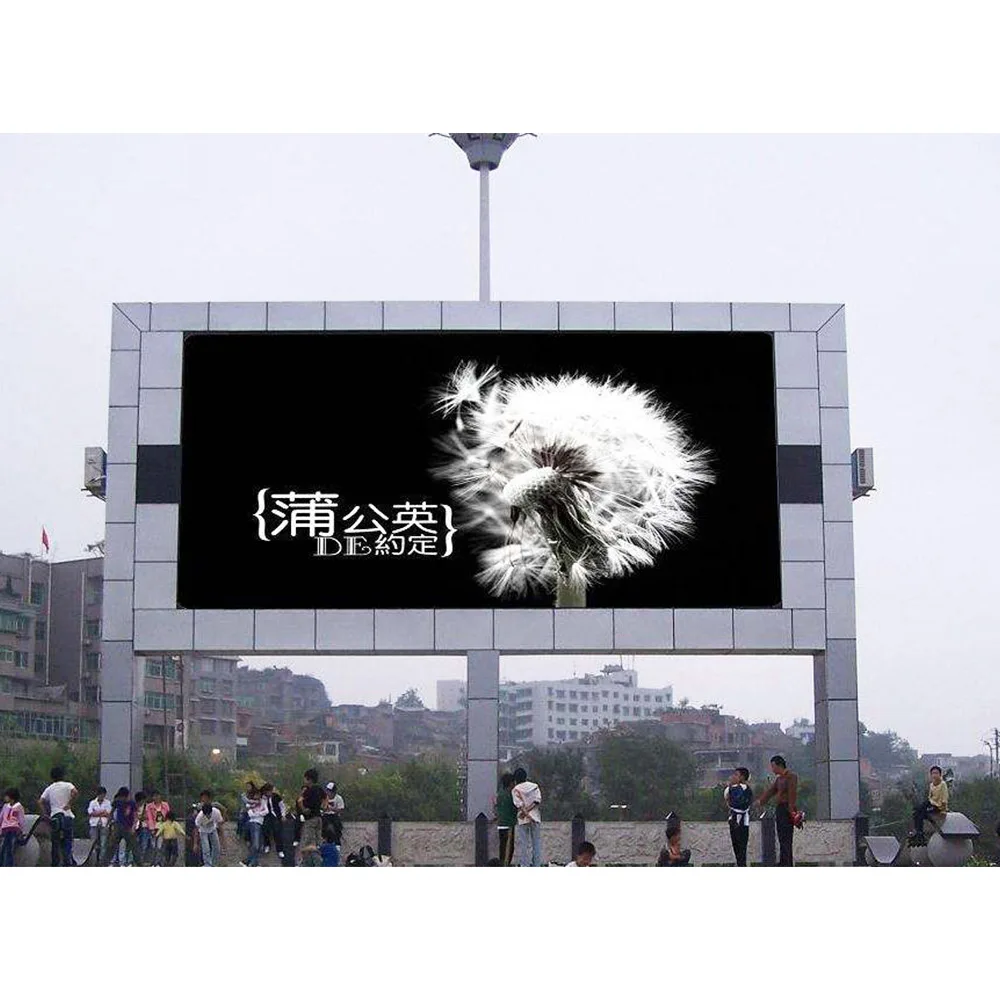
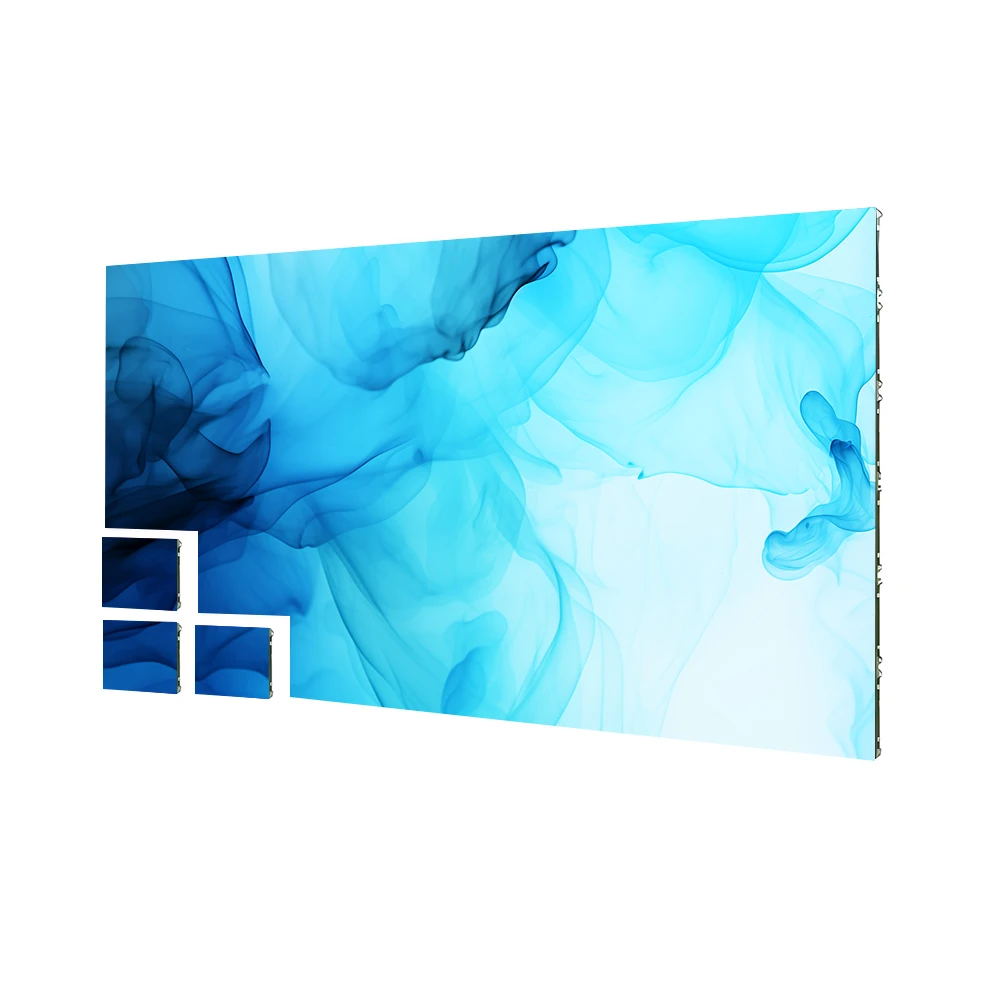
Denne scene med en stor LED-reklameskærm er mere anvendelig til vurdering af lysstyrke end et nærbillede af en panelplade. Den viser betydningen af afstand, skærmhøjde, himmellys og simpelt, kontrastrigt indhold.
Se LED-reklameskærmSolens retning påvirker beslutningen om lysstyrke
For det første udsættes skærme, der vender mod øst, ofte for stærkt morgensol. Dette er relevant for pendlerveje, transportområder, skolezoner og erhvervsdistrikter. Trykket kan dog aftage senere på dagen, så en lysstyrkeskema, der fokuserer på morgentiden, kan være tilstrækkeligt.
I modsætning hertil står plakatposter, der vender mod vest, ofte over for de sværeste forhold. Eftermiddagssolen står lavere, rammer seerens synsvinkel og kan mindske kontrasten præcis i den tid, hvor trafikken er mest intens. Derfor kræver projekter med vestvendte skærme normalt en mere omhyggelig justering af toplysstyrken samt en mere jævn mørkning ved solnedgang.
Tjekliste for retningbaseret planlægning
- Tag ét billede fra hovedvejen kl. 09.00, kl. 12.00 og ved solnedgang.
- Marker skærmens retning: øst, vest, syd, nord eller diagonal.
- Registrer, om sollyset rammer skærmens front eller seerens synsretning.
- Tjek nærliggende glasvægge, der muligvis kan reflektere lys mod displayet.
- Bemærk træer, broer, stolper og sæsonbetingede skyggeændringer.
Samtidig bør syd- og nordvendte lokaliteter ikke behandles ens. Sydvendte skærme kan i nogle regioner blive udsat for længere daglig eksponering, hvilket påvirker varme- og strømplanlægningen. Nordvendte skærme kan have brug for mindre topydelse, men kræver alligevel stærk kontrast og ensartet farvegengivelse.
Synsafstanden afgør, om lysstyrken føles anvendelig
Desuden afgør afstanden, om lysstyrken bliver til en læselig værdi. En skærm nær en butiksindgang kan vise flere detaljer. En motorvejsreklame skal have større bogstaver, færre ord og stærkere formgenkendelse. Derfor kan en mere lysstærk skærm med meget lille tekst stadig mislykkes.
Pixelpitch er også afgørende, men den skal følge brugsscenariet. P4, P5, P6,67, P8 og P10 kan alle anvendes til udendørs reklame. Den rigtige valgmulighed afhænger dog af afstanden, skærmstørrelsen, sejhastigheden og indholdets stil – ikke kun ønsket om en mindre pitch.
Afstands- og indholdsplanlægnings tabel
| Normalt betragtningsafstand | Pitch-retning | Fokus på lysstyrke | Råd til indhold |
|---|---|---|---|
| 5–15 m | P3–P5 | Komfort og detaljer | Flere billeddetaljer er acceptabelt |
| 15–30 m | P4–P6,67 | Afbalanceret output | Brug større tekst og klare ikoner |
| 30–80 m | P6,67–P10 | Høj kontrast | Undgå lille tekst og travle layout |
| 80 m+ | P8–P16 | Størrelse og kontrast | Brug fedteknede beskeder og slow motion |
Med andre ord er en diskussion om lysstyrke uden hensyn til afstand ufuldstændig. En fast plakat skal vurderes fra det reelle kiggepunkt. Hvis trafikken bevæger sig hurtigt, skal displayet formidle beskeden inden for få sekunder.
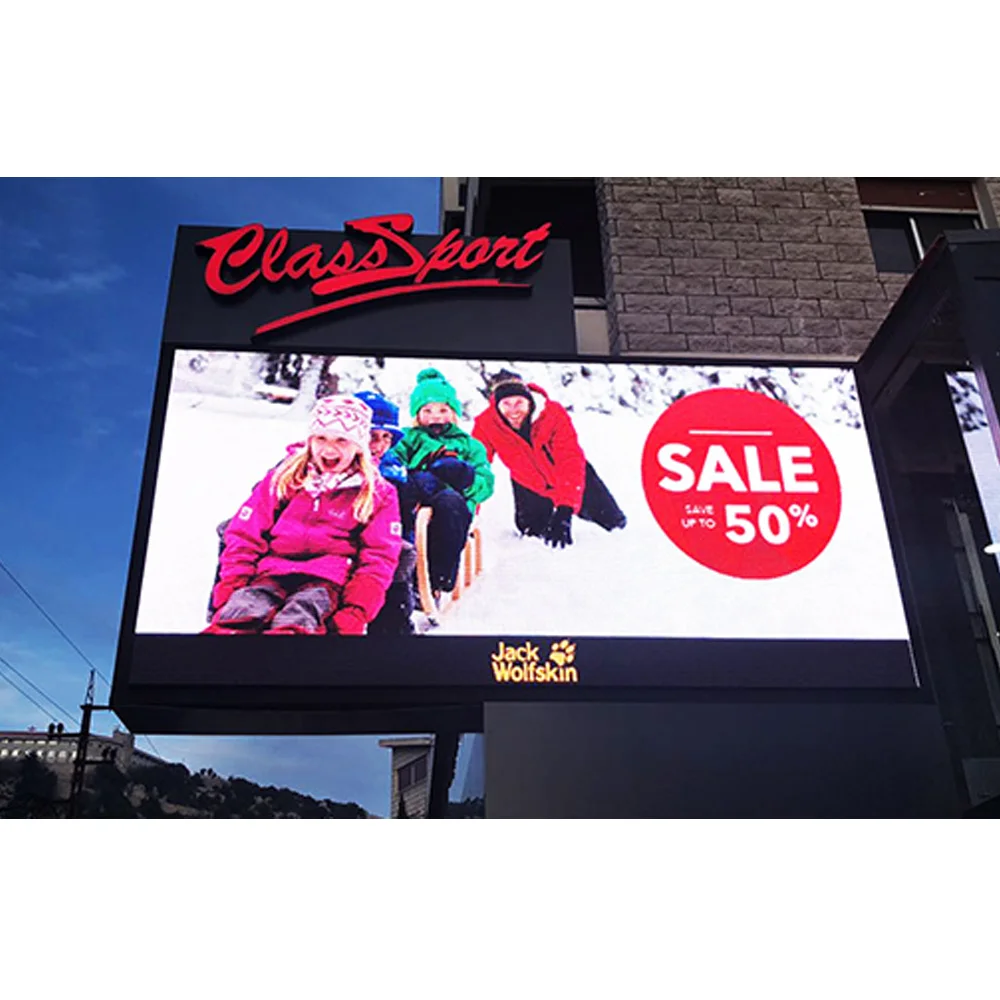
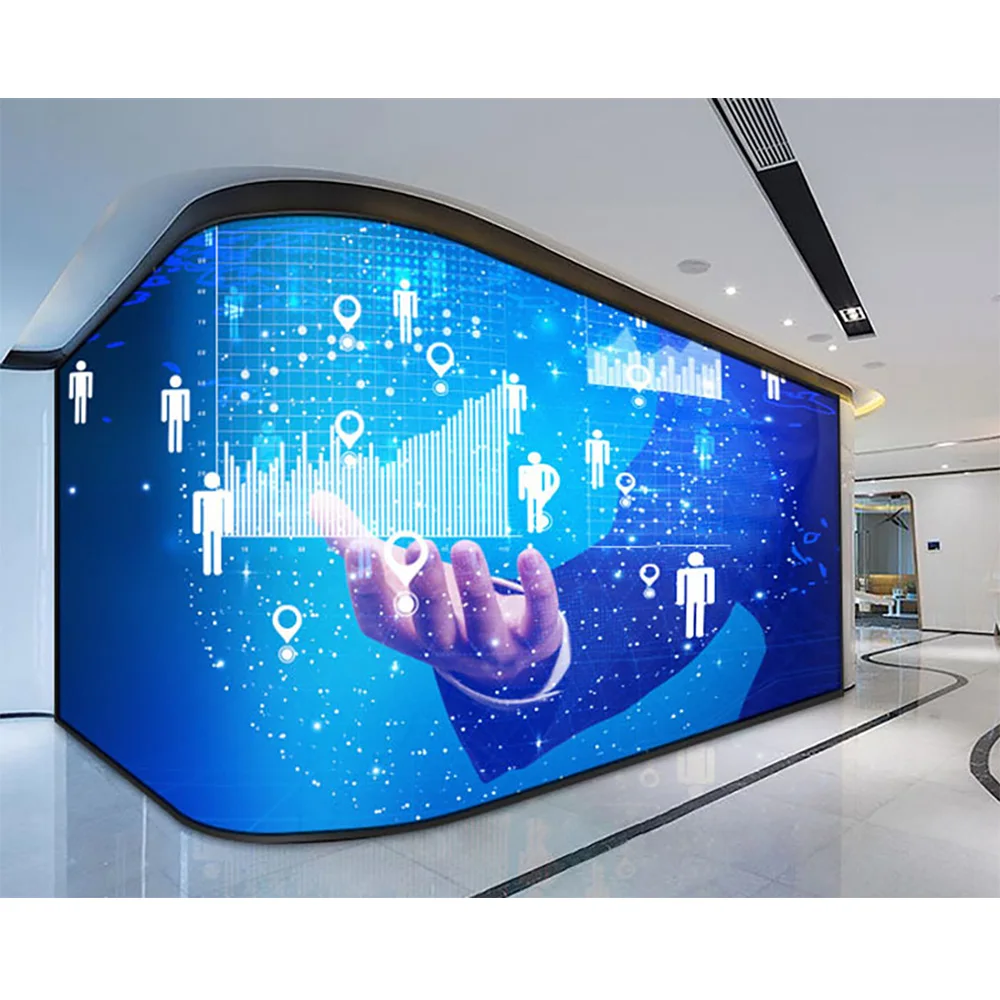
Denne digitale reklametavle er et nyttigt eksempel til detailhandel og kommercielle udendørsområder. Kraftige farveblokke og enkle beskeder gør skærmen letlæselig under udendørs belysning.
Se digitale reklametavlerHvordan dags- og nattehellighedskontrol bør fungere
Når lysstyrkeområdet er valgt, bliver kontrol den næste store beslutning. En skærm kan kræve kraftig output ved middagstid. Den samme output kan dog forårsage blænding om natten. Derfor bør automatisk kontrol indgå i planen for udendørs reklameskilt.
Normalt kombineres kontrol med en omgivelseslys-sensor og en tidsplan. Sensoren reagerer på de faktiske lysforhold, mens tidsplanen forhindrer pludselige ændringer ved solopgang og solnedgang. Som resultat føles billedet mere stabilt gennem hele dagen.
Tabel over dags- og nattehellighedskontrol
| Tid eller betingelse | Skærmens adfærd | Årsag | Styringsmetode |
|---|---|---|---|
| Solopgang | Gradvis stigning | Undgå pludselig lysstyrkeændring | Tidsplan |
| Stærk middagssol | Høj, reguleret effekt | Bevar beskeden læselig | Sensor plus forudindstillet maksimum |
| Regn eller skyet vejr | Moderat effekt | Spar strøm uden at miste synlighed | Lysensor |
| Solnedgang | Jævn nedgang | Reducer blænding under aftentrafik | Dimmekurve |
| Nat | Lav behagelig effekt | Beskyt kontrast og komfort | Nat-forudindstilling |
Desuden kan dimning reducere driftsomkostningerne. Topstrøm er afgørende for el-planlægning, men gennemsnitsstrømmen påvirker daglige driftsomkostninger. Ved lange driftstider kan en styret skærm gøre systemet mere økonomisk uden at svække beskeden udendørs.
CTA: Send reklameskærmens retning, byens sollys og skærmstørrelse for rådgivning om lysstyrke
For hurtigere vurdering inkluder venligst placeringens retning, skærmstørrelse, betragtningsafstand, driftstider samt et foto taget ved dagslys. På den måde kan lysstyrkeområdet, dimningsmetoden og produktvejen bedre vurderes.
Kontakt LED-displayfabrikkenProduktvej: Skærm, plade, modul og styring
For faste udendørs reklameskærme LED-skærm til udendørs brug er den primære produktretning. Den egner sig til bygningsfacader, vejkantkonstruktioner, kommercielle torve, stadions yderskærme, transportknudepunkter og permanente reklameplaceringer.
En udendørs reklameskærm er dog mere end blot den synlige skærmflade. Den kræver også kabinetplanlægning, strømforsyning, styremetode, modtagerkort, sendesystem, stålkonstruktion og adgang til vedligeholdelse. Derfor bør tilbuddet behandle skærmen som et komplet system.
Produktmatchningstabel
| Projektscene | Anbefalet fremgangsmåde | Hvorfor den passer | Fokus i tilbud |
|---|---|---|---|
| Vejreklameskærm | LED-skærm til udendørs brug | Udendørs kabinet og dagslysplanlægning | Lysstyrke, pitch, konstruktion, styring |
| Kommerciel reklameskærm | Led reklamevæg | Planlagte kampagner og visuelle beskeder | Indholdsopdatering og dags-/nattdisplay |
| Reservedelsplanlægning | LED modul | Vedligeholdelse og moduludskiftning | Pitch, størrelse, parti, kompatibilitet |
| Udendørs detailhandelspromotion | Digitale reklameplade | Klar kommerciel besked | Betragtningsafstand og indholdskontrol |
Desuden bør modulplanlægning foretages tidligt. Et konsekvent modulparti hjælper med at undgå synlige pletter efter udskiftning. Hvis plakatstøtten ikke har serviceadgang bagfra, bliver adgang fra forsiden vigtig. Derfor påvirker den fysiske installationsmetode de langsigtede vedligeholdelsesomkostninger.
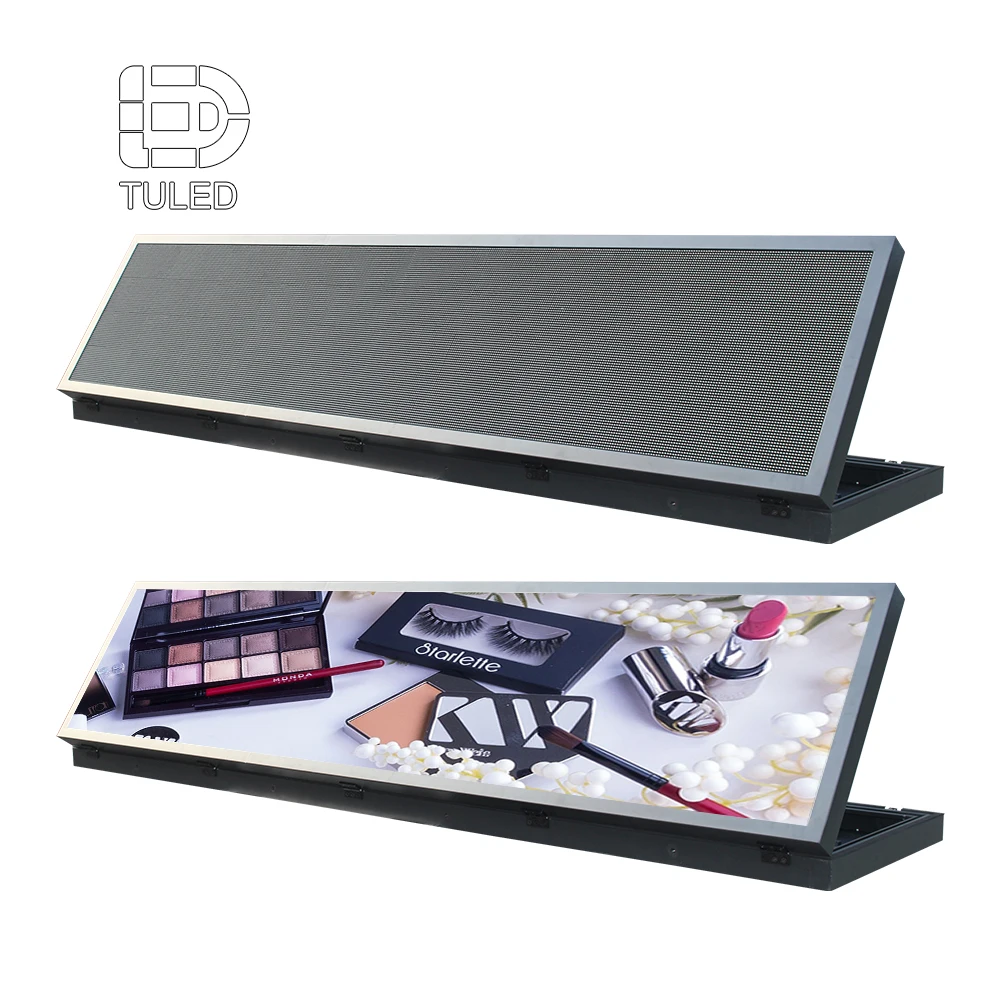
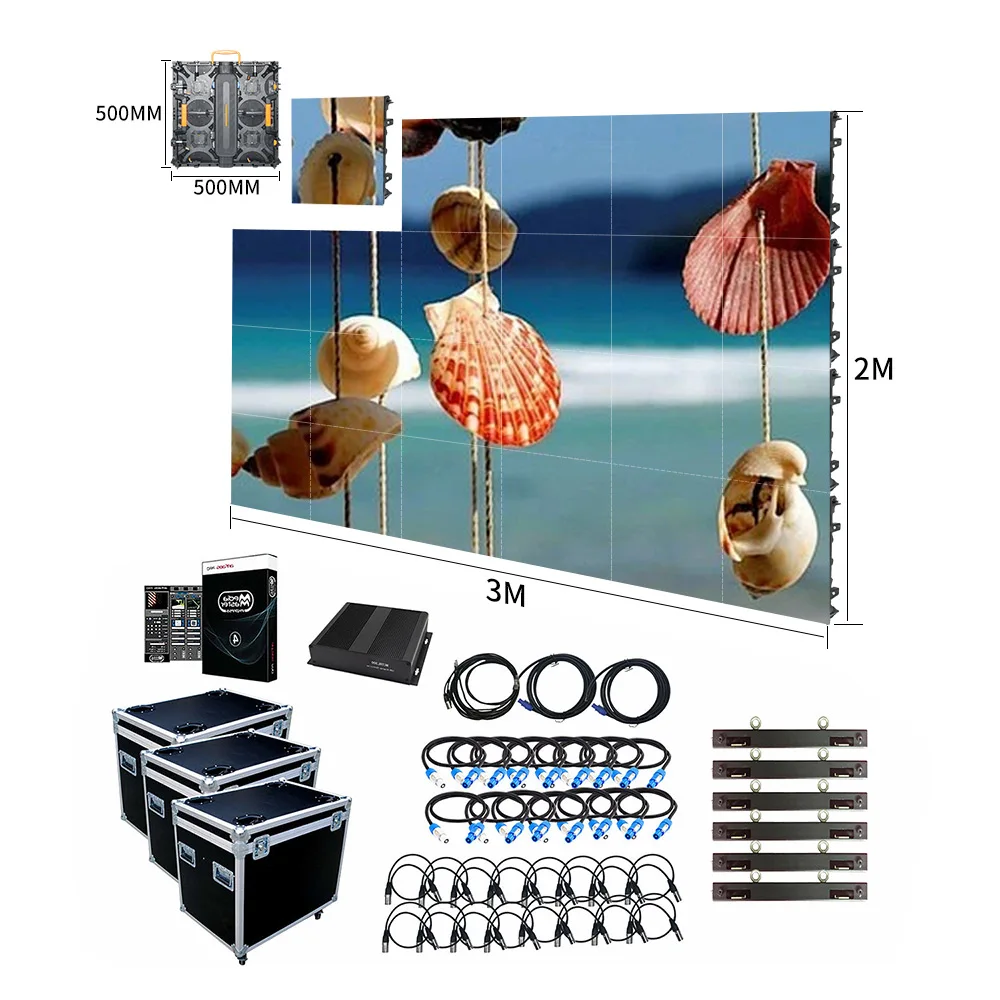
Denne visning af LED-plakatstøtteprodukter er nyttig, når diskussionen bevæger sig fra synlighed til struktur, moduladgang, kabinetdybde og langsigtede serviceplanlægning.
Se LED-plakatstøtteIndholdsdesign kan få samme lysstyrke til at se bedre ud
I mange udendørsprojekter skaber grafikken det endelige synlighedsresultat. Tynde skrifttyper, små produktdetaljer, bløde grå tekster og travle baggrunde forsvinder hurtigt fra vejen. Derfor bør udendørsindhold designes med afstand i tankerne først og skønhed anden gang.
For eksempel fungerer ofte store logoer, fed tekst, korte sætninger og kraftige farveflader bedre end detaljerede billeder. Samtidig bør videoanimationer være langsomme nok til at kunne registreres af kørende trafik. En skærm kan teknisk set være stærk, men svagt indhold kan alligevel mindske den kommercielle værdi.
Tjekliste for udendørs reklameskilt-indhold
- Brug stor, fed skrifttype til den primære besked.
- Undgå grå tekst med lav kontrast på lyse baggrunde.
- Reducer små produktdetaljer til brug ved langt afstand.
- Forbered separat grafik til dagslys og natlys, hvis det er nødvendigt.
- Hold bevægelsen enkel i områder med hurtig trafik.
- Test designet fra den faktiske betragtningsafstand, inden endelig godkendelse.
Desuden påvirker indholdets farve nattens komfort. Store hvide områder kan forårsage blænding efter mørke. Mørke scener kan miste detaljer under direkte sollys. Som resultat kan den bedste driftsplan inkludere både lysstyrkestyring og vejledning til indholdet.
Tilbudskontrolliste for reklameskærmens lysstyrke
Et brugbart tilbud kræver mere end brede, højde og pixelafstand. I stedet bør det omfatte placeringens retning, byens sollys, betragtningsafstand, indholdstype, strømforhold og adgang til vedligeholdelse. Med denne information bliver den foreslåede lysstyrkeområde mere realistisk.
Derudover reducerer en klar kontrolliste revideringstiden. Et projektteam kan sammenligne en grundlæggende mulighed, en afbalanceret mulighed og en premium-mulighed uden at gætte, hvilken pris der hører til lysstyrke, kabinet, styring, konstruktion eller reservedele.
Kopier-og-send-tilbudsskabelon
| Projektets placering | By, land, type af nærliggende vej eller bygning |
| Skærmstørrelse | Bredde × højde eller mål for synlig areal |
| Skærmens retning | Øst, vest, syd, nord eller diagonal vinkel |
| Syns afstand | Nærmeste, normale og længste betragtningspunkt |
| Driftstimer | Kun dagtid, aftenstærk eller 24-timers brug |
| Indholdstype | Tekst, logo, video, offentlig meddelelse, detailhandelsreklame, blandede indhold |
| Strømtilstand | Spænding, tilgængelig belastning og afstand fra strømkilde |
| Vedligeholdelsesadgang | Adgang foran, adgang bagfra, løftevogn, tag, eller smal gangsti |
CTA: Send reklameskærmens retning, byens sollys og skærmstørrelse for rådgivning om lysstyrke
Et tilbud baseret på trykket på stedet er mere nyttigt end et tilbud baseret udelukkende på kvadratmeter. Inkludér dagtidens fotos, skærmretning, betragtningsafstand og forventede driftstimer for en mere præcis anbefaling.
Send projektoplysningerUdvidet læsning og relaterede produktveje
Endelig bør plakatens lysstyrke integreres i den bredere produktstrategi. De følgende sider kan understøtte projekt sammenligning, når skærmtype, reklameskærmformat eller modulserviceplan stadig skal bekræftes.
Ofte stillede spørgsmål
Hvor mange nits er nødvendige for synlighed af en udendørs reklameskilt?
Generelt anvender mange udendørs reklameskiltprojekter en planlægningsmængde på ca. 5.000 til 8.000 nits. Det endelige valg afhænger dog af solens retning, betragtningsafstand, omgivende lysstyrke, indholdskontrast og åbningstider.
For eksempel kan en skygget facade kræve lavere lysstyrkeoutput, mens et reklameskilt på en vestvendt motorvej muligvis kræver en højere toplysstyrke samt automatisk dimning.
Er højere lysstyrke altid bedre for et LED-reklameskilt?
Nej. Højere lysstyrke kan være fordelagtig under direkte sollys, men den kan også øge strømforbruget, varmeudviklingen, blændingen og driftsomkostningerne. Derfor bør lysstyrkeområdet tilpasses placeringen i stedet for at efterstræbe det størst mulige tal.
En afbalanceret skærm med dimkontrol, stærk indholdskontrast og passende kabinetdesign skaber ofte større langtidsværdi.
Hvordan fungerer automatisk lysstyrkestyring udendørs?
Normalt læser en lysføler omgivende lysstyrke, og styresystemet justerer output. Samtidig kan tidsplaner indstille mere blid opgang, solnedgang og natopførsel.
Denne styring sikrer, at reklameskiltet forbliver læseligt om dagen og behageligt efter mørke.
Hvorfor kan en skærm se klar ud om natten, men svag ud til middag?
Om natten konkurrerer skærmen med en mørk baggrund, så moderat lysstyrke kan virke kraftfuld. Til middag konkurrerer den samme skærm med solen, himlens refleksioner, vejglans og bygningsoverflader.
Derfor kræver ydeevnen til middag stærkere kontrast og korrekt nit-indstilling, mens ydeevnen om natten kræver kontrolleret nedtoning.
Hvilken information hjælper en fabrik med at anbefale passende lysstyrke til et reklameskilt?
De mest nyttige oplysninger inkluderer skærmstørrelse, by, skærmens retning, normalt betragtningsafstand, daglige driftstider, indholdstype, strømtilstand og adgang til service.
Desuden kan fotos fra det reelle betragtningspunkt taget om dagen og ved solnedgang gøre anbefalingerne til lysstyrke mere præcise.
Endelig udvalgsrådgivning
Sammenfattende set bør reklameskærmens lysstyrke vælges ud fra de reelle forhold på stedet. Solens retning, betragtningsafstand, driftstid, indholdskontrast, strømkapacitet, kabinettets varmeudvikling og adgang til vedligeholdelse påvirker alle det endelige resultat. Derfor skal den bedste udendørs displaysplan afbalancere synlighed ved middagstid med komfort om aftenen.
Før man bestiller en lED-skærm , forbered skærmstørrelsen, byens sollysforhold, retningen, betragtningsafstanden, driftstiden og vedligeholdelsesmetoden. Derefter kan tilbuddet tilpasses den reelle reklameskærm-miljø i stedet for at baseres udelukkende på ét enkelt lysstyrketal.
Tre praktiske foranstaltninger før tilbudsgivning
- Først tag billeder af stedet kl. 12 og tæt på solnedgang fra det reelle betragtningspunkt.
- Dernæst vælg lysstyrken sammen med dimmerkontrol, ikke som et isoleret maksimalt nit-tal.
- Endelig send skærmstørrelse, retning, betragtningsafstand, strømtilstand og adgang til vedligeholdelse for en mere præcis plan.