EN
EN


LED reklamné značky: veľkoobchod vs. maloobchod – ako znížiť náklady bez rizika
Nízka ponúka neznamená vždy nižšiu celkovú cenu projektu. V prípade LED reklamných značiek sa navyše často vyskytujú náklady na položky, ktoré nie sú tak zrejmé: doplnkové komponenty, ktoré neboli uvedené, rozsah dodávky, ktorý nikdy nebol úplne definovaný, jasnosť, ktorá nezodpovedá podmienkam na mieste inštalácie, alebo prístup na údržbu, ktorý vyzerá v poriadku na výkrese, no nie na stene. Preto tímy, ktoré porovnávajú nákup v reťazcoch s veľkoobchod s LED signmi možnosťami, často zisťujú, že si nevyberajú len medzi dvoma cenami. Vyberajú si medzi dvoma rôznymi prístupmi k riadeniu rizík, podpory a dlhodobých nákladov.
Pre jednorazovú úlohu môže byť maloobchodná ponuka správnou odpoveďou. Je ľahšie ju schváliť, ľahšie ju pochopiť a často je balená takým spôsobom, že pôsobí pohodlne. Avšak ak sa projekt začne javiť opakovateľným – napríklad viacero pobočiek, postupné uvádzanie do prevádzky, inštalácia vedená dodávateľom alebo budúca údržba rovnakej rodiny kabinetov – potom veľkoobchodná ponuka zvyčajne stáva lepším spôsobom, ako kontrolovať výsledok. Nie preto, lebo na prvý pohľad vyzerá vždy najlacnejšie, ale preto, lebo zníži pravdepodobnosť toho, že neskôr budete musieť zaplatiť znova kvôli nesúladu, opätovnej práci alebo nejasnému rozsahu práce.
Toto je najdôležitejšie pre tímy zodpovedné za nákupy, dodávateľov, projektových manažérov a kupujúcich informačných tabuliek, ktorí musia vyvážiť rýchlosť a konzistenciu. Displej, ktorý sa na prvý deň javí cenovo dostupný, sa môže stať drahým, ak sa neskôr nepodarí dosiahnuť zhodu medzi dávkami, ak sa nikdy neplánovali náhradné moduly alebo ak pôvodná cenová ponuka riešila len prvú dodávku a nie skutočný projekt.
Veľkoobchod a maloobchod riešia rôzne problémy
Maloobchod je v podstate založený na pohodlí. Ponúka je často bližšie k prednastavenej sade, miestna koordinácia môže byť jednoduchšia a nákupný proces sa zvyčajne odohrá rýchlejšie. Pre náhradnú jednotku, krátkodobú akciu alebo malé vnútorné zobrazenie to môže byť presne to, čo kupujúci potrebuje.
Veľkoobchod je užitočnejší, keď projekt vyžaduje definíciu a opakovateľnosť. Veľkosť skrine, spôsob služby, stratégia náhradných dielov, riadiaci systém a zodpovednosť za dodávku sa dajú všetky diskutovať ešte pred začiatkom výroby. To vyžaduje väčšiu zhodu na začiatku, avšak zvyčajne vedie k menšiemu počtu prekvapení neskôr.
Tu sa začínajú mnohé projekty LED tabúľ rozdeľovať. Maloobchodný balík môže dobre fungovať, ak ide o izolovanú úlohu, ktorá sa pravdepodobne nebude opakovať. Program veľkoobchodných LED tabúľ je vhodnejší, ak sa rovnaký formát zobrazenia môže objaviť znovu, ak je dôležitá konzistencia medzi jednotlivými lokalitami alebo ak bude projekt posudzovať inžiniersky, nákupný a inštalačný tím namiesto jediného kupujúceho.
Rozdiel nie je teoretický. Prejavuje sa v bežných rozhodnutiach týkajúcich sa projektov. Jedna ponuka predpokladá servis z prednej strany, iná predpokladá prístup z zadnej strany. Jedna zahŕňa procesor a náhradné diely, iná len skrine. Jedna je vhodná pre jeden lokalitu, zatiaľ čo iná je štruktúrovaná pre opakované zakúpenie. To nie sú drobnosti. Zvyčajne rozhodujú o tom, či projekt zostane efektívny aj po prvej objednávke.
Veľkoobchodné objednávky svetelných tabúľ má zmysel
Najlepší okamih na zváženie veľkoobchod s LED signmi nie je len vtedy, keď je objednávka veľká. Je to vtedy, keď sa projekt dostatočne stabilizuje na jasné definovanie a je pravdepodobné, že sa bude opakovať.
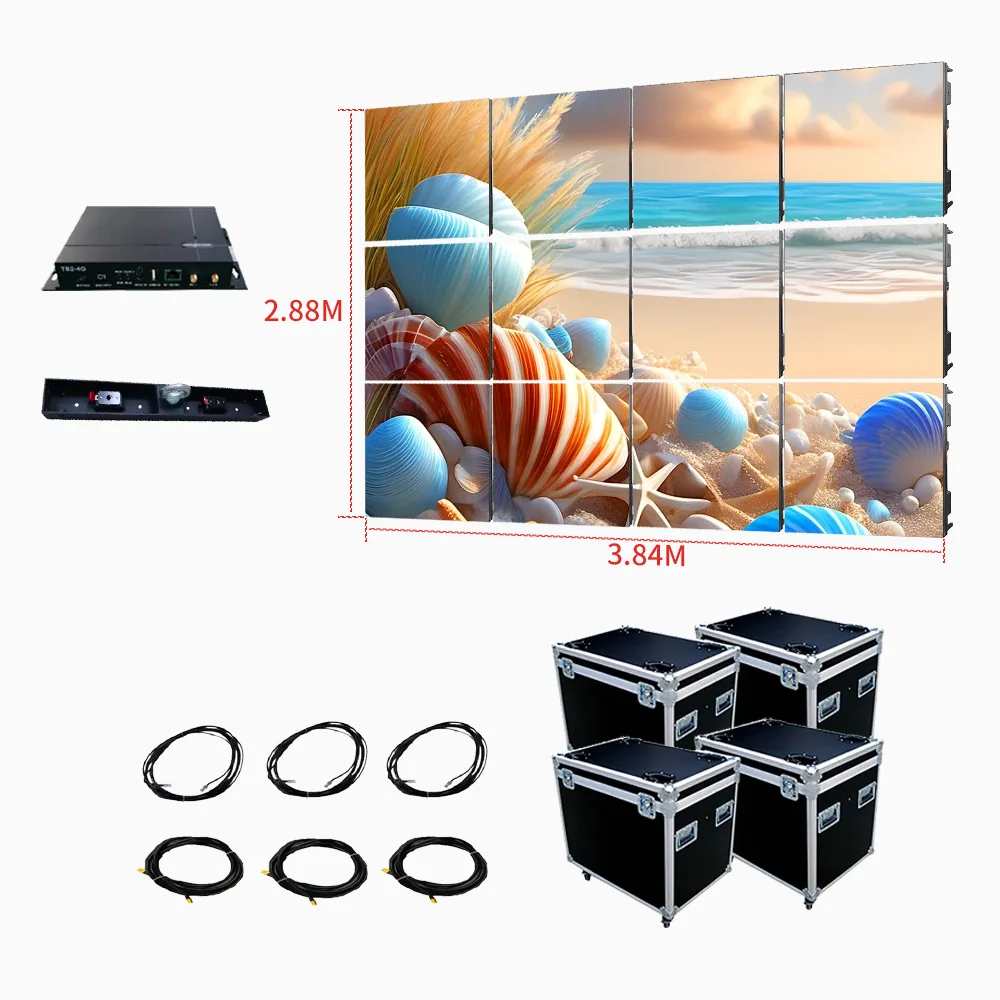
Zrejmým príkladom je program svetelných tabúľ pre viac miestností. Rovnako tak fázové uvádzanie do prevádzky, pri ktorom sa druhá a tretia objednávka musia zhodovať s prvou. To isté platí pre projekty, pri ktorých sa prístup na servis, štandardizácia skrín a náhradné moduly musia plánovať od začiatku namiesto toho, aby sa neskôr riešili ako samostatné problémy.
Tu sa tímy niekedy tiež mýlia v posúdení nákupného modelu. Menší, ale opakovateľný program môže byť lepšie vhodný pre priame zakúpenie od výrobcu ako väčší projekt, ktorý sa stále mení každý týždeň. Množstvo má význam, avšak stabilita rozsahu je dôležitejšia. Veľká objednávka pomáha len vtedy, ak je jasné, čo presne objednávate.
Ďalším dôvodom je prispôsobenie – nie dramatické, ale také, ktoré neskôr ovplyvní náklady. Rozmery skriňových jednotiek možno musia zodpovedať existujúcemu rámiku. Na mieste môže byť potrebná údržba z prednej strany, pretože prístup z zadnej strany je neuskutočniteľný. Vonkajšie vystavenie môže vyžadovať vhodnejšiu ochrannú skriňu a triedu jasnosti. Ide o bežné rozhodnutia v rámci projektu, avšak sú ľahšie a čistejšie zvládnuteľné, ak je cesta získavania založená na presnom definovaní požiadaviek namiesto pohodlia.
Pre projekty, ktoré už smerujú k pevnému inštalovaniu, zvyčajne pomáha začať s Riešeniami LED tabúľ pred porovnaním nepresne porovnateľných ponúk. To zjednodušuje najprv zarovnanie aplikácie, smeru kabinetu a prístupu k údržbe namiesto toho, aby sa cena použila ako prvý filter a rozsah sa neskôr upravoval.

Projekty, ktoré sa môžu opakovane využívať v rôznych obchodoch, kampaniach alebo vnútorných komerčných priestoroch, zvyčajne profitujú z časného definovania spôsobu inštalácie, nie až po tom, čo už začal proces stanovovania cien.
Prečo lacné ponuky stojia drahšie
Práve tu si zvyčajne kupujúci všimnú rozdiel medzi kvalitnou a nízkou ponukou.
Prvým problémom je nesúlad rozsahu. Jeden dodávateľ cení len LED displej, zatiaľ čo iný zahŕňa procesor, náhradné diely, základné pokyny na montáž a realistickšie hranice dodania. V tabuľkovom kalkulátore sa tieto čísla môžu zdať dostatočne podobné na porovnanie. V praxi však nezahŕňajú rovnaký rozsah práce.
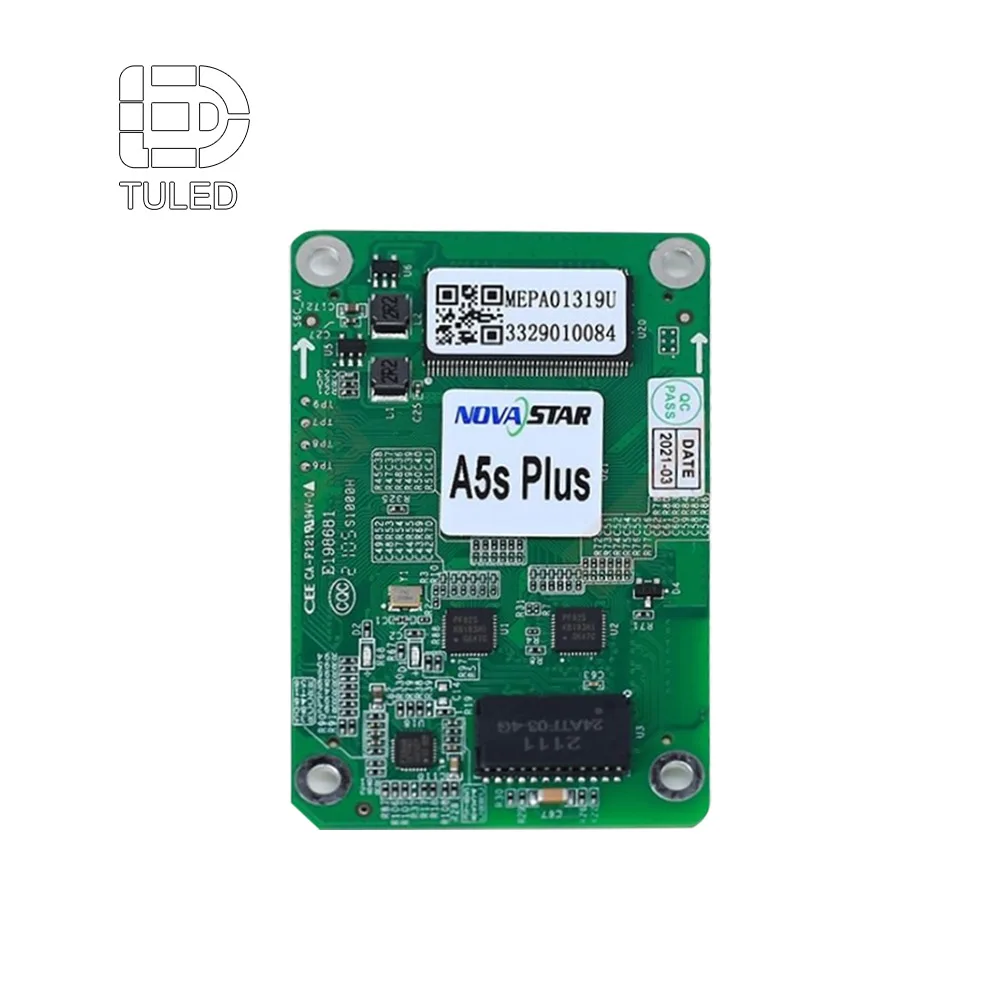
Druhým problémom je takzvané postupné pridávanie príslušenstva, na ktoré sa projektové tímy často zabudnú pri prvej revízii. Pôžička pôžičky vyzerá pôžičkovo konkurencieschopne, potom sa začínajú postupne objavovať chýbajúce položky – ovládacie zariadenia, dodatočné prijímacie karty, náhradné moduly, záložné napájacie zdroje, úpravy konštrukcie alebo predĺženie káblov. Žiadna z týchto položiek nie je nezvyčajná. Stávajú sa bolestivými len preto, lebo neboli viditeľné v pôvodnej ponuke.
Tretím problémom je zodpovednosť za podporu. Dobré zabezpečenie dodávok neznamená, že po dodaní sa všetko presunie na kupujúceho. Znamená to byť jasný v tom, aká podpora je dostupná, aké náhradné diely by mali byť skladom, čo sa dá vyriešiť na diaľku a kedy musí krok vpred urobiť miestny inštalatér alebo elektrikár. Táto hranica by mala byť viditeľná už pred schválením, nie až keď je tabuľa už v prevádzke.
Potom je tu konzistencia medzi jednotlivými dávkami. Ide o jednu z najčastejších problémov pri opakovaných objednávkach doplnkového označenia. Prvá objednávka vyzerá dobre. Niekoľko mesiacov neskôr sa začne rozširovanie alebo údržba a neskoršie moduly sa nezhodujú tak dokonale, ako sa očakávalo. Pri značkovej stene, obchodnej výveske alebo vnútornom LED videozadníku môže táto nezhoda stáť viac, než boli pôvodné úspory hodné.
Mnoho projektov, ktoré na papieri vyzerajú lacno, sa z týchto dôvodov stáva drahými. Nie preto, lebo samotná obrazovka bola nesprávna, ale preto, lebo ponúkaná cena riešila len prvú nákupnú objednávku namiesto skutočného projektu.
Technické faktory ovplyvňujúce náklady a riziká
Technické rozhodnutia stále majú význam, avšak v tomto prípade stačí venovať pozornosť len tým z nich, ktoré priamo ovplyvňujú cenu, inštaláciu, údržbu a dlhodobú vhodnosť. Cieľom nie je z tohto premeniť na technickú prednášku. Cieľom je pochopiť, ktoré technické body najčastejšie ovplyvňujú náklady a riziká projektu.
Pixelová vzdialenosť a pozorovacia vzdialenosť
Veľkosť pixelového rozostupu rýchlo ovplyvňuje cenu a tiež rozhoduje o tom, či bude obsah na skutočnej pozícií pozorovania vyzerať správne. Interiérové projekty s jemným rozostupom pixelov sa často začínajú pohybovať v rozmedzí P1,2 až P2,5. Projekty strednej triedy pre značkovanie alebo komerčné aplikácie pre blízke pozorovanie sa zvyčajne nachádzajú v rozmedzí P2,6 až P3,9. Exteriérové LED reklamné tabule sa môžu začať od rozostupu P4,8 a podľa vzdialenosti pozorovania a typu obsahu sa môžu posúvať aj vyššie. Jednoduché pravidlo palca je, že pohodlná minimálna vzdialenosť pozorovania sa zvyšuje so zvyšujúcim sa rozostupom pixelov, preto si tímy musia skontrolovať, kde sa ľudia skutočne budú postaviť, než sa definitívne určí technická špecifikácia.
Jas, stupeň ochrany IP a expozícia miesta
Jas by mal zodpovedať miestu inštalácie, nie jazyku predaja. Pri komerčných interiérových projektoch sa hodnoty jasu často pohybujú v rozmedzí 800 až 1 500 nítov, zatiaľ čo vonkajšie svetelné tabule vystavené slnečnému svetlu môžu vyžadovať približne 4 500 až 8 000+ nítov, v závislosti od uhla osvetlenia, intenzity slnečného žiarenia a lokálnych podmienok. Na vystavených miestach je pre prednú stranu kabinetu bežným minimálnym štandardom ochrana podľa triedy IP65. Displej môže na papieri vyzeráť silno, avšak stále môže ísť o nesprávny nákup, ak kabinet nie je vhodný pre počasie, prach alebo skutočné prostredie inštalácie.
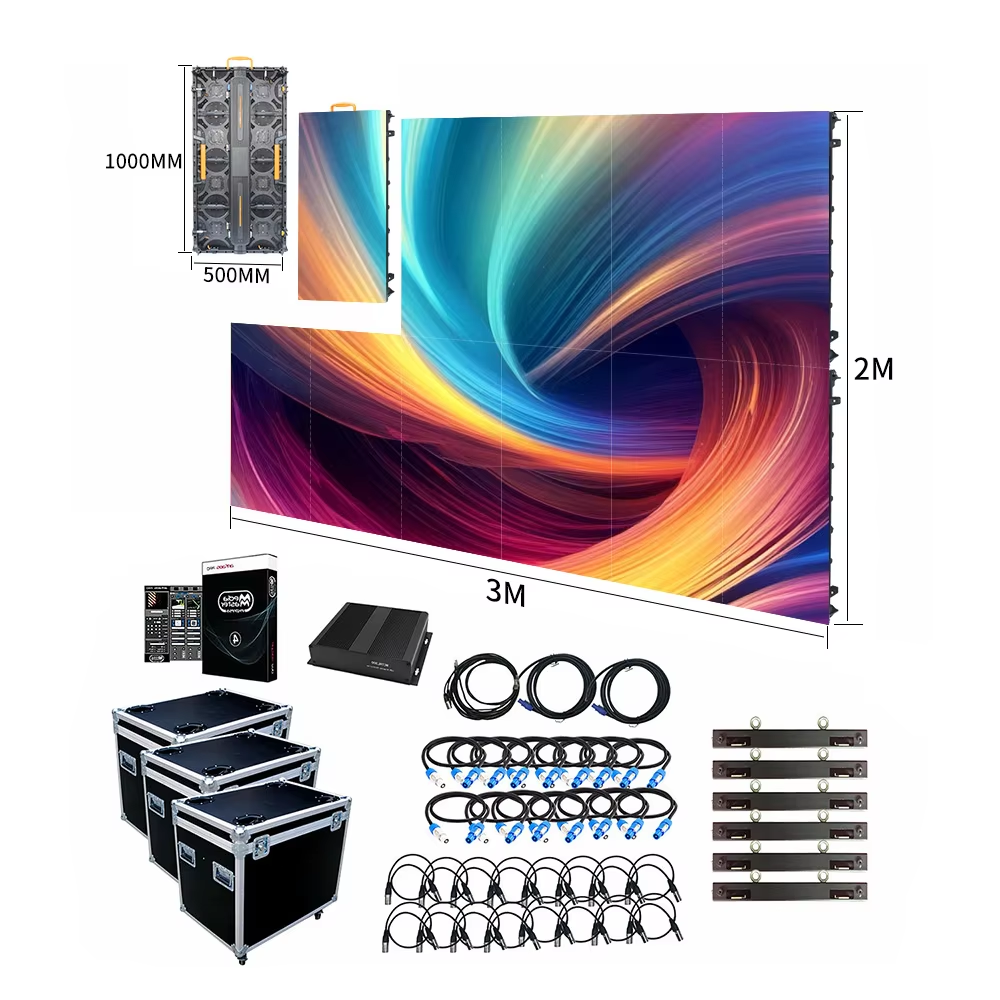
Pri vonkajších aplikáciách sa náklady zvyčajne neobmedzujú len na cenu panelu. Trieda jasu, ochrana kabinetu, rozsah riadiaceho zariadenia, káblové prepojenia a montážne komponenty všetky ovplyvňujú skutočný rozpočet.
Frekvencia obnovy a stupnica šedých odtieňov pre použitie pri snímaní kamerou
Nie každý displej vyžaduje výkonnosť kamery vysokej triedy. Avšak keď sa displej môže natáčať, používať na predstavenia nových produktov, živý obsah alebo občasné prezentácie v štýle scény, začne mať význam frekvencia obnovy. V mnohých aplikáciách, kde je displej zameraný do kamery, kupujúci hľadajú frekvenciu obnovy 3 840 Hz a vyššiu, aby sa znížili viditeľné problémy s prehliadaním pri natáčaní. Dôležitá je tiež stupnica šedích odtieňov, najmä v interiéroch s nižšou jasnosťou alebo pri obsahu s prechodmi a tmavšími tónmi. Hodnoty ako 14-bitová alebo 16-bitová stupnica šedých odtieňov stojí za overenie, ak je dôležitá kvalita obsahu na displeji aj pri natáčaní.
Prístup na servis, plánovanie náhradných dielov a budúca údržba
Rozdiel medzi servisom z prednej strany a servisom z zadnej strany často vyzerá ako drobný dizajnový detail až do začiatku inštalácie. Potom sa však stáva problémom s pracovnou silou, problémom so štruktúrou a nakoniec aj problémom s údržbou. Tímy často predpokladajú, že prístup zozadu je možný, pretože výkres to zdá sa umožňuje, avšak neskôr zistia, že skutočné podmienky na mieste poskytujú menšiu voľnú vzdialenosť, než bolo plánované.
Náhradné plánovanie patrí do rovnakej diskusie. Je oveľa jednoduchšie definovať náhradné moduly, napájací zdroje a riadiace komponenty v čase špecifikácie projektu ako neskôr hľadať náhrady z rôznych šarží. To platí najmä pri opakovaných nákupoch, fázovanej dodávke alebo akomkoľvek inžiniersky riadenom projekte, kde sa displej musí časom zachovať vizuálne konzistentný.
Skutočné hodnoty by sa vždy mali overiť vzhľadom na požiadavky projektu, podmienky na mieste a typ obsahu. Technické rozsahy sú užitočné ako referenčné údaje, avšak mali by podporovať rozhodnutie o nákupe, nie ho nahrádzať.
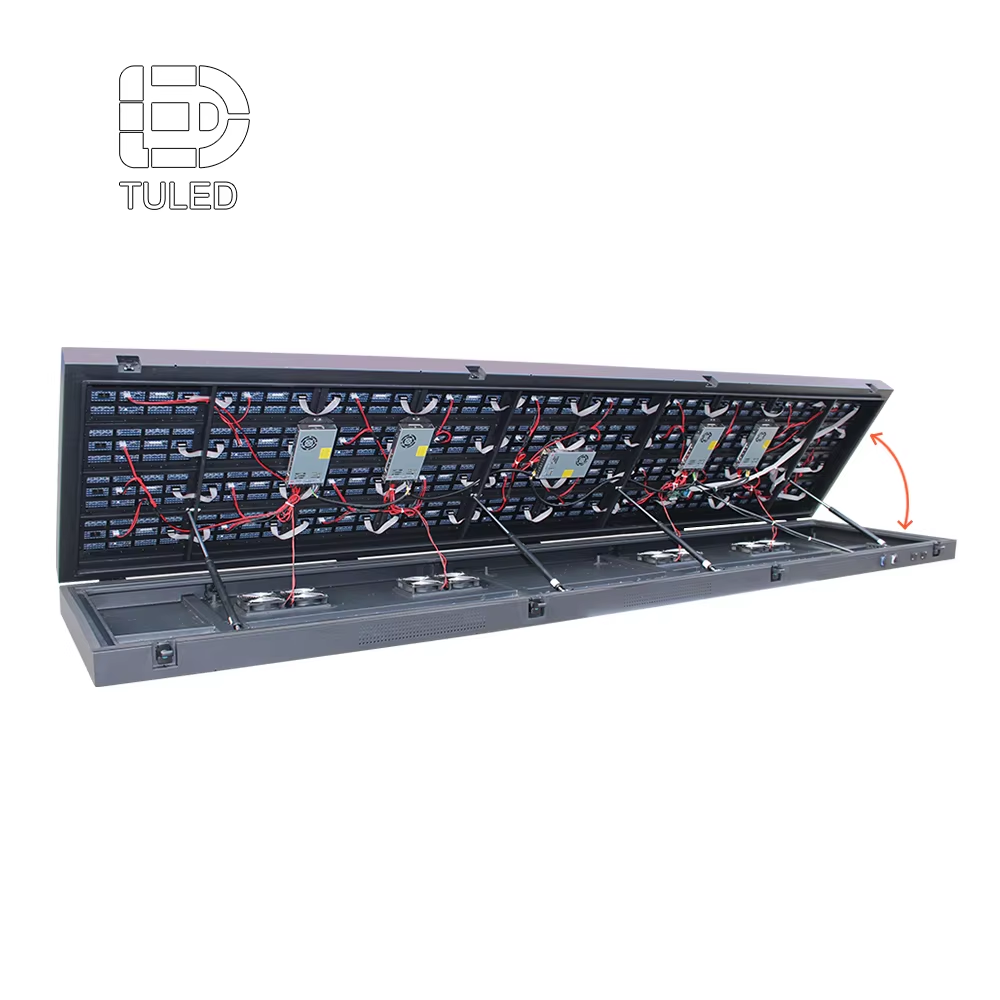
Prístup na servis sa počas citovania javí ako malá položka, avšak často rozhoduje o nákladoch na údržbu neskôr. Ide o jednu z prvých podrobností, ktoré by tímy zodpovedné za nákup mali dohodnúť s dodávateľmi a inštalatérmi.
Porovnávacia tabuľka
| ŠPEC | Možnosť | Najvhodnejšie pre | Vplyv na náklady | Poznámky |
|---|---|---|---|---|
| Cesta nákupu | Obchodná obálka | Jednorazové inštalácie, lokálne náhradné práce, urgentné malé projekty | Často vyššia jednotková cena, avšak nižšie náklady na koordináciu | Rýchlejšie schválenie, avšak rozsah môže byť menej prehľadný |
| Cesta nákupu | Hromadné získavanie | Nasadenie na viacerých lokalitách, inštalácie vedené subdodávateľmi, opakujúce sa programy zakúpok | Nižšie dlhodobé náklady v prípade stabilného rozsahu projektu | Lepšie pre konzistenciu dávkov a definované plánovanie podpory |
| Vzdialenosť medzi pixelmi | Jemný rozostup (pitch) | Vnútorné značkovanie pre blízke pozorovanie, schodiskové miestnosti, steny v premium obchodoch | Vyššie úvodné náklady | Môže byť zbytočné, ak je skutočná vzdialenosť pozorovania väčšia, ako sa očakávalo |
| Trieda jasu | Rozsah jasnosti pre vnútorné a vonkajšie použitie | Komerčné vnútorné priestory alebo výkladné plochy orientované do denného svetla | Nesprávna voľba jasnosti zvyšuje buď náklady, alebo riziko nedosiahnutia požadovanej výkonnosti | Pred schválením je potrebné skontrolovať expozíciu lokality |
| IP ochrana | Štandardná vnútorná vs. vonkajšia skriňa s ochranou IP65 | Vnútorné steny alebo vystavené vonkajšie fasády | Ochrana pred počasím zvyčajne zvyšuje cenu skrine | Je nevyhnutná v prípadoch skutočného vystavenia počasiu, nie predpokladaného |
| Prístup k servisu | Servis z predu vs. servis zozadu | Inštalácia tesne pri stene alebo projekty s reálnym zadným voľným priestorom | Nesprávna voľba môže zvýšiť náklady na inštaláciu a údržbu | Často sa nesprávne posudzuje počas revízie výkresov |
| Frekvencia obnovy | Štandardné obnovovanie vs. obnovovanie vhodné pre kameru | Statické informačné tabule alebo aplikácie orientované na kameru | Vyššia frekvencia obnovy zvyšuje náklady, avšak môže predísť problémom pri natáčaní | Malo by sa preskúmať včas, ak je možné využitie v štýle podujatia |
| Náhradné plánovanie | Ad hoc náhrady vs. náhrady zo stejnej dávky | Jednorazové úlohy alebo opakujúce sa programy | Plánované náhradné diely zvyšujú počiatočné náklady, ale znížia riziko budúcich nesúladov | Dôležité pre postupnú obstarávanie a konzistenciu značky |
Praktická kontrolná zoznam pred schválením ponuky na LED tabuľu
Pred schválením ponuky je užitočné vynútiť skutočné podrobnosti o projekte do popredia. Práve tu tímy zodpovedné za obstarávanie a dodávatelia zvyčajne ušetria najviac peňazí.
Potvrďte skutočnú vzdialenosť pozorovania, nie predpokladanú.
Uveďte, či sa miesto nachádza v interiéri, polvonku alebo je úplne vystavené.
Prispôsobte jas prostrediu namiesto toho, aby ste požadovali najvyššiu možnú hodnotu.
Potvrďte požadovaný pixelový rozostup na základe typu obsahu a vzdialenosti pozorovania.
Rozhodnite sa, či je na mieste realizovateľná servisná údržba z prednej alebo zadnej strany.
Skontrolujte, či ponúkaná cena zahŕňa len kabinetové jednotky alebo celý systém.
Zoznam priložených príslušenstiev uveďte na jednej stránke vrátane procesora a základných náhradných dielov.
Potvrďte zodpovednosť za doručenie v každej fáze prepravy a prevzatia na stavenisku.
Spýtajte sa, či sa neskoršie dávky dajú zhodniť s pôvodným displejom v prípade plánovanej rozšírnosti.
Prejdite si plán náhradných dielov pre moduly, napájací zdroj a riadiace komponenty.
Overte predpoklady týkajúce sa inštalácie, vrátane dostupnej hĺbky nosnej konštrukcie a priestoru pre servis.
Uzamknite výkres, rozmiestnenie a spôsob riadenia ešte pred tým, ako budete vyžadovať konečné znižovanie cien.
Mnoho projektových problémov začína ešte pred výrobou, nie až po nej. Displej môže byť v poriadku, no predpoklady týkajúce sa miesta inštalácie boli nesprávne, prístup na údržbu bol nedostatočný alebo rozsah podpory nikdy nebol jasne dohodnutý.
Výber správneho smeru výrobku podľa aplikácie
Rôzne aplikácie zvyčajne naznačujú rôzne smerovania výrobkov a nakupujúci ušetria čas, ak to vyriešia skôr, než sa začnú príliš intenzívne porovnávať ceny.
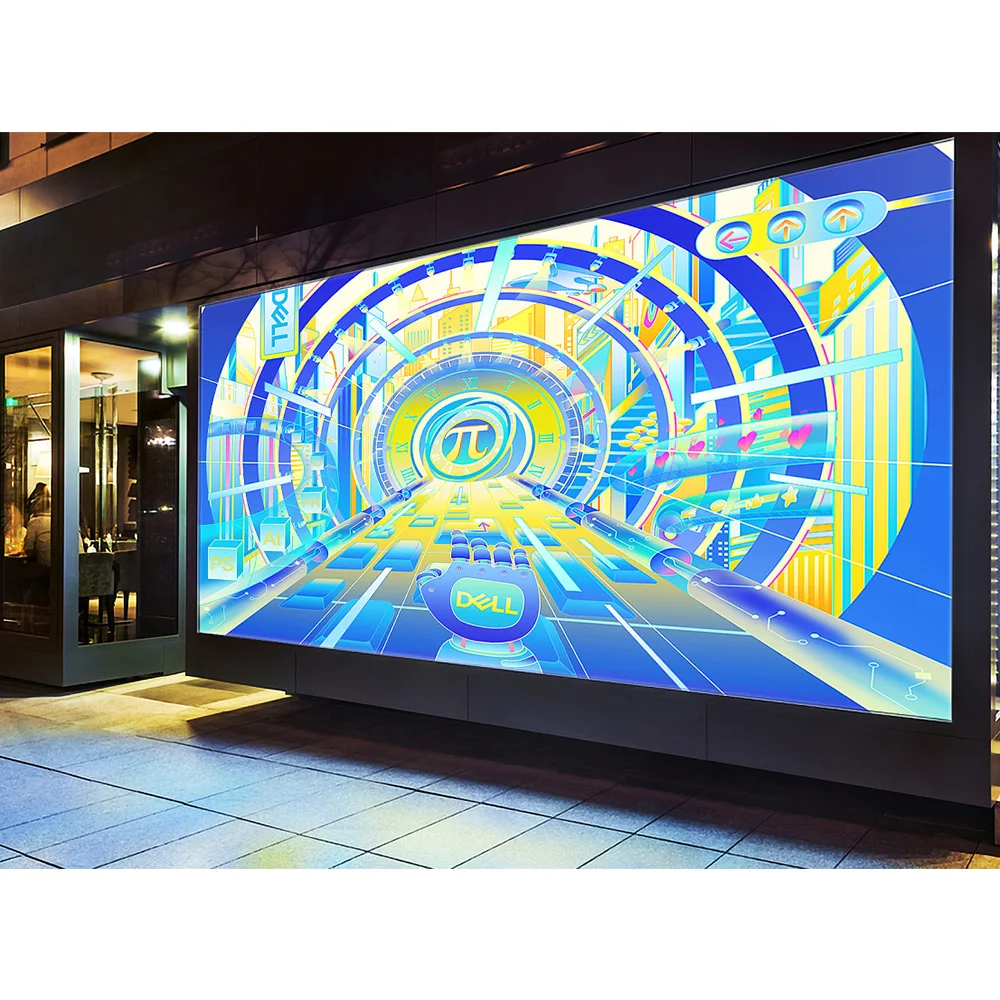
Inštalácia na pevné obchodné priestory alebo fasády zvyčajne vyžaduje štandardnejší prístup k signalizácii s dôrazom na rodinu kabinetov, prístup na servis a na to, či ide o vnútorný alebo vonkajší projekt. Práve v tomto bode velkoobchodné LED displejové možnosti sa stávajú užitočnejšie než náhodné jednorazové ponuky, najmä ak sa program neskôr môže rozširovať.
Propagačné usporiadanie používané na viacerých lokalitách sa môže skloniť k riešeniu v štýle plagátu, ak je dôležitejšia flexibilita než trvalá konštrukcia. Interiérová značková stena môže vyžadovať prístup pomocou LED video steny určenej pre pohľad z blízka s väčšou pozornosťou venovanou vzdialenosti medzi LED diódami (pitch) a kvalite obsahu. Pre aplikácie vystavené pri cestnej komunikácii alebo vonkajšie informačné tabule by mali byť návrh vonkajších kábín a ich ochrana od začiatku považované za súčasť výrobkového procesu, nie ako dodatočná úprava.
Niektoré projekty informačných tabúl sa tiež môžu stať viac orientovanými na kameru, než sa pôvodne očakávalo. Displej, ktorý bol pôvodne plánovaný ako pevná tabuľa, sa neskôr môže použiť v obsahu spustenia produktu, natáčaných podujatiach alebo značkových prezentáciách. Ak je táto možnosť reálna, frekvencia obnovy a typ kábiny by sa mali brať do úvahy skôr, nie až po tom, čo bolo hardwarové vybavenie už vybrané.
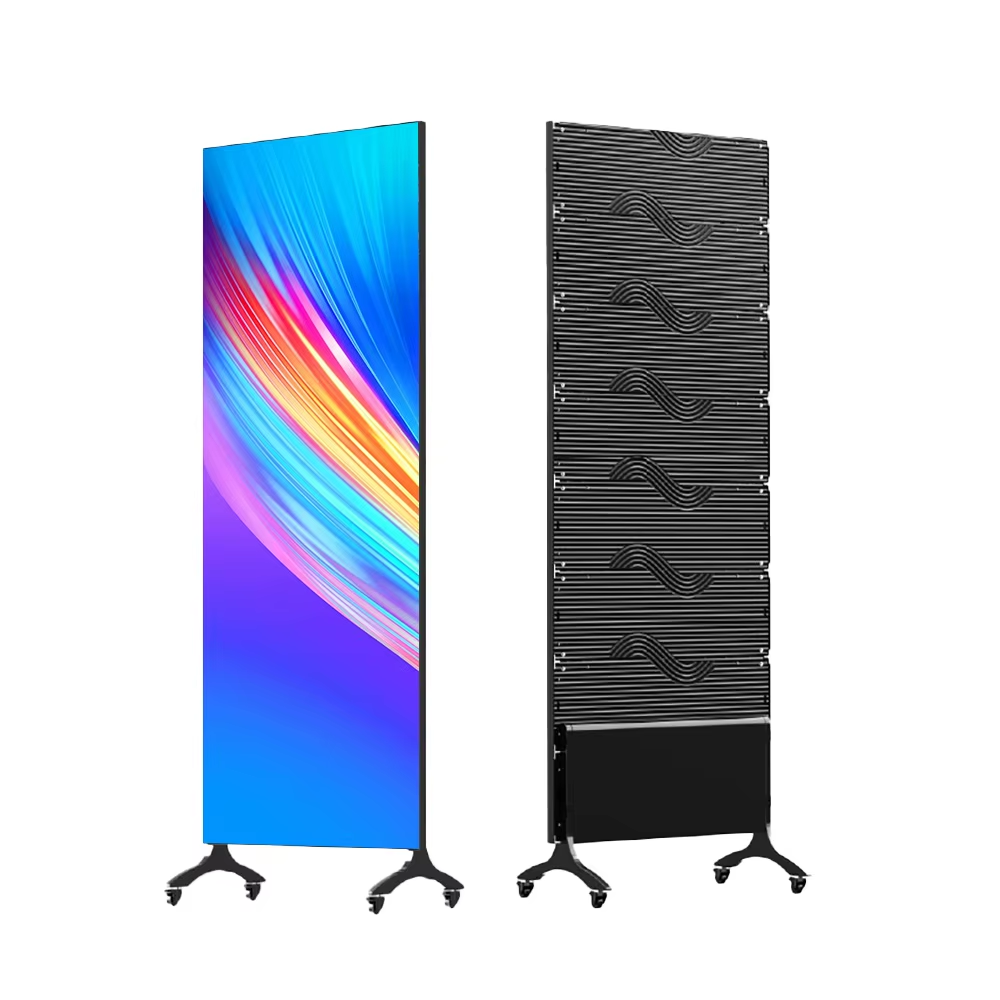
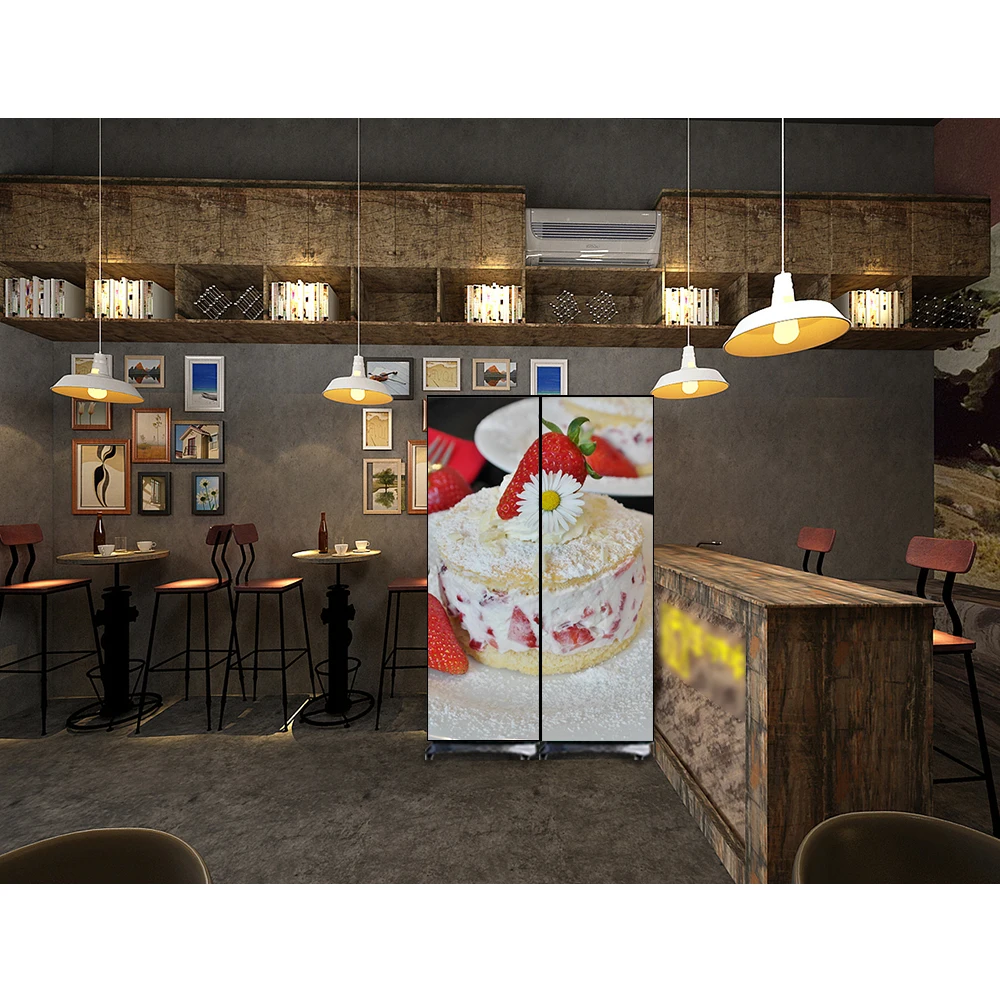
Produkty v štýle plagátu sú často vhodnejšie pre opakujúce sa interiérové kampane, propagačné akcie v nákupných centrách, výstavy a flexibilné komerčné využitie než snaha vynútiť každý projekt do jediného formátu pevnej inštalácie.
Záverečné výzvy k činnosti
Ak porovnávate nákup v režime maloobchodu s veľkoobchod s LED signmi pre nadchádzajúci projekt, najlepším ďalším krokom je zaslať skutočný rozsah práce namiesto toho, aby ste naďalej porovnávali neúplné ponuky. Môžete požiadať o ponuku, požiadať o technický list alebo odoslať projektový popis prostredníctvom kontaktný formulár . Užitočná žiadosť o ponuku zvyčajne obsahuje veľkosť displeja, aplikáciu, spôsob inštalácie, vzdialenosť pozorovania, fotografie miesta a akékoľvek obmedzenia údržby. To výrazne uľahčuje posúdenie, či veľkoobchod s LED signmi je vhodným riešením, odporučenie správnej cesty výberu produktu a vypracovanie ponuky pre projekt na základe skutočných požiadaviek namiesto predpokladov.
Často kladené otázky
Je veľkoobchod vždy lacnejší ako maloobchod?
Nie vždy. Veľkoobchod je zvyčajne cenovo výhodnejší v prípadoch, keď je špecifikácia stabilná, projekt sa môže opakovať alebo je potrebné včas definovať podporu a plánovanie náhradných dielov. Maloobchod môže stále predstavovať lepšiu hodnotu pre jednorazovú inštaláciu, rýchlu výmenu alebo malý lokálny projekt, kde je dôležitejšia pohodlnosť než hlbšia kontrola nákupného procesu.
Aká je minimálna veľkosť projektu, pri ktorej má zmysel využívať veľkoobchod?
Nie je stanovený pevný univerzálny minimálny počet. Menší opakujúci sa program môže byť pre veľkoobchod vhodnejší ako väčší projekt s nestabilnými požiadavkami. Skutočnou otázkou je, či už sú dostatočne jasné formát displeja, spôsob inštalácie a potreby podpory, aby bolo možné ich definovať pre opakované zakúpenie alebo budúce rozšírenie.
Čo by som mal/a spýtať dodávateľov LED značiek pred objednaním veľkého množstva?
Spýtajte sa, čo je zahrnuté v cene systému, či sa neskoršie dávky budú zhodovať s prvou objednávkou, aké náhradné diely sa odporúčajú, aká podpora je k dispozícii po dodaní a ako bude na mieste fungovať prístup k servisnej podpore. Tieto otázky sú zvyčajne dôležitejšie než príliš skoré hľadanie najnižšej jednotkovej ceny.
Kedy je lepšou voľbou maloobchod?
Maloobchod je často lepšou voľbou, ak je projekt malý, urgentný, lokálny a nepravdepodobné, že sa bude opakovať. Tiež dobre funguje v prípadoch, keď sa technická špecifikácia stále mení a ešte je príliš skoro na záväzné uzavretie štruktúrovanej výroby v továrni. V takom prípade môže byť pohodlie cennejšie ako plná kontrola nad nákupným procesom.
Aké informácie by mali byť uvedené v požiadavke na ponuku (RFQ) pre LED tabuľu?
Užitočná požiadavka na ponuku (RFQ) by mala obsahovať rozmery displeja, typ aplikácie, vzdialenosť pozorovania, umiestnenie v interiéri alebo exteriéri, spôsob inštalácie, preferencie pre prístup k servisným úkonom, fotografie miesta a akékoľvek požiadavky týkajúce sa obsahu alebo použitia kamery. Čím jasnejšie sú tieto body definované, tým je jednoduchšie porovnávať dodávateľov LED tabúľ na základe skutočného rozsahu práce namiesto neúplných predpokladov.