EN
EN


Resolution Planning Guide
A custom led screen should not be chosen by chasing the finest number on a quotation sheet. In real projects, the screen has to work inside a room, along a wall, across a lobby, above a stage, or out in open daylight. People do not experience it as a spec list. They experience it as a presentation that feels clear, a brand wall that feels premium, a sports display that feels bold, or a public screen that feels easy to read. Therefore, viewing distance is where image quality meets budget reality.
That is why resolution decisions feel harder than they should. A space may look impressive in renderings, yet the real question is simpler: from the place where people actually stand or sit, how much detail is worth paying for? In some settings, finer detail makes the screen feel polished, smooth, and easy on the eyes. In others, the same upgrade adds cost without changing what anyone really sees.
Moreover, resolution is only part of the story. Content type changes the answer. Screen shape changes the answer. Daily use changes the answer. A reception wall that runs brand film all day does not need to be judged like a boardroom display filled with small labels and charts. Likewise, a stage backdrop or sports display should not be evaluated as if viewers will stand right in front of it. So the smartest way to plan a screen is to connect distance, content, and purpose before comparing product options.
Why resolution decisions often go wrong
Many LED projects start from the wrong end of the discussion. The quotation arrives, the team sees pitch options, and the decision quickly turns into a comparison of numbers. That feels efficient at first, yet it often leads to a weaker outcome. A wall may end up sharper than the room needs, or cheaper than the daily content can comfortably support. In both cases, the project misses the point because the screen’s job was never defined clearly enough before the comparison began.
In daily use, nobody stands in front of a display and praises the specification sheet. The real reaction is much more human. The screen either feels clear or tiring. It either feels premium or slightly rough. It either supports the room naturally or keeps reminding everyone that a compromise was made somewhere. That is why resolution should be evaluated through experience first. The numbers matter, but only after the space, the viewing habit, and the communication goal are understood.
Another common mistake is treating every LED install as if it shares the same standard of success. A showroom wall, a command-style presentation screen, a stage backdrop, a retail window display, and an outdoor sports screen can all be excellent while using very different logic. The problem is not that one is “better” than the other. The problem is that each one is judged by a different viewing moment, a different content style, and a different budget priority.
Sometimes the request for higher definition is also covering a different issue altogether. In one project, the real problem may be that the wall is too small. In another, the content may not match the screen shape. In another, the room lighting may be working against the screen. Therefore, a strong resolution discussion always asks one practical question before anything else: what visible problem is this decision trying to solve?
Simple rule: if a recommendation cannot explain what people will actually notice from the real viewing position, then the project may be drifting into unnecessary cost.
Start with the real viewing moment
Every successful screen has a main viewing moment. In some spaces, that moment happens a few steps away, when people pause and study the content. In others, it happens from the center of the room, where the wall needs to look balanced and comfortable. In larger public environments, it happens at a distance, where the display must read quickly and carry enough strength to hold attention in motion. Once that moment is clear, the resolution decision becomes far easier to judge.
The smartest first question is not “which pitch is best?” The smarter question is “where will the screen actually be used from?” That sounds obvious, but it changes everything. It changes whether fine detail deserves the budget. It changes whether the screen should prioritize readability, atmosphere, scale, or durability. It also changes how quotation options should be compared, because a screen designed for close analysis and a screen designed for quick public recognition should never be treated as if they solve the same problem.
A practical planning sequence helps. First, identify the closest regular viewing position. Second, define the hardest normal content task. Third, confirm the intended wall size and shape. Fourth, compare what each resolution step changes from the audience position that matters. Finally, keep the budget attached to improvements people will truly see and use.
This is where a viewing distance calculator becomes useful. It helps narrow the sensible range early and prevents the conversation from bouncing between overly fine and overly coarse options. Still, it should remain a planning tool rather than a final answer. A calculator does not know whether the wall will show product film, menu content, speaker names, schedules, dashboards, or full-screen branding loops. Content type decides whether extra detail becomes meaningful or simply expensive.
There is also a human side to this. People do not watch screens like machines. They glance, linger, compare, move, and return. A well-planned screen respects that behavior. It feels right in motion, right in stillness, and right from the places where the screen matters most.
Close viewing: when detail genuinely pays back
Close-view environments are where resolution has the strongest visible payoff. These are the spaces where viewers stay near the wall long enough to notice edge quality, text comfort, skin tones, fine imagery, and the overall calmness of the picture. Boardrooms, museums, executive spaces, product briefing rooms, education walls, design studios, premium retail interiors, and experience centers usually fall into this category.
In close-view projects, a custom led screen often becomes part of the room itself. It may sit behind a speaker table, anchor a showroom wall, or shape the first impression in a reception area. Because people stay longer and notice more, the screen has to feel calm and refined rather than merely bright.
This is why close-range screens often feel more emotional than technical. If the image is smooth and settled, the room feels more deliberate. If the content looks rough or text feels harder to read than expected, the wall can quietly lower the quality of the entire environment. In these spaces, the right resolution choice protects not only clarity but also atmosphere.
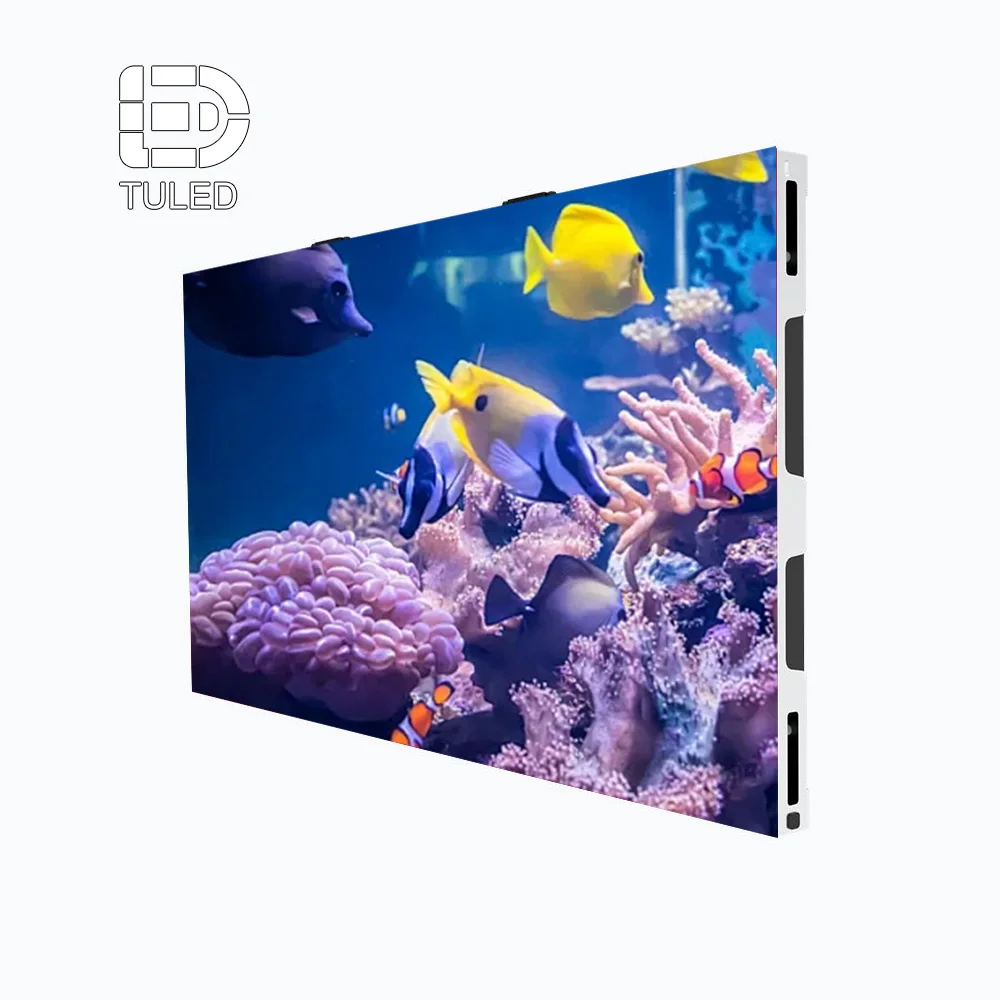
For close-view interiors such as boardrooms, showrooms, museums, and presentation walls, indoor LED display solutions often make more sense because the audience stands closer and expects a cleaner image for longer viewing sessions. In these environments, the wrong resolution choice is easier to notice because text, edges, and product visuals stay on screen long enough to be judged carefully.
Pixel pitch matters here because it affects how smooth text edges, visual lines, and image detail appear at short distance. The business result is practical: it changes whether the screen feels comfortable during longer viewing and refined enough for a premium space. Projects that rely on dashboards, presentations, product comparisons, or detailed content should pay most attention to it. A useful supplier question is: at the closest regular viewing position, what content breaks down first if the larger pitch option is chosen?
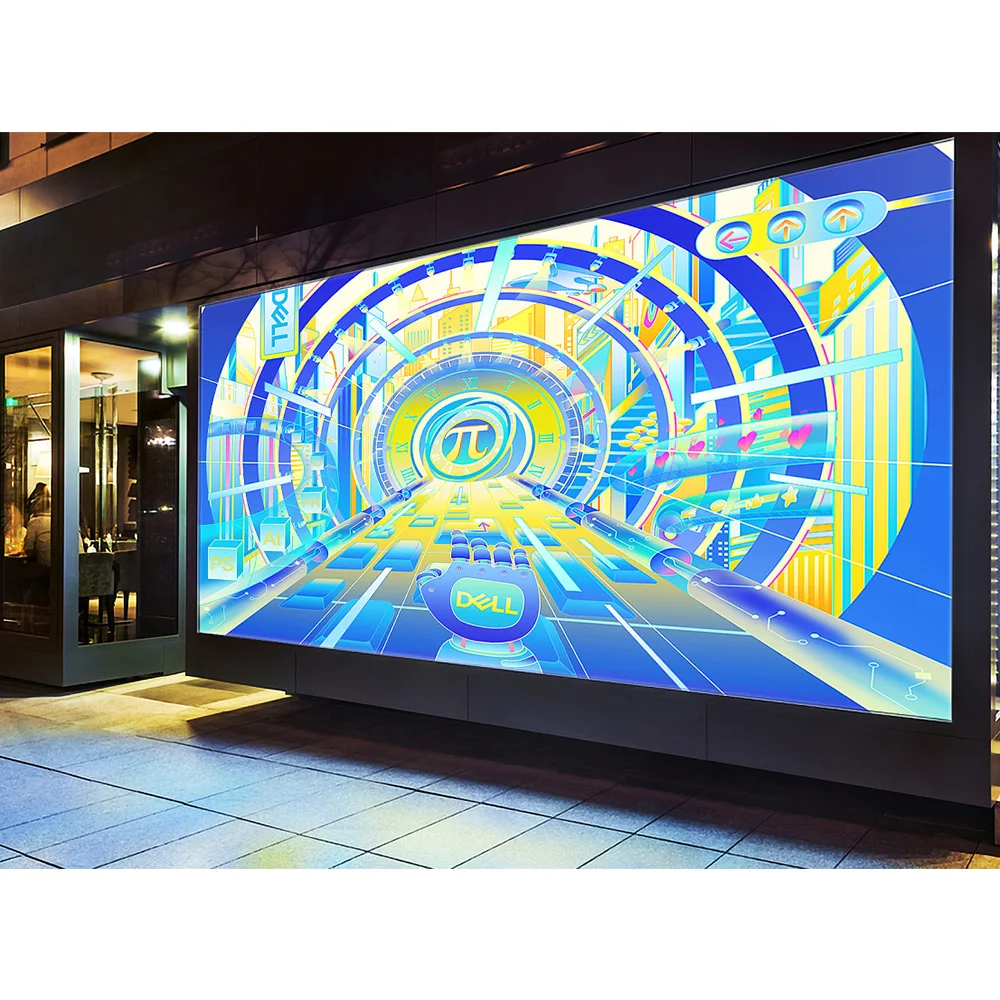
Close-view interiors usually need more than brightness. They need visual calm, comfortable readability, and a surface that feels polished during longer sessions.
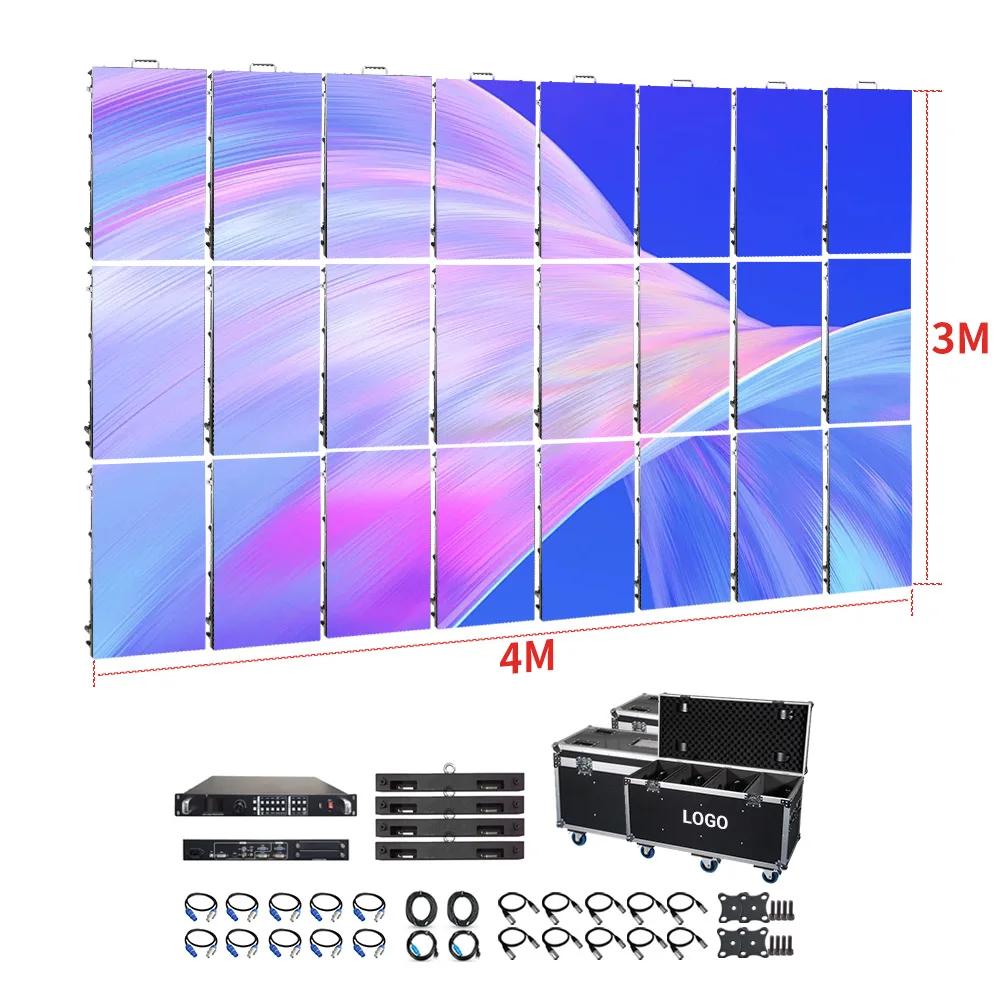
Click To View ProductHow to judge close-view suitability without overbuying
One of the simplest ways is to review real content instead of relying only on demo loops. A cinematic promo video can make almost any wall look convincing. Real presentation slides, smaller text blocks, charts, product pages, and comparison layouts tell a much more honest story. They show whether the wall feels comfortably clear or only technically acceptable.
Resolution matters in close-view spaces because it affects how much information the screen can carry cleanly on a given size. That changes whether the wall supports real working content or forces the team to simplify layouts too aggressively. Presentation rooms, product briefing spaces, and education environments should care most. A strong follow-up is: what native canvas does each option create at the planned wall size, and what does that mean for actual content use?
Aspect ratio also matters because it changes whether presentations, widescreen content, and branded layouts fit naturally or constantly need adaptation. That affects daily content efficiency and the polished feeling of the final install. A smart question is: which wall proportion best matches the dominant content formats and reduces awkward scaling in normal use?
Close-view planning becomes expensive when it is driven by fear. It becomes effective when it is driven by real content, real seating positions, and a clear picture of how the room will be used every week after installation.
Mid-distance spaces: where the smartest balance usually wins
Most commercial LED projects live in the middle. The audience is not close enough to inspect every edge, yet not far enough away for detail to stop mattering. That is why mid-distance spaces are both the most common and the easiest to misjudge. Lobbies, multipurpose halls, houses of worship, exhibition booths, hospitality areas, showrooms, conference venues, and campus interiors often operate in this range.
What makes these spaces difficult is their variety. The same wall may show brand film, event schedules, welcome screens, keynote slides, sponsor loops, speaker names, and occasional detailed content. Therefore, the strongest solution is not always the one with the finest structure. It is usually the one that stays convincing across mixed use without forcing the rest of the project into compromise.
For many commercial interiors, the best custom led screen is not the one with the finest possible pitch. It is the one that stays clear across mixed content, fits the wall naturally, and keeps enough budget for the rest of the system to work properly. That balance usually creates better long-term value than chasing a number in isolation.
This is where restraint matters. A more aggressive pitch may look reassuring in quotation form, yet the same spend might create more visible value if it goes into screen size, shape, processing quality, or service practicality. The audience does not reward a number. The audience rewards a wall that feels right from normal positions and works reliably during real use.
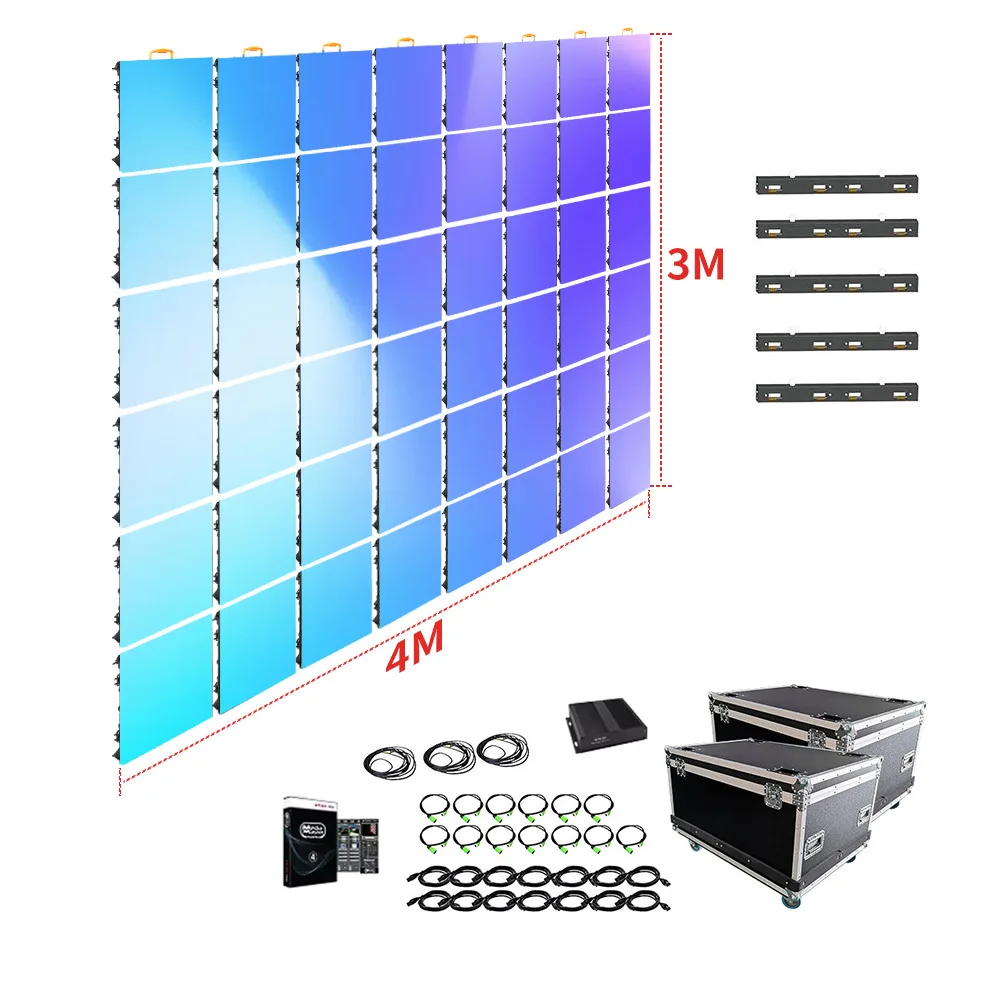
Cabinet design becomes important here because it affects how well the screen can match the intended wall dimensions, how clean the seams feel, and how service access will work later. Architectural interiors, recessed walls, and large-format feature installs should pay attention to it. The right supplier question is: which cabinet size will create the cleanest wall shape with the least compromise and the most practical access?
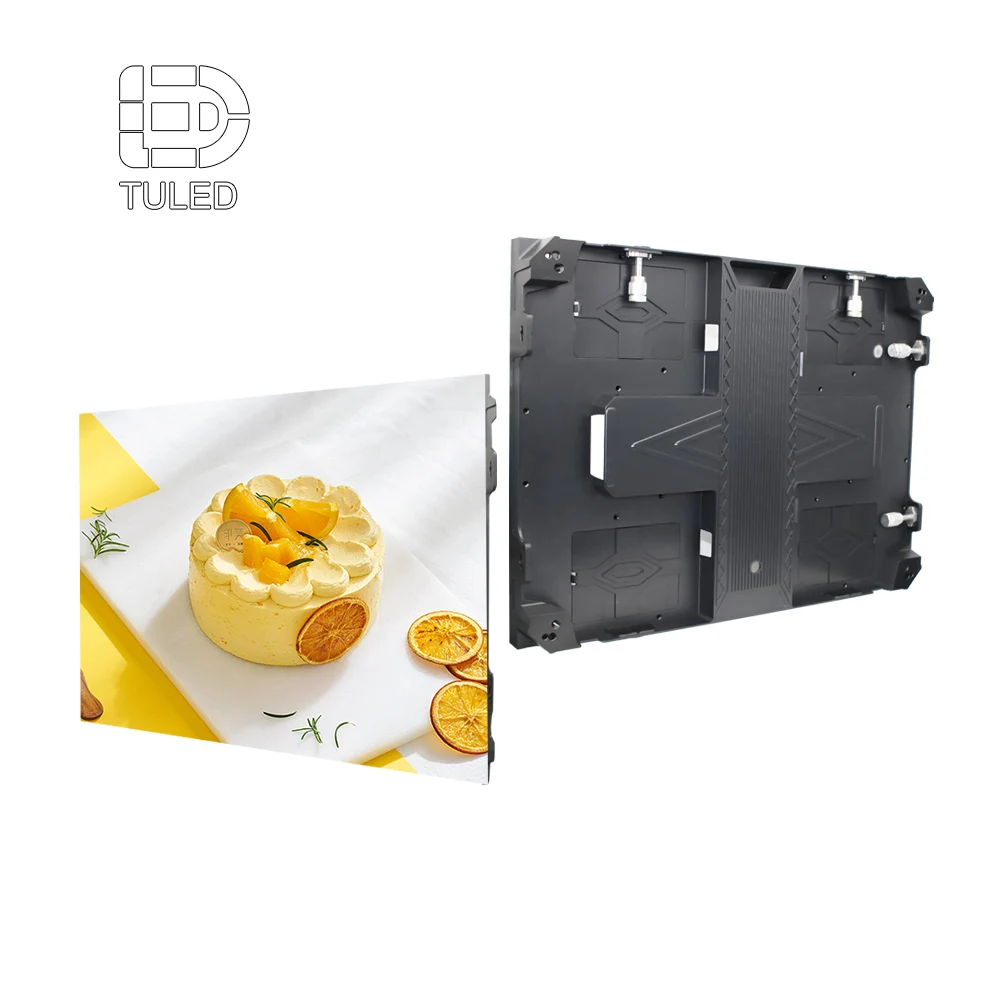
Balanced projects usually perform best by doing many jobs well instead of pushing one specification harder than the room can use.
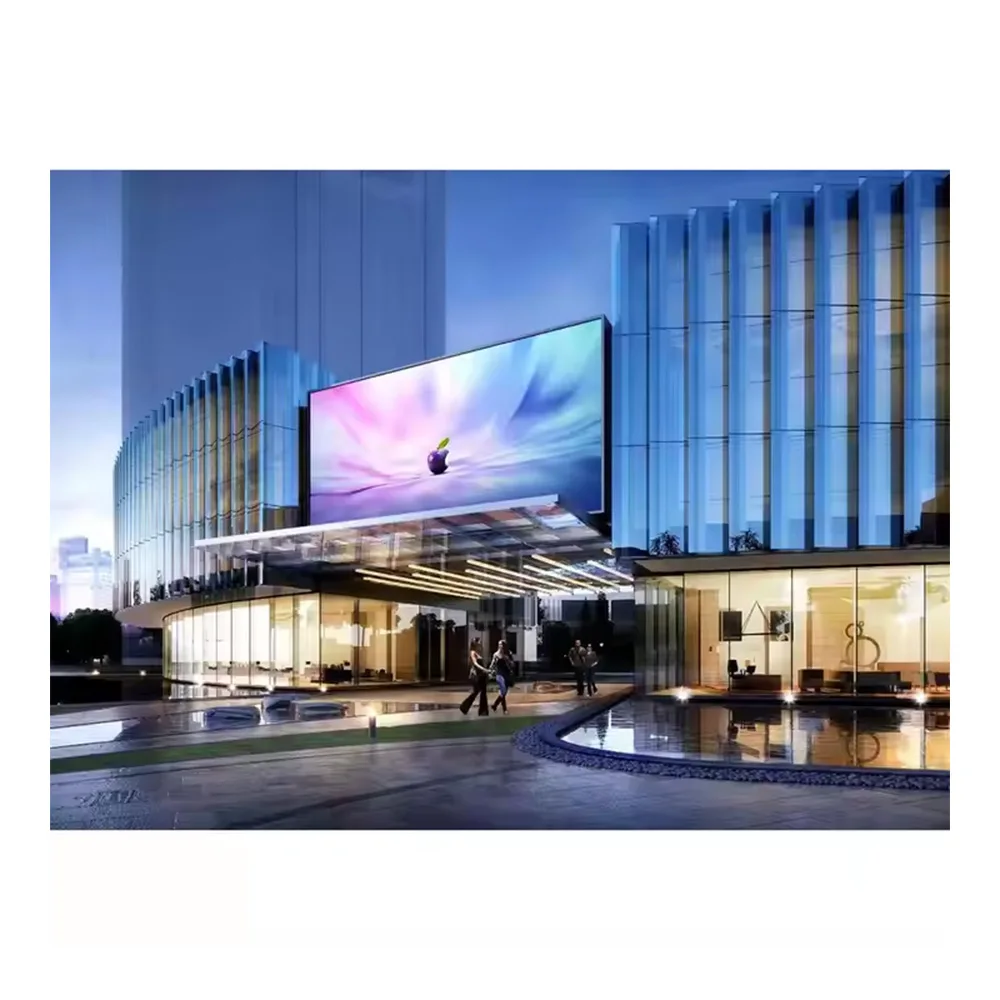
Click To View ProductWhat a balanced wall feels like in everyday use
A balanced screen does not shout about being “high spec.” It simply makes the room easier to use. Presentations feel steady. Motion looks natural. Text remains comfortable from normal viewing zones. The wall supports the architecture instead of arguing with it. In many commercial spaces, that sense of ease creates more value than one extra step of theoretical refinement.
Control system planning matters here because it affects how sources switch, how content scales, and how stable the wall feels during events and daily operation. That changes real usability. Multipurpose venues and flexible interiors should ask which controller setup best fits the content workflow and what limitations need to be considered early.
Refresh rate matters when the wall will be filmed or viewed through cameras. That changes whether the display looks stable on livestreams, recordings, or stage capture. Hybrid venues, worship spaces, and event environments should care most. The useful follow-up is: if camera capture is involved, what refresh level is recommended for the actual production setup?
Far viewing: where image strength matters more than microscopic sharpness
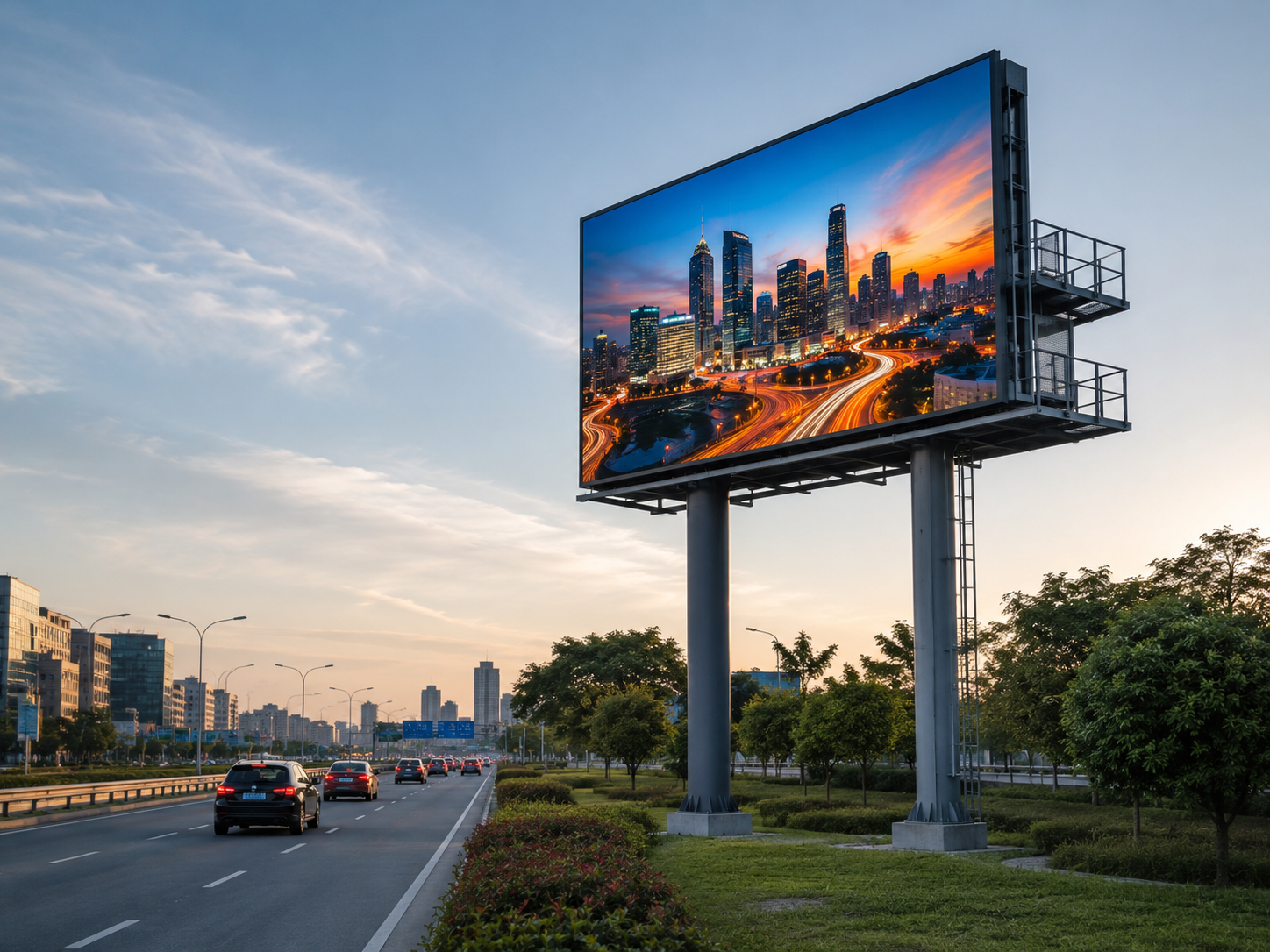
Once the audience moves farther away, resolution should be judged differently. At that point, the screen succeeds less by delicate texture and more by visibility, speed of recognition, and enough visual confidence to hold attention in a larger environment. This applies to sports venues, public halls, transport spaces, plazas, roadside locations, and large exterior surfaces.
In these environments, going finer can quickly become the least efficient place to put budget. The audience is not standing still a few feet away. They are scanning, walking, looking up from a distance, or watching from seating zones. They need the message to arrive quickly. They need bold structure, not microscopic refinement.
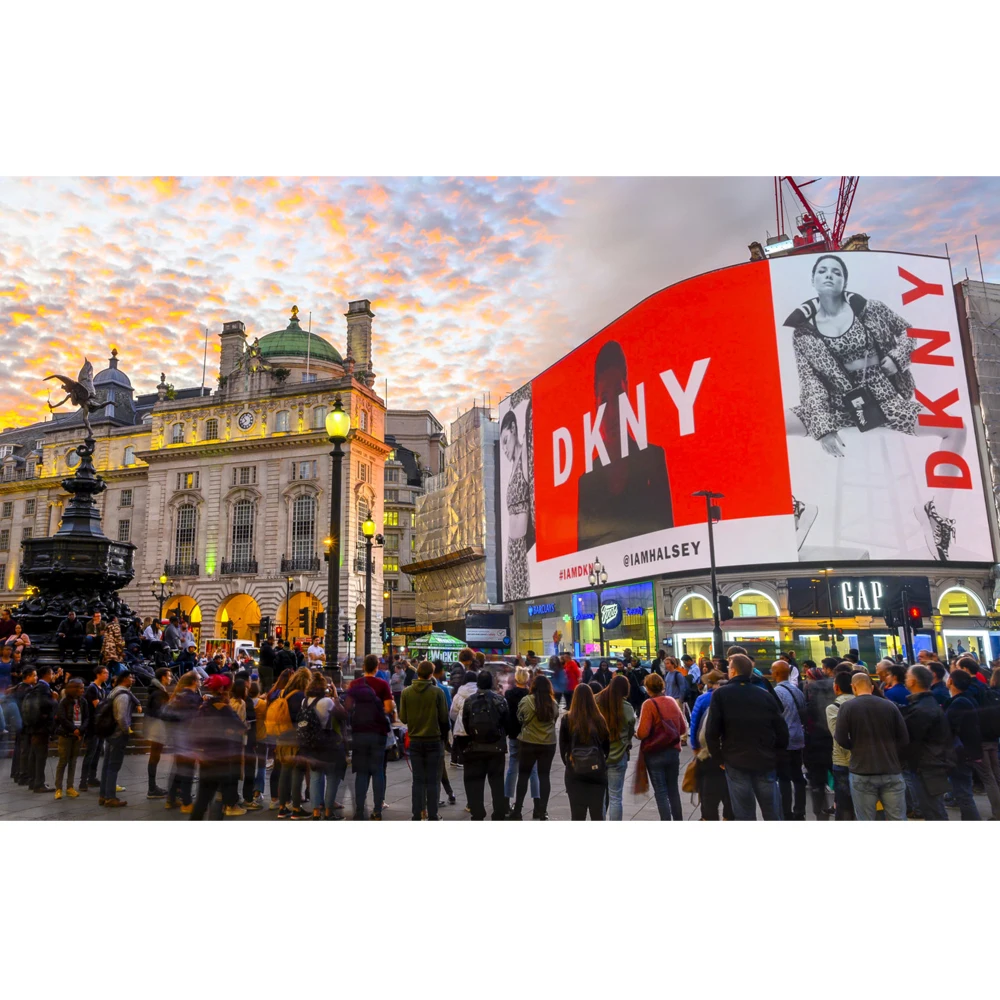
In longer-distance environments, the planning logic changes. A stadium LED display is judged by visibility, scale, and clarity from real seating zones, not by how fine it looks from a maintenance ladder. That is why many large public projects create more value through stronger visibility and better fit than through overly aggressive pitch selection.
Brightness matters more in these projects because it affects whether the screen remains convincing under daylight or strong ambient conditions. The business result is obvious: if the image loses strength when the site is bright, the message loses force too. Outdoor public displays, transport environments, and sports installs should focus on this. A smart supplier question is: based on the site orientation and actual light conditions, what brightness range is genuinely required rather than simply available?
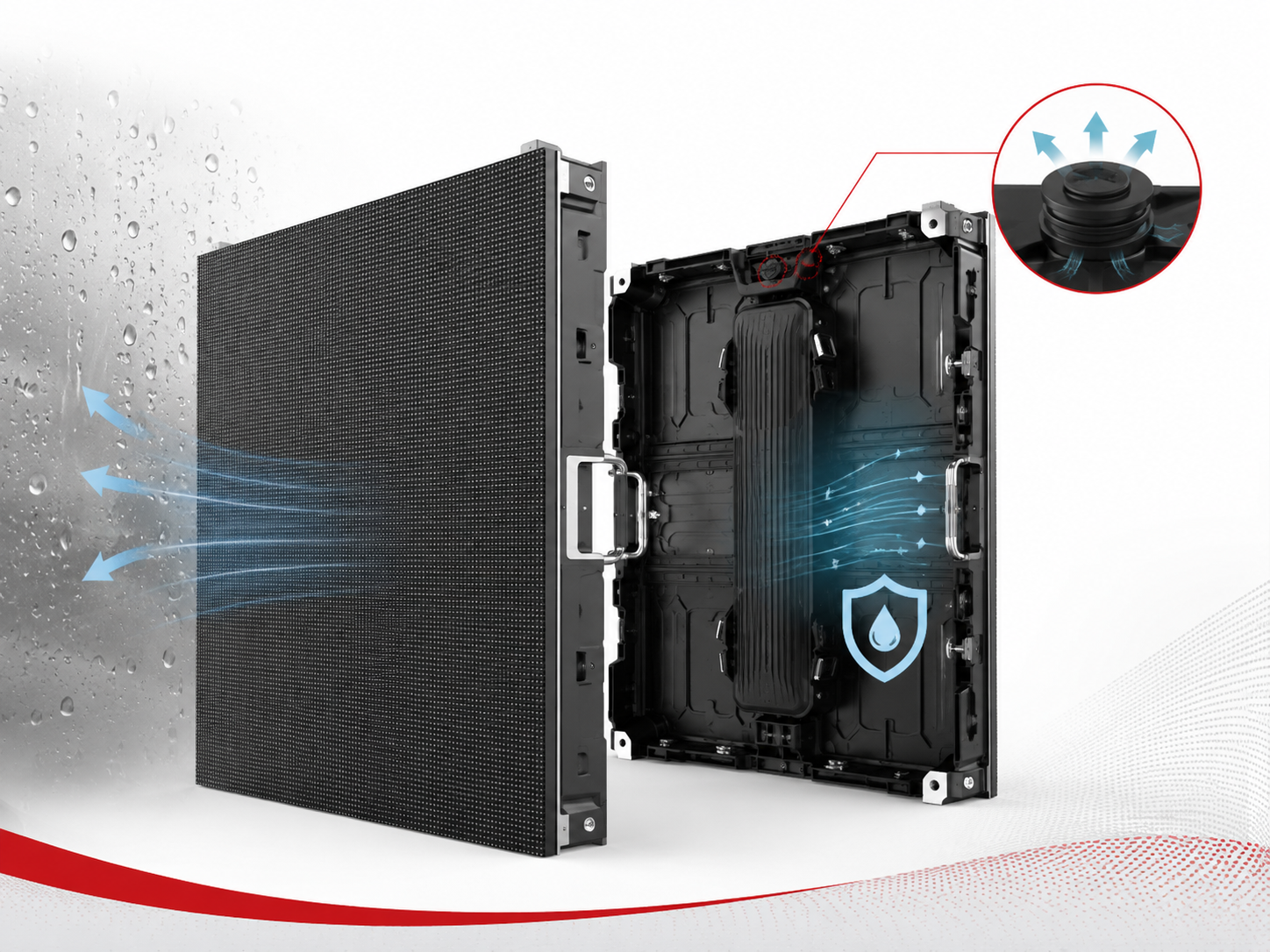
IP rating matters because it affects resistance to weather and exposure. That changes long-term stability, maintenance pressure, and downtime risk. Outdoor and semi-exposed projects should prioritize it far more than small gains in fine detail. The key question is: which parts of the system carry the stated protection level, and how does that match the real exposure at the site?
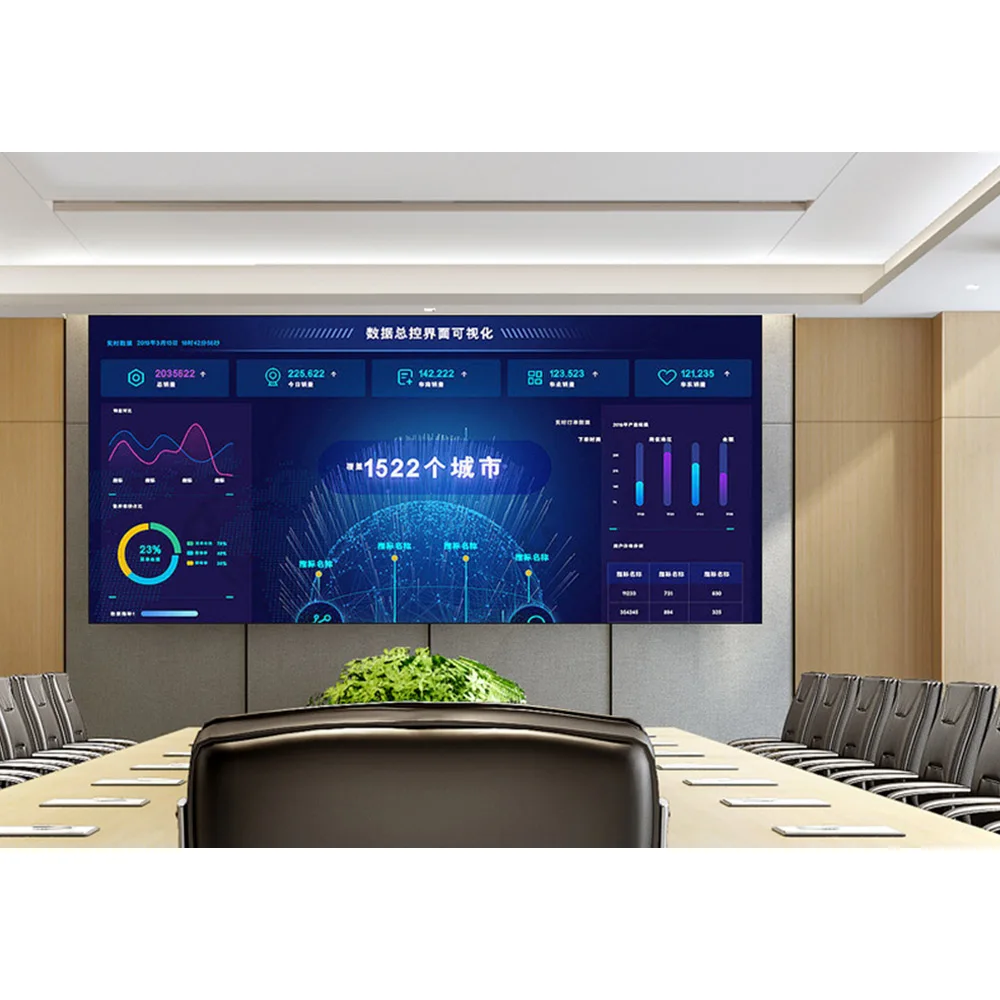
Long-distance screens win when the message is easy to catch and the wall stays strong in real conditions, not when it looks luxurious from an unrealistic angle.
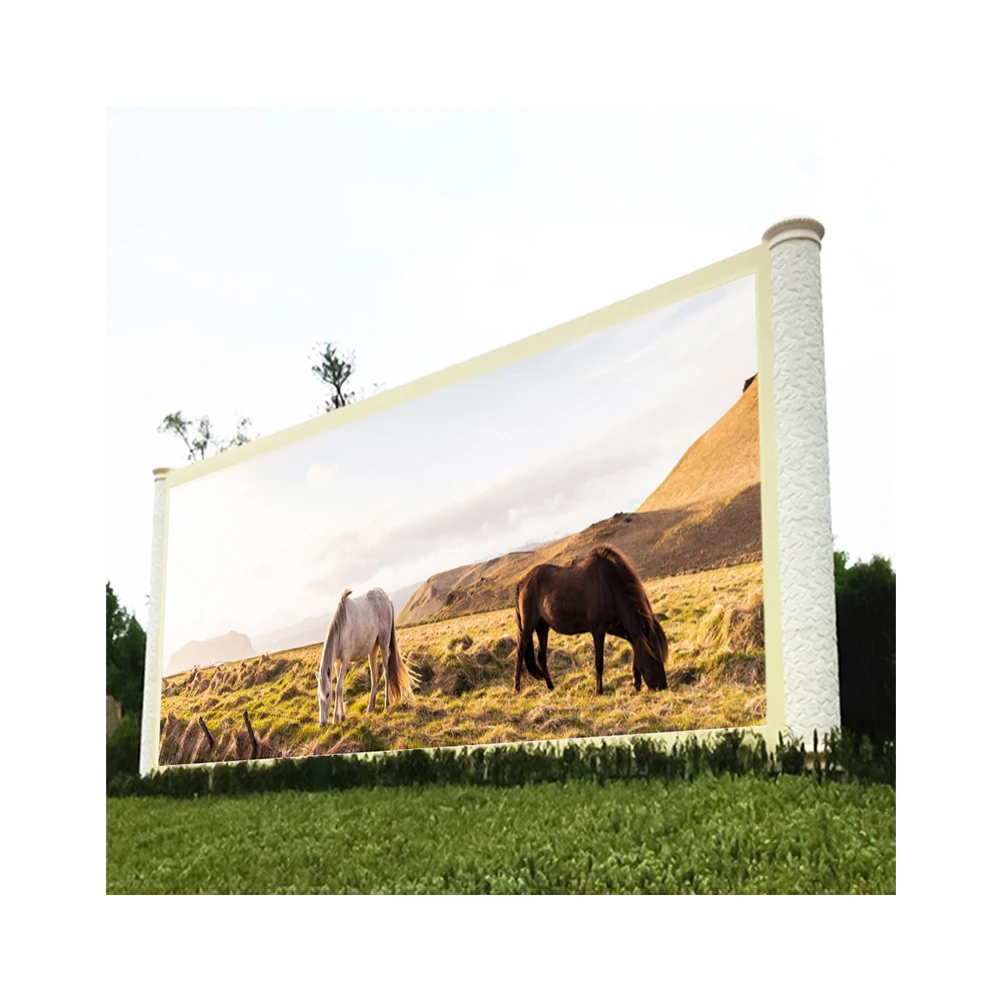
Click To View ProductWhy bigger impact often beats extra detail
Far-view projects usually become more effective when content is designed for speed, contrast, and immediate recognition. In those cases, a larger screen area, stronger daylight performance, or a more practical service strategy may do more for the final result than an upgrade in fine structure. The audience will remember whether the wall felt visible and confident, not whether the pixel density looked premium from an unimportant angle.
Power and heat behavior also matter because they affect planning, operating conditions, and long-term reliability. Large-format projects, enclosed structures, and long-hour operations should ask what real operating conditions to expect and what support planning should be addressed early.
When finer pitch is worth paying for
Finer pitch deserves the extra budget when it clearly changes what people see and feel in the real space. That usually happens when the audience is close, detailed content appears often, and the wall plays an important role in a premium environment. Under those conditions, extra refinement can create a calmer, more polished, and more trustworthy viewing experience.
It is especially valuable in rooms where people stay with the content for longer periods. Boardrooms, executive spaces, high-end retail interiors, museums, and product briefing zones are good examples. In these settings, people do not only glance at the wall. They study it, compare detail, and keep returning to it. The wall becomes part of the room’s authority.
A finer solution can also make sense when the screen needs to replace expectations created by more traditional high-detail display formats. If the environment already communicates precision through architecture, materials, lighting, and branding, then the screen should not become the weakest visual surface in the room.
Signs the finer option may be justified
- The closest regular viewing position is genuinely short.
- Small text, charts, dashboards, or comparison layouts appear often.
- The wall supports longer viewing sessions rather than quick glances.
- The space is premium enough that image texture affects the whole atmosphere.
- Product visuals, faces, and detailed brand storytelling matter to the experience.
- The extra spend does not force weaker decisions elsewhere in the project.
The last point is often the most important. A finer pitch only creates real value when it improves the wall without stealing too much budget from size, ratio, processing, control, service planning, or installation quality. When it supports the whole system, it is worth it. When it distorts the whole system, it is not.
When finer pitch becomes wasteful
Waste in LED planning is not only about paying too much. It is also about paying in the wrong direction. A wall can look technically impressive in quotation form while quietly becoming less effective in actual use. This happens when the pitch is pushed too fine for the real viewing distance and other parts of the project have to give way.
In practical terms, that can mean the wall ends up smaller than it should be. It can mean the final proportion feels less natural. It can mean the service strategy becomes more awkward. It can mean the control path becomes tighter or the budget for content preparation becomes weaker. Suddenly the project is refined on paper, yet less comfortable and less useful in the room.
Finer pitch also becomes wasteful when the content itself is forgiving. If the screen mostly shows bold motion, live video, logos, atmosphere visuals, scores, or short message content, the visible return may flatten quickly. At normal viewing positions, the audience may not notice enough difference to justify the extra spend.
Another warning sign appears when a team designs for the closest possible observer instead of the closest regular observer. Someone standing directly beneath an outdoor screen, near a stage backdrop, or close to a wall during installation should not define the full budget. The proper design target is the position that matters during normal use.
The clearest test is simple: what visible change will the next finer step create in the actual space, and how often will that benefit matter? If the answer is hard to describe, then the budget may be better used somewhere else.
How content changes the answer
Even when two walls share the same size and the same viewing distance, they may still need different planning because their content asks different things from the eye. This is why resolution conversations that ignore content often become misleading. They treat the screen as if it has only one job when, in reality, the wall may carry everything from emotional video to dense information.
Brand storytelling content is usually more forgiving. Full-screen motion graphics, cinematic loops, product photography, campaign visuals, and ambient motion depend more on composition, contrast, and flow than on tiny text fidelity. When the audience is not extremely close, these formats often perform well without forcing the project toward the most aggressive detail level.
Information-dense content behaves differently. Dashboards, schedules, menus, campus notices, presentation slides, maps, data tables, and comparison pages expose a weak fit much faster. In those cases, the wall is not only attracting attention. It is carrying information that needs to be read, trusted, and absorbed without strain.
Mixed-use spaces are the most demanding because they do both. A lobby may run beautiful brand film most of the day, then switch to event agendas and sponsor layouts in the afternoon. A showroom may move from cinematic storytelling to technical product presentation. That is why the safest habit is to identify the hardest regular content task and let that set the minimum acceptable standard.
A clearer inquiry also makes it easier to compare one custom led screen proposal against another. Once viewing distance, content type, wall size, and service conditions are defined, the quotation becomes more meaningful because each recommendation is responding to the same real-world brief.
Why aspect ratio changes the result
Aspect ratio is often treated as a secondary design note, yet it affects daily usability more than many teams expect. Even a well-chosen resolution can feel wrong if the wall shape fights the content it needs to carry. A mismatch leads to wasted space, awkward cropping, repeated redesign, or layouts that never look fully settled.
This becomes obvious in presentation-heavy rooms. If slides always look slightly compromised, the problem may not be definition alone. The problem may be that the wall proportion does not fit the content ecosystem. In brand-driven spaces, the opposite can happen. A wide ribbon, a portrait format, or a custom architectural proportion may produce a more memorable result than a conventional rectangle because it suits the story the space wants to tell.
That is why screen size and shape should be discussed before the final resolution choice is locked. In many projects, a slightly larger wall with a better ratio creates more value than a smaller wall pushed toward a finer option. The audience experiences the whole image first, not the number behind it.
Cabinet choice matters here because it affects whether the intended ratio can be built cleanly and serviced practically. That changes edge finish, installation logic, and long-term maintenance ease. Projects with custom wall dimensions, recesses, or architectural alignment needs should always ask how cabinet format will shape the final proportion and access path.
Decision table
| Project condition | What matters most | Where extra budget often helps | Where extra budget often gets wasted | Best supplier question |
|---|---|---|---|---|
| Close indoor wall for presentations, product detail, or collaboration | Readability, comfort, refined image, long-view ease | Finer fit, better ratio, real content review | Paying for unrelated extras instead of the actual viewing need | What does the closest regular viewing position really require for our hardest content? |
| Mid-distance mixed-use wall in a lobby, venue, or showroom | Balance, flexibility, visual confidence | Right-size pitch, practical wall shape, stable processing | Choosing ultra-fine detail for rare close inspection | Which option covers the hardest regular content without overbuilding the wall? |
| Stage backdrop or event screen | Impact, reliable operation, camera-friendly performance | Refresh planning, manageable setup, balanced image strength | Paying for detail the audience will never use | What will the main audience actually notice from their seats? |
| Outdoor public-facing screen | Visibility, durability, fast message recognition | Brightness, service access, environmental fit | Upgrading detail beyond normal viewing benefit | Where does visible improvement flatten out at this site? |
| Sports or large public venue display | Legibility, scale, reliability, daylight strength | Screen scale, rugged design, spectator visibility | Moving finer without changing the audience experience | What visible gain does the next finer step create from the main seating zones? |
This kind of decision table keeps the discussion attached to real outcomes. It also makes quotation comparison more honest. If two proposals recommend different paths, the next step should not be guessing which one is “better.” The better step is asking which viewing, content, and wall-shape assumptions led to each recommendation.
What to prepare before quotation
A stronger inquiry usually creates a stronger recommendation. It does not need to sound overly technical. In fact, copied parameter lists often slow the process down because they describe products instead of use. What matters more is a clear picture of where the wall will live, how it will be viewed, and what it needs to do every day.
A practical inquiry should cover the installation scene, approximate viewing distance, target wall width and height, main content types, whether text readability matters, whether the wall is indoor or outdoor, any service-access limits, and whether filming or camera use is expected. These details give the engineering side enough context to recommend a realistic direction instead of sending a generic quote.
The best custom led screen inquiries also include the hardest normal content task. This single detail saves time because it tells the supplier what must not fail after installation. Once that is clear, product fit, screen shape, control planning, and service logic become much easier to evaluate.
Quick inquiry checklist
- Closest regular viewing distance
- Farthest important viewing zone
- Main content categories
- Hardest regular content task
- Target width and height, or available wall area
- Preferred screen shape or dominant content format
- Indoor or outdoor use
- Mounting notes, service access limits, or site photos
- Whether camera capture or livestreaming is involved
- Destination market and expected timeline
For more structured factory-evaluation questions before pricing, the LED display screen supplier guide is a useful supporting read. It helps clarify what should be confirmed before committing to a quote, especially when several options appear similar at first glance.
How the right screen feels after installation
The strongest LED projects are rarely remembered as “the one with the best parameters.” They are remembered as spaces that simply work. In a meeting room, the wall feels calm and easy to follow. In a reception area, it feels polished and welcoming. In retail, it feels vivid without becoming harsh. On a stage, it feels bold and stable. In public-facing environments, it feels visible without effort.
That emotional reality matters because screens become part of routines. They support launches, welcomes, promotions, presentations, schedules, storytelling, and wayfinding. When the fit is right, the wall settles into the space naturally. When the fit is wrong, the wall may still function, but it never fully feels at home.
Product choice works best when it is tied to scene choice. The most convincing result usually comes when the wall configuration, the content plan, and the room behavior are treated as one decision rather than as separate tasks. That is how a screen stops being a generic display and starts feeling purpose-built.

A good result rarely comes from one number alone. It comes from matching the right screen form to the way the wall will actually live in the space.
Click To View ProductIn practical terms, this means the best solution is usually the one that balances viewing distance, content type, shape, daily operation, and long-term use. That kind of fit creates more durable value than pushing one specification harder than the room can meaningfully use.
Extended reading
Custom led screen solutions
Explore size customization, layout matching, and project-based configuration ideas for a custom led screen built around real viewing needs.
Indoor LED display
Helpful for close-view interiors, presentation walls, showrooms, and other spaces where image comfort matters every day.
Stadium LED display
A useful reference point for larger venues and longer viewing distances where visibility and durability lead the decision.
FAQ
How should viewing distance influence LED screen resolution?
Viewing distance should lead the decision because it determines how much image structure the audience can actually notice in normal use. Close viewing raises the value of finer detail. Longer viewing distances reduce that value and often shift the priority toward scale, brightness, durability, and easier message recognition.
When is finer pitch worth the extra budget?
It is usually worth the premium when the audience stands relatively close, when the wall must show small text or detailed content, or when the display sits in a premium interior where image texture affects the entire atmosphere. It becomes less valuable when the audience is farther away or when the content is mostly bold graphics, live video, and short messages.
How do content type and aspect ratio affect the decision?
Content type determines how much detail the screen needs to carry comfortably. Text-heavy layouts need more discipline than full-screen visual loops. Aspect ratio matters because it determines how naturally that content fits the wall. In many projects, a better-fitting wall shape improves daily use more than one step of extra resolution.
Is a viewing distance calculator enough on its own?
No. It is a useful planning tool because it narrows the sensible range early, but it should not make the final choice by itself. Final selection still needs to reflect content, wall size, shape, installation conditions, and what visible improvement each upgrade step creates in the actual space.
What should be prepared before asking for a quotation?
The most useful inputs are the installation scene, approximate viewing distance, target screen size, main content examples, indoor or outdoor conditions, and any service or camera-related notes. These details make the recommendation more accurate and reduce unnecessary back-and-forth during quotation.
Bring the discussion back to real use
When the project brief starts with the space, the viewing distance, and the content that matters most, the recommendation becomes easier to trust. That usually leads to clearer quotation comparison, better budget focus, and a wall that feels right after installation rather than only sounding right during planning.
For projects that need custom sizing, scenario-based resolution guidance, and quicker factory-side evaluation, share the wall size, viewing distance, content type, and site conditions through contact us. That makes it easier to define whether the right custom led screen should prioritize close-view refinement, mixed-use balance, or long-distance visual impact.
Get A Quote