EN
EN


لا ينبغي أن تبدأ عملية ترقية جدار LED في المتجر من حجم الشاشة. بل ينبغي أن تبدأ من المشكلة التي يواجهها المتجر. وبالنسبة للفِرَق التي تُقارن بين بيع بالجملة لشاشات العرض LED الخيارات المتاحة، فإن السؤال الحقيقي هو ما إذا كانت الشاشة قادرةً على تحسين مدى الرؤية، وتبسيط تحديثات الحملات التسويقية، ودعم أهداف زيادة عدد الزوّار، وأن تتناسب مع الإيقاع اليومي للمتجر دون أن تُسبّب ضغوطاً إضافية في الصيانة.
الخطأ الحقيقي في ترقيات جدران LED في قطاع البيع بالتجزئة
في العديد من مشاريع البيع بالتجزئة، تبدأ الجلسة الأولى بسؤالٍ بسيط: ما الحجم المناسب للشاشة؟ ومع ذلك، فإن هذا السؤال يطرح في وقتٍ مبكّرٍ جداً. فقد تبدو شاشة كبيرة مثيرة للإعجاب في صورة منتج، لكنها قد لا تحل المشكلة الحقيقية المتعلقة بالتواصل في المتجر.
فعلى سبيل المثال، قد تحتاج منطقة المدخل رسالة ترويجية موجزة يمكن قراءتها خلال ثلاث ثوانٍ. وفي الوقت نفسه، قد تحتاج الجدار الخلفي إلى فيديو علامة تجارية أبطأ يعزّز الجو العام ويساعد في سرد القصص حول المنتجات. ولذلك، فإن القرار الأول يجب أن يركّز على الوظيفة التي ستؤديها الشاشة، وليس فقط على حجمها.
تعمل لوحة LED التجزئية بشكل أفضل عندما تصبح جزءًا من رحلة العميل داخل المتجر. ويجب أن تساعد الزبائن على ملاحظة المتجر، وفهم العرض الترويجي، والانتقال نحو منطقة المنتجات، أو تذكُّر العلامة التجارية. وإذا كانت الشاشة تضيف فقط الإضاءة دون غرضٍ واضح، فقد يُنظر إلى الترقية على أنها مكلفة لكنها ضعيفة الأثر.
نقطة انطلاق أفضل: حدِّد الدور اليومي للشاشة قبل مقارنة عروض الأسعار.
وبالنظر إلى الجوانب العملية، قد تحتاج الشاشة إلى أداء دور جاذب للواجهة الأمامية للمتجر، أو جدار حملة ترويجية، أو منطقة تثقيفية عن المنتجات، أو لوحة رسائل في منطقة الانتظار، أو سطح مرِن للفعاليات.
يستخدم هذا المقال هيكلًا يعتمد على دراسة حالة. فهو لا يخترع اسم علامة تجارية أو رقم مبيعات أو ادعاءً غير واقعيًا بشأن العائد على الاستثمار (ROI). بل يشرح بدلًا من ذلك كيفية تقييم ترقية لوحة LED التجزئية من زوايا المشهد، والمحتوى، والتركيب، وعروض الأسعار، والاستخدام طويل الأمد.
مشهد المشروع: متجر يسعى إلى زيادة مدى ظهوره وتحديث حملاته الترويجية بشكل أسرع
تخيّل متجر تجزئة في منطقة تجارية مزدحمة. وخلال أوقات الذروة، يمرّ الناس بسرعة أمام المدخل. وتُستبدل الملصقات المطبوعة كل بضعة أسابيع، لكن الرسالة غالبًا ما تبدو متأخرة. وتعرض شاشات LCD صغيرة محتوىً داخل المتجر، ومع ذلك فهي لا تخلق جذبًا بصريًّا كافيًا من الممر.
ونتيجةً لذلك، ينظر فريق المتجر في ترقية الجدار الإعلاني LED الخاص بالتجزئة. والهدف ليس ببساطة أن «يبدو حديثًا»، بل هو جعل العروض الترويجية أكثر وضوحًا، وتحديث الحملات الموسمية أسرع، وخلق ذاكرة بصرية أقوى داخل المتجر.
ومع ذلك، لا يمكن تقييم المشروع بمعلَّمة واحدة فقط. فمسافة البكسل، والسطوع، وتصميم الخزانة، وأسلوب التحكم، وسهولة الوصول للصيانة — كلها عوامل ذات أهمية. ومع ذلك، يجب أن ترتبط كل نقطة تقنية بنتيجة تجارية ملموسة. وإلا تحول النقاش إلى قائمة مواصفات بدلًا من قرار مشروع.
للجدران الداخلية في المتاجر، يكون شاشة العرض LED الداخلية يتم مراجعته عادةً أولاً لأن مسافة المشاهدة أقرب والبيئة أكثر تحكّماً. ومع ذلك، فإن اسم التصنيف وحده لا يكفي. وينبغي لفريق المشروع أن يستفسر أيضاً عن كيفية ظهور الشاشة من المدخل، والممرات، ومنطقة الدفع، ومنطقة عرض المنتجات.
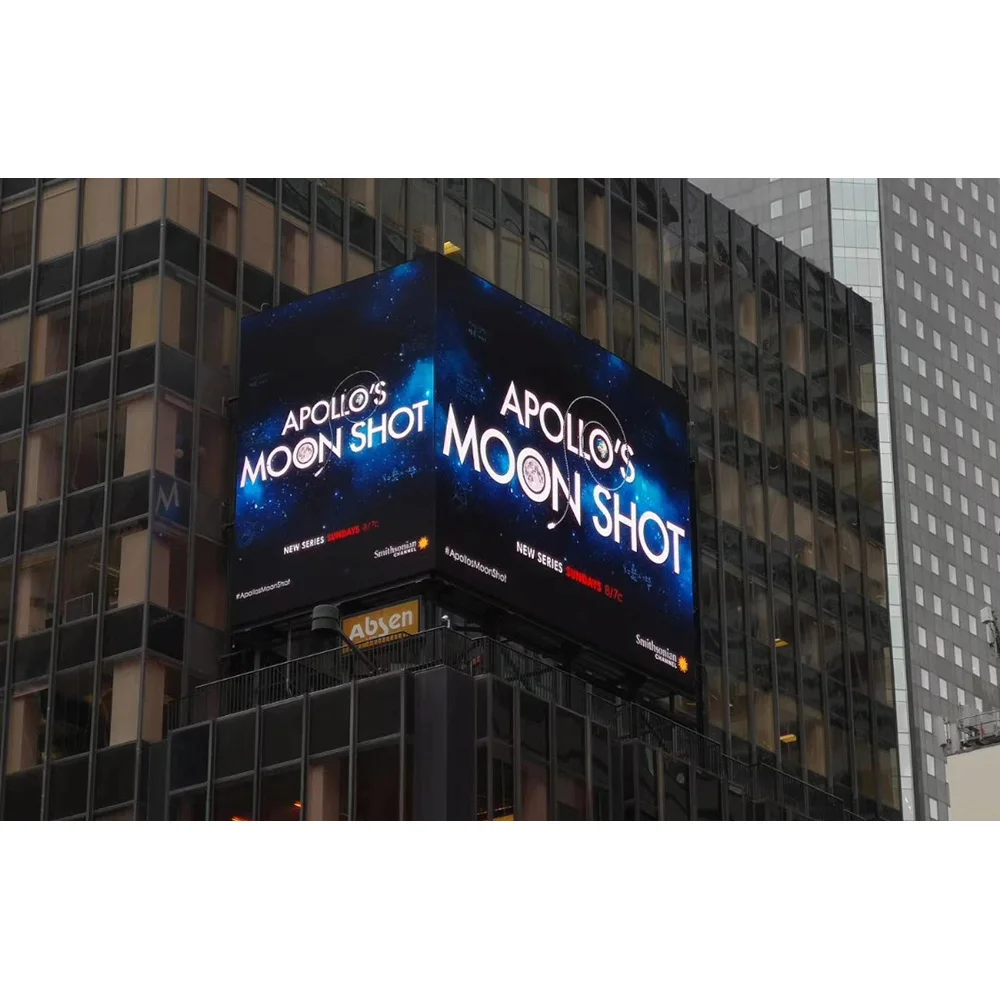
عرض لوحة العرض في قطاع التجزئة
لاحظ المشهد العملي في الصورة أعلاه. فالشاشة ليست مجرد شاشة عرض فحسب، بل هي جزءٌ من المدخل. ولذلك يجب أن يكون المحتوى مقروءاً أثناء الحركة، وليس فقط من زاوية أمامية مثالية. وغالباً ما تُحقِّق العبارات القصيرة والتباين اللوني القوي والصور البسيطة للمنتجات نتائج أفضل من التخطيطات المزدحمة.
من الظاهرة إلى السبب: لماذا تبدو لوحات العرض الثابتة في قطاع التجزئة ضعيفة؟
لا تزال الملصقات الثابتة فعّالة في العديد من المتاجر. ومع ذلك، فإنها تفقد سرعتها عندما تتغير العروض الترويجية بشكل متكرر. وفي سلسلة تجزئة، قد تتطلب الحملة المطبوعة موافقة التصميم، والإنتاج، والتوصيل، والاستبدال المحلي، والتخلّص منها. ولذلك، حتى التحديث البسيط قد يصبح بطيئًا.
تُحل شاشات العرض الرقمية ذات الصمامات الثنائية الباعثة للضوء (LED) مشكلة مختلفة. فهي تتيح للمتجر تحديث الرسائل، وجدولة المحتوى، وتعديل الحملات وفقًا لوقت اليوم. فعلى سبيل المثال، قد تعرض متجر الأغذية عروض الإفطار في الصباح وعروض الحزم العائلية في المساء. أما متجر الأزياء فقد يُدوّر عروض المنتجات الجديدة، ومقاطع الفيديو التي تعبّر عن نمط الحياة، والرسائل الخاصة بالتخفيضات المحدودة زمنيًّا عبر الجدار نفسه.
ومع ذلك، لا تخلق الشاشة قيمةً حقيقيةً إلا عندما يُخطط لإيقاع المحتوى مسبقًا. فإذا عُرض فيديو واحدٌ طوال اليوم ولمدة أشهر، يتحول الجدار إلى خلفية بصرية جامدة. ولذلك، ينبغي مناقشة تكرار المحتوى قبل إنتاج الأجهزة.
ما الذي تغيّره الشاشة فعليًّا
أولاً، يُغيّر هذا الاهتمام. ويمكن أن تساعد الحركة والضوء والحجم في جعل الرسالة بارزة في بيئة تجزئة مزدحمة. وفي الوقت نفسه، يمكن أن يجعل الشاشة إطلاق المنتج يبدو أكثر وضوحاً دون الحاجة إلى إعادة تصميم المتجر بأكمله.
ثانياً، يُغيّر سرعة الحملة التسويقية. فبدلاً من استبدال المواد المطبوعة، يمكن لفريق التسويق تحديث الملفات عبر طريقة التحكم المختارة للمشروع. وهذا قد يقلل من العوائق المرتبطة بالعروض الترويجية الأسبوعية أو الشهرية.
ثالثاً، يُغيّر طريقة التواصل داخل المتجر. إذ يمكن للشاشة أن تكرّر الرسائل الأساسية بوضوح، مثل المجموعات الجديدة، أو تحديثات القائمة، أو تذكيرات الفعاليات، أو تعليمات الخدمة. ونتيجةً لذلك، يستطيع الموظفون التركيز أكثر على تقديم الخدمة وأقل على تكرار المعلومات الأساسية.
الأماكن التي لا تفيد فيها الشاشة
ومع ذلك، لا يمكن لجدار LED أن يصلح عرضاً ضعيفاً، أو ترتيباً سيئاً للمنتجات، أو تدفقاً غير منطقيٍّ داخل المتجر. كما أنه لا يمكنه تحقيق عائد استثمار (ROI) من تلقاء نفسه. ولذلك، يجب أن تدعم الشاشة خطة تجزئةٍ سبق أن حددت رسائلها وأولويات منتجاتها بوضوح.
وبعبارة أخرى، الشاشة عبارة عن مُضخِّم قوي. فهي تُضخِّم الحملة الجيدة، وقصة المنتج الواضحة، والتوجُّه البصري القوي. ومع ذلك، قد تُضخِّم أيضًا المحتوى الفوضوي إذا كان التخطيط ضعيفًا.
جدول اتخاذ القرار بالجملة لشاشات العرض LED لتحديث جدران المتاجر
يجب أن تربط تقييم شاشات العرض LED في قطاع التجزئة كل خيارٍ منها بنتيجة تجارية. ولذلك، يتجنب الجدول أدناه إدراج قائمة مواصفات صرفة، بل يوضح ما تؤثر فيه كل قرار، ومتى يكون هذا التأثير في غاية الأهمية، وما الذي ينبغي التأكُّد منه قبل إصدار الاقتباس السعري.
| مجال القرار | النتيجة التجارية | أوقات الأهمية القصوى | سؤال للتحقق |
|---|---|---|---|
| دور الشاشة | وضوح الرسالة والفوائد اليومية | عندما يجب أن تدعم الشاشة العروض الترويجية أو بناء العلامة التجارية أو تثقيف العملاء حول المنتج | ما الرسالة التي ينبغي أن تساعد الشاشة المتجر على إيصالها يوميًّا؟ |
| التوظيف | جذب انتباه رواد المتجر ووضوح الرؤية | عندما يمر الأشخاص بسرعة أو يدخلون من عدة اتجاهات | أين يتباطأ الزوّار طبيعيًّا، أو يرفعون أبصارهم، أو يتخذون قرارًا؟ |
| مسافة المشاهدة | وضوح الصورة وسهولة قراءة النصوص | عندما يقف الزوّار بالقرب من الحائط أو يقرؤون محتوى تفصيليًّا | ما هو عرض البكسل الملائم لأقرب مسافة مشاهدة ومتوسط مسافة مشاهدة؟ |
| التحكم في السطوع | الراحة، والوضوح، والإحساس بالعلامة التجارية | عندما يكون العرض مواجهًا للزجاج أو الضوء القوي أو حركة المرور المسائية | كيف سيتم ضبط السطوع خلال ساعات عمل المتجر المختلفة؟ |
| وصول الخزانة | سرعة الصيانة وتقليل تعطيل الخدمات | عندما يكون للجدار وصول محدود من الخلف أو يكون مثبتًا داخل إطار جاهز | هل يمكن صيانة الوحدات والأجزاء الرئيسية من الجهة الأمامية؟ |
| التحكم في المحتوى | سرعة الحملة والاتساق عبر المتاجر المتعددة | عندما تتغير الحملات أسبوعيًّا أو شهريًّا أو عبر عدة مواقع | هل سيتم تحديث المحتوى عبر وحدة ذاكرة USB، أو الشبكة المحلية، أو المنصة السحابية، أو نظام إدارة المحتوى (CMS)؟ |
| خطة التركيب | خفض خطر الحاجة إلى إعادة العمل وتحقيق تشطيب أنظف | عندما يتم تركيب الشاشة داخل الجدار أو واجهة المتجر أو ضمن جدول أعمال التجديد | ما الرسومات المطلوبة، ومسار التغذية الكهربائية، وخطة التهوية، وتفاصيل التثبيت؟ |
تحافظ هذه النوعية من جداول القرارات على المناقشة عمليةً. كما تساعد الفِرق المختلفة على التوافق. ويمكن لفرق التصميم التركيز على مكان الترتيب والانسجام البصري. بينما يمكن لفرق المشتريات مقارنة النطاق. ويمكن لفرق العمليات التحقق من تحديثات المحتوى ووصول الخدمة.
اختيار تنسيق عرض البيع بالتجزئة المناسب
ليست كل المتاجر بحاجة إلى جدار LED كامل. في الواقع، تؤدي بعض المشاريع أداءً أفضل باستخدام شاشة أصغر وأكثر مرونة. ولذلك، ينبغي أن يستند اختيار التنسيق إلى سيناريو المتجر بدلًا من تفضيل ثابت لمنتج معين.
جدار LED داخلي كامل
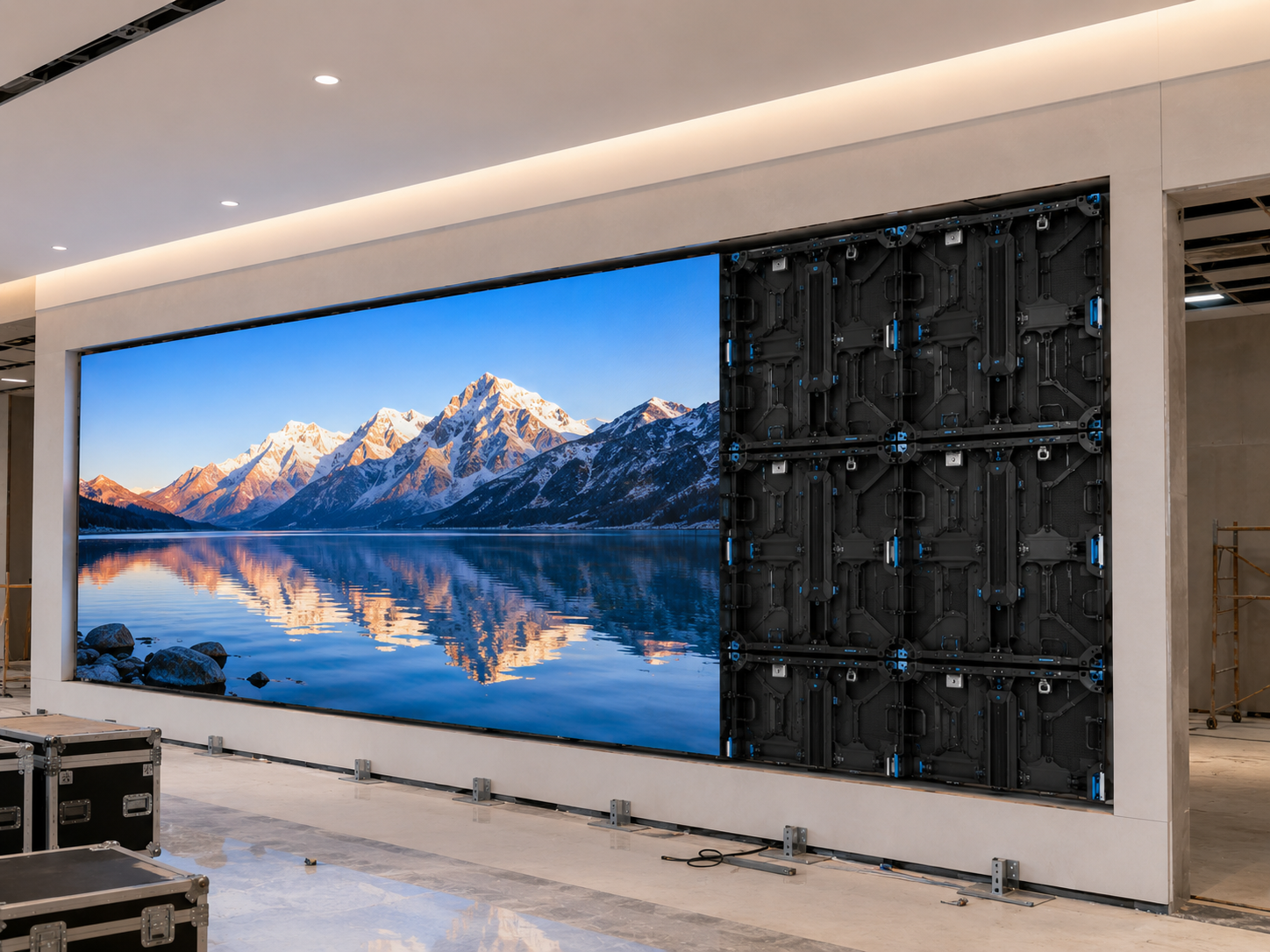
يُعد الجدار الداخلي الكامل مناسبًا للمتاجر الرئيسية، وإطلاق المنتجات، ومتاجر التجميل، ومناطق الأزياء، وصالات عرض الإلكترونيات، والمساحات الخاصة بالعلامات التجارية الراقية. فهو يخلق أجواءً معينة ويوفّر لوحة أوسع للحملات التسويقية. ومع ذلك، فإنه يتطلب تخطيطًا دقيقًا فيما يتعلق بنسبة المحتوى، والهيكل، والحرارة، والطاقة، وسهولة الوصول للصيانة المستقبلية.
يهم هنا مقياس البكسل لأن الأشخاص غالبًا ما يقفون على مقربة. فمقياس البكسل الأصغر يجعل صور المنتجات والنصوص تبدو أنظف عند المسافات القصيرة. ومع ذلك، لا ينبغي اختيار المشروع لوحات ذات مقياس بكسل دقيق فقط لأنها تبدو فاخرة. فالسؤال الأفضل هو ما إذا كانت أقرب مسافة مشاهدة تتطلب حقًّا هذا المستوى من التفصيل.
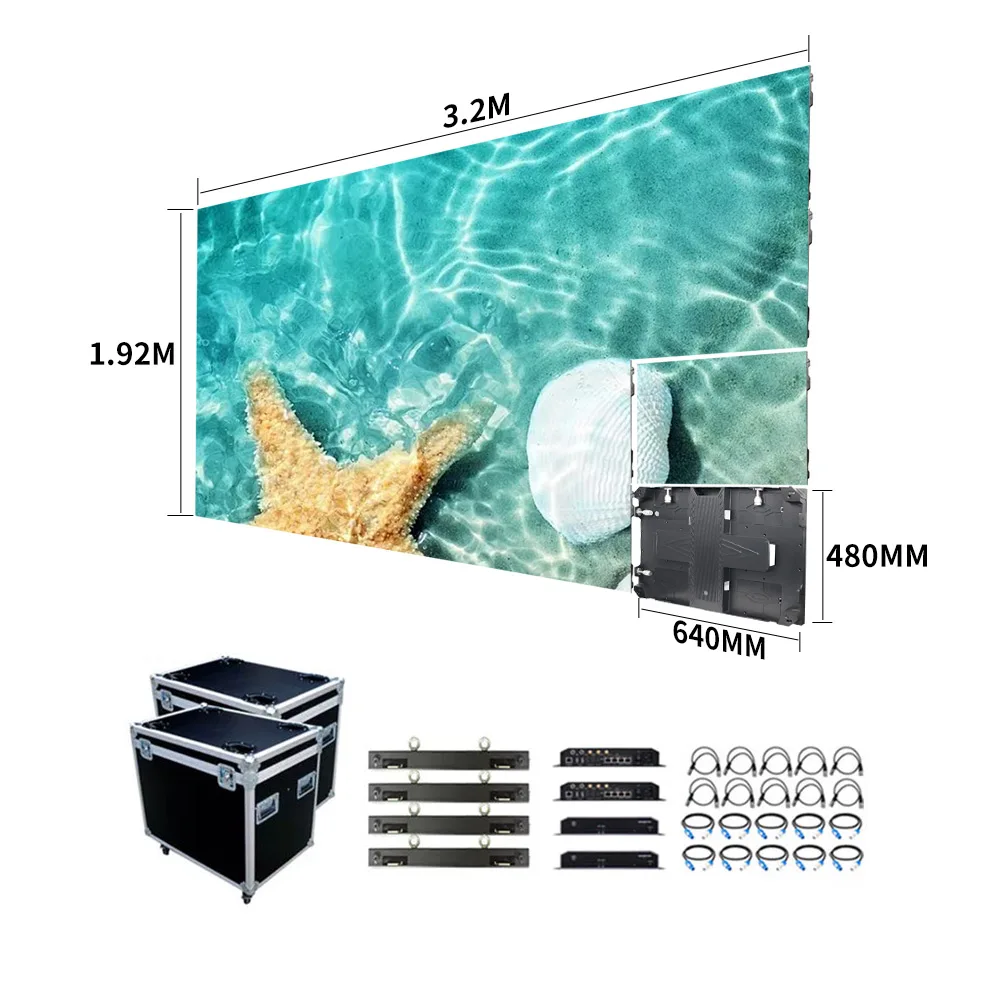
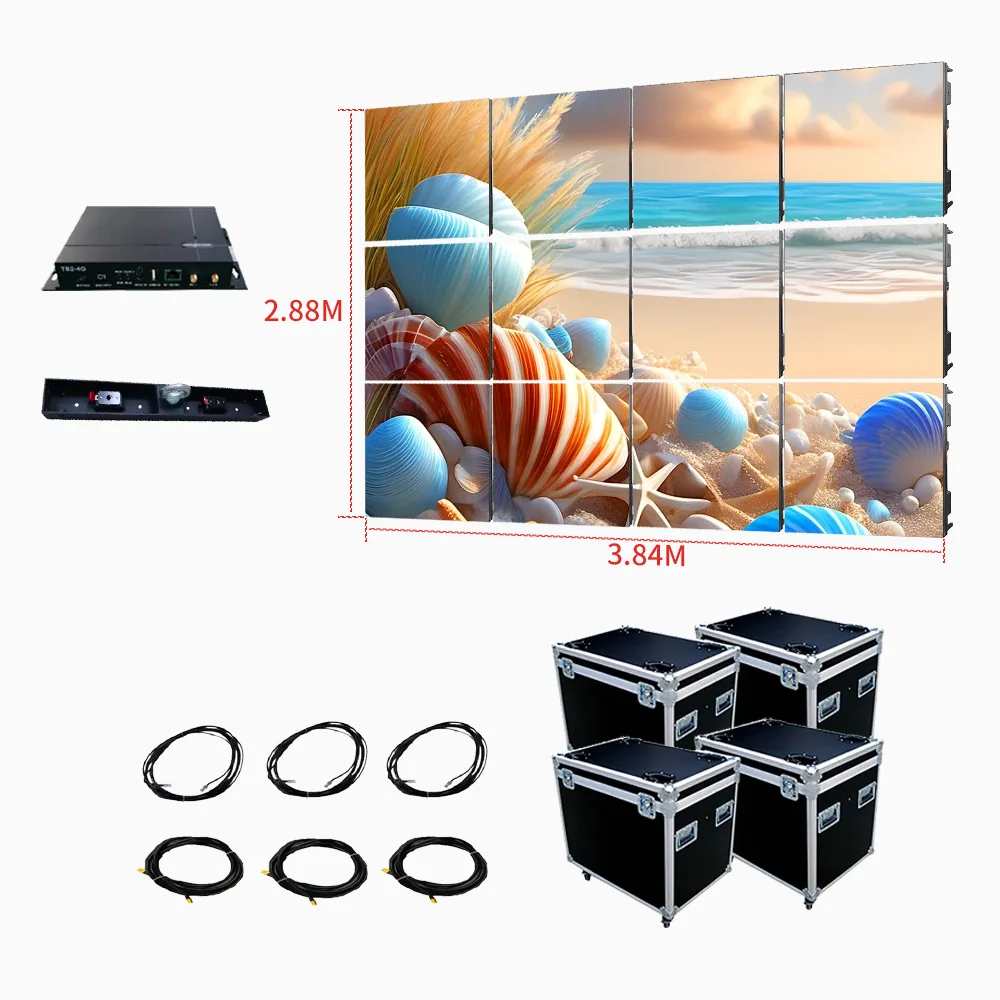
عرض خيار الجدار الداخلي LED
عرض ترويجي مرن
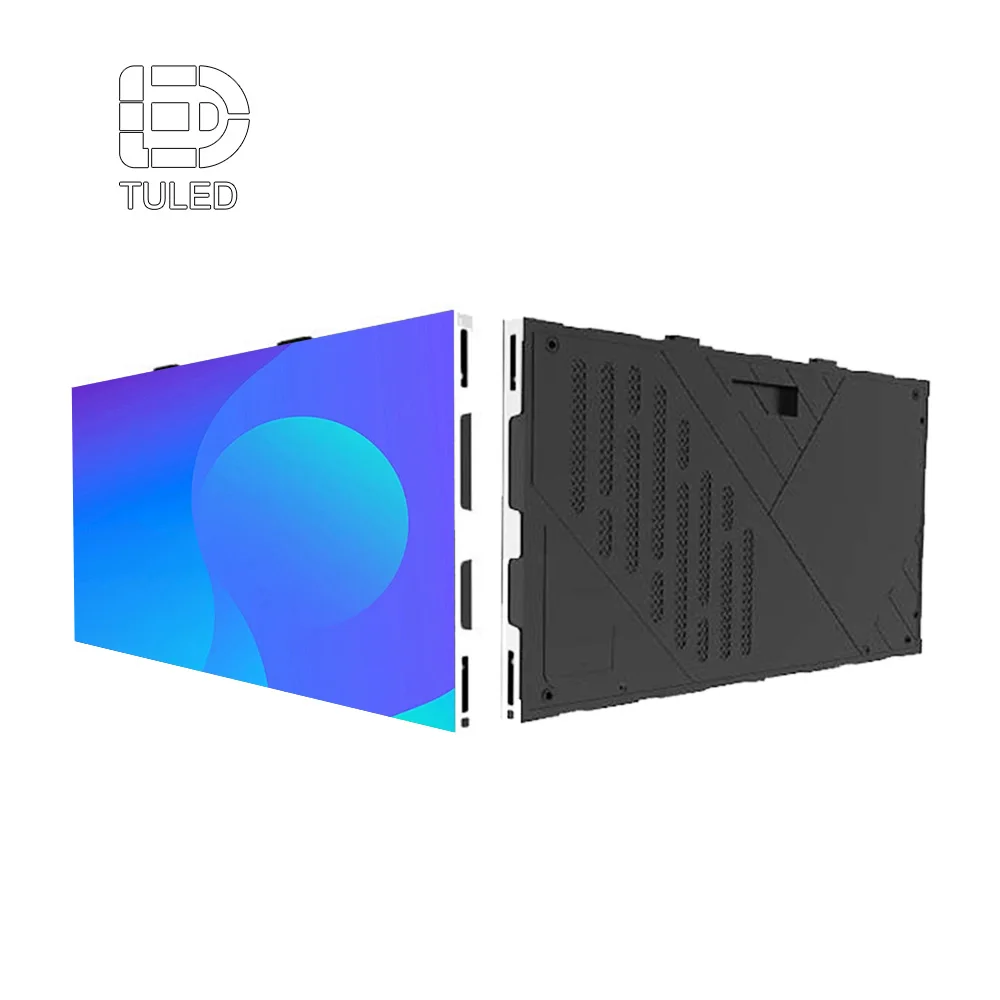
ليس من الضروري دائمًا تركيب جدار كامل في مناطق الترويج. ففي الحملات المؤقتة، أو الرسائل عند المداخل، أو الترويج للمنتجات الموسمية، أو العروض المؤقتة (Pop-up)، يمكن أن يكون استخدام ملصق ليد أسهل في تحديد الموقع. كما يسمح ذلك لأفراد الفريق في المتجر باختبار مواقع مختلفة قبل اتخاذ قرار تركيب جدار دائم.
هذه الصيغة مفيدة بشكل خاص عندما تتغير تخطيطات المتجر بشكل متكرر. فعلى سبيل المثال، قد يُعيد فريق البيع بالتجزئة ترتيب العرض قرب المدخل أثناء إطلاق منتج جديد، ثم ينقله إلى قرب رفوف المنتجات خلال عرض ترويجي نهاية الأسبوع. وبالتالي، تكمن القيمة في المرونة، وليس فقط في السطوع.

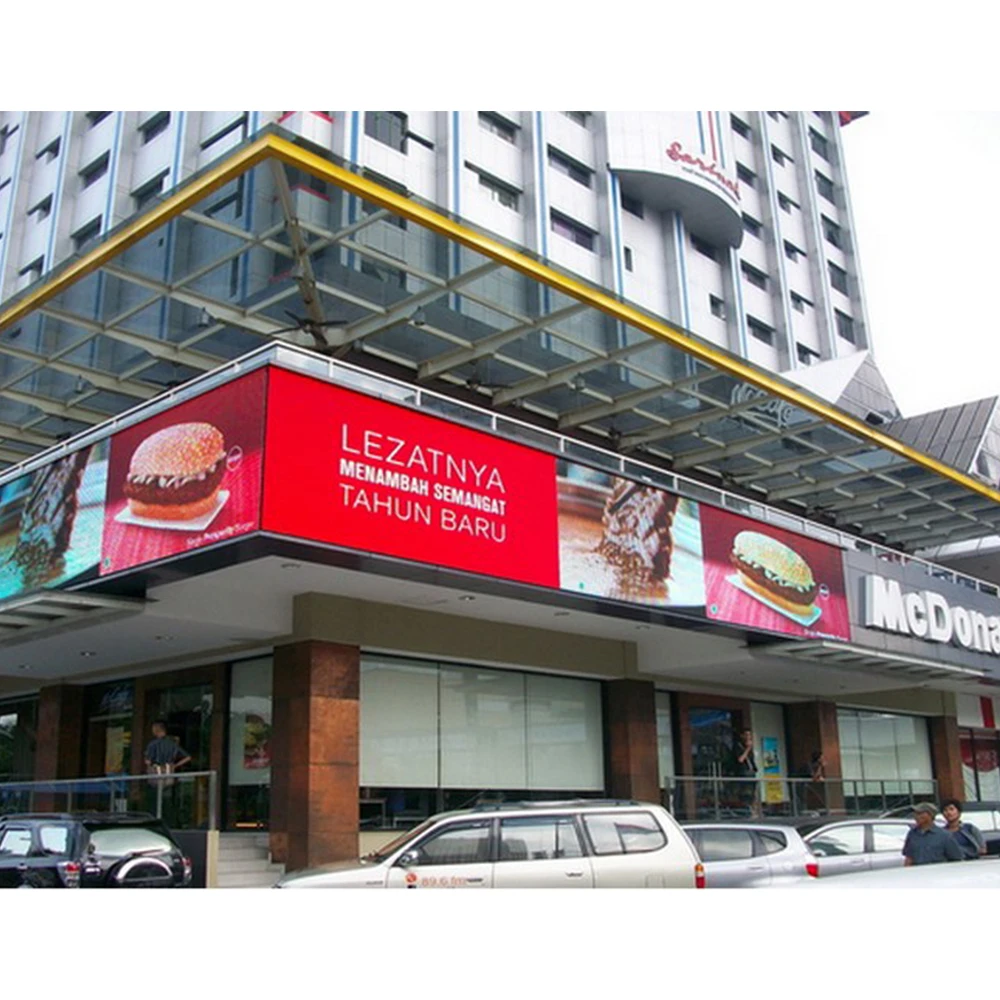
عرض لوحة الإعلانات LED
عرض واجهة المتجر والإشارات
يختلف دور عرض واجهة المتجر. إذ يجب أن يكون مقروءًا من الخارج، غالبًا بينما يمرّ الناس مشاةً أو بسياراتهم أو حتى عبر الانعكاسات. ولذلك، ينبغي أن يكون المحتوى بسيطًا. فالرسالة القصيرة، أو صورة المنتج الجذّابة، أو المؤشر الواضح للسعر، أو شعار العلامة التجارية عادةً ما تكون أكثر فاعلية من النصوص التفصيلية.
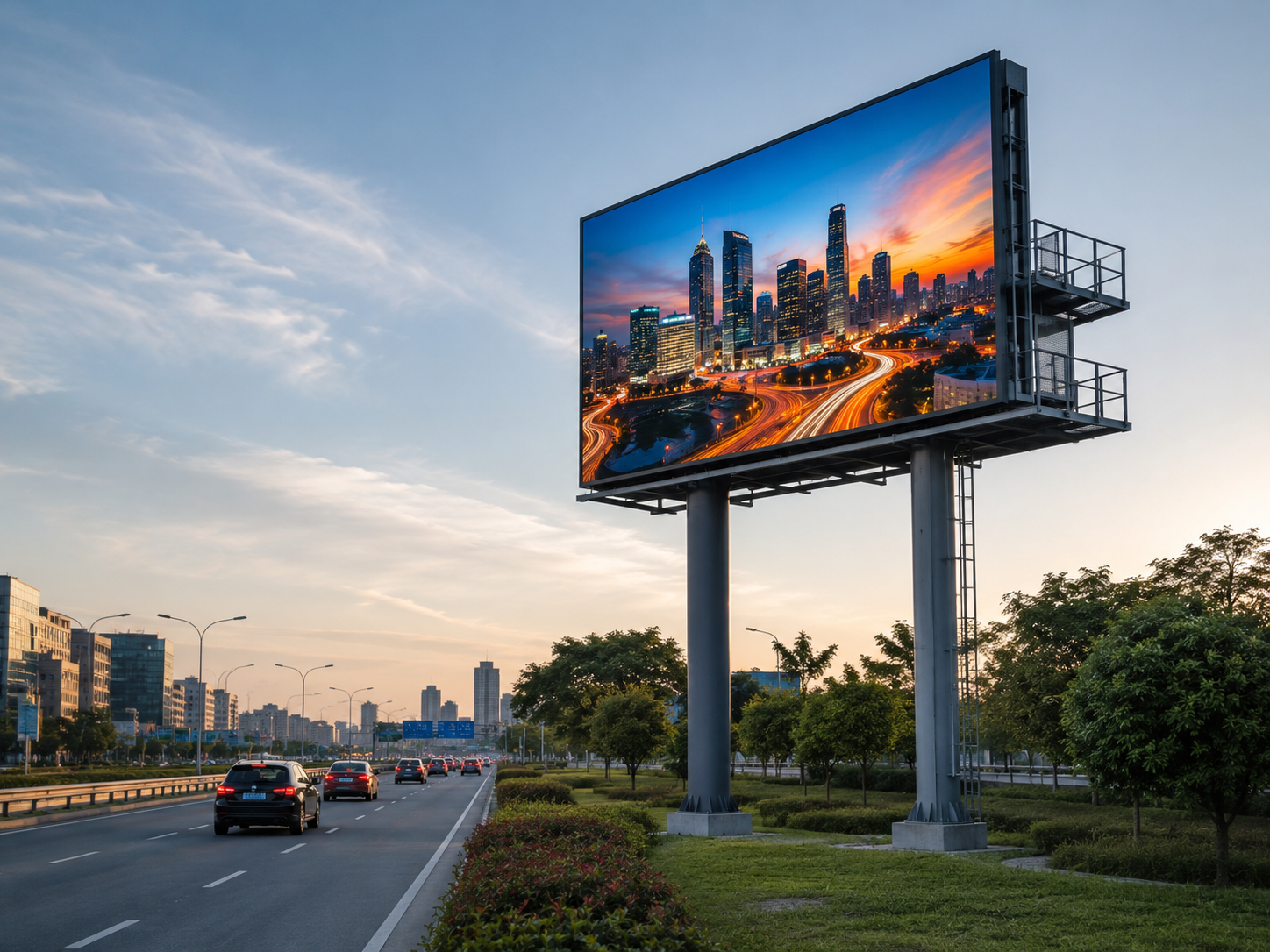
لتحقيق الرؤية الواضحة عند مدخل المتجر، فإن إل إي دي قد يكون أكثر ملاءمةً من جدار داخلي. ويمكنه دعم وجود العلامة التجارية، ورسائل الافتتاح، وتحديثات القوائم، والترويج الموجَّه نحو الخارج. ومع ذلك، يجب التحقق من ظروف التركيب، والتحكم في السطوع، وحماية الشاشة من عوامل الطقس قبل الاختيار النهائي.
جدار المتجر المخصص
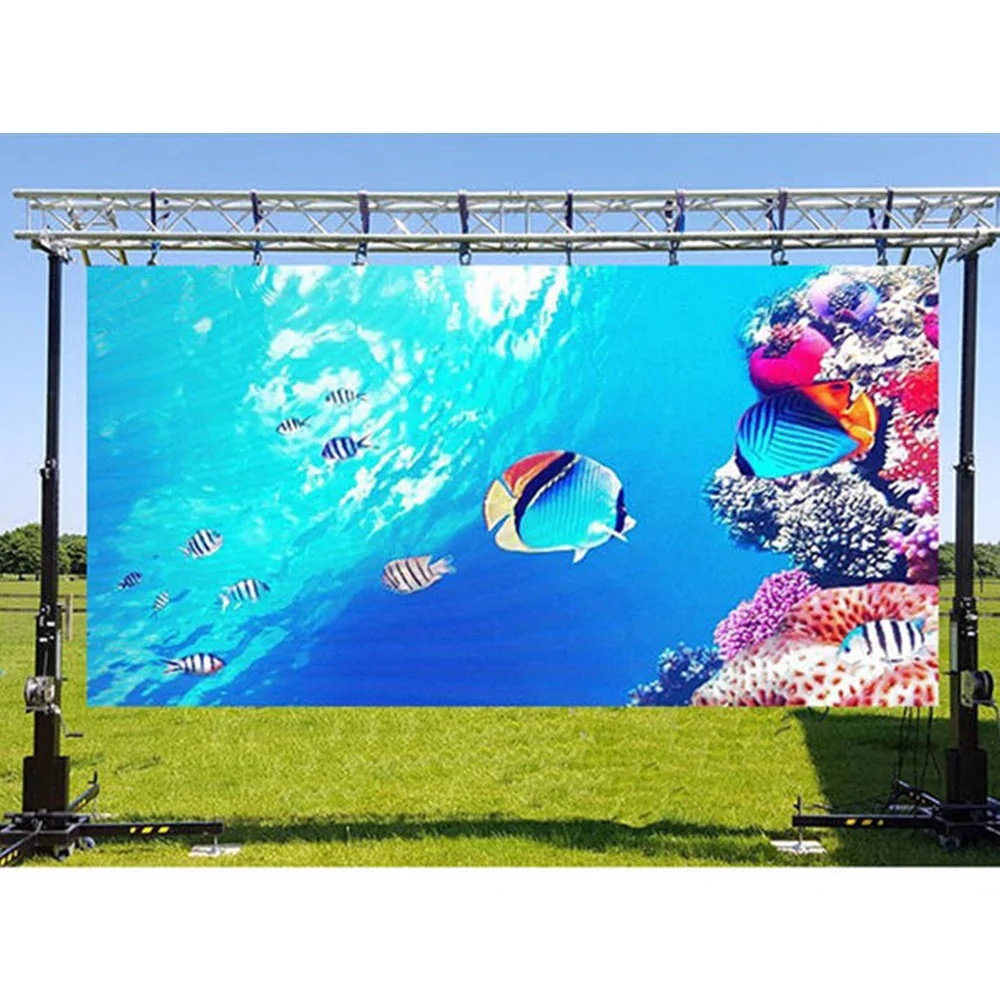
لا تتناسب بعض الواجهات الداخلية للتجزئة مع شكل مستطيل قياسي. وقد تحتاج العلامة التجارية إلى جدار طويل وضيق، أو عرض زاوي، أو جدار بارز محاط بإطار، أو شاشة مدمجة مع التشطيبات المعمارية. وفي هذه الحالة، ينبغي مناقشة شاشة عرض LED مخصصة في وقت مبكر.
ولا تقتصر التخصيصات على الشكل فحسب، بل تشمل أيضًا نسبة المحتوى، وعمق الخزانة، وأسلوب التثبيت، ووسيلة الوصول إلى وحدة التحكم، وتعبئة المنتج للنقل. ولذلك، يجب مشاركة الرسومات والصور الميدانية قبل الإنتاج، وليس بعد إصدار الطلب.
التفكير في العائد على الاستثمار دون مبالغة في الادعاءات
يُعَدُّ العائد على الاستثمار (ROI) أمرًا مهمًّا، لكن ينبغي مناقشته بصراحة. ويمكن لجدار LED التجزئي أن يعزِّز الرؤية بشكلٍ أقوى ويُسرِّع التواصل. ومع ذلك، لا ينبغي وصفه باعتباره آلة مضمونة لتحقيق المبيعات. فموقع المتجر، وقوة الحملة التسويقية، وجاذبية المنتج، والموسم، ونشاط الموظفين، وحركة المرور المحلية تؤثِّر جميعها في النتيجة.
ولذلك، يجب بناء العائد على الاستثمار (ROI) انطلاقًا من مؤشرات قابلة للقياس. وقد تشمل هذه المؤشرات تحديث الحملات التسويقية بسرعة أكبر، وتقليل الجهد المبذول في استبدال المواد المطبوعة، وتعزيز رؤية واجهة المتجر، وزيادة عدد الأشخاص الذين يتوقفون قرب المدخل، وتحسين مدى تذكُّر العروض الترويجية، وتحقيق اتساق أفضل عبر عدة متاجر.
قياس سرعة الحملة
أولاً، قارن المدة التي تستغرقها تحديث حملة تسويقية ما قبل تركيب جدار LED وبعده. فقد تتطلَّب المواد المطبوعة إنتاجًا واستبدالًا، بينما يمكن جدولة المحتوى الرقمي بمجرد استقرار سير عمل التحكم. وهذه منطقة ذات قيمة عملية لأنها تؤثِّر في سرعة التسويق اليومي.
وبالإضافة إلى ذلك، يمكن للمحتوى الرقمي دعم الرسائل المرتبطة بالوقت. فعلى سبيل المثال، قد تُظهر متجر الأغذية محتوى خاصًا بالغداء في منتصف النهار ومحتوى خاصًا بالعشاء في المساء. كما قد يعرض متجر الأزياء نصائح عن أسلوب اللباس خلال أيام الأسبوع وعروض ترويجية خاصة بالعطلات الأسبوعية. ويصعب تحقيق هذا الإيقاع المحتواي باستخدام المواد الثابتة.
قياس انتباه الجمهور ومؤشرات حركة الزوار
ينبغي مناقشة مؤشرات حركة الزوار بعناية. فقد يساعد الشاشة في جعل واجهة المتجر أكثر بروزًا، لكنها ليست العامل الوحيد المؤثر في ذلك. ولذلك، يمكن لفريق البيع بالتجزئة مراقبة أعداد الداخلين خلال فترات زمنية مماثلة، ومقارنة أنواع الرسائل المعروضة، وتسجيل ما إذا كان عدد أكبر من الزوار يتوقفون قرب الشاشة أم لا.
وعلاوةً على ذلك، قد تكون إشارات الانتباه أكثر فائدةً من الادعاءات العامة الواسعة. وقد تشمل هذه الإشارات عمليات مسح رموز الاستجابة السريعة (QR)، أو الأسئلة المتعلقة بالعروض الترويجية، أو الحركة داخل مناطق المنتجات، أو ملاحظات الموظفين. والهدف ليس إثبات رقم غير واقعي، بل هو فهم المحتوى الذي يجذب انتباهًا أوضح.
قياس إعادة استخدام المحتوى
يمكن أن يحسّن الشاشة أيضًا إعادة استخدام المحتوى. فعلى سبيل المثال، يمكن تشغيل حملة موسمية واحدة عبر جدارٍ وشاشة لافتةٍ ولوحة واجهة متجر مع تعديلات في التخطيط. وبذلك تبقى الهوية البصرية متسقةً، بينما تخدم كل شاشة موقعًا مختلفًا.
وهذا أمرٌ بالغ الأهمية بالنسبة لسلسلة المتاجر والمشاريع التي تشمل مواقع متعددة. فعندما يمكن إعداد المحتوى مرة واحدة ثم تكييفه ليتناسب مع الشاشات المختلفة، فإن الفريق يوفّر الوقت. وفي الوقت نفسه، يصبح تجربة المتجر أكثر تنظيمًا.
تخطيط التركيب: الجزء الخفي الذي يشكّل النتيجة النهائية
تنشأ العديد من مشكلات الجدران الليدز في قطاع التجزئة من تأخر تخطيط عملية التركيب. فقد تكون الشاشة صحيحةً من حيث المواصفات، لكن هيكل الجدار أو مسار التغذية الكهربائية أو المساحة المخصصة للصيانة قد لا تكون جاهزةً بعد. ولذلك، يجب أن يبدأ التفكير في عملية التركيب منذ مرحلة إعداد العرض السعري، وليس بعد التسليم.
أولًا، يجب قياس جدار المتجر بدقة. فارتفاع السقف وموقع الباب ونوعية تشطيب الجدار وفتحات تكييف الهواء وأنظمة الرش التلقائي لمكافحة الحرائق والرفوف القريبة قد تؤثر جميعها على الحجم النهائي للشاشة. بل إن وجود تعارض بسيطٍ جدًّا قد يؤدي إلى الحاجة لإعادة العمل.
ثانياً، يجب أن تكون تخطيطات الطاقة واقعية. فتؤثر القدرة القصوى على التصميم الكهربائي، بينما تؤثر القدرة المتوسطة على تكلفة التشغيل اليومي. ومع ذلك، فإن السؤال التجاري لا يقتصر فقط على «كم عدد الواط؟»، بل يشمل أيضاً ما إذا كانت المتجر تمتلك إمكانية وصول آمنة، وتوجيهاً مناسباً، وقدرة كافية لساعات التشغيل المُقررة.
ثالثاً، يجب التعامل مع الحرارة في مرحلة مبكرة. فتولّد شاشات LED حرارة أثناء الاستخدام. وفي المتجر، قد تؤثر التهوية السيئة على الراحة والاستقرار. ولذلك، ينبغي على المورد أن يوضّح ما إذا كانت تصميمات الخزانة، ومسارات الهواء، والبيئة المُخصصة للتركيب تدعم التشغيل اليومي الطويل.
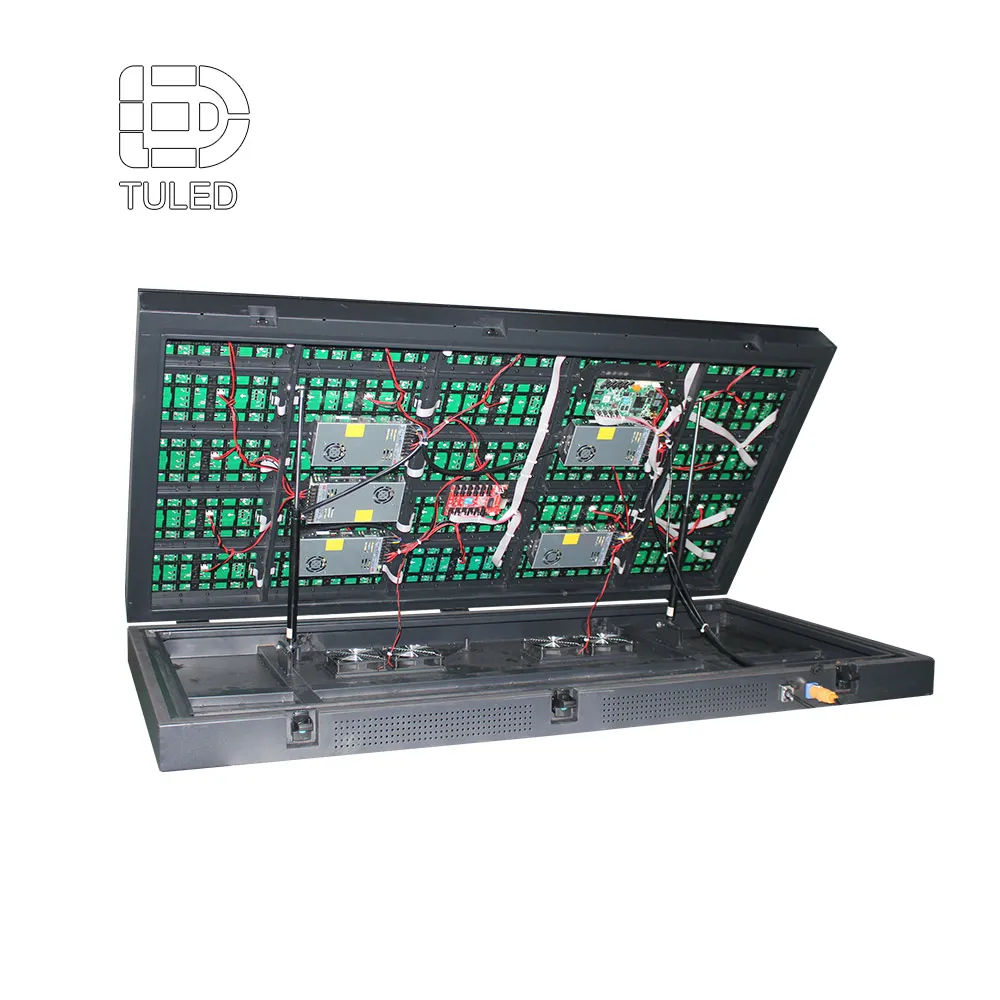
عرض تفاصيل لوحة العرض
وصول الخزانة مهمٌ بشكل خاص في قطاع التجزئة. فإذا تم تركيب الشاشة مقابل الحائط، فقد يكون الوصول من الخلف محدودًا. أما الصيانة من الأمام فهي تقلل من احتمال حدوث اضطرابات مستقبلية، لأن الوحدات والأجزاء الرئيسية يمكن الوصول إليها من جانب الشاشة. ومع ذلك، فإن طريقة الصيانة المناسبة تعتمد لا تزال على حجم الشاشة، وإطار التركيب، وبُنية الموقع.
وأخيرًا، يجب التأكيد على مصدر المحتوى وتكوين نظام التحكم. فقد تستخدم الشاشة مشغلًا محليًّا، أو تحكمًا شبكيًّا، أو منصة سحابية، أو نظام محتوى مركزيًّا. وهذا يؤثر في كيفية تحديث الحملات التسويقية في المتجر بعد التركيب. ولذلك، يجب أن تتوافق الطريقة المختارة مع الفريق الذي سيتولى تشغيل الشاشة فعليًّا.
مراقبة المخاطر قبل الإنتاج
تبدأ مراقبة المخاطر قبل مرحلة الإنتاج. وبمجرد تأكيد تصميم الخزانة، والمسافة بين النقاط (Pitch)، ونسبة الشاشة، وبنيتها، تصبح التعديلات أبطأ وأكثر تكلفة. ولذلك، ينبغي على فريق المشروع مراجعة الرسومات، ونسبة المحتوى، ومتطلبات الموقع قبل مرحلة دفع الدفعة المقدمة.
المخاطر ١: الشاشة مناسبة للجدار ولكنها غير مناسبة للمتجر
قد تكون الشاشة مناسبة للجدار المُقاس، ومع ذلك تفشل في رحلة المتجر الفعلية. فعلى سبيل المثال، قد تحجبها رفوف العروض، أو تُركَّب على ارتفاعٍ كبيرٍ جدًّا لا يسمح برؤيتها براحة، أو تختفي خلف انعكاسات الباب الرئيسي. ولذلك، يجب أن تشمل مرحلة التخطيط صور المتجر وتحليل مسار الحركة داخله.
المخاطر ٢: نسبة المحتوى غير صحيحة
غالبًا ما تُهمَل نسبة المحتوى، ومع ذلك فهي تحدد ما إذا كانت المرئيات التسويقية تبدو أنيقةً ومنظمةً أم لا. فإذا كان الجدار واسعًا جدًّا بينما المحتوى التسويقي عموديًّا، فقد يتطلب عرض الفيديوهات قصًّا مفرطًا. ولذلك، يجب تأكيد النسبة النهائية للشاشة بالتشاور مع قوالب المحتوى.
المخاطر ٣: لا يستطيع المتجر صيانة العرض بسهولة
قد لا تبدو سهولة الوصول للصيانة مهمةً أثناء مرحلة التصميم، لكنها تصبح بالغة الأهمية عندما يحتاج أحد الوحدات أو مصدر الطاقة إلى صيانة. ولذلك، يجب مناقشة إمكانية الوصول الأمامي، وتوافر قطع الغيار، وخطوات استكشاف الأخطاء وإصلاحها قبل بدء الإنتاج.
المخاطر ٤: نطاق الاقتباس غير مكتمل
قد تبدو اثنتان من العروض التسعيرية متشابهتين، لكن نطاق كلٍّ منهما يختلف. فقد يتضمّن أحدهما المعالج وأجزاء الغيار والكابلات والتغليف ودعم الإعداد عن بُعد، بينما قد يتضمّن الآخر جسم الشاشة فقط. ولذلك، فإن السعر الأقل قد لا يكون فعليًّا الأقل بعد إضافة البنود المفقودة.
المخاطر رقم ٥: إطلاق الشاشة دون خطة محتوى
يمكن أن تصبح شاشة قوية ضعيفة إذا لم تكن المحتويات جاهزة. ولذلك، يجب تأكيد ملفات الحملة وتنسيقات الشعار ونسب الفيديو وخطة الجدول الزمني ومسؤولية التحديث قبل التركيب. وهذا يساهم في إنجاز عملية الإطلاق بسلاسة ويمنع عرض محتوى تعبئة عام على الشاشة.
قائمة تحقق عملية للعروض التسعيرية لمشاريع الجدران LED التجارية
تساعد الاستفسارات الجيدة المورِّدَ على اقتراح الحل المناسب بشكل أسرع. وبدلًا من طلب سعر المتر المربع فقط، ينبغي على فريق المشروع إرسال تفاصيل مفيدة عن الموقع ومتطلبات التشغيل. وهذا يجعل العرض التسعيري أكثر دقة ويقلل من سوء الفهم.
- موقع المتجر ومشهد الاستخدام: جدار داخلي، لافتة واجهة المتجر، عرض عند المدخل، منطقة الدفع، جدار المنتجات، أو منطقة الترويج المؤقت.
- حجم الجدار والمسافة المرئية: العرض الفعلي، الارتفاع، أقرب نقطة مشاهدة، نقطة المشاهدة المتوسطة، ودرجة التفاصيل المتوقعة للمحتوى.
- ظروف الإضاءة: إضاءة داخلية، انعكاس من النوافذ، تعرض لأشعة الشمس، تشغيل في المساء، وتوقعات الراحة من حيث السطوع.
- نوع المحتوى: فيديو العلامة التجارية، صور المنتجات، لوحات القوائم، نص ترويجي قصير، حلقات الحملات، رمز الاستجابة السريعة (QR code)، أو مشاهد الأحداث الحية.
- شروط التركيب: مادة الجدار، المساحة المخصصة للتثبيت، ارتفاع السقف، مصدر الطاقة، مسار الكابلات، واتجاه الخدمة.
- طريقة التحكم: طرق التحديث: تحديث محلي، تحديث عبر منفذ USB، تحكم شبكي، منصة عن بُعد، أو إدارة محتوى متعددة الفروع.
- نطاق الدعم: عملية الاختبار، وطريقة التغليف، والقطع الاحتياطية، وشروط الضمان، والملفات الفنية، واستجابة ما بعد البيع.
يدعم هذا الدليل أيضًا مقارنة العروض السعرية بشكل عادل. فعندما يقدّم كل مورِّد عرض سعرٍ لنفس النطاق، يستطيع فريق المشروع تقييم القيمة بشكل أوضح. أما إذا اختلف النطاق، فيجب ألا يُبنى القرار على السعر الإجمالي وحده.
ما الذي يجب أن تسأله عن المعايير دون تحويل المشروع إلى وثيقة مواصفات فنية؟
يجب مناقشة مسافة البكسل (Pixel pitch) من خلال مسافة المشاهدة الفعلية. فهي تؤثر على وضوح النصوص وصور المنتجات. وتتطلب المشاريع التي تتضمّن مشاهدةً قريبةً أو عروضًا بصريةً فاخرةً أو محتوىً تفصيليًّا للمنتجات اهتمامًا أكبر في هذه النقطة. ويجب أن يوضّح المورِّد مسافة البكسل الموصى بها استنادًا إلى مسافة المشاهدة الفعلية، وليس فقط وفق جدول الكتالوج.
يجب مناقشة السطوع من خلال قابلية القراءة والراحة. فهو يؤثر على ما إذا كانت الشاشة تظل مرئية في ظل الإضاءة القوية دون أن تبدو مزعجة في الأماكن المغلقة. وتحتاج مشاريع الواجهات الأمامية للمتاجر والشاشات المواجهة للزجاج إلى اهتمامٍ أكبر في هذه النقطة. وينبغي أن يوضّح المورِّد آلية ضبط السطوع والإعدادات الخاصة بالتشغيل نهارًا أو ليلًا.
يجب مناقشة معدل التحديث من خلال استخدام الكاميرا. فهو يؤثر على مظهر الشاشة في مقاطع الفيديو والبث المباشر ومقاطع وسائل التواصل الاجتماعي. وتحتاج فعاليات الإطلاق وتسجيل المؤثرين والجدران التجزئية المواجهة للكاميرات إلى اهتمامٍ أكبر في هذه النقطة. وينبغي أن يوضّح المورِّد ما إذا كانت شاشة العرض والمعالج يلبيان تلك المتطلبات أم لا.
يجب مناقشة تصميم الخزانة من خلال التركيب وسهولة الوصول للصيانة. فهو يؤثر على عمق الجدار، وأسلوب التثبيت، ووقت الصيانة المستقبلية. وتحتاج الجدران المدمجة وهياكل الواجهات الأمامية الضيقة للمتاجر إلى اهتمامٍ أكبر في هذه النقطة. وينبغي أن يوضّح المورِّد إمكانية الصيانة من الأمام، وعمق الخزانة، وقطع الغيار، ومسار إصلاح الأعطال.
نصائح تجريبية: كيفية جعل الشاشة مفيدة بعد التثبيت
بعد التثبيت، تكون الأسابيع القليلة الأولى مهمة جدًّا. وينبغي لفريق المتجر تجنُّب استخدام جدار LED كملصق ثابت كبير. بدلًا من ذلك، يجب أن تعرض الشاشة محتوىً جديدًا يتناسب مع ساعات عمل المتجر، وتوقيت الحملات التسويقية، وحركة الزوّار.
وفي مناطق المدخل، تكون الحلقات القصيرة عادةً أكثر فعالية. فقد يرى الشخص الذي يمرّ أمام المتجر الشاشة لحظاتٍ قصيرةٍ فقط. ولذلك، فإن عرض عرضٍ واحدٍ واضحٍ، أو صورةٍ واحدةٍ للمنتج، أو إشارةٍ تجاريةٍ بسيطةٍ واحدةٍ غالبًا ما يكون أكثر تأثيرًا من فيديو طويل.
أما بالنسبة للجدران الداخلية، فيمكن أن يكون سرد القصص أبطأ نسبيًّا. إذ يمكن للمشاهد التي تعبّر عن أسلوب حياة المنتج، أو مقاطع الفيديو التي تعكس جو العلامة التجارية، أو الصور الموسمية أن تخلق أجواءً مناسبة. ومع ذلك، لا بدّ من تغيير المحتوى بشكلٍ متكررٍ بما يكفي لتجنّب شعور الزوّار بالملل.
بالنسبة مناطق الدفع، فإن التذكيرات العملية تكون فعّالة جدًّا. ويمكن أن تدعم برامج الولاء أو الإصدارات الجديدة أو رسائل الخدمة أو العروض المحدودة زمنيًّا الجزء الأخير من رحلة العميل داخل المتجر. ومع ذلك، فقد تُشتِّت المحتويات شديدة السطوع أو ذات الحركة السريعة انتباه العملاء عن عملية الدفع والتفاعل مع الموظفين.
وفي حالة نشر الشاشات في سلسلة متاجر، يجب أن تدعم الشاشة أيضًا التحكم الموحَّد في الحملات التسويقية. فعلى سبيل المثال، قد تحتاج سلسلة أزياء إلى عرض نفس الرسالة الموسمية في عشرة مواقع مختلفة، لكن كل متجر قد يختلف عن غيره في أحجام الجدران ومسافات المشاهدة. ولذلك، ينبغي أن يتضمَّن خطة المحتوى ملفات إبداعية رئيسية، ونسب شاشات مُعدَّلة حسب كل شاشة، وجداول زمنية مخصصة لكل متجر على حدة، وعملية موافقة بسيطة. وبذلك تصبح الجدار LED مفيدةً لا في حدث الافتتاح فقط، بل كنظام اتصال قابل للتكرار يحافظ على اتساق الصور البصرية للعلامة التجارية، مع إمكانية إدخال تعديلات محلية على الترويج.
في متجر تجزئة ذي واجهة زجاجية، يمكن أن تغيّر الانعكاسات والوهج أثناء الليل انطباع العرض. فخلال النهار، قد تُضعف إضاءة النافذة التباين، لذا يحتاج الشاشة إلى محتوى مقروء مع سطوع كافٍ وتخطيط بسيط. أما في الليل، فقد يشعر الزائر بأن نفس العرض قويٌّ جدًّا إذا لم يتم ضبط السطوع بشكل مناسب. ولذلك، ينبغي للمتجر اختبار الشاشة من الخارج، عبر الممر المشاة، ومن مدخل المتجر في أوقات مختلفة. ويُعد هذا الاختبار العملي وسيلةً فعّالةً لتفادي خطأ شائع: عرض يبدو مثاليًّا أثناء التركيب، لكنه يُحدث انطباعًا غير مريح أثناء ساعات التسوق الفعلية.
وبالإضافة إلى ذلك، يجب اختبار المحتوى. فيمكن للمتجر مقارنة الصور المرتكزة على المنتج بالصور المرتكزة على السعر. كما يمكنه اختبار ما إذا كان المحتوى الغني بالحركة أو الصور الراقية الهادئة يتناسب مع الهوية البصرية للعلامة التجارية بشكل أفضل. وبمرور الوقت، يؤدي هذا إلى وضع دليل واضح للمحتوى.
كيف يتكامل المنتج بشكل طبيعي مع ترقية قنوات البيع بالتجزئة
يجب أن يدخل جدار LED للبيع بالتجزئة في المناقشة فقط بعد وضوح المشهد. فإذا كان الهدف هو جدار منتجات غامِر، فإن الألواح الداخلية القابلة للتركيب غالبًا ما تكون مناسبة. وإذا كان الهدف هو توزيع عروض ترويجية مرنة، فقد يكون عرض الملصقات خيارًا أفضل. أما إذا كان الهدف هو التعرف على المدخل، فقد ينقل لوحة الإشارات أو عرض واجهة المتجر الرسالة بشكلٍ أكثر مباشرة.
وبالتالي، يجب أن تبدو عملية اختيار المنتج وكأنها استجابة لمشكلة المتجر. وهذه هي الفرق بين بيع شاشة وتخطيط حلٍّ متكامل. فالحل المتكامل يأخذ في الاعتبار مكان وقوف الزوّار، وكيفية تغيُّر المحتوى، وكيفية صيانة الجدار، وكيف سيستخدم المتجر العرض شهريًّا على مدى أشهر.
وهنا تصبح الدعم المقدَّم من جانب المصنع مفيدًا. فخبرة الشركة في مشاريع التصنيع حسب الطلب (OEM/ODM)، والرسومات الهندسية للمشاريع، واختبارات ما قبل التسليم، وشروط الضمان لمدة سنتين، والدعم الفني على مدار الساعة طوال أيام الأسبوع، كلُّها عوامل تقلِّل من درجة عدم اليقين عند تضمُّن المشروع أحجامًا مخصصة، أو مواقع متعددة، أو جداول زمنية ضيقة للتركيب.
ومع ذلك، لا ينبغي التعامل مع هذه المزايا على أنها شعارات. فهي تكتسب أهميتها فقط عندما تساعد فريق البيع بالتجزئة في تأكيد التصميم، وتجنب نسيان الملحقات، وإعداد ضوابط المحتوى، وتلقي الدعم العملي بعد التسليم.
الأسئلة الشائعة: أسئلة حول ترقية جدران البيع بالتجزئة إلى شاشات LED
ما الذي يجب تقييمه قبل ترقية متجر تجزئة إلى جدار LED؟
أولاً، قيِّم دور الشاشة وموقعها وبُعد المشاهدة ونوع المحتوى وظروف الإضاءة وهيكل التركيب وسهولة الوصول للصيانة. علاوةً على ذلك، يجب أن تتناسب الشاشة مع رحلة العميل الفعلية داخل المتجر. فقد تبدو شاشة ما جذّابة في عرض أسعار، لكن أداؤها قد يظل ضعيفاً إذا وُضعت في منطقة ذات انتباه منخفض.
كيف ينبغي مناقشة العائد على الاستثمار (ROI) دون إصدار ادّعاءات مبالَغ فيها؟
يجب مناقشة العائد على الاستثمار من خلال مؤشرات عملية، مثل تحديث الحملات بشكل أسرع، وتقليل الحاجة إلى استبدال المواد المطبوعة، وتحسين وضوح الترويج، ومراقبة أعداد الزوّار، واتساق المحتوى. ومع ذلك، لا ينبغي نسب نمو المبيعات إلى الشاشة وحدها، لأن العوامل الموسمية وقوة العروض والمكان الجغرافي للمتجر ونشاط الموظفين تؤثّر جميعها أيضاً في النتائج.
هل تكون الجدارية الكاملة المصنوعة من الصمامات الثنائية الباعثة للضوء (LED) دائماً أفضل من الملصق الإلكتروني المصنوع من الصمامات الثنائية الباعثة للضوء (LED)؟
ليس دائمًا. تُناسب الجدران الكاملة المصنوعة من الصمامات الثنائية الباعثة للضوء (LED) المناطق الدائمة الخاصة بالعلامة التجارية، والديكورات الداخلية للمتاجر الرئيسية، وسرد القصص التسويقية الغامرة حول المنتجات. وفي المقابل، قد تكون الملصقات الإلكترونية المصنوعة من الصمامات الثنائية الباعثة للضوء (LED Poster) أكثر فعاليةً في الحملات الترويجية المرنة عند مداخل المتاجر، والحملات المؤقتة، والمتاجر التي تتغير ترتيباتها بشكل متكرر. ويتحدد الخيار الأفضل وفقًا للوظيفة اليومية التي يؤديها العرض.
لماذا يكتسب بعد المشاهدة أهمية كبيرة جدًّا؟
يؤثر بعد المشاهدة على وضوح الصور والنصوص. فقد تحتاج الجدران الداخلية التي يُنظر إليها من قرب إلى خطوط بكسل أدق (Pixel Pitch)، بينما قد تُركِّز شاشات الواجهة المتجرية، التي يُنظر إليها من مسافة أبعد، على عوامل الوضوح وحجم الرسالة المعروضة. ولذلك، ينبغي أن يوصي المورد بخط البكسل بناءً على بعد المشاهدة الفعلي، وليس فقط وفقًا لفئة المنتج.
ما التفاصيل الخاصة بالتركيب التي يجب التأكد منها قبل بدء الإنتاج؟
يجب تأكيد حجم الجدار وطريقة التثبيت ووصول الخزانة ومسار الطاقة والتبريد وأسلوب التحكم ونسبة المحتوى قبل الإنتاج. علاوةً على ذلك، يمكن أن تساعد الصور الميدانية والرسومات في منع الأخطاء الناجمة عن التشطيبات الجدارية أو التجهيزات أو الأبواب أو الأسقف أو المساحات المحدودة المخصصة للخدمات.
ما الذي ينبغي أن يتضمنه عرض أسعار جاد لجدار LED تجاري؟
يجب أن يوضح عرض الأسعار الجاد حجم الشاشة وتوصية الخطوة (Pitch) وتصميم الخزانة ونظام التحكم وقطع الغيار وطريقة التعبئة وعملية الاختبار ونطاق الضمان والمستندات الفنية ودعم ما بعد البيع. وإلا فقد تبدو سعرين متشابهين ظاهريًا بينما تختلف نطاقات المشروع الفعلية اختلافًا كبيرًا.
الخلاصة: يجب تخطيط جدار LED تجاري باعتباره أداة اتصال متجرية
يُحقَق نجاح ترقية جدار LED في البيئة التجزئية عندما يمتلك الشاشة غرضًا واضحًا. ولا ينبغي اختيارها فقط لأنها كبيرة أو ساطعة أو مثيرة بصريًّا. بل يجب أن تساعد المتجر على التواصل بشكل أفضل، وتحديث الحملات بسرعة أكبر، وتعزيز الرؤية، وأن تكون مناسبة لبيئة التركيب.
من الناحية العملية، تبدأ أفضل عملية اتخاذ قرار بتحليل المشهد، ثم تنتقل إلى تنسيق العرض، وإيقاع المحتوى، وشروط التركيب، ونطاق الاقتباس. وأخيرًا، تربط المشروع بإشارات قابلة للقياس مثل سرعة تنفيذ الحملات، وجذب الانتباه إلى واجهة المتجر، وإعادة استخدام المحتوى، وسهولة الصيانة.
- أولًا، حدد مهمة العرض: جذب العملاء عبر واجهة المتجر، أو جدار العلامة التجارية، أو منطقة الترويج، أو توعية العملاء بالمنتجات، أو سطح مرن لتنفيذ الحملات.
- ثانيًا، تأكَّد مبكرًا من ظروف الموقع: المسافة التي يراها المشاهد، وحجم الجدار، ومستوى السطوع في البيئة المحيطة، ومسار التغذية الكهربائية، والتبريد، وسهولة الوصول للصيانة.
- ثالثًا، قارن نطاق المشروع بالكامل: يجب أن تكون أنظمة التحكم، وقطع الغيار، وعملية الاختبار، والتغليف، والضمان، والدعم واضحة قبل الموافقة.
خطّط لجدار إل إي دي للبيع بالتجزئة مع تفاصيل مشروع أوضح
وبالنسبة لأفراد فرق البيع بالتجزئة الذين يستعدون لتحديث متجرٍ ما، فإن أسرع طريقة لتحسين جودة الاقتباسات هي مشاركة مشهد المشروع الفعلي. ومن التفاصيل المفيدة صور المتجر، وأبعاد الجدار، وبُعد نقطة المشاهدة، وظروف الإضاءة، ونمط المحتوى المستهدف، والقيود المفروضة على التركيب، وطريقة التحديث المتوقعة.
وباستخدام هذه التفاصيل، يمكن لمصنع شاشات إل إي دي مساعدة الفريق في مراجعة ما إذا كان الجدار الداخلي، أو عرض واجهة المتجر، أو التنسيق الملصقي، أو التصميم المخصص هو الأنسب أكثر. وبعد ذلك، يمكن أن ينتقل النقاش من سعر المنتج التقريبي إلى حل عملي لشاشة إل إي دي الخاصة بالبيع بالتجزئة.
اتصل بنا لمراجعة جدار إل إي دي للبيع بالتجزئة