EN


An auction display needs to make three things immediately clear: which lot is active, what the confirmed current bid is, and whether bidding has moved to the next item. That information should remain understandable to someone at the back of the salesroom as well as a participant following the auction remotely.
For an auction room LED display, the challenge is not simply choosing a large screen. It is keeping the active lot, confirmed bid and next asking amount visually distinct as the sale progresses, while ensuring that the room display reflects the same authorized auction state as the remote channels.
Displayum LED est punctum finis pro ostensione, non auctoritas ad accipiendas offertas. Plataforma auctionis et personae autorizatae pro auctionibus determinare debent lotum activum, offertam acceptatam, et statum venditionis; munus schermi est ut illa informatione clare praesentet sub conditionibus visus in aula.
Mantinere lotum activum et offertam praesentem sine ambiguitate
In auctione celeri, offerentes non debent laborare ut sciant num quantitas in schermo ostensa representet offertam acceptatam an sequentem quantitatem quaesitam. Lotum activum, offertam confirmatam, et quantitatem quaesitam inter se coniunctas esse possunt, sed non sunt intermutabiles.
Imagina quod Lotum 128 ad offertam confirmatam $18.000 pervenerit. Tunc auctionator postulat $19.000. Si $19.000 in schermo ut offerta praesens ostenditur antequam confirmetur, observator potest credere quod offerta superior iam acceptata sit.
Ergo, the screen must give the confirmed amount the strongest visual emphasis, while placing the next asking amount in a clearly separate position. A lot image or catalogue description may still appear, but it must not compete with the information needed to follow the bidding.
Illustrative content arrangement only. The figures do not represent an actual auction, a tested installation or a product specification.
A consistent layout reduces the effort required to follow successive updates. If the confirmed amount always appears in the same area, people know where to look without scanning the entire display after each bid.
The useful distinction: A submitted or requested amount should never appear to be confirmed merely because it occupies the most prominent position. Labels and confirmation states must reflect the auction's authoritative information source.
At this stage, a discussion with an optiones schermorum LED interiorum should start with the required information hierarchy and room conditions. Screen dimensions, visual presentation and suitable equipment configurations can then be evaluated against the actual bidding experience.
Check legibility from the furthest buyer position
A bid amount may look perfectly clear on a designer's monitor and still be difficult to recognise from the last occupied row. Auction bid display legibility needs to be judged from where people actually sit, including positions that face the screen at an angle.
Two auction rooms with similar capacities can create quite different viewing problems.
Long, narrow salesroom
Sedes longissimae fortasse laborabunt cum figuris parvis offerendarum pecuniarum, symbolis monetarum aut cifris propinquis. Formae numerorum perspicuae et informationes auxiliares modicae praecellere debent super minutias ornativas.
Aula venditionum lata aut irregularis
Sedes laterales, elementa architectonica et positiones visus excentricae forsan sunt curae maximae. Tabula centralis quae bene operatur e medio aulae forsitan non aeque bene omnibus serviet.
Hoc est cur electio tabulae sequi debet examen lineae visus potius quam unam magnitudinem tabulae commendatam. Longissima distantia visus momenti est, sed etiam altitudo installationis, positiones visus laterales, lux aulae et obstacula.
Etiam contentum ipsum probandum est. Offerta brevis ut $900 spatium occupat aliud ab $1,250,000. Secundum regulas monetarias auctionis, symbolum, codex monetae aut separator decimalis mutare possunt celeritatem qua quantitas interpretari potest.
A useful demonstration includes the longest realistic lot number, a range of bid values and the currency format the auction actually uses. These samples should be observed from the back of the room and representative side positions before the screen arrangement is approved.
Consider an indoor small-pixel-pitch display
When evaluating indoor display options for detailed bid information, a small-pixel-pitch LED screen is one category worth examining. Its suitability depends on the actual viewing distances, intended screen dimensions, content layout and installation conditions.
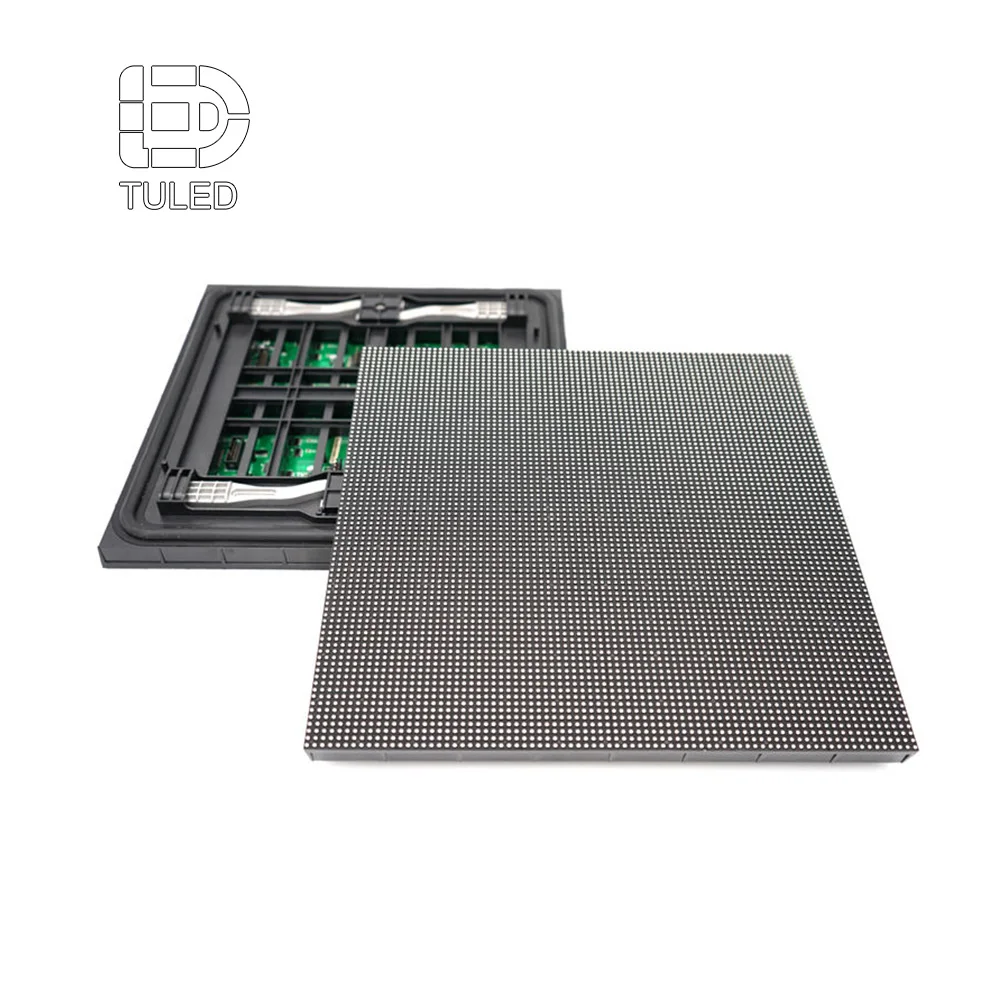
LEDDisplayFactory's Ostentatio LED Parvi Pixel Pitch provides a relevant physical display option for this assessment. The product's published information can support an initial technical comparison, but it does not establish auction-platform compatibility or prove that a particular configuration will meet every salesroom's viewing needs.
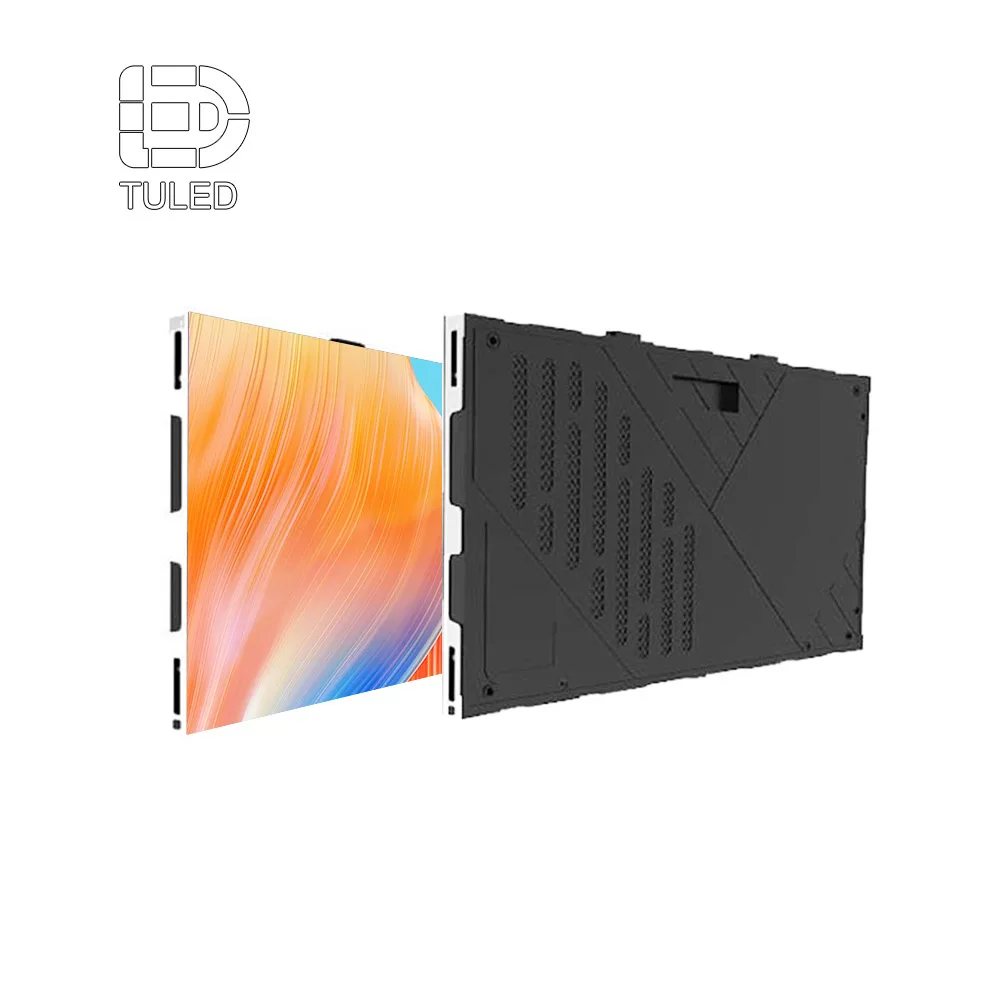
Ostentatio LED Parvi Pixel Pitch
Relevant to: Projekti e brendshëm të sallës së aukcionit që vlerësojnë lexueshmërinë e shumave të ndryshuara të ofertave, identifikatorëve të lotit dhe informacionit mbështetës.
Produkti duhet të vlerësohet duke përdorur formatin aktual të sallës dhe përmbajtjen e ofertave të tipit të pranishëm. Performanca e shikimit, kërkesat e prezantimit dhe çdo integrim me pajisjet e aukcionit duhet të konfirmohen për konfigurimin e propozuar.
Një imazh i produktit mund të tregojë formatin fizik të pajisjes, por nuk mund të sigurojë madhësitë e lexueshme të ofertave në pjesën e pasme të një venue specifik. Kjo kërkon një demonstrim të bázuar në instalimin dhe përmbajtjen e parashikuar.
Për menaxherët e sallave të aukcionit që krahasojnë burimet e ekranëve për sallat e aukcionit, zgjidhja më e fortë është ajo e mbështetur nga një test realist i shikimit dhe nga dëshmi të verifikuara të furnizuesit, jo nga një emër kategorie apo nga një specifikim i vetëm i ekranit.
Koordinoni kalimet e lotit nëpër kanale të brendshme dhe të largëta
The moment between lots can be more confusing than the bidding itself. The auctioneer may have closed one item while the next lot is being prepared, yet different viewing channels may not change at exactly the same moment.
Consider a remote bidder watching the salesroom video while using a separate online bidding interface. The camera feed might still show the auctioneer concluding Lot 128 even though the room display has changed to Lot 129. If the online interface has not confirmed that Lot 129 is open, the participant is left with competing signals.
Coordinating auction LED lot transitions means agreeing on the meaning of each state, rather than simply trying to change every screen as quickly as possible.
The completed lot remains identifiable while its closure is acknowledged. The display should not imply that bidding on the next item has already started.
Numerus sequens lotti aut imago catalogi introducitur cum statu idoneo, si fluxus astuariorum hanc statum intermedium admittit.
Lottus confirmatus activus apparet cum informationibus suis de offerendis postquam fons astuarius autorizatus confirmat apertum esse offerendi tempus.
Haec est series praesentationis exemplaris, non affirmatio de ulla specie platformae astuariae. Ordo verus debet reflectere fluxum astuarii, processum confirmationis clerici et informationes systematis offerendi quae habentur.
Praesentationes remotae et in aula non necesse est ut eandem dispositionem habeant. Tabula in aula potest se concentrare in offerta praesenti et numero lotti, dum interfacies offerentis remoti potest includere controles personales offerendi. Quod convenire debet est significatio subiacens lotti activi, quantitatis confirmatae et status venditionis praesentis.
During a salesroom demonstration, observe the same transition from the physical display, remote video, and bidder interface. The production team should identify when each channel receives an update, how delays affect interpretation, and what operators do if one channel falls behind.
Define source ownership and stale-bid handling
Readable information is only useful when it reflects the correct auction state. The display should not be expected to decide whether a bid is accepted. That responsibility belongs to the auction's authorized system and operating personnel.
The auction house needs to identify who controls the lot number, who confirms a bid, and which source supplies the values used by room and remote presentations. The AV team, in turn, needs to understand what information it receives and how that information reaches the display.
Un problema facilis de ignorar es un actualisation congelate. Supponi que un connexion es interrumpite dum un offerta confirmate resta visibile. Sin un indication que le fluxo es indisponibile, le spectatores pote presumere que le quantitate es ancora actual. Le numero monstrate pote esser exacte como le ultime valor recipite, ma su statu es nunc incerte.
Un fallback concordate pote reducer iste ambiguitate. Secundo le information fonte disponibile e le procedura operative aprobate, le presentation pote retiner le ultime offerta confirmate con un aviso de actualisation, supprimer temporalmente un campo affectate o indicar que le information es indisponibile.
Le tractamento correcte depende del fluxo de auction. Un actualisation mancante in le display non es necessariamente identic a un pausa de auction, e un actualisation expectante confirmation non es identic a un offerta rejectate. Le schermo debe evitar communicar ullo statu que non ha esser stabilite per un fonte autorisate.
Quid circa le timestamps? Un tempus marcatum fontis potest operatoribus adiuvare ad aestimandam recentiam informationis, si systema auctionis data idonea praebet. Significatio eius verificanda est: tempus quo actualizatio accipitur non necessario est tempus quo offerta acceptata est.
Haec decisiones aeque magni momenti sunt pro participantibus remotis. Admonitio quae solum in phisico schermo apparet fortasse non sufficit ad eum qui separatam interfaciem offerentis sequitur. Aequipe productiva debet definire quae status informationis per singulos canales visendi repraesentari debent et quomodo discrepantiae tractantur.
Finis non est promittere actualizationes instantaneas per omnes canales. Finis est clarificare utrum informatio ostensa confirmata sit, pendens an temporarie non disponibilis.
Parate demonstrationem salesroom et brevem instructionem ad suppeditatores
Postquam hierarchia informationum et fluxus transitionis perspicuus est, discussio de display sourcing fit magis concentrata. Magistri auctionum, aequipes productionis et emptores AV possunt explorare quomodo dispositio scutulorum proposita perficitur sub condicionibus visionis realibus, non iudicantes instrumenta ex contento promocionali generico.
Demonstratio utilis debet ostendere seriem realis offerendi: lotum activum cum pluribus mutationibus offerendarum, tempus longius, clausuram loti et aperturam sequentis loti. Debet etiam ostendere quomodo praesentatio se gerit cum actualis actualizatio expectata non est disponibilis.
Cum comparantur dispositiones display, serventur contentum exempli et positiones visionis constantes. Sic fit facilius discernere veram meliorationem in legibilitate ab mutatione in materia demonstrationis.
Index informationum emptorum in aula auctionis
Ante quam petis consilium de ostensione, praepara sequentes particulas proiecti. Haec dant operatori auctionis et potenti suppeditatori communem basim ad examinandum postulationes de ostensione.
Representative content is as important as the room dimensions. A static catalogue photograph cannot reveal how clearly changing bid amounts will be understood or whether the presentation can distinguish a pending state from an accepted bid.
From the salesroom brief to display selection
Before approving a display configuration, confirm the signal inputs, processor arrangement, auction data handoff and responsibility for handling interrupted updates. These details should be agreed with the relevant technical teams before installation.
Teams evaluating display sourcing for auction rooms should discuss suitable configurations, representative content demonstrations and the technical information that still requires confirmation. An indoor display category alone is not evidence of compatibility with an auction platform.
The final decision should reflect the room's viewing geometry, the established auction information workflow and what the supplier can demonstrate. This provides a more reliable basis for equipment selection than assuming one display specification can resolve every presentation issue.
Quaestiones Frequenter Rogatae
How should a screen distinguish a confirmed bid from an update in progress?
What should remote bidders see during a lot transition?
Which room details assist a supplier in evaluating bid visibility?
Discuss your auction-room display requirements
An effective auction display starts with a clear bidding sequence and a room layout that enables participants to follow it easily. Equipment evaluation must be grounded in those actual conditions—not in generic screen recommendations.
Share your room layout, maximum viewing distance, bid fields, currency format, auction feed owner, and remote channel workflow . Haec particularia praebent practicum initium ad examinandas idoneas optiones ostensionis et ad identificandos technicos argumentos necessarios antequam electio fiat.