EN
EN

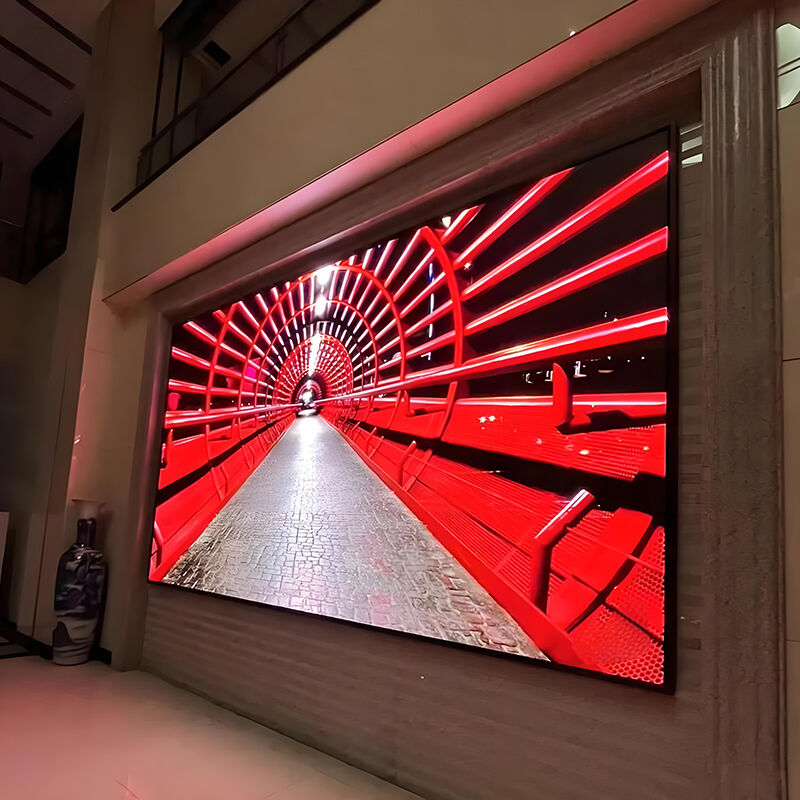
An indoor LED display is the front runner for any individual wanting to improve marketing or entertainment rooms. However many individuals don't recognize just how to pick the right one or obtain the very best cost.
Allow's check out the key points you need to recognize before spending-- types, benefits, rates, installment pointers, and exactly how to pick the excellent indoor LED display for your requirements.
1. What is an Indoor LED Display?
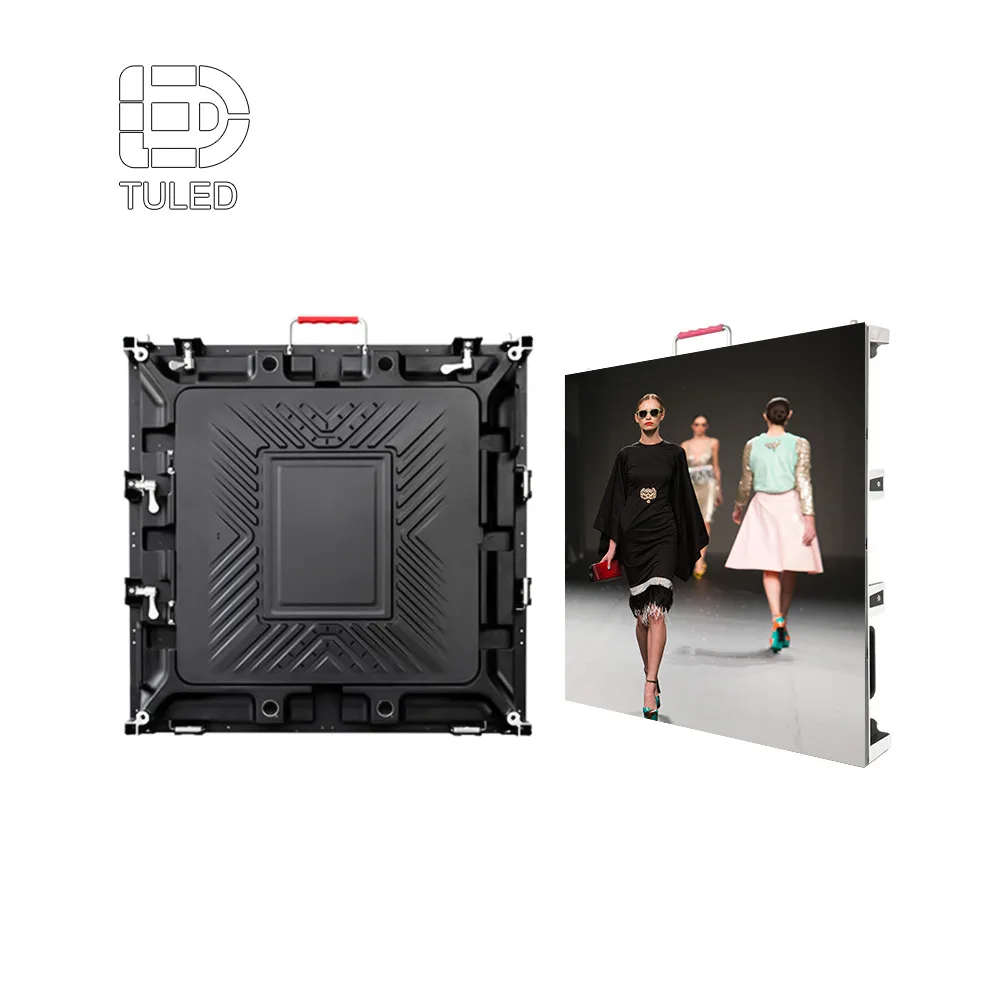
An indoor LED display is a high-resolution screen constructed from little LED components, specifically created for interior usage. Unlike conventional displays or projectors, it is self-emissive, so it doesn't require a backlight.
This style gives the screen brighter pictures, higher contrast, far better power effectiveness, and broader viewing angles, making material clear and lively from various positions in the room.
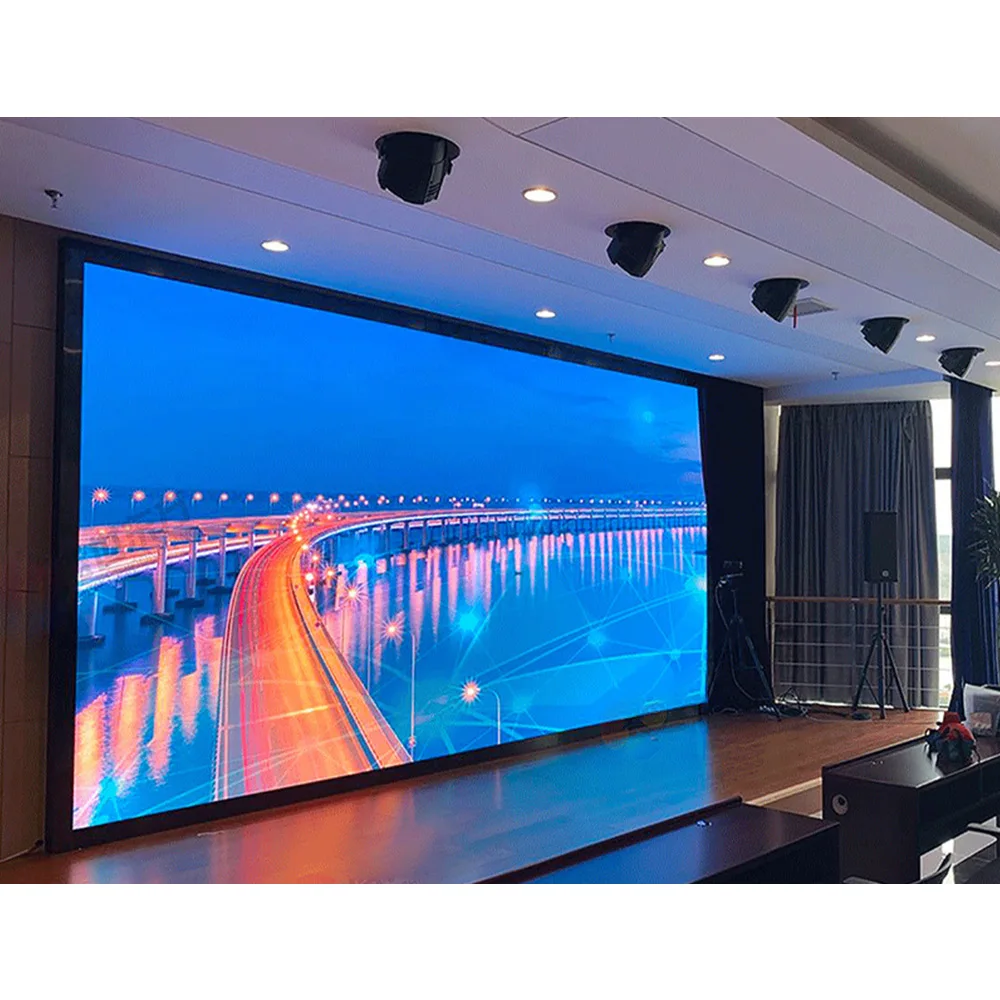
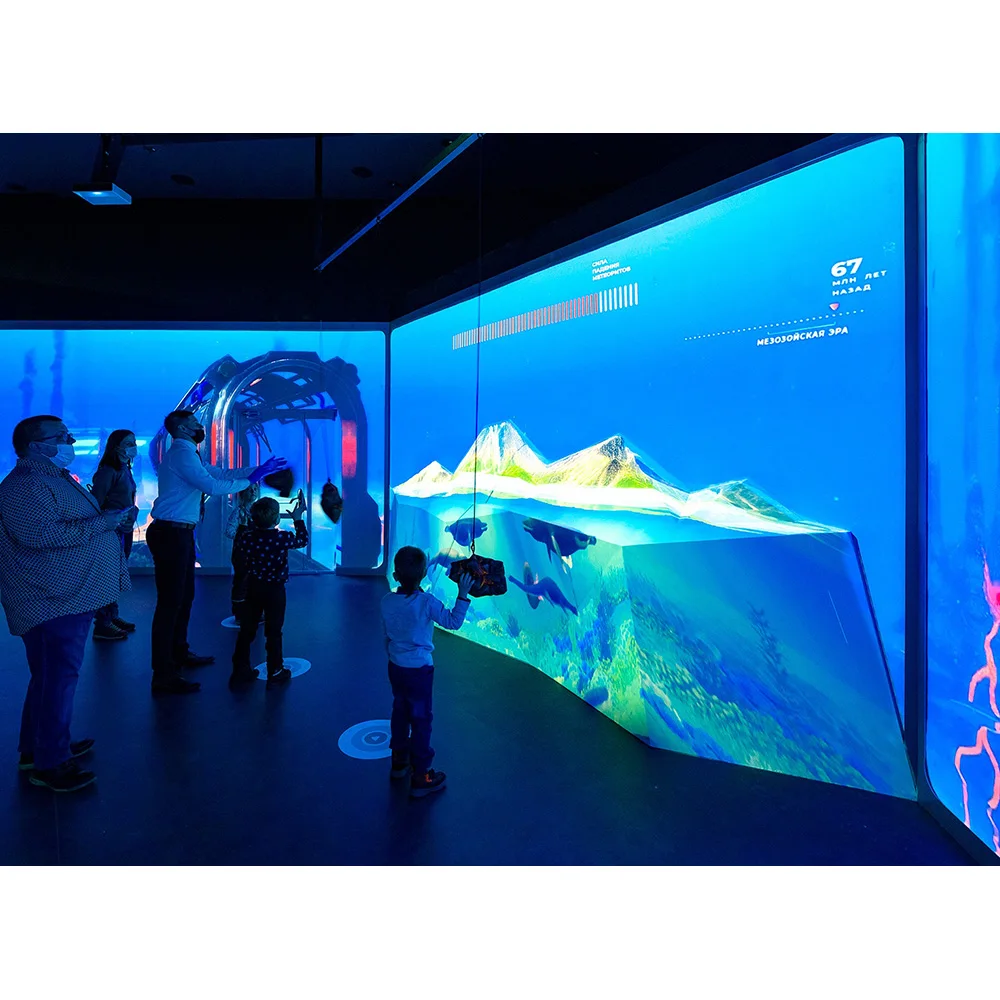
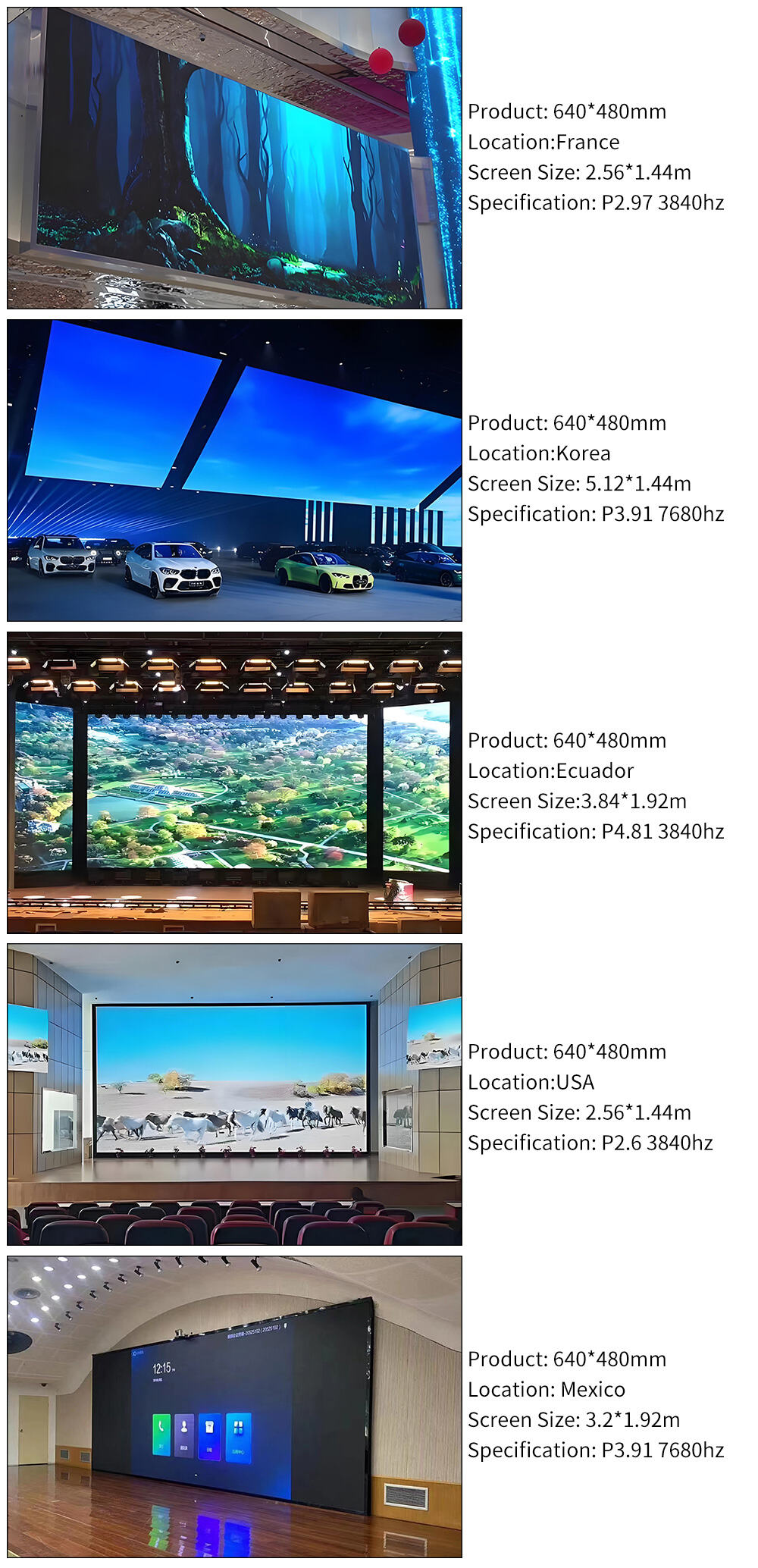
Interior LED displays are widely utilized for advertising and marketing, presentations, occasions, and amusement in places like shopping center, workplaces, meeting halls, and cinemas. They are available in various dimensions and resolutions, permitting organizations to choose the perfect screen while supplying smooth video, sharp message, and brilliant shades that get hold of focus.
1.1 Features
( 1) 3 in 1 LED encapsulation technology provides bigger watching angle, incredibly short watching distance and vast grayscale.
( 2) Picture feeds offered in standard and high-definition styles.
( 3) Advanced video handling creates sharp, thorough pictures with smooth motion recreation.
( 4) Incorporates perfectly LED screen screens.
( 5) Full-depth image calibration and shade calibration at factory.
( 6) Wide option of pixel pitches from 1.2 mm to 20mm for Ultra High Definition (UHD) screen.
2. Major Technical Specifications
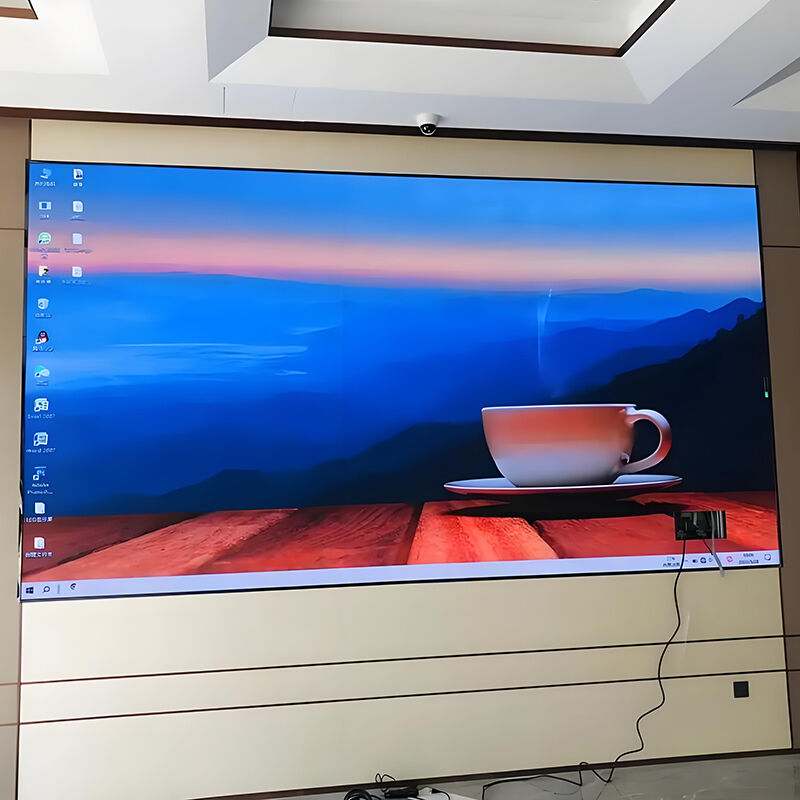
When choosing an indoor LED display, recognizing its technical specs guarantees you obtain the very best performance for your space:
2.1 Technical Specifications
( 1) Pixel Pitch: This is the distance between LED pixels. For indoor displays, customers are generally close, so a smaller pixel pitch (like P1.25-- P3) offers sharper pictures and in-depth visuals without distortion.
( 2) Resolution: Indoor LED screens can be found in numerous resolutions to match different sizes and watching ranges. Greater resolution guarantees crisp text, smooth videos, and clear graphics for discussions or advertising.
( 3) Brightness: Indoor settings generally need reduced illumination than outside screens. Around 800-- 1,200 nits suffices to keep content intense and understandable in well-lit areas.
( 4) Contrast Proportion: Identifies exactly how brilliant and vibrant the shades appear. Higher comparison makes message and images stand out, excellent for fulfilling areas, going shopping malls, or conference halls.
( 5) Refresh Rate: A higher refresh rate avoids flickering and makes certain smooth activity, which is important for video playback, real-time events, or interactive displays.
( 6) Watching Angle: Indoor LED display screens commonly have bigger seeing angles to make sure that people can see clear, vivid images from various areas in an area.
2.2 Indoor VS Outdoor LED Present
| Feature | Indoor LED Display | Outdoor LED Display |
| Environment / Usage | Malls, offices, conference rooms, theaters | Billboards, outdoor stages, streets |
| Viewing Distance / Pixel Pitch | P1.25–P4 common | P8–P20 common |
| Resolution | High resolution for close viewing | Lower resolution acceptable for long-distance viewing |
| Brightness | ~600–1,200 nits | ≥5,500 nits |
| Cost | Medium, depends on pixel pitch and size | High, due to materials and protection requirements |
| Weight & Installation | Lightweight, easy to install | Heavier, requires secure mounting |
Indoor LED displays focus on sharp, brilliant pictures for close-range viewing.
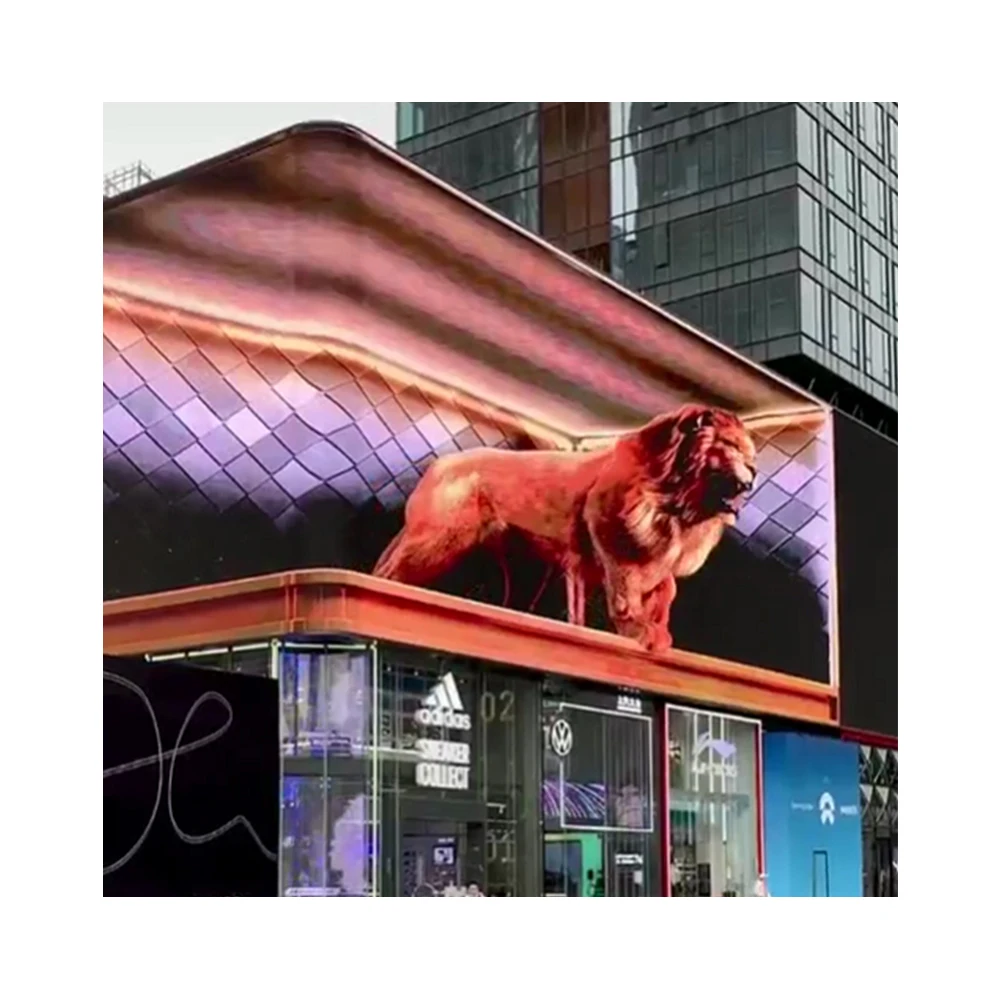
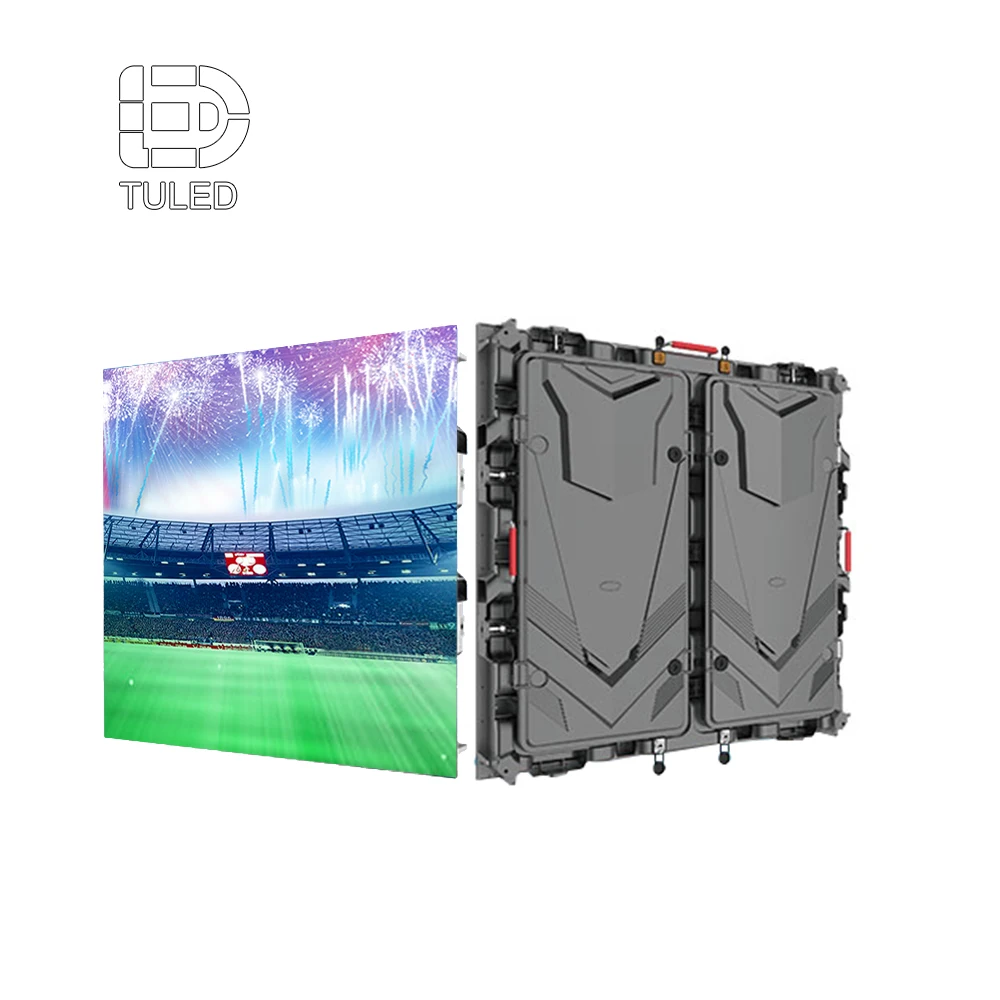
Outdoor LED screens prioritize durability and high brightness for clear visibility from a distance.
3. Sorts Of Indoor LED Panel Displays
Not all indoor LED screens are the same. Some are produced long-term usage, some for occasions, and others for imaginative designs. Let's take a look at the main kinds you can choose from.
3.1 SMD vs COB vs GOB LED Technology
When it comes to indoor LED displays, the core technology matters a lot. The three most common options are:
SMD (Surface Mounted Device): The most widely used, offering good brightness, color, and cost balance.
COB (Chip on Board): LEDs are packaged directly on the board, giving better durability, finer pixel pitch, and smoother viewing.
GOB (Glue on Board): Adds a protective glue layer on SMD screens, making them stronger, dustproof, and resistant to damage.
3.2 Repaired vs Rental Indoor LED Displays
Indoor LED screens normally come under two classifications based upon exactly how they're used:
Taken Care Of Indoor LED Displays: Set up permanently in one location, such as mall, banks, or seminar halls. They are steady, dependable, and typically tailored to fit the space.
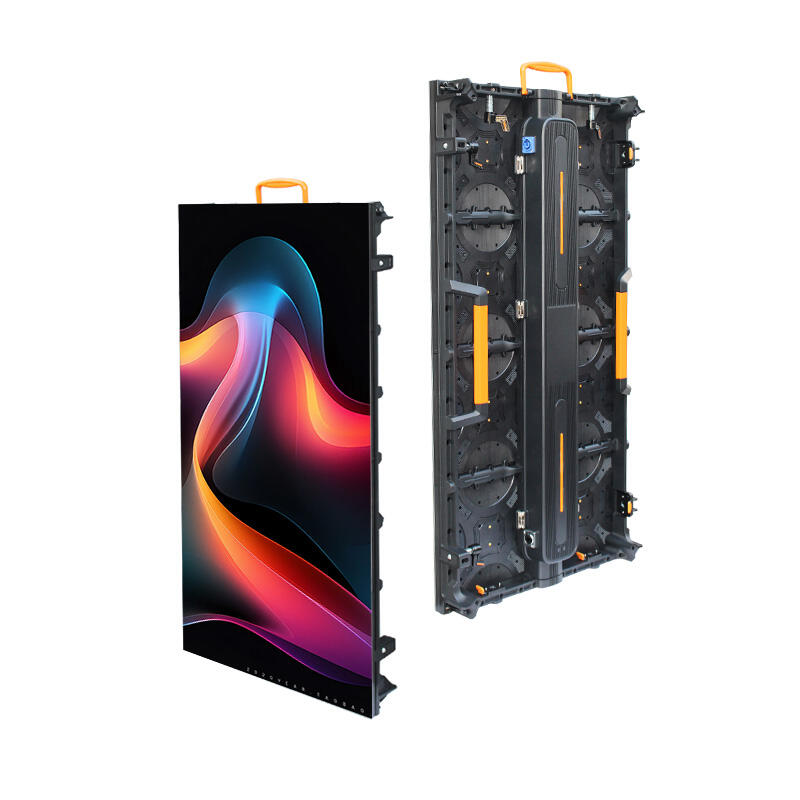
Rental Indoor LED Displays: Created for quick configuration and taking apart. Commonly used for events, exhibits, and performances. They are light-weight, mobile, and easy to keep.
Simply put, repaired displays are for lasting use, while rental screens are for adaptability and movement.
3.3 Indoor Flexible Curved LED Screens
Interior adaptable bent LED screens are created for creative thinking and unique rooms. Unlike conventional level display screens, these screens can flex or create contours, making them excellent for columns, arcs, phase histories, or imaginative installations.
They not only deliver the exact same high brightness and clearness as regular LED displays yet likewise include a modern-day, eye-catching layout that captures interest quickly. For companies and events that want to impress audiences, flexible and rounded displays are the ideal selection.
4. Where are Indoor LED Displays Made Use Of?
You've most likely come across LED displays more often than you realize. They're everywhere-- aiding brand names attract attention, guiding individuals with details, or just creating a far better environment. Right here are several of the most usual locations:
( 1) Buying Malls & Retail Stores-- Perfect for capturing buyers' interest with promos, new arrivals, and interactive promotions.
( 2) Business Offices & Meeting Areas-- Perfect for discussions, video clip meetings, and sharing company updates with employees or clients.
( 3) Hotels & Restaurants-- Show food selections, everyday specials, events, or welcome messages to improve consumer experience.
( 4) Airports & Train Stations-- Supply real-time flight/train info, instructions, and safety announcements for vacationers.
( 5) Exhibitions & Occasion Venues-- Showcase items, live demos, or sponsor content with high-impact visuals.
( 6) Theaters & Entertainment Venues-- Boost programs with live feeds, stage impacts, or advertising video clips.
( 7) Sports Arenas & Gymnasiums-- Show real-time scores, replays, advertisements, and occasion information to engage fans.
( 8) Banks & Educational Institutions-- Financial institutions share interest rates, promos, and updates, while schools and training centers reveal lesson materials, announcements, or interactive web content.
5. Indoor LED Display vs Projector
Selecting the appropriate display issues. LED screens and projectors both function inside, but each has its toughness. Let's see just how they contrast.
| Feature | Indoor LED Display | Projector |
| Brightness | Clear and vivid even in well-lit rooms | Requires dim lighting for best visibility |
| Resolution & Clarity | Sharp text, detailed images at all distances | Can appear blurry or pixelated on large screens |
| Durability & Maintenance | Long-lasting, low maintenance | Lamps need regular replacement, more fragile |
| Installation & Space | Wall-mounted or freestanding, easy setup | Needs distance, mounts, and darkened area |
| Color & Contrast | Vibrant colors, high contrast | Colors may wash out in bright rooms |
| Viewing Angle | Clear from almost any angle | Limited viewing angle |
| Energy Efficiency | Lower energy consumption | Higher energy usage over time |
| Cost Efficiency | Higher upfront cost, but cost-effective long-term | Lower upfront cost, higher maintenance costs |
In shorts, interior LED display screens outmatch projectors in illumination, quality, color, viewing angle, and long-lasting price effectiveness, making them a much better choice for many indoor advertising and marketing, presentations, and home entertainment scenarios.
6. Benefits and Downsides
Before making a decision, it helps to understand the advantages and disadvantages. Right here's a peek at what makes interior LED screens stand out-- and where they could fail.
6.1 Advantages of Indoor LED Display Display
- Flexible high illumination
Projectors and TV can all not fulfill the requirements of high illumination as their lights techniques.
Nevertheless, LED display screen can reach high illumination with real-time adjustable function.
- Much larger checking out range
The watching angle of LED display screen is 4 or 5 times of normal projectors usually 140 ° to
160 °. Audiences being in nearly all placements can see the contents on the screen plainly, which enhances the visual result and is also unattainable by other kinds of tools.
- Much better visual performance
LED screens can transform electrical energy to optical energy, which adds to a greater refresh rate.
In elements of latency and avoidance of presenting errors like ghosting, it additionally has better performances.
Moreover, it has greater contrast proportion than LCD show as it can change the light intensity in an extremely short time.
- Longer working life
The life-span of an LED display screen can be 50,000 hours (15 years of use at 10 hours daily), whereas the life-span of an LCD can be 30,000 hours (8 years of use at 10 hours each day).
Compared with other kinds of display screen devices like projectors and TV, LED screen display screen has evident benefits in working life.
- Personalized size and shape
Different LED cabinets can be combined to construct big LED video wall of different sizes and shapes. For example, innovative LED display screens like floor LED display, round LED display, dice LED screen, etc- Easy installment and upkeep
The screen itself is simple to install, and the user-friendly style makes the whole screen simple to put together and disassemble.
This will certainly conserve you lots of labor and time intake.
- Environment-friendly.
The lighter weight will consume much less fuel when transporting, and no mercury is needed during manufacturing, but LCD displays need.
In addition, indoor LED display board needs less energy and has a much longer life-span, which will likewise lower waste.
6.2 Downsides of Indoor LED Display Board.
- High preliminary investment.
LED screen screens might require a higher preliminary price factor. However the life span is longer, and upkeep will certainly be much easier, hence in the long-term, these user-friendly functions will certainly conserve you cash.
- Danger of light air pollution.
It might result in light contamination. Occasionally the brightness level of the screen is expensive which might create light contamination.
Nevertheless, we still have corresponding methods to manage it: light sensor or establishing the operating system to instantly readjust itself based on the environmental light.
7. Indoor LED Display Cost.
Comprehending the expense of an indoor LED screen starts with understanding the primary aspects that affect prices. These aspects discuss why prices can differ so much.
7.1 6 Aspects Affecting Indoor LED Display Cost.
Drive IC.
The most important chip, accounting for concerning 90% of the price.
Influences LED present compensation, shade harmony, gray scale, and refresh price.
LED Lamp Beads.
The core raw material; price depends upon pixel pitch, light size, and brand.
Premium brands (e.g., Kinglight, Nationstar, Sanan, Nichia, Episen, Cree, etc) supply even more steady efficiency, while lower-cost brand names are much more price-competitive.
LED Power Supply.
Provides needed working current, converting 110V/220V to 5V for modules.
Higher power intake requires even more power supplies, increasing the general price.
LED Display Cabinet.
Rate relies on cupboard material and thickness.
Typical materials: Steel (7.8 g/cm FIVE), Aluminum (2.7 g/cm FIVE), Magnesium Alloy (1.8 g/cm ³), Die-cast Light Weight Aluminum (2.7-- 2.84 g/cm ³).
Pixel Pitch.
Smaller sized pixel pitch = higher resolution = higher price.
Usual indoor displays: P1.25-- P5; high-precision screens set you back dramatically much more.
Display Size.
Larger displays need even more modules and cabinets, boosting expense.
Large screens might additionally need extra assistance structures.
7.2 Exactly How to Calculate LED Present Screen Price?
First off, simply see to it the 5 factors below:.
( 1) Display Size: You must know the dimension of your display first.
( 2) Setup setting: this identifies the technical parameters of display. For instance, if you require to mount your screen outside, after that IP65 is necessary.
( 3) Seeing range: this element relates to pixel pitch. For example, closer seeing distance constantly suggests finer pixel pitch.
( 4) Control system: The choosing of the control system (such as sending out card, getting card, even video clip processor, and so forth) relies on the details size of your screen and control means.
( 5) Product packaging: Carton packing (Module or accessories); Plywood case packing (Fixed); Trip situation packaging (Rental).
For indoor LED displays, the emphasis is a bit different:.
Higher Resolution: Smaller pixel pitch (P1.25, P2, P2.5, P3, etc) for close viewing.
Lightweight Cabinets: Slim and sophisticated design instead of hefty water resistant real estate.
Better Color Performance: Emphasis on brilliant shades and smooth playback for discussions, retail, or events.
Lower Illumination Requirements: Interior atmospheres don't need ultra-high illumination like exterior display screens.
Adaptable Installation: Wall-mounted, hanging, or installed right into indoor spaces.
If you would certainly such as a thorough indoor LED display cost calculation for your task, please contact us anytime.
8. Exactly how to Mount an Indoor LED Display?
Careful preparation and complying with each action are crucial to mounting an interior LED screen. Correct installation makes certain the screen works well and looks smooth. Below is a detailed overview to aid you set up an indoor LED display effectively and safely.
Action 1: Prepare the Installment Site.
Procedure the wall or framework where the display will certainly be installed.
Make sure the wall/frame can sustain the weight of the LED screen.
Plan for air flow, cord transmitting, and screen dimension.
Action 2: Install the Mounting Bracket or Structure.
Protect a stable and degree brace or framework to the wall surface.
Double-check positioning to make certain a flat last screen.
Step 3: Install LED Cabinets.
Location the very first closet onto the bracket.
Attach its power cable and network/data cord.
Repeat for all cupboards, piling and aligning them exactly.
Tip 4: Mate and Line Up Cupboards.
Readjust all cabinets for a seamless, level display screen.
Look for spaces or misalignments and appropriate as required.
Step 5: Link Power and Network System.
Make certain all cupboards are effectively powered.
Link all network/data wires to the control system.
Confirm that the sending out card or controller is functioning.
Action 6: Evaluate the Show.
Power on the screen and check for dead pixels, brightness, and color uniformity.
Make any final changes to alignment and settings.
Step 7: Final Checks & Upkeep Gain Access To.
Protect all cables nicely.
Verify there suffices area for air flow and future maintenance.
Make sure safety and security and security of the setup.