EN
EN

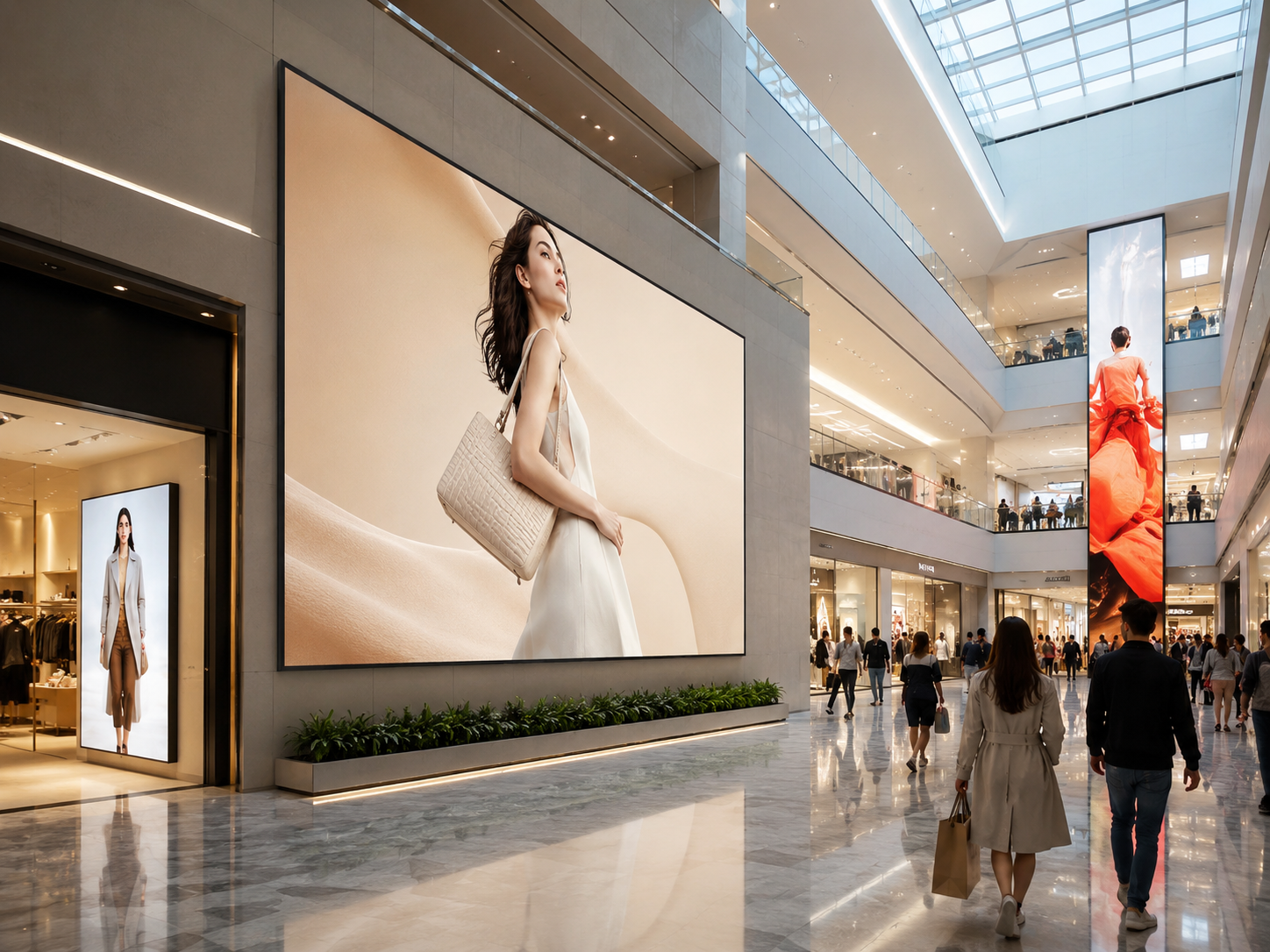
Iklan di pusat perbelanjaan biasanya tampak sederhana pada tahap penawaran harga, tetapi posisi layar yang salah, pitch piksel, tingkat kecerahan, atau rasio konten dapat dengan cepat melemahkan efek akhirnya. Sebuah layar tampilan LED untuk iklan pusat perbelanjaan harus selaras dengan jumlah pengunjung nyata, jarak pandang dari lantai, tampilan visual merek, ruang pemasangan, serta cara konten akan diperbarui setelah peluncuran. Oleh karena itu, panduan ini menjelaskan cara menilai layar dinding, layar kolom, papan depan toko, tampilan bergaya poster, dan papan iklan eksterior pusat perbelanjaan dari sudut pandang proyek yang praktis.
Alih-alih memulai dengan definisi, artikel ini berfokus pada keputusan nyata: di mana layar harus dipasang, indikator mana yang memengaruhi kualitas visual, bagaimana berbagai format cocok dengan ruang pusat perbelanjaan, serta informasi apa saja yang harus disiapkan sebelum meminta penawaran harga dari pabrik.
Navigasi Cepat
Layar Iklan Pusat Perbelanjaan Harus Dimulai dari Jumlah Pengunjung, Bukan Hanya Ukuran
Pertama, layar di pusat perbelanjaan harus selaras dengan cara orang benar-benar bergerak. Tampilan di atrium dapat dilihat dari beberapa lantai, sedangkan layar di pintu masuk toko mungkin hanya mendapat tiga hingga lima detik pengamatan dari jarak dekat. Oleh karena itu, perencanaan layar harus dimulai dari arah pergerakan pejalan kaki, titik-titik berhenti, sudut pandang dari eskalator, dan lebar koridor.
Sementara itu, pusat perbelanjaan tidak memiliki satu jarak pandang tetap. Orang mungkin memperhatikan layar dari lantai atas, melihatnya kembali dari eskalator, dan akhirnya melewatinya pada jarak dekat. Karena hal ini, tampilan yang sama sering kali harus menyeimbangkan dampak dari jarak jauh dengan keterbacaan dari jarak dekat.
Selain itu, visual merek harus sesuai dengan lokasinya. Kampanye fesyen di dekat etalase premium memerlukan palet warna bersih dan detail halus. Promosi di food court memerlukan kontras kuat dan pengenalan cepat. Pemberitahuan acara pusat perbelanjaan memerlukan teks sederhana, panah jelas, serta tata letak yang mudah dibaca.
Peta Penempatan Pusat Perbelanjaan: Arah Layar Cepat
| Area Pusat Perbelanjaan | Perilaku Pengamatan | Peran Layar yang Lebih Baik | Jalur Produk |
|---|---|---|---|
| Atrium utama | Pandangan jauh dari beberapa lantai | Dampak merek dan video kampanye | Papan Tampilan LED Berukuran Besar |
| Pintu masuk toko | Lalu lintas yang melintas dekat | Promosi dan penyorotan produk | Papan Tampilan LED untuk Toko |
| Dinding koridor | Tampilan bergerak dari jarak sedang | Paparan merek berulang | Papan tampilan LED iklan |
| Eksterior mal | Visibilitas di jalan dan pintu masuk | Iklan luar ruangan berdampak tinggi | Papan iklan digital luar ruangan |
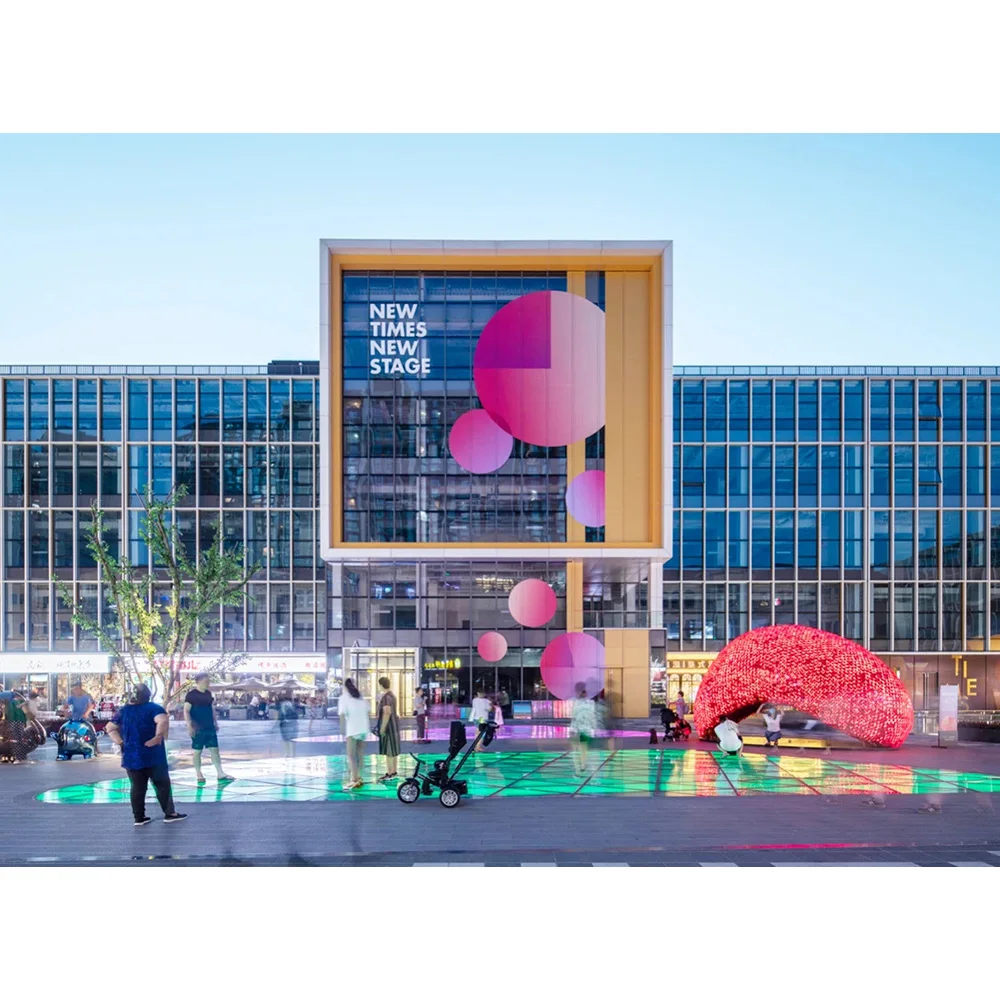
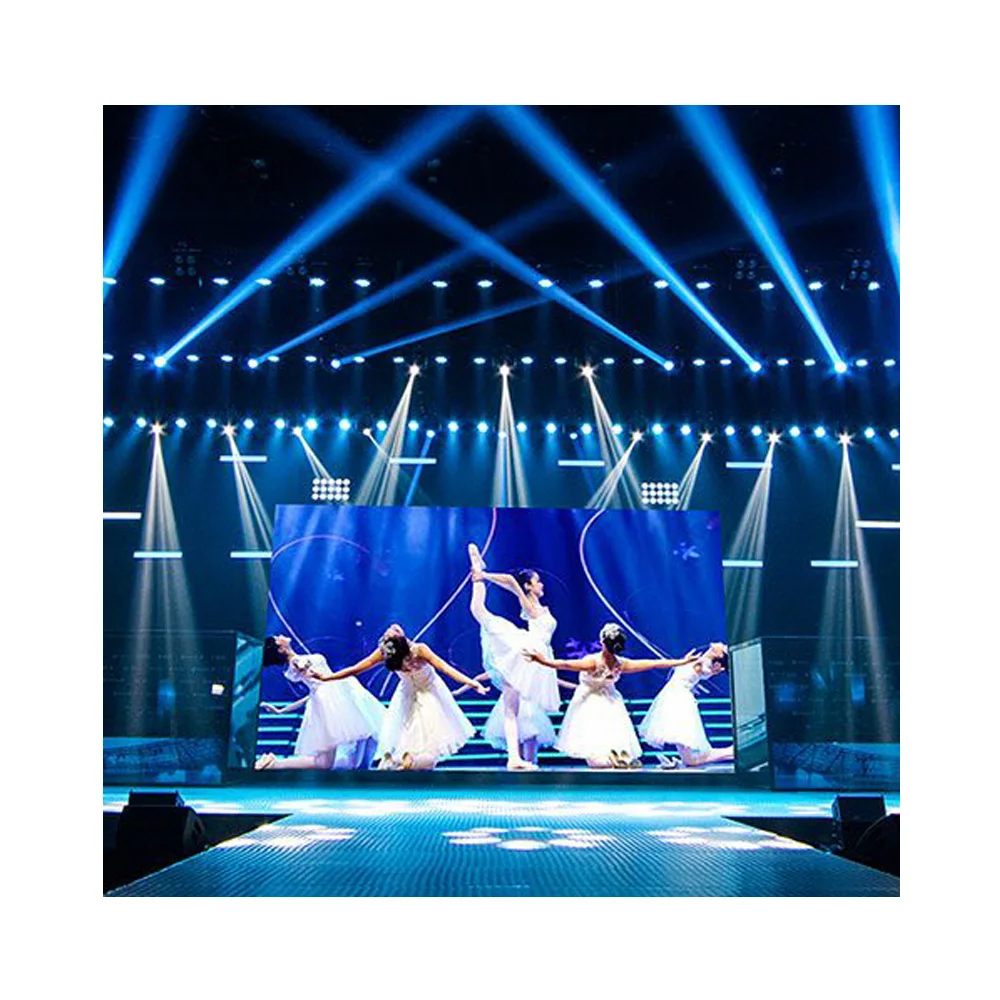
Catatan penempatan gambar: gunakan gambar ini saat membahas layar berformat besar di atrium mal, plaza, atau area dengan visibilitas multi-lantai.
Risiko Utama Bukanlah Tidak Membeli Layar — Melainkan Membeli Jalur Visual yang Salah
Namun, banyak proyek mal gagal karena layar dipilih sebelum jalur pandang jelas. Layar berukuran besar pun tetap terasa lemah jika ditempatkan di belakang tiang, di atas sudut pandang yang buruk, atau di lokasi di mana orang bergerak terlalu cepat untuk membaca pesan.
Di sisi lain, layar berukuran kecil dapat berkinerja baik bila ditempatkan di dekat titik keputusan strategis. Misalnya, papan toko di dekat pintu masuk dapat mendukung pelanggan baru, penawaran musiman, atau video merek tanpa memerlukan instalasi berukuran besar.
Oleh karena itu, layar harus dinilai berdasarkan tujuannya. Beberapa posisi membutuhkan dampak visual. Beberapa posisi membutuhkan teks yang jelas. Posisi lain membutuhkan pembaruan yang fleksibel. Inilah mengapa layar dinding, layar tiang, papan toko, dan layar bergaya poster tidak boleh dibandingkan hanya berdasarkan ukurannya.
Pemeriksaan Risiko Cepat Sebelum Penawaran Harga
- Jika layar dilihat dari jarak kurang dari 3 meter, kejelasan teks dan pitch piksel perlu mendapat perhatian lebih.
- Jika layar dipasang tinggi, grafik gerak besar biasanya lebih efektif dibandingkan detail produk kecil.
- Jika layar menghadap pencahayaan mal yang kuat, kontrol kontras dan kecerahan memengaruhi kenyamanan visual.
- Jika akses dari belakang terbatas, pemeliharaan dari depan harus dipertimbangkan sebelum memilih kabinet.
- Jika konten sering berubah, metode pengendalian sama pentingnya dengan perangkat keras tampilan.
Indikator Mana yang Penting untuk Layar Iklan di Mal Belanja?
Pertama-tama, pitch piksel memengaruhi kejelasan tampilan dari jarak dekat serta anggaran. Pitch yang lebih halus dapat membuat teks, gambar produk, dan logo tampak lebih halus pada jarak dekat. Namun, hal ini juga meningkatkan biaya. Untuk dinding atrium tinggi yang dilihat dari jarak lebih jauh, pitch yang sedikit lebih besar pun tetap mampu memberikan dampak visual yang kuat.
Kedua, kecerahan memengaruhi visibilitas dan kenyamanan. Layar di dalam mal tidak selalu memerlukan kecerahan ekstrem. Bahkan, tampilan yang terlalu terang dapat terasa menyilaukan di koridor. Rencana kecerahan yang seimbang melindungi pengalaman menonton dan membantu menjaga tampilan merek tetap alami.
Selain itu, kontras memengaruhi kualitas yang dirasakan. Kontras tinggi membantu iklan menonjol di bawah pencahayaan langit-langit, pantulan kaca, serta papan nama toko di sekitarnya. Kontras tinggi juga membuat visual produk fesyen, makanan, elektronik, dan kosmetik tampak lebih tajam dan terdefinisi dengan jelas.
Terakhir, akses perawatan memengaruhi biaya operasional riil. Layar yang tampak prima pada hari pembukaan tetap memerlukan akses layanan yang praktis. Jika dinding tidak memiliki ruang di belakangnya, akses dari depan dapat mengurangi waktu henti di masa depan serta menghindari gangguan tak perlu di dalam mal.
Tabel Indikator: Perubahan yang Dihasilkan oleh Setiap Spesifikasi
| Indikator | Apa yang dipengaruhinya | Dampak terhadap kutipan harga |
|---|---|---|
| Jarak piksel | Detail pandangan dekat, ketajaman teks, kelancaran gambar | Pitch yang lebih kecil biasanya meningkatkan biaya |
| Kecerahan | Visibilitas di bawah pencahayaan mal | Harus disesuaikan dengan kenyamanan dalam ruangan, bukan hanya output maksimum |
| Kontras | Kedalaman, pemisahan warna, serta kesan visual premium | Meningkatkan persepsi kualitas tanpa sekadar menaikkan kecerahan |
| Frekuensi Pembaruan | Kinerja kamera dan pemutaran video yang lancar | Penting untuk acara, media sosial, serta aktivitas mal yang direkam |
| Desain kabinet | Kedalaman pemasangan, struktur, dan akses layanan | Dapat memengaruhi tenaga kerja pemasangan serta perawatan jangka panjang |
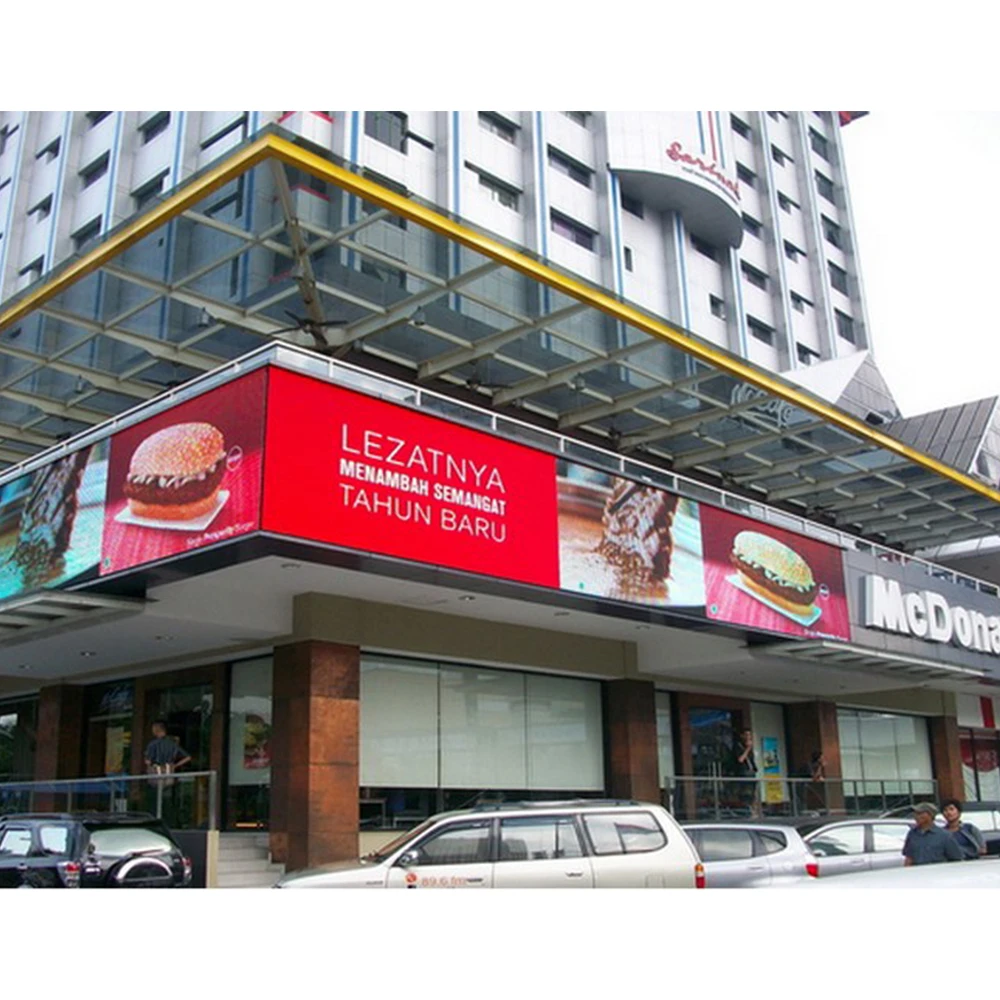
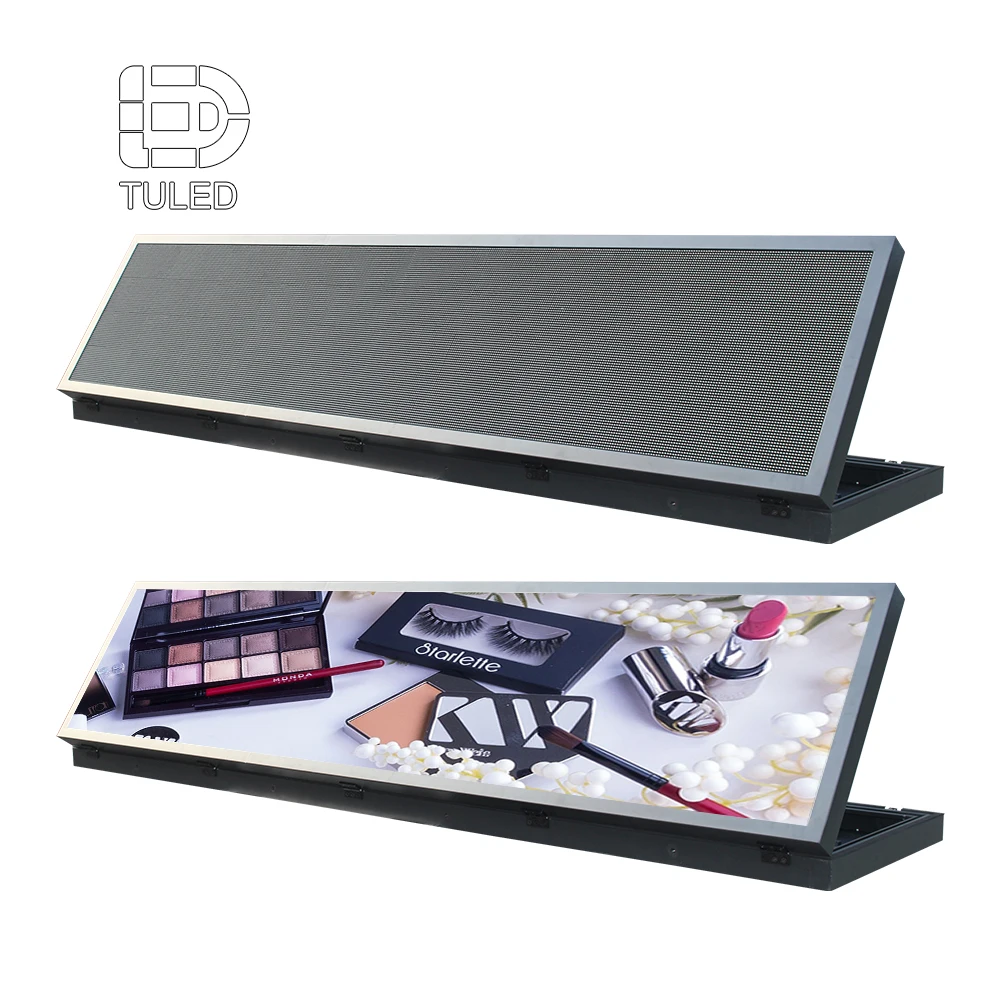
Catatan penempatan gambar: gunakan gambar ini di dekat pintu masuk toko, promosi fasad toko, dan bagian iklan jarak dekat.
Layar Dinding, Layar Kolom, atau Papan Toko Bergaya Poster: Cara Memilih
Layar dinding paling efektif ketika mal memiliki permukaan visual yang luas. Dinding atrium, pintu masuk bioskop, dan koridor lebar mampu menampilkan video kampanye yang kuat. Oleh karena itu, layar dinding cocok untuk peluncuran merek, acara mal, serta iklan dalam ruangan berdampak tinggi.
Layar kolom bekerja secara berbeda. Layar ini mengubah kolom struktural menjadi titik media yang berulang. Namun, konten harus tetap sederhana karena orang sering melihat kolom dari sudut samping. Teks berukuran besar, animasi pendek, dan blok warna tebal biasanya memberikan kinerja lebih baik.
Papan bergaya poster atau papan depan toko lebih fleksibel. Papan ini dapat ditempatkan di dekat pintu masuk toko, zona acara, lobi lift, serta area kampanye sementara. Di sisi lain, papan ini mendukung konten vertikal, penawaran harian, serta visual produk untuk jarak dekat.
Untuk posisi eksterior mal, papan iklan digital luar ruangan mungkin lebih cocok. Papan ini mendukung visibilitas pintu masuk, eksposur jalanan, serta konten kampanye berukuran besar sebelum pengunjung memasuki gedung.
Meja Jalur Produk
| Tipe Layar | Skenario terbaik | Keuntungan Utama | Catatan perencanaan |
|---|---|---|---|
| Dinding layar | Atrium, pintu masuk bioskop, dinding utama | Dampak visual besar | Konfirmasi jarak pandang dan akses layanan |
| Layar kolom | Pilar, sisi eskalator, tikungan koridor | Memanfaatkan struktur yang sudah ada | Pertahankan konten tebal dan mudah dibaca dari berbagai sudut |
| Papan toko | Fasad toko, pintu masuk, zona pop-up | Tampilan Promosi yang Fleksibel | Sesuaikan rasio konten vertikal atau horizontal |
| Papan luar ruangan | Eksterior mal dan fasad pintu masuk | Daya tarik di tingkat jalan | Periksa kecerahan, ketahanan terhadap cuaca, serta struktur |
CTA: Kirim foto lokasi mal dan gaya konten iklan untuk menentukan jalur produk yang sesuai
Rekomendasi yang lebih jelas dapat diberikan apabila permintaan mencakup posisi layar, jarak pandang, ukuran dinding, metode pemasangan, kondisi pencahayaan, serta contoh konten.
Hubungi LEDDisplayFactory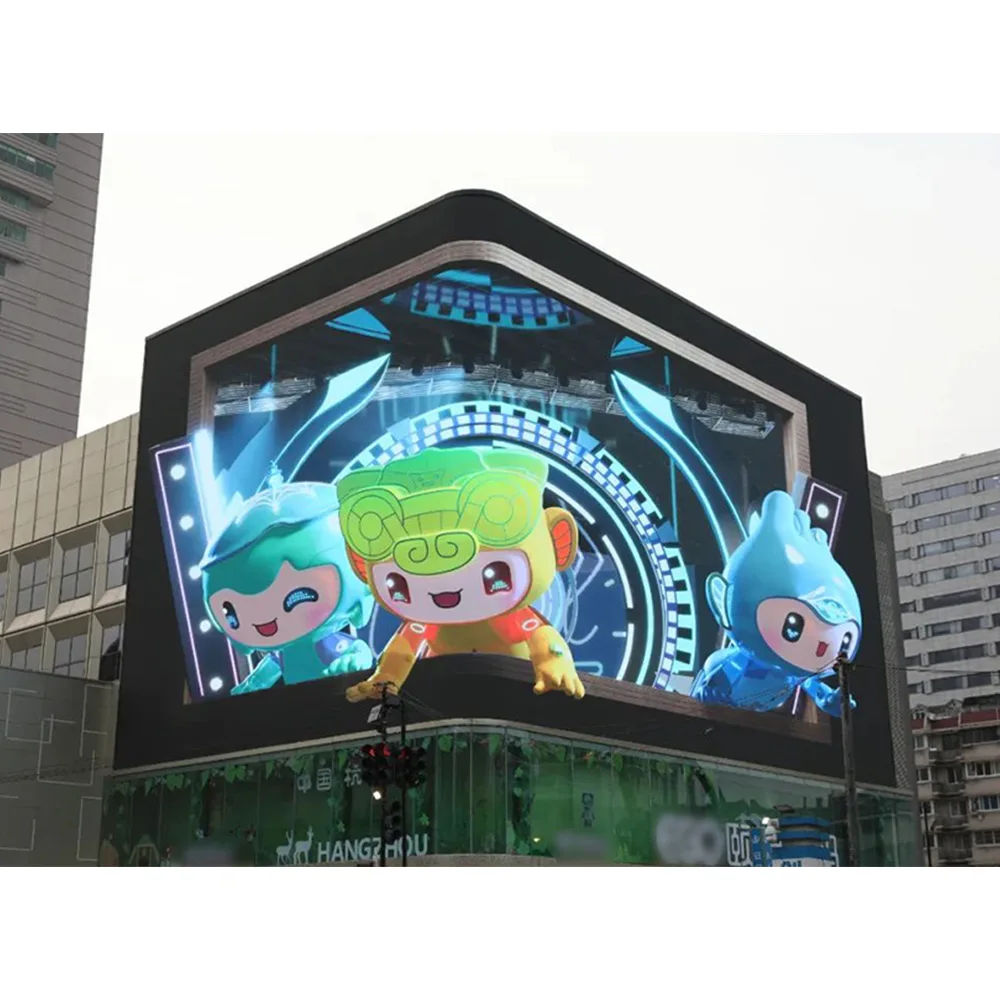
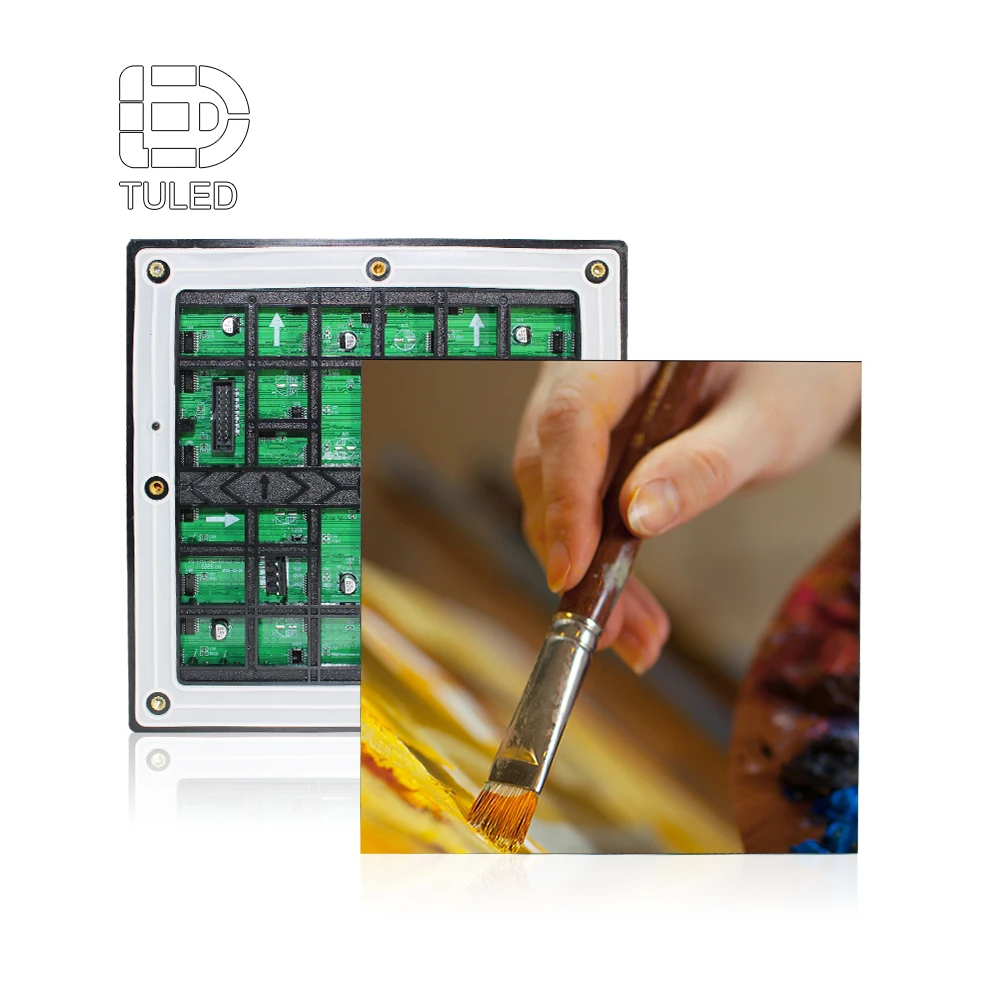
Catatan penempatan gambar: gunakan gambar ini saat menjelaskan konten iklan berdampak tinggi, visibilitas eksterior di mal, atau daya tarik visual.
Cara Merencanakan Pembaruan Konten Sebelum Mengonfirmasi Layar
Pertama, frekuensi pembaruan konten memengaruhi sistem kontrol. Layar yang digunakan untuk kampanye merek bulanan mungkin tidak memerlukan metode operasi yang sama dengan layar yang digunakan untuk promosi toko harian. Oleh karena itu, ritme pembaruan harus dibahas sebelum perangkat keras dikonfirmasi.
Sementara itu, rasio konten memengaruhi bentuk layar. Layar dinding lebar cocok untuk video berformat 16:9, sedangkan papan depan toko mungkin memerlukan tata letak vertikal atau horizontal sempit. Jika file kreatif tidak sesuai dengan rasio layar, teks penting atau detail produk dapat terpotong.
Selain itu, konten iklan di mal harus mudah dibaca dalam waktu singkat. Orang yang berjalan melewati koridor jarang berhenti untuk membaca paragraf panjang. Judul pendek, visual produk yang bersih, dan kontras kuat biasanya lebih efektif dibandingkan teks promosi yang padat.
Terakhir, daftar putar terjadwal dapat meningkatkan kegunaan layar. Konten pagi hari, promosi jam makan siang, kampanye akhir pekan, serta visual hari libur mungkin memerlukan penjadwalan yang berbeda. Rencana pengendalian yang praktis mengurangi pekerjaan manual dan menjaga tampilan tetap aktif.
Tabel Perencanaan Pembaruan Konten
| Tipe konten | Ritme Pembaruan | Format yang Lebih Baik | Saran Perencanaan |
|---|---|---|---|
| Video Merek | Mingguan atau bulanan | Dinding layar | Gunakan bingkai pembuka sederhana dan visual berukuran besar |
| Promosi toko | Harian atau mingguan | Papan toko atau tampilan bergaya poster | Siapkan templat yang dapat diedit untuk perubahan cepat |
| Pengumuman acara di mal | Periode acara | Layar dinding atau kolom | Pastikan waktu, lantai, dan arah terlihat jelas |
| Kampanye eksterior | Musiman atau berfrekuensi tinggi | Papan iklan digital luar ruangan | Gunakan animasi kontras tinggi dan teks berukuran besar |
Daftar Periksa Kutipan Harga: Hal-Hal yang Harus Dikirim Sebelum Meminta Harga Akhir
Kutipan yang berguna sebaiknya tidak dimulai hanya dengan ukuran layar. Sebagai gantinya, permintaan harus menjelaskan di mana layar akan dipasang, seberapa jauh jarak pandang orang terhadap layar tersebut, konten apa yang akan ditampilkan, serta seberapa sering konten tersebut diperbarui.
Selain itu, foto lokasi lebih membantu dibandingkan deskripsi panjang. Foto depan menunjukkan dinding atau fasad toko, foto samping menunjukkan sudut pandang, sedangkan foto close-up menunjukkan struktur, bahan dinding, posisi sumber daya listrik, dan batasan kemungkinan perawatan.
Terakhir, contoh konten membantu menghindari ketidaksesuaian rasio layar. Bingkai video, berkas logo, gambar produk, poster kampanye, atau contoh penunjuk arah dapat membantu tim pabrik menilai apakah format tampilan yang dipilih sesuai dengan tujuan iklan aktual.
Templat Permintaan Layar untuk Mal (dapat disalin)
Lokasi Proyek: atrium mal / koridor / pintu masuk toko / fasad eksterior / food court / lobi lift
Ukuran layar yang direncanakan: lebar × Tinggi
Jarak pandang terdekat: ___ meter
Jarak pandang rata-rata: ___ meter
Metode instalasi: dipasang di dinding / terpasang tersembunyi / dipasang pada tiang / berdiri bebas di lantai / digantung
Akses perawatan: akses dari depan diperlukan / akses dari belakang tersedia / tidak yakin
Jenis Konten: video merek / poster promosi / pengumuman acara / petunjuk arah / daftar putar campuran
Frekuensi pembaruan: harian / mingguan / bulanan / musiman
Foto terlampir: tampak depan / tampak samping / detail dinding / posisi daya / rute pejalan kaki
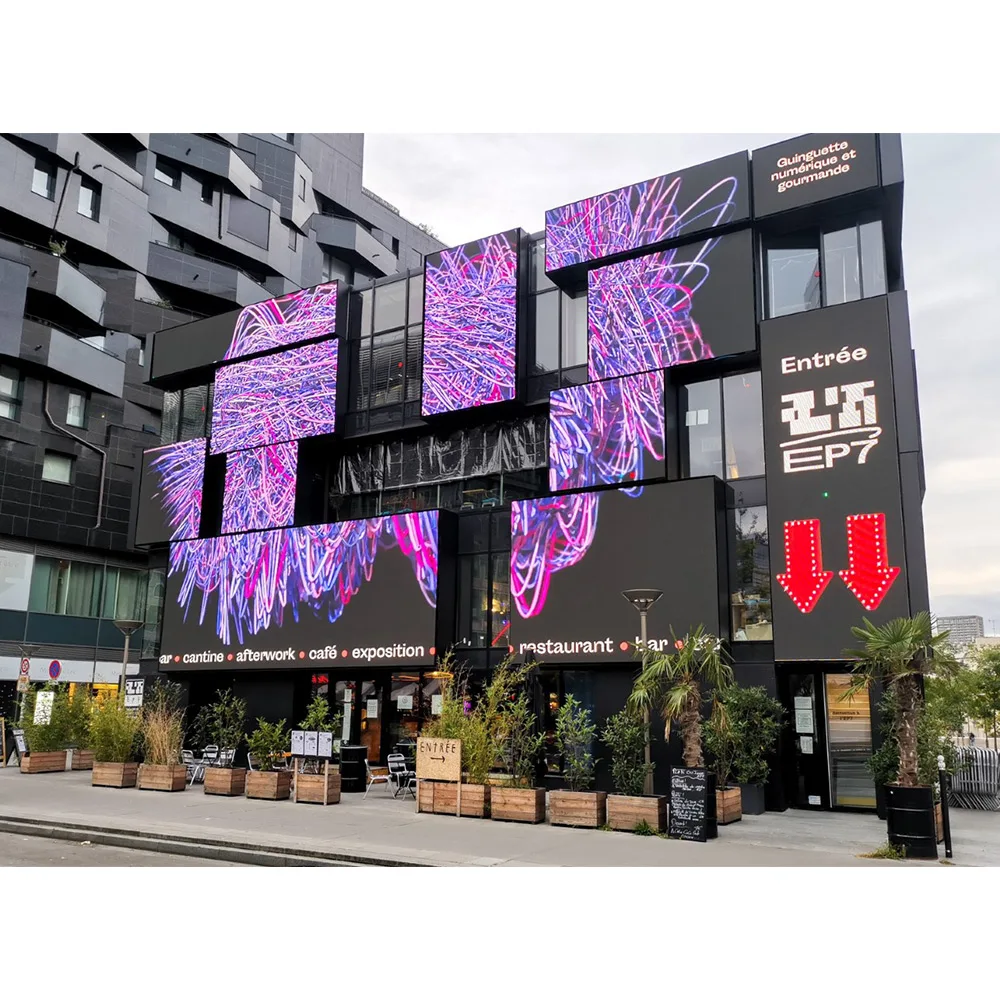
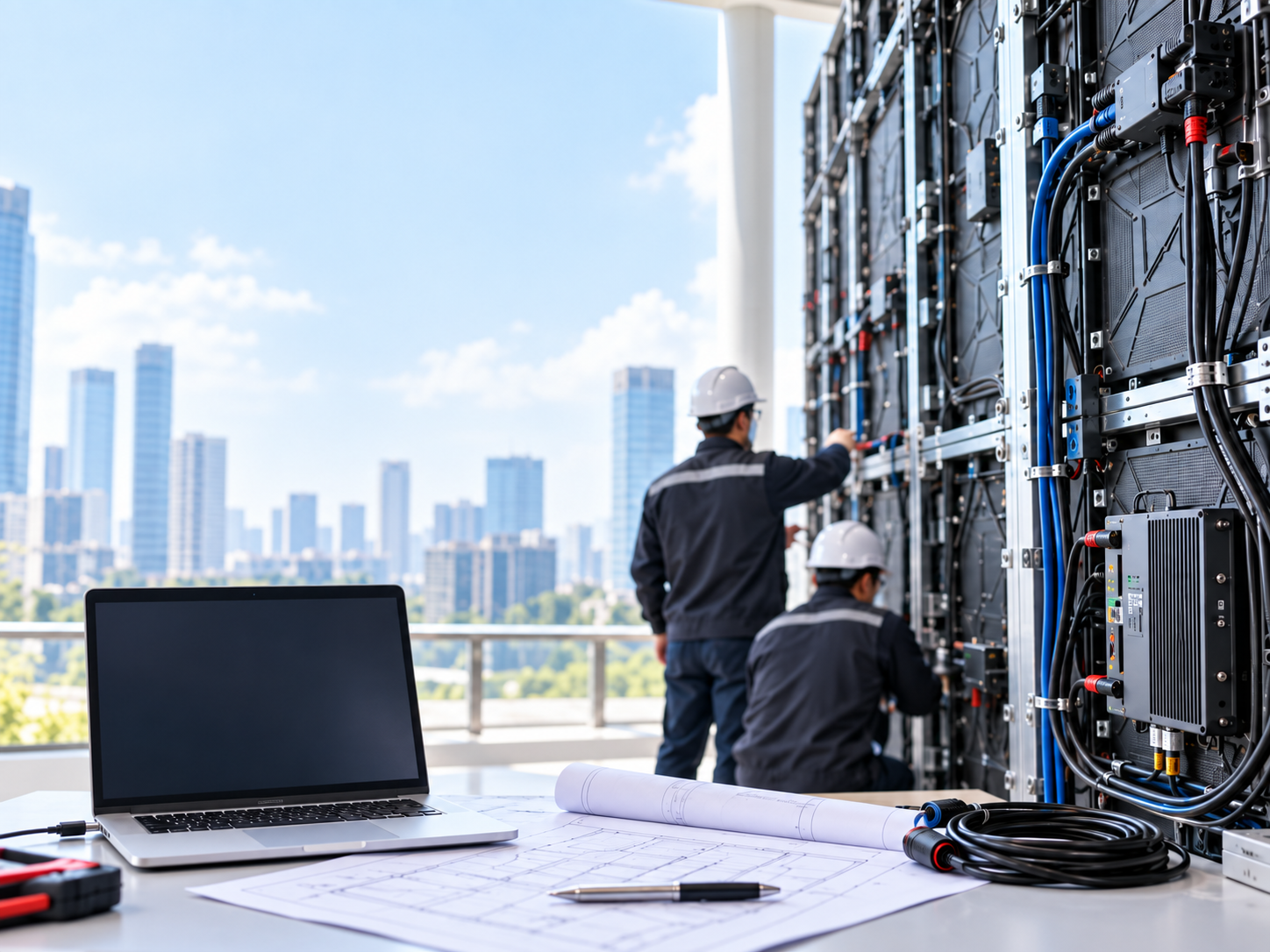
Catatan penempatan gambar: gunakan gambar ini di dekat bagian kutipan dan visibilitas eksterior, di mana struktur fasad dan iklan berformat besar dibahas.
Kirim Foto Lokasi Mall dan Gaya Konten Iklan untuk Jalur Produk yang Sesuai
Agar rekomendasi lebih lancar, siapkan posisi layar, jarak pandang, ukuran dinding, metode pemasangan, ruang perawatan, dan rencana pembaruan konten. Detail-detail ini membantu mencocokkan jalur yang tepat layar tampilan LED tanpa menebak spesifikasi secara tidak perlu.
Dapatkan Rekomendasi ProyekBacaan Lanjutan dan Jalur Produk Terkait
Selain itu, halaman produk terkait dapat membantu membandingkan berbagai jalur iklan di mal. Papan besar lebih cocok untuk dampak visual di atrium atau eksterior, sedangkan papan toko lebih sesuai untuk promosi di depan toko dan pesan jarak dekat.
Tanya Jawab
Indikator mana yang paling penting untuk layar iklan di mal perbelanjaan?
Pitch piksel, kecerahan, kontras, laju penyegaran, desain kabinet, akses pemeliharaan, dan kontrol konten merupakan indikator yang paling penting. Namun, masing-masing indikator harus dikaitkan dengan lokasi pemasangan. Sebagai contoh, pitch piksel memengaruhi kejernihan tampilan dari jarak dekat, sedangkan akses pemeliharaan memengaruhi biaya layanan di masa depan.
Bagaimana cara mal memutuskan antara layar dinding, layar kolom, dan papan toko?
Layar dinding cocok untuk permukaan visual berukuran besar dan menarik perhatian dari jarak jauh. Layar kolom cocok untuk titik iklan struktural, tetapi kontennya harus tetap mencolok. Papan toko cocok untuk promosi jarak dekat, visibilitas etalase, serta pembaruan konten yang fleksibel.
Seberapa sering konten iklan pusat perbelanjaan harus diperbarui?
Frekuensi pembaruan harus mengikuti jenis kampanye. Penawaran harian toko memerlukan pembaruan cepat, sedangkan kampanye merek musiman dapat menggunakan daftar putar terjadwal. Oleh karena itu, sistem kontrol harus direncanakan berdasarkan alur kerja konten aktual.
Apakah satu format layar dapat mencakup semua posisi iklan di pusat perbelanjaan?
Biasanya tidak. Tampilan dinding berukuran besar dapat menciptakan dampak landmark yang kuat, tetapi mungkin tidak dapat menggantikan papan toko untuk jarak dekat. Sementara itu, iklan eksterior pusat perbelanjaan mungkin memerlukan kecerahan lebih tinggi dan perlindungan cuaca yang lebih kuat. Pendekatan produk campuran sering kali memberikan hasil yang lebih baik.
Apa saja yang harus dipersiapkan sebelum meminta kutipan harga layar pusat perbelanjaan?
Siapkan foto lokasi, ukuran layar, jarak pandang, detail dinding atau fasad, metode pemasangan, ruang perawatan, contoh konten, frekuensi pembaruan konten, serta jadwal proyek yang diharapkan. Detail-detail ini membantu mengurangi komunikasi bolak-balik dan membuat rekomendasi produk menjadi lebih akurat.
Kesimpulan Utama
Secara singkat, tampilan iklan di mal harus dipilih berdasarkan ruang, konten, dan operasional. Volume pejalan kaki menentukan tingkat keterlihatan. Jarak pandang menentukan kejelasan tampilan. Visual merek menentukan kontras dan kinerja warna. Ritme pembaruan konten menentukan metode kontrol.
Oleh karena itu, jalur proyek terbaik bukanlah layar terbesar secara bawaan. Melainkan format tampilan yang sesuai dengan posisi di mal, mendukung rencana periklanan, serta tetap mudah dirawat setelah pemasangan.
- Pertama, tandai secara tepat lokasi layar dan arah jalur pejalan kaki sebelum membandingkan produk.
- Kedua, siapkan contoh konten sebelum mengonfirmasi rasio layar dan pitch piksel.
- Terakhir, kirimkan foto lokasi dan detail perawatan sebelum meminta kutipan harga akhir.