EN
EN


Večina kupcev ne izgubi denarja pri projektu s svetlobnimi diodami, ker pozabi na en izraz iz tehnike. Denar izgubijo, ker zaupajo napačnemu procesu.
Izpopolnjena ponudba lahko skrije veliko. Dobavitelj se lahko hitro odzove, obljubi vse in kljub temu ostane z napačnim slogom ohišja, šibkimi dokumenti, nejasno določeno podporo ali zaslonsko napravo, ki postane težko vzdrževati, ko je že nameščena. Zato izbira Davatelj led zaslonov nikoli ni le primerjava cen ali pregled seznama značilnosti. Gre za oceno tega, ali je tovarna, ki stoji za ponudbo, dovolj natančna, dovolj izkušena in dovolj poštena za projekt, ki ga imate pred seboj.
Najboljši dobavitelji naredijo nekaj preprostega, a kljub temu presenetljivo redkega: upočasnijo pogovor dovolj, da predlagajo karkoli, postavijo prava vprašanja. Želijo vedeti, kam bo postavljen zaslon, kako bo pritrjen, kdo ga bo gledal, katera vsebina bo na njem prikazana in koliko ur na dan bo vklopljen. Takšen pogovor je običajno boljši znak kot hitra ponudba, ki jo spremlja preveč samozavesti in premalo konteksta.
Če trenutno primerjate tovarne, je ta vodnik namenjen ravno temu trenutku. Ne teoriji. Ne zbiranju tehničnih specifikacij. Temu, da izberete dejanske dobavitelje za ožji izbor, že zgodaj prepoznate šibke odgovore in najdete tovarno, ki se dejansko ujema z vašim nalogom. Ker je pri nakupu LED zaslonov draga napaka redko le sam zaslon. Napaka je pogosto neskladje, ki stoji za njim.

Zakaj je preverjanje tovarn pomembnejše od same ponudbe
Tu je neprijetna resnica: dva dobavitelja lahko prodajata nekaj, kar na papirju izgleda podobno, in kljub temu zagotovita popolnoma različni izkušnji pri izvedbi projekta.
En dobavitelj bo vodil projekt od poizvedbe do dostave na način, ki ustvarja občutek miru. Priporočilo je smiselno. Načrti prispijo pravočasno. Pakiranje je jasno. Dodatki so popolni. Poročila o servisnem delu niso zagate. Ko se pojavi vprašanje, je odgovor neposreden.
Drugi dobavitelj morda še vedno ponudi nižjo ceno, a vse okoli zaslona izgleda nejasno. Priporočilo je splošno. O vzdrževanju se pogovarjajo prepozno. Podrobnosti projekta se neprestano spreminjajo. Namesto da bi sprejemali odločitve, končate s tem, da ste na iskanju jasnosti.
Zato je preverjanje pomembno. Ker je dejansko tveganje običajno ne zaslon sam, temveč vse, kar se dogaja okoli zaslona.
Tovarno, ki jo vredno omeniti na krajšem seznamu, bi morala biti sposobna dobro opraviti štiri stvari:
razumeti namen uporabe pred pripravo ponudbe
priporočiti pravo smer izdelka namesto najlažje za prodajo
podpira delo z jasnimi dokumenti in realističnim nadzorom procesov
ostaja odgovoren po pošiljki, ne le pred plačilom
Če dobavitelj ne more izvesti teh štirih stvari, ostali del pogovora skoraj ni pomemben.
Hitra metoda za primerjavo dobaviteljev, preden podrobnosti prevzamejo nadzor
Preden pridemo do 12 vprašanj, je koristno poenostaviti, kaj pravzaprav primerjamo.
| Kaj primerjati | Kaj običajno kaže močan dobavitelj | Kaj običajno kaže šibek dobavitelj |
|---|---|---|
| Prilagodnost izdelka | Priporoča glede na sceno in pogoje namestitve | V vsak projekt vsiljuje isti model |
| Komunikacija | Postavi praktična vprašanja pred tem, da poda ponudbo | Pošlje hitro ponudbo z malo konteksta |
| Dokumentacija | Jasno razloži risbe, embalažo, dodatke in obseg podpore | Podrobnosti ohrani nejasne do pozne faze |
| Kakovostni postopek | Jasno govori o preskusih in prevoznih pregledih pred odpremo | Uporablja splošne izraze, kot so »visoka kakovost« |
| Prilagodljivost | Pojasni, kaj se lahko prilagodi, in kaj naj ostane standardno | Preveč enostavno soglasuje z vsem |
| Po prodaji | Zgodaj določi garancijo, rezervne dele in čas odziva storitve | Podporo obravnava kot stransko zadevo |
| Sodba o projektu | Odpri razprava o tveganih točkah | Izogiba se natančnim podatkom in prekomernim obljubam |
Le ta tabela sama po sebi vam lahko prihrani ure. Ko začnete na tak način primerjati dobavitelje, postanejo šibki odgovori veliko lažje opazni.
12 vprašanj za dobavitelja LED prikaznih zaslonov
1. Kaj priporočate za ta projekt in zakaj?
To je pogosto prvo vprašanje, ki razkrije, ali imate opravka s tovarniškim pristopom ali le z izvirno prodajno govorico.
Napačen dobavitelj začne z besedami: »To je naš najbolj prodajan izdelek.« Boljši dobavitelj začne z vašim projektom. Začeti mora z vašim projektom. Kje bo zaslon nameščen? Ali gre za steno v poslovni sobi za blizu ogleda, za zunanjost fasade, za stekleno okensko predelavo, za razstavni salon, za cerkveno oder ali za vhod v lobi? Dobro izbran odgovor bi moral zveneti, kot da spada k vašemu delu, ne pa k stotim drugim delom.
To je pomembno, ker LED projekti pogosto spodletijo ravno na tak način: zaslon je tehnično uporaben, vendar praktično napačen. Zaslon je morda pretežko vzdrževati, pretežak za lokacijo, preveč vizualno agresiven za prostor ali preprosto napačnega formata za način, na katerega se bo vsebina prikazovala.
Zanesljiv dobavitelj običajno pojasni priporočilo v preprostem jeziku. Ne kot učbenik. Več kot tole: za to namestitev je resničen problem dostop do vzdrževanja ali za to prizorišče bodo gledalci blizu, zato je skladnost površine pomembnejša od surove svetlosti.
Če ostane odgovor splošen ali če dobavitelj priporoča isto platformo ne glede na to, za katero uporabo gre, je to opozorilni znak.
2. Katerih podobnih projektov ste v zadnjem času že izvedli?
Nakupovalci ne potrebujejo znanega dobavitelja. Potrebujejo dobavitelja, ki je seznanjen s tem tipom naloge, ki jo bodo kmalu izvajali.
Stenska površina v razstavnem prostoru in zunanji ogledni pano oba lahko uporabljata LED-tehnologijo, vendar povzročata popolnoma različne probleme. Pri prvem je pomembnejše gledanje z blizu in urejenost ohišja. Pri drugem pa je pomembnejša izpostavljenost okolju, način namestitve in načrtovanje vzdrževanja. Dobavitelj, ki to resnično razume, nikoli ne bo govoril o »LED-prikaznih projektih« kot o eni veliki kategoriji.
Zanesljiva tovarna bi morala biti zmožna reči: izvedli smo projekte z podobnim načinom pritrditve, ali obdelali smo aplikacije za steklene trgovinske prostore, kjer mora biti vidnost zaslona uravnotežena tako, da ne prekrije predelave trgovinskega okna, ali težavo pogosto opazimo pri zunanjih stalnih namestitvah.
Kar poslušate, ni hvalisanje, temveč prepoznavanje vzorcev. To imajo izkušene tovarne.
3. Kateri podatki so potrebni od nas, preden lahko priporočite ustrezni zaslon?
To je eno najboljših preskusnih vprašanj, saj odgovor pove, kako resno do vas dobavitelj obravnava.
Zanesljiv dobavitelj bi moral zahtevati mere projekta, fotografije namestitve, opis notranjega ali zunanjega okolja, razdaljo ogleda, vrsto vsebine, delovne ure, zahteve glede nadzora ter ali obstajajo omejitve glede konstrukcije ali vzdrževanja. To ne mora biti zapleteno. Moralo je preprosto zveneti realno.
Slabi dobavitelji pogosto delujejo tako, kot da bi lahko priporočili popoln zaslon na podlagi skoraj ničesar. Tega ne morejo. Ugibajo.
Za poslovne prostore za ogled iz bližine, razstavne dvorane in notranje stene se pogovor pogosto naravno usmeri proti notranjim LED-zaslonom. Za stalne zunanje napovednike, medijevne stene, ki so izpostavljene vremenskim vplivom, ali projekte, namenjene javnosti, je običajno boljša rešitev platforma s kabini, ki je zasnovana za zunanjega obratovanja, dostopa in razmer na lokaciji. Pomembno ni kategorija kot takšna. Pomembno je, ali dobavitelj do rešitve pride na podlagi logike projekta, ne pa iz navade.
4. Kateri del te rešitve je standarden in kateri del je mogoče prilagoditi?
Kupci stalno slišijo izraz »prilagojeno«. Težava je v tem, da ga mnogi dobavitelji uporabljajo preveč neformalno.
Zanesljiva tovarna mora biti tu iskrena. Nekatere dele projekta je običajno mogoče prilagoditi z majhnim tveganjem. Druge pa ne bi smeli spreminjati, razen če obstaja utemeljen razlog. Boljše tovarne to jasno povedo. Pojasnijo, kje ima podpora OEM ali ODM smisel, in kje standardizacija zagotavlja redovno dobavo, vzdrževanje in ponovljivost.
To vprašanje je pomembno, ker je prekomerno obljubljanje prilagoditve ena najlažjih poti do prihodnjih zamud. Dobavitelj, ki vsaki ideji reče »da« brez razprave o posledicah, se lahko zdi prilagodljiv, v resnici pa pogosto pomeni, da niso premišljene dejanske meje.
Dobra odgovor je uravnotežen, ne pa navdušen. To je običajno boljši znak kot neomejena prilagodljivost.
5. Kako izvajate preskušanje pred pošiljanjem?
Tukaj se mehki prodajni jezik mora ustaviti.
Zanesljiv dobavitelj bi moral biti zmožen opisati postopek pred pošiljanjem na način, ki se zdi operativen, ne dekorativen. Če dobavitelj omeni celovito preizkušanje pred pošiljanjem ali določen postopek staranja, so to pravi vidiki, o katerih je treba vprašati, saj opisujejo postopek, ne razpoloženje.
Vendar se teh izjav ne sprejmite brez nadaljnjega in nadaljujte naprej. Vprašajte, kako ta postopek izgleda v praksi. Vprašajte, kdaj poteka končni pregled. Vprašajte, kaj se preverja pred embalažo. Vprašajte, kako se obravnavajo težave, ugotovljene med preizkušanjem.
Pravi dobavitelj se ne bo branil. Odgovoril bo kot ekipa, ki to opravlja vsak teden.
Če je odgovor le »ne skrbite, kakovost je dobra«, ostanite previdni.
6. Kako bo ta zaslon po namestitvi vzdrževan?
To vprašanje se preveč pogosto prezre, običajno s strani ljudi, ki kasneje to žalijo.
Zaslon, ki izgleda čist v ponudbi, se lahko spremeni v glavobol, ko ga namestimo v ozek zid, pritrdimo ob stolpično os ali postavimo v trgovsko okolje z omejenim dostopom od zadaj. Zanesljiv dobavitelj bi moral že zgodaj govoriti o servisnem dostopu, preden postanejo risbe končne in preden se predpostavke o namestitvi trdijo v dragocene napake.
Za večino kupcev ni resničen problem, ali je zaslon tehnično mogoče servisirati. Resničen problem je, ali ga je mogoče servisirati brez pretvorbe rutinskega popravka v težavo na gradbišču.
Zato zanesljiv dobavitelj poveže način vzdrževanja z vašim objektom – ne v teoriji, temveč v vašem projektu. Takšen odgovor vam pove, da dobavitelj razmišlja kot partner projekta, ne le kot prodajalec.
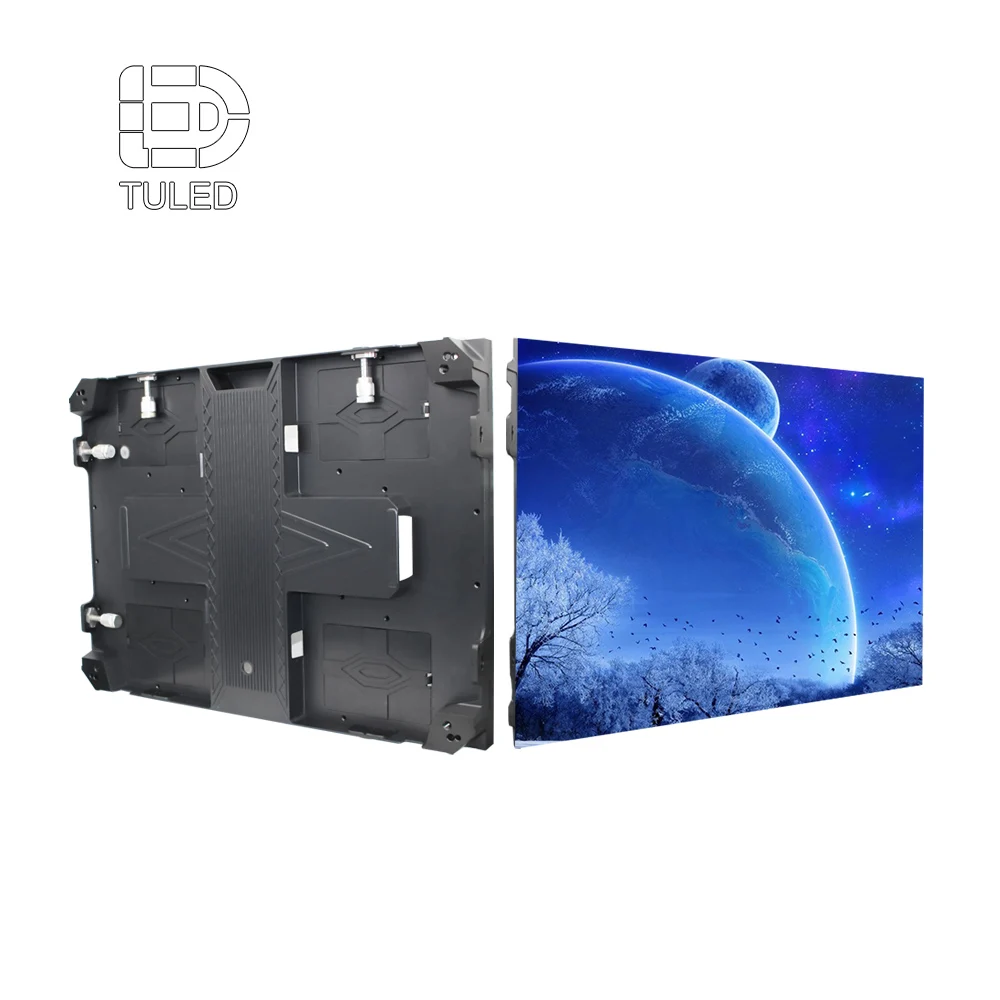
Notranji projekti pogosto izgledajo preprosto na papirju, težave pa se pojavijo šele, ko zid postane dejanski. Zato morajo struktura, dostop in kakovost končne obdelave biti premišljene že zgodaj.
7. Katera dokumentacija bo na voljo pred začetkom proizvodnje?
Šibki dobavitelji so pogosto najtežje opaziti v fazi ponudbe. Postanejo očitni, ko zahtevate dokumente.
Resna tovarna bi morala biti zmožna podpreti projekt s tistimi materiali, ki jih potrebuje prava ekipa za namestitev: potrditev načrta, referenčne mere, podrobnosti o embalaži, načrtovanje nadomestnih delov, obseg sistema ter praktična navodila glede namestitve ali dodatkov, kadar je to potrebno. Enako pomembno je, da lahko pojasni, kaj bo pripravljeno pred začetkom proizvodnje in kaj še mora najprej potrditi naročnik. To je ostrejše vprašanje in običajno razkrije, kako dobro nadzorovan je celoten proces.
8. Kaj je vključeno poleg samega zaslona?
Nekatere najhujše zmede pri nakupovanju izvirajo iz nepopolnega obsega.
Dobavitelj ponuja »zaslon«, vendar projekt dejansko potrebuje več kot le zaslon. Lahko potrebuje krmilne komponente, dodatke, kablane, navodila za montažo, nadomestne module, nalepke za embalažo, programsko podporo ali dodatna navodila za ekipi za namestitev. Če ti elementi ostanejo nejasni, se projekt kasneje zaplete.
Meje dobave je treba jasno določiti, še posebej, kadar kupci primerjajo ponudbe eno ob drugi. Kaj je vključeno, kaj je izbirno, kaj je priporočljivo in kaj je treba pripraviti lokalno. Ta odgovor prihrani čas, prepreči skrite vrzeli in omogoča poštenjše primerjanje dobaviteljev.
Če je obseg pomemben, ga zahtevajte pisno. Ta enostaven korak prepreči veliko zmede kasneje.
9. Kako obravnavate embalažo in pripravo za pošiljanje?
Embalaža je eden najmanj privlačnih delov LED projekta in hkrati eden najbolj razkriti.
Dobrovnik z dejansko izkušnjo izvoza običajno skrbi za embalažo, saj ve, da embalaža vpliva na tveganje poškodb, hitrost razkladanja, vrstni red namestitve in sledenje nadomestnim delom. Dobri dobrovniki lahko pojasnijo, kako bodo izdelki embalirani, označeni, združeni in zaščiteni. Še boljši dobrovniki lahko pojasnijo, zakaj ta metoda ustreza vašemu projektu.
To je še pomembneje, kadar blago potuje na dolge razdalje, prečka več točk ročnega ravnanja ali prispe na mesto, kjer je čas za namestitev omejen. Nakupovalec nikoli ne bi smel obravnavati embalaže kot majhno, zadnjo podrobnost. Embalaža je del kakovosti projekta.
Če dobrovnik jasno govori o proizvodnji, pri embalaži pa postane nejasen, je ta razlika vredna pozornosti. Pogosto pomeni, da tovarna razmišlja o izhodu, ne o realnosti dostave.
10. Kako izgleda dejanska podpora po prodaji?
Pri tem vprašanju se mnoge pogovore nenadoma zelo izredko raztegnejo.
Zanesljiv dobavitelj bi moral po prodajni podporo narediti otipljivo. Ne toplinsko. Otipljivo. Morali bi razumeti obdobje garancije, katere nadomestne dele vključuje, kako deluje oddaljena podpora in kaj se zgodi, kadar je potrebna zamenjava modula ali sestavnega dela. Če dobavitelj omeni garancijo, nadomestne dele ali podporo 24 ur na dan, uporabite to kot izhodišče za bolj podrobna vprašanja – ne kot končni odgovor.
Pomembno ni, da te fraze obstajajo. Pomembno je, ali lahko dobavitelj razloži, kako se izvajajo.
Dobro razlagajoč odgovor se zdi postopen. Slab odgovor ostane utrjujoč, a nejasen.
11. Če se naš projekt spremeni, kako boste to upravljali?
Pravi projekti se spremenijo. Velikosti se prilagodijo. Podrobnosti namestitve se premaknejo. Zahtevane blagovne znamke se razvijajo. Rokovi se premaknejo. Pravi dobavitelj tega ne zanika.
Zrelo tovarna bi morala biti zmožna pojasniti, kako se spremembe obravnavajo. Na kateri stopnji so prilagoditve še enostavne. Na kateri stopnji vplivajo na čas izdelave. Kateri elementi so preprosti za posodobitev in kateri sprožijo širšo spremembo. Tu ne zahtevate popolnosti. Zahtevate nadzor.
To je ena najboljših metod za presojo, ali je tovarna zrela. Zreli dobavitelji se ne zmedejo, ko jih vprašate o spremembi. Pojasnijo pot.
12. Zakaj ste prava izbira za ta projekt?
To zadnje vprašanje se zdi preprosto, a združuje vse prejšnje.
Šibek dobavitelj običajno odgovori z devizami. Močan dobavitelj pa odgovori z ujemanjem.
Želite slišati nekaj takega: ker vaš projekt zahteva visoko kakovost slik z bližnjega ogleda in enostaven dostop spredaj, ali ker vaš trgovski fasadni del zahteva vizualni vpliv brez zakrivanja stekla, ali ker vaš tim potrebuje enega dobavitelja, ki lahko podpira tako zaslone kot dodatke.
To je vrsta odgovora, ki poenostavi nabavo. Pove vam, da dobavitelj razume ne le tega, kar prodaja, temveč tudi zakaj ta priporočilo spada v vaš projekt in ne v nečigav drug.
Ujemanje najprimernejše uporabe po sceni
Zanesljiv dobavitelj bi moral biti zmožen uskladiti smer izdelka z določeno sceno, ne da bi članek izgledal kot katalog. To je mesto, kjer se kaže dobra presoja.
Sedeži upravnih odborov, nadzorne sobe in premium razstavne dvorane
To so projekti, pri katerih se majhne napake takoj opazijo. Ljudje so blizu. Okolje je nadzorovano. V takšnih prostorih gledalci opazijo šive in neenakomernost površine veliko hitreje kot obljubo prodaje.
Za te naloge je naravna pot pogosto ena notranji LED zaslon to ni zato, ker je »notranji« le oznaka, temveč zato, ker uporabni primer običajno zahteva bolj natančno namestitev, čistejši vizualni izvir in boljši udobje pri ogledu z blizu. Kupci bi morali pričakovati, da bo dobavitelj govoril o tem, kako se bo stena dejansko gledala, ne le o tem, kako bo prodana.
Zunanji medijski zidovi, javne oznake in stalni zunanjih projektov
Zunanji projekti so na drugačen način zahtevnejši. Dobro izbran dobavitelj naj razmisli o okolju, platformi ohišja, dostopu za vzdrževanje, delovnem času projekta in pripravi na dostavo, preden spregovori o kateri koli privlačni funkciji.
Zato bi zunanjega dela moralo biti bolj utemeljeno s praktičnimi vidiki uporabe. Priporočilo naj se zdi rezultat razmišljanja o konkretnem mestu, ne navade.
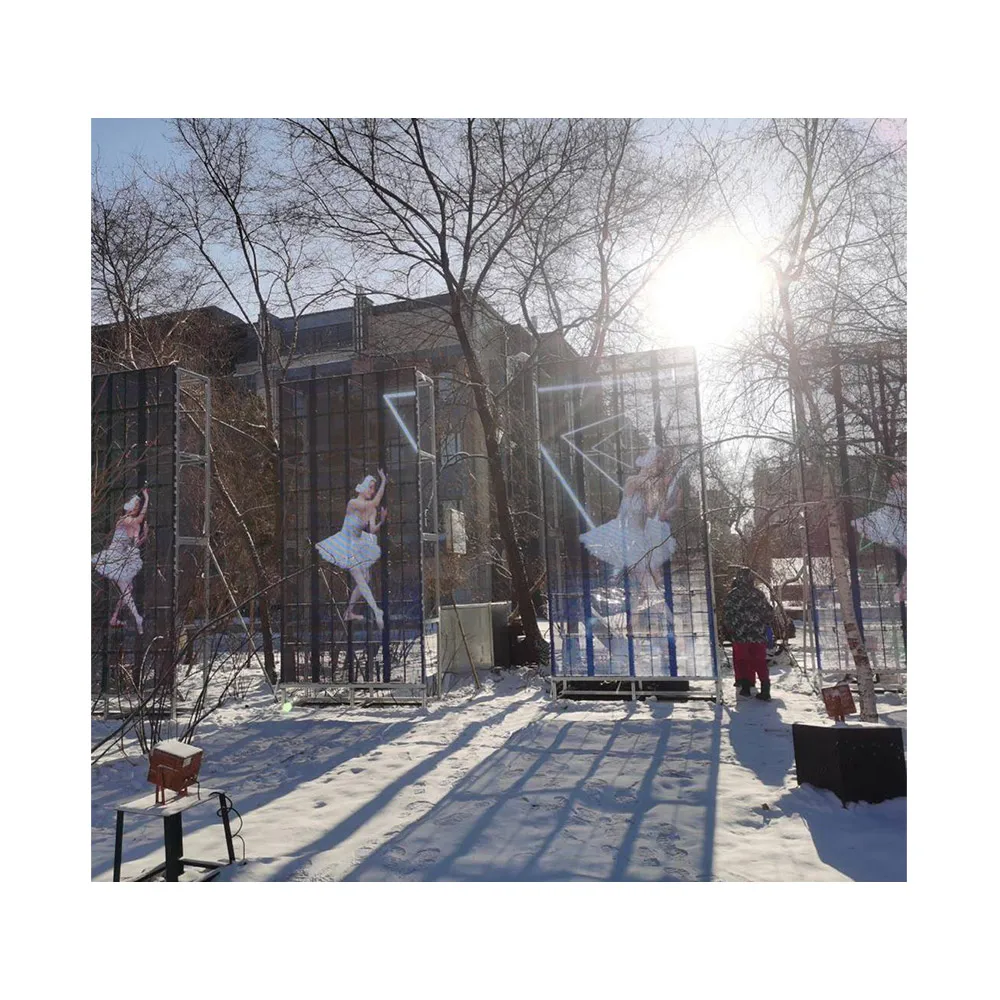
Zunanji projekti zelo hitro razkrijejo šibkosti v razmišljanju dobavitelja. Če se priporočilo na tej stopnji zdi splošno, to običajno pomeni, da mesto še ni bilo dovolj natančno razmisljeno.
Steklene trgovinske okna, okna in arhitektonske fasade
To so projekti, pri katerih je presoja dobavitelja resnično pomembna. Standardna trdna plošča tehnično morda deluje, vendar lahko vizualno preobremeni arhitekturo ali zasenči odprtost, ki naredi lokacijo privlačno že na prvi pogled.
Zato dobra tovarna ve, kdaj naj priporoči prosojna LED-zaslonka namesto da bi prisilila standardno rešitev. Pri steklenih stenah, trgovskih oknih in oglaševanju, usmerjenem proti fasadi, ta izbira pogosto varuje tako vizualno odprtost prostora kot tudi sam učinek prikazovanja.
Vestibuli, vhodi, razstave in prikazni prostori za kampanje
Ne vsaka naloga zahteva trajno zgrajeno steno. Nekateri prostori potrebujejo večjo fleksibilnost kot strukturno integracijo. To je ravno tisto področje, kjer imajo rešitve v slogu plakatov veliko smisla, še posebej za trgovske kampanje, vhode na dogodke, razstave in notranjo komunikacijo blagovnih znamk.
Pozoren dobavitelj bi to moral obravnavati kot ločen primer uporabe, ne kot manjšo različico običajnega zaslona. V takih primerih je pogosto bolj praktična rešitev LED zaslona v obliki plakata.

Zaslonske naprave v obliki plakatov so pogosto boljša izbira, kadar projekt zahteva prilagodljivost, hitro premikanje ali delovanje več enot skupaj namesto enega nepremičnega zaslona. V ustrezni prostorovni rešitvi ta preprostost lahko predstavlja večjo vrednost kot težja vgrajena rešitev.
Pogoste napake, ki jih kupci naredijo pri primerjavi dobaviteljev
Ena najhitrejših poti do slabega izbora dobavitelja je, da se odločitev prehitro spremeni v tekmo cen. Najcenejši ponudnik lahko postane najdražji projekt, če je priporočilo napačno ali če je podpora šibka.
Druga napaka je postavljanje tehničnih vprašanj pred tem, da se postavijo vprašanja o projektu. Kupci včasih preveč časa porabijo za razpravo o tehničnih podrobnostih zaslona in premalo časa za preverjanje, ali je dobavitelj dejansko razumel naloge. To obrne logiko.
Tretja napaka je predpostavka, da je vsak dobavitelj, ki zveni samozavestno, tudi izkušen. Samozavestnost je poceni. Jasni odgovori na vprašanja o procesih pa so težje izmišljati.
Prav tako je pogosto navada obravnavati dokumente in podporo kot »zadeve za kasneje«. To je napačno. Še bolj pomembno je, da že zgodaj preizkusite dobavitelja glede risb, logike pakiranja, načrtovanja rezervnih delov in jasnosti po prodaji – s tem lažje izločite šibke kandidate s kratkega seznama.
In končno, mnoge ekipe pošiljajo RFQ-je, ki so preveč nejasni. Če je vaš projektov opis površen, bo odgovor pogosto tudi površen. Boljši vhodni podatki običajno privedejo do boljših priporočil.
Kratek praktičen kontrolni seznam pred pošiljanjem RFQ-ja
Ohranite ta del preprost. Še bolj jasen projektov opis olajša razlikovanje med dobavitelji, ki resnično premišljujejo, in tistimi, ki praznine zapolnjujejo s prodajnim jezikom. Preden zahtevate končno priporočilo, pripravite naslednje točke:
širina in višina zaslona
notranje ali zunanje okolje
fotografije namestitve
način pritrditve ali omejitve konstrukcije
najmanjša razdalja gledanja
glavna vrsta vsebine
ocenjene dnevne ure obratovanja
ali obstaja prostor za servisiranje spredaj ali zadaj
ali je potrebno izvedbo blagovne znamke ali OEM-dela
ciljna točka dostave in pričakovani časovni okvir
Ta kratek seznam pogosto izboljša odgovor dobavitelja več kot dodatna stran tehničnih vprašanj.
Pogosta vprašanja
Kako ugotovim, ali je dobavitelj LED zaslonskih naprav dejansko tovarna ali le trgovinska družba?
Dejanska tovarna običajno zveni drugače, ko se pogovor postane praktičen. Morala bi biti sposobna jasno govoriti o proizvodnji, preskusih, mejah prilagajanja, dostopu do storitev, embalaži, dokumentih in po prodajnem procesu. Odgovori v trgovinskem slogu pogosto ostanejo splošni in se vedno znova vrtijo okoli jezika iz kataloga. Podatki, kot so velikost tovarne, ponudba izdelkov, redni preskusi in sposobnost OEM/ODM-proizvodnje, so uporabne izhodiščne točke, a resnični test je, ali lahko dobavitelj odgovori na vprašanja glede projekta s stališča operativne jasnosti.
Katere dokumente mora dobavitelj predložiti pred začetkom proizvodnje?
Vsaj zanesljiv dobavitelj mora biti pripravljen podpreti delo z potrditvenimi materiali, ki zmanjšajo tveganje pred začetkom proizvodnje. To pogosto vključuje mere, sklice na postavitev, pojasnilo obsega, načrtovanje nadomestnih delov ter navodila, povezana z namestitvijo ali potrebnimi dodatki. Najboljši dokumenti vas ne poskušajo vtisniti. Pomagajo vašemu ekipi izogniti napakam.
Kaj naj primerjam poleg cene pri ožem izboru dobaviteljev LED prikaznih zaslonov?
Primerjajte ujemanje, kakovost komunikacije, dokumentacijo, obseg podpore, disciplino testiranja, načrtovanje nadomestnih delov ter to, kako iskreno dobavitelj govori o tveganjih projekta. V dejanskem nakupovanju ti dejavniki pogosto pomembnejši od majhnega razlika v enotni ceni.
Kateri podatki o projektu naj pošljem, da dobim natančno priporočilo?
Pošljite informacije, ki pomagajo dobavitelju razmišljati kot projektnega tima: velikost, okolje, fotografije namestitve, pogoji ogleda, vrsta vsebine, čas predvajanja in morebitne omejitve na lokaciji. Dobavitelj, ki prejme jasne podatke, je veliko bolj verjetno, da bo dal priporočilo, ki resnično ustreza vašim potrebam.
Kakšna podpora po prodaji naj bi vključeval zanesljiv dobavitelj?
Zanesljiv dobavitelj naj bi podporo po prodaji naredil enostavno za razumevanje. To običajno pomeni jasno stališče glede garancije, določen načrt za rezervne dele, oddaljeno podporo po potrebi ter praktično pot za odpravo težav in zamenjavo po namestitvi. Pogoji garancije, načrtovanje rezervnih delov in razpoložljivost podpore so uporabne izhodiščne točke, kupci pa bi kljub temu morali vprašati, kako ti obljubi delujejo v vsakodnevni izvedbi projekta.
Zadnji korak
Najboljši način za preverjanje dobavitelja ni več vprašati: «Kdo mi je poslal najhitrejšo ponudbo?», temveč začeti vprašati: «Kdo je najbolje razumel moj projekt?»
Ta premik spremeni vse.
Če ste pripravljeni resno primerjati tovarne, pošljite dejanske podrobnosti naloge: velikost zaslona, okolje namestitve, razdalja ogleda, vrsta vsebine, delovni čas ter kakršne koli omejitve glede konstrukcije ali vzdrževanja. To dobavitelju omogoča, da na nekaj konkretnega odgovori. Hkrati je vašemu timu tako veliko lažje presoditi, ali je priporočilo skrbno, profesionalno in resnično primerno za projekt.
Dobro dobaviteljsko podjetje ne potrebuje dramatizacije, da bi zaznalo prepričljivo. Potrebuje podrobnosti, postavi boljša vprašanja in naredi projekt jasnejšega – ne le cenejšega.