EN
EN


Fornitore di pareti LED le discussioni spesso appaiono tecniche all’inizio, ma la vera decisione raramente è puramente tecnica. Una parete LED fissa non è soltanto uno schermo su un disegno: diventa parte di una hall, parte di uno showroom, parte della procedura di apertura di un negozio, parte di una sala riunioni, parte di una facciata esterna e, infine, parte delle responsabilità quotidiane di manutenzione di qualcuno. È per questo che la scelta del cabinet è così importante: determina non solo l’aspetto della parete nel primo giorno, ma anche come ci si trova a convivere con essa una volta che i fiori dell’inaugurazione sono spariti, gli appaltatori se ne sono andati e il sito ha bisogno che il display svolga silenziosamente il proprio compito ogni giorno.
Questa guida è rivolta a chi non desidera un altro articolo ricco di specifiche tecniche. È pensata per i team che confrontano proposte con pareti fisse e pongono domande più pratiche: quale struttura di cabinet sarà più facile da installare in un vero edificio? Quale metodo di manutenzione risulterà meno problematico dopo sei mesi? Quale parete manterrà un aspetto ordinato senza rendere scomoda la manutenzione futura? Come va valutata la dimensione dei cabinet nella pratica quotidiana, anziché soltanto in una tabella preventivale? L’obiettivo è rendere la decisione più umana, più visuale e più utile per il lavoro reale sul progetto.
Perché la scelta del cabinet sembra secondaria all’inizio, ma diventa cruciale in seguito #
All'inizio di un progetto di parete LED fissa, le discussioni relative ai cabinet spesso appaiono meno entusiasmanti rispetto a quelle sulle prestazioni dello schermo. Ciò è comprensibile. Le persone riescono a immaginare uno schermo luminoso e nitido molto più rapidamente di quanto riescano a immaginare la profondità di montaggio, lo spazio necessario per la manutenzione o la sostituzione dei cabinet. La prima conversazione si concentra solitamente su ciò che tutti possono vedere: le dimensioni del display, lo stile dell’ambiente, l’effetto sorpresa dei contenuti o l’impatto visivo della facciata. Ma una volta che il progetto supera la fase di presentazione e inizia a trasformarsi in un’installazione reale, la parte invisibile diventa improvvisamente quella decisiva.
Immaginate una parete completata della hall di un hotel, di un ufficio o di un centro esperienziale. Durante la revisione del progetto, appare perfetta: linee pulite, integrazione a filo, finiture splendide, illuminazione elegante, e forse persino un bancone reception in marmo o un soffitto scultoreo nelle vicinanze. Ora immaginate che, un anno dopo, una porzione dello schermo richieda intervento. Se la struttura dell’armadio non è mai stata adeguatamente adattata alla costruzione della parete, quella piccola riparazione può trasformarsi in un evento sorprendentemente imbarazzante. Un tecnico potrebbe aver bisogno di più spazio di quanto previsto dal progetto. Potrebbe essere necessario intervenire su pannelli decorativi. Il team edile potrebbe dover coordinare attività intorno a un intervento che avrebbe dovuto essere semplice. È proprio in quel momento che la scelta dell’armadio smette di essere una semplice voce tecnica nel capitolato e comincia a sentirsi come una decisione destinata a influenzare l’intero ciclo di vita del progetto.
La stessa cosa accade all'aperto, ma con punti di sollecitazione diversi. Una parete fissa su una facciata o su una struttura lungo la strada può sembrare efficiente in un preventivo, ma se le ipotesi relative alla manutenzione sono state troppo ottimistiche, quest’ultima, in una fase successiva, potrebbe richiedere attrezzature per l’accesso, tempi di intervento condizionati dalle condizioni meteorologiche, manodopera aggiuntiva e coordinamento della sicurezza: aspetti che nessuno voleva affrontare durante la fase iniziale di approvvigionamento. In altre parole, il quadro elettrico non attira tutta l’attenzione all’inizio, ma spesso assorbe tutte le conseguenze in una fase successiva.
È per questo che i team esperti imparano a leggere la parete al contrario. Non cominciano chiedendosi soltanto come apparirà la parete una volta nuova, ma si domandano invece come si presenterà quando avrà bisogno di interventi, quando il cantiere sarà particolarmente affollato, quando l’installazione sarà già integrata nell’edificio e quando le persone che la gestiranno non saranno più le stesse che hanno approvato il primo disegno. Questo approccio migliora istantaneamente la capacità di valutazione del quadro elettrico.
C'è anche una verità emotiva pratica in questo. Una buona scelta dell'armadietto genera calma. Gli installatori si sentono più tranquilli perché la logica è ripetibile. Il team di cantiere si sente più tranquillo perché è stato già previsto l'accesso futuro. Il team operativo si sente più tranquillo perché è meno probabile che problemi minori diventino interruzioni importanti. Una scelta scadente dell'armadietto ha l'effetto opposto: lascia silenziosamente ansia nel progetto. Anche se oggi non c'è nulla che non va, tutti percepiscono che il lavoro futuro potrebbe risultare più difficile del necessario.
Per questo motivo, la scelta dell'armadietto merita di essere discussa nella stessa riunione in cui si trattano finiture delle pareti, profondità di montaggio, percorsi dei servizi e aspettative relative alla consegna. Non è un dettaglio da relegare tra le «specifiche tecniche». È uno degli elementi concreti che determina se la parete sarà un piacere o un peso da gestire.
Se il team sta ancora confrontando famiglie di pannelli anziché un modello specifico, può essere utile esplorare categorie strutturali più ampie, come Pannelli LED e Pannello a parete LED tenendo presente il percorso di manutenzione, non solo la gerarchia del catalogo.
Cosa significano realmente i cabinet modulari nell’uso quotidiano #
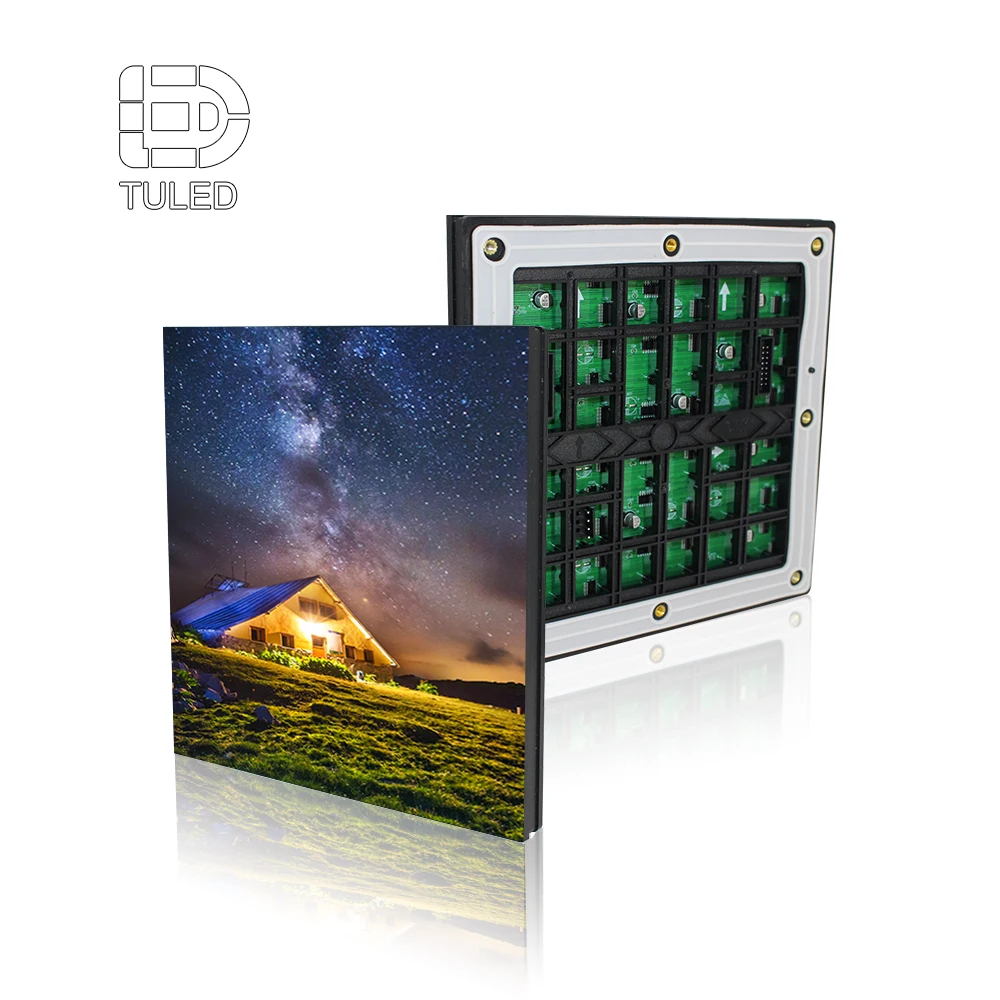
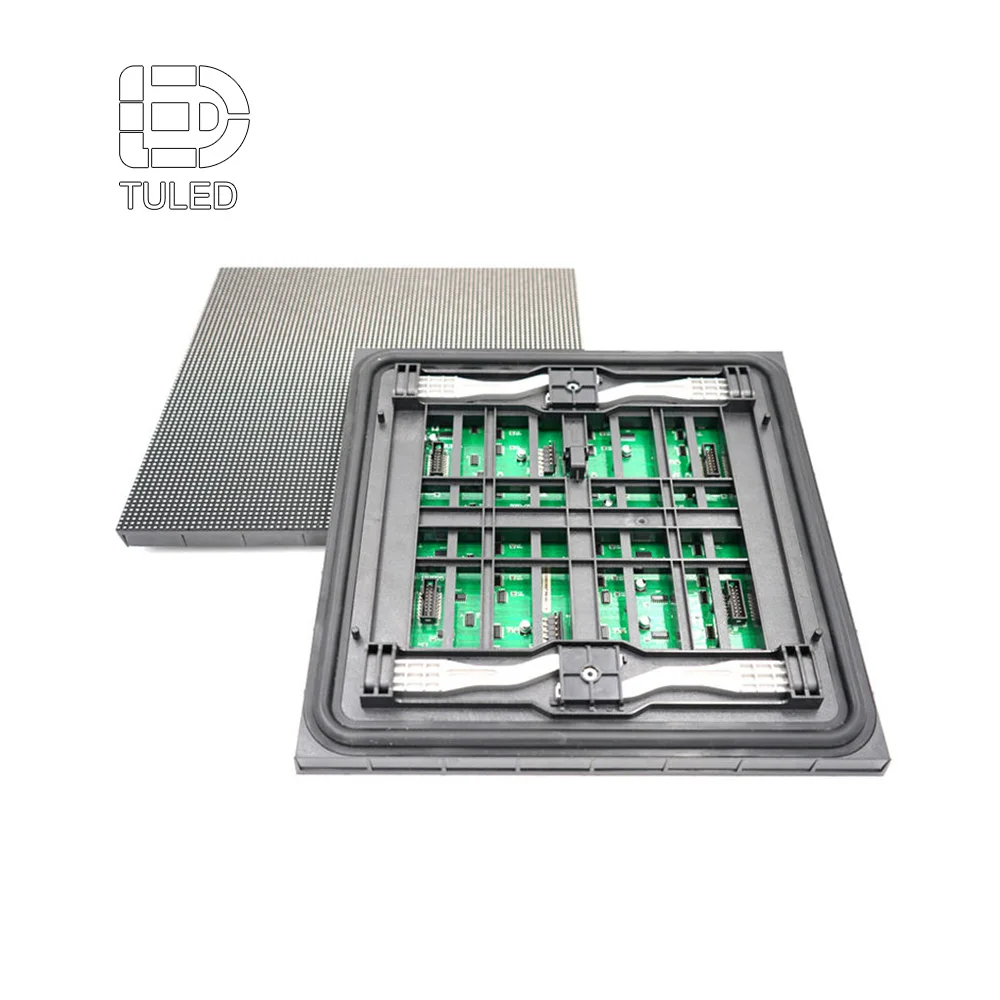
«Modulare» è una parola che compare in quasi ogni conversazione sui display LED, ma spesso rimane astratta. Nella vita reale, la modularità è importante perché modifica la «personalità» della parete. Una parete costruita con unità ripetibili e facilmente comprensibili risulta più semplice da installare, più semplice da spiegare, più semplice da assistere e più semplice da ripristinare in caso di guasti minori. La parete smette così di apparire come un unico oggetto misterioso e inizia a sembrare un sistema con cui le persone possono effettivamente lavorare.
Questo è fondamentale già nel giorno dell’installazione. Quando la struttura dell’armadio segue un chiaro ritmo modulare, il lavoro dell’equipaggio diventa più regolare. Ci sono meno sorprese inaspettate. L’allineamento diventa un’operazione ripetibile, anziché una serie di correzioni occasionali. La distanza tra i supporti risulta più logica. La parete si sviluppa in modo più controllato. Questo ritmo non riduce soltanto la manodopera: rende anche l’intera installazione più professionale sul posto. Gli altri operatori specializzati possono vedere che il processo è organizzato. Il cliente può constatare che i progressi sono visibili. Il project manager può verificare che meno energia viene sprecata a causa della confusione.
Poi la modularità inizia a dare ancora maggiori benefici anche dopo la consegna. Una parete modulare è più facile da interpretare quando si verifica un problema. Un’area può essere analizzata in modo chiaro. Un singolo armadio può essere identificato con maggiore facilità. Un piccolo problema non diventa automaticamente un dramma che coinvolge l’intera parete. Ciò potrebbe sembrare banale, ma cambia radicalmente l’approccio alla manutenzione. Le persone non vanno nel panico così facilmente quando la parete risulta comprensibile. I team possono comunicare più velocemente quando tutti fanno riferimento alla stessa logica fisica.
Esiste anche una realtà di budget nascosta all'interno della logica modulare. Molte persone ritengono che la modularità sia importante soprattutto per l'assemblaggio, ma spesso lo è ancora di più per la prevedibilità a lungo termine. Pareti prevedibili comportano generalmente un minor dispendio di energia emotiva e di energia necessaria per la coordinazione nel tempo. Ciò significa meno chiamate urgenti, meno passaggi poco chiari nelle operazioni di riparazione, minore incertezza nella gestione dei ricambi e meno momenti in cui il team sul sito si sente intrappolato tra un edificio ultimato e un problema legato allo schermo. Questo tipo di prevedibilità è difficile da includere in un primo preventivo, eppure è proprio ciò di cui sono fatti i progetti migliori.
Tuttavia, non tutta la logica modulare è ugualmente utile. Una parete può essere tecnicamente modulare eppure risultare scomoda nella pratica se il formato dell’armadio non si adatta al sito reale. La domanda fondamentale non è semplicemente se lo schermo utilizza moduli, ma piuttosto quali operazioni diventano più agevoli grazie al loro impiego. L’installazione della parete diventa più semplice? Risulta più facile da manutenere? È più semplice da spiegare? È più facile da mantenere senza disturbare lo spazio circostante? Se la risposta è affermativa, allora la progettazione modulare sta effettivamente svolgendo un lavoro concreto per il progetto.
Questo è il motivo per cui la scelta degli armadi modulari deve sempre rimanere strettamente legata a contesti reali. In una sala espositiva, la modularità deve favorire l’ordine visivo e la manutenzione discreta. In uno spazio riunioni, deve consentire una diagnosi rapida e un impatto minimo sulle attività. In una grande parete fissa esterna, deve garantire un accesso sicuro e una logica di sostituzione efficiente. Il principio resta lo stesso, ma il suo significato cambia in base al progetto. Un buon approccio modulare rispetta sempre il contesto in cui viene inserito.
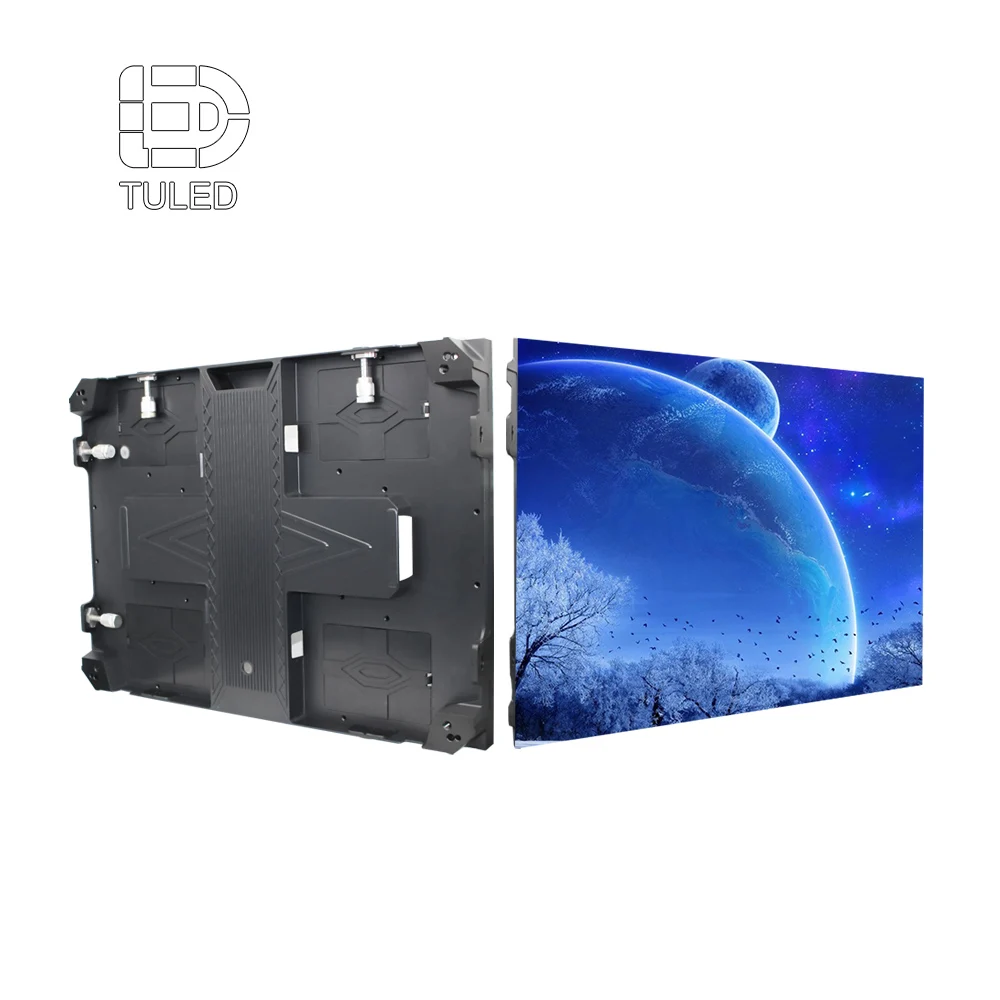
Uno dei modi migliori per valutare il valore modulare è porre una domanda molto semplice: se in un secondo momento una parte della parete necessita di intervento, con quanta calma il team può isolare tale area e occuparsene? Più rassicurante suona la risposta, maggiore è la probabilità che la logica modulare stia effettivamente supportando al meglio il progetto.
Come valutare il servizio frontale rispetto a quello posteriore senza perdersi #
Questo è solitamente il punto in cui la conversazione diventa troppo tecnica troppo rapidamente. Cominciano a comparire termini come manutenzione frontale e manutenzione posteriore, e il team del progetto può facilmente avere l’impressione che un’opzione sia più avanzata mentre l’altra sia più comune. Nella pratica, questo è il modo sbagliato di affrontare la questione. La vera domanda è molto più semplice: da quale lato della parete si può realmente supportare il lavoro futuro senza rendere più difficile del necessario l’edificio, la manodopera o le procedure operative?
La manutenzione frontale risulta spesso attraente perché risolve un problema molto comune legato alle pareti fisse: non c'è abbastanza spazio credibile dietro lo schermo. Ciò accade in pareti a filo, interni ristrutturati, elementi espositivi al dettaglio, hall, ambienti con marchio e in molti altri luoghi in cui il progetto richiede che la parete si integri perfettamente con l’architettura. In questi spazi, la manutenzione frontale non è semplicemente una comodità: è spesso l’unico modo per mantenere l’eleganza della parete senza far finta che esista una zona tecnica confortevole là dove, in realtà, non ne esiste alcuna.
La manutenzione posteriore, tuttavia, non va mai scartata solo perché suona meno alla moda. Nell’ambiente giusto, può rappresentare la scelta più naturale e più confortevole. Sale di controllo, spazi tecnici dedicati, pareti su larga scala dotate di veri e propri vani di manutenzione e strutture esterne con accesso posteriore pianificato possono tutti beneficiare della manutenzione posteriore. Quando l’edificio rende già agevole e sicuro l’accesso posteriore, questa soluzione potrebbe costituire la risposta più pulita ed efficace sul lungo periodo.
L'errore si verifica quando la direzione del servizio viene scelta in base alla lingua del dépliant invece che alla realtà del sito. Una parete di servizio frontale suona bene finché nessuno ha chiarito con precisione cosa possa effettivamente essere rimosso dalla parte anteriore e in che modo. Una parete di servizio posteriore sembra semplice finché lo spazio reale di lavoro posteriore non si rivela troppo stretto, troppo scomodo o troppo dipendente da procedure di accesso difficoltose. Un buon giudizio inizia quando il team smette di parlare di etichette e comincia a parlare di movimenti reali compiuti dalle persone.
Come ragionare sul servizio frontale in una stanza reale
Immaginate un'area reception con finiture in pietra, rivestimenti decorativi per le pareti, illuminazione soffusa, una reception accuratamente progettata, magari persino una macchina per diffusori di profumo e musica d'ambiente che creano l'atmosfera desiderata. La parete espositiva fa parte di questa esperienza. Se, in futuro, la manutenzione dovesse richiedere l'apertura della parete dal retro, l'accesso a uno spazio nascosto o la perturbazione di finiture architettoniche già ultimate, la parete espositiva comincia a entrare in conflitto con lo spazio circostante. Un sistema di servizio frontale evita tale conflitto quando è ben progettato. Consente alla parete di rimanere parte integrante dell'ambiente, anziché trasformarsi in un'eccezione tecnica all'interno della stanza.
Il servizio frontale risulta altresì particolarmente vantaggioso negli interventi di ristrutturazione, poiché gli edifici più vecchi raramente si comportano in modo 'educato'. Dietro la posizione prevista per la parete potrebbero infatti trovarsi tubazioni, travi, pilastri, impianti elettrici preesistenti, vetrate o vincoli decorativi. Una logica di armadi con accesso frontale accetta tale complessità invece di fingere che possa essere eliminata facilmente e a basso costo. Questa onestà progettuale produce generalmente un risultato migliore.
Come pensare al servizio posteriore in un edificio reale
Immaginate ora una stanza di monitoraggio, una zona strutturata sul retro dell’edificio o una parete esterna con un vero corridoio di manutenzione. In questi casi, il servizio posteriore può rappresentare un grande vantaggio. La faccia visibile della parete rimane intatta. Il lavoro di manutenzione avviene dove tale lavoro appartiene. L’ambiente risulta più tecnico, più diretto e spesso più tollerante. È per questo motivo che il servizio posteriore rimane pienamente valido quando l’edificio ne consente effettivamente l’applicazione.
Tuttavia, il servizio posteriore va valutato con rigore. Un piccolo interstizio non equivale a una vera zona di manutenzione. Una nota di progetto non equivale alla presenza reale di un tecnico alle spalle della parete, dotato di attrezzi e con sufficiente libertà di movimento per operare in sicurezza. Quando si afferma che è previsto l’accesso posteriore, la domanda successiva corretta è se tale accesso risulti credibile in un edificio finito, e non semplicemente misurabile su carta.
| Punto di valutazione | Il servizio anteriore risulta generalmente appropriato quando… | Il servizio posteriore risulta generalmente appropriato quando… | Cosa verificare |
|---|---|---|---|
| Posizione della parete | La parete è situata in un ambiente interno finito e richiede una superficie architettonica pulita | La parete è posizionata dove esiste già una vera zona tecnica posteriore | Se l'edificio supporta naturalmente il lato di accesso scelto |
| Comfort delle future operazioni di riparazione | Il cantiere richiede un intervento a bassa perturbazione sul lato frontale | Il cantiere preferisce lavori tecnici sul lato posteriore, lontano dalla vista del pubblico | Chi eseguirà effettivamente l'intervento in un secondo momento |
| Realtà dello spazio | Lo spazio posteriore è poco profondo, ostruito o irrealistico | Lo spazio posteriore è sicuro, accessibile e realmente funzionale | Spazio di lavoro umano chiaro, non solo una dimensione nominale |
| Tono del progetto | L’esperienza di progettazione è fondamentale e le interferenze devono essere ridotte al minimo | Il progetto accetta già un ambiente tecnico per la manutenzione | Quale metodo si adatta meglio all’identità quotidiana del sito |
| Possesso a lungo termine | Il team desidera che i piccoli problemi rimangano tali | Il team può supportare comodamente la manutenzione programmata sul retro | Se il servizio futuro risulterà routinario o imbarazzante |
Una scorciatoia pratica aiuta in questo caso. Chiedere al fornitore di spiegare, in termini semplici, la prima riparazione probabile. Se la spiegazione risulta chiara e lineare, la logica di servizio potrebbe essere corretta. Se invece la spiegazione diventa rapidamente piena di condizioni, eccezioni e ipotesi aggiuntive sull’accessibilità, allora probabilmente il progetto necessita di una conversazione più onesta riguardo al servizio.

Come valutare la dimensione del cabinet in base al contesto, alla manodopera e alla manutenzione #
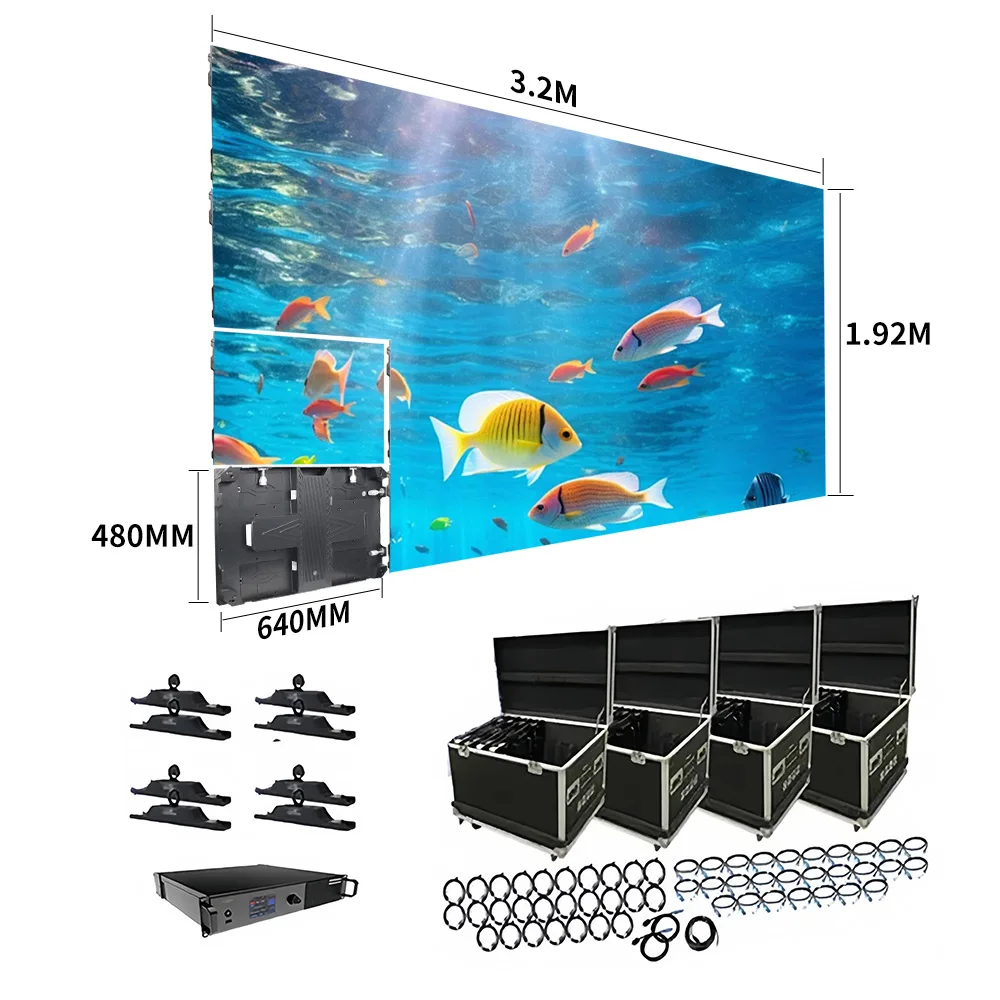
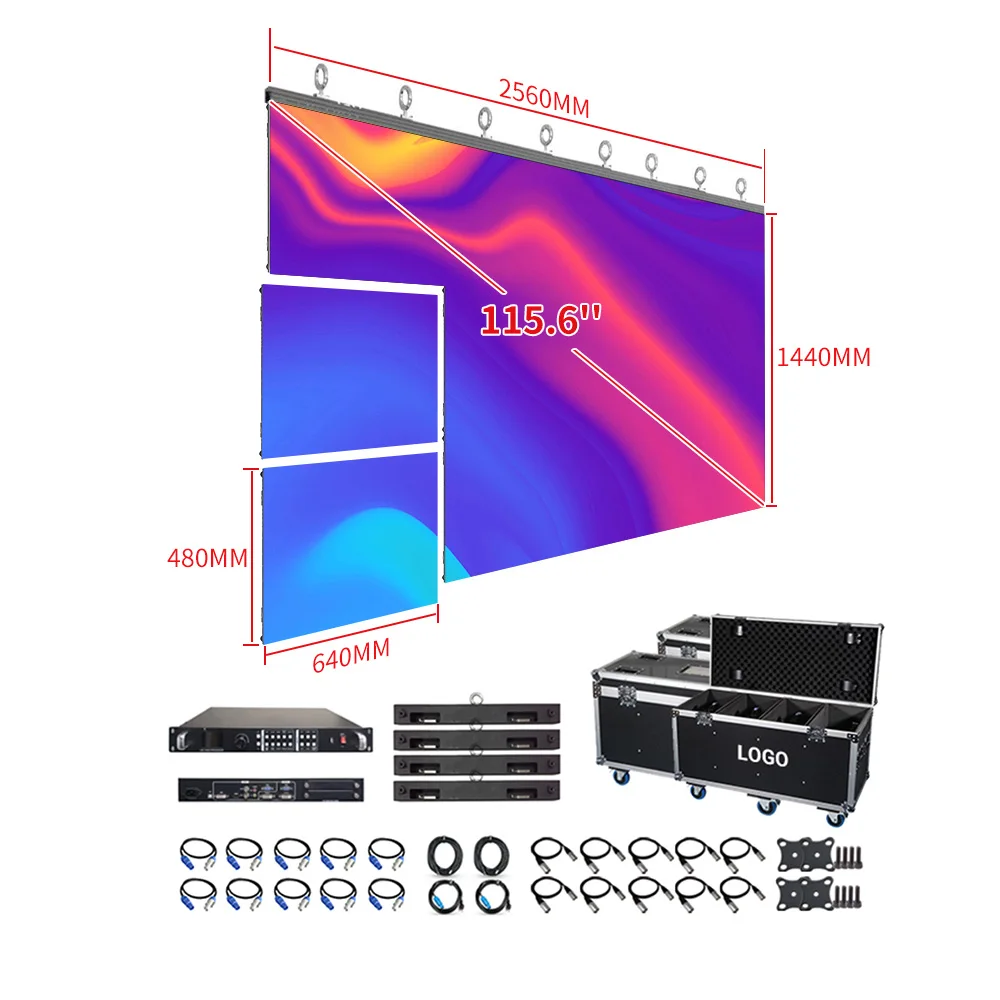
Le dimensioni dell’armadio sono uno degli argomenti più facili da banalizzare. Spesso se ne parla come se determinassero soltanto quanto la parete riempia una determinata area. Nella realtà, le dimensioni dell’armadio modificano il modo in cui le persone vivono fisicamente l’intervento: influenzano il modo in cui l’equipaggio maneggia le unità, quanto delicato risulti l’allineamento, quanta parte della parete verrà compromessa durante una futura sostituzione e quanto credibile rimanga il piano di manutenzione una volta che lo spazio sia completamente completato.
I formati di armadietti più piccoli spesso risultano più delicati in progetti interni raffinati. Possono essere più facili da maneggiare in ambienti ristretti. Possono rendere la sostituzione parziale meno invasiva. Possono contribuire a far sì che la parete si comporti più come un elemento d’arredo accuratamente integrato, anziché come un grande oggetto tecnico inserito bruscamente nello spazio. Ciò non significa che dimensioni più ridotte siano sempre più semplici da gestire: un numero maggiore di armadietti può comportare una maggiore ripetizione durante l’installazione. Tuttavia, negli ambienti in cui contano il controllo e la precisione, questo compromesso è spesso vantaggioso.
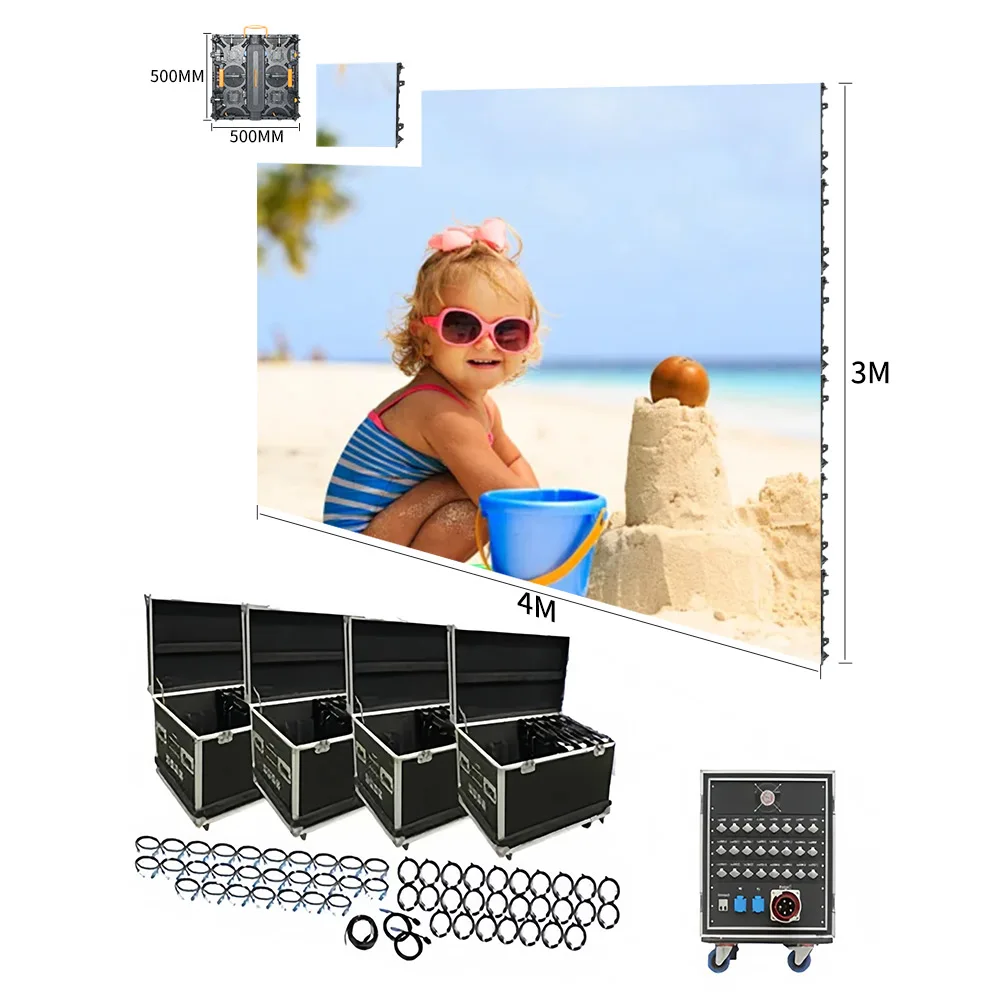
I formati di armadi più grandi possono risultare molto efficienti su superfici murarie più ampie, soprattutto quando contano di più la struttura e la copertura dell’area rispetto all’ingombro preciso richiesto per la sostituzione. Un’unità più grande può ridurre il numero complessivo di elementi nel sistema, semplificando così alcune fasi dell’installazione. Tuttavia, questa efficienza ha una sua specifica personalità: gli armadi più grandi modificano le aspettative in termini di movimentazione, l’ingombro necessario per la sostituzione e la porzione di superficie visibile coinvolta quando è necessario intervenire su una singola sezione. La domanda più pertinente, quindi, non è se i formati più grandi o più piccoli siano universalmente migliori, bensì quale dei due si adatti meglio al ritmo reale del sito.
Qui è la «capacità di giudizio» a contare più della «memorizzazione delle specifiche». Un team di progetto solido non si limita a chiedersi quali dimensioni siano disponibili, ma indaga anche come le dimensioni scelte verranno percepite dagli installatori durante il montaggio e dagli operatori nel corso delle future operazioni di routine. Se il pannello è installato in un ambiente interno stretto, silenzioso e raffinato, una logica di armadietti più piccoli e più agevoli da manutenere risulta spesso più convincente. Se invece il pannello è applicato su una vasta superficie esterna fissa, dotata di una chiara griglia strutturale e di un percorso di manutenzione realistico, unità di dimensioni maggiori possono apparire più sensate. La risposta corretta risiede nel contesto specifico dell’intervento, non solo nel catalogo.
I parametri continuano a essere importanti, ma devono rimanere al servizio della scena, anziché costituire il fulcro dell’articolo. Il passo tra i pixel è rilevante soprattutto perché modifica l’aspetto del display alla distanza di visione prevista. La luminosità è importante perché influisce sul comfort e sulla leggibilità in base alle effettive condizioni di illuminazione dell’ambiente. Il grado di protezione IP è rilevante perché l’ambiente potrebbe essere severo, umido, polveroso o esposto. Le prestazioni correlate alla frequenza di aggiornamento assumono importanza quando il display verrà ripreso dalle telecamere. Questi aspetti sono fondamentali, ma diventano utili soltanto dopo che la scelta del cabinet si adatta già allo spazio come un elemento coerente e logicamente giustificato del progetto.
Un buon test mentale consiste nell'immaginare l'armadio mentre viene trasportato nella stanza o sulla struttura. Quelle dimensioni sembrano adatte al percorso di accesso? Allo scenario di sostituzione? Alle mani che lo toccheranno effettivamente? Questo tipo di test può sembrare semplice, ma spesso rivela molto di più di un lungo confronto su foglio elettronico. La scelta di un buon armadio è una questione concreta: appartiene a pareti reali, a persone reali e a condizioni operative reali.
Un'altra regola utile consiste nel collegare le dimensioni dell'armadio alle emozioni legate alla sostituzione. Se il team del progetto sente dire «deve essere sostituito un solo armadio», quale tipo di evento dovrebbe evocare? In un ambiente interno di fascia alta, la risposta ideale è «un'operazione di manutenzione limitata e controllata». Su una grande parete esterna, la risposta ideale potrebbe invece essere «un intervento tecnico pianificato con accesso sicuro». Le dimensioni dell'armadio devono sostenere questa percezione. Se non lo fanno, il formato potrebbe non essere realmente adatto al progetto.
Pertanto, le dimensioni del cabinet non sono solo una questione di geometria progettuale, ma anche una questione legata al lavoro, alla manutenzione e, in molti casi, al comfort dell’utente finale. È esattamente per questo motivo che gli acquirenti che valutano le dimensioni del cabinet sulla base dello scenario d’uso e delle esigenze future solitamente prendono decisioni migliori rispetto a quelli che ne valutano le dimensioni esclusivamente in base all’area di visualizzazione.
Scene reali di progetto: cosa funziona di solito e perché #
È proprio qui che le decisioni relative al cabinet diventano molto più facili da comprendere. Una volta che la discussione si sposta verso scenari reali, i team smettono di dibattere in termini astratti e cominciano a vedere chiaramente ciò che intendono realmente proteggere: l’ordine visivo, il comfort della manutenzione, l’accessibilità per gli interventi di servizio, la fattibilità costruttiva o la tranquillità operativa a lungo termine. Lo stesso cabinet può risultare perfetto in uno scenario e fastidioso in un altro. Proprio per questo la valutazione basata sugli scenari è così preziosa.
Pareti della hall e aree di accoglienza con marchio
Una parete per la hall deve fare di più che semplicemente riprodurre contenuti. Spesso rappresenta l’identità del luogo. È inserita in un contesto di finiture scelte con cura. Lo schermo non è soltanto un display: diventa parte dell’impatto architettonico iniziale. In un ambiente di questo tipo, le persone desiderano generalmente che la parete trasmetta un senso di quiete, precisione e integrazione. Non vogliono che la storia della manutenzione futura contraddica la narrazione del design raffinato.
È per questo motivo che la logica di servizio frontale risulta spesso naturale nelle hall. L’edificio di solito non prevede una cavità tecnica profonda dietro lo schermo. Il progetto predilige generalmente una superficie più pulita. Il team operativo sul sito preferisce una manutenzione futura il più discreta possibile. La scelta del cabinet deve tutelare la dignità dello spazio. Un intervento di riparazione deve essere percepito come un lavoro tecnico accurato, non come un evento che ricorda improvvisamente a tutti che la parete è una macchina.
Pareti decorative per il retail e interni commerciali
Il settore retail ha le sue specifiche pressioni. La parete deve rimanere attraente, affidabile e facile da integrare nella quotidianità, mentre l’attività commerciale prosegue senza interruzioni. Il personale del negozio non vuole che un piccolo problema si trasformi in un’interruzione dell’attività sul punto vendita. I responsabili non desiderano procedure di assistenza che richiedano spiegazioni complesse. I clienti non si interessano della teoria dei cabinet: notano soltanto quando una splendida funzionalità digitale diventa improvvisamente difficile da mantenere.
Per questo motivo, le pareti per il retail traggono spesso vantaggio da una logica di cabinet che rende gli interventi controllati e prevedibili. L’assistenza frontale è spesso particolarmente apprezzata in questi casi, soprattutto quando la parete fa parte di un ambiente interno accuratamente progettato. Ciò che conta maggiormente non è se lo schermo possa tecnicamente essere assistito, ma se possa essere assistito in un modo che rispetti i tempi operativi e l’immagine del negozio.
Anche nel retail la luminosità è importante, ma la domanda migliore non è mai «Quanto può essere luminoso?». La domanda migliore è: «Quanto sarà confortevole e leggibile dall’alba al tramonto in questo preciso ambiente?». Questo è il tipo di domanda che trasforma una semplice discussione sui parametri in un giudizio concreto sul progetto.
Sale riunioni e spazi aziendali per presentazioni
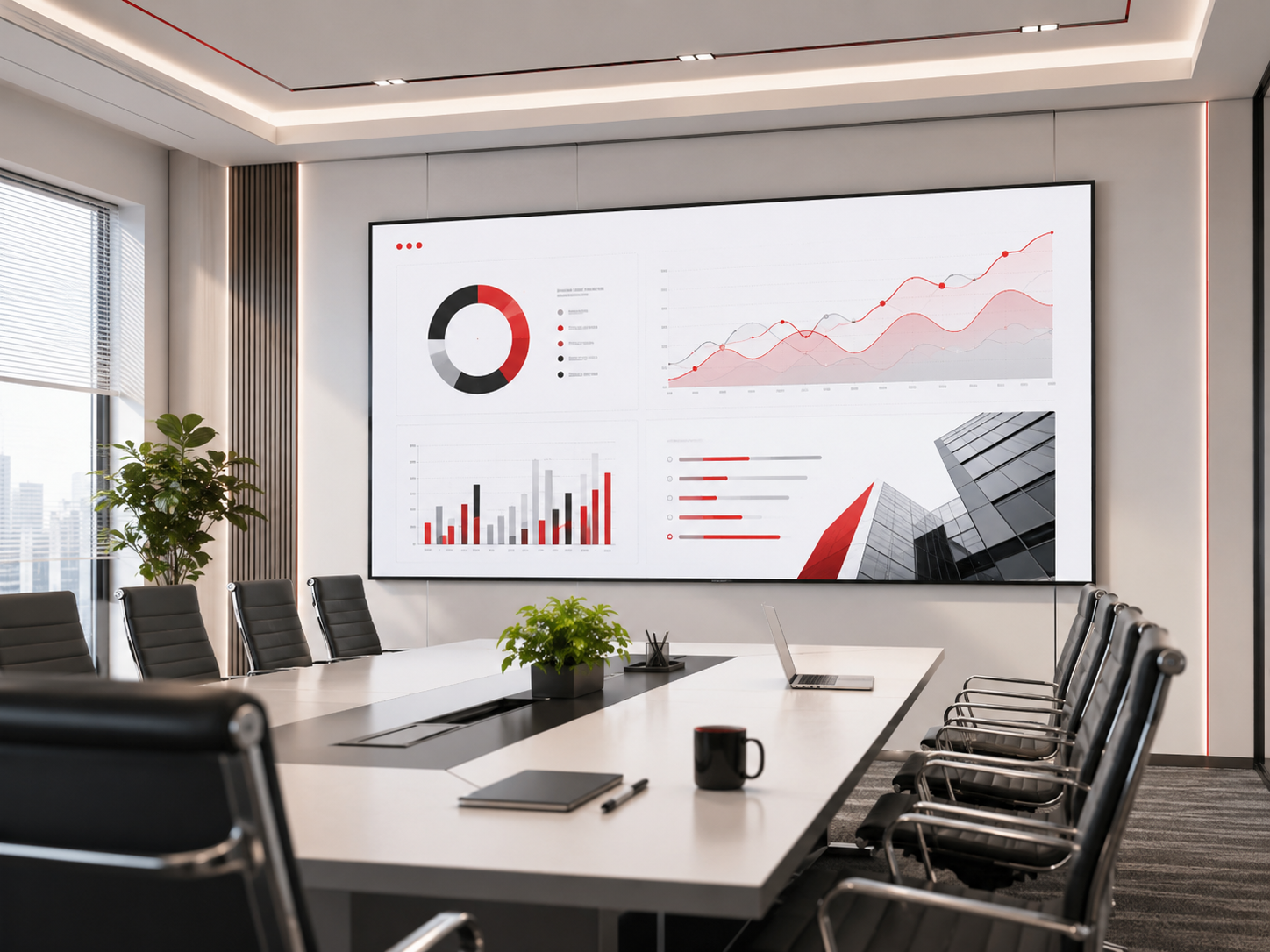
Le sale riunioni sembrano tranquille, ma possono rivelarsi implacabili. Quando la parete viene utilizzata, le persone si aspettano che funzioni in modo impeccabile, silenzioso e senza intoppi. Spesso lo spazio prevede una visione ravvicinata. Il pubblico nota la qualità dell’immagine, ma osserva anche se la parete appare come una parte naturale della stanza o piuttosto come un compromesso tecnico appeso alla parete.
In questo contesto, la scelta del cabinet deve ispirare fiducia. Il display a parete deve risultare facile da utilizzare e plausibile da manutenere. Un progetto che si concentra eccessivamente sulle prestazioni di rilievo e troppo poco sulla logica fisica dell’installazione può risultare meno premium del previsto. Al contrario, una scelta di cabinet che tenga conto della distanza di visione, della finitura dell’ambiente, dell’utilizzo quotidiano e dell’accessibilità futura tende a invecchiare meglio e a risultare più appropriata nel tempo.

Sale di controllo e display informativi per uso prolungato
Le sale di controllo spostano la priorità dallo spettacolo visivo alla fiducia operativa. Qui, la domanda non è se il muro appare impressionante in un video di presentazione. La domanda è se il muro supporta turni prolungati, una visione chiara delle informazioni, una gestione prevedibile dei guasti e interruzioni minime del lavoro critico. Questo cambia immediatamente la valutazione dei cabinet.
Se l’edificio prevede una vera zona tecnica alle spalle del muro, la manutenzione posteriore può essere eccellente in questo contesto. Ciò tiene l’assistenza tecnica fuori dalla sala principale e consente di svolgere i lavori tecnici in un ambiente più naturale. Tuttavia, qualora l’accesso posteriore non sia effettivamente disponibile, la logica di manutenzione frontale diventa più attraente, poiché il muro necessita comunque di un approccio disciplinato e credibile per essere supportato nel tempo. In entrambi i casi, la scelta vincente di cabinet è quella che riduce l’ansia operativa.
Facciate esterne e pareti fisse a vista
Le pareti esterne portano una verità più concreta. Le condizioni atmosferiche contano. La struttura conto. L’accesso sicuro conta. La luce naturale conta. A volte le persone dedicano troppo tempo a discutere della potenza di visualizzazione e troppo poco a riflettere su come avverrà effettivamente la manutenzione futura. Questo squilibrio può rivelarsi costoso in seguito.
Una buona scelta di armadietti esterni parte dal percorso di manutenzione e dall’ambiente circostante. È possibile raggiungere la parete in modo sicuro e realistico? La struttura consente naturalmente l’accesso posteriore? Un intervento di manutenzione dalla parte anteriore ridurrebbe i carichi complessivi di manutenzione? In che modo l’ambiente influenzerà la procedura operativa e la strategia di protezione? Queste sono le domande che portano a decisioni durature per applicazioni esterne.
Se il progetto sta ancora confrontando famiglie di prodotti orientati all’esterno, la schermo LED per esterni categoria è un contesto più adatto per confrontare la logica piuttosto che semplici valori isolati delle specifiche tecniche. Gli armadietti esterni vanno scelti come sistemi di installazione, non semplicemente come schermi luminosi.
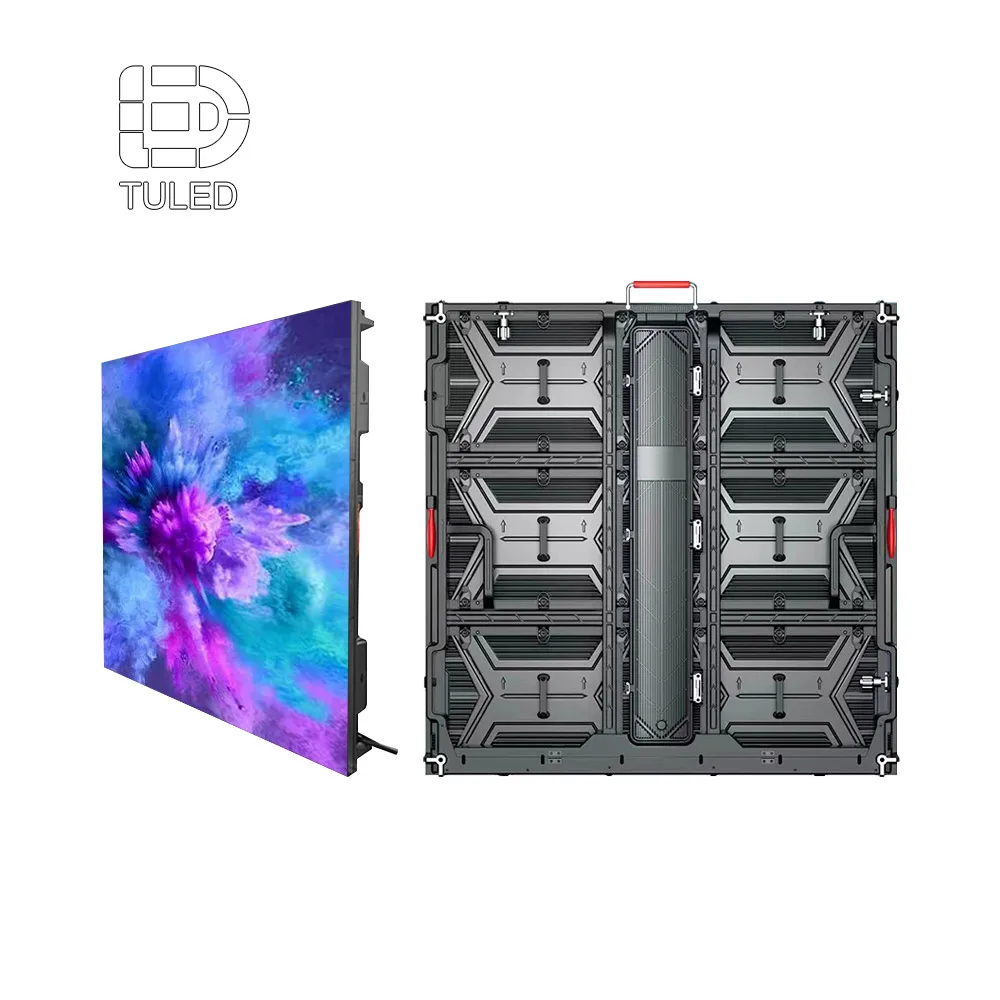
In tutti questi contesti, un concetto rimane immutato: il cabinet migliore è quello che si integra nella vita reale del progetto, non solo nel suo riassunto tecnico. Quando la parete si adatta alla stanza, alle persone e al piano di manutenzione, l'intero sistema risulta più equilibrato e maturo.
Come utilizzare, gestire e mantenere la parete dopo la consegna #
Un motivo per cui gli acquirenti dovrebbero prestare maggiore attenzione alla scelta dei cabinet è che un pannello LED fisso diventa parte integrante delle operazioni quotidiane in tempi molto brevi. Dopo aver scattato le foto dell’installazione e dopo che il team del progetto si è spostato su altri incarichi, il pannello entra nella vita normale. Qualcuno lo accende al mattino. Qualcuno nota se una zona appare diversa. Qualcuno modifica i contenuti prima di un evento. Qualcuno deve spiegare dove sono i ricambi. Qualcuno, infine, richiede assistenza. Una decisione relativa ai cabinet, che durante la fase di approvvigionamento era sembrata di scarsa rilevanza, influenza improvvisamente tutti questi comportamenti quotidiani.
La prima abitudine pratica da adottare dopo il collaudo è tenere una mappa dell’armadio semplice e facilmente leggibile da un essere umano. Non un complesso pacchetto ingegneristico fine a se stesso, ma uno schema chiaro che indichi la numerazione degli armadi, il verso del flusso di potenza, il verso del flusso dei segnali e il lato di servizio. Quando si verifica un problema, tale mappa riduce immediatamente la confusione: aiuta il personale in loco a descrivere correttamente l’anomalia, consente al supporto remoto di comprendere più rapidamente la situazione e permette ai team di assistenza di operare con sicurezza anziché basarsi su ipotesi.
La seconda abitudine consiste nell’eseguire una prova tranquilla di manutenzione mentre il pannello è ancora nuovo. Questa è una delle migliori modalità per verificare se il metodo di servizio scelto risulti effettivamente comodo in pratica. Un pannello a servizio frontale può apparire eccellente nella documentazione, ma risultare più stretto del previsto in condizioni reali. Un corridoio di servizio posteriore può esistere sulla carta, ma rivelarsi meno pratico una volta considerati i movimenti reali e l’impiego di attrezzi effettivi. È molto meglio scoprire tali aspetti durante una prova piuttosto che in un momento di intervento urgente successivo.
La terza abitudine è l'organizzazione adeguata dei ricambi. Le pareti modulari premiano la chiarezza. Se i moduli di ricambio, i componenti in entrata, i cavi o gli accessori vengono immagazzinati senza un criterio logico, il valore della modularità comincia a svanire. Una buona configurazione dei ricambi è ordinata, etichettata e chiaramente collegata al sistema installato. In questo modo, il sito non è costretto a svolgere ogni volta un’indagine ogni qualvolta occorre prestare attenzione a un dettaglio di piccola entità.
La quarta abitudine consiste nel considerare il funzionamento quotidiano come parte integrante della salute della parete. È qui che i «metodi d’uso» contano più di quanto molti articoli di blog ammettano. La parete non deve essere sempre impostata sulla massima luminosità possibile se l’ambiente non lo richiede. Il comportamento dei contenuti deve corrispondere alle caratteristiche dello spazio. Il team operativo deve sapere riconoscere quale aspetto ha la condizione normale, in modo da individuare precocemente eventuali anomalie. Una parete utilizzata con attenzione tende, col tempo, a risultare più stabile, più confortevole e più prevedibile.
La quinta abitudine è mantenere semplice la storia della manutenzione. I team del sito futuri potrebbero non essere le stesse persone coinvolte nell’installazione. Se la logica della parete risiede soltanto nella memoria di un singolo specialista, il progetto diventa fragile. I sistemi di armadietti di qualità sono più facili da documentare perché la loro logica è più semplice da spiegare. Questo rappresenta un ulteriore vantaggio nascosto delle scelte strutturali appropriate: rendono la gestione a lungo termine meno dipendente dalla capacità di una sola persona di ricordare ogni dettaglio.
Queste abitudini aiutano inoltre gli acquirenti a confrontare le proposte in modo più intelligente. Una parete che favorisce una documentazione chiara, prove tranquille e una strategia ordinata per i ricambi è generalmente una parete che, fin dall’inizio, presenta una logica degli armadietti più credibile. In questo senso, «come utilizzare la parete in seguito» non è un argomento distinto da «come scegliere la parete ora». Si tratta dello stesso argomento osservato da punti diversi della linea temporale del progetto.
Abitudini semplici post-consegna che migliorano l’esperienza di gestione:
- Mantenere una mappa dell'armadio con numerazione e lato di manutenzione chiaramente indicati.
- Eseguire una simulazione di manutenzione in anticipo, piuttosto che attendere un problema reale.
- Conservare i ricambi corrispondenti in modo etichettato e strutturato.
- Regolare luminosità e contenuti in modo da adattarli alla scena effettiva.
- Documentare la logica di manutenzione affinché i team futuri possano comprenderla rapidamente.
In altre parole, la parete non deve essere soltanto acquistabile e installabile: deve anche essere abitabile. Gli acquirenti che considerano questo aspetto fin dalle fasi iniziali scelgono di norma armadi che invecchiano molto meglio una volta che il progetto diventa parte della vita quotidiana.
Cosa verificare prima che il preventivo proceda #
La maggior parte dei problemi legati ai preventivi non deriva da numeri mancanti, bensì da ipotesi nascoste. Due proposte possono apparire simili sulla carta, pur descrivendo realtà future molto diverse. Una di esse potrebbe presupporre silenziosamente una condizione di servizio che l’edificio non supporta effettivamente. Un’altra potrebbe raccomandare una famiglia di armadietti che, a prima vista, sembra economicamente vantaggiosa ma genera un maggiore impatto in una fase successiva. Un’altra ancora potrebbe indicare un prezzo chiaro per i pannelli, lasciando però vaga la questione dell’accessibilità agli armadietti. È per questo motivo che la revisione dei preventivi dovrebbe concentrarsi meno sulla raccolta di ulteriori parametri e più sulla concretizzazione del progetto.
La prima cosa da verificare è il motivo per cui viene raccomandata una determinata famiglia di armadietti. Gli acquirenti non dovrebbero accettare come risposta esaustiva l’affermazione «si tratta di una scelta comune». La vera domanda è: perché tale famiglia è adatta a questa parete, a questo cantiere, a questo metodo di servizio e a questa futura procedura operativa? Una buona risposta suona generalmente coerente con il progetto. Una risposta debole suona invece generica.
La seconda cosa da confermare è la direzione del servizio, espressa in termini semplici. Da quale lato è previsto l’accesso? Cosa si può effettivamente raggiungere da quel lato? Quale tipo di spazio è necessario per eseguire correttamente il lavoro? Non si dovrebbe procedere a un confronto serio tra preventivi relativi a una parete finché queste domande non avranno ricevuto risposte chiare, poiché tale vaghezza spesso diventa la parte più costosa dell’intero intervento in una fase successiva.
La terza cosa da confermare è l’intera storia dell’installazione effettiva, non soltanto quella relativa all’armadio. Gli acquirenti devono comprendere la profondità pratica, la logica di fissaggio, le ipotesi relative all’accessibilità e il probabile comportamento in caso di sostituzione. Un armadio non esiste mai in isolamento: esso fa parte di una stratificazione muraria all’interno di un edificio reale o su una struttura reale.
La quarta cosa da verificare è la mentalità relativa ai ricambi e alla manutenzione. La logica modulare risulta particolarmente utile quando la proposta del fornitore dimostra già una consapevolezza delle future operazioni di manutenzione. Ciò non significa che il preventivo debba trasformarsi in un manuale di manutenzione. Significa semplicemente che il progetto non deve fingere che il muro finisca con la consegna. Un buon preventivo dà l’impressione che il fornitore abbia immaginato la fase di proprietà, non soltanto quella di spedizione.
La quinta cosa da verificare è la definizione di ipotesi sull’utilizzo basate sul contesto. Per i pannelli interni, ciò significa distanza di visione, livello di finitura, ore di utilizzo giornaliere e sensibilità ai servizi. Per i pannelli esterni, ciò significa percorso di accesso, esposizione, sicurezza durante le operazioni di manutenzione e ambiente operativo. Quando tali ipotesi sono esplicitate, il preventivo risulta più affidabile. Quando invece sono nascoste, il preventivo può apparire comunque curato, ma risulta in realtà molto meno affidabile di quanto sembri.
| Area da confermare | Perché è importante | Cosa chiedere al fornitore |
|---|---|---|
| Famiglia di cabinet | Influisce sul ritmo di installazione, sulla manutenzione futura e sul comfort di gestione da parte del proprietario | Perché questa struttura di cabinet è adatta esattamente a questo contesto? |
| Lato servizio | Determina come la parete verrà effettivamente mantenuta in seguito | Cosa può essere sottoposto a manutenzione da questo lato, nelle reali condizioni del cantiere? |
| Logica di installazione della parete | Definisce profondità, integrazione, accessibilità e modalità di sostituzione | Come appare la condizione completa di installazione, al di là del solo mobile? |
| Pensiero relativo ai ricambi | Influenza la velocità di risposta futura e la tranquillità durante la manutenzione | Quali ricambi rendono questa parete più facile da supportare nel tempo? |
| Ipotesi sul contesto | Rivelano se la raccomandazione è effettivamente basata sul progetto | Quali condizioni reali di utilizzo hanno influenzato questa proposta? |
| Realismo del servizio | Indica se il metodo di manutenzione risulta credibile dopo il passaggio in consegna | È possibile spiegare passo dopo passo, in termini semplici, la prima riparazione probabile? |
Una delle migliori abitudini nella redazione di preventivi è richiedere, insieme alla proposta, uno schema di manutenzione estremamente semplice o una spiegazione del servizio. Non un pacchetto tecnico esaustivo, ma soltanto quanto basta per illustrare la disposizione degli armadi, il lato di intervento e la logica pratica di accesso. Questo singolo elemento aggiuntivo spesso rivela molto di più di un’ulteriore serie di dati tecnici sul prodotto, poiché costringe il progetto a diventare visivo e concreto.
Un’altra abitudine utile consiste nel confrontare le proposte non solo in base al costo iniziale, ma anche in base al lavoro futuro richiesto e alle successive perturbazioni. Una scelta di armadi che oggi appare leggermente più complessa potrebbe proteggere il sito da ripetute frustrazioni in futuro. Allo stesso tempo, una scelta apparentemente più semplice potrebbe semplicemente rimandare la parte più difficile del lavoro alla fase di gestione da parte del proprietario. I buoni acquirenti imparano a riconoscere tempestivamente questa differenza.
Un preventivo più solido non è semplicemente un preventivo più economico. È il preventivo che rende chiari la logica dei moduli, le ipotesi relative al servizio e l’utilizzo futuro, consentendo così al team di confrontare le proposte senza dover fare supposizioni.
Conclusione #
Il vero valore di una parete a LED fissa non risiede soltanto nell’aspetto che avrà al momento dell’inaugurazione del progetto. Risiede anche nella naturalezza con cui rimarrà parte integrante dell’edificio, una volta svanito l’entusiasmo legato alla consegna. È per questo motivo che la scelta dei moduli merita maggiore attenzione e un linguaggio più appropriato. Non si tratta soltanto di un dettaglio ingegneristico: è la struttura silenziosa che garantisce comfort durante l’installazione, realismo nel servizio assistenziale, serenità nella proprietà e la sensazione a lungo termine che la parete fosse effettivamente parte integrante del progetto fin dall’inizio.
Gli armadi modulari sono importanti perché rendono le pareti di grandi dimensioni più comprensibili e più gestibili. La manutenzione frontale e quella posteriore sono importanti perché definiscono la futura personalità di manutenzione dell’installazione. Le dimensioni degli armadi sono importanti perché influenzano la movimentazione, l’impronta occupata durante la sostituzione e la percezione di affidabilità della parete nelle mani delle persone che dovranno effettivamente lavorarci. I parametri restano comunque rilevanti, ma devono sostenere queste verità più ampie anziché oscurarle.
Per gli acquirenti esteri, gli appaltatori, i consulenti e i team di progetto, questo rappresenta il vero vantaggio nell’acquisto. Quando le scelte relative agli armadi vengono valutate in base al contesto d’uso, all’utilizzo quotidiano, al comfort della manutenzione e al comportamento futuro della manutenzione, risulta più facile scegliere correttamente la parete. Il risultato non è soltanto una migliore corrispondenza tecnica, ma anche un’esperienza d’uso superiore dopo la consegna. Nei progetti con pareti fisse, ciò rappresenta spesso la differenza tra uno schermo semplicemente consegnato e un’installazione davvero di successo.
Tre conclusioni pratiche:
- Scegliere la struttura dell'armadio in base alla realtà futura del servizio, non solo in base alla denominazione del prodotto.
- Valutare la manutenzione anteriore e posteriore in base all'edificio e al percorso di manutenzione, non in base alle preferenze indicate sul dépliant.
- Confrontare i preventivi in base alla logica di installazione, alla tranquillità del servizio e al comfort di proprietà, oltre che al costo della prima fase.
Ulteriori letture #
Pannello a parete LED
Un utile passo successivo per i lettori che confrontano strutture a parete fissa basate su pannelli, prima di restringere il progetto a un'unica soluzione per l'armadio.
Pannelli LED
Utile per la revisione delle famiglie di pannelli modulari quando il progetto è ancora in fase di definizione di come la logica dell'armadio debba adattarsi al sito.
Display LED per interni
Ideale per aree reception, showroom, spazi riunioni e altre applicazioni interne con pareti fisse, dove contano l'integrazione e la discrezione del servizio.
Schermo LED per esterni
Utile per progetti di facciata e pareti fisse esposte, dove le condizioni climatiche, la struttura e l'accessibilità per la manutenzione influenzano fin dall'inizio la scelta dell'armadio.