EN
EN


Digital billboard suppliers should be evaluated much earlier than many buyers expect. For DOOH operators, advertising companies, contractors, and buyers planning new billboard projects, the real issue is not simply selecting a screen size or asking for the first price. The real issue is whether the project can move from concept to operation without permit delays, avoidable electrical cost, control problems, or maintenance decisions that become expensive later. That is why the early discussion should cover permits, power, and remote control before structure and quotation begin to harden.
This article is written as a procurement and evaluation guide rather than a basic product introduction. The goal is to help the reader judge supplier proposals more accurately, compare quotations more intelligently, and ask better questions before the project commits too much time and budget in the wrong direction.
Why billboard buying is a system decision, not just a screen decision#
Many billboard projects begin too narrowly. A buyer asks for a screen size, a brightness level, a cabinet drawing, or an initial quotation, and the conversation starts moving as if the project is mainly about choosing hardware. That approach is understandable, but it is usually incomplete. A digital billboard is not just a display surface mounted outdoors. It is a long-term operating asset tied to a location, a legal framework, an electrical path, a control workflow, and a maintenance routine. If those layers are not aligned early, even a good screen can end up inside a weak project.
This matters because the people reading this article are usually making decisions under real commercial pressure. A DOOH operator is thinking about uptime, campaign turnover, and how quickly a site can start generating revenue. An advertising company is thinking about delivery reliability, approval speed, and whether the screen can support the kind of content schedule the media plan requires. A contractor is thinking about what can actually be installed, powered, and maintained without creating avoidable site problems. A buyer is trying to determine whether the quotation in front of them reflects a realistic project or only an attractive screen offer.
That is why billboard procurement should be treated as a system decision from the beginning. The screen face is only the visible result. Behind it sit the real decision drivers: the permit boundary, the structure concept, the electrical route, remote publishing, day and night operating behavior, access for service, and the ownership burden over time. When those factors are understood early, the project usually moves in a clean and predictable way. When they are not, the quotation may still look professional, but the job becomes vulnerable to changes, delays, and hidden cost.
This system view also improves how suppliers should be judged. The stronger supplier is not always the one who sends the fastest number. Very often, the stronger supplier is the one who makes the project clearer before it becomes more expensive. That means identifying assumptions, separating confirmed facts from estimated conditions, and helping the buyer understand what still needs to be checked before structure and quotation should be treated as firm.
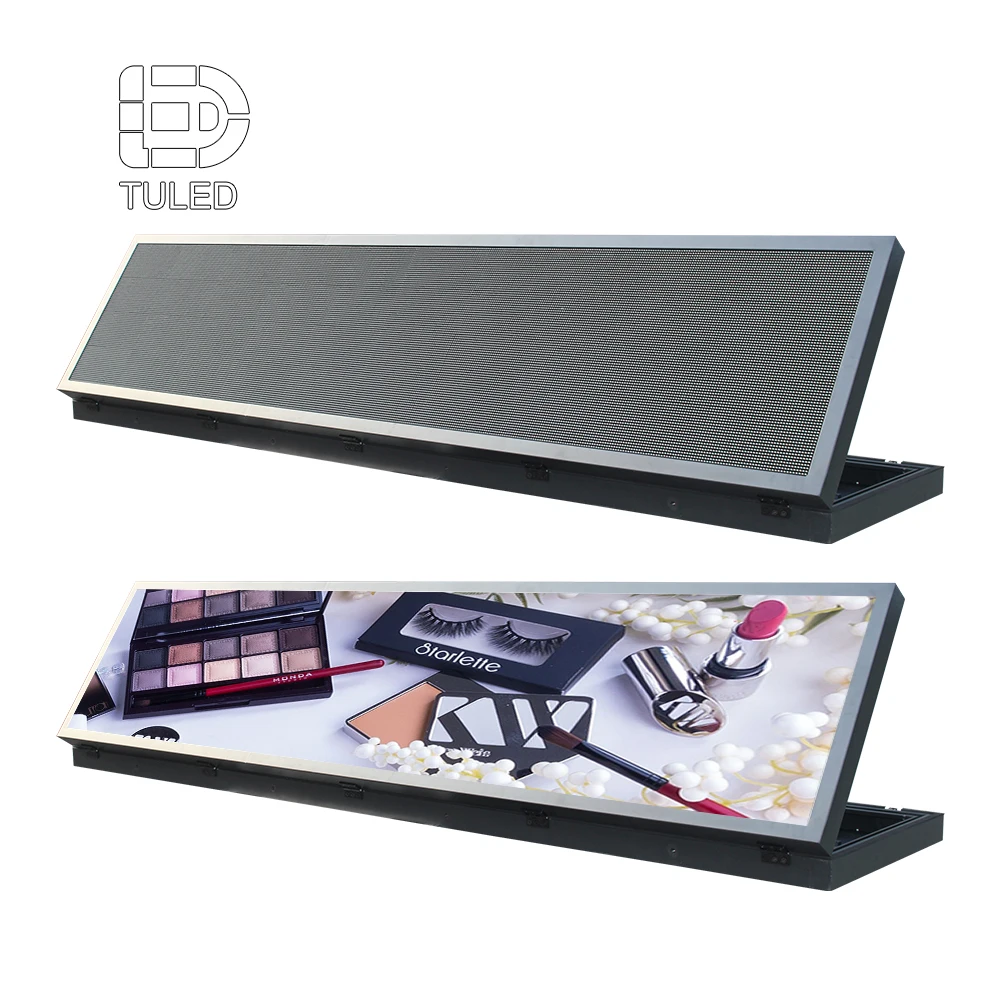
If you are comparing digital billboard suppliers, that is the standard worth using. Do not just ask who can deliver a screen. Ask who is helping define the real project conditions before the quotation becomes too rigid to question.
How digital billboard suppliers should be evaluated early#
Early evaluation should do more than narrow a vendor list. It should make the buyer better at judgment. In practical terms, that means the supplier conversation should help the reader accomplish three things. First, it should confirm that billboard buying is broader than panel selection. Second, it should make clear what must be confirmed before structure and quotation move forward. Third, it should improve inquiry quality by helping the buyer ask more precise and more useful questions.
The easiest way to tell whether a supplier is thinking seriously is to notice what they ask before they recommend. Are they asking where the screen will be installed and what kind of traffic or audience behavior defines the site? Are they asking whether the billboard is a roadside project, a building-mounted application, or part of a larger media network? Are they asking how often content will change, who will operate the platform, and whether remote control is essential for the business model? Are they checking whether the permit boundary is already clear or still only assumed? Those questions are not slowing down the deal. They are helping the project move from generic interest into a more reliable decision.
A weak supplier conversation usually sounds simpler than it should. It moves quickly into cabinet layout, standard specifications, and first-round pricing without showing the buyer what still depends on site reality. A stronger conversation is more disciplined. It does not make the project feel complicated for the sake of appearing technical. Instead, it makes uncertainty visible enough for the buyer to understand what is already known and what still needs confirmation.
That difference matters because many purchasing mistakes happen in the gap between “quoted” and “confirmed.” The buyer sees a number and assumes the proposal already reflects the real site. But if the site power path is not yet clear, or the legal display envelope has not yet been checked carefully, then the proposal may still contain important assumptions. A serious supplier should help the buyer see that before the quotation starts driving expectations too strongly.
What must be confirmed before quotation moves forward#
Before structure and quotation move forward, several points should be made much more explicit. Not every detail must be finalized, but the buyer should know which parts of the proposal are already grounded and which parts still depend on open project conditions. That distinction is critical because it separates a useful working quotation from a quotation that looks more dependable than it really is.
1. The permit boundary
The legal display envelope affects more than approval alone. It can influence total display size, screen orientation, support height, surrounding structure, and nighttime operating expectations. If the permit position is still uncertain, then the quotation should be treated as conditional rather than final. Buyers often run into trouble when concept drawings create emotional certainty too early. Once a rendering looks convincing, everyone begins treating that size and direction as fixed, even if the permit situation has not yet justified that confidence.
2. The real power path
Power should be discussed as a project condition, not just a specification line. Buyers do not need a long technical lecture in order to make a better decision. What they need is clarity on where power comes from, how it reaches the billboard, whether the current quotation assumes a simple route, and what might change if the actual installation conditions are more difficult than expected. A power source that looks close on a site sketch can still create cost, timing, and installation friction once the physical route is understood.
3. The control model
Remote control is especially important for this type of article because it directly affects feasibility and operating cost. If the site is part of a DOOH network, or if the operator expects regular content changes, remote control is not a software detail to leave until later. It is part of the operating model. Scheduled publishing, fast campaign updates, reduced site visits, and centralized oversight all depend on whether control planning has been discussed early enough and realistically enough.
4. The maintenance method
The important question is not only whether front or rear service is technically possible. The more important question is which method suits the real site and the future service routine. A maintenance approach that looks acceptable in a drawing can become inconvenient once working access, technician position, safety, and frequency of intervention are considered. That is why maintenance should be reviewed as part of ownership cost, not only installation convenience.
5. The operating rhythm
The buyer should also understand how the billboard is expected to behave over time. Will it run long daily hours? Will brightness need careful day and night adjustment? How often will content change? How quickly must faults be noticed and acted on? These questions may sound operational rather than technical, but they shape whether the recommendation is commercially right. A billboard that is easy to install but awkward to operate is not necessarily a strong solution.
| Area to confirm | Why it matters | What to ask the supplier |
|---|---|---|
| Permit boundary | Defines the real project envelope | Which parts of this proposal still depend on permit confirmation? |
| Power route | Affects installation cost and schedule | What site power details are still unconfirmed? |
| Remote control | Shapes publishing speed and operating efficiency | How will this board be managed day to day? |
| Maintenance access | Influences service comfort and downtime | Why is this maintenance method right for this location? |
| Operating profile | Supports realistic ownership expectations | What operating assumptions shaped this recommendation? |
Once these items are visible, the buyer can compare quotations more intelligently. Instead of reacting only to a total number, they can judge which supplier is actually helping define the project. That is the point where a routine inquiry becomes a higher-value inquiry.
Why permits, power, and remote control matter so early#
These three topics matter early because they are not small details added after the product choice. They are the conditions that shape whether the project can move forward cleanly. Permit limitations can change physical scope. Power realities can change installation cost and schedule. Remote control decisions can change how the billboard will be operated every day after launch. If these subjects are postponed, the project may still continue, but it does so with a higher chance of correction later.
Permit clarity matters because it protects the project from false certainty. Once everyone becomes attached to a particular size or concept layout, changes feel like setbacks even when they are simply the result of realistic review. Buyers who deal with permit questions earlier are not making the project slower. They are making the quotation more honest.
Power matters early because it often carries hidden cost. Electrical work rarely gets the same attention as the display surface, yet it can affect budget and timing in a way buyers notice very quickly when assumptions turn out to be optimistic. Even a strong billboard concept can become expensive if the actual feeder route or electrical preparation is more demanding than expected.
Remote control matters early because it affects the business model, not just the technology stack. For DOOH operators especially, a display that is easy to update, monitor, and schedule remotely behaves very differently from one that depends too much on manual intervention. If the control model is not discussed early, buyers risk choosing a screen that looks suitable physically but does not support the operating workflow they actually need.
That is why these three topics belong at the front of supplier evaluation. They influence feasibility, cost, and ownership more strongly than many buyers assume, especially when the project is expected to generate revenue over time rather than simply be installed once.
Where buyers usually misjudge quotations#
Most quotation mistakes do not happen because buyers ignore price. They happen because buyers assume that similar-looking quotations describe the same level of project understanding. In practice, one supplier may be pricing around a cleaner site, another may be simplifying the control scope, and another may be assuming easier maintenance access than the real location will allow. These differences may not be obvious in a summary quotation, but they become very obvious once the project enters real delivery conditions.
The most common mistake is confusing a screen quotation with a project quotation. A screen quotation can still be useful, but it should be understood as partial if major site realities remain open. Buyers should therefore review quotations by asking four questions. What is included? What is assumed? What still depends on site or permit confirmation? What could affect long-term operating cost after handover, even if it is not dominant in the first invoice?
This review method is especially valuable for buyers trying to capture higher-quality inquiries. When they begin responding with site photos, permit context, electrical facts, and operating expectations rather than generic requests for “best price,” the supplier response becomes more specific and more commercially useful. Better buying questions create better selling conversations.
A better quotation is not simply a lower quotation. It is the one that makes scope, assumptions, and next confirmations clear enough for the buyer to compare proposals without guessing.
How to ask better supplier questions#
A strong buyer does not need to sound highly technical. A strong buyer needs to ask the questions that improve the next decision. Instead of asking only for a recommendation, ask what still needs to be confirmed before the recommendation should be trusted. Instead of asking only whether remote control is available, ask how publishing, scheduling, and monitoring would work in the intended operating model. Instead of asking only what the screen costs, ask which site conditions could still change the structure, electrical scope, or operating logic.
This kind of question improves supplier quality almost immediately, because it makes weak assumptions harder to hide. It also improves inquiry quality. A higher-value inquiry usually includes site photos, approximate dimensions, known permit status, available power information, and an explanation of how the billboard will be used. That gives the supplier something real to evaluate, which is much more useful than asking for a first-round screen price with no operating context behind it.
For contractors and ad operators, this also reduces internal friction later. Better early questions mean fewer revisions based on unclear expectations. For procurement teams, it means quotations can be compared on a stronger basis. For media owners, it means the project is judged not only on what will be delivered, but also on how well it will run.
If your project is already moving toward quotation review, the most useful next step is to send site photos, expected size, known permit status, available power information, and control requirements together.
Conclusion#
The best billboard decisions are rarely made by looking at the screen alone. They are made by treating permits, power, remote control, maintenance, and operating logic as early decision drivers. That is what allows buyers to compare more accurately, ask better questions, and move toward quotations that reflect the real project rather than a simplified version of it.
For DOOH operators, advertising companies, contractors, and buyers planning digital billboard projects, that is the real value of supplier guidance at an early stage. It improves judgment before more time, cost, and structure are committed. It also raises the quality of the inquiry itself, which is often the first real sign that a project is moving in the right direction.
Further Reading#
Billboard LED Screen
A focused next step for readers who want to move from supplier evaluation into billboard product review without jumping into a broad catalog.
Project Contact Page
Best for sending site information and quotation requirements when the project is ready for a more specific discussion.