EN
EN


Μια χαμηλή πρώτη προσφορά μπορεί να φαίνεται ελκυστική κατά τη διάρκεια ενός διεθνούς έργου εκθεσιακής παρουσίασης. Ωστόσο, ο πραγματικός κίνδυνος εμφανίζεται συνήθως αργότερα: ασαφή σχέδια, ανεπαρκής σχεδιασμός ανταλλακτικών, αμφίβολη τεκμηρίωση δοκιμών γήρανσης και αργή απομακρυσμένη υποστήριξη μετά την εγκατάσταση. Ως εκ τούτου, ένας αξιόπιστος εικονική οθόνη LED προμηθευτής πρέπει να ελεγχθεί πριν από τη σύγκριση τιμών, όχι μετά την πληρωμή. Αυτός ο οδηγός βοηθά τις ομάδες αγορών να συγκρίνουν την παραγωγική ικανότητα του εργοστασίου, την πειθαρχία στην εκπόνηση προσφορών, τον χειρισμό δειγμάτων, τον έλεγχο της παραγωγής και την ετοιμότητα για τη μεταπώληση. Στο τέλος, μια ομάδα έργου μπορεί να αποστείλει μια πιο σαφή τεχνική περιγραφή, να αποκλείσει αξιώσεις αδύναμων εργοστασίων και να κρίνει εάν μια πρόταση μπορεί να υποστηρίξει την πραγματική εγκατάσταση, τη σταθερή λειτουργία και τη μακροπρόθεσμη συντήρηση.
Ο κίνδυνος του έργου αρχίζει πριν από τη σύγκριση τιμών
Πρώτον, ένα διεθνές έργο οθόνης σπάνια αποτυγχάνει λόγω μίας μόνο προδιαγραφής. Συχνότερα, τα προβλήματα συσσωρεύονται από μικρές λεπτομέρειες που λείπουν. Μία προσφορά μπορεί να αναφέρει την απόσταση pixel, το μέγεθος της κασέτας, τον ρυθμό ανανέωσης και τη φωτεινότητα, αλλά να παραλείπει εντούτοις σχέδια, κατανομή ισχύος, εφεδρικά modules, κάρτες λήψης, καλώδια ή υποστήριξη απομακρυσμένης εκκίνησης.
Επιπλέον, μία γρήγορη τιμή μπορεί να κρύβει ένα αδύναμο διαδικαστικό πλαίσιο έργου. Εάν ο προμηθευτής στέλνει έναν αριθμό πριν ακόμη ρωτήσει για την απόσταση παρατήρησης, το ύψος εγκατάστασης, την πρόσβαση για συντήρηση, τον τύπο περιεχομένου, την τοπική τάση και την προθεσμία παράδοσης, η προσφορά αποτελεί απλώς μία πρόχειρη εκτίμηση. Μπορεί να φαίνεται απλή σήμερα, αλλά να καταλήξει ακριβή κατά τη διάρκεια της εγκατάστασης.
Επομένως, η πρώτη σύγκριση δεν πρέπει να είναι «ποια προσφορά είναι η χαμηλότερη». Μια καλύτερη ερώτηση είναι εάν ο προμηθευτής κατανοεί τον πραγματικό χώρο εγκατάστασης. Η απάντηση φαίνεται στις ερωτήσεις που τίθενται, στα παρεχόμενα έγγραφα και στον τρόπο με τον οποίο κάθε τεχνική παράμετρος συνδέεται με τον προϋπολογισμό, την εγκατάσταση, την οπτική απόδοση, τη συντήρηση και την ακρίβεια της διερεύνησης.
Έλεγχος προμηθευτή: πριν από την πρώτη επίσημη προσφορά
Χρησιμοποιήστε αυτό το τμήμα όταν η προσφορά φαίνεται ελκυστική, αλλά τα λεπτομερή στοιχεία του έργου παραμένουν ασαφή.
- Ρωτήστε εάν η προσφορά περιλαμβάνει σχέδια περιβλημάτων, διαγράμματα σήματος, διαγράμματα τροφοδοσίας και καταλόγους συσκευασίας.
- Ελέγξτε εάν τα εφεδρικά μοντέλα, οι τροφοδοτικές μονάδες, οι κάρτες λήψης και τα καλώδια αναφέρονται ξεχωριστά.
- Επιβεβαιώστε εάν οι φωτογραφίες ή τα βίντεο του τεστ ηλικίας μπορούν να απεικονίζουν την παραγγελθείσα παρτίδα, και όχι απλώς ένα γενικό δείγμα από το δωμάτιο δειγμάτων.
- Συγκρίνετε εάν ο χρόνος παράδοσης περιλαμβάνει την παραγωγή, το τεστ ηλικίας, τη συσκευασία, τα εξαγωγικά έγγραφα και την κράτηση αποστολής.
- Καταγράψτε εάν ο προμηθευτής ερωτά για την πρόσβαση σε συντήρηση προτού συνιστά έναν τύπο πίνακα.
Γεια σας, παρακαλούμε επιβεβαιώστε εάν η προσφορά περιλαμβάνει το σχέδιο του πίνακα, το σχέδιο διάταξης της οθόνης, το διάγραμμα τροφοδοσίας, το διάγραμμα σήματος, τη λίστα ανταλλακτικών, την απόδειξη τεστ ηλικίας, τη μέθοδο συσκευασίας, το χρονοδιάγραμμα παράδοσης και τη διαδικασία απομακρυσμένης υποστήριξης. Παρακαλούμε επίσης να εξηγήσετε ποια από αυτά τα στοιχεία επηρεάζουν περισσότερο την τελική προσφορά για αυτό το έργο.
Τι πρέπει να ρωτηθεί πριν αποσταλεί ένα ερώτημα;
Πριν από τη συζήτηση για την τιμή, ο προμηθευτής θα πρέπει να εξηγήσει ποιες πληροφορίες απαιτούνται για μια υπεύθυνη σύσταση. Μια πλήρης αίτηση θα πρέπει να περιλαμβάνει: εφαρμογή, πλάτος και ύψος οθόνης, απόσταση παρατήρησης, χρήση σε εσωτερικούς ή εξωτερικούς χώρους, μέθοδο εγκατάστασης, πρόσβαση για συντήρηση, τοπική τάση, τύπο περιεχομένου, ανάγκες καταγραφής με κάμερα, προθεσμία παράδοσης και διαθέσιμες φωτογραφίες του χώρου.
Επιπλέον, η απάντηση δεν θα πρέπει να αποτελεί απλώς μια κατάλογο προδιαγραφών. Το βήμα pixel (pixel pitch) έχει σημασία, διότι επηρεάζει την ευκρίνεια προβολής από κοντά και το κόστος των modules. Η φωτεινότητα έχει σημασία, διότι επηρεάζει την ορατότητα σε εξωτερικούς χώρους και τον σχεδιασμό του συστήματος τροφοδοσίας. Ο ρυθμός ανανέωσης (refresh rate) έχει σημασία, διότι επηρεάζει την απόδοση κατά την καταγραφή με κάμερα. Το βάρος του καβινέτου έχει σημασία, διότι επηρεάζει την κατασκευή της υποδομής, το κόστος εργασίας και το κόστος μεταφοράς.
Ως εκ τούτου, κάθε παράμετρος θα πρέπει να συνοδεύεται από μια εξήγηση που να αναφέρει τον λόγο της επιλογής της για το συγκεκριμένο έργο. Εάν ένας προμηθευτής δεν μπορεί να εξηγήσει γιατί μια συγκεκριμένη τιμή βήματος pixel, ένα συγκεκριμένο καβινέτο, module ή σύστημα ελέγχου είναι κατάλληλο για τον συγκεκριμένο χώρο, τότε η πρότασή του ενδέχεται να έχει αντιγραφεί από κατάλογο. Ένας σοβαρός κατασκευαστής συνδέει κάθε επιλογή με την εφαρμογή, το κόστος, την εγκατάσταση και τη μεταγενέστερη συντήρηση.
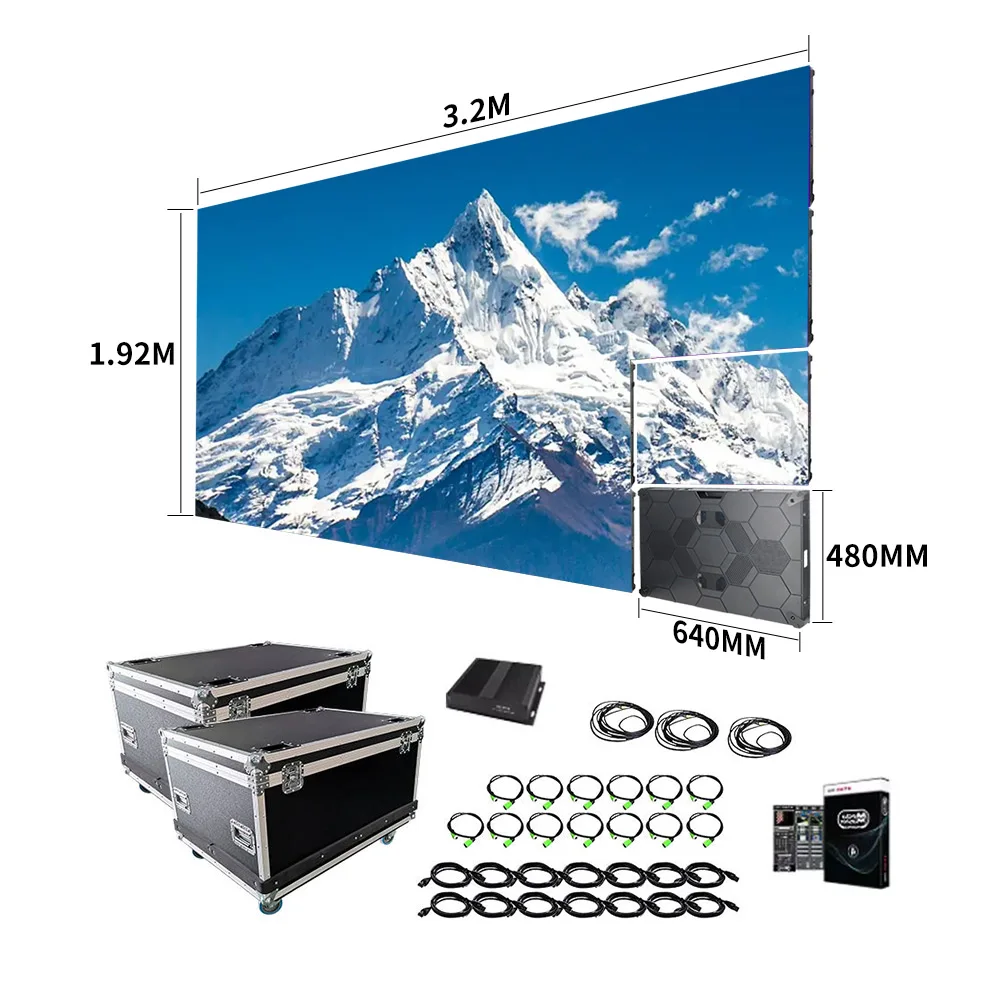
Έλεγχος πρόσθιου πίνακα συντήρησης: χρήσιμος για στενούς χώρους εγκατάστασης
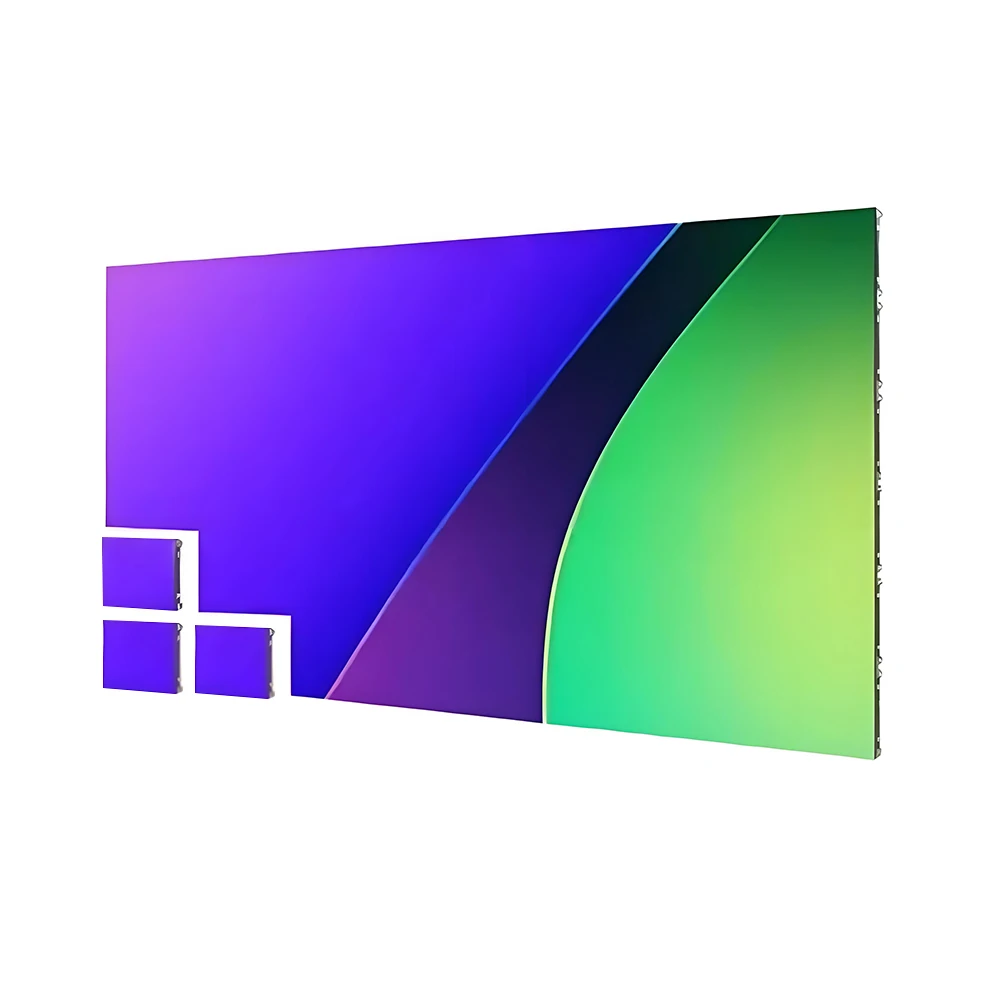
Αυτή η διαδρομή πρόσθιας συντήρησης με πίνακα διαστάσεων 640×480 mm είναι χρήσιμη όταν η πρόσβαση από το πίσω μέρος είναι περιορισμένη. Βοηθά επίσης την ομάδα έργου να συζητήσει το βάθος του πίνακα, τα εφεδρικά ανταλλακτικά, την αντικατάσταση των μονάδων και τις λεπτομέρειες συσκευασίας πριν από την παραγωγή.
Προβολή Οθόνης Πρόσθιας ΣυντήρησηςΠώς να κρίνετε εάν ο προμηθευτής είναι πραγματικό εργοστάσιο και όχι απλώς εμπορικός ενδιάμεσος
Ένα πραγματικό εργοστάσιο μπορεί συνήθως να εξηγήσει τη διαδικασία παραγωγής με πρακτική ορολογία. Για παράδειγμα, μπορεί να συζητήσει την προετοιμασία των μονάδων, τη συναρμολόγηση του πίνακα, τη βαθμονόμηση της οθόνης, το τεστ γήρανσης, την τελική επιθεώρηση, τη συσκευασία και την παράδοση των εγγράφων. Πιο σημαντικό είναι ότι μπορεί να εξηγήσει πώς κάθε βήμα προστατεύει το έργο.
Στη συνέχεια, ελέγξτε εάν τα υποστηρικτικά έγγραφα αντιστοιχούν στο προσφερόμενο προϊόν. Γενικές φωτογραφίες εργαστηρίου δεν είναι επαρκείς. Χρήσιμα υποστηρικτικά έγγραφα περιλαμβάνουν φωτογραφίες του σχετικού τύπου μονάδας, της δομής του περιβλήματος, της περιοχής γήρανσης, της μεθόδου συσκευασίας, του κουτιού αξεσουάρ και του συστήματος ετικετών. Όταν ξεκινήσει η παραγωγή, οι φωτογραφίες ή τα βίντεο που σχετίζονται με το έργο είναι πιο πειστικά από παλαιές εικόνες καταλόγου.
Επιπλέον, συγκρίνετε τη συνοχή των απαντήσεων. Εάν ένας επαφής αναφέρει ότι περιλαμβάνεται η υποστήριξη από το μπροστινό μέρος, η τεχνική απάντηση δεν πρέπει να απαιτεί ξαφνικά πρόσβαση από το πίσω μέρος. Εάν η προσφορά αναφέρει εργασίες LED οθόνης OEM/ODM, η ομάδα πρέπει να εξηγήσει την τοποθέτηση του λογότυπου, το χρώμα του περιβλήματος, τη σήμανση των καρτονιών, τα αρχεία διαμόρφωσης και τις απαιτήσεις τεκμηρίωσης.
| Έλεγχος αντικειμένου | Ισχυρό σήμα | Σήμα κινδύνου | Γιατί είναι σημαντικό |
|---|---|---|---|
| Απόδειξη παραγωγής | Φωτογραφίες ή βίντεο που σχετίζονται με το έργο | Μόνο εικόνες καταλόγου | Μειώνει τον κίνδυνο αξιώσεων σχετικά με εμπορική διαμεσολάβηση |
| Τεχνική απάντηση | Σαφής αιτιολόγηση για την επιλογή φωτεινότητας, περιβλήματος και συστήματος ελέγχου | Επαναλαμβανόμενες ρητορικές φράσεις για το προϊόν | Δείχνει εάν η ομάδα κατανοεί τις συνθήκες του χώρου εγκατάστασης |
| Υποστήριξη σχεδίασης | Σχέδια διάταξης, πίνακα, τροφοδοσίας και σημάτων | Μόνο φύλλο διαστάσεων προϊόντος | Αποτρέπει την αντιστοιχία εγκατάστασης |
| Δοκιμή γήρανσης | Πιστοποίηση συνδεδεμένη με το παρτίδα παραγγελίας | Μόνο προφορική υπόσχεση | Βοηθά στην εντοπισμό πρώιμων ελαττωμάτων πριν από την αποστολή |
| Ανταλλακτικά | Λογική λίστα ανταλλακτικών βάσει μεγέθους έργου και απόστασης εξυπηρέτησης | Χωρίς λίστα ή τυχαία δωρεάν εξαρτήματα | Προστατεύει τη διαθεσιμότητα μετά την παράδοση |
| Απομακρυσμένη υποστήριξη | Ονομαστική διαδρομή υποστήριξης και διαδικασία επίλυσης προβλημάτων | Μόνο η διατύπωση «υποστήριξη ανά πάσα στιγμή» | Εξοικονομεί χρόνο εγκατάστασης |
Κλήση σε ενέργεια (CTA): Χρησιμοποιήστε τον έλεγχο και αποστείλετε το περίγραμμα του έργου σας για να συγκρίνετε την υποστήριξη του εργοστασίου
Μια δομημένη ερώτηση διευκολύνει τη σύγκριση των δυνατοτήτων του εργοστασίου. Αποστείλετε σε ένα μήνυμα το μέγεθος της οθόνης, την εφαρμογή, φωτογραφίες του χώρου, την απόσταση προβολής, την πρόσβαση για συντήρηση, το στόχο παράδοσης και τα απαιτούμενα έγγραφα.
Επικοινωνήστε με την LEDDisplayFactoryΗ διαδρομή προϊόντος πρέπει να ακολουθεί την εφαρμογή, όχι μια προκαθορισμένη απάντηση βασισμένη σε κατάλογο
Ένα σοβαρό εργοστάσιο δεν προτείνει μία ενιαία διαδρομή οθόνης για κάθε έργο. Αντίθετα, η διαδρομή προϊόντος ακολουθεί το συγκεκριμένο περιβάλλον. Ένας τοίχος λιανικής πώλησης απαιτεί ευκρίνεια σε κοντινή απόσταση και ακριβή στοίχιση των καβινετών. Μια εξωτερική διαφημιστική πινακίδα απαιτεί υψηλή φωτεινότητα, υδροστεγή δομή, πρόσβαση για συντήρηση και έλεγχο θερμότητας. Ένα σύστημα σκηνικού ή εκδήλωσης απαιτεί γρήγορη εγκατάσταση, ισχυρά κλειδώματα, κουτιά μεταφοράς και αξιόπιστη καλωδίωση.
Ως εκ τούτου, η εφαρμογή πρέπει να καθοδηγεί την πρώτη επιλογή. Η Εφαρμογή η σελίδα είναι χρήσιμη όταν μια ομάδα έργου χρειάζεται να συγκρίνει τυπικές εφαρμογές, όπως εμπορικά κτίρια, κόμβοι μεταφορών, φόντα σκηνών, αίθουσες συνεδριάσεων, εμπορικά κέντρα και εξωτερικά μέσα ενημέρωσης. Βοηθά να μετατραπεί μια γενική ιδέα σε μια πρακτική διαδρομή έρευνας.
Επιπλέον, η διαδρομή προϊόντος πρέπει να εξηγεί τις συμβιβαστικές επιλογές. Ένα μικρότερο pitch βελτιώνει την ευκρίνεια σε μικρές αποστάσεις, αλλά αυξάνει το κόστος του module. Ένα υψηλότερο επίπεδο φωτεινότητας βελτιώνει την ορατότητα σε ημέρα, αλλά επηρεάζει το σχεδιασμό ισχύος και θερμότητας. Η πρόσβαση για συντήρηση από το μπροστινό μέρος εξοικονομεί χώρο συντήρησης στο πίσω μέρος, αλλά απαιτεί κατάλληλη δομή καβινέτου. Αυτά τα σημεία βοηθούν στη σύγκριση της αξίας, όχι μόνο της τιμής ανά μονάδα.
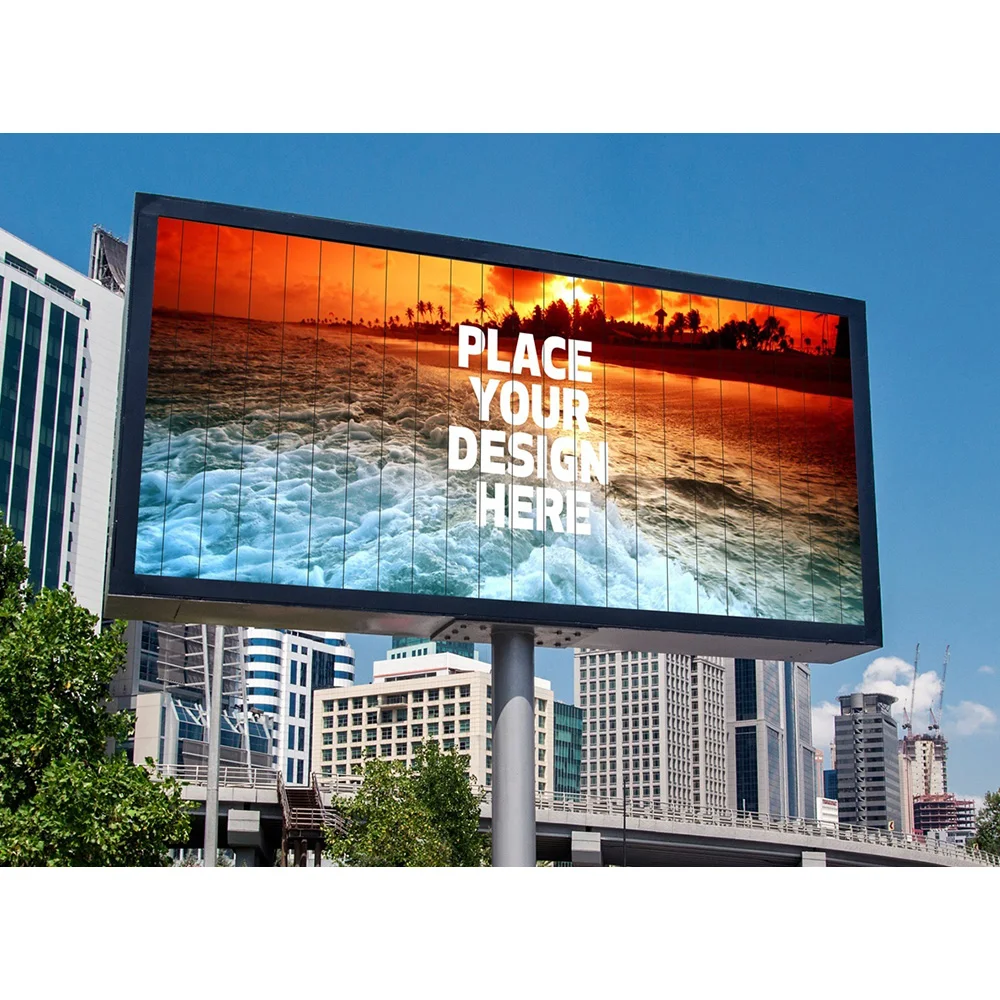
Διαδρομή μεγάλης μορφής εξωτερικής οθόνης: χρήσιμη για ορατότητα και αξία μέσων ενημέρωσης
Οι μεγάλες εξωτερικές οθόνες πρέπει να συζητηθούν λαμβάνοντας υπόψη τη φωτεινότητα, τη δομή του καβινέτου, την απόσταση παρατήρησης, το ύψος εγκατάστασης και την πρόσβαση για συντήρηση, ως σύνολο. Αυτό αποτρέπει την εκπόνηση προσφοράς που φαίνεται χαμηλή, αλλά παραλείπει το κόστος υπηρεσιών και δομής.
Προβολή μεγάλης LED οθόνηςΈλεγχος προμηθευτή: αντιστοίχιση εφαρμογής
- Ρωτήστε για ποιον λόγο η προτεινόμενη διαδρομή προϊόντος είναι κατάλληλη για τη συγκεκριμένη εφαρμογή.
- Ζητήστε μια εξήγηση για την προτεινόμενη κλίση (pitch), φωτεινότητα, τύπο καβινέτου και μέθοδο συντήρησης.
- Επιβεβαιώστε εάν η καταγραφή με κάμερα απαιτεί υψηλότερη απόδοση ανανέωσης.
- Ελέγξτε εάν η οθόνη θα εκτίθεται σε ηλιακό φως, βροχή, σκόνη, υψηλές θερμοκρασίες ή έντονη κυκλοφορία κοινού.
- Ρωτήστε εάν ο προμηθευτής μπορεί να παράσχει σχέδιο πριν από την έγκριση της παραγωγής.
Γεια σας, παρακαλούμε να συνιστήσετε μια λύση οθόνης βάσει της εφαρμογής, του μεγέθους της οθόνης, της απόστασης προβολής, της μεθόδου εγκατάστασης, του τύπου περιεχομένου, της τοπικής τάσης και της πρόσβασης για συντήρηση. Παρακαλούμε εξηγήστε για ποιον λόγο το προτεινόμενο καβινέτο, το προτεινόμενο module, η φωτεινότητα, ο ρυθμός ανανέωσης και ο σχεδιασμός ανταλλακτικών είναι κατάλληλοι για αυτό το έργο.
Η διαφάνεια των τιμών εξαρτάται από τη λίστα υλικών (Bill of Materials), όχι μόνο από τα τετραγωνικά μέτρα
Η τιμή ανά τετραγωνικό μέτρο μπορεί να βοηθήσει στον πρώιμο προϋπολογισμό. Ωστόσο, δεν μπορεί να δείξει το συνολικό κόστος του έργου. Το μέγεθος της κασέτας, η απόσταση pixel, το επίπεδο τροφοδοσίας, το σύστημα ελέγχου, τα ανταλλακτικά, η συσκευασία, οι όροι μεταφοράς, τα αξεσουάρ εγκατάστασης και η τεκμηρίωση επηρεάζουν όλα το πραγματικό συνολικό κόστος. Ως εκ τούτου, η προσφορά πρέπει να δηλώνει σαφώς τι περιλαμβάνεται και τι παραμένει προαιρετικό.
Για παράδειγμα, μια ελαφρύτερη κασέτα μπορεί να μειώσει το κόστος μεταφοράς και την πίεση στη δομή. Ωστόσο, η κασέτα πρέπει να διαθέτει ακόμη επαρκή αντοχή για το συγκεκριμένο περιβάλλον εγκατάστασης. Ένα φθηνότερο module μπορεί να μειώσει το αρχικό κόστος, αλλά ενδέχεται να αυξήσει την πιθανότητα ασυνέπειας χρωμάτων ή εργασιών αντικατάστασης. Μια υψηλότερη διαμόρφωση ανανέωσης μπορεί να αυξήσει την προσφορά, αλλά προστατεύει το γυρισμένο περιεχόμενο και την κάλυψη εκδηλώσεων.
Επιπλέον, η προσφορά πρέπει να εξηγεί τη λογική των ανταλλακτικών. Μερικά εφεδρικά μοντέλα μπορούν να μειώσουν το χρόνο αδράνειας μήνες αργότερα. Επιπλέον τροφοδοτικά και κάρτες λήψης ενδέχεται να φαίνονται ως μικρά αντικείμενα, αλλά προστατεύουν τη λειτουργία όταν η απόσταση της τοπικής υποστήριξης είναι μεγάλη. Γι’ αυτόν τον λόγο, μια διαφανής προσφορά πρέπει να αναγράφει σαφώς τα εξαρτήματα, χωρίς να τα κρύβει κάτω από μία ασαφή τιμή πακέτου.
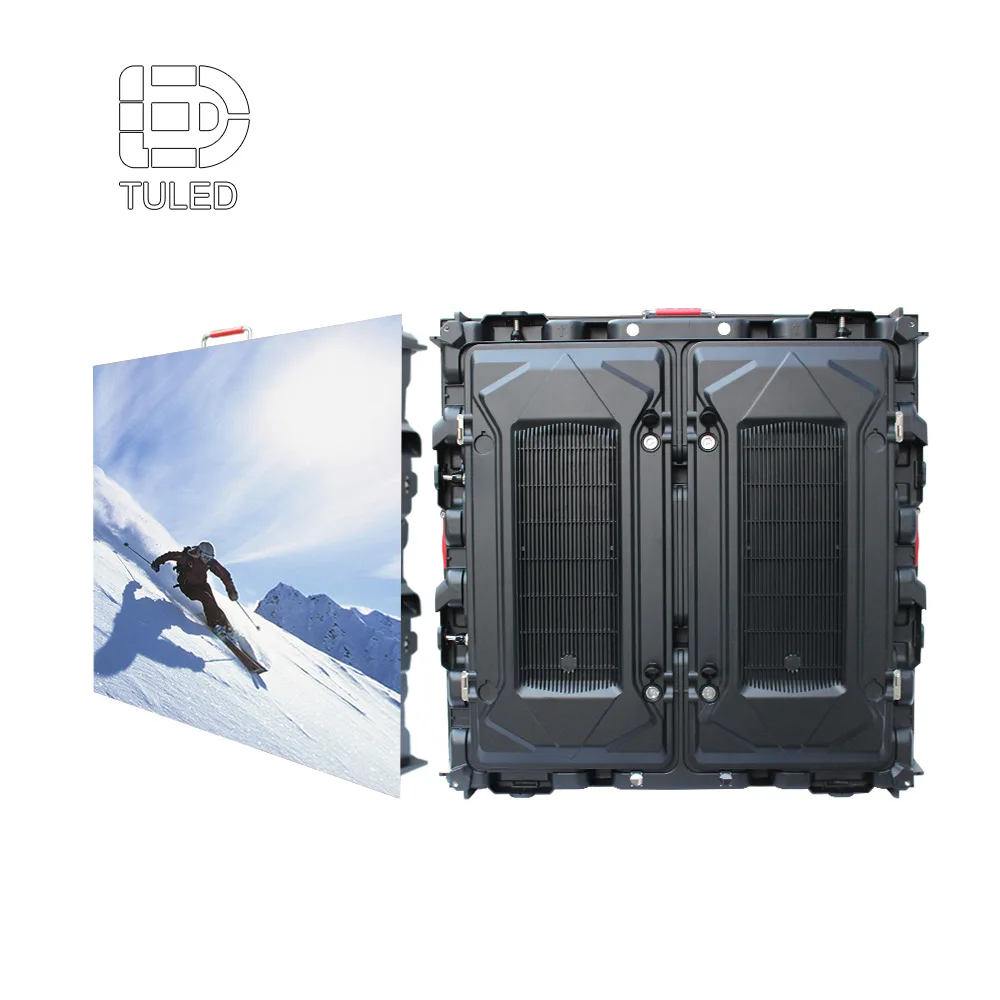
Η σύγκριση τιμών πρέπει να περιλαμβάνει το καβίνετ, το μοντέλο, την τροφοδοσία, τον έλεγχο και τα ανταλλακτικά
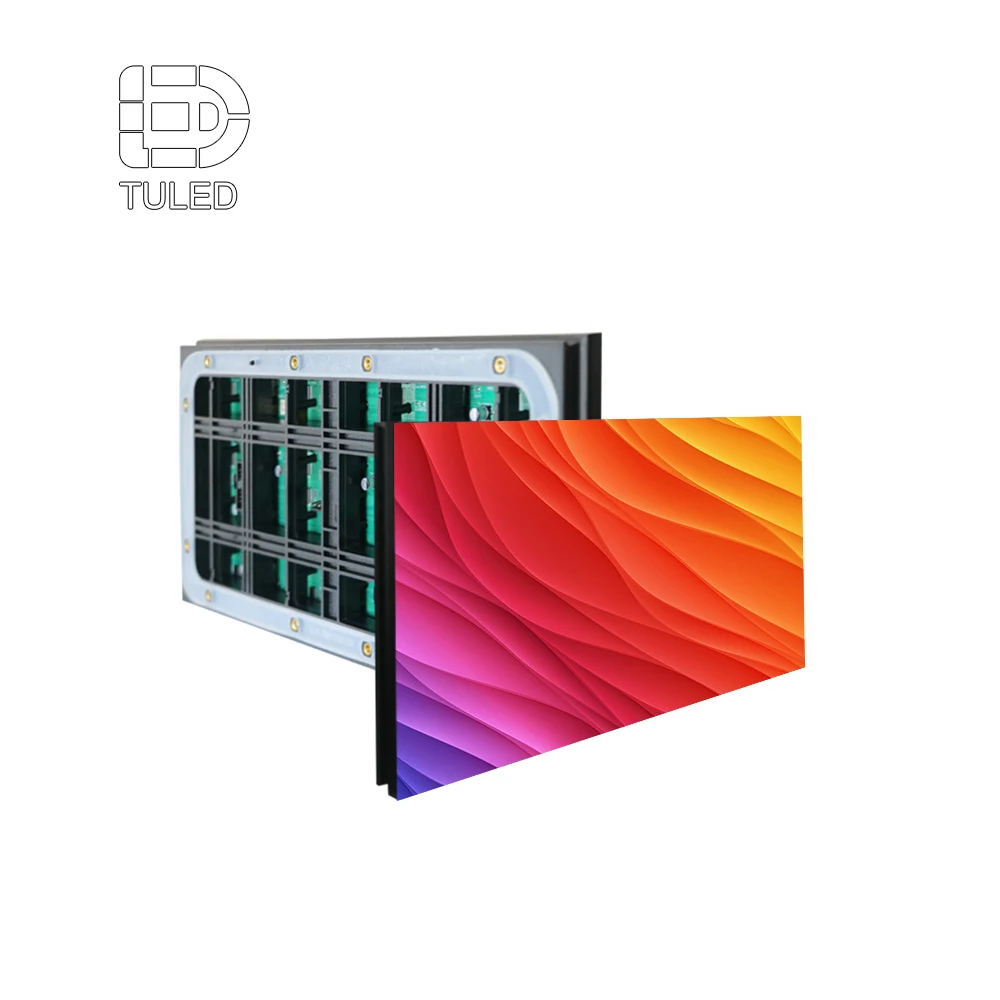
Αυτή η διαδρομή οθόνης βασισμένη σε καβίνετ είναι κατάλληλη για τη συζήτηση της δομής της προσφοράς. Βοηθά στο να διαχωριστεί το κόστος του προϊόντος από τα ανταλλακτικά, τη συσκευασία, τον σχεδιασμό τροφοδοσίας και το σχέδιο συντήρησης.
Αναθεώρηση παραγόντων τιμής της οθόνης εμφάνισηςΠρότυπο σύντομης προσφοράς
Αντιγράψτε αυτήν τη δομή προτού ζητήσετε μια επίσημη τιμή. Μειώνει τις επαναλαμβανόμενες επικοινωνίες και καθιστά ευκολότερη τη σύγκριση των απαντήσεων του εργοστασίου.
Χώρα / πόλη:
Εφαρμογή:
Εσωτερικού ή εξωτερικού χώρου:
Πλάτος και ύψος οθόνης:
Απόσταση θέασης:
Μέθοδος εγκατάστασης:
Συντήρηση από το μπροστινό ή το πίσω μέρος:
Τοίχος, έδαφος, δοκός ή χαλύβδινη κατασκευή:
Τοπική τάση:
Τύπος περιεχομένου:
Απαιτείται καταγραφή με κάμερα:
Προβλεπόμενη ημερομηνία παράδοσης:
Εύρος προϋπολογισμού, εφόσον είναι διαθέσιμο:
Απαιτούμενα έγγραφα:
Απαιτούμενα ανταλλακτικά:
Προσδοκίες για εγγύηση και υποστήριξη:
Συνημμένες φωτογραφίες ή σχέδια:
Η μεταπώληση πρέπει να επιβεβαιωθεί πριν από την πληρωμή
Η υποστήριξη μετά την πώληση δεν πρέπει να ξεκινά μόνο όταν εμφανιστεί κάποιο πρόβλημα. Πρέπει να αποτελεί μέρος του ελέγχου του προμηθευτή πριν από την πληρωμή. Για τα εγκαταστατικά έργα στο εξωτερικό, οι ζώνες ώρας, τα τοπικά χρονοδιαγράμματα εγκατάστασης και η παράδοση ανταλλακτικών επηρεάζουν όλα την ποιότητα της ανταπόκρισης. Ως εκ τούτου, η διαδικασία υποστήριξης πρέπει να καθορίζεται σαφώς.
Πρώτον, ο προμηθευτής πρέπει να καθορίσει ποιος είναι υπεύθυνος για την αντιμετώπιση των τεχνικών ερωτήσεων κατά τη διάρκεια της εγκατάστασης. Ένα γενικό σημείο επαφής μπορεί να είναι επαρκές κατά τη φάση της προσφοράς, αλλά η πρώτη ενεργοποίηση και η ρύθμιση του λογισμικού απαιτούν τεχνική υποστήριξη. Η διαδρομή υποστήριξης πρέπει να περιλαμβάνει ηλεκτρονικό ταχυδρομείο, βιντεοκλήση, ανάλυση φωτογραφιών, κοινή χρήση αρχείων ρύθμισης και βήματα ελέγχου βλαβών.
Δεύτερον, το σχέδιο ανταλλακτικών πρέπει να είναι προσαρμοσμένο στο συγκεκριμένο έργο. Ένα σύστημα οθόνης περιλαμβάνει modules, τροφοδοτικά, κάρτες λήψης, καλώδια, εξοπλισμό ελέγχου, μάσκες, βίδες και συνδέσμους. Η LED module σελίδα είναι χρήσιμη όταν το έργο απαιτεί να συζητηθούν πριν από την αποστολή η αντικατάσταση modules, η ποσότητα ανταλλακτικών και ο σχεδιασμός συντήρησης.
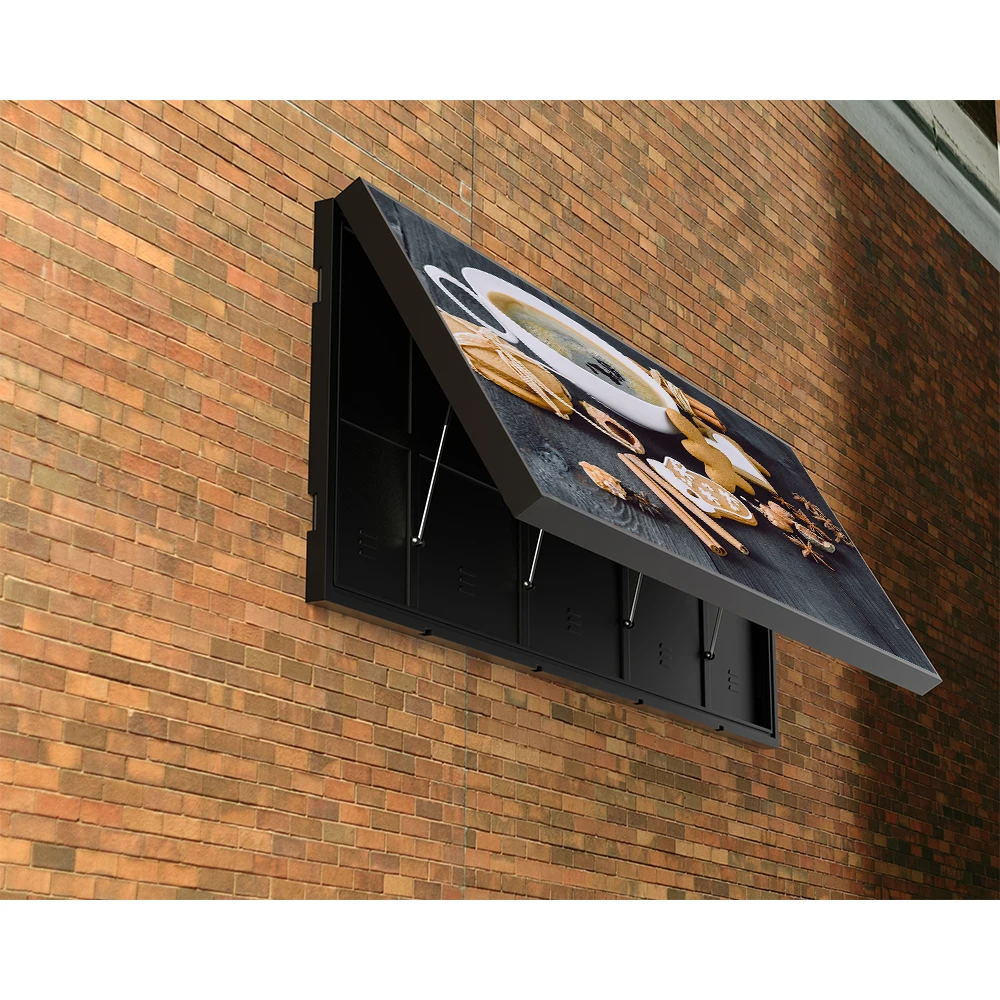
Συντήρηση ψηφιακής οθόνης: πρόσβαση, σχεδιαστικές αλλαγές και μακροπρόθεσμο κόστος συντήρησης
Τα επίτοιχα έργα ψηφιακών οθονών απαιτούν σαφή σχέδιο συντήρησης. Η πρόσβαση για σέρβις, η αντικατάσταση μονάδων, η δρομολόγηση τροφοδοσίας και η απομακρυσμένη διάγνωση βλαβών πρέπει να επιβεβαιωθούν πριν από την αποστολή.
Προβολή Ψηφιακής Οθόνης LEDΈλεγχος προμηθευτή: επιβεβαίωση μεταπωλητικής υποστήριξης
- Ρωτήστε ποιος παρέχει τεχνική υποστήριξη κατά την πρώτη ενεργοποίηση.
- Ζητήστε διαδικασία διάγνωσης βλαβών για μαύρες κασέτες, απώλεια σήματος και αντιστοίχιση χρωμάτων.
- Επιβεβαιώστε ποια ανταλλακτικά περιλαμβάνονται και ποια είναι προαιρετικά.
- Ρωτήστε εάν τα αρχεία διαμόρφωσης και οι σημειώσεις λογισμικού παρέχονται πριν από την αποστολή.
- Διευκρινίστε τον τρόπο χειρισμού της εγγύησης για ανταλλακτικά, την αποστολή και την απόδειξη διάγνωσης.
Γεια σας, παρακαλώ εξηγήστε τη διαδικασία απομακρυσμένης υποστήριξης για την πρώτη ενεργοποίηση, τη ρύθμιση λογισμικού, τον έλεγχο καλωδίωσης και τη διάγνωση βλαβών. Επιπλέον, επιβεβαιώστε ποια αρχεία θα παρασχεθούν πριν από την αποστολή, συμπεριλαμβανομένων των σημειώσεων λογισμικού, του αντιγράφου ασφαλείας διαμόρφωσης, του διαγράμματος καλωδίωσης και του χάρτη κασέτας.
Ο έλεγχος της παράδοσης πρέπει να περιλαμβάνει σημαντικά σημεία αναφοράς (milestones), όχι απλώς μία ενιαία ημερομηνία αποστολής
Ο χρόνος παράδοσης μπορεί να σημαίνει διαφορετικά πράγματα. Ορισμένες προσφορές λογαριάζουν μόνο τις ημέρες παραγωγής. Ωστόσο, ένα πραγματικό χρονοδιάγραμμα έργου πρέπει να περιλαμβάνει την επιβεβαίωση των σχεδίων, την προετοιμασία των υλικών, την παραγωγή, τον έλεγχο ηλικίας (aging test), την επιθεώρηση, τη συσκευασία, τα εξαγωγικά έγγραφα, την κράτηση αποστολής και τον εκτιμώμενο χρόνο μεταφοράς. Χωρίς αυτήν την ανάλυση, το αρχικό χρονοδιάγραμμα γίνεται αβέβαιο.
Η συσκευασία πρέπει επίσης να επιβεβαιωθεί εγκαίρως. Οι καβινέτες, οι μονάδες, οι τροφοδοτικές μονάδες, οι κάρτες λήψης, οι συσκευές ελέγχου, τα καλώδια και τα ανταλλακτικά πρέπει να φέρουν σαφή ετικέτες. Διαφορετικά, η ομάδα εγκατάστασης μπορεί να χάσει χρόνο αναζητώντας εξαρτήματα επιτόπου. Σε ένα μεγάλο έργο, η κακή ετικέτα μπορεί να επιβραδύνει ολόκληρη την ημέρα εγκατάστασης.
Επιπλέον, τα σχέδια πρέπει να φτάσουν πριν από την αποστολή. Ένα σχέδιο διάταξης οθόνης επιβεβαιώνει τον αριθμό των καβινετών και το τελικό μέγεθος. Ένα διάγραμμα ηλεκτρικής τροφοδοσίας μειώνει την ηλεκτρική σύγχυση. Ένα διάγραμμα σήματος διευκολύνει την παραλαβή και την εκκίνηση του συστήματος. Μια λίστα συσκευασίας υποστηρίζει την λογιστική και την επεξεργασία επιτόπου. Μαζί, αυτά τα έγγραφα μετατρέπουν την παράδοση ενός προϊόντος σε ένα διαχειρίσιμο έργο.
Τελική πρόσκληση για δράση
Κλήση σε ενέργεια (CTA): Χρησιμοποιήστε τον έλεγχο και αποστείλετε το περίγραμμα του έργου σας για να συγκρίνετε την υποστήριξη του εργοστασίου
Αποστείλετε φωτογραφίες του χώρου, το μέγεθος της οθόνης, τις συνθήκες εγκατάστασης, τον στόχο παράδοσης και τις προσδοκίες υποστήριξης σε ένα μόνο μήνυμα. Μια σαφής περιγραφή του έργου επιτρέπει στην LEDDisplayFactory να προτείνει μια πρακτική πορεία επιλογής προϊόντος, μια δομή προσφοράς, ένα πακέτο εγγράφων και ένα σχέδιο ανταλλακτικών.
Αποστολή περιγραφής έργουΕπεκτεταμένη ανάγνωση και σχετικές διαδρομές προϊόντων
Επιπλέον, αυτές οι σελίδες μπορούν να βοηθήσουν στη βελτιστοποίηση της πορείας του έργου πριν από την υποβολή τελικής ερώτησης. Είναι χρήσιμες για τη σύγκριση εφαρμογών, επιλογών καβινέτων, παραγόντων τιμής, πρόσβασης σε υπηρεσίες και σχεδιασμού ανταλλακτικών.
Συχνές Ερωτήσεις: Αξιολόγηση προμηθευτών πριν από την παραγγελία εξωτερικών οθονών σε ξένη χώρα
Ποιες ερωτήσεις πρέπει να τεθούν στον προμηθευτή πριν από τη λήψη προσφοράς;
Πρώτον, ρωτήστε ποιες πληροφορίες απαιτούνται πριν από μια υπεύθυνη σύσταση. Μια αξιόπιστη απάντηση συνήθως περιλαμβάνει την εφαρμογή, το μέγεθος της οθόνης, την απόσταση προβολής, το περιβάλλον, την απαιτούμενη φωτεινότητα, την πρόσβαση για συντήρηση, τη μέθοδο στήριξης, το σύστημα ελέγχου, τον τύπο περιεχομένου, την προθεσμία παράδοσης και την τοπική τάση.
Επιπλέον, ρωτήστε ποια στοιχεία περιλαμβάνονται στην προσφορά και ποια είναι προαιρετικά. Τα ανταλλακτικά, τα σχέδια κατασκευής, το σύστημα ελέγχου, η συσκευασία, η αποστολή και η απομακρυσμένη υποστήριξη πρέπει να είναι σαφή πριν από τη σύγκριση τιμών.
Πώς μπορεί να πραγματοποιηθεί η επιθεώρηση ενός εργοστασίου εξ αποστάσεως;
Μια απομακρυσμένη επιθεώρηση μπορεί να χρησιμοποιήσει φωτογραφίες σχετικές με το έργο, βίντεο από το εργαστήριο, ζωντανές κλήσεις, αποδείξεις για τα βήματα παραγωγής, αρχεία δοκιμών γήρανσης και ελέγχους εγγράφων. Ο στόχος δεν είναι να δημιουργηθεί ένα περίπλοκο αρχείο. Αντίθετα, ο στόχος είναι να επιβεβαιωθεί εάν ο προμηθευτής ελέγχει την παραγωγή, τις δοκιμές, τη συσκευασία και την υποστήριξη.
Επιπλέον, ζητήστε αποδείξεις που αντιστοιχούν στο προσφερόμενο προϊόν. Η συναρμολόγηση των μονάδων, οι δοκιμές των περιβλημάτων, οι ράφια γήρανσης, η περιοχή συσκευασίας, οι ετικέτες των αξεσουάρ και παραδείγματα σχεδίων αποκαλύπτουν περισσότερα από μια γενική εισαγωγή της εγκατάστασης.
Ποιες λεπτομέρειες εγγύησης πρέπει να επιβεβαιωθούν πριν από την πληρωμή;
Οι όροι εγγύησης πρέπει να εξηγούν τα εξαρτήματα που καλύπτονται, τις ζημιές που εξαιρούνται, τον τρόπο αναφοράς, τις απαιτούμενες αποδείξεις, τη διαδικασία αντικατάστασης, την ευθύνη για την αποστολή και τον αναμενόμενο χρόνο ανταπόκρισης. Μόνο η διάρκεια της εγγύησης δεν είναι επαρκής για υπηρεσίες σε αλλοδαπή.
Επιπλέον, η συζήτηση για την εγγύηση πρέπει να περιλαμβάνει και την απομακρυσμένη διάγνωση. Εάν αποτύχει μια ενότητα του περιβλήματος, ο προμηθευτής πρέπει να καθοδηγήσει τον έλεγχο της τροφοδοσίας, του σήματος, της κάρτας λήψης, της κατάστασης των μονάδων και της αντιστοίχισης του λογισμικού.
Πόσα ανταλλακτικά πρέπει να προετοιμαστούν;
Η ποσότητα των ανταλλακτικών εξαρτάται από το μέγεθος της οθόνης, το περιβάλλον, τις ώρες λειτουργίας, το ύψος εγκατάστασης και την απόσταση για την παροχή υπηρεσιών. Μια μικρή εσωτερική τοίχου οθόνη μπορεί να απαιτεί λιγότερα ανταλλακτικά. Ωστόσο, μια εξωτερική μέσων ενημέρωσης τοίχου, μια οθόνη σε κόμβο μεταφορών ή ένα σύστημα για εκδηλώσεις συνήθως απαιτεί πιο εκτεταμένο σετ ανταλλακτικών.
Τουλάχιστον, το σχέδιο ανταλλακτικών πρέπει να περιλαμβάνει τρόπους (modules), τροφοδοτικά, κάρτες λήψης, καλώδια, μάσκες, βίδες και ειδικούς συνδετήρες. Επιπλέον, τα ανταλλακτικά modules πρέπει, κατά το δυνατόν, να αντιστοιχούν στην ίδια παρτίδα παραγωγής.
Τελικό συμπέρασμα: συγκρίνετε πρώτα το βάθος της υποστήριξης και στη συνέχεια την τιμή
Ένα αξιόπιστο εξωτερικό έργο οθόνης εξαρτάται από περισσότερα από έναν ανταγωνιστικό αρχικό αριθμό. Αντίθετα, εξαρτάται από τον έλεγχο δειγμάτων, την απόδειξη δοκιμής γήρανσης, το σχεδιασμό ανταλλακτικών, τα σχέδια, την απομακρυσμένη υποστήριξη και τα ρεαλιστικά ορόσημα παράδοσης. Ως εκ τούτου, η ασφαλέστερη σύγκριση προμηθευτών ξεκινά πριν από την επίσημη προσφορά.
Για το επόμενο βήμα, ετοιμάστε μια σύντομη περίληψη του έργου, συνημμένες φωτογραφίες του χώρου και θέστε τις ίδιες ερωτήσεις του ελέγχου σε κάθε προμηθευτή. Στη συνέχεια, συγκρίνετε την ποιότητα των απαντήσεων, όχι μόνο την τιμή. Ένας σοβαρός κατασκευαστής θα εξηγήσει τις συμβιβαστικές λύσεις, θα επιβεβαιώσει τα έγγραφα, θα συνιστά ανταλλακτικά και θα συνδέσει τη διαδρομή του προϊόντος με το σενάριο εγκατάστασης.
- Πρώτον, αποστείλετε τα ίδια στοιχεία του έργου, συμπεριλαμβανομένων των διαστάσεων, του χώρου, της απόστασης προβολής, της πρόσβασης, του περιεχομένου, της τάσης και του χρονοδιαγράμματος.
- Δεύτερον, συγκρίνετε την ποιότητα των αποδείξεων: εγγραφή δείγματος, στοιχεία δοκιμής γήρανσης, σχέδια, κατάλογο ανταλλακτικών, σχέδιο συσκευασίας και διαδρομή υποστήριξης.
- Τέλος, χρησιμοποιήστε το τελικό εικονική οθόνη LED ερώτημα ως δοκιμή κινδύνου του έργου, όχι απλώς ως αίτημα τιμής.