EN
EN

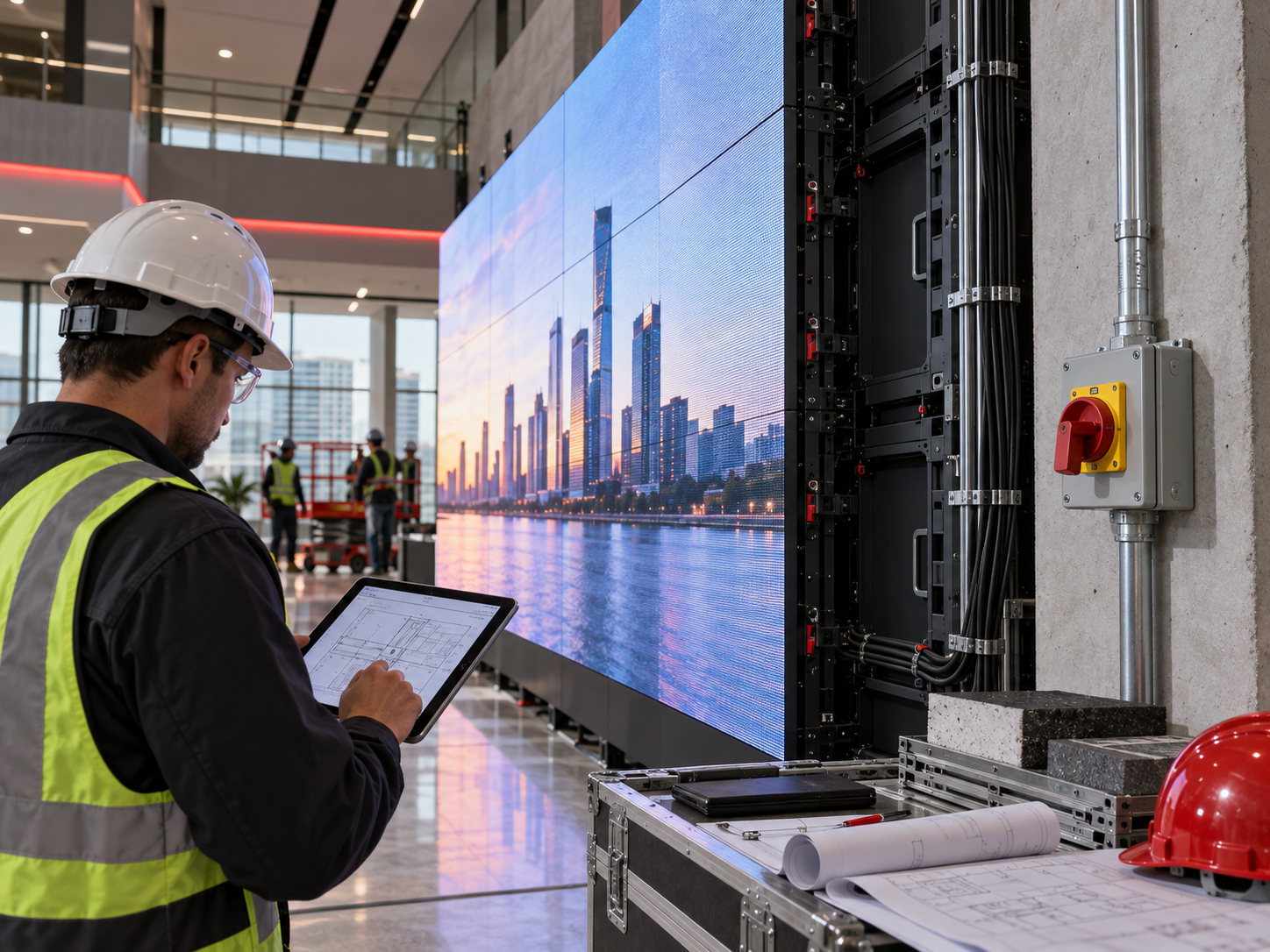
In a large LED project, fire-safety coordination rarely belongs to one company. The display manufacturer supplies equipment and product-related information, while the integrator, electrical contractor, fire-stopping contractor, consultant and client may each control a different part of the installed system.
That division becomes important when a project asks about flame-retardant materials, cable penetrations, emergency power isolation or final fire-safety records. A factory document can describe the supplied equipment, but it does not automatically approve the building work around it. Likewise, a cabinet drawing cannot determine how a completed site should handle emergency electrical isolation.
For procurement and integration teams sourcing through LED display wholesale, the useful question is not simply, “Do we have fire-safety documents?” It is: which evidence belongs to the supplied display, where the building and electrical interfaces begin, and who is responsible for closing each approval point?
The useful distinction is scope, not paperwork. Product records, site fire-stopping, electrical isolation and final acceptance can all sit under the wider fire-safety discussion, but they describe different parts of the project and may have different owners.
Quick Navigation
Project Context: Fire Safety Starts With a Clear Scope Boundary
A multi-screen installation can involve several companies before a single display becomes operational. The supplier provides the LED equipment and the information available for that equipment. The integrator coordinates the display within the wider system. Site contractors create cable routes, penetrations and other building interfaces. The electrical contractor connects the installation to the site power system, while the consultant or client team may control submission and approval.
Problems appear when those boundaries are left implicit. A contractor may ask the supplier for “fire-stopping documentation” when the real question concerns an opening created through a wall on site. An electrical team may wait for an isolation detail even though the final arrangement depends on the building distribution design rather than the display cabinet alone.
The most useful starting point is therefore physical rather than administrative: what is delivered as part of the LED package, and what is created, connected or modified once that package meets the building?
A cabinet drawing may belong to the display documentation. A penetration through a wall may belong to the site installation. The cable route connects those two scopes without making them the same responsibility.
An LED display screen supplier can support that process with verifiable information about the supplied equipment. Building approval, site fire-stopping and the final electrical arrangement still depend on the teams responsible for those parts of the project.
Flame-Retardant Materials: Match the Evidence to the Supplied Configuration
Fire-safety documentation becomes more useful when the request begins with a defined question rather than a document name. “Send all fire certificates” does not explain which part of the installation is being reviewed, what the project needs to establish or who will decide whether the evidence is acceptable.
If a project specification refers to flame-retardant materials, procurement should first identify the component, material or supplied assembly to which that requirement applies. A requirement concerning a cable, plastic component, cabinet element, PCB-related material or another supplied part should not automatically be treated as one general property of the entire LED installation.
The next question is whether the available evidence can be traced back to the configuration actually being supplied. Depending on the project and the records available, a submission may draw on product drawings, relevant material descriptions, identifiable component information, specification confirmations, BOM-related information or other technical records. The objective is not to produce the largest possible document package. It is to connect the right evidence to the right approval question.
This four-point check prevents an important category error. Evidence describing one material should not automatically be treated as evidence for every material in the installation. A record for one configuration should not be extended to another configuration unless the project can confirm that it applies.
If a requested classification, declaration or other record cannot be confirmed for the chosen configuration, the gap should not be filled with a broader claim. The underlying approval question needs to be clarified so the responsible team can determine what evidence, alternative material or different site solution is genuinely required.
Important project boundary: final fire-safety requirements and acceptance should follow the applicable project specification, local regulations and the responsible project or approval authority. Product documentation supports that process; it does not replace it.
If you are still reviewing the wider purchasing package—including specifications, general certificates and warranty requirements—see the Wholesale LED Screen Buying Checklist.
Fire-Stopping Is Where the Display Meets the Building
Fire-stopping is often discussed during LED procurement because display installations need power and data routes. The critical issue, however, usually appears where those services leave the display installation and interact with the surrounding building.
Cables or other installation elements may pass through walls, floors, ceilings, risers or technical zones. At that point the project must consider more than the LED cabinet. The surrounding construction, penetration location, services passing through it and responsibility for the site-installed treatment all become part of the discussion.

Cabinet and panel construction information helps the project team understand product-side connection and service areas before those requirements are coordinated with the building.
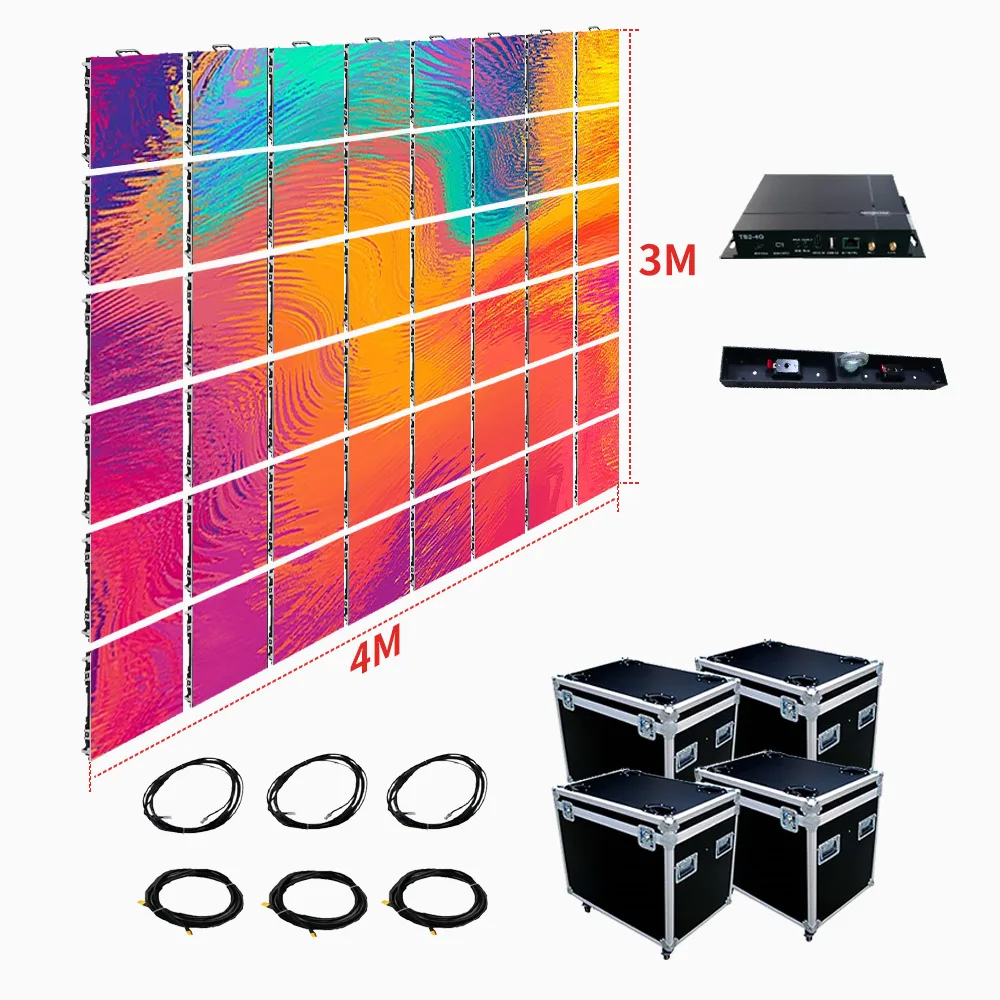
Explore LED Screen PanelsWhere a project uses multiple cabinets or modular LED screen panels, equipment drawings and configuration information can help the integrator understand connection areas, service space and the physical routes that the surrounding installation needs to accommodate.
That information is useful input, but it does not automatically determine how a penetration through a particular wall or floor should be treated. The relevant building assembly and the work carried out on site still need to be handled within the appropriate project scope.
One interface, two different questions
Display side: Where are the connections, service areas and routes the installation needs to accommodate?
Building side: How will the surrounding construction and any penetration be dealt with under the site's fire strategy?
A Product Drawing Can Define Geometry Without Approving the Penetration
This distinction is easy to lose when drawings move between companies. A factory drawing may correctly identify a cabinet connection or service location. The site team can use that information when planning its route through the building, but the two scopes remain different.
Timing matters as well. When penetrations are identified while the cable route and mounting layout can still be adjusted, there is room for coordination. When the same issue appears only after structure or finishes are complete, what began as a documentation question can become physical rework.
Practical boundary: the supplier can clarify what the display needs; the responsible site teams determine how those needs are accommodated within the building and the applicable fire-safety design.
Emergency Isolation: Define the Operational Boundary Before Handover
Emergency power isolation creates a similar boundary between the LED equipment and the site's electrical system. The display forms part of the electrical load, but the wider project determines how that load is supplied and how it is isolated within the completed installation.
Procurement does not need to prescribe a universal isolation layout. It does need to make sure the equipment-side requirements and the site-side responsibility are clear enough for the integrator and electrical team to coordinate them before commissioning.
The Isolation Point Needs Context
A note that simply says “provide emergency isolation” leaves several unanswered questions. The project still needs to establish where the display connects to the site electrical infrastructure, which part of the installation the isolation applies to and which party is responsible for implementing it.
Identification Matters After Installation
Operational clarity matters after the contractors have left the site. Facilities, maintenance or operating personnel should be able to understand which equipment is affected by an isolation action. The exact identification method belongs to the project design, but it should not be left as an informal decision after handover.
Restart Needs an Owner Too
Isolating equipment and authorising its return to service are not necessarily the same decision. Handover information should make clear who controls restoration and what project procedure governs that action.
A useful handover test: if an operator asks which point isolates the display, what that action affects and who can authorise restart, the project records should lead to a clear answer.
Buyer Inputs That Make the Documentation Review Useful
A supplier can respond more precisely when the documentation request describes the actual project. A message that says only “please provide fire documents” gives little information about the equipment, installation or reason for the request.
For a bulk project, the useful inputs are the details that change the interface or documentation discussion, not a generic purchasing checklist.
Screen sizes and quantity. A single display and a multi-location rollout can create different drawing, identification and coordination needs.
Installation locations. Similar displays may still interact with different walls, structures, electrical areas or cable routes.
Site drawings or photographs. Available architectural, electrical or installation information can help distinguish an equipment question from a building-interface question.
Destination country and local project requirements. The location gives useful context, while requirements supplied by the consultant, contractor or project team should be forwarded in their actual wording rather than interpreted through assumptions.
Power standard and electrical context. This allows the product-side and site-side teams to discuss the interface without treating the display supplier as the designer of the building electrical system.
Known fire or building interfaces. Flag penetrations, risers, service routes, technical zones or other conditions already identified by the project team.
Timeline. Documentation questions are easier to resolve while drawings and interfaces can still change than after installation reaches final approval.
The goal is not to send the factory a larger checklist. It is to give each request enough context to support a real decision. A drawing should answer an interface question. Material information should address a defined material requirement. Electrical information should support coordination with the site design.
Factory Support Should Stay Inside Verifiable Product Scope
Factory support is most valuable when it stays close to information that can actually be confirmed for the supplied equipment. Depending on the selected configuration and the records available, project coordination may involve requested drawings, specification confirmations, identifiable material information, BOM-related records or clarification of relevant product interfaces.
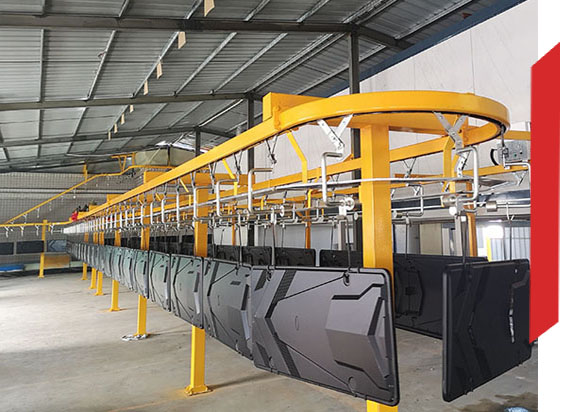
Factory-side information is most useful when drawings, component records and specification confirmations can be connected back to the equipment being supplied for the project.
Those records can help the integrator understand what the display requires, help the electrical team identify the product-side interface and help the project team recognise where supplier information ends and site design begins.
The same discipline matters when a requested record is not available. Substituting an unrelated document or making a wider statement than the available evidence supports may make a submission look complete while leaving the underlying approval question unresolved.
A better response to a documentation gap: identify what the reviewer is trying to establish, confirm what evidence is actually available for the supplied equipment, and let the responsible project party determine whether another record or a different site solution is required.
This keeps the technical conversation credible. Procurement can see what has been confirmed, the integrator can see what still needs coordination, and site teams are less likely to discover late that a product document was being relied on for a question outside its scope.
Final Approval: Follow the Interface, Not the Document Folder
By final approval, the documentation does not need to resemble one enormous supplier file. It needs to tell a coherent story about the completed installation.
Product evidence should describe the product. Building-interface records should address the building work. Electrical information should explain the relevant electrical scope. Handover records should make operational responsibility understandable after the installation team has left the site.
Product Evidence Stays With the Supplied Equipment
The supplier provides the product information it can verify. The integrator then uses relevant information when coordinating the display with the wider installation.
Building Interfaces Need Site Ownership
Penetrations and fire-stopping should sit with the parties responsible for the applicable building work, using equipment information where it helps define the interface.
Isolation and Handover Need Operational Ownership
The electrical arrangement, equipment identification and restart responsibility should remain understandable to the people who will operate and maintain the completed system.
This approach exposes gaps better than simply counting documents. A project can have drawings and specification records yet still have no clear owner for a wall penetration, emergency isolation interface or final restart procedure.
The final check is therefore about connections between information and responsibility. If a requirement crosses from the display into the building, somebody needs to own that transition. If a document is being used to support approval, the project needs to know exactly what scope that document covers and which project or regulatory requirement it is intended to support.
The Better Approval Question
Do not stop at “Do we have the document?” Ask whether the evidence covers the correct physical scope, comes from the party able to support that scope, applies to the configuration being supplied, and connects to a clearly identified approval or handover decision.
FAQ
What fire-safety documents should a wholesale LED display buyer request?
Request evidence that relates to the actual supplied configuration and the project's stated requirement. Depending on what is available, that may include relevant material or specification information, drawings, BOM-related confirmations or other traceable product records. The project team should define the evidence it needs rather than assuming a particular certification exists.
How should flame-retardant material evidence be checked?
First identify the exact component or material covered by the requirement. Then confirm what evidence is available, whether it applies to the configuration being supplied, and which project party is responsible for accepting that evidence. A record for one component or model should not automatically be treated as evidence for the entire installation.
Is fire-stopping part of the LED screen itself or the building interface?
The critical fire-stopping question normally arises where display-related services interact with building construction. Supplier drawings can support coordination, but responsibility for site penetrations and their treatment should be assigned within the relevant construction scope.
What should be clarified for emergency power isolation?
Clarify the boundary between the LED equipment and the site electrical system, the relevant isolation point, how it is identified, who implements the site arrangement and who controls restart after isolation.
How should responsibilities be divided between supplier, integrator and site contractor?
The supplier should support verified information about the supplied display. The integrator coordinates that equipment with the overall installation, while site contractors handle the building or electrical work assigned to them. Final responsibility and acceptance should follow the project's contractual structure, applicable requirements and responsible approval process.
Project Documentation Review
Bring the Installation Context Into the Documentation Discussion
For a bulk LED project, prepare the screen sizes and quantity, installation locations and destination country, available site drawings or photos, power standard, project fire/building interface requirements and timeline before the document review.
With those inputs, product records and technical interfaces can be discussed against the actual installation rather than treated as a generic folder of fire-safety paperwork.
Send Project Requirements for Documentation Review