EN
EN


Schůzkový sál může vypadat dokonale upraveně a přesto selhat v okamžiku, kdy začne skutečná prezentace. Stůl je připraven. Židle jsou zarovnané. Stěna se zapne a několik sekund se vše jeví moderně. Pak se objeví tabulka. Lidé v první řadě ji čtou snadno, zatímco ti dále vzadu se naklánějí dopředu, přimhouří oči a ztrácejí rytmus diskuse. Tento malý okamžik vysvětluje, proč výběr LED displejů pro vnitřní prostory nikdy není jen otázkou nákupu obrazovky. Je to otázka toho, aby sál fungoval tak, jak byl zamýšlen.
Mezi dodavateli LED video stěn nejužitečnější diskuze týkající se vnitřních prostor obvykle začínají běžnými otázkami spíše než impresivními čísly. Jak daleko je první důležitá sedačka? Co se na obrazovce objevuje nejčastěji: údaje, prezentace, nástěnky, značková videa nebo hybridní schůzky? Vyžaduje místnost klidnou jasnost pro dlouhé sezení nebo vizuální dopad pro krátkodobé návštěvy? Jakmile jsou tyto odpovědi jasné, pixelová vzdálenost přestává být technickým žargonem a stává se praktickým návrhovým rozhodnutím.
Vnitřní stěny se posuzují jinak než obrazovky pro akce nebo venkovní reklamní tabule. Lidé na ně nenahlížejí jen krátce po několik sekund. Během schůzek, kontrol, školení a prezentací s nimi tráví celou dobu. Čtou popisky. Dívají se na tváře během videohovorů. Všímají si, zda stěna působí příjemně i za zapnutého osvětlení v místnosti. Všímají si také, zda stěna prostoru dodává větší funkcionalitu a dokončený dojem. Pro firmy, které porovnávají řešení vnitřních LED displejů , tento rozdíl má daleko větší význam než nápadný technický parametr.
Proč je velikost pixelového rozestupu u vnitřních stěn důležitější, než si většina lidí myslí
Pixelový rozestup je vzdálenost mezi středy dvou sousedních LED pixelů, měřená v milimetrech. Menší číslo znamená, že je do stejné plochy umístěno více pixelů. To obvykle zajišťuje hladší vzhled stěny z blízka a pomáhá, aby text, ikony a jemné okraje vypadaly čistěji. Větší číslo znamená větší vzdálenost mezi pixely. odděleně, což snižuje náklady, ale zároveň vyžaduje, aby se diváci posadili nebo postavili dále od obrazu, aby působil stejně dokonale.
Menší vzdálenost mezi pixely však není automaticky nejlepší řešení. Nejchytřejší vnitřní stěna není ta s nejmenší vzdáleností mezi pixely uvedenou v technických specifikacích, ale ta, jejíž vzdálenost mezi pixely skutečně odpovídá danému prostoru. Stěna může vypadat výborně při přehrávání ukázkového videa, avšak jakmile se objeví běžný obsah, může působit zklamáním. Kinoznačkový film je shovívavý. Finanční tabulka ne.
Užitečným způsobem, jak uvažovat o vzdálenosti mezi pixely, je představit si, kam se soustředí pozornost. V poradním sále se pozornost často soustředí na čísla, jména a tváře. V hale se pozornost soustředí na atmosféru, pohyb a přítomnost značky. V školicí místnosti se pozornost soustředí na diagramy, odrážky a sdílení obrazovky. Každý z těchto prostorů kladou obrazovce jinou požadavek. Proto každý prostor zaslouží jiné řešení.
Začněte s prostorem, nikoli s produktovou stránkou
Než budete diskutovat o modelech, začněte s fyzickým prostorem ve svém obvyklém stavu. Změřte vzdálenost k nejbližšímu důležitému divákovi, nikoli pouze k průměrnému sedadlu. Ve mnoha projektech není stěna posuzována z prostředka místnosti, ale z pozice osob, které sedí nejblíže během klíčových prezentací, každodenních standupů nebo schůzí s ředitelem. Pokud tyto osoby vidí viditelnou strukturu pixelů nebo rozmazaný malý text, může se stěna jevit jako nedostatečně vybavená, i když všichni ostatní považují její parametry za přijatelné.
Poté zvažte, co se na stěně objevuje nejčastěji. Místnost určená pro prezentace a videohovory vyžaduje jiné priority než recepční stěna, která převážně zobrazuje značkové vizuály a uvítací obsah. Výstavní prostor, který nabízí možnost prohlížení zblízka, vyžaduje vyšší úroveň dokončení než multifunkční hala, kde se většina diváků drží dále od stěny. Skutečný účel místnosti by měl vždy vést proces stanovení nabídky.
Důležitý je také pocit prostoru. Prémiová konferenční místnost nepotřebuje vizuální agresivitu, ale tichou sebedůvěru. Vstupní hala potřebuje přítomnost bez rušení. Výstavní prostor vyžaduje bohatost bez odlesků. Učební místnost potřebuje odolnost, protože lidé mohou trávit hodiny pohledem na displeji. Tato emocionální stránka se snadno přehlédne, když se rozhovor stane příliš technickým, avšak právě ona často rozhoduje mezi prostorem, který působí modernizovaně, a prostorem, ve kterém je prostě nainstalován nový displej.

Obrázek 1. Vnitřní LED stěna v kancelářské budově používaná pro prezentace a posílení značky.
Zdrojová stránka: Vnitřní LED video stěna pro kancelářskou budovu v Nizozemsku
Praktické rozmezí pixelového rozestupu podle typu vnitřního prostředí
- Ředitelská konferenční místnost: P1.2 až P1.5 se často nejlépe osvědčuje, pokud je v místnosti pravidelně zobrazována data, podrobné rozhraní nebo porovnání vedle sebe.
- Standardní konferenční místnost: P1.2 až P1.8 je často nejvyváženějším rozmezím pro každodenní prezentace a hybridní schůzky.
- Lobby a recepční prostor: Pixelová vzdálenost P1,5 až P2,5 často poskytuje silný vizuální dopad při rozumném rozpočtovém plánování, zejména pokud stěna převážně zobrazuje značkový obsah.
- Výstavní sál a prodejní prostředí: Pixelová vzdálenost P1,2 až P2,0 je častěji bezpečnější, protože návštěvníci se k displeji přibližují z menší vzdálenosti.
- Učební místnost: Pixelová vzdálenost P1,5 až P1,8 obvykle funguje dobře, pokud je důležitější čitelnost než spektakulární efekt.
- Aula nebo multifunkční hala: Pixelová vzdálenost P2,5 a vyšší může být vhodná, pokud se diváci nacházejí ve větší vzdálenosti od displeje.
Srovnávací tabulka pro plánování vnitřních prostor
SPEC |
MOŽNOST |
Nejvhodnější pro |
Dopad nákladů |
Poznámky |
Vzdálenost pro prohlížení |
P1,2–P1,5 |
Ředitelské konferenční místnosti a prostory pro rozhodování při blízkém pohledu |
Vyšší |
Nejvhodnější v případech, kdy je důležitá čitelnost malého textu a delší doba pozorování. |
Vzdálenost pro prohlížení |
P1,2–P1,8 |
Konferenční místnosti, učební místnosti, hybridní schůzky |
Střední až vysoká |
Praktický „zlatý střed“ pro vnitřní použití v každodenní práci. |
Vzdálenost pro prohlížení |
P1,5–P2,5 |
Vestibuly, recepční prostory, značkové stěny |
Střední |
Dobrá rovnováha mezi účinkem, náklady a pohodlím při pozorování. |
Vzdálenost pro prohlížení |
P1,2–P2,0 |
Výstavní sály, obchodní příběhy, vizuály kampaní pro blízké prohlížení |
Střední až vysoká |
Bezpečnější, pokud se návštěvníci přibližují k displeji. |
Vzdálenost pro prohlížení |
P2,5–P3,0+ |
Aulky a multifunkční sály |
Střední |
Funguje dobře, jakmile se diváci posunou dále od displeje. |
Povrch / povrchová úprava |
Jemné rozložení LED |
Premium vnitřní prostory s blízkým uspořádáním sedadel |
Vyšší |
Zlepšuje detail, vizuální klid a sebejistotu v krátké vzdálenosti. |
Směr služby |
Čelní služba |
Integrované stěny s omezeným přístupem zezadu |
Střední |
Často čistší volba pro trvalé interiéry. |
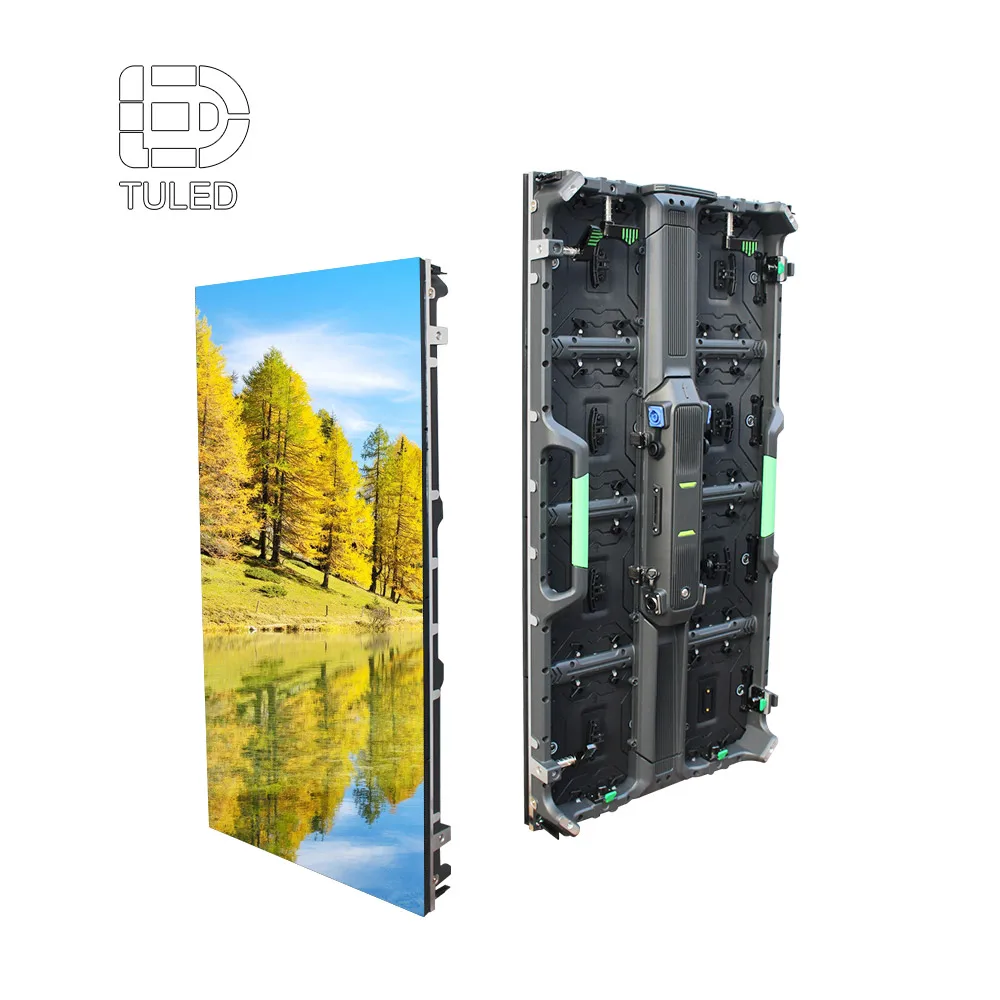
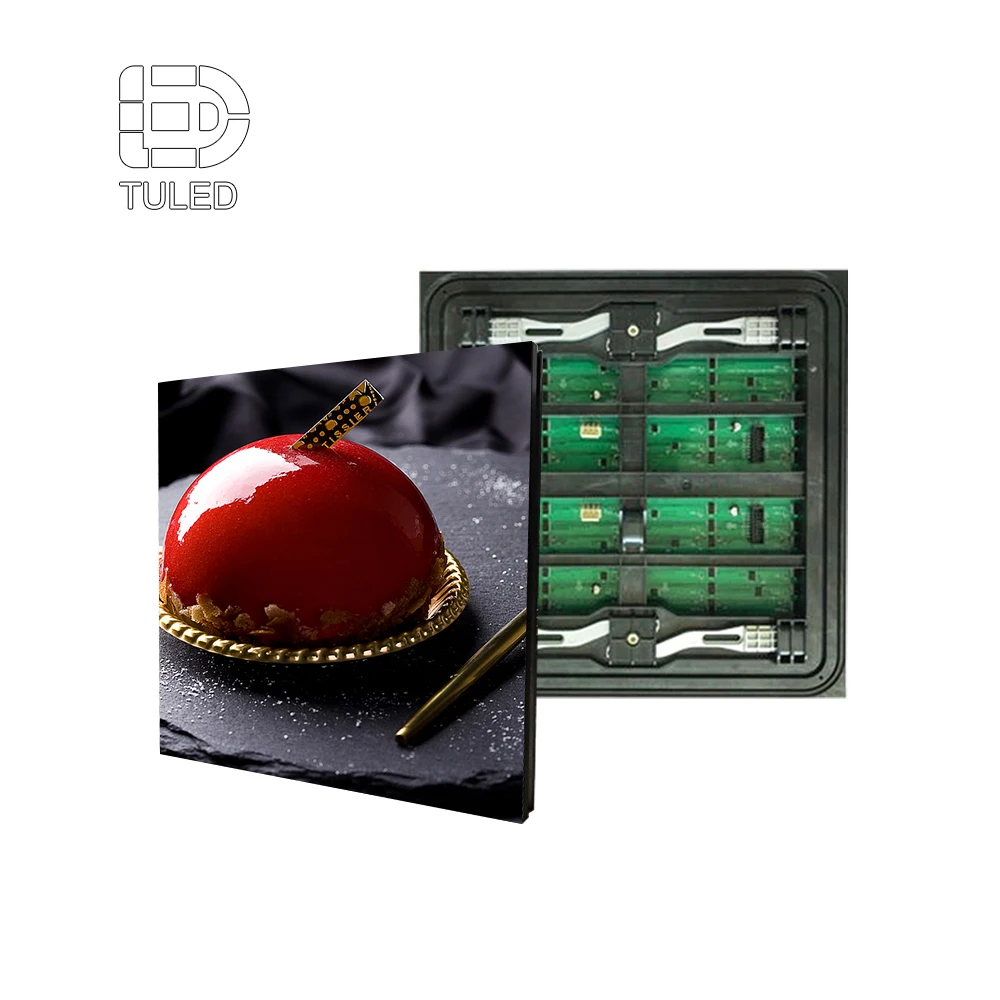
Formát kabinetu |
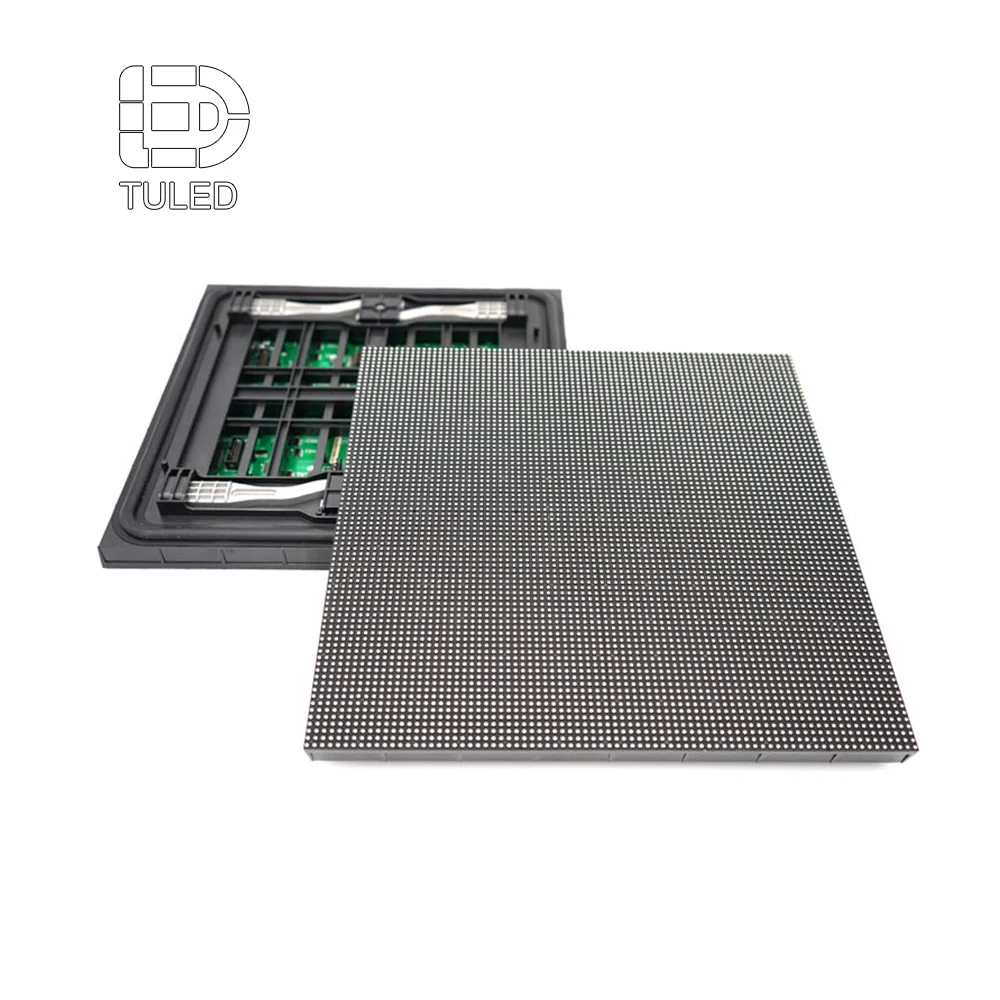
styl 640×480 |
Stacionární firemní a školicí stěny |
Střední |
Usnadňuje plánování poměru, čisté spáry a logiku údržby. |
Tato tabulka je plánovací zkratka, nikoli striktní pravidlo. Nejlépe funguje ve spojení s fotografiemi místnosti, skutečným uspořádáním sedadel a jasnou poznámkou o obsahu, který stěnu nejčastěji dominuje během týdne. Pokud potřebujete vyšší podrobnost v krátké vzdálenosti, stojí za to porovnat UHD displej s malými LED pixely možnosti společně s praktickými volbami kabinetů, jako jsou lED displej 640 × 480 .
Jemný pixelový rozestup není o ukazování
Jemný pixelový rozestup LED se často označuje jako premium, ale lepší způsob popisu je lidský: je to to, co dělá ze stěny klidné a pohodlné prostředí, když se lidé nacházejí v blízkosti. Sníží viditelnou strukturu pixelů. Pomáhá udržet čitelnost textu a uživatelských rozhraní. Dělá obličeje na videohovorech méně digitálními a přirozenějšími. V dokonale upraveném vnitřním prostředí je tento rozdíl cítit rychle, dokonce i lidmi, kteří nikdy nepoužívají termín „pixelový rozestup“.
Právě proto jemný pixelový rozestup přirozeně patří do ředitelských místností, řídicích prostor, premium informačních místností a moderních centrálních kanceláří. Podporuje použití z krátké vzdálenosti, kdy je stěna pečlivě prohlížena, nikoli pouze vnímána. Přesto by se jemný pixelový rozestup neměl považovat za trofejní nákup. Místnost s delší vzdáleností prohlížení a převážně pohyblivým obsahem z větší hustoty pixelů téměř nic nezíská. V některých případech může nadměrné výdaje na pixelový rozestup snížit rozpočet na lepší zpracování signálu, lepší montáž nebo důkladnější plánování náhradních dílů.
Správná otázka není, jaký je nejmenší dostupný pitch. Lepší otázkou je, jaký pitch způsobí, že se tato místnost bude cítit dokončená.

Obrázek 2. Vnitřní vzdělávací instalace, která ukazuje, proč je ve výukových prostorách důležitý čitelný text a pohodlná jasnost.
Zdrojová stránka: Projekt LED displeje pro vzdělávací sektor v Indonésii
Co lidé ve skutečnosti vnímají na vnitřní LED stěně
Mnoho nabídek příliš dlouho tráví čísly a příliš málo času vnímáním. Ve skutečných místnostech si lidé obvykle nejprve všimnou jednodušších věcí. Všimnou si, zda zůstává malý text čitelný. Všimnou si, zda bílé prezentace působí klidně nebo unavující. Všimnou si, zda stěna stále působí dobře i za zapnutého osvětlení na stropě. Během hybridních schůzek si všimnou, zda tváře vypadají přirozeně. Tyto reakce jsou důležité, protože vnitřní LED stěny jsou součástí každodenní práce, nikoli příležitostného spektaklu.
Jas je dobrým příkladem. Pro použití v interiéru neznamená více vždy lépe. V mnoha projektech se praktický cíl nachází někde mezi řízeným a pohodlným výstupem, nikoli na nejvyšší možné úrovni. Důležité je, zda zůstává stěna během běžného použití čitelná, vyvážená a neunavující, nikoli zda by dokázala zvítězit v soutěži jasu podle technických specifikací.
Chování při nízkém jasu je stejně důležité jako maximální výstup. Stěna, která působí dojmem při vysokém jasu, může být přesto unavující odpoledne nebo během dlouhých večerních schůzek, pokud je ovládání stmívání slabé. Obnovovací frekvence a stupnice šedé mají podobný význam. Jejich hodnota se projevuje hladší animací, lepším chováním kamer a přirozenějšími přechody, nikoli pouze číslem uvedeným v nadpisu.
Sada technických parametrů, která podporuje lepší zážitek z použití v interiéru
Jas a pohodlí
Vnitřní LED stěny často fungují v prostorách s různorodým osvětlením: denní světlo, stropní svítidla, odrazy od stolů, boční sklo a teplé architektonické povrchy. Proto musí být jas dostatečně vysoký pro čitelnost, ale zároveň dostatečně ovladatelný pro pohodlí.
Obnovovací frekvence a chování kamery
Pokud je místnost využívána pro celospolečenské schůze, živé přenosy, nahrávané prezentace nebo vysílání pro manažerskou vrstvu, chování kamery se stává skutečným rozhodovacím bodem. V takovém případě je rozumné požádat o testování kamer, kontrolu šedé stupnice a hodnocení reálného obsahu při provozní úrovni jasu, nikoli se spokojit pouze s údajem uvedeným v brožuře.
Logika kazety a směr údržby
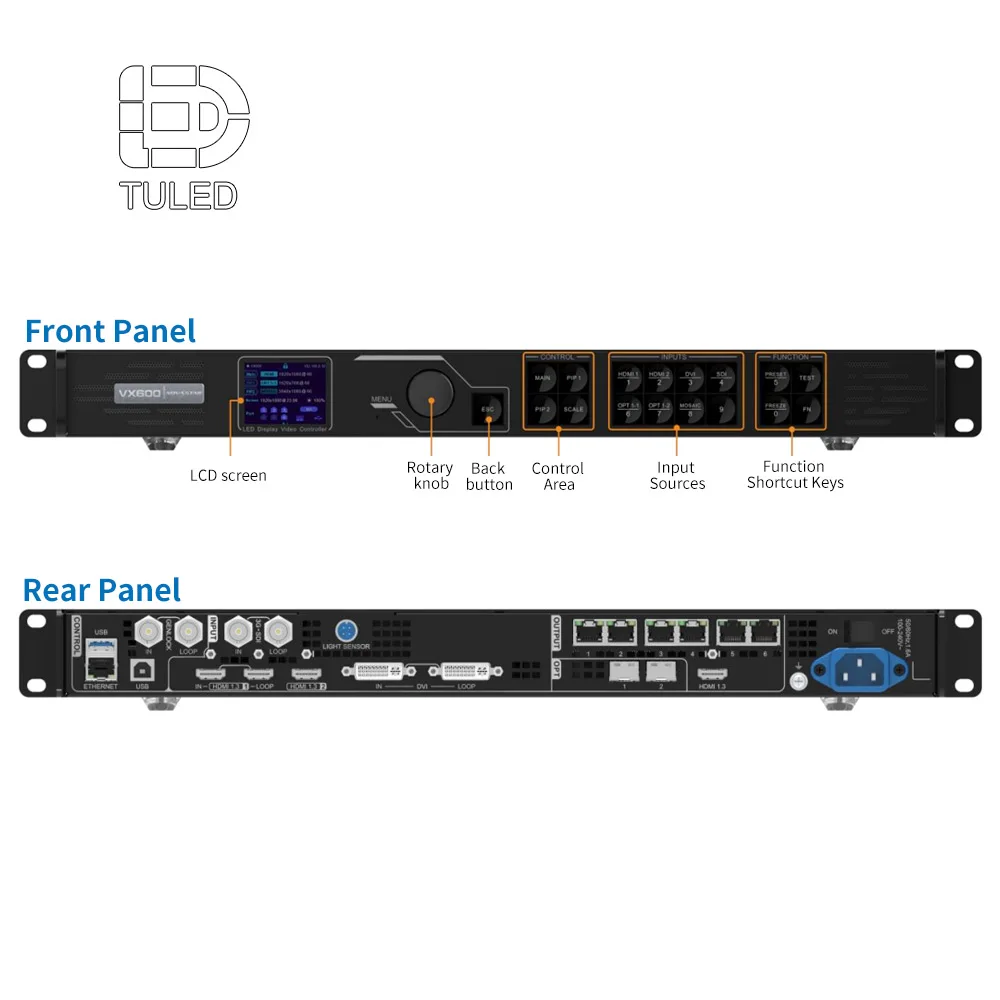
Formát kazety ovlivňuje, jak čistě se stěna vejde do prostoru. U pevných vnitřních instalací je často nutné pečlivě naplánovat poměry a zohlednit realistické dlouhodobé údržbové požadavky. Údržba zepředu může být zvláště cenná, pokud je přístup zezadu omezený nebo zcela nemožný.
Signálový řetězec a zpracování
I krásný panel může zklamat, pokud je signálová cesta slabá. Hardwaru s jemným rozlišením odpovídá i stejně důkladná pozornost věnovaná procesoru, škálování, kvalitě zdroje a stabilitě řídicího systému. Stěna není pouze panel – je to celý systém.

Obrázek 3. Velkoformátová vnitřní stěna v prostoru stylu amfiteátru, vhodná tam, kde je třeba dosáhnout velkého formátu bez obětování jasnosti a přehlednosti.
Zdrojová stránka: Co můžete dělat s vnitřním LED displejem?
Jak posoudit správnou stěnu, aniž by se celý proces proměnil v technický úkol pro inženýry
Vhodnou vnitřní stěnu lze vybrat jednoduchou metodou. Nevyžaduje zapamatování si každého technického termínu. Vyžaduje položení lepších, prakticky zaměřených otázek a ověření chování stěny za podmínek, za kterých bude ve skutečnosti v provozu.
- Stůjte na místě, kde bude sedět nebo stát nejbližší důležitý divák – nikoli pouze uprostřed místnosti.
- Zobrazte na stěně náročný obsah: tabulky, řídicí panely, husté prezentace nebo okna videohovorů.
- Během hodnocení nezhasínajte světla v místnosti, aby byla stěna posuzována za reálných pracovních podmínek.
- Sledujte tváře a tóny pleti, nikoli pouze grafiky a loga.
- Zeptejte se, zda bude zeď používána převážně pro čtení nebo pro vytvoření atmosféry.
- Potvrďte, zda je před zahájením tvorby konstrukčních výkresů nutná přední servisní obsluha.
- Zkontrolujte procesor, signální cestu a plán škálování co nejdříve.
- Pokud je důležité natáčení, požádejte o skutečné testy s kamerou místo slibů uvedených v brožurách.
Druhotné vnitřní displeje a významné displeje
Ne každý vnitřní projekt vyžaduje jedinou velkou zeď, která by plnila všechny funkce. Ve mnoha prostorách vytváří druhý displej nebo významný displej silnější celkové prostředí. Boční zeď v showroomu, kompaktní displej v blízkosti vstupu nebo významný displej v veřejném vnitřním prostoru mohou prezentovat kampaní obsah, příběhy o produktech nebo směrové informace, aniž by konkurovaly hlavní dominantní zdi v místnosti. Pro širší nápady na využití jsou obě části webu – LED video stěna sekce blog o vnitřních LED displejích – užitečným výchozím bodem.
Funguje to proto, že lidé se vnitřními prostory pohybují jinak. Zastavují se, otáčejí se, krátce se ohlížejí na stranu a přibližují se z různých úhlů. Proto často potřebuje obrazovka s významnou funkcí silnou vizuální přítomnost, čisté okraje a formát, který vypadá jako součást prostředí, nikoli jako dočasně přidaný prvek.

Obrázek 4. Velkoformátová vnitřní stěna použitá v komerčním interiéru, která ukazuje, jak spolu fungují vizuální měřítko a integrace do prostoru.
Zdrojová stránka: Co můžete dělat s vnitřním LED displejem?
Kontrolní seznam o 12 položkách před vyžádáním cenové nabídky
Silnější nákupní proces začíná lepším zadáním. Následující seznam udržuje diskusi praktickou a zabrání vágním nabídkám, které jsou založeny pouze na ploše obrazovky.
- Změřte nejbližší důležitou vzdálenost pro pozorování.
- Změřte největší běžnou vzdálenost pro pozorování.
- Určete hlavní typ obsahu: data, prezentace, video, branding nebo kombinované využití.
- Uveďte, zda je místnost určena převážně ke čtení nebo převážně k vytvoření atmosféry.
- Potvrďte požadovanou velikost obrazovky a preferovaný poměr stran.
- Zkontrolujte, zda je k dispozici zadní přístup nebo zda je vyžadován přední servis.
- Zaznamenejte okolní světelné podmínky v místnosti za běžného provozu.
- Uveďte, zda se předpokládá natáčení, živé vysílání nebo hybridní schůzky.
- Zeptejte se na doporučený pitch a na důvod tohoto doporučení.
- Zeptejte se na rozměry skříně, směr údržby a logiku konstrukce.
- Zeptejte se, jaký procesor a řídicí cesta jsou doporučeny.
- Požádejte o jednoduchý seznam přijímacích testů před schválením.
Běžné chyby, které způsobují, že vnitřní stěny působí horší, než by měly.
Jednou z běžných chyb je nákup příliš jemného pitchu a nedostatečný nákup ostatních částí systému. Velmi jemná stěna nemůže plně napravit slabé zpracování signálu, špatnou přípravu obsahu nebo nevhodnou logiku instalace. Další chybou je zacházení s vnitřní jasností jako s jasností venkovní. Vnitřní prostory se totiž nestávají lepšími pouze tím, že je stěna jasnější. Ve skutečnosti se často stávají unavujícími.
Třetí chybou je hodnocení stěny pouze na základě propagačního obsahu. Skutečné místnosti fungují na základě prezentací, řídicích panelů, textu a hovorů. Pokud tedy tyto prvky nejsou součástí hodnocení, je výběrový proces neúplný. Dalším častým problémem je zapomínání na přístup ke službám. Předpoklady týkající se zadního přístupu často selžou, jakmile je konečná poloha stěny pevně stanovena vzhledem ke konstrukčnímu povrchu.
Často kladené otázky
Jaký pixelový rozestup obvykle nejlépe vyhovuje konferenčnímu sálu?
Pro mnoho konferenčních sálů je rozsah P1.2 až P1.8 nejvhodnější, protože dobře vyváží čitelnost a náklady pro prezentace, tabulkové dokumenty a videohovory.
Je jemný rozestup vždy uvnitř budov vhodný?
Ne vždy. Jemný rozestup je nejvíce výhodný, pokud se lidé nacházejí blízko stěny, delší dobu se na ni dívají nebo potřebují číst hustý obsah.
Jaká je obvyklá jasnost pro vnitřní LED stěnu?
Vnitřní LED stěny často fungují nejlépe v omezeném rozsahu jasu, nikoli při extrémním výstupu. Lepší otázkou je, zda zůstává stěna klidná a čitelná při běžném pracovním jasu.
Proč je formát skříně důležitý vnitřních prostorů?
Protože vnitřní stěny jsou součástí architektury stejně jako technologie. Rozměry skříně ovlivňují poměr stran, švy, přístup ke servisu a to, jak dobře se stěna vejdou do běžných dispozic.
Jsou sekundární funkční obrazovky užitečné, pokud již existuje hlavní stěna?
Ano. Hlavní stěna by měla obvykle zachovat jasnou vizuální roli, zatímco sekundární obrazovka může zpracovávat flexibilní nebo lokální obsah.
Závěr
Nejlepší vnitřní LED stěna je zřídka ta, která má nejdelší technickou specifikaci. Je to spíše ta, která se v místnosti cítí správně běžný úterý ráno. Zajišťuje snadné čtení textu, podporuje konverzaci, ladí se s architekturou a zůstává praktická i v průběhu času. Bodová vzdálenost (pixel pitch) je pro toto rozhodování klíčová, avšak její hodnota se projeví pouze tehdy, je-li spojena s pozorovací vzdáleností, obsahem, pohodlím a logikou údržby – nikoli tehdy, je-li vnímána jako izolované číslo.
Pro týmy, které porovnávají dodavatele LED video stěn, je nejvhodnějším dalším krokem požadavek zaměřený na konkrétní projekt, nikoli obecný dotaz na ceny. Podrobnější zadání by mělo obsahovat rozměry místnosti, nejbližší vzdálenost pro pozorování, hlavní typ obsahu, podmínky osvětlení, směr údržby a informaci o tom, zda se předpokládá natáčení nebo hybridní schůzky.
Další krok: zkontrolovat Vnitřní LED displej , procházet LED video stěna , nebo přímo přejít na Kontaktujte nás s rozměry místnosti, vzdáleností pro pozorování, požadovanou velikostí stěny, dominantním typem obsahu a preferencí ohledně údržby.